GFCI (Ground Fault Circuit Interrupter) และ AFCI (Arc Fault Circuit Interrupter) เป็นอุปกรณ์ความปลอดภัยทางไฟฟ้าที่จำเป็นทั้งคู่ แต่ป้องกันอันตรายจากไฟฟ้าที่แตกต่างกัน GFCI ป้องกันไฟฟ้าช็อตโดยตรวจจับกระแสไฟรั่วลงดินได้ต่ำสุด 4-6 มิลลิแอมป์ และตัดวงจรภายใน 1/40 วินาที ในขณะที่ AFCI ป้องกันไฟไหม้จากไฟฟ้าโดยตรวจจับการอาร์คของไฟฟ้าที่เป็นอันตรายโดยใช้เทคโนโลยีไมโครโปรเซสเซอร์ขั้นสูง ปัจจุบันกฎหมายไฟฟ้าสมัยใหม่กำหนดให้มีการป้องกันทั้งสองอย่างในพื้นที่ที่ทับซ้อนกัน ทำให้เบรกเกอร์ GFCI/AFCI แบบ Dual-function มีความสำคัญมากขึ้นเพื่อความปลอดภัยในบ้านที่ครอบคลุม.
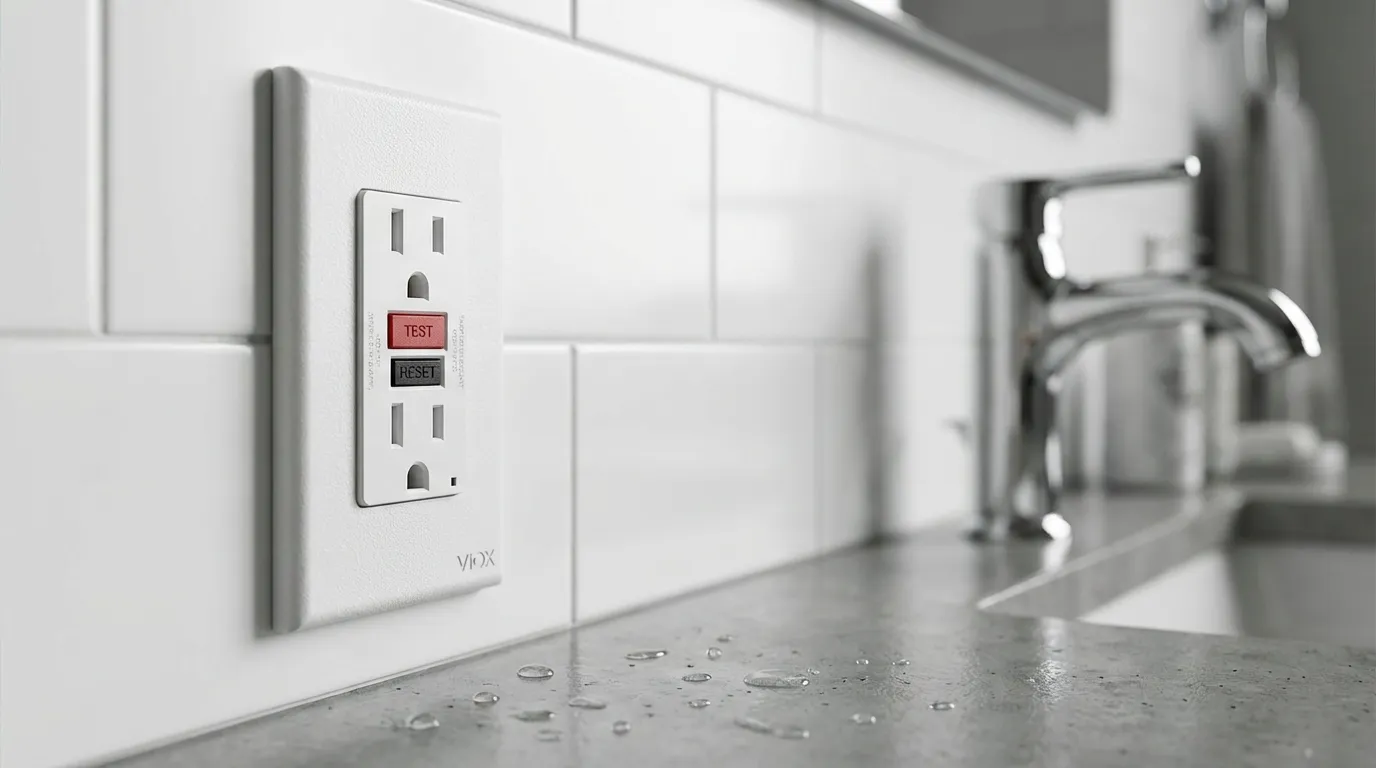
สิ่งสำคัญที่ต้องจดจำ
- อุปกรณ์ GFCI ปกป้องผู้คน จากไฟฟ้าช็อตโดยตรวจจับกระแสไฟรั่วลงดิน (กระแสไฟรั่ว) ในขณะที่ อุปกรณ์ AFCI ปกป้องทรัพย์สิน จากไฟไหม้จากไฟฟ้าโดยตรวจจับสภาวะการอาร์คที่เป็นอันตราย
- เบรกเกอร์แบบ Dual-function ที่รวมการป้องกัน GFCI และ AFCI เข้าด้วยกัน ปัจจุบันเป็นโซลูชันที่คุ้มค่าที่สุดสำหรับพื้นที่ที่ต้องการการป้องกันทั้งสองอย่างภายใต้ข้อกำหนด NEC 2023
- GFCI เป็นข้อบังคับ ในพื้นที่เปียก (ห้องน้ำ ห้องครัว กลางแจ้ง โรงรถ) ตาม NEC 210.8 ในขณะที่ AFCI เป็นสิ่งจำเป็น ในพื้นที่อยู่อาศัย (ห้องนอน ห้องนั่งเล่น ห้องครอบครัว) ตาม NEC 210.12
- การทดสอบรายเดือน ของอุปกรณ์ GFCI และ AFCI ทั้งสองอย่างมีความสำคัญอย่างยิ่ง อุปกรณ์ที่ไม่ผ่านการทดสอบหรือมีอายุเกิน 10-15 ปี ควรเปลี่ยนทันที
- รำลาดอีก ในอุปกรณ์ AFCI ลดลงอย่างมากด้วยรุ่นผสมที่ใหม่กว่า แต่ปัญหาเกี่ยวกับอุปกรณ์อิเล็กทรอนิกส์ที่ไม่เข้ากันและปัญหาการเดินสายไฟยังคงเป็นสาเหตุทั่วไป
- ตามข้อมูลของคณะกรรมการความปลอดภัยผลิตภัณฑ์สำหรับผู้บริโภคแห่งสหรัฐอเมริกา, AFCI สามารถป้องกันไฟไหม้จากไฟฟ้าในบ้านได้มากกว่า 50%, ซึ่งก่อให้เกิดความเสียหายต่อทรัพย์สินประมาณ 1.3 พันล้านดอลลาร์ต่อปี
What Are GFCI and AFCI Circuit Breakers?
GFCI (Ground Fault Circuit Interrupter) Definition
A GFCI is an electrical safety device designed to protect people from electrical shock caused by ground faults. It continuously monitors the electrical current flowing through the hot and neutral wires, immediately shutting off power when it detects even tiny differences that indicate current is flowing to ground through an unintended path—such as through a person’s body.
GFCI ช่วยชีวิตผู้คนมาตั้งแต่เปิดตัวในปี 1970 เทคโนโลยีนี้ทำงานโดยการเปรียบเทียบกระแสไฟในสายไฟร้อนกับกระแสไฟในสายนิวทรัล ภายใต้สภาวะปกติ ค่าเหล่านี้ควรเท่ากัน เมื่อมีคนสัมผัสเครื่องใช้หรือเครื่องมือที่ชำรุด กระแสไฟจะไหลผ่านร่างกายของพวกเขาลงดิน ทำให้เกิดความไม่สมดุลที่ GFCI ตรวจจับได้ทันที เวลาตอบสนองที่ช่วยชีวิตนี้คือ 1/40 วินาที (25-30 มิลลิวินาที) เร็วพอที่จะป้องกันการถูกไฟฟ้าดูดถึงแก่ชีวิตในสถานการณ์ส่วนใหญ่.
AFCI (Arc Fault Circuit Interrupter) Definition
AFCI เป็นอุปกรณ์ความปลอดภัยทางไฟฟ้าที่ออกแบบมาเพื่อป้องกันไฟไหม้จากไฟฟ้าโดยตรวจจับการอาร์คของไฟฟ้าที่เป็นอันตรายในระบบสายไฟ โดยใช้ระบบอิเล็กทรอนิกส์และไมโครโปรเซสเซอร์ขั้นสูงเพื่อแยกแยะระหว่างการอาร์คของไฟฟ้าปกติ (เช่น เมื่อคุณถอดปลั๊กเครื่องใช้ไฟฟ้าหรือพลิกสวิตช์) และการอาร์คที่เป็นอันตรายซึ่งอาจทำให้เกิดไฟไหม้ โดยจะตัดกระแสไฟโดยอัตโนมัติเมื่อตรวจพบสภาวะที่เป็นอันตราย.
การอาร์คของไฟฟ้าเกิดขึ้นเมื่อกระแสไฟกระโดดข้ามช่องว่างในสายไฟที่เสียหาย เสื่อมสภาพ หรือติดตั้งไม่ถูกต้อง การอาร์คเหล่านี้สามารถเข้าถึงอุณหภูมิที่สูงกว่า 10,000°F ซึ่งร้อนพอที่จะจุดชนวนวัสดุโดยรอบ เช่น โครงไม้และฉนวน จากข้อมูลของสำนักงานดับเพลิงแห่งสหรัฐอเมริกา ความล้มเหลวหรือการทำงานผิดพลาดทางไฟฟ้าเป็นสาเหตุอันดับสองของไฟไหม้ในบ้าน โดยคิดเป็นไฟไหม้ประมาณ 24,000 ครั้งต่อปี AFCI แก้ปัญหาช่องว่างด้านความปลอดภัยที่สำคัญนี้โดยให้การป้องกันที่แบบดั้งเดิม วงจร breakers ไม่สามารถนำเสนอได้.
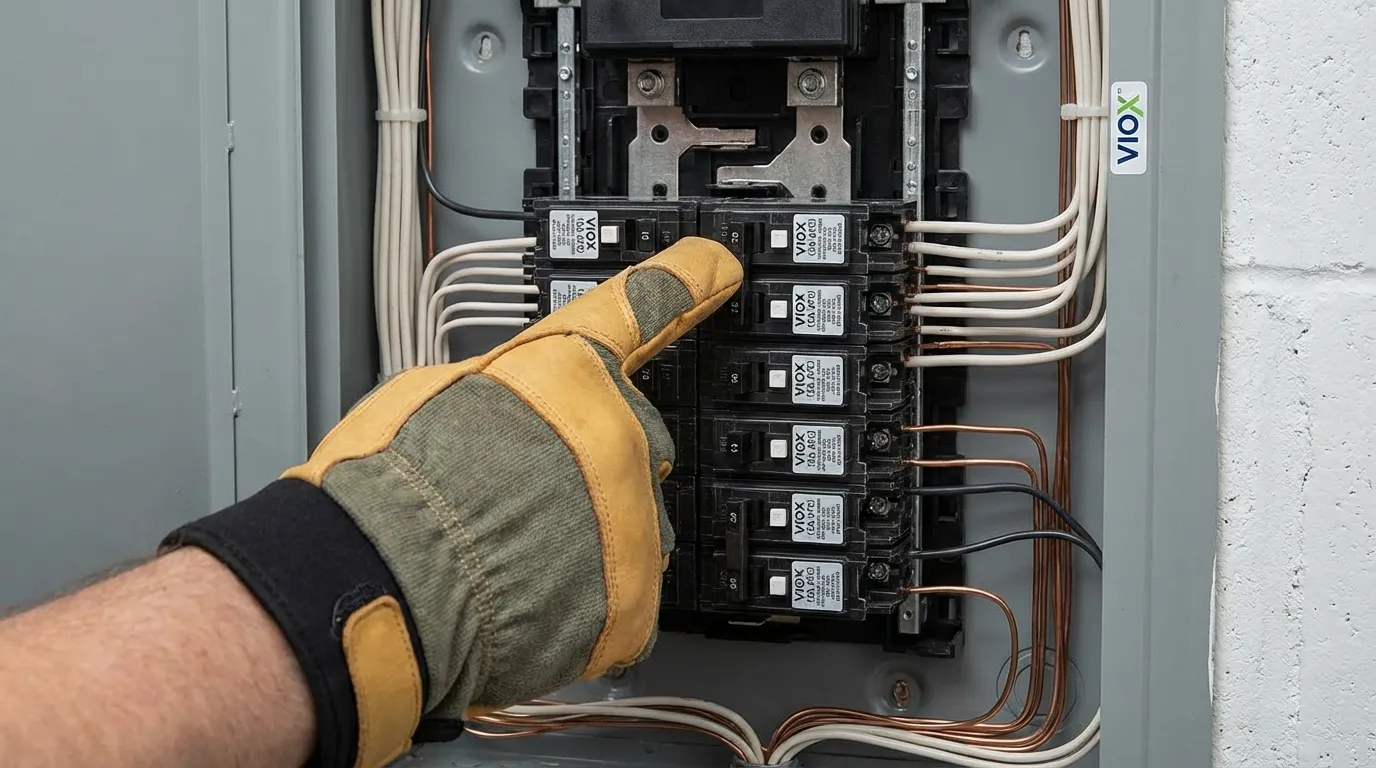
Key Differences Between GFCI and AFCI
นี่คือตารางที่ครอบคลุมซึ่งแสดงความแตกต่างหลักระหว่างเบรกเกอร์ GFCI และ AFCI:
| คุณสมบัติ | GFCI | AFCI |
|---|---|---|
| กลุ่มหลักการป้องกัน | Electrical shock prevention | Electrical fire prevention |
| Detects | Ground faults (4-6 milliamps) | Dangerous electrical arcs |
| การตอบสนองเวลา | 1/40 วินาที (25-30 มิลลิวินาที) | Milliseconds |
| เทคโนโลยี | การตรวจจับความแตกต่างของกระแสไฟ | การตรวจจับการอาร์คด้วยไมโครโปรเซสเซอร์ |
| Required Locations | ห้องน้ำ ห้องครัว กลางแจ้ง โรงรถ พื้นที่คลาน ใต้ดิน | ห้องนอน พื้นที่นั่งเล่น ห้องครอบครัว ห้องรับประทานอาหาร ทางเดิน |
| ส่วนรหัส NEC | Article 210.8 | มาตรา 210.12 |
| ค่าติดตั้ง | $15-45 per outlet/breaker | $45-75 ต่อเบรกเกอร์ |
| ค่าใช้จ่าย Dual Function | ไม่มีข้อมูล | 50-85 ดอลลาร์ต่อเบรกเกอร์ |
| Lifespan | 10-15 ปี | 10-20 ปี |
| ความถี่ในการทดสอบ | รายเดือน (จำเป็น) | รายเดือน (จำเป็น) |
| อัตราการตัดวงจรผิดพลาด | ต่ำ | ปานกลาง (ปรับปรุงอย่างมีนัยสำคัญในรุ่นใหม่กว่า) |
| กำหนดโดย NEC เป็นครั้งแรก | 1971 (สถานที่เฉพาะ) | 1999 (เฉพาะห้องนอน) |
| ระดับการป้องกัน | ความปลอดภัยของบุคลากร | การคุ้มครองทรัพย์สิน |
เมื่อใดและที่ไหนควรใช้ GFCI เทียบกับ AFCI
ตำแหน่งที่ต้องใช้ GFCI (NEC 210.8)
⚠️ ข้อกำหนดด้านความปลอดภัย: GFCIs เป็นข้อบังคับในสถานที่เหล่านี้ตามประมวลกฎหมายไฟฟ้าแห่งชาติ:
ที่อยู่อาศัย (หน่วยที่อยู่อาศัย):
- ห้องน้ำ – เต้ารับ 125 โวลต์, 15 และ 20 แอมแปร์ทั้งหมด
- ห้องครัวของ – เต้ารับทั้งหมดที่ให้บริการพื้นผิวเคาน์เตอร์และภายใน 6 ฟุตจากอ่างล้างจาน
- ภายนอกอาคาร – เต้ารับทั้งหมดที่เข้าถึงได้จากระดับพื้นดิน
- โรงรถและอาคารอุปกรณ์เสริม – เต้ารับทั้งหมด (ยกเว้นเครื่องใช้เฉพาะในสถานที่ที่ไม่สามารถเข้าถึงได้)
- พื้นที่คลาน – เต้ารับ 125 โวลต์, 15 และ 20 แอมแปร์ทั้งหมด
- ชั้นใต้ดินที่ยังไม่เสร็จ – เต้ารับทั้งหมด (โดยมีข้อยกเว้นสำหรับเครื่องใช้เฉพาะ)
- พื้นที่ซักรีด – เต้ารับภายใน 6 ฟุตจากอ่างล้างจาน
- ห้องเอนกประสงค์ – เต้ารับภายใน 6 ฟุตจากอ่างล้างจาน
- บาร์เปียก – เต้ารับทั้งหมดภายใน 6 ฟุตจากอ่างล้างจาน
- โรงเก็บเรือ – เต้ารับทั้งหมด
การอัปเดต NEC 2023:
NEC 2023 ขยายข้อกำหนด GFCI อย่างมีนัยสำคัญ ปัจจุบันกำหนดให้มีการป้องกันสำหรับเต้ารับทั้งหมด 125 โวลต์ถึง 250 โวลต์ในหลายสถานที่ รวมถึงเครื่องล้างจาน เครื่องกำจัดขยะ และเครื่องใช้ไฟฟ้าแบบติดตั้งอื่นๆ ในห้องครัวและพื้นที่ที่คล้ายกัน.
AFCI Required Locations (NEC 210.12)
🔥 FIRE PREVENTION REQUIREMENT: AFCIs are mandatory in these locations:
ที่อยู่อาศัย (หน่วยที่อยู่อาศัย):
- ห้องนอน – วงจรสาขา 120 โวลต์, 15 และ 20 แอมแปร์ทั้งหมด
- ห้องนั่งเล่น – วงจรทั้งหมดที่จ่ายไฟให้กับเต้ารับหรืออุปกรณ์
- ห้องครอบครัว – วงจรทั้งหมดที่จ่ายไฟให้กับเต้ารับหรืออุปกรณ์
- ห้องรับประทานอาหาร – วงจรทั้งหมดที่จ่ายไฟให้กับเต้ารับหรืออุปกรณ์
- ทางเดิน – วงจรทั้งหมดที่จ่ายไฟให้กับเต้ารับหรืออุปกรณ์
- ตู้เสื้อผ้า – วงจรทั้งหมดที่จ่ายไฟให้กับเต้ารับหรืออุปกรณ์
- ห้องอาบแดด – วงจรทั้งหมดที่จ่ายไฟให้กับเต้ารับหรืออุปกรณ์
- ห้องสันทนาการ – วงจรทั้งหมดที่จ่ายไฟให้กับเต้ารับหรืออุปกรณ์
- ห้องสมุดและห้องทำงาน – วงจรทั้งหมดที่จ่ายไฟให้กับเต้ารับหรืออุปกรณ์
การขยาย NEC 2023:
วงจรโค้ด 2023 ขยายข้อกำหนด AFCI เพิ่มเติมเพื่อให้ครอบคลุมถึงที่พักนอนในสถานีดับเพลิง สถานีตำรวจ สถานีรถพยาบาล และสิ่งอำนวยความสะดวกที่คล้ายกัน โดยตระหนักถึงความสำคัญอย่างยิ่งของการป้องกันอัคคีภัยในอาคารบริการที่จำเป็นเหล่านี้.
สถานที่ที่ต้องการการป้องกัน GFCI และ AFCI ทั้งคู่
💡 โซนป้องกันคู่: บางวงจรต้องมีการป้องกันทั้งสองประเภท:
- เต้ารับในครัว (GFCI สำหรับไฟฟ้าช็อต + AFCI สำหรับการป้องกันอัคคีภัย)
- พื้นที่ซักรีด (GFCI สำหรับพื้นที่เปียก + AFCI สำหรับการป้องกันพื้นที่อยู่อาศัย)
- พื้นที่อยู่อาศัยในห้องใต้ดิน (GFCI สำหรับพื้นที่ชื้น + AFCI สำหรับพื้นที่ที่อยู่อาศัยได้)
- เต้ารับในโรงรถบนวงจรห้องนอน (เมื่อวงจรขยายจากห้องนอน)
เคล็ดลับจากผู้เชี่ยวชาญ: สำหรับพื้นที่ที่ต้องการการป้องกันทั้งสองอย่าง ให้ใช้ เซอร์กิตเบรกเกอร์ GFCI/AFCI แบบสองฟังก์ชัน แทนที่จะรวมอุปกรณ์แยกกัน เบรกเกอร์แบบสองฟังก์ชันมีราคาแพงกว่าเบรกเกอร์ AFCI เพียงเล็กน้อย แต่ช่วยลดความซับซ้อนและปัญหาความเข้ากันได้ที่อาจเกิดขึ้นจากการใช้เบรกเกอร์ AFCI กับเต้ารับ GFCI.
How GFCI and AFCI Work: Technical Breakdown
GFCI Operation Mechanism
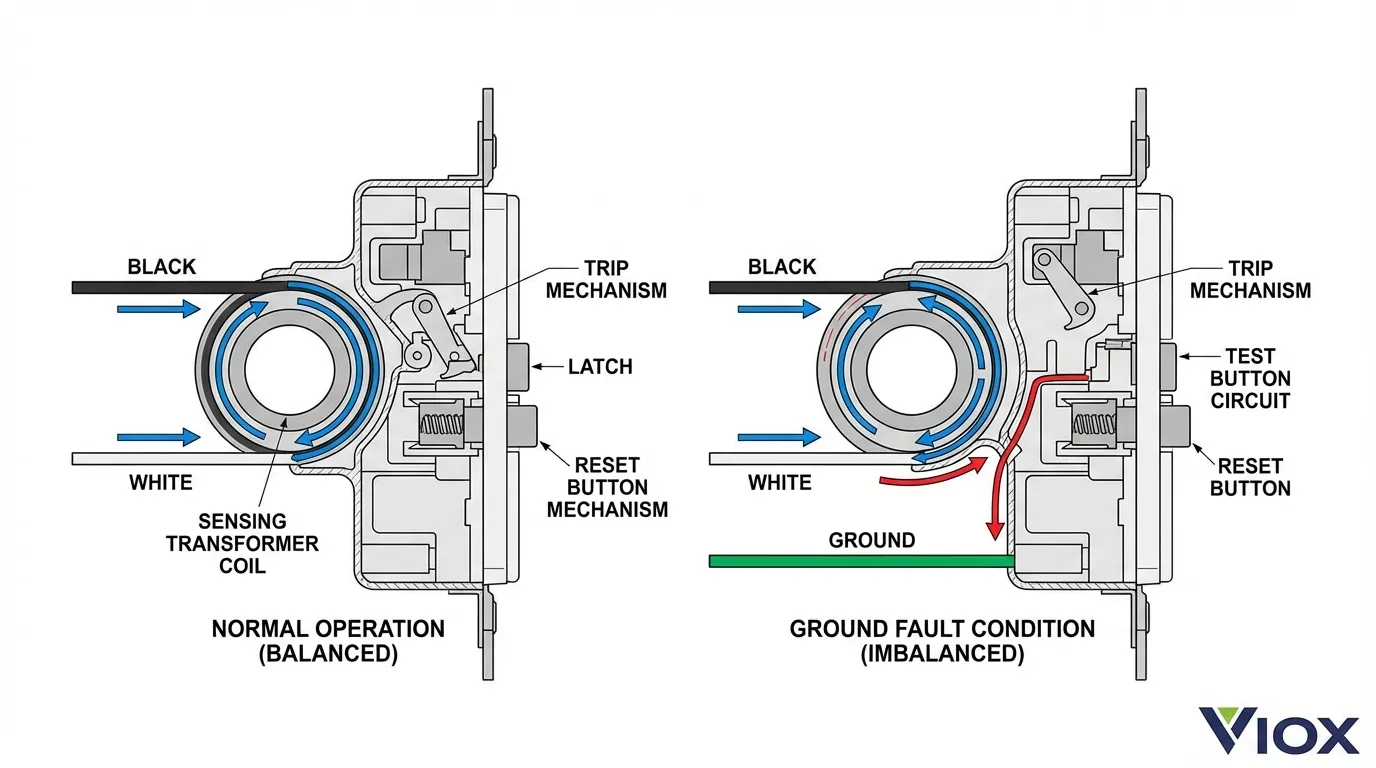
GFCIs work by continuously comparing the current flowing through the hot (line) wire to the current returning through the neutral wire. Under normal conditions, these currents should be nearly identical. When a ground fault occurs:
- การตรวจจับความไม่สมดุลของกระแสไฟฟ้า – กระแสไฟฟ้าไหลผ่านเส้นทางที่ไม่ตั้งใจ (เช่น ผ่านคนที่สัมผัสเครื่องใช้ไฟฟ้าที่ชำรุด)
- การตรวจจับส่วนต่าง – หม้อแปลงตรวจจับของ GFCI ตรวจจับความไม่สมดุลนี้ (น้อยเพียง 4-6 มิลลิแอมป์)
- การตอบสนองอย่างรวดเร็ว – อุปกรณ์จะตัดวงจรภายใน 1/40 วินาที (25-30 มิลลิวินาที)
- ไฟฟ้าดับ – ไฟฟ้าจะถูกตัดทันทีเพื่อป้องกันไฟฟ้าช็อต
ข้อกำหนดทางเทคนิค:
- เกณฑ์การตัดวงจร: 4-6 mA ±1 mA
- เวลาในการตัดวงจร: 25-30 มิลลิวินาทีที่กระแสไฟฟ้าที่กำหนด
- แรงดันไฟฟ้าที่ใช้งาน: โดยทั่วไปคือ 120V หรือ 240V
- กลไกการรีเซ็ต: ต้องรีเซ็ตด้วยปุ่มกดด้วยตนเอง
เกณฑ์ 4-6 มิลลิแอมป์ได้รับการปรับเทียบอย่างระมัดระวัง การศึกษาแสดงให้เห็นว่ากระแสไฟฟ้าที่สูงกว่า 10 mA สามารถทำให้กล้ามเนื้อหดตัวซึ่งป้องกันไม่ให้บุคคลปล่อยแหล่งกำเนิดไฟฟ้า (เรียกว่า “เกณฑ์การปล่อย”) ในขณะที่กระแสไฟฟ้าที่สูงกว่า 30 mA สามารถทำให้เกิดอัมพาตระบบทางเดินหายใจได้ เกณฑ์ 4-6 mA ของ GFCI ให้ระยะขอบด้านความปลอดภัยที่สำคัญ.
AFCI Operation Mechanism
AFCIs ใช้แผงวงจรอิเล็กทรอนิกส์และไมโครโปรเซสเซอร์ที่ซับซ้อนเพื่อวิเคราะห์รูปคลื่นไฟฟ้าและตรวจจับสภาวะการอาร์คที่เป็นอันตราย:
- การตรวจสอบอย่างต่อเนื่อง – ไมโครโปรเซสเซอร์ขั้นสูงตรวจสอบลายเซ็นไฟฟ้าแบบเรียลไทม์
- การวิเคราะห์ลายเซ็นการอาร์ค – อุปกรณ์แยกแยะระหว่างการอาร์คปกติ (การทำงานของเครื่องใช้ไฟฟ้า, หน้าสัมผัสสวิตช์) และการอาร์คที่เป็นอันตราย (สายไฟที่เสียหาย, การเชื่อมต่อหลวม)
- การตรวจจับอันตราย – เมื่อตรวจพบการอาร์คที่เป็นอันตราย AFCI จะตัดวงจรภายในมิลลิวินาที
- การขัดจังหวะวงจรไฟฟ้า – ไฟฟ้าจะถูกตัดเพื่อป้องกันไฟไหม้จากไฟฟ้า
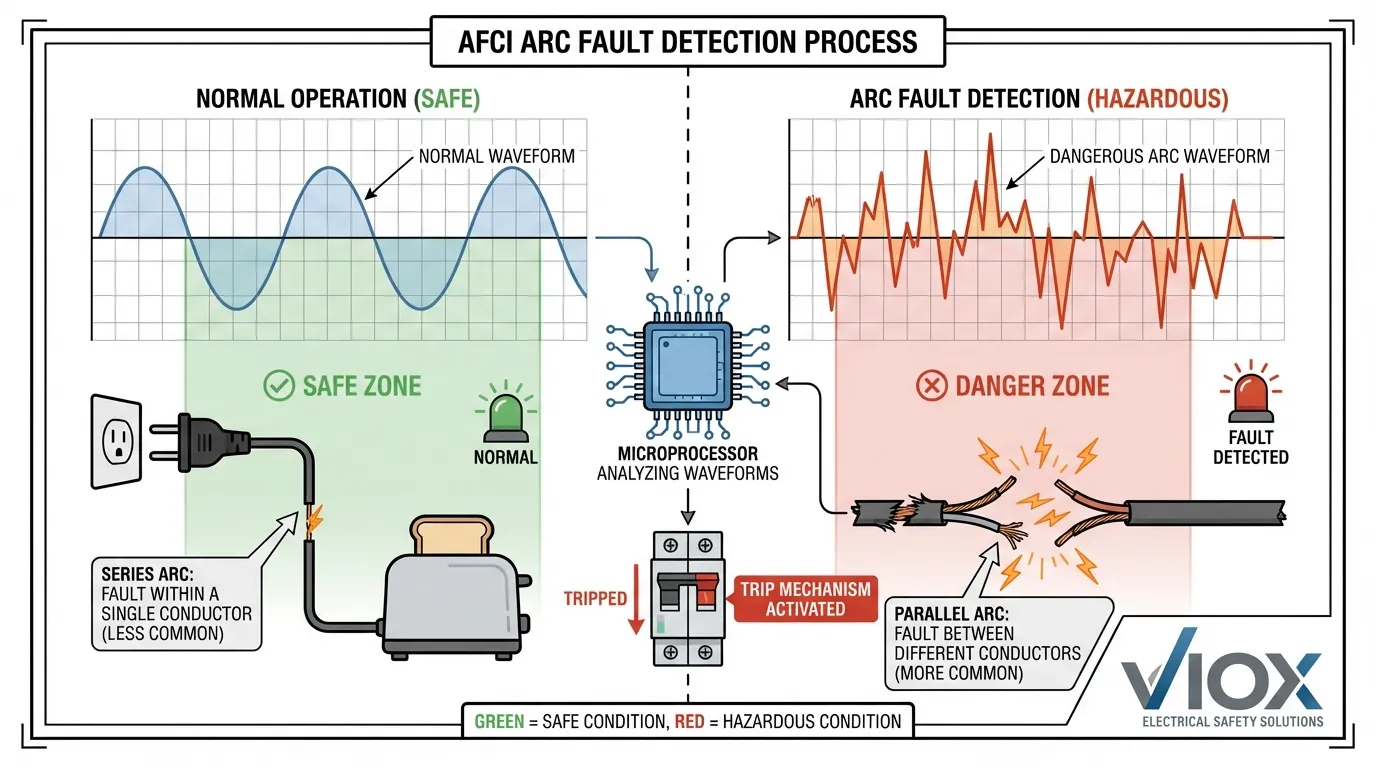
🔧 TECHNICAL NOTE: AFCIs แบบผสมผสานที่ทันสมัยสามารถตรวจจับ:
- การอาร์คแบบอนุกรม – การอาร์คตามสายไฟเส้นเดียว (เช่น ฉนวนที่เสียหาย)
- การอาร์คแบบขนาน – การอาร์คระหว่างสายไฟที่มีไฟและสายนิวทรัล หรือสายไฟที่มีไฟและสายดิน
- การอาร์คลงดิน – การอาร์คระหว่างสายไฟที่มีไฟและสายดิน
- การอาร์คแบบผสมผสาน – การอาร์คหลายประเภทเกิดขึ้นพร้อมกัน
เทคโนโลยีนี้กรองการอาร์คในการทำงานปกติออกไป ในขณะที่ตรวจจับรูปแบบการอาร์คที่เป็นอันตราย ซึ่งรวมถึงการวิเคราะห์ระยะเวลาการอาร์ค ความถี่ ลายเซ็นกระแสไฟฟ้า และรูปแบบการทำซ้ำ เพื่อลดการตัดวงจรที่ก่อให้เกิดความรำคาญ ในขณะที่ยังคงรักษาความปลอดภัย.
Types of GFCI and AFCI Devices
GFCI Device Types
| ประเภท | โปรแกรม | สถานที่ติดตั้ง | ค่าช่วง | นายได้เปรียบอะไรบ้าง |
|---|---|---|---|---|
| GFCI Outlet | Individual outlet protection | Replaces standard outlet | $15-30 | ปกป้องเต้ารับปลายทาง ทดสอบง่าย |
| GFCI Circuit Breaker | การป้องกันวงจรทั้งหมด | แผงไฟฟ้าหลัก | $45-75 | การป้องกันทั้งวงจร ทนทานต่อการงัดแงะ |
| GFCI แบบพกพา | การป้องกันชั่วคราว | เสียบเข้ากับเต้ารับที่มีอยู่ | $25-50 | พกพาได้ ไม่ต้องติดตั้ง |
| สายต่อ GFCI | ใช้ภายนอกอาคาร/ชั่วคราว | รวมอยู่ในสายไฟ | $30-60 | สะดวกสำหรับเครื่องมือกลางแจ้ง |
ประเภทอุปกรณ์ AFCI
| ประเภท | การตรวจจับความผิดพลาดของอาร์ค | โปรแกรม | รทำตามข้อตกล | บันทึกย่อ |
|---|---|---|---|---|
| Branch/Feeder AFCI | อาร์คแบบอนุกรมเท่านั้น | เทคโนโลยีเก่า | ไม่เป็นไปตามข้อกำหนด NEC สำหรับการติดตั้งใหม่ | ยกเลิกการใช้งานหลังจากปี 2008 |
| AFCI แบบผสมผสาน | อาร์คแบบอนุกรมและแบบขนาน | มาตรฐานปัจจุบัน | จำเป็นสำหรับการติดตั้งใหม่ | มาตรฐานอุตสาหกรรมตั้งแต่ปี 2008 |
| Outlet Branch Circuit AFCI | อาร์คแบบอนุกรมและแบบขนาน | การป้องกันระดับเต้ารับ | ทางเลือกสำหรับ Circuit Breaker | ใช้ในสถานการณ์การปรับปรุงใหม่ |
| AFCI/GFCI แบบสองฟังก์ชัน | การอาร์คทุกประเภท + กระแสไฟฟ้ารั่วลงดิน | พื้นที่ที่ต้องการการป้องกันทั้งสองอย่าง | เป็นไปตามข้อกำหนด NEC 210.8 และ 210.12 | โซลูชันที่คุ้มค่าที่สุด |
ข้อแตกต่างที่สำคัญ: คำว่า “ผสมผสาน” บนเบรกเกอร์ AFCI หมายถึงความสามารถในการตรวจจับข้อผิดพลาดในการอาร์คทั้งแบบอนุกรมและแบบขนาน ซึ่งไม่ได้หมายความว่าเบรกเกอร์มีการป้องกัน GFCI เฉพาะเบรกเกอร์ที่ระบุว่า “Dual Function” หรือ “AFCI/GFCI” เท่านั้นที่ให้การป้องกันทั้งสองประเภท.
เบรกเกอร์ GFCI/AFCI แบบสองฟังก์ชัน: โซลูชันที่ทันสมัย
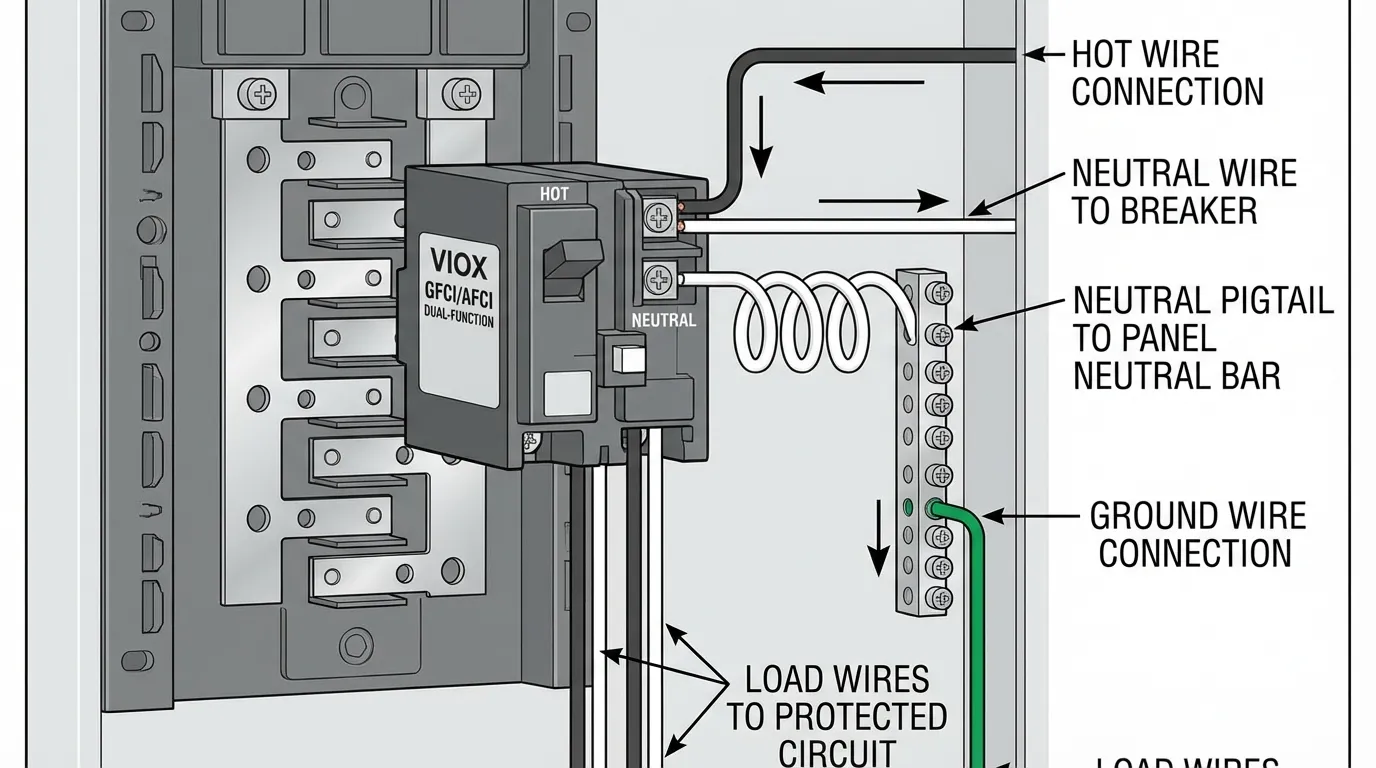
เหตุใดเบรกเกอร์แบบสองฟังก์ชันจึงได้รับความนิยมมากขึ้น
เนื่องจากข้อกำหนดของ NEC ได้ขยายออกไป วงจรจำนวนมากจึงต้องการการป้องกัน GFCI และ AFCI เบรกเกอร์แบบสองฟังก์ชันมีข้อดีหลายประการ:
ประสิทธิภาพต้นทุน:
- เบรกเกอร์แบบสองฟังก์ชัน: $50-85
- เบรกเกอร์ AFCI + เต้ารับ GFCI: $60-105
- เงินออม: $10-20 ต่อวงจร พร้อมลดเวลาในการติดตั้ง
ประหยัดพื้นที่:
- กินพื้นที่ช่องเบรกเกอร์เดี่ยวในแผง
- ไม่จำเป็นต้องมีเต้ารับ GFCI ในหลายตำแหน่ง
- ลดความซับซ้อนในการจัดระเบียบแผง
ข้อดีด้านความน่าเชื่อถือ:
- จุดป้องกันเดียวช่วยลดจุดที่อาจเกิดความล้มเหลว
- แก้ไขปัญหาได้ง่ายขึ้นเมื่อเกิดการตัดวงจร
- การป้องกันที่สม่ำเสมอทั่วทั้งวงจร
การปฏิบัติตามรหัส:
- เป็นไปตามข้อกำหนด NEC 210.8 (GFCI) และ 210.12 (AFCI)
- เหมาะสำหรับวงจรในห้องครัว พื้นที่ซักรีด และพื้นที่นั่งเล่นในห้องใต้ดิน
- ลดความซับซ้อนของกระบวนการตรวจสอบและอนุมัติ
เมื่อใดควรใช้อุปกรณ์แบบ Dual-Function เทียบกับอุปกรณ์แยก
ใช้เบรกเกอร์ Dual-Function เมื่อ:
- ติดตั้งวงจรใหม่ในห้องครัว ห้องซักรีด หรือพื้นที่นั่งเล่นในห้องใต้ดิน
- อัปเกรดแผงวงจรเก่าเพื่อให้เป็นไปตามข้อกำหนดปัจจุบัน
- ปกป้องเครื่องใช้ไฟฟ้า เช่น เครื่องล้างจาน เครื่องกำจัดขยะ และเครื่องซักผ้า
- ลดความซับซ้อนในการป้องกันในพื้นที่ที่มีข้อกำหนดทั้งสอง
ใช้เต้ารับ GFCI แยกต่างหากบนวงจร AFCI เมื่อ:
- ปรับปรุงวงจรที่มีอยู่ (คุ้มค่ากว่า)
- ต้องการการป้องกัน GFCI ณ จุดใช้งานสำหรับเต้ารับเฉพาะ
- พื้นที่แผงวงจรมีจำกัดและติดตั้งเบรกเกอร์ AFCI แล้ว
- แก้ไขปัญหาการตัดวงจรที่น่ารำคาญ (ง่ายต่อการแยกปัญหา)
การติดตั้งและข้อควรพิจารณาด้านความปลอดภัย
ข้อกำหนดการติดตั้งโดยมืออาชีพ
⚠️ SAFETY WARNING: การติดตั้ง GFCI และ AFCI ควรดำเนินการโดยช่างไฟฟ้าที่มีใบอนุญาต การทำงานกับแผงวงจรไฟฟ้าและวงจรมีความเสี่ยงร้ายแรงต่อการถูกไฟฟ้าดูด ไฟไหม้ และการละเมิดข้อกำหนด การติดตั้งที่ไม่เหมาะสมอาจสร้างอันตรายที่ร้ายแรงกว่าการไม่มีการป้องกันเลย.
เหตุใดการติดตั้งโดยมืออาชีพจึงมีความสำคัญ:
- การแยกสายดินที่เป็นกลางอย่างเหมาะสม (สำคัญสำหรับการทำงานของ AFCI)
- การคำนวณโหลดที่ถูกต้องเพื่อป้องกันการโอเวอร์โหลด
- การปฏิบัติตามข้อกำหนดและแก้ไขเพิ่มเติมของรหัสไฟฟ้าในท้องถิ่น
- การทดสอบและการตรวจสอบการทำงานที่เหมาะสม
- เอกสารสำหรับวัตถุประสงค์ด้านการประกันภัยและการขายต่อ
ข้อผิดพลาดในการติดตั้งทั่วไปที่ควรหลีกเลี่ยง
ข้อผิดพลาดในการติดตั้ง AFCI:
- สายดินที่เป็นกลางที่ใช้ร่วมกัน – วงจรหลายสายต้องมีการจัดการเป็นพิเศษ
- การเชื่อมต่อสายดินที่เป็นกลางที่ไม่ถูกต้อง – ต้องใช้ขั้วต่อสายดินที่เป็นกลางโดยเฉพาะ
- การผสมสายไฟเก่าและใหม่ – อาจทำให้เกิดการตัดวงจรที่น่ารำคาญ
- อุปกรณ์ที่ไม่เข้ากัน – ไม่ใช่เบรกเกอร์ทั้งหมดที่พอดีกับทุกแผง
ข้อผิดพลาดในการติดตั้ง GFCI:
- การเชื่อมต่อสาย/โหลดกลับด้าน – ป้องกันการป้องกันที่เหมาะสม
- สายดินที่เป็นกลางที่ใช้ร่วมกับวงจรที่ไม่ใช่ GFCI – ทำให้เกิดการตัดวงจรทันที
- สายดินที่ไม่ถูกต้อง – การปฏิบัติที่เป็นอันตรายซึ่งทำลายการป้องกัน GFCI
- ไม่มีฝาครอบกันฝน – จำเป็นสำหรับการติดตั้งภายนอกอาคาร
Step-by-Step GFCI Testing Process
Monthly Testing Protocol:
- การตรวจสอบด้วยสายตา – ตรวจสอบความเสียหายทางกายภาพ การเปลี่ยนสี หรือกลิ่นไหม้
- กดปุ่ม TEST – อุปกรณ์ควรตัดวงจรทันที (เสียงคลิก ไฟดับ)
- ตรวจสอบการสูญเสียพลังงาน – ใช้เครื่องทดสอบแรงดันไฟฟ้าหรือเสียบปลั๊กไฟเพื่อยืนยันว่าไม่มีไฟ
- กดปุ่ม RESET – อุปกรณ์ควรรีเซ็ตด้วยเสียงคลิก
- ตรวจสอบการคืนค่าพลังงาน – ยืนยันว่าไฟกลับมาที่เต้ารับ
- บันทึกผลลัพธ์ – เก็บบันทึกการทดสอบพร้อมวันที่และผลลัพธ์
ตัวบ่งชี้ความล้มเหลว:
- ปุ่ม TEST ไม่ตัดวงจรอุปกรณ์
- ปุ่ม RESET ไม่คงที่
- ไฟฟ้าบางส่วน (เต้ารับบางตัวใช้งานได้ เต้ารับบางตัวใช้งานไม่ได้)
- แสดงความเสียหายหรือได้กลิ่นไหม้
- อุปกรณ์มีอายุมากกว่า 10-15 ปี
Step-by-Step AFCI Testing Process
Monthly Testing Protocol:
- ค้นหาเบรกเกอร์ AFCI – ระบุเบรกเกอร์ในแผงหลัก (ระบุว่า “AFCI” หรือ “Combination AFCI”)
- กดปุ่ม TEST – ที่จับเบรกเกอร์ควรตัดไปที่ตำแหน่งตรงกลาง
- ตรวจสอบการตัดกระแสไฟฟ้าของวงจร – ยืนยันว่าไม่มีกระแสไฟฟ้าไปยังเต้ารับทั้งหมดในวงจร
- รีเซ็ตเบรกเกอร์ – ดันคันโยกไปที่ตำแหน่ง OFF อย่างแน่นหนา จากนั้นไปที่ตำแหน่ง ON
- ตรวจสอบการคืนสภาพ – ตรวจสอบว่ากระแสไฟฟ้ากลับมาที่เต้ารับทั้งหมด
- ตรวจสอบการตัดวงจรที่ไม่พึงประสงค์ – สังเกตการตัดวงจรที่ไม่คาดคิดเพื่อแก้ไขปัญหา
🔧 EXPERT TIP: จัดทำบันทึกการทดสอบสำหรับอุปกรณ์ GFCI และ AFCI เปลี่ยนอุปกรณ์ใดๆ ที่ทดสอบไม่ถูกต้อง หรือมีอายุเกิน 10-15 ปี อุปกรณ์ที่ทันสมัยหลายชนิดมีคุณสมบัติทดสอบตัวเอง แต่การทดสอบด้วยตนเองเป็นประจำทุกเดือนยังคงเป็นมาตรฐานทองคำสำหรับการตรวจสอบความปลอดภัย.
Troubleshooting Common GFCI and AFCI Issues
GFCI Troubleshooting Guide
Problem: GFCI Won’t Reset
สาเหตุที่เป็นไปได้:
- การลงกราวด์ที่ทำงานอยู่บนวงจร
- อุปกรณ์ GFCI เสียหาย
- ความชื้นในกล่องเต้ารับ
- ส่วนประกอบภายในสึกหรอ
วิธีแก้ไข:
- ถอดอุปกรณ์ทั้งหมดออกจาก GFCI และเต้ารับปลายทาง
- ลองรีเซ็ตโดยไม่มีโหลดเชื่อมต่อ
- หากสำเร็จ ให้เสียบอุปกรณ์ทีละเครื่องเพื่อระบุอุปกรณ์ที่ผิดพลาด
- หากไม่สำเร็จ ให้ตรวจสอบความชื้นในกล่องและปล่อยให้แห้ง
- เปลี่ยน GFCI หากมีอายุเกิน 10 ปี หรือหากปัญหายังคงอยู่
ปัญหา: GFCI ตัดบ่อย
สาเหตุที่เป็นไปได้:
- เครื่องใช้ไฟฟ้าหรือเครื่องมือที่ผิดพลาดทำให้เกิดการลงกราวด์
- ความชื้นในสายไฟหรือการเชื่อมต่อ
- ฉนวนสายไฟชำรุด
- กระแสไฟรั่วสะสมจากอุปกรณ์หลายเครื่อง
- การเสื่อมสภาพตามอายุการใช้งานปกติ
วิธีแก้ไข:
- ระบุรูปแบบ (เครื่องใช้ไฟฟ้าเฉพาะ สภาพอากาศ เวลา)
- ทดสอบเครื่องใช้ไฟฟ้าแต่ละเครื่องบนวงจรที่แตกต่างกัน
- ตรวจสอบความชื้นในกล่องกลางแจ้งหรือบริเวณที่ชื้น
- ตรวจสอบอายุของ GFCI (เปลี่ยนหากอายุ 10 ปีขึ้นไป)
- พิจารณาติดตั้ง วงจรเฉพาะ สำหรับอุปกรณ์ที่มีการรั่วไหลสูง
คู่มือการแก้ไขปัญหา AFCI
ปัญหา: AFCI ตัดบ่อย (การตัดที่ก่อให้เกิดความรำคาญ)
สาเหตุที่เป็นไปได้:
- อุปกรณ์อิเล็กทรอนิกส์ที่ไม่เข้ากัน (เครื่องดูดฝุ่น ลู่วิ่ง ไฟฟลูออเรสเซนต์ ทีวีรุ่นเก่า)
- การเชื่อมต่อสายดินที่ไม่ถูกต้อง
- การผสมสายไฟเก่าและใหม่ในวงจรเดียวกัน
- การเชื่อมต่อสายไฟหลวมทำให้เกิดการอาร์คเป็นระยะๆ
- เบรกเกอร์ AFCI ชำรุด
วิธีแก้ไข:
- ระบุตัวกระตุ้น – สังเกตว่าอุปกรณ์/กิจกรรมใดทำให้เกิดการตัดวงจร
- ตรวจสอบความเข้ากันได้ของอุปกรณ์ – อุปกรณ์อิเล็กทรอนิกส์รุ่นเก่าบางรุ่นสร้างลายเซ็นที่เหมือนการอาร์ค
- ตรวจสอบการเชื่อมต่อสายไฟ – ตรวจสอบว่าการเชื่อมต่อทั้งหมดแน่นหนาและถูกต้อง
- ตรวจสอบการแยกสายดิน – ตรวจสอบให้แน่ใจว่าสายดินไม่ได้ใช้ร่วมกับวงจรอื่น
- อัปเดตเบรกเกอร์ AFCI – รุ่นใหม่มีการกรองที่ดีขึ้นเพื่อลดการตัดวงจรที่ผิดพลาด
- พิจารณาการอัปเดตเฟิร์มแวร์ – เบรกเกอร์อัจฉริยะบางรุ่นสามารถอัปเดตเพื่อปรับปรุงประสิทธิภาพได้
ปัญหา: AFCI ไม่รีเซ็ตหลังจากตัด
สาเหตุที่เป็นไปได้:
- สภาพการอาร์คที่ทำงานอยู่ยังคงมีอยู่
- สายไฟชำรุดที่ต้องซ่อมแซม
- เบรกเกอร์ AFCI ชำรุด
- การกำหนดค่าวงจรหลายสายที่ไม่เข้ากัน
วิธีแก้ไข:
- ตรวจสอบวงจรเพื่อหาร่องรอยความเสียหายที่มองเห็นได้ (เต้ารับไหม้ สายไฟชำรุด)
- ถอดอุปกรณ์ทั้งหมดและลองรีเซ็ต
- หากสำเร็จ ให้เชื่อมต่ออุปกรณ์ใหม่ทีละเครื่อง
- ตรวจสอบการเชื่อมต่อที่หลวมในเต้ารับและกล่องรวมสาย
- ตรวจสอบการติดตั้งที่ถูกต้อง (สายดินเฉพาะ สายไฟที่ถูกต้อง)
- เปลี่ยนเบรกเกอร์หากชำรุด (ทดสอบกับเบรกเกอร์ที่ทราบว่าใช้งานได้หากเป็นไปได้)
🔥 ข้อควรระวังด้านความปลอดภัยจากอัคคีภัย: จากการวิจัยของคณะกรรมการความปลอดภัยผลิตภัณฑ์สำหรับผู้บริโภค AFCIs สามารถป้องกันไฟไหม้จากไฟฟ้าในบ้านได้มากกว่า 50% แม้ว่าการตัดวงจรที่ไม่พึงประสงค์อาจเป็นเรื่องน่าหงุดหงิด แต่อย่าข้ามหรือปิดใช้งานการป้องกัน AFCI แทนที่จะทำงานร่วมกับช่างไฟฟ้าที่มีคุณสมบัติเหมาะสมเพื่อระบุและแก้ไขสาเหตุที่แท้จริง พร้อมทั้งรักษาการป้องกันอัคคีภัยที่จำเป็น.
การวิเคราะห์ต้นทุนและผลตอบแทนจากการลงทุน
รายละเอียดค่าใช้จ่าย GFCI
| ประเภทการติดตั้ง | ค่าวัสดุ | ค่าแรง | การลงทุนทั้งหมด | มูลค่าความปลอดภัยรายปี |
|---|---|---|---|---|
| เต้ารับ GFCI เดี่ยว | $15-30 | $75-125 | $90-155 | การป้องกันไฟฟ้าช็อตที่ประเมินค่ามิได้ |
| GFCI Circuit Breaker | $45-75 | $100-175 | $145-250 | การป้องกันทั้งวงจร |
| เต้ารับหลายตัว (3-5) | $60-150 | $200-400 | $260-550 | ความปลอดภัยที่ครอบคลุม |
| การอัปเกรด GFCI ทั้งบ้าน | $300-600 | $800-1,500 | $1,100-2,100 | การป้องกันบุคลากรสูงสุด |
รายละเอียดค่าใช้จ่าย AFCI
| ประเภทการติดตั้ง | ค่าวัสดุ | ค่าแรง | การลงทุนทั้งหมด | มูลค่าการป้องกันอัคคีภัย |
|---|---|---|---|---|
| เบรกเกอร์ AFCI เดี่ยว | $45-75 | $100-150 | $145-225 | การป้องกันทรัพย์สิน $50,000+ |
| วงจรห้องนอน (3-4) | $180-300 | $300-500 | $480-800 | ความปลอดภัยในห้องนอนที่สมบูรณ์ |
| AFCI ทั้งบ้าน | $500-1,200 | $800-1,500 | $1,300-2,700 | การป้องกันอัคคีภัยสูงสุด |
| เบรกเกอร์แบบ Dual-Function | 1,500-2,800 บาทต่อตัว | 3,500-5,300 บาทต่อตัว | $150-235 แต่ละรายการ | การป้องกันไฟดูดและไฟไหม้แบบผสมผสาน |
การวิเคราะห์ผลตอบแทนจากการลงทุน
สิทธิประโยชน์ประกันภัย:
- บริษัทประกันภัยหลายแห่งเสนอส่วนลด 5-10% สำหรับการป้องกัน GFCI/AFCI ที่ครอบคลุม
- เงินออมเฉลี่ยต่อปี: $50-150 สำหรับประกันบ้าน
- ระยะเวลาคืนทุน: 3-5 ปีสำหรับการอัพเกรดทั้งบ้าน
ผลกระทบต่อมูลค่าทรัพย์สิน:
- คุณสมบัติด้านความปลอดภัยทางไฟฟ้าที่ทันสมัยช่วยเพิ่มมูลค่าบ้าน
- จำเป็นสำหรับการปฏิบัติตามข้อกำหนดในเขตอำนาจศาลส่วนใหญ่
- ขจัดความกังวลของผู้ซื้อระหว่างการตรวจสอบบ้าน
- มูลค่าที่เพิ่มขึ้นโดยประมาณ: $1,000-3,000 สำหรับการป้องกันที่ครอบคลุม
การลดความเสี่ยง:
- ค่าใช้จ่ายเฉลี่ยของไฟไหม้จากไฟฟ้า: $50,000-100,000
- ค่าใช้จ่ายเฉลี่ยของการบาดเจ็บจากไฟฟ้าช็อต: $10,000-50,000 (ค่ารักษาพยาบาล)
- การป้องกัน AFCI สามารถป้องกันไฟไหม้จากไฟฟ้าได้ 50%
- การป้องกัน GFCI ป้องกันการเสียชีวิตจากการถูกไฟฟ้าดูดได้ประมาณ 70%
💰 ข้อควรพิจารณาด้านประกันภัย: บริษัทประกันภัยหลายแห่งเสนอส่วนลดสำหรับบ้านที่มีการป้องกัน GFCI และ AFCI ที่ครอบคลุม ซึ่งมักจะชดเชยค่าติดตั้งภายใน 3-5 ปี นอกจากนี้ ผู้ให้บริการประกันภัยบางรายอาจลดเบี้ยประกันภัยหรือให้เงื่อนไขความคุ้มครองที่ดีกว่าสำหรับบ้านที่ตรงตามมาตรฐานความปลอดภัยทางไฟฟ้าในปัจจุบัน.
การปฏิบัติตามข้อกำหนดของรหัสและการตรวจสอบ
ระดับชาติเพราะไฟฟ้าลัดวงจรหัส(NEC)ความต้องการ
มาตรฐานรหัสปัจจุบัน (NEC 2023):
ข้อกำหนด GFCI (NEC 210.8):
- ขยายให้ครอบคลุมเต้ารับ 125-250V ในหลายสถานที่
- เพิ่มข้อกำหนดสำหรับเครื่องใช้ไฟฟ้าแบบติดตั้งในห้องครัว
- ชี้แจงการวัดระยะทางจากอ่างล้างจาน (เส้นทางที่สั้นที่สุด ไม่ใช่ผ่านประตู)
- ปรับปรุงข้อกำหนดสำหรับกลางแจ้งและโรงรถ
ข้อกำหนด AFCI (NEC 210.12):
- ขยายไปยังวงจรสาขา 15A และ 20A, 120V ทั้งหมดในพื้นที่หน่วยที่อยู่อาศัย
- เพิ่มห้องนอนในสถานีดับเพลิงและสิ่งอำนวยความสะดวกที่คล้ายกัน
- ชี้แจงข้อกำหนดสำหรับการขยายและการปรับเปลี่ยนวงจร
- ปรับปรุงการป้องกันสำหรับพื้นที่อยู่อาศัยทั้งหมด
ข้อกำหนดการป้องกันแบบคู่:
- เต้ารับในครัวต้องมีทั้ง GFCI และ AFCI
- พื้นที่ซักรีดต้องการการป้องกันทั้งสองอย่าง
- พื้นที่อยู่อาศัยในห้องใต้ดินต้องการทั้งสองอย่าง
- เครื่องล้างจาน เครื่องกำจัดขยะ และเครื่องใช้ที่คล้ายกันต้องการทั้งสองอย่าง
การเปลี่ยนแปลงรหัสท้องถิ่น
ข้อควรพิจารณาที่สำคัญ:
- เขตอำนาจศาลท้องถิ่นอาจนำฉบับ NEC ที่แตกต่างกันมาใช้ (2017, 2020, 2023)
- บางพื้นที่มีการแก้ไขเพิ่มเติมที่เกินข้อกำหนด NEC
- ภูมิภาคชายฝั่งและมีความชื้นสูงมักมีข้อกำหนด GFCI ที่เข้มงวดกว่า
- ตรวจสอบข้อกำหนดในท้องถิ่นเสมอก่อนเริ่มงาน
การแก้ไขเพิ่มเติมในท้องถิ่นทั่วไป:
- การนำข้อกำหนดด้านความปลอดภัยใหม่มาใช้ก่อนหน้านี้
- สถานที่เพิ่มเติมที่ต้องการการป้องกัน
- ข้อกำหนดรายการผลิตภัณฑ์เฉพาะ
- ข้อกำหนดการทดสอบและเอกสารที่ได้รับการปรับปรุง
📋 หมายเหตุการปฏิบัติตามข้อกำหนด: รหัสไฟฟ้าในท้องถิ่นอาจมีข้อกำหนดเพิ่มเติมหรือแก้ไขเพิ่มเติมจาก NEC ตรวจสอบข้อกำหนดรหัสในท้องถิ่นเสมอก่อนการติดตั้งและขอใบอนุญาตที่เหมาะสมสำหรับงานไฟฟ้า การไม่ปฏิบัติตามอาจส่งผลให้การตรวจสอบล้มเหลว ปัญหาด้านประกันภัย และอันตรายด้านความปลอดภัย.
คำแนะนำจากผู้เชี่ยวชาญและเคล็ดลับจากผู้เชี่ยวชาญ
เกณฑ์การเลือกสำหรับอุปกรณ์ GFCI
🏆 คำแนะนำจากผู้เชี่ยวชาญ: เลือกอุปกรณ์ GFCI ตามปัจจัยเหล่านี้:
- การรับรอง UL Listed – รับรองว่าอุปกรณ์เป็นไปตามมาตรฐานความปลอดภัย (UL 943 สำหรับ GFCI)
- ทนทานต่อสภาพอากาศ – อุปกรณ์ที่ได้รับการจัดอันดับ WR สำหรับการใช้งานกลางแจ้ง (ตามข้อกำหนดของ NEC)
- ความต้านทานการงัดแงะ – เต้ารับที่ได้รับการจัดอันดับ TR เพื่อความปลอดภัยของเด็ก (จำเป็นในหน่วยที่อยู่อาศัยส่วนใหญ่)
- ไฟ LED แสดงสถานะ – การตรวจสอบสถานะด้วยภาพเพื่อการตรวจสอบที่ง่ายดาย
- ความสามารถในการทดสอบตัวเอง – การตรวจสอบอัตโนมัติช่วยลดภาระในการบำรุงรักษา
- ชื่อเสียงของผู้ผลิต – เลือกแบรนด์ที่ได้รับการยอมรับซึ่งมีความน่าเชื่อถือที่พิสูจน์แล้ว
- ความคุ้มครองการรับประกัน – มองหาการรับประกัน 5-10 ปี
คุณสมบัติที่แนะนำสำหรับการใช้งานเฉพาะ:
- ห้องน้ำ: ทนทานต่อการงัดแงะ ทดสอบตัวเอง ไฟ LED แสดงสถานะ
- ห้องครัว: ทนทานต่อสภาพอากาศ (ใกล้อ่างล้างจาน) พิกัด 20A ทดสอบตัวเอง
- กลางแจ้ง: ทนทานต่อสภาพอากาศ ฝาครอบขณะใช้งาน ล็อคได้
- โรงรถ: ทนทานต่อสภาพอากาศ พิกัด 20A เต้ารับหลายช่อง
เกณฑ์การเลือกสำหรับอุปกรณ์ AFCI
🔥 ลำดับความสำคัญในการป้องกันอัคคีภัย: เลือกอุปกรณ์ AFCI โดยพิจารณาจาก:
- ประเภทผสม – จำเป็นสำหรับการติดตั้งใหม่ (ตรวจจับส่วนโค้งแบบอนุกรมและแบบขนาน)
- ชื่อเสียงของผู้ผลิต – เลือกแบรนด์ที่มีอัตราการสะดุดที่น่ารำคาญต่ำ
- ความเข้ากันได้ของแผง – ตรวจสอบว่าเบรกเกอร์พอดีกับแผงยี่ห้อ/รุ่นเฉพาะของคุณ
- ตัวเลือกฟังก์ชันคู่ – พิจารณาสำหรับพื้นที่ที่ต้องการทั้ง GFCI และ AFCI
- อัพเดตเฟิร์มแวร์ – เบรกเกอร์อัจฉริยะบางรุ่นมีการอัปเดตเพื่อปรับปรุงประสิทธิภาพ
- ประวัติการตัดวงจรผิดพลาด – ค้นคว้าบทวิจารณ์ของผู้ใช้เพื่อความน่าเชื่อถือ
- ความคุ้มครองการรับประกัน – มองหาการรับประกัน 10 ปีขึ้นไป
ข้อควรพิจารณาเกี่ยวกับแบรนด์:
- ผู้ผลิตรายใหญ่ได้ปรับปรุงเทคโนโลยี AFCI อย่างมีนัยสำคัญตั้งแต่ปี 2008
- รุ่นใหม่มีอัตราการตัดวงจรที่ก่อให้เกิดความรำคาญต่ำกว่ามาก
- บางแบรนด์มีคุณสมบัติการวินิจฉัยเพื่อระบุสาเหตุของการตัดวงจร
- เบรกเกอร์อัจฉริยะสามารถให้การตรวจสอบและแจ้งเตือนจากระยะไกลได้
แนวทางการบำรุงรักษาและการเปลี่ยน
เมื่อใดควรเปลี่ยนอุปกรณ์ GFCI และ AFCI
ตัวบ่งชี้การเปลี่ยน:
ต้องเปลี่ยนทันที:
- อุปกรณ์ล้มเหลวในการทดสอบรายเดือน
- ความเสียหายที่มองเห็นได้, การไหม้ หรือการเปลี่ยนสี
- อุปกรณ์ไม่รีเซ็ตหลังจากตัดวงจร
- การตัดวงจรที่ก่อให้เกิดความรำคาญบ่อยครั้งโดยไม่มีสาเหตุที่ระบุได้
- ขั้วต่อละลายหรือผุกร่อน
- อุปกรณ์มีอายุมากกว่า 15 ปี
พิจารณาการเปลี่ยน:
- อุปกรณ์มีอายุ 10-15 ปี (ใกล้หมดอายุการใช้งาน)
- ย้ายไปบ้านที่มีอุปกรณ์เก่ากว่า
- อัปเกรดเป็นรุ่นทดสอบตัวเอง
- เพิ่มความสามารถแบบ Dual-Function
- ปรับปรุงประสิทธิภาพการตัดวงจรที่ก่อให้เกิดความรำคาญ
โอกาสในการอัปเกรด:
- เปลี่ยนเบรกเกอร์มาตรฐานด้วย การคุ้มครอง AFCI ระหว่างการอัปเกรดแผง
- เพิ่มการป้องกัน GFCI ให้กับบ้านเก่าระหว่างการปรับปรุงใหม่
- อัปเกรดเป็นเบรกเกอร์แบบ Dual-Function เมื่อต้องการการป้องกันทั้งสองอย่าง
- ติดตั้งเบรกเกอร์อัจฉริยะสำหรับการตรวจสอบจากระยะไกล
ตารางการบำรุงรักษามืออาชีพ
| งานบำรุงรักษา | ความถี่ | ดำเนินการโดย | ความสำคัญ | บันทึกย่อ |
|---|---|---|---|---|
| การทดสอบรายเดือน | จำเดือน | เจ้าของบ้าน | วิกฤต | กดปุ่ม TEST บนอุปกรณ์ทั้งหมด |
| การตรวจสอบด้วยสายตา | Quarterly | เจ้าของบ้าน | สำคัญ | ตรวจสอบความเสียหาย, การเปลี่ยนสี |
| การตรวจสอบโดยผู้เชี่ยวชาญ | ทุกปีเดินตรง | ช่างไฟฟ้าที่มีใบอนุญาต | จำเป็น | การประเมินระบบที่ครอบคลุม |
| การวิเคราะห์โหลด | ทุก 5 ปี | ช่างไฟฟ้าที่มีใบอนุญาต | แนะนำ | ตรวจสอบว่าวงจรไม่โอเวอร์โหลด |
| การประเมินแผง | ทุก 10 ปี | ช่างไฟฟ้าที่มีใบอนุญาต | สำคัญ | ประเมินความจำเป็นในการอัปเกรด |
| การเปลี่ยนอุปกรณ์ | 10-15 ปี | ช่างไฟฟ้าที่มีใบอนุญาต | วิกฤต | โปรแกรมการเปลี่ยนเชิงรุก |
🔧 เคล็ดลับการบำรุงรักษา: สร้างบันทึกการทดสอบอย่างง่ายโดยใช้ปฏิทินหรือแอปสมาร์ทโฟน ตั้งค่าการเตือนความจำรายเดือนเพื่อทดสอบอุปกรณ์ GFCI และ AFCI ทั้งหมด บันทึกวันที่ สถานที่ และผลลัพธ์ บันทึกนี้มีค่าสำหรับวัตถุประสงค์ด้านการประกันภัยและช่วยระบุอุปกรณ์ที่อาจล้มเหลว.
หัวข้อขั้นสูง: แนวทางการแก้ไขปัญหาการตัดวงจรที่ก่อให้เกิดความรำคาญ
ทำความเข้าใจเกี่ยวกับการตัดวงจรที่ก่อให้เกิดความรำคาญของ AFCI
การตัดวงจรที่ก่อให้เกิดความรำคาญ—เมื่อ AFCI ตัดวงจรโดยไม่มีอันตรายที่แท้จริง—เป็นข้อร้องเรียนหลักเกี่ยวกับเทคโนโลยี AFCI อย่างไรก็ตาม มีการปรับปรุงที่สำคัญ:
บริบททางประวัติศาสตร์:
- AFCIs รุ่นแรก (1999-2008): อัตราการตัดวงจรที่ก่อให้เกิดความรำคาญสูง
- Combination AFCIs (2008-2014): ปรับปรุงแล้วแต่ยังมีปัญหาอยู่
- Modern AFCIs (2014-ปัจจุบัน): ลดการตัดวงจรผิดพลาดลงอย่างมาก
- Smart AFCIs (2020+): การอัปเดตเฟิร์มแวร์และความสามารถในการวินิจฉัย
สาเหตุทั่วไปของการตัดวงจรที่ก่อให้เกิดความรำคาญ:
- อุปกรณ์ที่ไม่เข้ากัน (40% ของกรณี)
- เครื่องดูดฝุ่นที่มีมอเตอร์อเนกประสงค์
- ลู่วิ่งและอุปกรณ์ออกกำลังกาย
- ไฟฟลูออเรสเซนต์และสวิตช์หรี่ไฟรุ่นเก่า
- เครื่องมือไฟฟ้าและเครื่องใช้บางชนิด
- ปัญหาเกี่ยวกับสายไฟ (35% ของกรณี)
- สายกลางที่ใช้ร่วมกันระหว่างวงจร
- การเชื่อมต่อหลวมทำให้เกิดการติดต่อเป็นระยะๆ
- สายไฟเก่าและใหม่ผสมกัน
- การต่อสายดินที่เป็นกลางที่ไม่เหมาะสม
- ข้อผิดพลาดในการติดตั้ง (20% ของกรณี)
- การเชื่อมต่อสายกลางที่ไม่ถูกต้อง
- ความไม่เข้ากันของวงจรหลายสาย
- ประเภทเบรกเกอร์ไม่ถูกต้องสำหรับการใช้งาน
- ปัญหาความเข้ากันได้ของแผง
- ข้อบกพร่องของอุปกรณ์ (5% ของกรณี)
- ข้อบกพร่องในการผลิต
- การเสื่อมสภาพตามอายุ
- ปัญหาเฟิร์มแวร์ในเบรกเกอร์อัจฉริยะรุ่นเก่า
แนวทางการแก้ไขปัญหาอย่างเป็นระบบ
ขั้นตอนที่ 1: บันทึกลักษณะ
- การตัดวงจรเกิดขึ้นเมื่อใด (ช่วงเวลาของวัน สภาพอากาศ กิจกรรมเฉพาะ)
- มีอุปกรณ์ใดใช้งานอยู่เมื่อเกิดการตัดวงจร
- การตัดวงจรเกิดขึ้นบ่อยแค่ไหน
- เป็นการติดตั้งใหม่หรือวงจรที่มีอยู่
ขั้นตอนที่ 2: แยกสาเหตุ
- ถอดปลั๊กอุปกรณ์ทั้งหมดออกจากวงจร
- รีเซ็ตเบรกเกอร์ AFCI
- เชื่อมต่ออุปกรณ์ใหม่ทีละเครื่อง
- ระบุอุปกรณ์ที่ทำให้เกิดการตัดวงจร
ขั้นตอนที่ 3: ตรวจสอบการติดตั้ง
- ตรวจสอบการเชื่อมต่อสายดิน (ต้องเป็นสายเฉพาะสำหรับวงจรนั้น)
- ตรวจสอบว่าไม่มีสายนิวทรัลที่ใช้ร่วมกันกับวงจรอื่น
- ตรวจสอบการเชื่อมต่อทั้งหมดเพื่อความแน่นหนา
- ยืนยันการติดตั้งเบรกเกอร์ที่ถูกต้อง
ขั้นตอนที่ 4: ทดสอบวิธีแก้ไข
- ลองใช้อุปกรณ์ในวงจรอื่น (ยืนยันปัญหาที่อุปกรณ์เทียบกับสายไฟ)
- อัปเดตเป็นเบรกเกอร์ AFCI รุ่นใหม่กว่า
- แยกอุปกรณ์ที่ไม่เข้ากันไปยังวงจรอื่น
- พิจารณาวงจรเฉพาะสำหรับอุปกรณ์ที่มีปัญหา
ขั้นตอนที่ 5: การประเมินโดยผู้เชี่ยวชาญ
- หากปัญหายังคงอยู่ ให้จ้างช่างไฟฟ้าที่มีใบอนุญาต
- อาจต้องเดินสายไฟใหม่หรืออัปเกรดแผง
- อาจต้องใช้สายนิวทรัลเฉพาะ
- อาจได้รับประโยชน์จากเบรกเกอร์อัจฉริยะพร้อมการวินิจฉัย
คำถามที่ถูกถามบ่อย
ฉันสามารถติดตั้งอุปกรณ์ GFCI และ AFCI ได้ด้วยตัวเองหรือไม่
แม้ว่าเต้ารับ GFCI มักจะสามารถติดตั้งได้โดยผู้ที่มีประสบการณ์ในการ DIY โดยมีข้อควรระวังด้านความปลอดภัยที่เหมาะสม แต่เซอร์กิตเบรกเกอร์ AFCI และงานใดๆ ในแผงไฟฟ้าควรดำเนินการโดยช่างไฟฟ้าที่มีใบอนุญาตเท่านั้น การติดตั้งที่ไม่เหมาะสมอาจก่อให้เกิดอันตรายด้านความปลอดภัยร้ายแรง การละเมิดกฎหมาย และทำให้ความคุ้มครองประกันภัยเป็นโมฆะ นอกจากนี้ เขตอำนาจศาลหลายแห่งกำหนดให้มีใบอนุญาตและการตรวจสอบสำหรับการติดตั้งเซอร์กิตเบรกเกอร์ ความเสี่ยงจากไฟฟ้าช็อต ไฟไหม้ หรือการสร้างอันตรายที่ร้ายแรงกว่าปัญหาเดิม ทำให้การติดตั้งโดยผู้เชี่ยวชาญเป็นทางเลือกที่ปลอดภัยเพียงทางเดียวสำหรับงานแผงไฟฟ้า.
ฉันต้องการการป้องกัน GFCI และ AFCI ทั้งสองอย่างในวงจรเดียวกันหรือไม่
ใช่แล้ว หลายสถานที่ในปัจจุบันกำหนดให้มีการป้องกันทั้งสองประเภทภายใต้ NEC 2023 ห้องครัว พื้นที่ซักรีด และพื้นที่อยู่อาศัยในชั้นใต้ดินเป็นตัวอย่างทั่วไปที่การป้องกันทั้งสองประเภทเป็นข้อบังคับ ทางออกที่คุ้มค่าที่สุดคือการใช้เซอร์กิตเบรกเกอร์ GFCI/AFCI แบบ Dual-Function ซึ่งให้การป้องกันทั้งสองอย่างในอุปกรณ์เดียว อีกทางเลือกหนึ่ง คุณสามารถติดตั้งเต้ารับ GFCI บนวงจรที่ป้องกันโดยเบรกเกอร์ AFCI ได้ แม้ว่าโดยทั่วไปแล้วจะมีราคาแพงและซับซ้อนกว่าก็ตาม ห้ามสันนิษฐานว่าการป้องกันประเภทหนึ่งครอบคลุมอันตรายทั้งสองอย่าง GFCIs ปกป้องผู้คนจากการถูกไฟฟ้าช็อต ในขณะที่ AFCIs ปกป้องทรัพย์สินจากไฟไหม้.
Why does my AFCI breaker trip when I use certain appliances?
เบรกเกอร์ AFCI อาจพบกับการตัดวงจรที่น่ารำคาญกับอุปกรณ์บางอย่างที่สร้างสัญญาณไฟฟ้าคล้ายกับส่วนโค้งที่เป็นอันตราย สาเหตุทั่วไป ได้แก่ เครื่องดูดฝุ่นที่มีมอเตอร์สากล ลู่วิ่ง ไฟฟลูออเรสเซนต์ สวิตช์หรี่ไฟรุ่นเก่า และเครื่องมือไฟฟ้าบางชนิด นี่ไม่ได้หมายความว่า AFCI ของคุณมีข้อบกพร่อง แต่กำลังพยายามปกป้องคุณ เบรกเกอร์ AFCI แบบผสมรุ่นใหม่กว่า (หลังปี 2014) ได้ปรับปรุงการกรองอย่างมีนัยสำคัญเพื่อลดการตัดวงจรที่ผิดพลาดในขณะที่ยังคงรักษาความปลอดภัย วิธีแก้ไข ได้แก่ การอัปเดตเป็น AFCI รุ่นใหม่กว่า การติดตั้งอุปกรณ์ที่มีปัญหาในวงจรเฉพาะ หรือปรึกษาช่างไฟฟ้าเพื่อตรวจสอบการติดตั้งและสายไฟที่ถูกต้อง.
How often should I test GFCI and AFCI devices?
ทดสอบอุปกรณ์ GFCI และ AFCI ทุกเดือนโดยใช้ปุ่มทดสอบในตัว เพื่อให้มั่นใจว่าอุปกรณ์ทำงานได้อย่างถูกต้องและจะปกป้องคุณเมื่อจำเป็น ผู้ผลิต องค์กรด้านความปลอดภัยทางไฟฟ้า และ National Electrical Code แนะนำให้ทำการทดสอบรายเดือน นอกจากนี้ ให้ทดสอบอุปกรณ์หลังจากเกิดพายุไฟฟ้า หลังจากงานไฟฟ้าใดๆ ในบ้านของคุณ และก่อนใช้อุปกรณ์ภายนอกอาคารตามฤดูกาล จัดทำบันทึกการทดสอบพร้อมวันที่และผลลัพธ์ หากอุปกรณ์ใดๆ ไม่สามารถทดสอบได้อย่างถูกต้อง (จะไม่ตัดวงจรเมื่อกด TEST หรือจะไม่รีเซ็ต) ให้เปลี่ยนทันทีโดยไม่คำนึงถึงอายุ.
What’s the difference between GFCI outlets and GFCI circuit breakers?
เต้ารับ GFCI ป้องกันเฉพาะเต้ารับเฉพาะที่ติดตั้งและเต้ารับที่อยู่ปลายน้ำ (เชื่อมต่อกับขั้ว LOAD) ในขณะที่เบรกเกอร์ GFCI ป้องกันทั้งวงจรจากแผงไฟฟ้า เบรกเกอร์ให้การป้องกันที่ครอบคลุมกว่าและทนทานต่อการงัดแงะเนื่องจากอยู่ในแผง แต่มีราคาแพงกว่า ($45-75 เทียบกับ $15-30 สำหรับเต้ารับ) และต้องมีการติดตั้งโดยผู้เชี่ยวชาญ เต้ารับ GFCI เหมาะอย่างยิ่งสำหรับการป้องกัน ณ จุดใช้งานในสถานที่ที่เข้าถึงได้ ในขณะที่เบรกเกอร์ GFCI เหมาะกว่าสำหรับการป้องกันเต้ารับหลายตัว สถานที่ที่ไม่สามารถเข้าถึงได้ หรือเครื่องใช้ไฟฟ้าแบบเดินสาย สำหรับการป้องกันที่ครอบคลุม ช่างไฟฟ้าหลายคนใช้วิธีการแบบผสมผสาน.
Can I use extension cords with GFCI and AFCI protection?
สายไฟต่อ GFCI และอุปกรณ์ GFCI แบบพกพามีจำหน่ายและเหมาะอย่างยิ่งสำหรับการใช้งานกลางแจ้งชั่วคราว, สถานที่ก่อสร้าง หรือเพิ่มการป้องกันให้กับบ้านเก่า อย่างไรก็ตาม การติดตั้งถาวรควรใช้เต้ารับ GFCI หรือเซอร์กิตเบรกเกอร์ GFCI ที่ติดตั้งอย่างถูกต้อง แทนที่จะพึ่งพาสายไฟต่อ การป้องกัน AFCI โดยทั่วไปจะเกิดขึ้นที่ระดับเซอร์กิตเบรกเกอร์ ไม่ใช่ผ่านสายไฟต่อ เนื่องจากเทคโนโลยีนี้ต้องการการตรวจสอบวงจรทั้งหมดจากแผงควบคุม ห้ามใช้สายไฟต่อเป็นวิธีการเดินสายไฟถาวร และตรวจสอบให้แน่ใจว่าสายไฟต่อ GFCI ใดๆ ได้รับการจัดอันดับสำหรับการใช้งานตามวัตถุประสงค์ (ในร่มเทียบกับกลางแจ้ง, พิกัดกระแสไฟฟ้า).
Do GFCI and AFCI devices work during power outages?
ไม่ อุปกรณ์เหล่านี้ต้องใช้พลังงานในการทำงาน ในระหว่างที่ไฟฟ้าดับ อุปกรณ์เหล่านี้ไม่สามารถให้การป้องกันได้ แต่จะกลับมาให้การป้องกันโดยอัตโนมัติเมื่อไฟฟ้ากลับมา นี่เป็นข้อควรพิจารณาด้านความปลอดภัยที่สำคัญ หากคุณใช้เครื่องกำเนิดไฟฟ้าสำรองระหว่างที่ไฟฟ้าดับ ตรวจสอบให้แน่ใจว่าระบบเครื่องกำเนิดไฟฟ้าของคุณมีการป้องกัน GFCI ที่เหมาะสมเพื่อความปลอดภัยของบุคลากร เครื่องกำเนิดไฟฟ้าแบบพกพาควรมีการป้องกัน GFCI ในตัวหรือใช้สายต่อที่ป้องกัน GFCI เมื่อไฟฟ้ากลับมาหลังจากไฟฟ้าดับ ให้ทดสอบอุปกรณ์ GFCI และ AFCI ของคุณเพื่อให้แน่ใจว่าอุปกรณ์ทำงานได้อย่างถูกต้อง เนื่องจากไฟกระชากระหว่างการคืนพลังงานอาจทำให้ส่วนประกอบอิเล็กทรอนิกส์เสียหายได้ในบางครั้ง.
How long do GFCI and AFCI devices last?
โดยทั่วไปอุปกรณ์ GFCI ที่มีคุณภาพจะมีอายุการใช้งาน 10-15 ปี หากมีการบำรุงรักษาที่เหมาะสม ในขณะที่อุปกรณ์ AFCI อาจมีอายุการใช้งาน 10-20 ปี อย่างไรก็ตาม อายุการใช้งานจะแตกต่างกันไปขึ้นอยู่กับการใช้งาน สภาพแวดล้อม และคุณภาพ อุปกรณ์ในสภาพแวดล้อมที่รุนแรง (กลางแจ้ง ความชื้นสูง การใช้งานบ่อย) อาจล้มเหลวก่อนเวลาอันควร เปลี่ยนอุปกรณ์ใดๆ ที่ไม่ผ่านการทดสอบหรือแสดงสัญญาณการสึกหรอโดยไม่คำนึงถึงอายุ อุปกรณ์ที่ทันสมัยหลายรุ่นมีคุณสมบัติทดสอบตัวเองที่ตรวจสอบการทำงานโดยอัตโนมัติ แต่การทดสอบด้วยตนเองเป็นประจำทุกเดือนยังคงมีความจำเป็น แนะนำให้เปลี่ยนอุปกรณ์ใหม่เชิงรุกเมื่ออายุ 10-15 ปี แม้ว่าอุปกรณ์จะยังคงทดสอบได้อย่างถูกต้อง เนื่องจากส่วนประกอบภายในเสื่อมสภาพตามกาลเวลา.
เซอร์กิตเบรกเกอร์แบบ Dual Function คืออะไร และควรใช้เมื่อใด
เบรกเกอร์แบบ Dual-Function รวมการป้องกัน GFCI และ AFCI ไว้ในเบรกเกอร์ตัวเดียว ซึ่งเป็นไปตามข้อกำหนด NEC 210.8 (GFCI) และ 210.12 (AFCI) เบรกเกอร์เหล่านี้มีราคา $50-85 ซึ่งแพงกว่าเบรกเกอร์ AFCI อย่างเดียวเล็กน้อย ($45-75) ทำให้คุ้มค่าอย่างมากสำหรับวงจรที่ต้องการการป้องกันทั้งสองอย่าง ใช้เบรกเกอร์แบบ Dual-Function สำหรับวงจรในครัว พื้นที่ซักรีด พื้นที่อยู่อาศัยในห้องใต้ดิน และสถานที่ใดๆ ที่ต้องการการป้องกันทั้งไฟฟ้าช็อตและไฟไหม้ ช่วยประหยัดพื้นที่แผง ลดความซับซ้อนในการติดตั้ง ลดความซับซ้อนในการแก้ไขปัญหา และรับประกันการป้องกันที่ครอบคลุม กำลังกลายเป็นตัวเลือกมาตรฐานสำหรับการก่อสร้างใหม่และการปรับปรุงครั้งใหญ่.
สายไฟเก่าทำให้ AFCI เบรกเกอร์ทริปได้หรือไม่?
ใช่ สายไฟเก่าเป็นสาเหตุทั่วไปของการตัดวงจรที่น่ารำคาญของ AFCI ฉนวนที่เสื่อมสภาพ การเชื่อมต่อที่หลวม ขั้วต่อที่ออกซิไดซ์ และตัวนำที่เสียหาย ล้วนสามารถสร้างสัญญาณไฟฟ้าที่ AFCI ตีความว่าเป็นส่วนโค้งที่เป็นอันตราย แม้ว่านี่อาจดูเหมือนเป็นการตัดวงจรที่น่ารำคาญ แต่จริงๆ แล้ว AFCI กำลังตรวจจับปัญหาจริงในสายไฟของคุณที่อาจทำให้เกิดไฟไหม้ได้ในที่สุด หากเบรกเกอร์ AFCI ตัดวงจรบ่อยๆ ในวงจรเก่า ให้ช่างไฟฟ้าที่มีใบอนุญาตตรวจสอบสายไฟ คุณอาจต้องเดินสายไฟใหม่ ขันการเชื่อมต่อให้แน่น หรือเปลี่ยนเต้ารับ อย่าปิดใช้งานการป้องกัน AFCI แก้ไขปัญหาการเดินสายไฟพื้นฐานเพื่อให้ได้ทั้งความปลอดภัยและความน่าเชื่อถือ.
Conclusion: Making the Right Choice for Electrical Safety
การป้องกัน GFCI และ AFCI เป็นส่วนประกอบสำคัญของระบบความปลอดภัยทางไฟฟ้ารุ่นใหม่ โดยแต่ละส่วนจะจัดการกับอันตรายที่แตกต่างกันแต่มีความสำคัญเท่าเทียมกัน GFCI ป้องกันไฟฟ้าช็อตที่อาจถึงแก่ชีวิตได้โดยการตรวจจับความผิดพลาดของกราวด์ในหน่วยมิลลิวินาที ในขณะที่ AFCI ป้องกันไฟไหม้โดยการระบุสภาวะการอาร์คที่เป็นอันตรายก่อนที่จะจุดชนวนวัสดุโดยรอบ เทคโนโลยีเหล่านี้รวมกันสามารถป้องกันการเสียชีวิต การบาดเจ็บ และความเสียหายต่อทรัพย์สินมูลค่าหลายพันล้านดอลลาร์ได้ในแต่ละปี.
การทำความเข้าใจความแตกต่าง การใช้งานที่เหมาะสม และข้อกำหนดในการติดตั้งทำให้มั่นใจได้ว่าระบบไฟฟ้าของคุณเป็นไปตามมาตรฐานความปลอดภัยในปัจจุบันและให้การปกป้องสูงสุดแก่ครอบครัวและทรัพย์สินของคุณ วิวัฒนาการของรหัสไฟฟ้าสะท้อนให้เห็นถึงการวิจัยหลายทศวรรษและข้อมูลจริงที่แสดงให้เห็นถึงคุณค่าในการช่วยชีวิตของอุปกรณ์เหล่านี้.
กลยุทธ์การนำไปปฏิบัติที่สำคัญ:
- จัดลำดับความสำคัญของความปลอดภัยในชีวิต – ติดตั้งการป้องกัน GFCI ในสถานที่เปียกชื้นที่จำเป็นทั้งหมดก่อน
- แก้ไขปัญหาการป้องกันอัคคีภัย – เพิ่มการป้องกัน AFCI ให้กับพื้นที่อยู่อาศัยและห้องนอนทั้งหมด
- ใช้เบรกเกอร์แบบ Dual-Function – คุ้มค่าที่สุดสำหรับพื้นที่ที่ต้องการการป้องกันทั้งสองอย่าง
- ทดสอบรายเดือน – การทดสอบเป็นประจำช่วยให้มั่นใจได้ว่าอุปกรณ์ทำงานเมื่อจำเป็น
- เปลี่ยนเชิงรุก – อย่ารอให้เกิดความล้มเหลว เปลี่ยนอุปกรณ์เมื่ออายุ 10-15 ปี
- บันทึกทุกอย่าง – เก็บบันทึกการทดสอบและบันทึกการติดตั้ง
- ทันสมัยอยู่เสมอ – อัปเดตบ้านเก่าให้เป็นไปตามมาตรฐานความปลอดภัยในปัจจุบัน
🏠 FINAL RECOMMENDATION: ปรึกษาช่างไฟฟ้าที่มีใบอนุญาตเพื่อประเมินระบบไฟฟ้าปัจจุบันของคุณและพัฒนากลยุทธ์ที่ครอบคลุมสำหรับการป้องกัน GFCI และ AFCI ที่เป็นไปตามรหัสท้องถิ่นและให้ความปลอดภัยสูงสุดสำหรับความต้องการเฉพาะของคุณ การลงทุนในความปลอดภัยทางไฟฟ้านี้ช่วยปกป้องชีวิต ป้องกันความเสียหายต่อทรัพย์สิน อาจลดค่าใช้จ่ายด้านประกันภัย และเพิ่มมูลค่าบ้าน.
สำหรับงานไฟฟ้าที่ซับซ้อน การปรับปรุงใหม่ หรือเมื่อมีข้อสงสัยเกี่ยวกับข้อกำหนดของรหัส ให้จ้างผู้เชี่ยวชาญที่มีคุณสมบัติเสมอเพื่อให้แน่ใจว่าการติดตั้งมีความปลอดภัย เป็นไปตามข้อกำหนด และปกป้องชีวิตและทรัพย์สินเป็นเวลาหลายทศวรรษ.
แหล่งข้อมูลที่เกี่ยวข้อง:
- เรียนรู้เกี่ยวกับ ประเภทและการใช้งานของเบรกเกอร์
- ทำความเข้าใจ วิธีรีเซ็ตเบรกเกอร์ อย่างปลอดภัย
- สำรวจ พิกัดเซอร์กิตเบรกเกอร์ เพื่อการเลือกที่เหมาะสม
- ค้นพบ ความแตกต่างระหว่าง RCBO และ AFDD สำหรับการใช้งานระหว่างประเทศ
- ตรวจสอบ ขนาดเบรกเกอร์มาตรฐาน สำหรับบ้านของคุณ