
$2,000 ការដំឡើងខ្សែភ្លើងឡើងវិញដែលគ្មាននរណាម្នាក់បានមើលឃើញទុកមុន
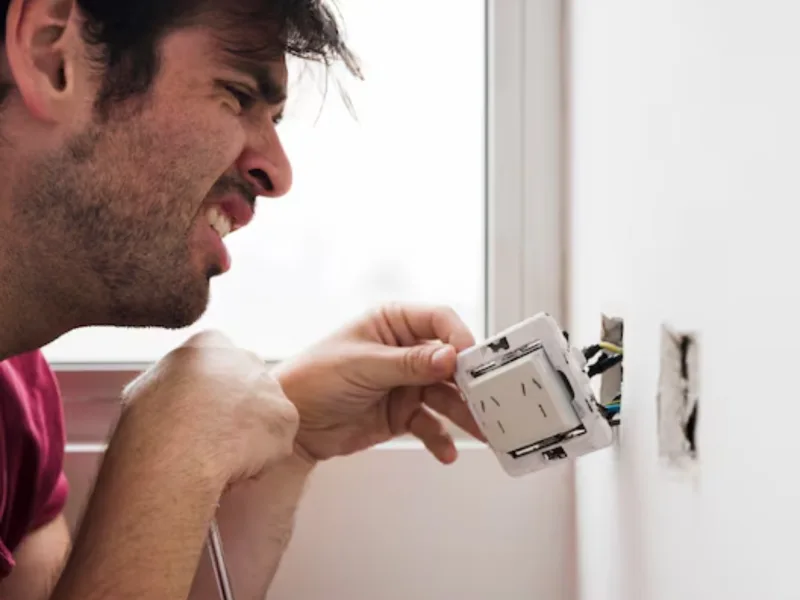
ស្រមៃមើលថាអ្នកជាអ្នកម៉ៅការកំពុងបញ្ចប់ការកែប្រែផ្ទះដ៏ស្រស់ស្អាតមួយ។ ជញ្ជាំងស្ងួតត្រូវបានលាបពណ៌ គ្រឿងបរិក្ខារត្រូវបានដំឡើង ហើយអ្នកបានកំណត់ពេលត្រួតពិនិត្យអគ្គិសនីចុងក្រោយសម្រាប់ព្រឹកស្អែក។ បន្ទាប់មកអធិការដើរកាត់ យកសៀវភៅកូដរបស់ពួកគេចេញ ហើយធ្វើឱ្យអ្នកបរាជ័យនៅនឹងកន្លែង។ មូលហេតុ? ខ្វះការការពារ AFCI ក្នុងបន្ទប់ទទួលភ្ញៀវ ច្រករបៀង និងបន្ទប់បោកគក់។ ឥឡូវនេះ អ្នកកំពុងប្រឈមមុខនឹងការពន្យារពេលពីរសប្តាហ៍ ម្ចាស់ផ្ទះខឹង និងការវាយកម្ទេចជញ្ជាំងស្ងួតរាប់ពាន់នាក់គ្រាន់តែដើម្បីដំណើរការឧបករណ៍បំបែកថ្មី។.
សេណារីយ៉ូនេះកើតឡើងជារៀងរាល់សប្តាហ៍នៅទូទាំងអាមេរិកខាងជើង ហើយវាអាចការពារបានទាំងស្រុង។ បញ្ហាមិនមែនថាតម្រូវការ AFCI ត្រូវបានលាក់នោះទេ—ពួកគេត្រូវបានកំណត់យ៉ាងច្បាស់នៅក្នុងក្រមអគ្គិសនីជាតិ (NEC)។ បញ្ហាគឺថាតម្រូវការទាំងនេះបានពង្រីកយ៉ាងខ្លាំងក្នុងរយៈពេលពីរទសវត្សរ៍កន្លងមក ហើយអ្នកជំនាញខាងអគ្គិសនីជាច្រើននៅតែធ្វើការពីបញ្ជីត្រួតពិនិត្យផ្លូវចិត្តដែលហួសសម័យដែលរួមបញ្ចូលតែបន្ទប់គេងប៉ុណ្ណោះ។.
Key Takeaway៖
ចាប់តាំងពី NEC ឆ្នាំ 2023 ការការពារ AFCI គឺត្រូវបានទាមទារនៅស្ទើរតែគ្រប់បន្ទប់ដែលអាចរស់នៅបាន និងកន្លែងរស់នៅក្នុងអង្គភាពលំនៅដ្ឋាន មិនត្រឹមតែបន្ទប់គេងប៉ុណ្ណោះទេ។ ប្រសិនបើអ្នកនៅតែគិតថា “បន្ទប់គេងតែប៉ុណ្ណោះ” អ្នកយឺតពេលប្រហែល 15 ឆ្នាំពីកូដ។.
ហេតុអ្វីបានជាប្រពៃណី ឧបករណ៍បំបែកសៀគ្វី មិនអាចបញ្ឈប់ការគំរាមកំហែងពិតប្រាកដបានទេ
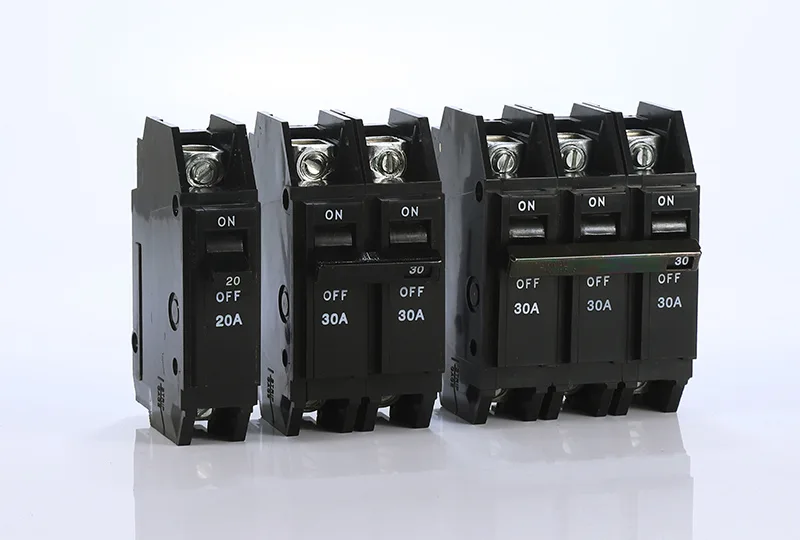
ឧបករណ៍បំបែកសៀគ្វីកម្ដៅម៉ាញេទិកស្តង់ដារគឺល្អឥតខ្ចោះនៅក្នុងអ្វីដែលពួកគេត្រូវបានរចនាឡើងដើម្បីធ្វើ៖ រកឃើញការផ្ទុកលើសទម្ងន់ និងសៀគ្វីខ្លីដែលងាប់។ គិតអំពីពួកគេថាជាឧបករណ៍រិល—ពួកគេធ្វើដំណើរនៅពេលដែលលំហូរចរន្តលើសពីការវាយតម្លៃរបស់ពួកគេ ឬនៅពេលដែលខ្សែវិជ្ជមាន និងអវិជ្ជមានបង្កើតផ្លូវផ្ទាល់ (សៀគ្វីខ្លីរឹង)។ ប៉ុន្តែនេះជាគម្លាតដ៏សំខាន់៖ ពួកគេមើលមិនឃើញការឆាបឆេះជាស៊េរីទាំងស្រុង។.
ការឆាបឆេះជាស៊េរីកើតឡើងនៅពេលដែលមានការដាច់ ឬការតភ្ជាប់រលុងនៅក្នុងចំហាយតែមួយ។ ចរន្តមិនកើនឡើងខ្លាំងទេ ព្រោះអគ្គិសនីនៅតែព្យាយាមហូរតាមផ្លូវដែលបានគ្រោងទុក—វាគ្រាន់តែលោតឆ្លងកាត់គម្លាតខ្យល់តូចមួយ បង្កើតកំដៅនិងផ្កាភ្លើងដ៏គ្រោះថ្នាក់នៅក្នុងដំណើរការនេះ។ ខ្សែចង្កៀងដែលខូច ការតភ្ជាប់ខ្សែរលុងនៅពីក្រោយរន្ធអគ្គិសនី ឬក្រចកដែលបើកបរដោយផ្នែកខ្លះតាមរយៈខ្សែ Romex អាចបង្កើតជាធ្នូស៊េរី។ លក្ខខណ្ឌទាំងនេះបង្កើតកំដៅយ៉ាងខ្លាំងតាមពេលវេលា ដោយបញ្ឆេះវត្ថុងាយឆេះជុំវិញមុនពេលឧបករណ៍បំបែកស្តង់ដារកត់សម្គាល់បញ្ហា។.
នេះជាកន្លែងដែល Arc Fault Circuit Interrupters (AFCIs) ក្លាយជាសារសំខាន់។ ឧបករណ៍ AFCI ប្រើបច្ចេកវិទ្យាមីក្រូដំណើរការដ៏ទំនើបដើម្បីត្រួតពិនិត្យរលកអគ្គិសនីជាបន្តបន្ទាប់ ដោយរកឃើញ “ហត្ថលេខា” តែមួយគត់នៃការឆាបឆេះ—ការប្រែប្រួលចរន្តយ៉ាងឆាប់រហ័សដែលមើលទៅមិនដូចបន្ទុកអគ្គិសនីធម្មតាទេ។ គិតអំពី AFCI ជាប្រព័ន្ធការពារភ្លើងឆ្លាតវៃដែលទទួលស្គាល់សមមូលអគ្គិសនីនៃផ្សែងមុនពេលអណ្តាតភ្លើងលេចឡើង។.
វិធីសាស្ត្របីតំបន់៖ ធ្វើជាម្ចាស់តម្រូវការ AFCI ក្នុងរយៈពេលប៉ុន្មាននាទី
ភ្លេចព្យាយាមទន្ទេញបញ្ជីបន្ទប់នីមួយៗ។ ផ្ទុយទៅវិញ រៀបចំផ្ទះរបស់អ្នកទៅជាបីតំបន់ច្បាស់លាស់ដោយផ្អែកលើតម្រូវការ AFCI និង GFCI។ ក្របខ័ណ្ឌផ្លូវចិត្តនេះនឹងការពារកំហុសឆ្គងដែលមានតម្លៃថ្លៃ និងធ្វើឱ្យការអនុលោមតាមកូដក្លាយជាធម្មជាតិទីពីរ។.
តំបន់ទី 1៖ កន្លែងរស់នៅ—តម្រូវឱ្យមានការការពារ AFCI ជាសកល
នេះគឺជាតំបន់ធំជាងគេ ហើយជាតំបន់ដែលចាប់អ្នកជំនាញខាងអគ្គិសនីភាគច្រើនដោយមិនដឹងខ្លួន។ NEC តម្រូវឱ្យមានការការពារ AFCI សម្រាប់សៀគ្វីសាខា 15-amp និង 20-amp, 120-volt ទាំងអស់ដែលផ្គត់ផ្គង់រន្ធនៅក្នុងតំបន់ទាំងនេះ៖
តំបន់រស់នៅចម្បង៖
- បន្ទប់គេង (តម្រូវការ AFCI ដើម នៅតែជាកាតព្វកិច្ច)
- បន្ទប់ទទួលភ្ញៀវ
- បន្ទប់ទទួលទានអាហារ
- បន្ទប់គ្រួសារ
- ផ្ទះបាយ (ដោយមានករណីលើកលែងដ៏សំខាន់មួយដែលយើងនឹងគ្របដណ្តប់នៅក្នុងតំបន់ទី 3)
ចន្លោះបន្ទាប់បន្សំ៖
- ច្រករបៀង
- ទូ
- បន្ទប់ទទួលភ្ញៀវ
- បណ្ណាល័យ
- ទីជម្រក
- បន្ទប់កញ្ចក់
- បន្ទប់កំសាន្ត
គាំទ្រទិព្វ៖
កត់សម្គាល់ថាតើចន្លោះទាំងនេះមានអ្វីដូចគ្នា? ពួកគេសុទ្ធតែជាតំបន់ដែលមនុស្សចំណាយពេលជាប្រចាំ និងដោតឧបករណ៍ចូល។ ឡូជីខលរបស់ NEC គឺត្រង់ទៅមុខ៖ ប្រសិនបើអ្នកកាន់កាប់ប្រើកន្លែងសម្រាប់រស់នៅ វាត្រូវការការការពារកំហុសធ្នូ។ សូម្បីតែបន្ទប់ដែលកម្រប្រើដូចជាបន្ទប់ទទួលភ្ញៀវជាផ្លូវការក៏ត្រូវការ AFCI ដែរ—កូដមិនមានករណីលើកលែងដោយផ្អែកលើប្រេកង់នៃការប្រើប្រាស់នោះទេ។.
លក្ខណៈពិសេសដ៏សំខាន់ដែលត្រូវចងចាំ៖ នេះអនុវត្តចំពោះរន្ធទាំងអស់នៅលើសៀគ្វីទាំងនេះ រួមទាំងរន្ធទទួល (កន្លែងដែលអ្នកដោតរបស់ចូល) និងរន្ធភ្លើង។ កំហុសទូទៅមួយគឺការការពារតែរន្ធទទួលប៉ុណ្ណោះ ខណៈពេលដែលទុកសៀគ្វីភ្លើងនៅលើឧបករណ៍បំបែកស្តង់ដារ។ កុំធ្វើកំហុសនេះ—កូដនិយាយថា “រន្ធ” ដែលរួមបញ្ចូលទាំងអ្វីគ្រប់យ៉ាង។.
តំបន់ទី 2៖ កន្លែងសើម និងមានប្រយោជន៍—GFCI តែប៉ុណ្ណោះ (លើកលែង AFCI)
នេះជាកន្លែងដែលកូដផ្តល់ការធូរស្រាល។ ចន្លោះទាំងនេះត្រូវបានលើកលែងជាពិសេសពីតម្រូវការ AFCI ព្រោះពួកគេបម្រើមុខងារខុសគ្នា និងប្រឈមមុខនឹងគ្រោះថ្នាក់ចម្បងខុសគ្នា៖
តំបន់ដែលប៉ះពាល់នឹងទឹក៖
- បន្ទប់ទឹក (គ្រោះថ្នាក់ឆក់គឺជាការព្រួយបារម្ភចម្បង)
- សៀគ្វីខាងក្រៅ
កន្លែងប្រើប្រាស់ និងផ្ទុកទំនិញ៖
- យានដ្ឋាន
- ជាន់ក្រោមដែលមិនទាន់បញ្ចប់
- attic
ចន្លោះទាំងនេះមិនត្រូវការការការពារ AFCI ទេ ប៉ុន្តែកុំរំលងសុវត្ថិភាពទាំងស្រុង។ បន្ទប់ទឹក យានដ្ឋាន ជាន់ក្រោមដែលមិនទាន់បញ្ចប់ និងសៀគ្វីខាងក្រៅទាំងអស់ត្រូវការការការពារ GFCI (Ground Fault Circuit Interrupter) ជំនួសវិញ។ ឧបករណ៍ GFCI រកឃើញអតុល្យភាពចរន្តរវាងចំហាយក្តៅ និងអព្យាក្រឹត—ហត្ថលេខានៃចរន្តលេចធ្លាយទៅដី ជាញឹកញាប់តាមរយៈរាងកាយមនុស្ស។ នៅក្នុងទីតាំងសើម ការការពារការឆក់ត្រូវបានផ្តល់អាទិភាព។.
Key Takeaway៖
ប្រសិនបើអ្នកអាចរំពឹងថានឹងមានការប៉ះពាល់នឹងទឹក ឬប្រសិនបើកន្លែងនោះគឺសម្រាប់ផ្ទុកទំនិញ និងប្រើប្រាស់ជាចម្បង ជាជាងការរស់នៅ អ្នកត្រូវការការការពារ GFCI ជំនួសឱ្យ AFCI។ NEC ទទួលស្គាល់ថាគ្រោះថ្នាក់ខុសគ្នាតម្រូវឱ្យមានដំណោះស្រាយខុសគ្នា។.
តំបន់ទី 3៖ តំបន់ការពារពីរដង—តម្រូវឱ្យមានទាំង AFCI និង GFCI
នេះជាកន្លែងដែលវាកាន់តែទំនើប ហើយកន្លែងដែលឧបករណ៍រួមបញ្ចូលគ្នាក្លាយជាមិត្តដ៏ល្អបំផុតរបស់អ្នក។ តំបន់ជាក់លាក់ពីរត្រូវការការការពារប្រឆាំងនឹងកំហុសធ្នូ និងកំហុសដី៖
ផ្ទះបាយ៖
សៀគ្វី 15- និង 20-amp, 120-volt ទាំងអស់ត្រូវការការការពារ AFCI។ ទោះជាយ៉ាងណា រន្ធទទួលនៅលើតុ និងរន្ធនៅចម្ងាយ 6 ហ្វីតពីអាងលាងក៏ត្រូវការការការពារ GFCI ផងដែរ ដើម្បីការពារប្រឆាំងនឹងការឆក់។ ដំណោះស្រាយ? ប្រើឧបករណ៍បំបែក ឬរន្ធទទួល AFCI/GFCI រួមបញ្ចូលគ្នាសម្រាប់សៀគ្វីផ្ទះបាយ។.
តំបន់បោកគក់៖
ចន្លោះទាំងនេះត្រូវការការការពារ AFCI ជាកន្លែងរស់នៅ ប៉ុន្តែរន្ធនៅជិតអាងលាងសម្អាត ឬក្នុងលក្ខខណ្ឌសើមក៏អាចបង្កឱ្យមានតម្រូវការ GFCI ផងដែរ អាស្រ័យលើការបកស្រាយកូដក្នុងតំបន់។.
គន្លឹះសម្រាប់អ្នកជំនាញក្នុងការដំឡើង៖
ឧបករណ៍បំបែកសៀគ្វី AFCI/GFCI រួមបញ្ចូលគ្នាគឺជាដំណោះស្រាយដ៏មានប្រសិទ្ធភាពបំផុតរបស់អ្នកសម្រាប់តំបន់ការពារពីរដង។ ឧបករណ៍ទាំងនេះបញ្ចូលបច្ចេកវិទ្យាការពារទាំងពីរទៅក្នុងឧបករណ៍បំបែកតែមួយ ដោយសន្សំសំចៃទំហំបន្ទះ និងធ្វើឱ្យការរចនាសៀគ្វីរបស់អ្នកកាន់តែសាមញ្ញ។ រកមើលឧបករណ៍បំបែកដែលមានស្លាកសញ្ញាច្បាស់ថា “AFCI/GFCI រួមបញ្ចូលគ្នា” ហើយផ្ទៀងផ្ទាត់ថាពួកគេបំពេញតាមតម្រូវការ NEC 210.12 (AFCI) និង 210.8 (GFCI)។.
ការត្រួតពិនិត្យការដំឡើងដ៏សំខាន់៖ ដំណើរការកែសម្រួល AFCI បួនចំណុច
ការដំឡើងឧបករណ៍បំបែក AFCI មិនស្មុគស្មាញទេ ប៉ុន្តែការមើលរំលងការត្រួតពិនិត្យទាំងបួននេះបណ្ដាលឱ្យមានការត្អូញត្អែរអំពីការធ្វើដំណើររំខាន 90% និងការត្រួតពិនិត្យដែលបរាជ័យ។.
ការត្រួតពិនិត្យទី 1៖ ផ្ទៀងផ្ទាត់ភាពឆបគ្នានៃសៀគ្វី
មុនពេលអ្នកទិញឧបករណ៍បំបែក AFCI សូមបញ្ជាក់លក្ខណៈពិសេសចំនួនបី៖
- ការវាយតម្លៃវ៉ុល៖ ត្រូវតែផ្គូផ្គងសៀគ្វីរបស់អ្នក (ជាធម្មតា 120V សម្រាប់លំនៅដ្ឋាន)
- ការវាយតម្លៃចរន្ត៖ ផ្គូផ្គងអំពែររចនារបស់សៀគ្វី (15A ឬ 20A)
- ភាពឆបគ្នានៃបន្ទះ៖ ឧបករណ៍បំបែក AFCI គឺជាលក្ខណៈជាក់លាក់របស់អ្នកផលិត។ បន្ទះ Square D ត្រូវការឧបករណ៍បំបែក Square D AFCI; បន្ទះ Eaton ត្រូវការឧបករណ៍បំបែក Eaton ។ មិនមានករណីលើកលែងចំពោះច្បាប់នេះទេ។.
ការត្រួតពិនិត្យទី 2៖ ធ្វើសវនកម្មសម្រាប់អព្យាក្រឹតដែលបានចែករំលែក
នេះគឺជាចំណុចបរាជ័យផ្នែកបច្ចេកទេស #1។ ឧបករណ៍បំបែក AFCI ត្រូវការខ្សែអព្យាក្រឹតដែលឧទ្ទិសដែលបម្រើតែសៀគ្វីជាក់លាក់នោះប៉ុណ្ណោះ។ ប្រសិនបើការដំឡើងរបស់អ្នកប្រើអព្យាក្រឹតដែលបានចែករំលែក (ទូទៅនៅក្នុងសៀគ្វីសាខាខ្សែច្រើនចាស់) AFCI នឹងធ្វើដំណើរភ្លាមៗ ឬបដិសេធមិនកំណត់ឡើងវិញ។.
មុនពេលដំឡើង សូមប្រើឧបករណ៍តាមដានសៀគ្វីដើម្បីផ្ទៀងផ្ទាត់ថាអព្យាក្រឹតនីមួយៗភ្ជាប់តែទៅនឹងចំហាយក្តៅដែលត្រូវគ្នាប៉ុណ្ណោះ។ ប្រសិនបើអ្នករកឃើញអព្យាក្រឹតដែលបានចែករំលែក អ្នកត្រូវតែដំឡើងខ្សែឡើងវិញជាមួយនឹងអព្យាក្រឹតដែលបានឧទ្ទិស ឬប្រើឧបករណ៍បំបែក AFCI ឯកទេសដែលបានវាយតម្លៃសម្រាប់សៀគ្វីសាខាខ្សែច្រើន (ទាំងនេះមាន ប៉ុន្តែមិនសូវមានទេ)។.
ការត្រួតពិនិត្យទី 3៖ លុបបំបាត់ការតភ្ជាប់អព្យាក្រឹតទៅដីនៅខាងក្រោម
ការអនុវត្តស្តង់ដារនៅក្នុងការដំឡើងចាស់ជាងនេះពេលខ្លះរួមបញ្ចូលទាំងការភ្ជាប់អព្យាក្រឹតទៅដីនៅបន្ទះរង ឬសូម្បីតែនៅរន្ធទទួលនីមួយៗ។ ជាមួយនឹងការការពារ AFCI ការតភ្ជាប់អព្យាក្រឹតទៅដីណាមួយនៅខាងក្រោមឧបករណ៍បំបែកនឹងបណ្ដាលឱ្យមានការធ្វើដំណើររំខានភ្លាមៗ។.
ត្រួតពិនិត្យប្រអប់រន្ធអគ្គិសនី ប្រអប់ប្រសព្វ និងបន្ទះរងនីមួយៗនៅលើសៀគ្វីជាប្រព័ន្ធ។ ការភ្ជាប់អព្យាក្រឹតទៅដីគួរតែមាននៅទីតាំងតែមួយប៉ុណ្ណោះ៖ បន្ទះសេវាសំខាន់របស់អ្នក។.
ការត្រួតពិនិត្យទី 4៖ សាកល្បងក្រោមបន្ទុក
បន្ទាប់ពីការដំឡើង កុំគ្រាន់តែបើកឧបករណ៍បំបែក ហើយដើរចេញទៅ។ ភ្ជាប់បន្ទុកធម្មតា (ចង្កៀង ឧបករណ៍តូចៗ ឆ្នាំងសាកទូរស័ព្ទ) ហើយផ្ទៀងផ្ទាត់ថា AFCI នៅតែមានស្ថិរភាព។ បន្ទាប់មកចុចប៊ូតុង “TEST” នៅលើឧបករណ៍បំបែក—វាគួរតែធ្វើដំណើរភ្លាមៗ។ កំណត់វាឡើងវិញ ហើយចុចប៊ូតុងសាកល្បងជារៀងរាល់ខែដើម្បីផ្ទៀងផ្ទាត់មុខងារបន្ត។.
គាំទ្រទិព្វ៖
រក្សាកំណត់ត្រានៃកាលបរិច្ឆេទសាកល្បង។ ឧបករណ៍បំបែក AFCI មានគ្រឿងអេឡិចត្រូនិកខាងក្នុងដែលអាចខូចគុណភាពតាមពេលវេលា។ ការធ្វើតេស្តប្រចាំខែធានាថាការការពាររបស់អ្នកនៅតែសកម្ម។.
ការសាងសង់ថ្មីធៀបនឹងការកែប្រែ៖ ដឹងពីចំណុចកេះនៃការអនុលោមតាមរបស់អ្នក
តម្រូវការ AFCI ខុសគ្នាយ៉ាងខ្លាំងដោយផ្អែកលើប្រភេទគម្រោង ហើយការយល់ដឹងពីភាពខុសគ្នាទាំងនេះការពារការចំណាយលើសលើការធ្វើឱ្យប្រសើរឡើងដែលមិនចាំបាច់។.
ការសាងសង់ថ្មី៖
គ្មានករណីលើកលែងទេ។ បន្ទប់ដែលអាចរស់នៅបាន និងកន្លែងរស់នៅទាំងអស់ត្រូវតែមានការការពារ AFCI លើសៀគ្វីដែលអាចអនុវត្តបានទាំងអស់។ ប្រសិនបើអ្នកកំពុងសាងសង់ពីដំបូង ចូររៀបចំគម្រោងសម្រាប់ឧបករណ៍បំលែង AFCI ប្រហែល 70-80% នៃសៀគ្វីរង 120 វ៉ុលរបស់អ្នក។.
ការកែលម្អ និងការបន្ថែម៖
លក្ខខណ្ឌកូដមានភាពធូររលុងជាង ប៉ុន្តែនៅតែមានកត្តាជំរុញ។ អ្នកត្រូវបានតម្រូវឱ្យធ្វើឱ្យប្រសើរឡើងទៅការការពារ AFCI លុះត្រាតែអ្នក៖
- បន្ថែមសៀគ្វីរងថ្មី។
- ពង្រីកសៀគ្វីដែលមានស្រាប់ (ដំណើរការខ្សែថ្មី បន្ថែមរន្ធ)
- ជំនួសបន្ទះទាំងមូល
ការជំនួសរន្ធ ឬឧបករណ៍បំភ្លឺដែលមានស្រាប់នៅលើសៀគ្វីដែលមានស្រាប់ មិនបង្កឱ្យមានតម្រូវការ AFCI ទេ។ ទោះជាយ៉ាងណាក៏ដោយ ប្រសិនបើអ្នកកំពុងបើកជញ្ជាំងសម្រាប់ការកែលម្អធំៗ យុត្តាធិការជាច្រើនលើកទឹកចិត្តឱ្យមានការធ្វើឱ្យប្រសើរឡើងដោយស្ម័គ្រចិត្តចំពោះស្តង់ដារបច្ចុប្បន្ន។.
Key Takeaway៖
សម្រាប់ការកែលម្អ ឃ្លា “វិសាលភាពនៃការងារ” កំណត់ការអនុលោមតាម។ ការធ្វើបច្ចុប្បន្នភាពគ្រឿងសំអាងមិនតម្រូវឱ្យមានការធ្វើឱ្យប្រសើរឡើងទេ ប៉ុន្តែខ្សែថ្មីណាមួយដែលដំណើរការជាធម្មតា។ នៅពេលមានការសង្ស័យ សូមពិគ្រោះជាមួយអធិការក្នុងតំបន់របស់អ្នក មុនពេលធ្វើការងាររដុប។.
ភាពខុសគ្នានៃកូដក្នុងតំបន់៖ ហេតុអ្វីបានជាយុត្តាធិការរបស់អ្នកអាចទាមទារច្រើនជាងនេះ
ខណៈពេលដែល NEC ផ្តល់នូវមូលដ្ឋានគ្រឹះថ្នាក់ជាតិ រដ្ឋ និងក្រុងជាច្រើនបានអនុម័តវិសោធនកម្មដែលលើសពីកម្រិតអប្បបរមាទាំងនេះ។ ឧទាហរណ៍ កាលីហ្វ័រញ៉ា តាមប្រវត្តិសាស្ត្របានទាមទារការការពារ AFCI នៅក្នុងកម្មវិធីជាច្រើនជាង NEC មូលដ្ឋាន។ យុត្តាធិការខ្លះក៏មានកាលវិភាគនៃការដាក់ឱ្យដំណើរការខុសៗគ្នាសម្រាប់ការបោះពុម្ពកូដថ្មីផងដែរ។.
មុនពេលចាប់ផ្តើមការងារអគ្គិសនី៖
- ទាក់ទងផ្នែកសំណង់ក្នុងតំបន់របស់អ្នក ហើយសួរថាតើពួកគេបានអនុម័តការបោះពុម្ព NEC មួយណា
- ស្នើសុំច្បាប់ចម្លងនៃវិសោធនកម្មក្នុងតំបន់ណាមួយចំពោះតម្រូវការ AFCI
- ផ្ទៀងផ្ទាត់ថាតើគម្រោងរបស់អ្នកតម្រូវឱ្យមានការអនុញ្ញាត និងការត្រួតពិនិត្យដែរឬទេ
កុំសន្មតថាកូដជាតិគឺគ្រប់គ្រាន់។ សៀវភៅកូដក្នុងតំបន់របស់អធិការ គឺជាអាជ្ញាធរចុងក្រោយ ហើយវិសោធនកម្មក្នុងតំបន់តែងតែជំនួស NEC នៅពេលដែលពួកគេមានការរឹតបន្តឹងជាងមុន។.
ឯកសារយោងរហ័ស AFCI របស់អ្នក៖ បញ្ជីត្រួតពិនិត្យការអនុលោមតាមបន្ទប់នីមួយៗ
ប្រើតារាងនេះកំឡុងពេលរៀបចំគម្រោង និងការដើរត្រួតពិនិត្យមុនពេលត្រួតពិនិត្យ ដើម្បីផ្ទៀងផ្ទាត់ការគ្របដណ្តប់ពេញលេញ៖
| បន្ទប់/តំបន់ | តម្រូវការ AFCI? | តម្រូវការ GFCI? | កំណត់ចំណាំសំខាន់ៗ |
|---|---|---|---|
| បន្ទប់គេង | ✅ បាទ/ចាស | ❌ ទេ | អាណត្តិ AFCI ដើម—នៅតែអាចអនុវត្តបានពេញលេញ |
| បន្ទប់ទទួលភ្ញៀវ | ✅ បាទ/ចាស | ❌ ទេ | រន្ធ និងព្រីភ្លើងទាំងអស់ |
| បន្ទប់បរិភោគអាហារ | ✅ បាទ/ចាស | ❌ ទេ | គ្មានករណីលើកលែងក្នុងមួយ NEC |
| បន្ទប់គ្រួសារ | ✅ បាទ/ចាស | ❌ ទេ | រួមបញ្ចូលបន្ទប់គ្រួសារបន្ទប់ក្រោមដីដែលបានបញ្ចប់ |
| ផ្ទះបាយ | ✅ បាទ/ចាស | ✅ បាទ/ចាស | ប្រើឧបករណ៍រួមបញ្ចូលគ្នា AFCI/GFCI |
| តំបន់បោកគក់ | ✅ បាទ/ចាស | ✅ បាទ/ចាស | **GFCI តម្រូវឱ្យនៅជិតអាងលិច/តំបន់សើម |
| ច្រករបៀង | ✅ បាទ/ចាស | ❌ ទេ | សូម្បីតែរន្ធដែលកម្រប្រើក៏ត្រូវការ AFCI ដែរ |
| ទូ | ✅ បាទ/ចាស | ❌ ទេ | គ្មានករណីលើកលែងក្រោម NEC 210.12(A) |
| ហាងកែសម្ផស្ស/បណ្ណាល័យ/បន្ទប់ធ្វើការ | ✅ បាទ/ចាស | ❌ ទេ | រួមបញ្ចូលកន្លែងផ្លូវការ និងកន្លែងប្រើប្រាស់ម្តងម្កាល |
| បន្ទប់កញ្ចក់ | ✅ បាទ/ចាស | ❌ ទេ | បន្ទប់ទទួលពន្លឺថ្ងៃដែលបិទជិតត្រូវបានចាត់ទុកជាកន្លែងរស់នៅ |
| បន្ទប់កំសាន្ត | ✅ បាទ/ចាស | ❌ ទេ | បន្ទប់លេងហ្គេម កន្លែងហាត់ប្រាណនៅផ្ទះ។ល។. |
| បន្ទប់ទឹក | ❌ ទេ | ✅ បាទ/ចាស | ការការពារការឆក់គឺជាអាទិភាព |
| យានដ្ឋាន | ❌ ទេ | ✅ បាទ/ចាស | AFCI លើកលែង GFCI ជាកាតព្វកិច្ច |
| បន្ទប់ក្រោមដីដែលមិនទាន់បានបញ្ចប់ | ❌ ទេ | ✅ បាទ/ចាស | បន្ទប់ក្រោមដីដែលបានបញ្ចប់អនុវត្តតាមច្បាប់នៃកន្លែងរស់នៅ |
| attic | ❌ ទេ | ❌ ទេ | **លុះត្រាតែប្រើជាកន្លែងរស់នៅ |
| សៀគ្វីខាងក្រៅ | ❌ ទេ | ✅ បាទ/ចាស | GFCI តែប៉ុណ្ណោះសម្រាប់រន្ធខាងក្រៅ |
បោះពុម្ពបញ្ជីត្រួតពិនិត្យនេះ ហើយទុកវានៅក្នុងឡានដឹកទំនិញ ឬថតឯកសារការងាររបស់អ្នក។ វាជាឯកសារយោងលឿនបំផុតរបស់អ្នកសម្រាប់សំណួរអនុលោមតាមនៅនឹងកន្លែង។.
ចំណុចសំខាន់៖ ការការពារ AFCI គឺជាការការពារអគ្គីភ័យ មិនមែនគ្រាន់តែជាការអនុលោមតាមកូដនោះទេ។
នេះជាអ្វីដែលតម្រូវការ AFCI អស់រយៈពេលពីរទសវត្សរ៍បានបង្ហាញឱ្យឃើញ៖ ផ្ទះដែលមានការការពារកំហុសធ្នូដែលបានដំឡើងត្រឹមត្រូវ ជួបប្រទះអគ្គីភ័យតិចជាងមុនយ៉ាងខ្លាំង។ បច្ចេកវិទ្យាដំណើរការ។ លក្ខខណ្ឌកូដមានសម្រាប់ហេតុផលសុវត្ថិភាពស្របច្បាប់ មិនមែនជាបន្ទុកការិយាធិបតេយ្យទេ។.
ផែនការសកម្មភាពរបស់អ្នកឆ្ពោះទៅមុខ៖
- សម្រាប់ការសាងសង់ថ្មី៖ ថវិកាសម្រាប់ឧបករណ៍បំលែង AFCI នៅលើ 70-80% នៃសៀគ្វី 120V លំនៅដ្ឋានរបស់អ្នក
- សម្រាប់ការកែលម្អ៖ កំណត់ថាតើវិសាលភាពនៃការងាររបស់អ្នកបង្កឱ្យមានតម្រូវការធ្វើឱ្យប្រសើរឡើង មុនពេលធ្វើការងាររដុប
- សម្រាប់ម្ចាស់ផ្ទះ៖ ពិចារណាធ្វើឱ្យប្រសើរឡើង AFCI ដោយស្ម័គ្រចិត្តកំឡុងពេលជំនួសបន្ទះ—វាជាការធានារ៉ាប់រងដែលមានតំលៃថោក
- សម្រាប់មនុស្សគ្រប់គ្នា៖ ផ្ទៀងផ្ទាត់ការបោះពុម្ពកូដក្នុងតំបន់ និងវិសោធនកម្ម មុនពេលទាញយកការអនុញ្ញាត
ការវិនិយោគដំបូងតិចតួចក្នុងការការពារ AFCI—ជាធម្មតា $30-50 ក្នុងមួយឧបករណ៍បំលែងធៀបនឹង $5-10 សម្រាប់ឧបករណ៍បំលែងស្តង់ដារ—គឺមិនសំខាន់ទេ បើប្រៀបធៀបទៅនឹងការចំណាយនៃការខូចខាតដោយសារអគ្គីភ័យ ឬការត្រួតពិនិត្យដែលបរាជ័យ។.
នៅតែមានសំណួរអំពីការដំឡើងជាក់លាក់របស់អ្នក? ទាក់ទងអ្នកជំនាញអគ្គិសនីដែលមានអាជ្ញាប័ណ្ណនៅក្នុងយុត្តាធិការរបស់អ្នក ដែលបន្តធ្វើបច្ចុប្បន្នភាពជាមួយនឹងវិសោធនកម្មកូដក្នុងតំបន់។ ហើយចងចាំ៖ នៅពេលអ្នកចុចប៊ូតុង “TEST” ប្រចាំខែនៅលើឧបករណ៍បំលែង AFCI របស់អ្នក អ្នកកំពុងផ្ទៀងផ្ទាត់យ៉ាងសកម្មថាតើប្រព័ន្ធការពារអគ្គីភ័យរបស់អ្នកកំពុងឈរយាមដែរឬទេ។.

