នៅលើទំព័រនេះ
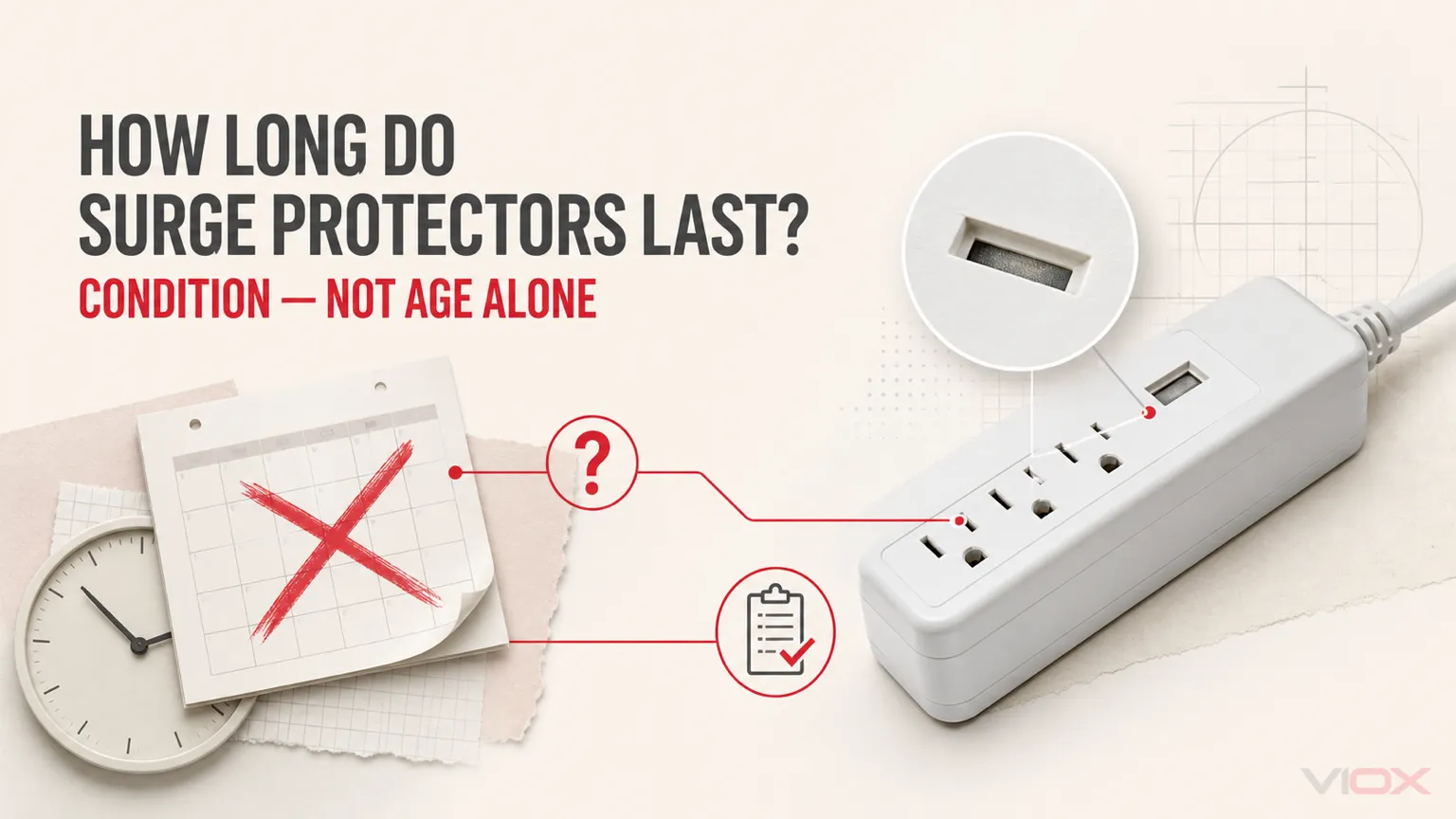
មិនមានចំនួនឆ្នាំជាសកលណាមួយដែលបញ្ជាក់ថាឧបករណ៍ការពារការកើនឡើងតង់ស្យុង (surge protector) នៅតែផ្តល់ការការពារនោះទេ។ ឧបករណ៍ការពារការកើនឡើងតង់ស្យុងប្រភេទដោតជាប់អាចនឹងអស់អាយុកាលប្រើប្រាស់បន្ទាប់ពីមានព្រឹត្តិការណ៍អគ្គិសនីធ្ងន់ធ្ងរមួយដង ឬអាចមានការខូចខាតកើនឡើងជាបន្តបន្ទាប់ពីការកើនឡើងតង់ស្យុងតូចៗជាច្រើនដង ឬអាចនៅតែប្រើប្រាស់បានរាប់ឆ្នាំក្នុងទីតាំងដែលមានការប៉ះពាល់តិច។ ឧបករណ៍ការពារការកើនឡើងតង់ស្យុង (SPD) ដែលដំឡើងក្នុងទូអគ្គិសនីលំនៅដ្ឋាន ក៏មានស្ថានភាពជាក់លាក់តាមផលិតផល និងការណែនាំអំពីការជំនួសផងដែរ។.
ត្រូវជំនួស ឬឈប់ប្រើប្រាស់ឧបករណ៍ការពារការកើនឡើងតង់ស្យុងភ្លាមៗ នៅពេលដែលម៉ូដែលជាក់លាក់របស់វា ការការពារ បង្ហាញសញ្ញាថាការការពារត្រូវបានបាត់បង់ ការផ្តាច់សៀគ្វីនៅពេលអស់អាយុកាល ឬសំឡេងរោទិ៍ដំណើរការ ឬឧបករណ៍មានការខូចខាតដោយកម្ដៅ ការប្រែពណ៌ ការរលាយ ក្លិនឆេះ ខ្សែភ្លើងខូចខាត សំបកប្រេះ ឬរន្ធដោតរលុង។ ប្រសិនបើមិនដឹងពីអាយុកាល ឬប្រវត្តិប្រើប្រាស់របស់វា ហើយមិនមានវិធីដើម្បីផ្ទៀងផ្ទាត់ស្ថានភាពការពារទេ ការជំនួសថ្មីគឺជាជម្រើសដែលមានភាពមិនច្បាស់លាស់តិចជាងសម្រាប់ឧបករណ៍សំខាន់ៗ។.
ចន្លោះពេល “បីទៅប្រាំឆ្នាំ” ដែលតែងតែលើកឡើងជាញឹកញាប់អាចជាការរំលឹកសម្រាប់ការរៀបចំផែនការសម្រាប់ផលិតផលប្រើប្រាស់មួយចំនួន ប៉ុន្តែវាមិនមែនជាការធ្វើតេស្តអគ្គិសនីជាសកល ឬអាយុកាលសេវាកម្មដែលមានការធានានោះទេ។ ការណែនាំរបស់ផលិតផល និងស្ថានភាពជាក់ស្តែងរបស់វាត្រូវតែផ្តល់អាទិភាព។.
តារាងសម្រេចចិត្តលើការជំនួសឧបករណ៍ការពារការកើនឡើងតង់ស្យុង
សូមប្រើស្លាកសញ្ញានៅក្បែរសូចនាករ—មិនមែនមើលតែពណ៌របស់វាប៉ុណ្ណោះទេ—ព្រោះមុខងារសូចនាករ និងឥរិយាបថនៅពេលខូចខាតមានភាពខុសគ្នាទៅតាមម៉ូដែល។.
| អ្វីដែលអ្នកសង្កេតឃើញ | អ្វីដែលវាអាចមានន័យ | សកម្មភាពដែលណែនាំ |
|---|---|---|
| នេះ។ បានការពារ, ការការពារ, ឬសូចនាករស្ថានភាពដែលកំណត់ដោយម៉ូដែលសមមូលបានរលត់ ឬបង្ហាញពីការអស់អាយុកាល | សៀគ្វីការពារការកើនឡើងតង់ស្យុងអាចលែងដំណើរការ ទោះបីជាព្រីភ្លើងនៅតែមានថាមពលក៏ដោយ | សូមអនុវត្តតាមការណែនាំរបស់ផលិតផល និងជំនួសឧបករណ៍ថ្មី ប្រសិនបើសភាពបង្ហាញថាការការពារត្រូវបានបាត់បង់ |
| មុខងារកាត់ផ្តាច់ដោយស្វ័យប្រវត្តិនៃឧបករណ៍នេះ បានកាត់ផ្តាច់ថាមពលព្រីភ្លើងជាអចិន្ត្រៃយ៍ | ការរចនាបែបសុវត្ថិភាព (fail-safe) អាចនឹងបានកាត់ផ្តាច់បន្ទុក បន្ទាប់ពីសៀគ្វីការពារអស់អាយុកាលប្រើប្រាស់ | សូមដកឧបករណ៍ដែលបានតភ្ជាប់ចេញ ហើយជំនួសឧបករណ៍ការពារការកើនឡើងតង់ស្យុងថ្មី កុំធ្វើការរំលងមុខងារកាត់ផ្តាច់នេះ |
| នេះ។ បានតភ្ជាប់ដី/Earthed សូចនាករបានរលត់ ឬសូចនាករនៃកំហុសខ្សែភ្លើងបានបើក | ស្ថានភាពនៃព្រីភ្លើង ឬខ្សែភ្លើងអាចមិនសមស្រប ដែលនេះមិនមែនជាសញ្ញាបង្ហាញពីការអស់អាយុកាលប្រើប្រាស់នោះទេ | ឈប់ពឹងផ្អែកលើឧបករណ៍នេះសម្រាប់ការការពារ ហើយត្រូវឱ្យអ្នកជំនាញដែលមានសមត្ថភាពពិនិត្យមើលព្រីភ្លើង ឬខ្សែភ្លើង |
| កុងតាក់ភ្លើង ឬ ថាមពល ភ្លើងកំពុងបើក ប៉ុន្តែស្ថានភាពការពារបានបរាជ័យ ឬមិនស្គាល់ | ការផ្គត់ផ្គង់ថាមពលមិនមែនជាការបញ្ជាក់ថាការការពារការកើនឡើងតង់ស្យុងនៅតែដំណើរការនោះទេ | ប្រើសូចនាករការពារដែលបានកំណត់ និងសេចក្តីណែនាំរបស់ម៉ូដែល; សូមជំនួសថ្មីនៅពេលដែលមិនអាចបញ្ជាក់ពីស្ថានភាពការពារបាន |
| ស្រោមឧបករណ៍ ឌុយ ខ្សែភ្លើង កុងតាក់ ឬព្រីភ្លើងមានស្នាមប្រេះ រលុង ប្រែពណ៌ រលាយ ក្តៅខុសធម្មតា ឬមានក្លិន | ការខូចខាតផ្នែករូបវន្ត ឬផ្នែកអគ្គិសនីអាចបង្កជាគ្រោះថ្នាក់សុវត្ថិភាពដោយមិនគិតពីស្ថានភាពរបស់ MOV | ផ្តាច់វាដោយសុវត្ថិភាព ឈប់ប្រើប្រាស់វា ហើយជំនួសវាដោយឧបករណ៍ថ្មី |
| ព្រឹត្តិការណ៍រន្ទះបាញ់ក្បែរនោះយ៉ាងខ្លាំង ការដាច់ចរន្តអគ្គិសនី ឬឧប្បត្តិហេតុថាមពលធំៗផ្សេងទៀតបានកើតឡើង | ឧបករណ៍ការពារអាចនឹងទទួលរងនូវភាពតានតឹងខ្លាំងគ្រប់គ្រាន់ដើម្បីធ្វើឱ្យឧបករណ៍ផ្តាច់សៀគ្វីរបស់វាដំណើរការ ឬកាត់បន្ថយសមត្ថភាពដែលនៅសល់ | សូមពិនិត្យមើលស្ថានភាព និងការណែនាំមុនពេលតភ្ជាប់ឧបករណ៍សំខាន់ៗឡើងវិញ; សូមជំនួសប្រសិនបើក្រុមហ៊ុនផលិតតម្រូវឱ្យធ្វើដូច្នេះ ឬប្រសិនបើស្ថានភាពមិនច្បាស់លាស់ |
| ឧបករណ៍នេះមានអាយុកាលចាស់ ហើយកាលបរិច្ឆេទដំឡើងរបស់វាមិនត្រូវបានគេដឹងនោះទេ ប៉ុន្តែវាមានសញ្ញាបង្ហាញការការពារធម្មតា និងមិនមានការខូចខាតអ្វីឡើយ | អាយុកាលកាន់តែច្រើនបង្កើនភាពមិនច្បាស់លាស់ ប៉ុន្តែវាមិនមែនជាភស្តុតាងបញ្ជាក់ពីការបរាជ័យដោយខ្លួនឯងនោះទេ | សូមពិនិត្យមើលសៀវភៅណែនាំ មុខងារស្ថានភាពម៉ូដែល ព័ត៌មាននៃការហៅត្រឡប់មកវិញ ការអនុវត្ត និងប្រវត្តិការប្រើប្រាស់; សូមប្រើផែនការជំនួសដោយប្រុងប្រយ័ត្នសម្រាប់បន្ទុកអគ្គិសនីសំខាន់ៗ |
| ស្ថានភាពគឺធម្មតា ឧបករណ៍មិនមានការខូចខាត ត្រូវបានអនុវត្តយ៉ាងត្រឹមត្រូវ និងស្ថិតក្នុងកម្រិតនៃការណែនាំរបស់អ្នកផលិត | មិនមានលក្ខខណ្ឌនៃការអស់អាយុកាលប្រើប្រាស់ដែលគួរឱ្យកត់សម្គាល់នោះទេ | រក្សាវាឱ្យនៅទីតាំងដែលអាចចូលប្រើបាន តាមដានស្ថានភាពការពាររបស់វា និងធ្វើការវាយតម្លៃឡើងវិញបន្ទាប់ពីមានព្រឹត្តិការណ៍សំខាន់ៗកើតឡើង។ |
ក្របខ័ណ្ឌនេះបែងចែកសំណួរចំនួនបីផ្សេងគ្នា៖ តើការការពារការកើនឡើងតង់ស្យុង (surge protection) កំពុងដំណើរការដែរឬទេ? តើការតភ្ជាប់ខ្សែភ្លើងមានភាពសមស្របដែរឬទេ? តើឧបករណ៍មានសុវត្ថិភាពខាងរូបវន្តដែរឬទេ? សូចនាករមួយ ឬកាលបរិច្ឆេទមួយមិនអាចឆ្លើយសំណួរទាំងបីនេះបានឡើយ។.
មូលហេតុដែលឧបករណ៍ការពារការកើនឡើងតង់ស្យុង (Surge Protectors) មិនមានអាយុកាលកំណត់តែមួយ
ឧបករណ៍ការពារប្រភេទដោតជាប់ និង SPD ប្រភេទបន្ទះជាច្រើនប្រើប្រាស់ Metal-Oxide Varistors (MOVs) ជាធាតុផ្សំសម្រាប់កំណត់តង់ស្យុង។ ក្នុងអំឡុងពេលតង់ស្យុងធម្មតា MOV បង្ហាញនូវភាពធន់ (impedance) ខ្ពស់។ ក្នុងអំឡុងពេលមានការកើនឡើងតង់ស្យុងភ្លាមៗ (transient overvoltage) វានាំចរន្តកើនឡើង និងជួយកំណត់តង់ស្យុងដែលបញ្ជូនទៅកាន់ឧបករណ៍នៅផ្នែកខាងក្រោម។ សម្រាប់ការពន្យល់ប្រតិបត្តិការឱ្យកាន់តែពេញលេញ សូមមើល របៀបដែលឧបករណ៍ការពារការកើនឡើងតង់ស្យុងដំណើរការ.
លក្ខណៈសម្បត្តិរបស់ MOV អាចផ្លាស់ប្តូរនៅពេលដែលសមាសភាគនេះទទួលរងនូវថាមពលកើនឡើង និងភាពតានតឹងផ្នែកអគ្គិសនីផ្សេងទៀត។ ព្រឹត្តិការណ៍ធំមួយអាចមានផលប៉ះពាល់ខ្លាំងជាងការប្រើប្រាស់រយៈពេលជាច្រើនឆ្នាំដែលមានការប៉ះពាល់តិចតួច ខណៈពេលដែលព្រឹត្តិការណ៍តូចៗដែលកើតឡើងដដែលៗអាចបង្កើតឱ្យមានការចុះខ្សោយជាបន្តបន្ទាប់។ ការរចនាផលិតផលអាចរួមបញ្ចូលការផ្តាច់ដោយកម្ដៅ សំឡេងរោទិ៍ ម៉ូឌុលដែលអាចផ្លាស់ប្តូរបាន ធាតុការពារដែលលើសពីតម្រូវការ (redundant) ឬការផ្តាច់ព្រីភ្លើងដោយសុវត្ថិភាព (fail-safe) ដូច្នេះអាកប្បកិរិយានៅពេលអស់អាយុកាលប្រើប្រាស់មិនដូចគ្នានោះទេសម្រាប់ផលិតផលនីមួយៗ។.
ការណែនាំអំពីផលិតផលបច្ចុប្បន្នរបស់ Schneider Electric បានបញ្ជាក់ថា អាយុកាលជាក់ស្តែងរបស់ SPD មិនអាចកំណត់ជាតួលេខតែមួយបានទេ ដោយសារការប៉ះពាល់ បន្ទុកដែលបានតភ្ជាប់ ការដំឡើង ក៏ដូចជាទំហំ និងរយៈពេលនៃរលកកើនឡើង (surge) មានភាពខុសៗគ្នា។ ការណែនាំសម្រាប់លំនៅដ្ឋានរបស់ NIST ក៏បានកត់សម្គាល់ផងដែរថា ឧបករណ៍ការពារដែលបានរចនាយ៉ាងល្អអាចឈានដល់ទីបញ្ចប់នៃអាយុកាលមុនកាលកំណត់ បន្ទាប់ពីមានភាពតានតឹងខ្លាំង ហើយឥរិយាបថនៃការខូចខាតគឺអាស្រ័យលើការរចនា។.
សេចក្តីសន្និដ្ឋានជាក់ស្តែងគឺសាមញ្ញ៖
អាយុកាលតាមប្រតិទិនគឺជាតម្រុយនៃហានិភ័យ។ ស្ថានភាពផលិតផល លក្ខខណ្ឌរូបវន្ត ការប៉ះពាល់នឹងព្រឹត្តិការណ៍ និងការណែនាំរបស់អ្នកផលិត គឺជាកត្តាកំណត់សកម្មភាពដែលត្រូវអនុវត្ត។.
សញ្ញាទាំងប្រាំពីរដែលបង្ហាញថាឧបករណ៍ការពាររលកកើនឡើង (Surge Protector) គួរតែត្រូវបានជំនួស ឬត្រួតពិនិត្យ
១. សូចនាករស្ថានភាពការពារបង្ហាញពីការបរាជ័យ
សូមអានស្លាកសូចនាករឱ្យបានច្បាស់លាស់។ ពន្លឺ បានការពារ មួយមានភាពខុសគ្នាពីពន្លឺ ថាមពល មួយទៀត, បានតភ្ជាប់ដី/Earthed ភ្លើងសញ្ញា ឬសូចនាករបញ្ហាខ្សែភ្លើង។ ឧទាហរណ៍ Belkin បានណែនាំអ្នកប្រើប្រាស់ឱ្យជំនួសម៉ូដែលដែលពាក់ព័ន្ធនៅពេលដែលសូចនាករ Protected រលត់ ខណៈពេលដែលចាត់ទុកសូចនាករ Grounded/Earthed ជាសញ្ញាបង្ហាញស្ថានភាពខ្សែភ្លើងដោយឡែកពីគ្នា។ ក្រុមហ៊ុនផលិត និងម៉ូដែលផ្សេងទៀតអាចប្រើស្លាក ពណ៌ សំឡេងរោទិ៍ ការបង្ហាញ ឬលទ្ធផលទំនាក់ទំនង (contact outputs) ខុសៗគ្នា។.
កុំអនុវត្តច្បាប់ទូទៅដែលថា “ពណ៌បៃតងគឺល្អ ពណ៌ក្រហមគឺមិនល្អ”។ សូមបកស្រាយស្ថានភាពនេះទៅតាមសៀវភៅណែនាំរបស់ផលិតផលនោះ។.
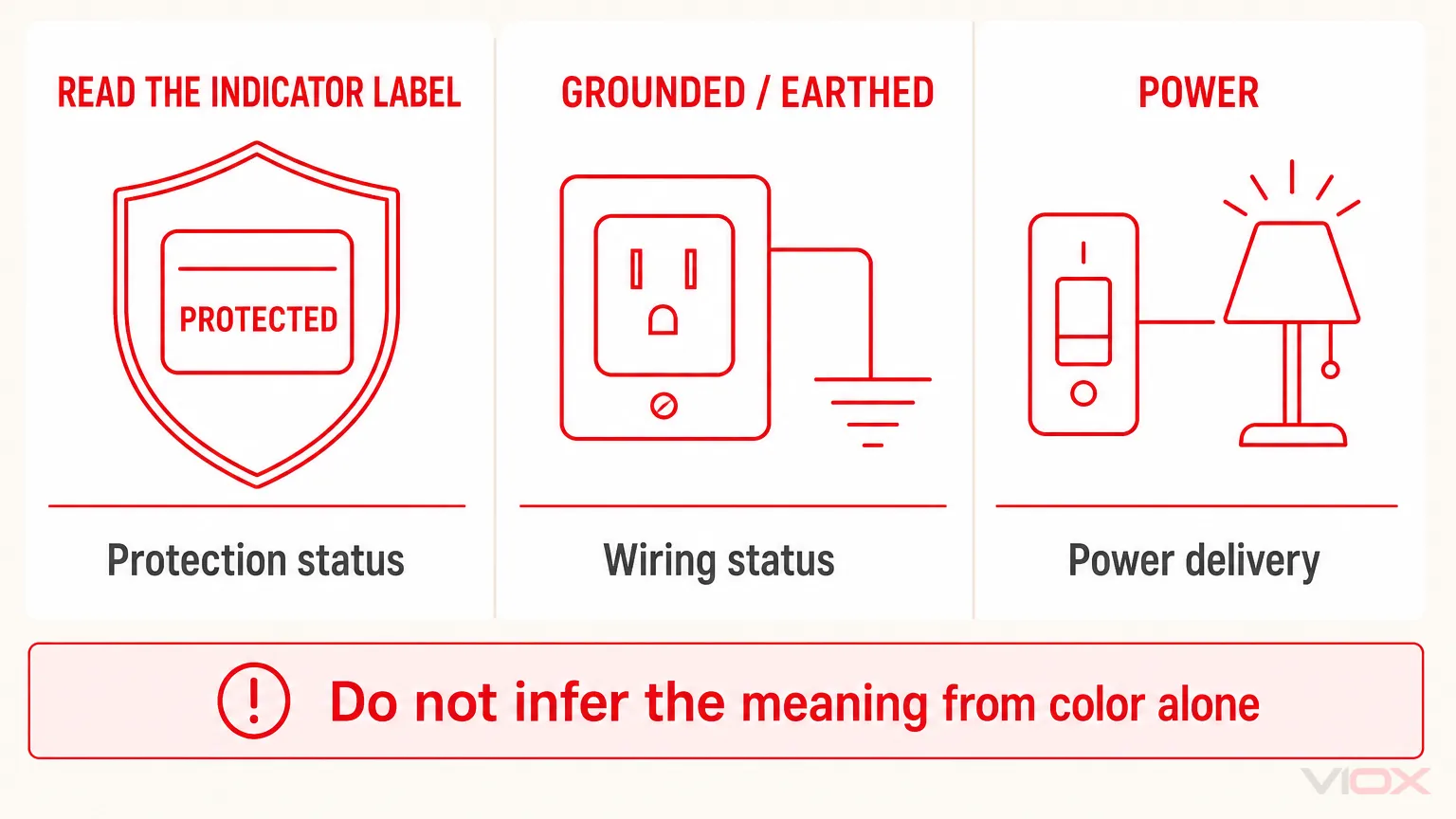
២. រន្ធដោតឈប់បញ្ជូនថាមពលដោយសារតែឧបករណ៍ផ្តាច់សៀគ្វីនៅចុងបញ្ចប់នៃអាយុកាលបានដំណើរការ
ឧបករណ៍ការពារការកើនឡើងតង់ស្យុង (surge protectors) មួយចំនួនផ្តាច់រន្ធដោតដែលបានការពារ នៅពេលដែលសៀគ្វីការពារការកើនឡើងតង់ស្យុងរបស់វាលែងអាចផ្តល់មុខងារតាមការកំណត់បានទៀត។ នេះខុសពីឧបករណ៍បំបែកសៀគ្វីផ្ទុកលើស (overload breaker) ដែលអាចកំណត់ឡើងវិញបានបន្ទាប់ពីមានការផ្ទុកលើសកម្រិត។.
ប្រសិនបើការណែនាំបញ្ជាក់ថាការបាត់បង់ថាមពលលទ្ធផលគឺជាប្រតិបត្តិការបញ្ចប់អាយុកាលជាអចិន្ត្រៃយ៍ សូមជំនួសឧបករណ៍នោះ។ កុំកែប្រែ ឬរំលងឧបករណ៍ផ្តាច់ការពារនោះឱ្យសោះ។.
៣. ឧបករណ៍នៅតែបញ្ជូនថាមពល ប៉ុន្តែការការពារអាចនឹងបាត់បង់ទៅហើយ
ការរចនាមួយចំនួនអាចបន្តដំណើរការជាឧបករណ៍ចែកចាយថាមពល (power tap) បន្ទាប់ពីសៀគ្វីការពារការកើនឡើងតង់ស្យុងត្រូវបានផ្តាច់។ នោះហើយជាមូលហេតុដែលកុំព្យូទ័រ ទូរទស្សន៍ ឬរ៉ោតទ័រដែលបើកដំណើរការជាធម្មតា មិនមែនជាការបញ្ជាក់ថាវាស្ថិតនៅក្រោមការការពារការកើនឡើងតង់ស្យុងនោះទេ។.
សូមពិនិត្យមើលមុខងារស្ថានភាពការពារដែលបានកំណត់។ ប្រសិនបើផលិតផលគ្មានសូចនាករ សំឡេងរោទិ៍ លទ្ធផលវិនិច្ឆ័យ ឬវិធីសាស្ត្រសាកល្បងដែលបានចងក្រងជាឯកសារទេនោះ វាអាចនឹងមិនមានការសាកល្បងជាក់ស្តែងសម្រាប់អ្នកប្រើប្រាស់ដើម្បីដឹងពីសមត្ថភាពការពារការកើនឡើងតង់ស្យុងដែលនៅសល់នោះទេ។.
៤. មានកម្ដៅ ការប្រែពណ៌ ការរលាយ ការប្រេះ ឬក្លិនឆេះ
ទាំងនេះគឺជាលក្ខខណ្ឌដែលត្រូវបញ្ឈប់ការប្រើប្រាស់ភ្លាមៗ មិនមែនជាហេតុផលដែលត្រូវរង់ចាំការត្រួតពិនិត្យតាមកាលកំណត់នោះទេ។ សូមផ្តាច់ឧបករណ៍ដោយសុវត្ថិភាព ហើយជំនួសវាថ្មី។ លើសពីនេះ សូមពិនិត្យមើលថាតើបន្ទុកដែលបានតភ្ជាប់ រន្ធដោត ការដោតជាប់ល្អ ការระบายខ្យល់ ការប៉ះពាល់នឹងវត្ថុរាវ ឬស្ថានភាពខ្សែភ្លើង បានរួមចំណែកដល់ការខូចខាតនេះដែរឬទេ។.
កុំបើកឧបករណ៍ការពារការកើនឡើងតង់ស្យុង (surge protector) ប្រភេទដោត ដើម្បីត្រួតពិនិត្យ ឬជំនួស MOV ខាងក្នុង លើកលែងតែវាត្រូវបានរចនាឡើងជាពិសេស និងមានឯកសារបញ្ជាក់ថាអាចជួសជុលបានដោយអ្នកដែលមានសមត្ថភាពត្រឹមត្រូវ។.
៥. ខ្សែភ្លើង ឌុយដោត កុងតាក់ ឬរន្ធដោតមានការខូចខាត ឬរលុង
ឧបករណ៍ការពារការកើនឡើងតង់ស្យុងអាចក្លាយជាមិនមានសុវត្ថិភាពតាមរយៈការសឹករិចរិលដោយធម្មជាតិ ទោះបីជាសមាសធាតុទប់ស្កាត់ការកើនឡើងតង់ស្យុងរបស់វាមិនទាន់ដល់អាយុកាលប្រើប្រាស់ក៏ដោយ។ ខ្សែភ្លើងដែលដាច់រហែក ឌុយដោតដែលកោងឬខូច កុងតាក់ដែលរលុង ប្រអប់ដែលប្រេះ ឬរន្ធដោតដែលមិនអាចរក្សាឌុយដោតបានយ៉ាងរឹងមាំ គឺជាហេតុផលគ្រប់គ្រាន់ក្នុងការដកវាចេញពីការប្រើប្រាស់។.
៦. វាបានជួបប្រទះនឹងព្រឹត្តិការណ៍អគ្គិសនីធ្ងន់ធ្ងរដែលគេដឹង
បន្ទាប់ពីមានព្រឹត្តិការណ៍រន្ទះបាញ់នៅក្បែរ ការដាច់ចរន្តអគ្គិសនីពីបណ្តាញចែកចាយ ឧប្បត្តិហេតុតង់ស្យុងមិនប្រក្រតី ឬការរំខានធ្ងន់ធ្ងរផ្សេងទៀត សូមត្រួតពិនិត្យឧបករណ៍ការពារមុននឹងទុកចិត្តឱ្យវាការពារឧបករណ៍សំខាន់ៗ។ សូមរកមើលសញ្ញាបង្ហាញពីការអស់អាយុកាល សំឡេងរោទិ៍ ការផ្តាច់ដោយស្វ័យប្រវត្តិ ការខូចខាតរូបរាងកាយ ឬការណែនាំរបស់អ្នកផលិតដែលតម្រូវឱ្យមានការជំនួស។.
ការដាច់ចរន្តអគ្គិសនីដោយខ្លួនឯងមិនមែនជាភស្តុតាងបញ្ជាក់ថាឧបករណ៍ការពារបានស្រូបយកការកើនឡើងតង់ស្យុងដែលបង្កការខូចខាតនោះទេ។ បញ្ហាពាក់ព័ន្ធគឺការរំខានផ្នែកអគ្គិសនីដែលទាក់ទងនឹងព្រឹត្តិការណ៍នោះ និងស្ថានភាពនៃផលិតផលដែលកើតឡើងជាលទ្ធផល។.
អាយុកាល និងប្រវត្តិរបស់វាគឺមិនត្រូវបានគេដឹងនោះទេ។
កាលបរិច្ឆេទចាស់មិនមែនមានន័យថាវាខូចដោយស្វ័យប្រវត្តិនោះទេ ប៉ុន្តែកាលបរិច្ឆេទដែលមិនស្គាល់ ប្រវត្តិការកើនឡើងនៃវ៉ុលដែលមិនស្គាល់ ការបាត់សៀវភៅណែនាំ និងការខ្វះសូចនាករស្ថានភាព បានរួមបញ្ចូលគ្នាធ្វើឱ្យមានភាពមិនច្បាស់លាស់ខ្ពស់។ សម្រាប់ឧបករណ៍ការពារដែលមានតម្លៃទាបដែលបម្រើដល់គ្រឿងអេឡិចត្រូនិកដែលមានតម្លៃថ្លៃ ការជំនួសថ្មីអាចជាជម្រើសដែលសមហេតុផលជាងការសន្មតថាវានៅមានសមត្ថភាពប្រើប្រាស់បាន។.
សូមកត់ត្រាកាលបរិច្ឆេទដំឡើង និងម៉ូដែលនៃឧបករណ៍ជំនួស។ ការធ្វើបែបនេះនឹងជួយសម្រួលដល់ការត្រួតពិនិត្យការហៅត្រឡប់មកវិញ (recall) ការសាកសួរអំពីការធានា និងការពិនិត្យស្ថានភាពនៅពេលអនាគត។.
តើច្បាប់បីទៅប្រាំឆ្នាំនៅតែមានសារៈសំខាន់ដែរឬទេ?
វាមានសារៈសំខាន់ក្នុងនាមជា គោលការណ៍នៃការរៀបចំផែនការ, មិនមែនជាកម្រិតកំណត់សម្រាប់កំណត់ថាប្រើបាន ឬមិនបានជាសកលនោះទេ។.
ការណែនាំសម្រាប់អ្នកប្រើប្រាស់ និងឧបករណ៍សោតទស្សន៍មួយចំនួនបានណែនាំឱ្យមានការជំនួសជាប្រចាំក្នុងរយៈពេលបីទៅប្រាំឆ្នាំ។ ការណែនាំរបស់អ្នកផលិតផ្សេងទៀតជៀសវាងការកំណត់អាយុកាលជាក់លាក់មួយ ដោយសារការប៉ះពាល់នឹងការកើនឡើងនៃវ៉ុលគឺមិនអាចទាយទុកជាមុនបាន។ ឧបករណ៍មួយអាចខូចមុនកាលកំណត់បន្ទាប់ពីទទួលរងភាពតានតឹងខ្លាំង ខណៈដែលឧបករណ៍មួយទៀតអាចរក្សាស្ថានភាពធម្មតាបានយូរជាងនេះ។ ការសង្កេតទាំងពីរនេះមិនអនុញ្ញាតឱ្យអ្នកគណនាសមត្ថភាពការពារដែលនៅសល់របស់វាដោយផ្អែកលើអាយុកាលតែមួយមុខនោះទេ។.
ប្រើចន្លោះពេលតាមប្រតិទិននៅពេល៖
- ក្រុមហ៊ុនផលិតបានកំណត់ចន្លោះពេលមួយ;
- ឧបករណ៍មិនមានការបង្ហាញស្ថានភាពការពារដែលអាចទុកចិត្តបាន;
- កម្មវិធីមានសារៈសំខាន់គ្រប់គ្រាន់ដើម្បីធ្វើការជំនួសដោយការបង្ការបែបអភិរក្សនិយម;
- ប្រវត្តិការប៉ះពាល់មិនច្បាស់លាស់;
- គោលនយោបាយថែទាំនៅការដ្ឋានបង្កើតបានជាចន្លោះពេលដែលបានពិនិត្យឡើងវិញសម្រាប់ឧបករណ៍នោះ។.
កុំអនុញ្ញាតឱ្យវិធាននៃអាយុកាលជំនួសឱ្យការបង្ហាញពីការបរាជ័យដែលកំពុងកើតឡើង ឬការខូចខាតដែលអាចមើលឃើញ។ ឧបករណ៍ការពារដែលខូចដែលមានអាយុមួយឆ្នាំគួរតែត្រូវបានជំនួស។ ឧបករណ៍ដែលហួសពីខួបកំណត់ណាមួយនៅតែតម្រូវឱ្យមានការបកស្រាយតាមការរចនា និងការណែនាំរបស់វា។.
តើអ្វីទៅដែលធ្វើឱ្យអាយុកាលរបស់ឧបករណ៍ការពារការកើនឡើងវ៉ុលខ្លីជាងមុន?
កម្រិតធ្ងន់ធ្ងរ និងភាពញឹកញាប់នៃរលកកើនឡើងភ្លាមៗ
ចំនួននៃព្រឹត្តិការណ៍តែមួយមុខមិនគ្រប់គ្រាន់នោះទេ។ រូបរាងរលក អំព្លីទូដ រយៈពេល ភាពធន់នៃប្រភព របៀបការពារ និងថាមពលដែលឧបករណ៍គ្រប់គ្រង សុទ្ធតែជះឥទ្ធិពលដល់ភាពតានតឹង។ ផ្ទះពីរនៅក្នុងសង្កាត់តែមួយអាចធ្វើឱ្យឧបករណ៍ការពាររបស់ពួកគេជួបប្រទះលក្ខខណ្ឌខុសៗគ្នា ដោយសារតែសេវាកម្ម ខ្សែភ្លើង បន្ទុក និងផ្លូវចូលនៃថាមពលរបស់ពួកគេមានភាពខុសគ្នា។.
វ៉ុលមិនប្រក្រតីដែលកើតឡើងជាបន្តបន្ទាប់
SPD ត្រូវបានរចនាឡើងដើម្បីកំណត់វ៉ុលលើសបណ្តោះអាសន្ន មិនមែនដើម្បីគ្រប់គ្រងការផ្គត់ផ្គង់ដែលនៅតែខ្ពស់ពេក ឬទាបពេកនោះទេ។ វ៉ុលមិនប្រក្រតីដែលកើតឡើងជាបន្តបន្ទាប់ លក្ខខណ្ឌបាត់បង់ខ្សែ N ឬកំហុសប្រព័ន្ធថាមពលផ្សេងទៀត អាចធ្វើឱ្យឧបករណ៍ការពារមានភាពតានតឹងខុសពីការកើនឡើងភ្លាមៗខ្លីៗ ហើយអាចធ្វើឱ្យមុខងារការពារកម្ដៅរបស់វាដំណើរការ។ ប្រសិនបើភ្លើងភ្លឺខ្លាំង និងស្រអាប់ខុសធម្មតា វ៉ុលនៅក្រៅជួរដែលរំពឹងទុក ឬមានការខូចខាតឧបករណ៍ការពារម្តងហើយម្តងទៀត សូមធ្វើការវិភាគស្ថានភាពនៃការផ្គត់ផ្គង់ថាមពល ជាជាងការដំឡើងបន្ទះដោតភ្លើងថ្មីម្តងហើយម្តងទៀត។ សូមមើល ឧបករណ៍ការពារវ៉ុល ទល់នឹង ឧបករណ៍ការពារការកើនឡើងតង់ស្យុង សម្រាប់ព្រំដែននេះ។.
សីតុណ្ហភាព សំណើម ការចម្លងរោគ និងខ្យល់ចេញចូល
ប្រើប្រាស់ឧបករណ៍នេះតែក្នុងបរិយាកាស និងតាមការណែនាំដែលបានកំណត់ប៉ុណ្ណោះ។ ប្រភពកម្ដៅ ការស្ទះខ្យល់ចេញចូល ការប៉ះពាល់នឹងវត្ថុរាវ ធូលី ការច្រេះ និងប្រអប់ដាក់មិនសមស្រប អាចជះឥទ្ធិពលដល់ការដំឡើងទាំងមូល ការតភ្ជាប់ និងសមាសធាតុការពារ។.
ការរចនាផលិតផល និងភាពសមស្របនៃការប្រើប្រាស់
ភាពឆបគ្នានៃតង់ស្យុង របៀបការពារ ការរៀបចំសមាសភាគការពារ ការផ្តាច់ដោយកម្ដៅ ការបង្ហាញស្ថានភាព ការកំណត់បន្ទុកស្របច្បាប់ ប្រអប់ការពារ និងវិញ្ញាបនបត្រសម្រាប់ទីផ្សារគោលដៅ សុទ្ធតែមានសារៈសំខាន់។ លេខទីផ្សារដែលធំជាងនេះមិនមែនជាការបញ្ជាក់ដោយខ្លួនឯងអំពីចំនួនឆ្នាំនៃសេវាកម្មដែលអាចព្យាករណ៍បាននោះទេ។.
លក្ខខណ្ឌនៃការដំឡើង និងប្រព័ន្ធ
សម្រាប់ SPD ដែលដំឡើងនៅលើបន្ទះ ផ្លូវនាំចរន្ត ការភ្ជាប់ដី ការកំណត់រចនាសម្ព័ន្ធប្រព័ន្ធ ចរន្តកំហុសដែលមាន ការការពារការលើសចរន្ត ឬការការពារបម្រុងទុកនៅកន្លែងដែលតម្រូវ និងការណែនាំរបស់អ្នកផលិត សុទ្ធតែជះឥទ្ធិពលដល់ដំណើរការ និងសុវត្ថិភាព។ ផលិតផលទាំងនេះគួរតែត្រូវបានវាយតម្លៃ និងថែទាំដោយបុគ្គលដែលមានសមត្ថភាពស្របតាមច្បាប់មូលដ្ឋានដែលពាក់ព័ន្ធ។.
មូលហេតុដែលការកំណត់កម្រិត Joule មិនអាចព្យាករណ៍ពីអាយុកាលប្រើប្រាស់បាន
ការកំណត់កម្រិត joule នៃឧបករណ៍ការពារប្រភេទដោតមិនមែនជានាឡិកាថយក្រោយនោះទេ។ វាត្រូវបានភ្ជាប់ទៅនឹងការធ្វើតេស្តដែលបានកំណត់ ឬការប្រកាសផលិតផល។ វាមិនប្រាប់អ្នកពីចំនួនពិតប្រាកដ រូបរាងរលក ឬភាពធ្ងន់ធ្ងរនៃការកើនឡើងតង់ស្យុងនាពេលអនាគត ការបែងចែកចរន្តរវាងផ្លូវការពារ ឥទ្ធិពលនៃតង់ស្យុងមិនប្រក្រតីដែលកើតឡើងជាបន្តបន្ទាប់ ឬអាកប្បកិរិយានៅពេលអស់អាយុកាលរបស់ផលិតផលនោះទេ។.
ការកំណត់កម្រិតថាមពលដែលបានប្រកាសខ្ពស់ជាងនេះអាចជាធាតុចូលនៃការប្រៀបធៀបដ៏មានប្រយោជន៍ក្នុងចំណោមផលិតផលដែលអាចប្រៀបធៀបបានយ៉ាងពិតប្រាកដ ប៉ុន្តែ “joules ពីរដងស្មើនឹងអាយុកាលពីរដង” មិនមែនជាការបម្លែងត្រឹមត្រូវនោះទេ។ មគ្គុទ្ទេសក៍កម្រិតថាមពល Joule សម្រាប់ឧបករណ៍ការពារការកើនឡើងតង់ស្យុង (surge protector) ពន្យល់ពីអ្វីដែលលេខនោះអាចប្រាប់អ្នកបាន និងអ្វីដែលវាមិនអាចប្រាប់អ្នកបាន។.
ឧបករណ៍ការពារប្រភេទដោត ទល់នឹង SPD ប្រភេទបន្ទះ៖ ការសម្រេចចិត្តជំនួសខុសៗគ្នា
| ឧបករណ៍ | អ្វីដែលអ្នកប្រើប្រាស់អាចពិនិត្យបាន | សកម្មភាពបន្ទាប់ដែលគួរធ្វើជាទូទៅនៅពេលបាត់បង់ការការពារ |
|---|---|---|
| ឧបករណ៍ការពារការកើនឡើងតង់ស្យុងប្រភេទដោត ឬខ្សែរន្ធដោតដែលមានមុខងារការពារការកើនឡើងតង់ស្យុង | សូចនាករការពារ, ស្ថានភាពថាមពល, សូចនាករដី/ខ្សែភ្លើង, ខ្សែភ្លើង, ក្បាលដោត, កុងតាក់, រន្ធដោត, ប្រអប់ការពារ, សេចក្តីណែនាំតាមម៉ូដែល និងស្ថានភាពនៃការប្រមូលត្រឡប់មកវិញ | ផ្តាច់ឧបករណ៍ដែលបានតភ្ជាប់ដោយសុវត្ថិភាព ហើយជំនួសឧបករណ៍ទាំងមូល ប្រសិនបើក្រុមហ៊ុនផលិតមិនបានផ្តល់វិធីសាស្ត្រជួសជុលដែលមានការអនុញ្ញាតទេនោះ |
| ឧបករណ៍ការពារប្រភេទដោតផ្ទាល់ ឬប្រភេទដែលភ្ជាប់ក្នុងរន្ធដោត | ការបង្ហាញស្ថានភាពតាមម៉ូដែល, លក្ខខណ្ឌរូបវន្ត, ការតភ្ជាប់រន្ធដោត និងសេចក្តីណែនាំ | អនុវត្តតាមសេចក្តីណែនាំរបស់ផលិតផល; ការងារលើរន្ធដោតអចិន្ត្រៃយ៍អាចតម្រូវឱ្យមានអ្នកជំនាញដែលមានសមត្ថភាព |
| SPD សម្រាប់បន្ទះអគ្គិសនីលំនៅដ្ឋាន | បង្អួចបង្ហាញស្ថានភាពម៉ូឌុល ឬឧបករណ៍, សំឡេងរោទិ៍, ការបង្ហាញ, ទំនាក់ទំនងពីចម្ងាយ (ប្រសិនបើមាន), ប្រវត្តិព្រឹត្តិការណ៍ និងឯកសាររបស់អ្នកផលិត | ត្រូវឱ្យអ្នកជំនាញដែលមានសមត្ថភាពធ្វើការត្រួតពិនិត្យប្រព័ន្ធ និងជំនួសម៉ូឌុល ឬ SPD ទាំងមូលឱ្យបានត្រឹមត្រូវតាមការរចនា និងការណែនាំរបស់ផលិតផល |
SPD សម្រាប់ផ្ទះទាំងមូល ឬសម្រាប់បន្ទះអគ្គិសនី និងឧបករណ៍ការពារប្រភេទដោត (plug-in) មិនមែនជាប្រភេទឧបករណ៍ដែលមានអាយុកាលប្រើប្រាស់ជំនួសគ្នាបាននោះទេ។ ពួកវាការពារទីតាំងផ្សេងគ្នានៃប្រព័ន្ធអគ្គិសនី និងប្រើប្រាស់ក្របខ័ណ្ឌនៃការកំណត់កម្រិត និងវិធីសាស្ត្រថែទាំខុសៗគ្នា។ សូមមើល ការការពារការកើនឡើងតង់ស្យុង (surge protection) សម្រាប់ផ្ទះទាំងមូលធៀបនឹងប្រភេទដោត (plug-in) មុនពេលសម្រេចចិត្តថាស្រទាប់ណាដែលត្រូវការជំនួស។.
ការចុះខ្សោយនៃ SPD ក្នុងឧស្សាហកម្មលម្អិត, ការលេចធ្លាយ MOV, ឥរិយាបថនៃឧបករណ៍ផ្តាច់កម្ដៅ (thermal-disconnector) និងការថែទាំម៉ូឌុល គឺស្ថិតនៅក្នុង មគ្គុទ្ទេសក៍ស្តីពីអាយុកាលរបស់ SPD និងភាពចាស់នៃ MOV.
ការត្រួតពិនិត្យលក្ខខណ្ឌចំនួនប្រាំជំហាន
ជំហានទី 1៖ កំណត់អត្តសញ្ញាណឧបករណ៍ និងសេចក្តីណែនាំ
កត់ត្រាឈ្មោះក្រុមហ៊ុនផលិត ម៉ូដែល វ៉ុលផ្គត់ផ្គង់ កាលបរិច្ឆេទដំឡើងប្រសិនបើដឹង និងអត្ថន័យនៃសូចនាករនីមួយៗ។ ពិនិត្យមើលទំព័រគាំទ្របច្ចុប្បន្នរបស់អ្នកផលិត និងមូលដ្ឋានទិន្នន័យនៃការហៅផលិតផលត្រឡប់មកវិញ (product-recall) ដែលអាចអនុវត្តបាន។.
ជំហានទី 2៖ អានស្ថានភាពការពារ មិនមែនត្រឹមតែស្ថានភាពថាមពលនោះទេ
បញ្ជាក់ថាពន្លឺ សំឡេងរោទិ៍ ការបង្ហាញ ឬទំនាក់ទំនង (contact) មួយណាដែលតំណាងឱ្យសុខភាពនៃការការពារការកើនឡើងវ៉ុល (surge-protection)។ ប្រសិនបើស្ថានភាពមានន័យថាការការពារមិនមានដំណើរការទេ សូមជំនួស ឬជួសជុលឧបករណ៍តាមការណែនាំ។.
ជំហានទី 3៖ ត្រួតពិនិត្យដោយមិនចាំបាច់បើកឧបករណ៍
រកមើលការខូចខាតដោយកម្ដៅ ការប្រែពណ៌ ការប្រេះស្រាំ ផ្នែកដែលរលុង ខ្សែភ្លើង ឬដោតភ្លើងដែលខូច ការប៉ះពាល់នឹងវត្ថុរាវ ការច្រេះ ឬរន្ធដោតដែលមិនអាចរក្សាដោតភ្លើងបានយ៉ាងរឹងមាំ។ ដកឧបករណ៍ដែលខូចចេញពីការប្រើប្រាស់។.
ជំហានទី 4៖ ពិនិត្យមើលការប៉ះពាល់ និងការអនុវត្ត
សូមពិចារណាលើព្រឹត្តិការណ៍អគ្គិសនីធ្ងន់ធ្ងរដែលធ្លាប់កើតឡើង បញ្ហាគុណភាពថាមពលដែលកើតឡើងដដែលៗ លក្ខខណ្ឌបរិស្ថាន ការប្រើប្រាស់បន្ទុក និងថាតើផលិតផលនោះសមស្របសម្រាប់ប្រភពផ្គត់ផ្គង់ និងឧបករណ៍ដែលបានតភ្ជាប់ដែរឬទេ។ កុំប្រើបន្ទះដោតដែលមានមុខងារការពារការកើនឡើងតង់ស្យុង (surge-protected strip) ដើម្បីជំនួសវិធីសាស្ត្រចែកចាយថាមពលដែលមានកម្រិតត្រឹមត្រូវ។.
ជំហានទី 5៖ ជ្រើសរើសសកម្មភាពមួយ
- ជំនួសភ្លាមៗ៖ ស្ថានភាពការពារបរាជ័យ ការបិទដំណើរការជាអចិន្ត្រៃយ៍នៅពេលអស់អាយុកាល ការខូចខាតផ្នែករូបវន្ត ការឡើងកម្ដៅខ្លាំង ក្លិនមិនប្រក្រតី ការប្រមូលត្រឡប់វិញដែលតម្រូវឱ្យមានសកម្មភាព ឬការជំនួសតាមការកំណត់របស់អ្នកផលិត។.
- ផ្ទៀងផ្ទាត់ ឬរាយការណ៍បន្ត៖ ការបង្ហាញពីកំហុសខ្សែភ្លើង/ដី ការបរាជ័យដដែលៗ តង់ស្យុងមិនប្រក្រតីដែលកើតឡើងជាប់លាប់ ស្ថានភាពមិនច្បាស់លាស់នៃបន្ទះ SPD ឬការដំឡើងដែលតម្រូវឱ្យមានការងារអគ្គិសនី។.
- បន្តតាមដាន៖ ស្ថានភាពការពារធម្មតាដែលកំណត់ដោយម៉ូដែល គ្មានការខូចខាត ការប្រើប្រាស់ត្រឹមត្រូវ និងគ្មានការណែនាំដែលតម្រូវឱ្យមានការជំនួស។.
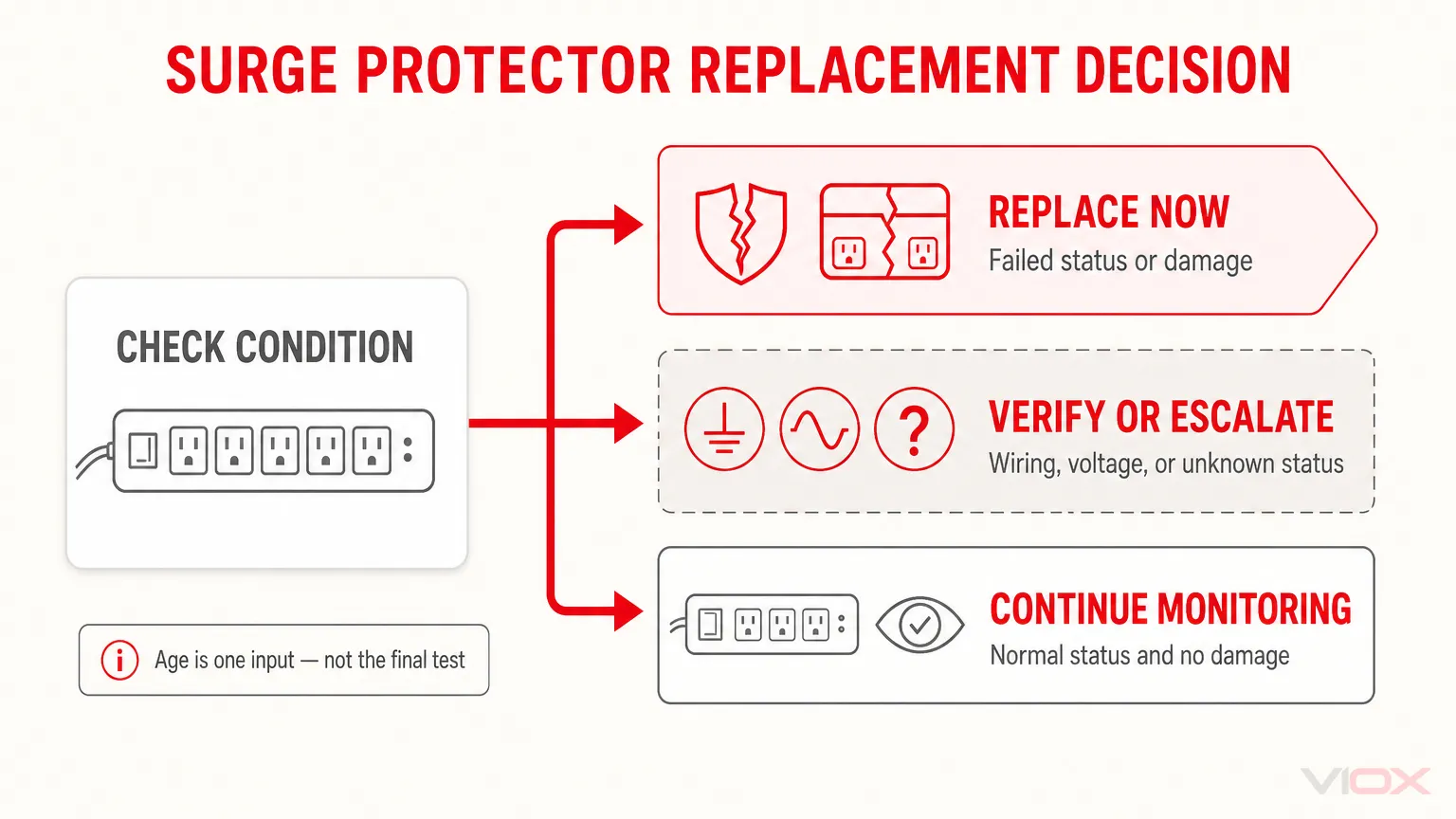
ការជ្រើសរើសឧបករណ៍ជំនួសដែលងាយស្រួលត្រួតពិនិត្យ
នៅពេលចាំបាច់ត្រូវជំនួស សូមផ្តល់អាទិភាពដល់ភាពសមស្របនៃការប្រើប្រាស់ដែលអាចផ្ទៀងផ្ទាត់បាន ជាជាងលេខទីផ្សារធំតែមួយ៖
- វ៉ុលផ្គត់ផ្គង់ត្រឹមត្រូវ ប្រព័ន្ធដោត/រន្ធដោត និងកម្រិតផ្ទុកបន្ទុក;
- វិញ្ញាបនបត្រ ឬការចុះបញ្ជីដែលតម្រូវក្នុងទីផ្សារគោលដៅ;
- សូចនាករស្ថានភាពការពារដែលមានស្លាកសញ្ញាច្បាស់លាស់;
- ការកំណត់អាកប្បកិរិយាពេលអស់អាយុកាលប្រើប្រាស់ដែលមានឯកសារយោង ដូចជាការជូនដំណឹង ឬការផ្តាច់រន្ធដោតដោយស្វ័យប្រវត្តិនៅកន្លែងដែលសមស្រប;
- ការណែនាំរបស់អ្នកផលិតដែលពន្យល់ពីអត្ថន័យនៃសូចនាករ និងសកម្មភាពជំនួស;
- ការការពារសមស្របសម្រាប់រាល់ចំណុចតភ្ជាប់ដែលពាក់ព័ន្ធ រួមទាំងខ្សែ coaxial ឬផ្លូវទិន្នន័យនៅកន្លែងដែលអាចអនុវត្តបាន;
- ទម្រង់ដែលនៅតែអាចមើលឃើញ និងងាយស្រួលចូលទៅពិនិត្យមើលបាន។;
- កំណត់ត្រាម៉ូដែល និងការទិញដែលគាំទ្រដល់ការត្រួតពិនិត្យការហៅត្រឡប់មកវិញ និងការធានា។.
ខ្សែរន្ធដោតភ្លើងធម្មតាអាចផ្តល់ជូនត្រឹមតែរន្ធដោតបន្ថែម និងការការពារការផ្ទុកលើសប៉ុណ្ណោះ។ សូមបញ្ជាក់ថាផលិតផលនោះត្រូវបានកំណត់អត្តសញ្ញាណថាជាឧបករណ៍ការពារការកើនឡើងតង់ស្យុង (surge protector) មែនឬអត់ សូមមើល ឧបករណ៍ការពារការកើនឡើងតង់ស្យុង ទល់នឹង ខ្សែរន្ធដោតភ្លើង ប្រសិនបើភាពខុសគ្នាមិនច្បាស់លាស់។.
ជាញឹកញាប់បានសួរសំណួរ
តើឧបករណ៍ការពារការកើនឡើងតង់ស្យុងនៅតែអាចដំណើរការបានដែរឬទេ បន្ទាប់ពីមុខងារការពាររបស់វាបានបរាជ័យ?
បាន។ ផលិតផលមួយចំនួននៅតែបន្តផ្តល់ថាមពលបន្ទាប់ពីសៀគ្វីការពារការកើនឡើងតង់ស្យុងលែងដំណើរការ ខណៈពេលដែលការរចនាបែប fail-safe អាចផ្តាច់ថាមពលនៅរន្ធដោត។ សូមពិនិត្យមើលសូចនាករការពារដែលបានកំណត់ និងការណែនាំរបស់ម៉ូដែលនោះ។ ការដែលឧបករណ៍នៅតែមានភ្លើងចូល មិនមែនមានន័យថាវាមានការការពារនោះទេ។.
តើខ្ញុំគួរជំនួសឧបករណ៍ការពារការកើនឡើងតង់ស្យុងបន្ទាប់ពីមានព្យុះរន្ទះបាញ់រាល់ដងដែរឬទេ?
មិនមែនដោយស្វ័យប្រវត្តិបន្ទាប់ពីព្យុះឆ្ងាយៗរាល់ដងនោះទេ។ សូមពិនិត្យមើលស្ថានភាពការពារ លក្ខខណ្ឌរូបវន្ត សញ្ញាព្រមាន ឬឥរិយាបថនៃការផ្តាច់ និងការណែនាំរបស់អ្នកផលិត បន្ទាប់ពីមានព្រឹត្តិការណ៍ធ្ងន់ធ្ងរដែលបានដឹង។ សូមជំនួសវា នៅពេលដែលការការពារត្រូវបានបាត់បង់ មានការខូចខាត ឬនៅពេលដែលការណែនាំតម្រូវឱ្យមានការជំនួស។.
តើខ្ញុំអាចធ្វើតេស្តសមត្ថភាពការពាររលកចរន្តដែលនៅសល់ដោយប្រើឧបករណ៍វាស់ចរន្តអគ្គិសនី (multimeter) បានដែរឬទេ?
ការពិនិត្យដោយប្រើឧបករណ៍វាស់ចរន្តអគ្គិសនីធម្មតាសម្រាប់អ្នកប្រើប្រាស់ មិនអាចកំណត់សមត្ថភាពគ្រប់គ្រងរលកចរន្តដែលនៅសល់នៃឧបករណ៍ការពារប្រភេទដោតជាប់បានទេ។ សូមប្រើការវិភាគរោគវិនិច្ឆ័យដែលមានចែងក្នុងឯកសាររបស់ផលិតផល ឬជំនួសវា នៅពេលដែលមិនអាចផ្ទៀងផ្ទាត់ស្ថានភាពបាន ហើយការប្រើប្រាស់នោះទាមទារឱ្យមានការសម្រេចចិត្តដោយប្រុងប្រយ័ត្ន។.
តើការដកឧបករណ៍ការពាររលកចរន្តចេញជួយពន្យារអាយុកាលរបស់វាដែរឬទេ?
ខណៈពេលដែលដកចេញ វាមិនត្រូវបានប៉ះពាល់នឹងរលកចរន្តដែលមកតាមរយៈការតភ្ជាប់ថាមពលនោះទេ។ ការដកចេញមិនអាចត្រឡប់ការចុះខ្សោយពីមុន ឬជួសជុលការពាក់រឹតរូបវន្តបានឡើយ ហើយឧបករណ៍ដែលបានតភ្ជាប់អាចនៅតែមានផ្លូវចម្លងផ្សេងទៀតដូចជា ខ្សែ coaxial ឬខ្សែទិន្នន័យជាដើម។.
តើការការពាររលកចរន្តនៅខាងក្នុង UPS មានអាយុកាលអចិន្ត្រៃយ៍ដែរឬទេ?
មិនគួរមានការសន្និដ្ឋានណាមួយដោយផ្អែកលើការដំណើរការធម្មតារបស់ UPS នោះទេ។ លក្ខខណ្ឌនៃថ្ម មុខងារបំប្លែងថាមពល និងដំណាក់កាលការពាររលកចរន្តគឺដាច់ដោយឡែកពីគ្នា។ សូមអនុវត្តតាមការណែនាំរបស់អ្នកផលិត UPS អំពីស្ថានភាព ការធ្វើតេស្ត ការថែទាំ និងការជំនួស។.
តើគួរកម្ចាត់ឧបករណ៍ការពាររលកចរន្តចាស់ដោយរបៀបណា?
សូមអនុវត្តតាមការណែនាំរបស់អ្នកផលិត និងច្បាប់ស្តីពីការបោះចោលកាកសំណល់អេឡិចត្រូនិក ឬឧបករណ៍អគ្គិសនីក្នុងមូលដ្ឋាន។ កុំដាក់ឧបករណ៍ដែលខូច ឬឡើងកម្ដៅខ្លាំងឱ្យដំណើរការវិញក្នុងពេលរង់ចាំការបោះចោល។.
វិធាននៃការជំនួសចុងក្រោយ
កុំជំនួសឧបករណ៍ការពារការកើនឡើងតង់ស្យុង (surge protector) គ្រាន់តែដោយសារតារាងនៅលើអ៊ីនធឺណិតបានបញ្ជាក់ថាវាដល់អាយុកាលកំណត់ ហើយក៏កុំរក្សាទុកវាគ្រាន់តែដោយសារតែរន្ធដោតរបស់វានៅតែដំណើរការ។.
ត្រូវជំនួសវា នៅពេលដែលស្ថានភាពការពារដែលកំណត់ដោយម៉ូដែលបានបរាជ័យ នៅពេលដែលឧបករណ៍កាត់ផ្តាច់នៅចុងបញ្ចប់នៃអាយុកាលដំណើរការ នៅពេលដែលវាខូចខាតផ្នែករូបវន្ត ឬនៅពេលដែលអ្នកផលិតតម្រូវឱ្យមានការជំនួស។ សូមផ្ទៀងផ្ទាត់ ឬរាយការណ៍អំពីកំហុសខ្សែភ្លើង តង់ស្យុងមិនប្រក្រតី ការបរាជ័យម្តងហើយម្តងទៀត និងសេវាកម្ម SPD នៅលើផ្ទាំងបញ្ជា។ នៅពេលដែលស្ថានភាពមានលក្ខណៈធម្មតា ហើយឧបករណ៍នៅតែសមស្រប និងមិនមានការខូចខាត សូមបន្តតាមដានវាស្របតាមការណែនាំរបស់វា។.
សម្រាប់ការរៀបចំផែនការការពារលំនៅដ្ឋានលើសពីឧបករណ៍មួយ សូមរួមបញ្ចូលការសម្រេចចិត្តផ្អែកលើលក្ខខណ្ឌនេះជាមួយនឹងទីតាំងការពារត្រឹមត្រូវ។ សូមពិនិត្យមើល ក្រុមផលិតផល SPD របស់ VIOX នៅពេលវាយតម្លៃជម្រើសដែលដំឡើងនៅលើផ្ទាំងបញ្ជា ហើយស្នើសុំការវាយតម្លៃ និងឯកសារជាក់លាក់តាមម៉ូដែលសម្រាប់ប្រព័ន្ធអគ្គិសនី និងទីផ្សារដែលបានគ្រោងទុក។.
Sources Reviewed
- Schneider Electric — តើអាយុកាលរំពឹងទុករបស់ឧបករណ៍ការពារការកើនឡើងតង់ស្យុង (Surge Protective Devices) មានរយៈពេលប៉ុន្មាន?
- Eaton — ការពន្យល់អំពីឧបករណ៍ការពារការកើនឡើងតង់ស្យុង (Surge Protectors)
- Belkin — ការយល់ដឹងអំពីសូចនាករភ្លើងបង្ហាញស្ថានភាពរបស់ឧបករណ៍ការពារការកើនឡើងតង់ស្យុង
- Philips Support — ភ្លើងការពារបានរលត់
- NIST Special Publication 960-6 — ការកើនឡើងតង់ស្យុងអាចកើតឡើង!