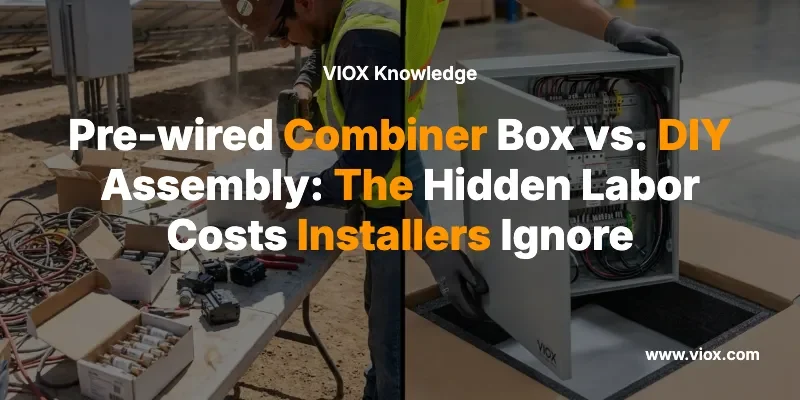
Úvod: Zabiják marží, kterého na faktuře nevidíte
Pro solární EPC a instalační firmy je rozpočet materiálu (BOM) často hlavním zaměřením při nabízení komerčních projektů a projektů v měřítku veřejných služeb. Na papíře se zdá, že nákup prázdných skříní, DIN lišty, držáků pojistek a jističe samostatně je strategie, jak ušetřit náklady. Náklady na surové komponenty pro sestavu svépomocí mohou být o 15–20 % nižší než u továrně předem zapojené jednotky. Tento výpočet však opomíjí jedinou nejvolatilnější proměnnou v solární konstrukci: kvalifikovaná pracovní síla.
V terénu “sestavení” neznamená jen přišroubování komponentů na lištu. Zahrnuje logistiku nákupu, správu zásob, vrtání, zapojování, označování, testování a odstraňování problémů. Když vysoce placení elektrikáři tráví hodiny sestavováním krabic namísto instalace panelů, marže projektu se vypaří. Jako vedoucí elektroinženýr ve společnosti VIOX Electric jsem analyzoval data ze stovek instalací. Závěr je jasný: skryté náklady na práci při montáži slučovacích krabic v terénu často přesahují cenu samotného hardwaru.
Tato příručka poskytuje forenzní účetnictví těchto nákladů a porovnává skutečné celkové náklady na vlastnictví (TCO) mezi předem zapojenými řešeními a montáží v terénu.
Klíčové poznatky
- Náklady na práci převyšují úspory materiálu: 15% úspora na komponentech je obvykle vyvážena 40% nárůstem pracovních hodin na montáž a testování.
- Složitost nákupu: Správa 15+ jednotlivých SKU na krabici zvyšuje riziko zpoždění dodavatelského řetězce a nekompatibilních dílů ve srovnání s jedním SKU pro předem zapojenou jednotku.
- Kvalita a odpovědnost: Továrně zapojené krabice procházejí automatizovaným testováním Hi-Pot a kontinuity; montáže v terénu se spoléhají na variabilní lidskou realizaci, což zvyšuje riziko požáru a poruch.
- Rychlost instalace: Předem zapojené jednotky zkracují dobu na místě až o 2,5 hodiny na krabici, což umožňuje rychlejší uvedení systému do provozu.
- Mezery v záruce: Sestavy svépomocí často ruší záruky na jednotlivé komponenty, pokud se vyskytnou problémy s integrací; předem zapojené krabice mají záruku na úrovni systému.
Skutečné náklady na montáž slučovací krabice svépomocí
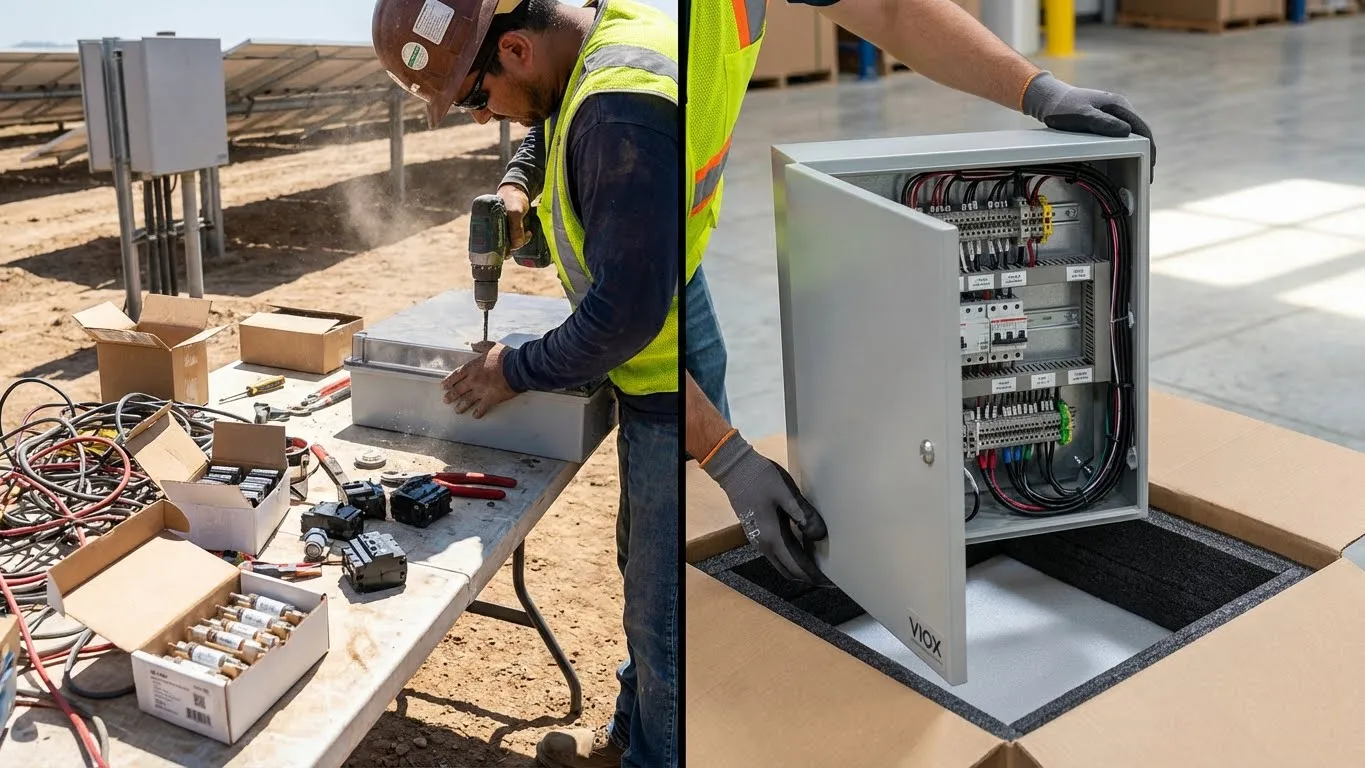
Přístup “svépomocí” je v profesionální solární energetice nesprávné označení; ve skutečnosti se jedná o “výrobu v terénu”. Když požádáte licencovaného elektrikáře, aby sestavil slučovací krabici na místě, platíte kvalifikovanou pracovní sílu (často 80–120 USD/hodinu) za výrobní úkoly, které by mohly být provedeny tovární automatizací za zlomek nákladů.
Nejde jen o bezpečné zapojení solárních panelů. Zahrnuje to:
- Příprava skříně: Měření a vrtání otvorů pro kabelové průchodky (riziko prasknutí skříní IP65).
- Mechanická montáž: Řezání DIN lišt, montáž držáků pojistek, SPD a jističů.
- Vnitřní zapojení: Řezání, odizolování, krimpování dutinek a vedení vodičů.
- Označování: Vytváření a aplikování štítků v souladu s NEC.
Vhled výrobce VIOX: V našich studiích časového pohybu jsme zjistili, že vrtání kabelových vstupů do polykarbonátových skříní bez přípravku má za následek 4% míru zmetkovitosti v důsledku praskání nebo nesouososti. Tyto promarněné náklady na materiál se zřídka zohledňují v počátečních odhadech.
Srovnání doby práce: Předem zapojené vs. montáž v terénu
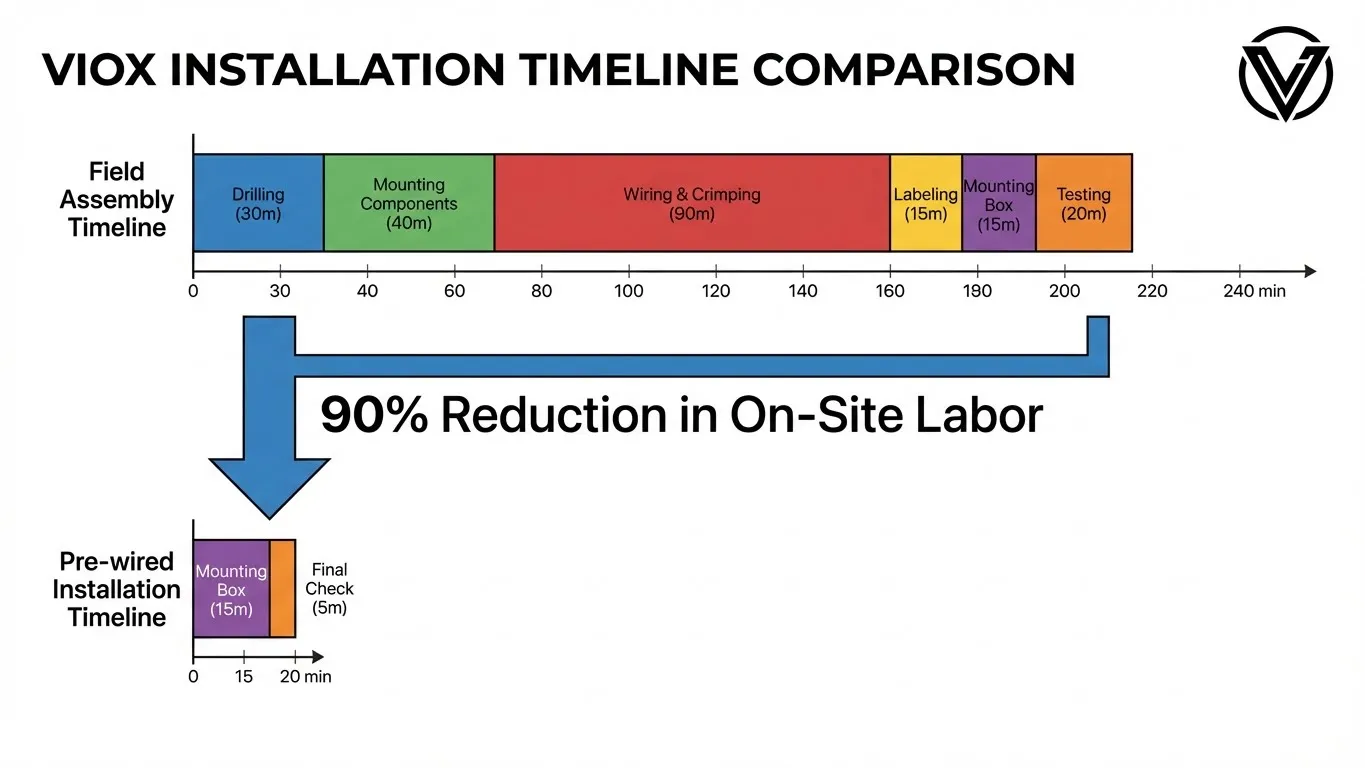
Pojďme si rozebrat instalaci standardní 6řetězcové slučovací krabice. Předpokládáme, že kvalifikovaný elektrikář provádí práci ve venkovním prostředí.
Tabulka analýzy efektivity
| Kategorie úkolu | Doba montáže v terénu (svépomocí) | Doba předem zapojené jednotky VIOX | Úspora času |
|---|---|---|---|
| Nákup a příjem | 45 minut (Ověření 15+ SKU) | 5 minut (Ověření 1 SKU) | 40 minut |
| Úprava skříně (Vrtání) | 30 minut | 0 minut (Předvrtané/vyražené otvory) | 30 minut |
| Montáž komponentů | 40 minut | 0 minut (Továrně namontováno) | 40 minut |
| Vnitřní zapojení (Krimpování/vedení) | 90 minut | 0 minut (Továrně zapojeno) | 90 minut |
| Označování | Označování | 15 minut | Označování |
| 0 minut (Továrně označeno) | Označování | Označování | Montáž na konstrukci |
| 15 minut | 0 minut | Testování v terénu (Kontinuita) | Označování |
| 20 minut | 5 minut (Pouze ověření) | CELKOVÁ DOBA NA JEDNOTKU | 4 hodiny 15 minut |
25 minut ~3,8 hodiny, Polní montáž stojí $425 za práci na jednu krabici, zatímco Předem zapojená instalace stojí zhruba $42. I když předem zapojená krabice stojí o $150 více, stále dosahujete zisku $233 na jednotku výběrem předem zapojeného řešení.
Pro hlubší ponor do těchto konfigurací se podívejte do našeho průvodce předem zapojené vs. zakázkové slučovací krabice.
Past na nákup komponentů
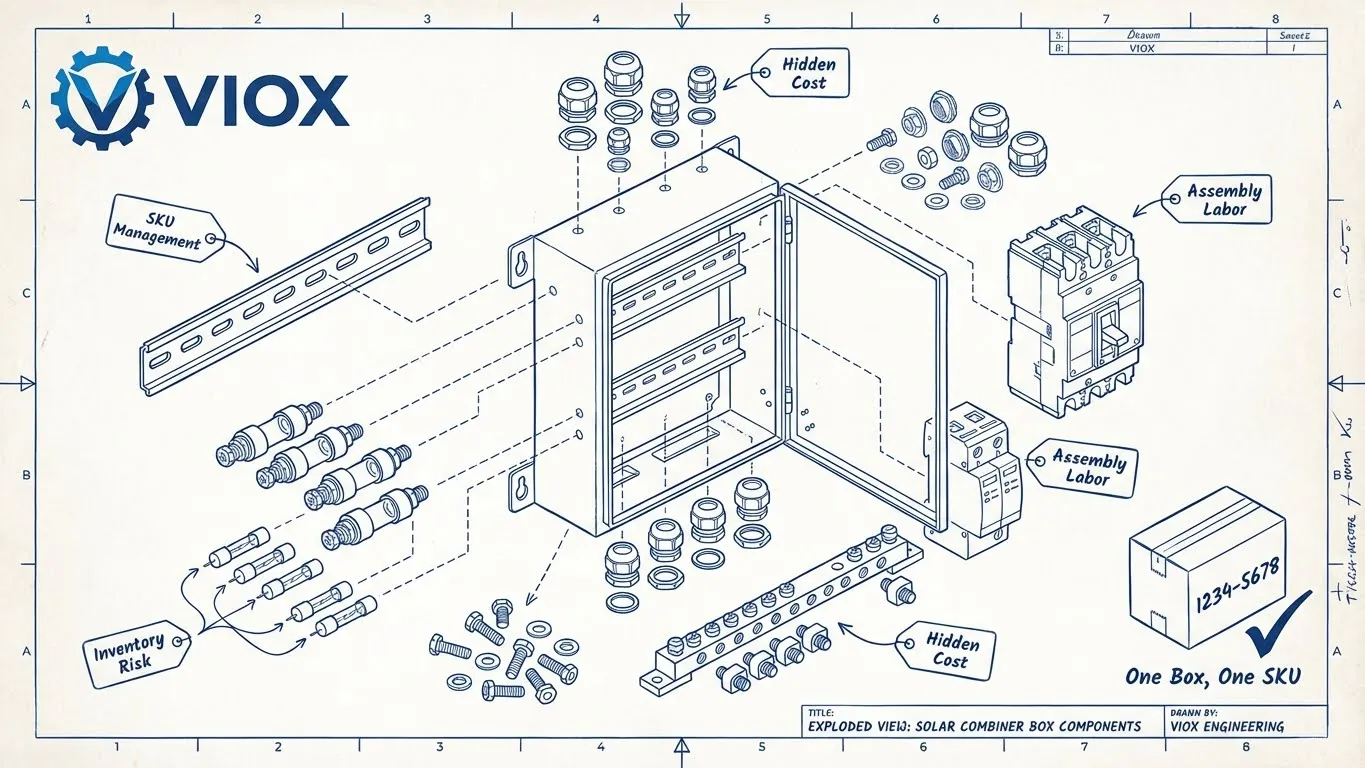
Polní montáž vyžaduje nákup jednotlivých komponentů: skříně, DIN lišty, držáky pojistek, pojistky, jističe, SPDs, průchodky a vnitřní kabeláž. To zavádí “Past na nákup”:
- Nesoulad zásob: Máte 50 držáků pojistek, ale pouze 48 pojistek. Práce se zastaví.
- Nekompatibilita: Na stránkách DC jistič co jste koupili, je o 5 mm příliš vysoké, aby se dveře skříně správně zavřely.
- Odpad: Elektrikáři upustí šrouby do hlíny nebo ustřihnou dráty příliš krátké. Polní odpad obvykle činí 5-10%.
Když si koupíte předem zapojenou krabici VIOX, spravujete jedno SKU. Odpovědnost za správné dimenzování komponentů a zajištění montáže leží na výrobci, nikoli na vašem nákupním manažerovi.
Náklady na instalační chyby, které se nikdy nedostanou do nabídek
Polní montáž je náchylná k lidským chybám, zejména v drsných povětrnostních podmínkách. Běžné chyby, které vedou k nočním můrám při odstraňování problémů zahrnout:
- Nesprávný točivý moment: Nedotažené spoje vytvářejí horká místa; přetažené šrouby strhávají závity.
- Špatné krimpování: Polní krimpování bez kalibrovaných nástrojů vede k vysokému odporu spojů a potenciálním obloukům.
- Selhání vodotěsnosti: Nesprávně usazená těsnění nebo průchodky vyvrtané v nesprávných úhlech ohrožují krytí IP65.
- Tepelné přetížení: Uspořádání komponentů bez dostatečného rozestupu způsobuje přehřívání, což vede k obtěžujícímu vypínání jističů.
Tyto chyby nestojí jen peníze na opravu; zpožďují schválení inspekcí a připojení k síti.
Zajištění kvality: Tovární testování vs. polní montáž
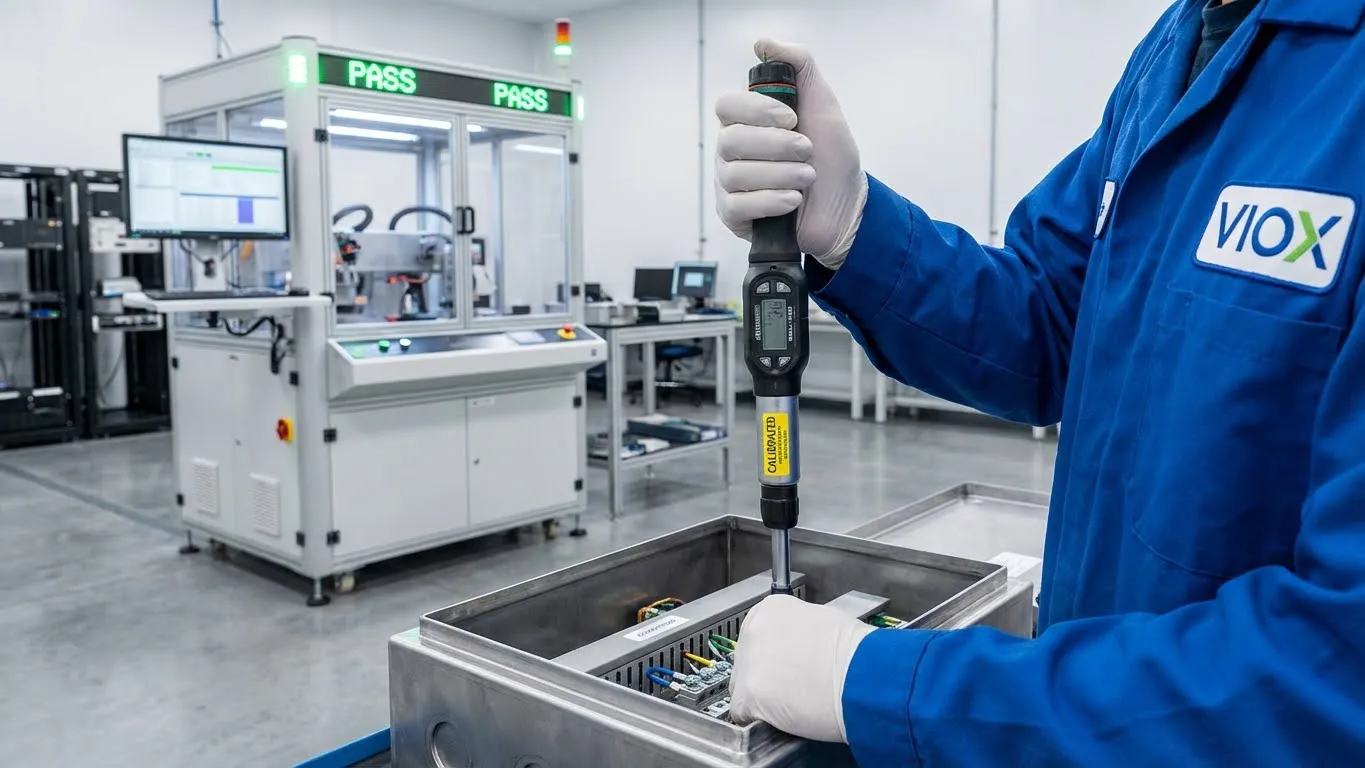
Kritickým rozlišovacím znakem je validace. DIY krabice je testována poprvé, když zapnete systém. Předem zapojená krabice VIOX je testována před opuštěním továrny.
Srovnávací matice QA
| Testovací protokol | Tovární proces předem zapojeného VIOX | DIY polní proces |
|---|---|---|
| Kontrola kontinuity | Automatizované 100% ověření | Ruční multimetr (namátková kontrola) |
| Ověření točivého momentu | Kalibrované elektrické šroubováky | Ruční nástroje (proměnlivá síla) |
| Odolnost izolace | Testování vysokým napětím 1000V | Provádí se zřídka |
| Ochrana proti vniknutí | Test úniku vakua/tlaku | Pouze vizuální kontrola |
Správné inspekční protokoly jsou životně důležité. Pokud budete pokračovat s DIY, musíte implementovat přísný kontrolní seznam pro zmírnění odpovědnosti.
Analýza celkových nákladů na vlastnictví (TCO)
Při hodnocení výběru výrobce, se musíte dívat za cenu na štítku.
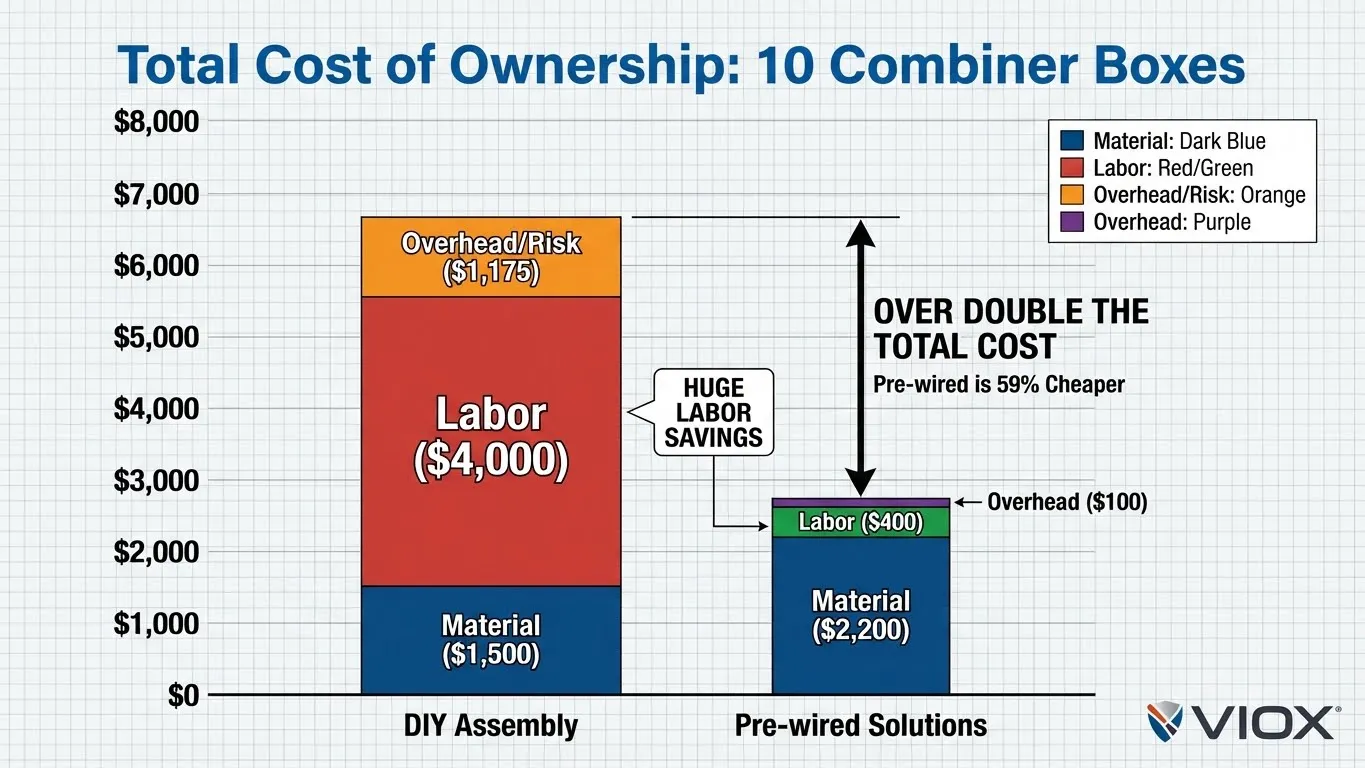
Scénář: Komerční střešní projekt o výkonu 100 kW (vyžaduje 10 slučovacích krabic).
| Nákladový faktor | DIY / Polní montáž | Předem zapojené řešení VIOX |
|---|---|---|
| Náklady na materiál (10 jednotek) | $1,500 | $2,200 |
| Práce na montáži (40 hodin vs. 4 hodiny) | $4 000 (@$100/hod) | $400 (@$100/hod) |
| Režie spojená s nákupem/logistikou | $500 | $100 |
| Odpad a zmetek (5%) | $75 | $0 |
| Opravy/Odstraňování problémů (odhad) | $600 | $0 |
| CELKOVÉ NÁKLADY NA PROJEKT | $6,675 | $2,700 |
| NÁKLADY NA JEDEN BOX | $667.50 | $270.00 |
Závěr: Předem zapojené řešení přináší úsporu 59% v celkových nákladech na projekt, navzdory vyšší ceně materiálu. Kromě toho tovární montáž zajišťuje lepší tepelný management, čímž se zabraňuje předčasnému snížení jmenovitého proudu jističů v horkém klimatu.
Kdy má montáž svépomocí skutečně finanční smysl
Navzdory výhodám předem zapojených jednotek existují specifické scénáře, kdy je montáž v terénu opodstatněná:
- Nouzové opravy: Pokud se porouchá unikátní box a dodací lhůty pro zakázkovou náhradu jsou příliš dlouhé, montáž na místě systém rychleji zprovozní.
- Vysoce zakázkové prototypy: Pro projekty výzkumu a vývoje s nestandardními požadavky na jištění nebo monitorování napětí, které ještě nejsou k dispozici v sériové výrobě.
- Vzdělávací účely: Školení nových techniků o vnitřní architektuře solární distribuce.
Pro standardní komerční a rezidenční projekty je však přístup svépomocí zřídka ospravedlnitelný z hlediska nákladů.
Často kladené otázky (FAQ)
1. Mají předem zapojené slučovací boxy certifikaci UL?
Ano, renomované předem zapojené rozvodné skříně, jako například od společnosti VIOX, mají UL 1741 certifikaci jako kompletní sestava. DIY (domácí výroby) rozvodné skříně se skládají z komponentů s certifikací UL, ale finální sestava samotná nemá certifikaci UL, pokud není zkontrolována orgánem pro hodnocení v terénu, což může být problém s dodržováním předpisů.
2. Mohu si přizpůsobit předem zapojený box?
Absolutně. Většina výrobců vám umožňuje specifikovat počet stringů, jmenovité hodnoty pojistek (např. 15A vs. 20A) a typy SPD (typ 1 nebo typ 2) před objednáním. To vám dává “zakázkové” řešení se standardní tovární kvalitou.
3. Eliminuje předem zapojení veškerou práci v terénu?
Ne. Stále musíte namontovat skříň a ukončit vodiče FV stringu (vstup) a vodiče domovní trasy (výstup). Vynecháte však vnitřní zapojení mezi držáky pojistek, přípojnicemi a jističi.
4. Jak ověřím kvalitu předem zapojeného boxu?
Zkontrolujte čisté vedení kabelů, kabelové koncovky na všech koncích vodičů, správné označení a zkušební protokol přiložený v krabici. Ujistěte se, že stupeň krytí IP (např. IP65/NEMA 4X) odpovídá požadavkům vašeho pracoviště.
5. Je pro předem zapojené boxy lepší kovové nebo plastové pouzdro?
Záleží na prostředí. Kov poskytuje lepší odvod tepla pro aplikace s vysokým proudem, zatímco UV stabilizovaný polykarbonát je lehčí a snadněji se instaluje. Podívejte se na našeho průvodce výběrem pouzdra pro více podrobností.
Postřehy výrobce: Ve společnosti VIOX Electric překlenujeme mezeru mezi zakázkovými potřebami a efektivitou sériové výroby. Standardizací vnitřní architektury pomáháme instalačním firmám snižovat rizika spojená s prací a zkracovat časové osy projektů. Pro váš příští projekt si spočítejte náklady na práci – nejen na materiály – a uvidíte, proč je předem zapojení profesionální volbou.