ক মোল্ডেড কেস সার্কিট ব্রেকার (MCCB) এটি একটি শিল্প-গ্রেডের বৈদ্যুতিক সুরক্ষা ডিভাইস যা অতিরিক্ত কারেন্ট, শর্ট সার্কিট এবং গ্রাউন্ড ফল্ট অবস্থার সময় স্বয়ংক্রিয়ভাবে সার্কিটগুলিকে বাধা দেয়, 15A থেকে 2,500A পর্যন্ত হ্যান্ডেল করে এবং 200kA পর্যন্ত ব্রেকিং ক্ষমতা রাখে—যা সরঞ্জাম এবং সুবিধাগুলিকে বিপর্যয়কর বৈদ্যুতিক ব্যর্থতা থেকে রক্ষা করে।.
2:47 AM। আপনার ডেটা সেন্টারের প্রধান বিতরণ প্যানেল প্লাজমার ঝলকানিতে বিস্ফোরিত হয় যা দরজার হাতল গলিয়ে দেয়। যখন ফায়ার মার্শাল এসে পৌঁছায়, তখন তারা ধ্বংসাবশেষ থেকে ব্যর্থ MCCBটি বের করে আনে—এটি একটি 65kA-রেটেড ইউনিট যা 85kA ফল্টের সম্মুখীন হয়েছিল। ডিভাইসটি আপনার সুবিধা রক্ষা করেনি; এটি নিজেই একটি বিপদে পরিণত হয়েছিল। তদন্তে যা জানা যায় তা হল প্রতিটি বৈদ্যুতিক প্রকৌশলীর জানা উচিত, কিন্তু অনেকেই উপেক্ষা করে: ব্রেকিং ক্ষমতা কোনো পরামর্শ নয়—এটি সুরক্ষা এবং ধ্বংসের মধ্যে সীমারেখা।.
এমসিসিবি কেন গুরুত্বপূর্ণ: এগুলি “সুরক্ষা সিঁড়ি”-র একটি গুরুত্বপূর্ণ ধাপে বসে আছে—যা আবাসিক থেকে শুরু করে এমসিবি (100A পর্যন্ত) বাণিজ্যিক/শিল্প MCCB (15A-2,500A) থেকে ইউটিলিটি-স্কেল ACB (800A-6,300A) পর্যন্ত বিস্তৃত। কখন পরবর্তী ধাপে উঠতে হবে এবং আপনার নির্দিষ্ট অ্যাপ্লিকেশনের জন্য সঠিক MCCB কীভাবে নির্বাচন করতে হয় তা বোঝা বৈদ্যুতিক সিস্টেমের সুরক্ষা, সরঞ্জাম সুরক্ষা এবং অপারেশনাল নির্ভরযোগ্যতার জন্য অপরিহার্য। নভেম্বর 2025 পর্যন্ত, আপডেট করা IEC 60947-2:2024 স্ট্যান্ডার্ড উল্লেখযোগ্য প্রযুক্তিগত সংশোধন প্রবর্তন করেছে, যেখানে বিশ্বব্যাপী MCCB বাজার $9.48 বিলিয়নে পৌঁছেছে এবং স্মার্ট MCCBগুলি বার্ষিক 15% হারে বাড়ছে—“স্মার্ট সুরক্ষা বিপ্লব” শিল্প সুবিধাগুলি কীভাবে বৈদ্যুতিক সুরক্ষা পরিচালনা করে তা পরিবর্তন করছে।.
এমসিসিবিগুলি স্ট্যান্ডার্ড সার্কিট ব্রেকার থেকে আলাদা কী?


VIOX VMM3 সিরিজ MCCB – বাণিজ্যিক এবং শিল্প অ্যাপ্লিকেশনের জন্য শিল্প-গ্রেডের সুরক্ষা
এখানে মৌলিক পার্থক্যটি হল: MCCBগুলি সেই বৈদ্যুতিক অবস্থার জন্য তৈরি করা হয়েছে যা স্ট্যান্ডার্ড ব্রেকারগুলিকে ধ্বংস করে। যখন আপনি একটি 100A আবাসিক প্যানেল থেকে 400A শিল্প বিতরণ সিস্টেমে যান, তখন আপনি কেবল স্কেল আপ করছেন না—আপনি সম্পূর্ণ ভিন্ন ফল্ট কারেন্ট ব্যবস্থায় প্রবেশ করছেন।.
| বৈশিষ্ট্য | MCB (স্ট্যান্ডার্ড ব্রেকার) | MCCB ( molded case circuit breaker) |
|---|---|---|
| বর্তমান রেটিং | 0.5A – 100A | 15A – 2,500A |
| ভাঙার ক্ষমতা | 6kA – 25kA | 25kA – 200kA |
| নির্মাণ | বেসিক থার্মোপ্লাস্টিক হাউজিং | আর্ক কন্টেইনমেন্ট সহ রিইনফোর্সড molded case |
| ট্রিপ মেকানিজম | স্থির তাপ-চৌম্বকীয় | থার্মাল-ম্যাগনেটিক অথবা প্রোগ্রামযোগ্য সেটিংস সহ ইলেকট্রনিক |
| অ্যাপ্লিকেশন | আবাসিক, হালকা বাণিজ্যিক | শিল্প, ভারী বাণিজ্যিক, ডেটা সেন্টার, ইউটিলিটি |
| সামঞ্জস্যযোগ্যতা | নেই বা খুব সীমিত | অত্যন্ত সামঞ্জস্যযোগ্য ট্রিপ সেটিংস (ইলেকট্রনিক মডেল) |
| মনিটরিং ক্ষমতা | কোনটিই নয় | স্মার্ট মডেল: রিয়েল-টাইম মনিটরিং, প্রিডিক্টিভ মেইনটেনেন্স, IoT কানেক্টিভিটি |
| সাধারণ মূল্য পরিসীমা | $15 – $150 | $100 – $5,000+ |
| মানদণ্ড | IEC 60898 / UL 489 | IEC 60947-2:2024 / UL 489 |
এই 10-20 গুণ বেশি ব্রেকিং ক্ষমতা বিপণন অতিরঞ্জন নয়—এটি একটি নিয়ন্ত্রিত বাধা এবং একটি বিস্ফোরক ব্যর্থতার মধ্যে পার্থক্য। শিল্প সুবিধাগুলিতে উপলব্ধ ফল্ট কারেন্ট নিয়মিতভাবে 50kA ছাড়িয়ে যায়, বিশেষ করে ইউটিলিটি ট্রান্সফরমার বা বড় ব্যাকআপ জেনারেটরের কাছাকাছি। স্ট্যান্ডার্ড MCBগুলি শারীরিকভাবে এই কারেন্টগুলিকে বাধা দিতে পারে না; তারা হয় ওয়েল্ড হয়ে বন্ধ হয়ে যাবে অথবা বিস্ফোরিত হবে। MCCBগুলি বিশেষভাবে এই চরম পরিস্থিতিগুলি মোকাবিলার জন্য রিইনফোর্সড আর্ক চুট, ভারী-শুল্ক যোগাযোগ এবং অত্যাধুনিক ট্রিপ মেকানিজম দিয়ে তৈরি করা হয়।.
🔧 বিশেষজ্ঞের পরামর্শ: সর্বদা কোনো প্রতিরক্ষামূলক ডিভাইস নির্বাচন করার আগে ফল্ট কারেন্ট গণনা যাচাই করুন। “ব্রেকিং ক্যাপাসিটি গ্যাপ”—যেখানে আপনার উপলব্ধ ফল্ট কারেন্ট ডিভাইসের ইন্টারাপ্টিং রেটিংকে ছাড়িয়ে যায়—সুরক্ষার পরিবর্তে দায় তৈরি করে। ভবিষ্যতের সিস্টেম পরিবর্তনের জন্য 25% নিরাপত্তা মার্জিন যোগ করুন এবং সর্বদা পরবর্তী স্ট্যান্ডার্ড রেটিং পর্যন্ত রাউন্ড আপ করুন।.
এমসিসিবি কীভাবে কাজ করে এবং সুরক্ষা প্রদান করে?
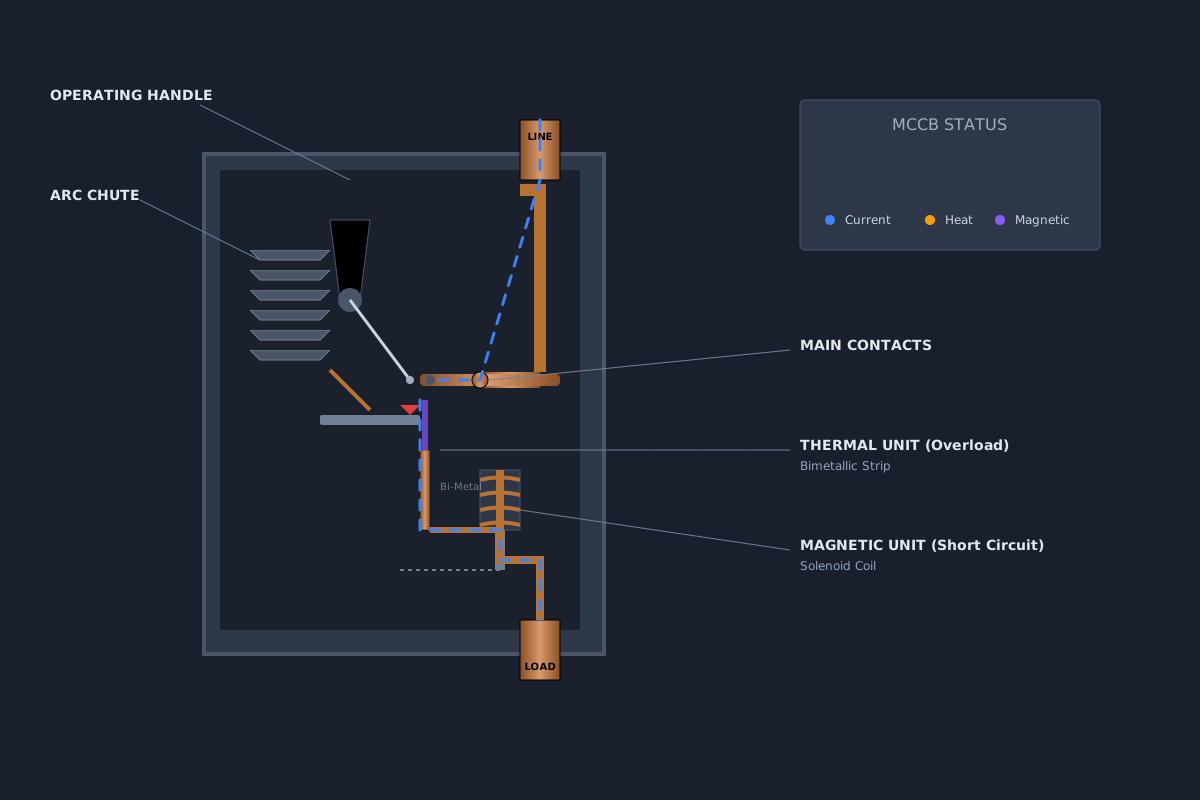
MCCB সুরক্ষা বুঝতে হলে ফল্টের পরে প্রথম 100 মিলিসেকেন্ডে কী ঘটে তা দেখতে হবে। এখানে ক্রমটি দেওয়া হল:
t = 0ms: শর্ট সার্কিট ঘটে—সম্ভবত একটি বেপরোয়া ড্রিল বিট একটি তার ছিদ্র করে, অথবা বহু বছরের তাপীয় সাইক্লিংয়ের পরে অবশেষে ইনসুলেশন ব্যর্থ হয়। কারেন্ট দ্রুত বাড়তে শুরু করে।.
t = 1-3ms (ম্যাগনেটিক সুরক্ষা): যদি এটি একটি কঠিন শর্ট সার্কিট হয় (রেটেড কারেন্টের 20-50 গুণ), MCCB-এর ইলেক্ট্রোম্যাগনেটিক কয়েল বৃদ্ধি শনাক্ত করে। একটি বিশাল চৌম্বক ক্ষেত্র ট্রিপ বারটিকে টানে, যান্ত্রিকভাবে কন্টাক্টগুলিকে খুলতে বাধ্য করে। এই তাৎক্ষণিক ট্রিপ 16-50 মিলিসেকেন্ডে ঘটে—যা আপনি চোখের পলক ফেলার চেয়েও দ্রুত। ইলেকট্রনিক ট্রিপ ইউনিটগুলি আরও দ্রুত সাড়া দেয়: 1-2 মিলিসেকেন্ড।.
t = 3-50ms (আর্ক নির্বাপণ): যখন কন্টাক্টগুলি লোডের অধীনে আলাদা হয়, তখন আপনি একটি স্থায়ী বৈদ্যুতিক আর্ক তৈরি করেছেন—মূলত 16,000°C প্লাজমা হাজার হাজার অ্যাম্পিয়ার পরিবহন করে। এখানেই MCCBগুলি তাদের রেটিং অর্জন করে। আর্ক চুট সিস্টেম— ইস্পাত প্লেটের একটি সিরিজ—আর্কটিকে একাধিক ছোট আর্কে বিভক্ত করে, পথটিকে দীর্ঘ করে, প্লাজমাকে শীতল করে এবং অবশেষে এটিকে নিভিয়ে দেয়। উন্নত MCCBগুলি আরও দ্রুত আর্ক নির্বাপণের জন্য SF6 গ্যাস বা ভ্যাকুয়াম চেম্বার ব্যবহার করে।.
t = 50-100ms (ওভারলোড সুরক্ষা – থার্মাল): নিম্ন-স্তরের ওভারকারেন্টের জন্য (রেটেড কারেন্টের 120-800%), তাপীয় সুরক্ষা কার্যকর হয়। একটি বাইমেটালিক স্ট্রিপ কারেন্ট প্রবাহিত হওয়ার সাথে সাথে উত্তপ্ত হয়। যখন এটি থ্রেশহোল্ড তাপমাত্রায় পৌঁছায়, তখন এটি প্রক্রিয়াটিকে ট্রিপ করার জন্য যথেষ্ট বাঁক নেয়। এই বিপরীত-সময় বৈশিষ্ট্যটি গুরুত্বপূর্ণ: একটি 20% ওভারলোড 60 সেকেন্ডে ট্রিপ করতে পারে, যা মোটরগুলিকে শুরু করার সময় দেয়, যেখানে একটি 300% ওভারলোড 5 সেকেন্ডের মধ্যে ট্রিপ করে।.
অভ্যন্তরীণ আর্কিটেকচার

চিত্র 1: MCCB-এর অভ্যন্তরীণ কাঠামোতে তাপীয়-চৌম্বকীয় সুরক্ষা (বাইমেটালিক উপাদান), চৌম্বকীয় সুরক্ষা (ইলেক্ট্রোম্যাগনেটিক কয়েল), আর্ক নির্বাপণ সিস্টেম (আর্ক চুট) এবং স্যুইচিং মেকানিজম দেখানো হয়েছে। প্রতিটি উপাদান 200kA পর্যন্ত ফল্ট কারেন্টকে নিরাপদে বাধা দিতে একটি গুরুত্বপূর্ণ ভূমিকা পালন করে।.
উপরের ডায়াগ্রামটি প্রকাশ করে কেন স্ট্যান্ডার্ড ব্রেকারের চেয়ে MCCB-এর দাম উল্লেখযোগ্যভাবে বেশি। আপনি যা দেখছেন:
1. তাপীয় সুরক্ষা সিস্টেম (ওভারলোড)
- সুনির্দিষ্টভাবে ক্যালিব্রেট করা বাইমেটালিক স্ট্রিপ যা কারেন্টের সাথে সামঞ্জস্য রেখে উত্তপ্ত হয়
- বিপরীত-সময় বৈশিষ্ট্য: উচ্চ কারেন্ট = দ্রুত ট্রিপ
- সাধারণ পরিসীমা: বিলম্বিত ট্রিপের জন্য রেটেড কারেন্টের 105-130%
- প্রতিক্রিয়ার সময়: ওভারলোডের মাত্রার উপর নির্ভর করে 2 সেকেন্ড থেকে 60 মিনিট
2. চৌম্বকীয় সুরক্ষা সিস্টেম (শর্ট সার্কিট)
- ইলেক্ট্রোম্যাগনেটিক কয়েল কারেন্টের বর্গের সমানুপাতিক চৌম্বক ক্ষেত্র তৈরি করে
- চৌম্বকীয় শক্তি থ্রেশহোল্ড অতিক্রম করলে তাৎক্ষণিক ট্রিপ
- সাধারণ পরিসীমা: রেটেড কারেন্টের 5-20 গুণ (ট্রিপ কার্ভ টাইপ B/C/D অনুসারে পরিবর্তিত হয়)
- প্রতিক্রিয়ার সময়: 16-50 মিলিসেকেন্ড (থার্মাল-ম্যাগনেটিক), 1-2ms (ইলেকট্রনিক)
৩. আর্ক এক্সটিঙ্কশন সিস্টেম
- একাধিক ইস্পাত আর্ক চুট প্লেট বৈদ্যুতিক আর্ককে বিভক্ত এবং শীতল করে
- আর্ক রানাররা প্লাজমাকে চুট চেম্বারে গাইড করে
- প্রিমিয়াম মডেলগুলিতে SF6 গ্যাস বা ভ্যাকুয়াম প্রযুক্তি
- সম্পূর্ণ ব্রেকিং ক্ষমতা (25kA-200kA) নিরাপদে বাধা দেওয়ার জন্য রেট করা হয়েছে
এখানেই “ব্রেকিং ক্যাপাসিটি গ্যাপ” মারাত্মক হয়ে ওঠে। একটি ছোট আকারের MCCB-এর আর্ক চুট শক্তি সামলাতে পারে না। আর্ক নির্বাপণের পরিবর্তে, ডিভাইসটি বিস্ফোরিত হয়, গলিত ধাতু বর্ষণ করে এবং ফল্টটিকে আরও দীর্ঘস্থায়ী করে।.
⚠️ নিরাপত্তা সতর্কতা: উপলব্ধ ঘটনা শক্তির জন্য রেট করা উপযুক্ত আর্ক ফ্ল্যাশ PPE ছাড়া লোডের অধীনে MCCBগুলি কখনই পরিচালনা করবেন না। বৈদ্যুতিক সরঞ্জামগুলিতে কাজ করার আগে সর্বদা NFPA 70E অনুযায়ী আর্ক ফ্ল্যাশ বিপদ বিশ্লেষণ করুন। এমনকি “ছোট” 100A MCCBগুলিও 10+ cal/cm² ঘটনা শক্তি তৈরি করতে পারে—যা স্ট্যান্ডার্ড কাজের পোশাকের মাধ্যমে তৃতীয়-ডিগ্রি পোড়া সৃষ্টি করার জন্য যথেষ্ট।.
MCCB প্রকার এবং নির্বাচন গাইড (2025 আপডেট)
ট্রিপ ইউনিট প্রযুক্তি অনুসারে
2025 সালের MCCB বাজার একটি স্পষ্ট প্রবণতা দেখায়: থার্মাল-ম্যাগনেটিক এখনও 55% মার্কেট শেয়ার (4.5 বিলিয়ন ডলার) নিয়ে প্রভাবশালী, তবে ইলেকট্রনিক ট্রিপ ইউনিটগুলি 15% CAGR-এ বাড়ছে কারণ শিল্পগুলি “স্মার্ট সুরক্ষা বিপ্লব” গ্রহণ করছে।”
| আদর্শ | প্রযুক্তি | বর্তমান পরিসর | মূল বৈশিষ্ট্য | সেরা অ্যাপ্লিকেশন | 2025 সালের বাজারের অবস্থান |
|---|---|---|---|---|---|
| স্থির তাপীয়-চৌম্বকীয় | বাইমেটালিক স্ট্রিপ + ইলেক্ট্রোম্যাগনেটিক কয়েল, অ-সামঞ্জস্যযোগ্য | 15A – 630A | সাশ্রয়ী, প্রমাণিত নির্ভরযোগ্যতা, কোনো প্রোগ্রামিংয়ের প্রয়োজন নেই | বেসিক বাণিজ্যিক, হালকা শিল্প, বাজেট-সচেতন প্রকল্প | পরিপক্ক বাজার, স্থিতিশীল চাহিদা |
| সামঞ্জস্যযোগ্য তাপীয়-চৌম্বকীয় | থার্মাল সেটিংস রেটিং এর ৮০-১০০% পর্যন্ত সামঞ্জস্যযোগ্য | ১০০A – ১,৬০০A | পরিবর্তনশীল লোডের জন্য নমনীয়তা, যান্ত্রিক সমন্বয় | সাধারণ শিল্প অ্যাপ্লিকেশন, আধুনিকীকরণ প্রকল্প | ইলেকট্রনিক্স খরচ-প্রতিযোগিতামূলক হওয়ার সাথে সাথে হ্রাস পাচ্ছে |
| ইলেকট্রনিক ট্রিপ ইউনিট | এলএসআই কার্ভ সহ মাইক্রোপ্রসেসর-ভিত্তিক সুরক্ষা | 15A – 2,500A | প্রোগ্রামযোগ্য সুরক্ষা, পাওয়ার মনিটরিং, যোগাযোগ প্রোটোকল | গুরুত্বপূর্ণ সুবিধা, স্মার্ট বিল্ডিং, মনিটরিং প্রয়োজন এমন যেকোনো অ্যাপ্লিকেশন | ১৫% CAGR বৃদ্ধি; ২০২৫ সালের মধ্যে ৯৫% এআই অ্যানালিটিক্স থাকবে |
| মোটর সুরক্ষা (MPCB) | মোটর শুরুর বৈশিষ্ট্যের জন্য অপ্টিমাইজ করা হয়েছে | ০.১A – ৬৫A | ক্লাস ১০/২০/৩০ ট্রিপ কার্ভ, উচ্চ ইনরাশ সহনশীলতা | মোটর কন্ট্রোল সেন্টার, ভিএফডি অ্যাপ্লিকেশন, পাম্প/কম্প্রেসার সুরক্ষা | বিশেষায়িত অংশ, স্থিতিশীল বৃদ্ধি |
অর্থনীতি পরিবর্তিত হচ্ছে। পাঁচ বছর আগে, ইলেকট্রনিক ট্রিপ MCCB-এর দাম থার্মাল-ম্যাগনেটিক সমতুল্যের চেয়ে ৩-৪ গুণ বেশি ছিল। আজ, সেই প্রিমিয়াম সঙ্কুচিত হয়ে ২-২.৫ গুণ হয়েছে, এবং ভলিউম উৎপাদন বাড়ার সাথে সাথে ব্যবধান আরও কমছে। এদিকে, ভ্যালু প্রস্তাব বিস্ফোরিত হয়েছে: শক্তি পর্যবেক্ষণ, ভবিষ্যদ্বাণীমূলক রক্ষণাবেক্ষণ সতর্কতা এবং রিমোট ডায়াগনস্টিকস MCCB-কে নিষ্ক্রিয় সুরক্ষা থেকে সক্রিয় সিস্টেম বুদ্ধিমত্তায় রূপান্তরিত করছে।.
ফ্রেম নির্মাণ দ্বারা
স্থির MCCB:
- স্থায়ীভাবে প্যানেল বাস বারগুলিতে বোল্ট করা
- কম খরচ: সাধারণত প্রত্যাহারযোগ্য থেকে ২০-৩০% কম
- কমপ্যাক্ট পদচিহ্ন
- এদের জন্য সেরা: বিরল অপারেশন, খরচ-সংবেদনশীল অ্যাপ্লিকেশন, স্থান-সীমাবদ্ধ প্যানেল
- রক্ষণাবেক্ষণ সীমাবদ্ধতা: প্রতিস্থাপনের জন্য সম্পূর্ণ প্যানেল শাটডাউন প্রয়োজন
প্রত্যাহারযোগ্য (প্লাগ-ইন) MCCB:
- সঠিক ব্যবধান বজায় রেখে ফিক্সড মাউন্টিং ফ্রেম থেকে অপসারণযোগ্য
- সিস্টেম শাটডাউন ছাড়াই রক্ষণাবেক্ষণ সক্ষম করে—যা 24/7 সুবিধার জন্য গুরুত্বপূর্ণ
- উচ্চ খরচের প্রিমিয়াম: ফিক্সড সমতুল্যের চেয়ে ২০-৩০% বেশি
- এদের জন্য প্রয়োজন: গুরুত্বপূর্ণ সুবিধা (হাসপাতাল, ডেটা সেন্টার), উচ্চ-নির্ভরযোগ্যতা অ্যাপ্লিকেশন
- ডেটা সেন্টার বা অপারেটিং রুম বন্ধ না করে যখন আপনাকে একটি MCCB প্রতিস্থাপন করতে হবে তখন খরচের প্রিমিয়াম নিজেকে পরিশোধ করে।.
🔧 বিশেষজ্ঞের পরামর্শ: ডাউনটাইম ছাড়াই রক্ষণাবেক্ষণের প্রয়োজন এমন সিস্টেমের জন্য, প্রত্যাহারযোগ্য MCCB নির্দিষ্ট করুন। একটি ৪-ঘণ্টার সুবিধা শাটডাউনের খরচের তুলনায় ২০-৩০% খরচের প্রিমিয়াম নগণ্য। একটি অপ্রত্যাশিত বিভ্রাট এড়ানো সাধারণত প্রিমিয়াম ১০ গুণ বেশি পরিশোধ করে।.
আপনার আবেদনের জন্য সঠিক MCCB কীভাবে নির্বাচন করবেন
“সুরক্ষা সিঁড়ি” অনুসরণ করার অর্থ হল সঠিক ধাপে ওঠা—খুব নিচেও নয় (অপর্যাপ্ত সুরক্ষা) বা অপ্রয়োজনীয়ভাবে উপরেও নয় (নষ্ট খরচ এবং স্থান)। এখানে একটি নিয়মতান্ত্রিক পদ্ধতি দেওয়া হল:
ধাপ ১: লোডের প্রয়োজনীয়তা গণনা করুন
- সর্বোচ্চ অবিচ্ছিন্ন প্রবাহ নির্ধারণ করুন লোড গণনা বা সংযুক্ত সরঞ্জাম রেটিং থেকে
- NEC 240.4(B) সুরক্ষা ফ্যাক্টর প্রয়োগ করুন: একটানা লোডের জন্য ১২৫% দ্বারা গুণ করুন (৩+ ঘন্টা ধরে চলছে)
- ভবিষ্যতের সম্প্রসারণ মার্জিন যোগ করুন: প্রত্যাশিত সিস্টেম বৃদ্ধির জন্য ২৫-৩০% অন্তর্ভুক্ত করুন
- পরবর্তী স্ট্যান্ডার্ড MCCB রেটিং নির্বাচন করুন: সঠিক গণনা করা মানটি হিট করার চেষ্টা করবেন না
উদাহরণ: ৩২০A গণনা করা একটানা লোড
- ১২৫% NEC ফ্যাক্টরের পরে: ৩২০A × ১.২৫ = ৪০০A
- সম্প্রসারণ ফ্যাক্টরের পরে: ৪০০A × ১.২৫ = ৫০০A
- নির্বাচন করুন: ৬০০A MCCB (পরবর্তী স্ট্যান্ডার্ড রেটিং)
সেই “অতিরিক্ত আকারের” ৬০০A MCCB আপনার ইনস্টলেশনকে বিরক্তিকর ট্রিপিং থেকে বাঁচিয়েছে এবং আপনাকে বাড়ার জায়গা দিয়েছে।.
ধাপ ২: ব্রেকিং ক্ষমতা যাচাই করুন (“ব্রেকিং ক্যাপাসিটি গ্যাপ” বন্ধ করুন)
এটি সেই ধাপ যা ২:৪৭ AM বিস্ফোরণ প্রতিরোধ করে।.
- উপলব্ধ ফল্ট কারেন্ট ডেটা পান ইউটিলিটি থেকে (আনুষ্ঠানিক অনুরোধ প্রয়োজন) অথবা সিস্টেম ইম্পিডেন্স ব্যবহার করে গণনা করুন
- MCCB অবস্থানে ফল্ট কারেন্ট গণনা করুন ট্রান্সফরমার ইম্পিডেন্স, তারের দৈর্ঘ্য, সংযোগ পদ্ধতির জন্য হিসাব করুন
- নিশ্চিত করুন যে MCCB ব্রেকিং ক্ষমতা ফল্ট কারেন্টের চেয়ে বেশি: সমান নয়—অতিক্রম করে
- ২৫% সুরক্ষা মার্জিন যোগ করুন ভবিষ্যতের সিস্টেম পরিবর্তন, ইউটিলিটি আপগ্রেড, অতিরিক্ত জেনারেশন উৎসের জন্য
উদাহরণ: গণনা করা ফল্ট কারেন্ট = ৫২kA
- সুরক্ষা মার্জিন: ৫২kA × ১.২৫ = ৬৫kA
- ন্যূনতম MCCB ব্রেকিং ক্ষমতা: ৬৫kA
- প্রকৃত স্পেসিফিকেশন: ৮৫kA বা ১০০kA (পরবর্তী স্ট্যান্ডার্ড রেটিং)
এটি আলোচনার যোগ্য নয়। “ব্রেকিং ক্যাপাসিটি গ্যাপ” হল যেখানে সুরক্ষা ডিভাইসগুলি বিস্ফোরক বিপদে পরিণত হয়।.
ধাপ ৩: ভ্রমণের বৈশিষ্ট্য নির্বাচন করুন
ট্রিপ কার্ভের প্রকারগুলি তাৎক্ষণিক চৌম্বকীয় ট্রিপ পয়েন্ট নির্ধারণ করে:
- টাইপ B (রেটেড কারেন্টের ৩-৫ গুণ): আলোর সার্কিট, প্রতিরোধক লোড, দীর্ঘ তারের রান যেখানে উচ্চ ফল্ট কারেন্টের সম্ভাবনা কম
- টাইপ C (রেটেড কারেন্টের ৫-১০ গুণ): স্ট্যান্ডার্ড বাণিজ্যিক/শিল্প লোড, মিশ্র প্রতিরোধক এবং ইন্ডাকটিভ সরঞ্জাম
- টাইপ D (রেটেড কারেন্টের ১০-২০ গুণ): মোটর, ট্রান্সফরমার, ওয়েল্ডার, উচ্চ ইনরাশ কারেন্ট সহ যেকোনো লোড ৬-১০ গুণ রানিং কারেন্ট
মোটর-ভারী প্যানেলের জন্য টাইপ C নির্বাচন করলে শুরুর সময় অনাকাঙ্ক্ষিত ট্রিপিং হতে পারে। আলোর প্যানেলের জন্য টাইপ D নির্বাচন করলে বিপজ্জনক ওভারকারেন্ট স্থায়ী হতে পারে।.
ধাপ ৪: পরিবেশগত বিবেচনা (“উচ্চতার ট্যাক্স” এবং ডিরেটিং বাস্তবতা)
ডেটাশীটের রেটিং সমুদ্রপৃষ্ঠে ৪০°C পরিবেষ্টিত তাপমাত্রা ধরে নেয়। আপনার ইনস্টলেশন সম্ভবত সেই শর্তগুলি পূরণ করে না।.
তাপমাত্রা ডিরেটিং:
- ৪০°C এর উপরে: প্রতি ১০°C এর জন্য কারেন্ট ক্ষমতা ~১৫% কমান
- উদাহরণ: ৬০°C প্যানেলে ৬০০A MCCB → ~৪২০A কার্যকর ক্ষমতা
- সেই “অতিরিক্ত আকারের” MCCB হঠাৎ করে প্রায় অপর্যাপ্ত হয়ে যায়
উচ্চতা ডিরেটিং:
- ২,০০০ মিটারের (৬,৫৬২ ফুট) উপরে: পাতলা বাতাস শীতলীকরণ এবং অস্তরক শক্তি হ্রাস করে
- সাধারণ ডিরেটিং: ২,০০০ মিটারের উপরে প্রতি ৩০০ মিটারের জন্য ২%
- ৩,৫০০ মিটার উচ্চতায়: ~১০% ডিরেটিং প্রয়োজন
আর্দ্রতা এবং ক্ষয়:
- উপকূলীয় ইনস্টলেশন: কনফর্মাল কোটিং বা স্টেইনলেস স্টিলের উপাদান উল্লেখ করুন
- উচ্চ-আর্দ্রতা পরিবেশ: IP রেটিং যাচাই করুন (শিল্প প্যানেলের জন্য ন্যূনতম IP30, বহিরঙ্গনের জন্য IP54+)
ডেটাশীট ৪০°C পরিবেষ্টিত এবং ২,০০০ মিটার উচ্চতা বলে। ডেনভার ১,৬০৯ মিটার এবং ফিনিক্স ৪৮°C বলে। কে জেতে? পদার্থবিদ্যা সর্বদা জেতে—লেবেলে যাই লেখা থাকুক না কেন আপনার MCCB ক্ষমতা হ্রাস পায়।.
সাধারণ অ্যাপ্লিকেশনের জন্য MCCB সাইজিং চার্ট
| লোড টাইপ | সাধারণ স্রোত | প্রস্তাবিত MCCB | ভ্রমণের ধরণ | ভাঙার ক্ষমতা | মূল বিবেচ্য বিষয়গুলি |
|---|---|---|---|---|---|
| HVAC চিলার (সেন্ট্রিফিউগাল) | ২০০এ | ২৫০A | টাইপ D (10-20x) | সর্বনিম্ন ৬৫kA | উচ্চ শুরুর কারেন্ট, লকড রোটর সুরক্ষা |
| মোটর কন্ট্রোল সেন্টার (MCC) | ৪০০এ | 500A | টাইপ D (10-20x) | সর্বনিম্ন ৮৫kA | ডাউনস্ট্রিম মোটর স্টার্টারের সাথে সমন্বয় গুরুত্বপূর্ণ |
| বিতরণ প্যানেল (মিশ্র লোড) | ২২৫এ | ২৫০A | টাইপ সি (৫-১০x) | সর্বনিম্ন ৩৫ কেএ | নির্বাচনযোগ্যতা এবং সুরক্ষার মধ্যে ভারসাম্য |
| ডেটা সেন্টার ইউপিএস | ৮০০এ | ১০০০A | ইলেকট্রনিক (প্রোগ্রামযোগ্য) | সর্বনিম্ন ১০০ কেএ | ১০০০A রেটেড MCCB প্রয়োজন, স্মার্ট মনিটরিং অপরিহার্য |
| রেজিস্ট্যান্স ওয়েল্ডিং সরঞ্জাম | ১৫০এ | ২০০এ | টাইপ D (10-20x) | সর্বনিম্ন ৬৫kA | চরম ইনরাশ সহনশীলতা, ডিউটি চক্র বিবেচনা |
| আলোর প্যানেল (LED/ফ্লুরোসেন্ট) | ১০০এ | ১২৫এ | টাইপ বি (৩-৫x) | সর্বনিম্ন ২৫ কেএ | কম ইনরাশ, টাইপ B অনাকাঙ্ক্ষিত ট্রিপ প্রতিরোধ করে |
⚠️ নিরাপত্তা সতর্কতা: খরচ বাঁচাতে MCCB ব্রেকিং ক্ষমতা কখনই কম করবেন না। অপর্যাপ্ত ব্রেকিং ক্ষমতা সম্পন্ন একটি MCCB কেবল সুরক্ষা দিতে ব্যর্থ হয় না—এটি বিস্ফোরিত হতে পারে, আর্ক ফ্ল্যাশের বিপদ তৈরি করতে পারে, গলিত ধাতু ছিটাতে পারে এবং কোনও সুরক্ষা না থাকার চেয়ে বেশি সময় ধরে ত্রুটি বজায় রাখতে পারে। এটি তাত্ত্বিক নয়; এটি অসংখ্য বৈদ্যুতিক অগ্নিকাণ্ড এবং মৃত্যুর কারণ।.
MCCB বনাম ACB: কখন “সুরক্ষা সিঁড়ি”-তে উপরে উঠবেন”
কখন আপনার অ্যাপ্লিকেশন MCCB-কে ছাড়িয়ে গেছে এবং এয়ার সার্কিট ব্রেকার (ACB) প্রয়োজন তা জানা নিরাপত্তা এবং অর্থনীতি উভয়ের জন্যই গুরুত্বপূর্ণ।.
| প্যারামিটার | MCCB | ACB (এয়ার সার্কিট ব্রেকার) |
|---|---|---|
| বর্তমান রেটিং পরিসীমা | 15A – 2,500A | ৮০০A – ৬,৩০০A |
| সাধারণ ভোল্টেজ রেটিং | ১,০০০ ভোল্ট এসি পর্যন্ত | ১৫kV পর্যন্ত (লো ভোল্টেজ ACB ১kV পর্যন্ত) |
| ভাঙার ক্ষমতা | 25kA – 200kA | ৪২kA – ১৫০kA |
| দৈহিক আকার | কমপ্যাক্ট (প্যানেল মাউন্ট, ~৬-৩০ কেজি) | বড় (মেঝে/দেয়াল মাউন্ট, ৫০-৩০০ কেজি) |
| ইনস্টলেশন জটিলতা | সহজ বোল্ট-অন মাউন্টিং | জটিল যান্ত্রিক ইনস্টলেশন, ভারী ভিত্তি |
| রক্ষণাবেক্ষণের প্রয়োজনীয়তা | ন্যূনতম (সিল করা ইউনিট, প্রতিস্থাপন-কেন্দ্রিক) | নিয়মিত পরিষেবা প্রয়োজন (যোগাযোগ পরিদর্শন, তৈলাক্তকরণ, ক্রমাঙ্কন) |
| সাধারণ খরচ | ১,০০০ – ৫,০০০ | ৩,০০০ – ৭৫,০০০+ |
| অপারেশন স্পিড (সাধারণ) | ৫০-১০০ms (থার্মাল-ম্যাগ), ২৫-৫০ms (ইলেকট্রনিক) | ২৫-৫০ms (স্ট্যান্ডার্ড), ৮-১৫ms (দ্রুত-অভিনয়) |
| মনিটরিং ও যোগাযোগ | বেসিক থেকে ব্যাপক (মডেলের উপর নির্ভর করে) | ব্যাপক মনিটরিং স্ট্যান্ডার্ড, একাধিক প্রোটোকল |
| প্রত্যাশিত জীবনকাল | ১৫-২৫ বছর (সঠিক রক্ষণাবেক্ষণের সাথে) | ২৫-৪০ বছর (নিয়মিত রক্ষণাবেক্ষণ প্রোগ্রামের সাথে) |
| ইন্টারাপ্টিং অপারেশন | সীমিত যান্ত্রিক সহনশীলতা (সাধারণত ৫,০০০-২৫,০০০ অপারেশন) | উচ্চ যান্ত্রিক সহনশীলতা (২৫,০০০-১০০,০০০ অপারেশন) |
কখন MCCB নির্বাচন করবেন:
- কারেন্ট প্রয়োজনীয়তা ১৫A-২,৫০০A
- স্থান-সীমাবদ্ধ ইনস্টলেশন (প্যানেলবোর্ড, সুইচবোর্ড)
- খরচ-সংবেদনশীল প্রকল্প যেখানে প্রাথমিক বিনিয়োগ গুরুত্বপূর্ণ
- ন্যূনতম রক্ষণাবেক্ষণ ক্ষমতা বা প্রতিস্থাপন-বরং-মেরামত পদ্ধতির পছন্দ
- স্ট্যান্ডার্ড বাণিজ্যিক/শিল্প অ্যাপ্লিকেশন
কখন ACB প্রয়োজনীয় হয়ে ওঠে:
- ২,৫০০A এর উপরে কারেন্ট প্রয়োজনীয়তা (ACB অঞ্চল ৮০০A থেকে শুরু হয় ২,৫০০A পর্যন্ত ওভারল্যাপ সহ)
- ইউটিলিটি সাবস্টেশন, পাওয়ার প্ল্যান্ট, বৃহৎ শিল্প বিতরণ
- ব্যাপক মনিটরিং, মিটারিং এবং যোগাযোগের প্রয়োজনীয় অ্যাপ্লিকেশন
- যে সিস্টেমগুলির সর্বাধিক কার্যকারিতা নমনীয়তা এবং সামঞ্জস্যযোগ্যতা প্রয়োজন
- দীর্ঘমেয়াদী ইনস্টলেশন (২৫+ বছর) যেখানে রক্ষণাবেক্ষণ পরিকাঠামো নিয়মিত সার্ভিসিং সমর্থন করে
🔧 বিশেষজ্ঞের পরামর্শ: MCCB বনাম ACB এর সিদ্ধান্ত সাধারণত ১,৬০০A-২,৫০০A এর মধ্যে ঘটে। ১,৬০০A এর নিচে, MCCB ভাল মূল্য দেয়। ২,৫০০A এর উপরে, ACB প্রয়োজনীয়। ওভারল্যাপ অঞ্চলে (১,৬০০A-২,৫০০A), কর্মক্ষমতা প্রয়োজনীয়তার উপর ভিত্তি করে মূল্যায়ন করুন: সরলতা এবং কম খরচের জন্য MCCB নির্বাচন করুন, সর্বাধিক নমনীয়তা এবং পর্যবেক্ষণের জন্য ACB নির্বাচন করুন।.
শিল্প ও বাণিজ্যিক অ্যাপ্লিকেশন
উৎপাদন সুবিধা
MCCB উৎপাদন সরঞ্জাম, পরিবাহক সিস্টেম, প্রক্রিয়া যন্ত্রপাতি এবং রোবোটিক ওয়ার্ক সেল রক্ষা করে।. মোটর সুরক্ষা MCCB (MPCBs) বিরক্তিকর ট্রিপিং ছাড়াই ৬-১০ গুণ বেশি ফুল লোড এম্পেরেজ শুরু করার কারেন্ট পরিচালনা করে—যা উৎপাদন আপটাইম বজায় রাখার জন্য অপরিহার্য।.
মূল চ্যালেঞ্জ: সিলেক্টিভ কোঅর্ডিনেশন। যখন একটি একক মেশিনকে খাওয়ানো একটি শাখা সার্কিটে ত্রুটি ঘটে, তখন শুধুমাত্র সেই MCCB ট্রিপ করা উচিত—পুরো উৎপাদন লাইনকে রক্ষা করা আপস্ট্রিম ফিডার নয়। প্রোগ্রামযোগ্য টাইম-কারেন্ট কার্ভের মাধ্যমে ইলেকট্রনিক ট্রিপ MCCB এখানে চমৎকার, যা সুরক্ষা স্তরের মধ্যে সঠিক বিচ্ছেদ তৈরি করে।.
ডেটা সেন্টার এবং আইটি সুবিধা
ইলেকট্রনিক ট্রিপ MCCB বিদ্যুতের ব্যবহার, পাওয়ার ফ্যাক্টর, হারমোনিক বিকৃতি এবং ভোল্টেজের গুণমান রিয়েল-টাইম পর্যবেক্ষণ প্রদান করে—যা ডেটা সেন্টার অপারেটরদের জন্য গুরুত্বপূর্ণ মেট্রিক।. ১০০১TP3T রেটেড MCCB রেটিং কমানো ছাড়াই সম্পূর্ণ রেটেড কারেন্টে একটানা কাজ করে, ডেটা সেন্টারের নির্ভরযোগ্যতার জন্য অপরিহার্য যেখানে লোড নিয়মিতভাবে ডিজাইন ক্ষমতার ৮০-৯৫% এ ২৪/৭ চলে।.
“স্মার্ট প্রোটেকশন বিপ্লব” ডেটা সেন্টারগুলিতে সবচেয়ে উন্নত। IoT সংযোগ সহ স্মার্ট MCCB বিল্ডিং ম্যানেজমেন্ট সিস্টেমে ডেটা সরবরাহ করে, যা অপ্রত্যাশিত বিভ্রাট প্রতিরোধ করে এমন ভবিষ্যদ্বাণীপূর্ণ রক্ষণাবেক্ষণ সক্ষম করে। যখন MCCB কন্টাক্ট রেজিস্ট্যান্স বাড়তে শুরু করে—যা প্রাথমিক ব্যর্থতার সূচক—BMS জরুরি অবস্থার জন্য অপেক্ষা না করে পরবর্তী পরিকল্পিত উইন্ডোর সময় রক্ষণাবেক্ষণের সময়সূচী করে।.
স্বাস্থ্যসেবা সুবিধা
স্বাস্থ্যসেবা অ্যাপ্লিকেশনগুলির প্রয়োজন NEC 700.28 অনুযায়ী সিলেক্টিভ কোঅর্ডিনেশন জীবন রক্ষাকারী সিস্টেমের জন্য। জরুরি পাওয়ার সিস্টেমগুলিতে ডাউনস্ট্রিম ত্রুটির সময় আপস্ট্রিম ট্রিপিং একেবারেই হওয়া উচিত না—যদি ৩১২ নম্বর কক্ষে ত্রুটি ঘটে, তবে শুধুমাত্র ৩১২ নম্বর কক্ষকে রক্ষা করা ব্রেকারটি ট্রিপ করতে হবে, বাকি উইং এবং অন্যান্য সমস্ত গুরুত্বপূর্ণ সিস্টেমগুলিকে সক্রিয় রাখতে হবে।.
আর্ক ফ্ল্যাশ হ্রাস MCCB গুলি জোন সিলেক্টিভ ইন্টারলকিং বা রক্ষণাবেক্ষণ মোড সেটিংসের মাধ্যমে ঘটনার শক্তি হ্রাস করুন, হাসপাতালের পরিবেশের জন্য গুরুত্বপূর্ণ যেখানে দখলকৃত বিল্ডিংগুলিতে রক্ষণাবেক্ষণ করা হয়।. উইথড্রয়েবল MCCB পুরো সিস্টেম বন্ধ না করে প্রতিস্থাপন সক্ষম করে, যখন আপনি বৈদ্যুতিক সরঞ্জাম সার্ভিসিং করার জন্য একটি আইসিইউ খালি করতে পারবেন না তখন এটি অপরিহার্য।.
বাণিজ্যিক ভবন
HVAC সুরক্ষা চিলার এবং এয়ার হ্যান্ডলার মোটর শুরুর জন্য MCCB আকারের প্রয়োজন—সাধারণত ৬-৮ গুণ ইনরাশ পরিচালনা করার জন্য রানিং কারেন্টের তুলনায় ২০-৩০% বেশি আকারের প্রয়োজন, যা ট্রিপিং ছাড়াই সম্ভব।. লিফট এমসিসিবি গাড়ি লোড অবস্থায় নিচে নামার সময় রিজেনারেটিভ ব্রেকিং কারেন্ট পরিচালনা করে, এছাড়াও VFD হারমোনিক কারেন্ট যা মৌলিক ফ্রিকোয়েন্সি কারেন্টের কারণে গরম হওয়া বাড়িয়ে দেয়।.
বাণিজ্যিক ভবনগুলি ক্রমবর্ধমানভাবে ডিমান্ড রেসপন্স প্রোগ্রাম এবং এনার্জি ম্যানেজমেন্ট সিস্টেম ইন্টিগ্রেশনের জন্য শক্তি পর্যবেক্ষণ সহ ইলেকট্রনিক ট্রিপ MCCB নির্দিষ্ট করে।.
🔧 বিশেষজ্ঞের পরামর্শ: গুরুত্বপূর্ণ সুবিধাগুলির জন্য (ডেটা সেন্টার, হাসপাতাল, ২৪/৭ কার্যক্রম), ইলেকট্রনিক ট্রিপ ইউনিট সহ উইথড্রয়েবল MCCB নির্দিষ্ট করুন। উন্নত পর্যবেক্ষণ এবং রক্ষণাবেক্ষণ ক্ষমতা উন্নত নির্ভরযোগ্যতা, অপ্রত্যাশিত ডাউনটাইম হ্রাস এবং আরও ভাল শক্তি ব্যবস্থাপনার মাধ্যমে ৪০-৬০% খরচ বৃদ্ধিকে সমর্থন করে। প্রথম প্রতিরোধ করা বিভ্রাট প্রিমিয়াম সরঞ্জামের জন্য কয়েকগুণ বেশি অর্থ প্রদান করে।.
নিরাপত্তার প্রয়োজনীয়তা এবং ইনস্টলেশন নির্দেশিকা
আপডেটেড IEC 60947-2:2024 (৬ষ্ঠ সংস্করণ) উল্লেখযোগ্য প্রযুক্তিগত সংশোধন প্রবর্তন করে যা MCCB ইনস্টলেশন এবং পরীক্ষাকে প্রভাবিত করে। এই স্ট্যান্ডার্ডটি ২০১৬ সালের ৫ম সংস্করণকে প্রতিস্থাপন করে এবং ইউরোপে EN IEC 60947-2:2025 হিসাবে গৃহীত হয়েছে।.
MCCB ইনস্টলেশনের জন্য গুরুত্বপূর্ণ সুরক্ষা প্রয়োজনীয়তা
⚠️ শুধুমাত্র যোগ্যতাসম্পন্ন কর্মী:
- সমস্ত কাজ অবশ্যই লাইসেন্সপ্রাপ্ত ইলেকট্রিশিয়ান দ্বারা যথাযথ প্রশিক্ষণ সহ সম্পন্ন করতে হবে
- আর্ক ফ্ল্যাশ হ্যাজার্ড বিশ্লেষণ বাধ্যতামূলক এনএফপিএ ৭০ই যেকোনো কাজের আগে
- ঘটনার শক্তি গণনার উপর ভিত্তি করে উপযুক্ত PPE (ন্যূনতম ATPV রেটিং)
- সরঞ্জাম ডি-এনার্জাইজড আছে ধরে নেবেন না—সর্বদা পরীক্ষা করুন
লকআউট/ট্যাগআউট পদ্ধতি:
- কোনো কাজ করার আগে OSHA 1910.147 অনুযায়ী শক্তি নিয়ন্ত্রণ পদ্ধতি বাস্তবায়ন করুন
- ডি-এনার্জাইজেশন যাচাই করতে ক্যালিব্রেটেড পরীক্ষার সরঞ্জাম ব্যবহার করুন (ভোল্টমিটার, প্রক্সিমিটি ডিটেক্টর নয়)
- একাধিক শক্তি উৎসের জন্য একাধিক লকআউট পয়েন্ট এবং সমন্বিত পদ্ধতির প্রয়োজন
- সঞ্চিত শক্তি (ক্যাপাসিটর, স্প্রিং-চার্জড মেকানিজম) অবশ্যই নষ্ট করতে হবে
কাজের স্থানের প্রয়োজনীয়তা (NEC 110.26):
- 0-600V ইনস্টলেশনের জন্য ন্যূনতম ৩ ফুট (১মি) ছাড়পত্র
- কাজের স্থানের জন্য ৬.৫ ফুট (২মি) উচ্চতার ছাড়পত্র প্রয়োজন
- সরঞ্জাম অ্যাক্সেসের জন্য ৩০ ইঞ্চি (৭৫০মিমি) ন্যূনতম প্রস্থ
- ডেডিকেটেড বৈদ্যুতিক স্থান—কোনো বিদেশী সিস্টেম (প্লাম্বিং, HVAC) অনুমোদিত নয়
ধাপে ধাপে ইনস্টলেশন প্রক্রিয়া
ধাপ ১: প্রি-ইনস্টলেশন যাচাইকরণ
- যাচাই করুন MCCB স্পেসিফিকেশন লোড গণনা এবং ফল্ট কারেন্ট স্টাডির সাথে মেলে কিনা
- নিশ্চিত করুন মাউন্টিং সারফেসটি অনমনীয়, সঠিকভাবে রেট করা এবং কোড অনুযায়ী ফায়ার-রেটেড কিনা
- পরিবেশগত অবস্থা (তাপমাত্রা, উচ্চতা, আর্দ্রতা) পরীক্ষা করুন এবং ডিরেটিং প্রয়োগ করুন
- সঠিক সরঞ্জাম প্রস্তুত করুন যার মধ্যে রয়েছে ক্যালিব্রেটেড টর্ক রেঞ্চ (আলোচনা সাপেক্ষ নয়)
ধাপ ২: মাউন্টিং এবং যান্ত্রিক ইনস্টলেশন
- প্রস্তুতকারকের নির্দিষ্ট হার্ডওয়্যার এবং টর্ক মান ব্যবহার করে প্যানেলে MCCB মাউন্ট করুন
- বাস বারগুলির সাথে সঠিক সারিবদ্ধতা নিশ্চিত করুন—বেমানানতা হট স্পট তৈরি করে
- NEC 110.26 এবং প্রস্তুতকারকের স্পেসিফিকেশন অনুযায়ী সমস্ত প্রয়োজনীয় ছাড়পত্র যাচাই করুন
- বৈদ্যুতিক সংযোগের আগে যান্ত্রিক অপারেশন পরীক্ষা করুন
ধাপ ৩: বৈদ্যুতিক সংযোগ (যেখানে ইনস্টলেশন ব্যর্থ বা সফল হয়)
- সমস্ত সংযোগের জন্য প্রস্তুতকারকের নির্দিষ্ট টর্ক মান ব্যবহার করুন—“যথেষ্ট টাইট” নয়”
- অ্যালুমিনিয়াম কন্ডাকটরের উপর অ্যান্টি-অক্সিডেন্ট যৌগ প্রয়োগ করুন (প্রয়োজনীয়, ঐচ্ছিক নয়)
- NEC টেবিল 310.16 (পূর্বে 310.15(B)(16)) অনুযায়ী কন্ডাকটরের আকার যাচাই করুন
- NEC টেবিল 250.122 অনুসারে সরঞ্জাম গ্রাউন্ডিং কন্ডাক্টর ইনস্টল করুন
- রেট করা টার্মিনাল এবং অ্যান্টি-অক্সিডেন্ট যৌগ ছাড়া অ্যালুমিনিয়াম এবং তামা কখনই মেশাবেন না
টর্ক স্পেসিফিকেশন বিদ্যমান কারণ অতিরিক্ত টাইট করার ফলে অভ্যন্তরীণ উপাদানগুলির ক্ষতি হয়, অন্যদিকে কম টাইট করার ফলে উচ্চ-প্রতিরোধের সংযোগ তৈরি হয় যা অতিরিক্ত গরম হয় এবং ব্যর্থ হয়। এখানেই সস্তা ইনস্টলেশন আপনাকে মারাত্মকভাবে ক্ষতিগ্রস্ত করে—একটি $15 টর্ক রেঞ্চ $50,000 এর আগুন প্রতিরোধ করে।.
ধাপ ৪: পরীক্ষা এবং কমিশনিং
- ইনসুলেশন রেজিস্ট্যান্স টেস্টিং করুন (নতুন ইনস্টলেশনের জন্য ন্যূনতম ৫০ মেগওহম)
- প্রাথমিক ইনজেকশন টেস্ট সেট ব্যবহার করে নির্দিষ্ট কারেন্ট স্তরে ট্রিপ ফাংশন পরীক্ষা করুন
- সুরক্ষা সেটিংস সমন্বয় অধ্যয়নের সাথে মেলে কিনা তা যাচাই করুন
- স্পেসিফিকেশন অনুযায়ী ইলেকট্রনিক ট্রিপ ইউনিট প্রোগ্রাম করুন
- লোডের অধীনে ২৪-৪৮ ঘণ্টা চালানোর পর ইনফ্রারেড থার্মোগ্রাফি স্ক্যান করুন
- সমস্ত পরীক্ষার ফলাফল, সেটিংস এবং বিল্ট-ইন কন্ডিশন নথিভুক্ত করুন
⚠️ নিরাপত্তা সতর্কতা: অতিরিক্ত টাইট করলে MCCB-এর অভ্যন্তরীণ কন্টাক্ট অ্যাসেম্বলির ক্ষতি হয়; কম টাইট দিলে বিপজ্জনক উচ্চ-প্রতিরোধের সংযোগ তৈরি হয় যা অতিরিক্ত গরম হয়ে আগুনের কারণ হতে পারে। সর্বদা ক্যালিব্রেটেড টর্ক রেঞ্চ ব্যবহার করুন এবং প্রস্তুতকারকের স্পেসিফিকেশনগুলি সঠিকভাবে অনুসরণ করুন। “যথেষ্ট টাইট” কোনো টর্ক স্পেসিফিকেশন নয়—এটি ব্যর্থতার একটি রেসিপি।.
স্মার্ট MCCB প্রযুক্তি এবং ২০২৫ সালের সুরক্ষা বিপ্লব
বিশ্বব্যাপী স্মার্ট MCCB বাজার শিল্প অটোমেশন, পুনর্নবীকরণযোগ্য শক্তি ইন্টিগ্রেশন এবং IoT, AI এবং এজ কম্পিউটিংয়ের অভিসারের কারণে উল্লেখযোগ্য ১৫% বার্ষিক বৃদ্ধি (২০২৩-২০২৮) অনুভব করছে।. ২০২৫ সালের শেষ নাগাদ, নতুন শিল্প IoT স্থাপনার ৯৫%-এ AI-চালিত বিশ্লেষণ থাকবে—যা MCCB-কে প্যাসিভ সুরক্ষা ডিভাইস থেকে বুদ্ধিমান সিস্টেম উপাদানে রূপান্তরিত করবে।.
IoT সংযোগ এবং পর্যবেক্ষণ ক্ষমতা
আধুনিক স্মার্ট MCCBগুলি অফার করে:
রিয়েল-টাইম যোগাযোগ:
- স্থানীয় অ্যাক্সেস এবং কমিশনিংয়ের জন্য ব্লুটুথ/ওয়াইফাই
- বিল্ডিং ম্যানেজমেন্ট সিস্টেম ইন্টিগ্রেশনের জন্য ইথারনেট/Modbus/BACnet
- দূরবর্তী পর্যবেক্ষণ এবং বিশ্লেষণের জন্য ক্লাউড সংযোগ
- ডায়াগনস্টিকস এবং সেটিংস অ্যাডজাস্টমেন্টের জন্য মোবাইল অ্যাপ নিয়ন্ত্রণ
শক্তি ব্যবস্থাপনা ইন্টিগ্রেশন:
- রিয়েল-টাইম পাওয়ার কনসাম্পশন মনিটরিং (kW, kVA, kVAR)
- পাওয়ার কোয়ালিটি অ্যানালাইসিস (ভোল্টেজ, কারেন্ট, ফ্রিকোয়েন্সি, হারমোনিক্স)
- ডিমান্ড রেসপন্স ইন্টিগ্রেশন—পিক ডিমান্ডের সময় স্বয়ংক্রিয়ভাবে অ-সমালোচনামূলক লোড কমানো
- ভাড়াটে বিলিং বা বিভাগীয় চার্জব্যাকের জন্য শক্তি খরচ বরাদ্দ
সিস্টেম স্বাস্থ্য পর্যবেক্ষণ:
- কন্টাক্ট রেজিস্ট্যান্স ট্র্যাকিং (প্রাথমিক ব্যর্থতার সূচক)
- অপারেটিং তাপমাত্রা পর্যবেক্ষণ
- মেকানিক্যাল অপারেশন গণনা (অবশিষ্ট মেকানিক্যাল লাইফ ট্র্যাক করে)
- টাইমস্ট্যাম্প এবং ফল্ট কারেন্ট ম্যাগনিটিউড সহ ট্রিপ ইভেন্ট লগিং
এটি MCCB-কে “ইনস্টল এবং ভুলে যান” ডিভাইস থেকে সক্রিয় সিস্টেম ইন্টেলিজেন্সের উৎসে রূপান্তরিত করে।.
ইলেকট্রনিক ট্রিপ ইউনিট ক্ষমতা
LSI সুরক্ষা (লং-টাইম, শর্ট-টাইম, ইনস্ট্যান্টেনিয়াস):
- L-কার্ভ (ওভারলোড/থার্মাল): সেন্সর রেটিংয়ের ৪০-১০০%, সময় বিলম্ব ৩-১৪৪ সেকেন্ড পর্যন্ত অ্যাডজাস্টেবল
- S-কার্ভ (শর্ট সার্কিট ডিলে): সেন্সর রেটিংয়ের ১৫০-১০০০%, সমন্বয়ের জন্য সময় বিলম্ব ০.০৫-০.৫ সেকেন্ড পর্যন্ত অ্যাডজাস্টেবল
- I-কার্ভ (ইনস্ট্যান্টেনিয়াস): সেন্সর রেটিংয়ের ২০০-১৫০০%, কোনো ইচ্ছাকৃত বিলম্ব নেই (<0.05s) পর্যন্ত অ্যাডজাস্টেবল
- G-কার্ভ (গ্রাউন্ড ফল্ট): সেন্সর রেটিংয়ের ২০-১০০%, সময় বিলম্ব ০.১-১.০ সেকেন্ড পর্যন্ত অ্যাডজাস্টেবল
এই প্রোগ্রামযোগ্যতা সুনির্দিষ্ট সমন্বয় সক্ষম করে যা ফিক্সড থার্মাল-ম্যাগনেটিক ট্রিপগুলির সাথে অসম্ভব। যখন একটি ডাউনস্ট্রিম ৪০০A MCCB একটি মোটরকে রক্ষা করে এবং একটি আপস্ট্রিম ১০০০A MCCB ডিস্ট্রিবিউশন প্যানেলকে রক্ষা করে, তখন ইলেকট্রনিক ট্রিপগুলিকে পুরো ফল্ট কারেন্ট পরিসীমা জুড়ে ০.২-০.৩ সেকেন্ডের ব্যবধান বজায় রাখার জন্য প্রোগ্রাম করা যেতে পারে—ওভারসাইজিং ছাড়াই সিলেক্টিভ ট্রিপিং নিশ্চিত করা।.
উন্নত পর্যবেক্ষণ বৈশিষ্ট্য:
- ৩১তম হারমোনিক পর্যন্ত হারমোনিক বিশ্লেষণ—VFD-ভারী ইনস্টলেশনের জন্য গুরুত্বপূর্ণ
- পাওয়ার ফ্যাক্টর পর্যবেক্ষণ এবং ট্রেন্ডিং
- ভোল্টেজ সাগ/সোয়েল রেকর্ডিং
- ক্যাপাসিটি প্ল্যানিংয়ের জন্য লোড প্রোফাইলিং
প্রিডিক্টিভ মেইনটেনেন্স: কিলার অ্যাপ্লিকেশন
প্রিডিক্টিভ মেইনটেনেন্স হল ইন্ডাস্ট্রিয়াল IoT বাস্তবায়নকারী ৬১% সংস্থার জন্য ১ নম্বর ব্যবহারের ক্ষেত্র—এবং স্মার্ট MCCB এই কৌশলগুলির কেন্দ্রবিন্দু।.
স্মার্ট MCCB কী ভবিষ্যদ্বাণী করে:
১. কন্টাক্ট ওয়্যার (কন্টাক্ট রেজিস্ট্যান্স মনিটরিং):
- স্বাস্থ্যকর কন্টাক্ট: <100 মাইক্রোওহম রেজিস্ট্যান্স
- জীর্ণ কন্টাক্ট: 200-500 মাইক্রোওহম
- ক্রিটিক্যাল ওয়্যার: >500 মাইক্রোওহম
- স্মার্ট MCCB বেসলাইন থেকে ৫০% রেজিস্ট্যান্স বৃদ্ধি পেলে সতর্ক করে—সাধারণত ব্যর্থ হওয়ার ২-৩ মাস আগে
২. থার্মাল ডিগ্রেডেশন (টেম্পারেচার মনিটরিং):
- ক্রমাগত সংযোগ তাপমাত্রা পর্যবেক্ষণ করে
- তাপমাত্রা বেসলাইন থেকে ১৫°C অতিক্রম করলে সতর্ক করে—আলগা সংযোগ বা ওভারলোডের ইঙ্গিত দেয়
- ট্রেন্ডিং কয়েক সপ্তাহ/মাস ধরে অবনতি দেখায়
৩. মেকানিক্যাল ওয়্যার (অপারেশন কাউন্টিং):
- মোট অপারেশন ট্র্যাক করে (সাধারণ MCCB 10,000-25,000 অপারেশনের জন্য রেট করা হয়)
- রেট করা মেকানিক্যাল লাইফের ৭৫% এবং ৯০%-এ সতর্ক করে
- পরিকল্পিত রক্ষণাবেক্ষণ উইন্ডোর সময় সক্রিয় প্রতিস্থাপন সক্ষম করে
৪. AI-চালিত ব্যর্থতা ভবিষ্যদ্বাণী:
- মেশিন লার্নিং অ্যালগরিদম একাধিক প্যারামিটার জুড়ে প্যাটার্ন বিশ্লেষণ করে
- ৩০-৯০ দিন আগে ব্যর্থতার সম্ভাবনা ভবিষ্যদ্বাণী করে
- অপ্রত্যাশিত ডাউনটাইম ৩০-৫০% হ্রাস করে (শিল্প গবেষণা)
ROI রিয়ালিটি চেক:
- স্ট্যান্ডার্ড থার্মাল-ম্যাগনেটিক ৬০০A MCCB: ~$1400
- স্মার্ট ইলেকট্রনিক ট্রিপ ৬০০A MCCB IoT সহ: ~৳2,00,000
- অতিরিক্ত খরচ: ৳1,60,000
- একটি অপ্রত্যাশিত জরুরি অবস্থা প্রতিরোধ: ৳10,000-৳50,000+ (জরুরি কলআউট + ডাউনটাইম + দ্রুত শিপিং)
- বিনিয়োগ পুনরুদ্ধারের সময়কাল: প্রথম অপ্রত্যাশিত ব্যর্থতা প্রতিরোধ, সাধারণত উচ্চ নির্ভরযোগ্যতা অ্যাপ্লিকেশনে ১২-৩৬ মাস
ডেটা সেন্টার, হাসপাতাল, একটানা উৎপাদন এবং অন্যান্য 24/7 অপারেশনের জন্য, স্মার্ট MCCBগুলি অতিরিক্ত বিকল্প নয়—এগুলি সাশ্রয়ী নির্ভরযোগ্যতা বীমা।.
শীর্ষস্থানীয় প্রস্তুতকারকের তুলনা (২০২৫ আপডেট)
| প্রস্তুতকারক | মূল প্রযুক্তি | স্মার্ট বৈশিষ্ট্য | যোগাযোগ প্রোটোকল | বাজার কেন্দ্রবিন্দু | আপেক্ষিক মূল্য |
|---|---|---|---|---|---|
| স্নাইডার ইলেকট্রিক | EcoStruxure প্ল্যাটফর্ম, MicroLogic ট্রিপ ইউনিট | IoT, ডিজিটাল টুইন, QR কোড সম্পদ ট্র্যাকিং, শক্তি ব্যবস্থাপনা | Modbus, BACnet, Ethernet/IP | বাণিজ্যিক/শিল্প, ডেটা সেন্টারে শক্তিশালী | $$ |
| এবিবি | Ekip ইলেকট্রনিক ইউনিট, ABB Ability প্ল্যাটফর্ম | ব্লুটুথ, ডাউনলোডযোগ্য ট্রিপ কার্ভ, ক্লাউড অ্যানালিটিক্স | Modbus RTU/TCP, Profibus, Ethernet/IP | শিল্প/ইউটিলিটি, ভারী শিল্প ফোকাস | $$ |
| সিমেন্স | SENTRON 3VA, SENTRON PAC পরিমাপক ডিভাইস | ব্যাপক যোগাযোগ, পাওয়ার মনিটরিং, সিমেন্স ইকোসিস্টেম ইন্টিগ্রেশন | Profinet, Profibus, Modbus, BACnet | ইঞ্জিনিয়ারিং/শিল্প, OEM সরঞ্জাম | $$ |
| ইটন | পাওয়ার ডিফেন্স মোল্ডেড কেস সুইচ, ARC-ফল্ট সনাক্তকরণ | আর্ক ফ্ল্যাশ হ্রাস, রক্ষণাবেক্ষণ মোড, গ্রাউন্ড ফল্ট সুরক্ষা | Modbus RTU/TCP, BACnet, Ethernet/IP | সুরক্ষা-কেন্দ্রিক, বাণিজ্যিক নির্মাণ | $$ |
| GE / ABB (অধিগ্রহণের পরে) | EnTelliGuard প্ল্যাটফর্ম, WavePro সিরিজ | উন্নত সুরক্ষা অ্যালগরিদম, ব্যাপক পর্যবেক্ষণ | Modbus, BACnet, DNP3 | ইউটিলিটি/শিল্প, ক্রিটিক্যাল পাওয়ার | $$ |
| মিতসুবিশি ইলেকট্রিক | NF-SH সিরিজ, কমপ্যাক্ট ফ্রেম ডিজাইন | বেসিক থেকে অ্যাডভান্সড ইলেকট্রনিক ট্রিপ, কমপ্যাক্ট ফুটপ্রিন্ট | Modbus, CC-Link | বাণিজ্যিক/হালকা শিল্প, স্থান-সীমাবদ্ধ অ্যাপ্লিকেশন | $ |
| VIOX ইলেকট্রিক | VMM3 সিরিজ, VEM1 ইলেকট্রনিক ট্রিপ অপশন | কনফিগারযোগ্য সুরক্ষা, ঐচ্ছিক IoT মডিউল, সাশ্রয়ী স্মার্ট বৈশিষ্ট্য | Modbus RTU, ঐচ্ছিক ক্লাউড সংযোগ | মূল্য-কেন্দ্রিক শিল্প/বাণিজ্যিক, বিশ্ব বাজার | $-$ |
🔧 বিশেষজ্ঞের পরামর্শ: শুধুমাত্র প্রাথমিক খরচ নয়, দীর্ঘমেয়াদী সমর্থন এবং স্থানীয় পরিষেবা প্রাপ্যতার উপর ভিত্তি করে প্রস্তুতকারক নির্বাচন করুন। প্রিমিয়াম ব্র্যান্ডগুলির খরচ ২০-৪০% বেশি তবে উন্নত প্রযুক্তিগত সহায়তা, দ্রুত ওয়ারেন্টি প্রতিক্রিয়া এবং ১০+ বছর পরে আরও ভাল যন্ত্রাংশ সরবরাহ করে। ক্রিটিক্যাল অ্যাপ্লিকেশনগুলির জন্য, এই সমর্থন অবকাঠামো অতিরিক্ত খরচকে সমর্থন করে। নির্দিষ্ট করার আগে স্থানীয় পরিবেশকের ক্ষমতা যাচাই করুন।.
সমস্যা সমাধান এবং রক্ষণাবেক্ষণ

শিল্প প্যানেলে সঠিক MCCB ইনস্টলেশন পর্যাপ্ত স্থান, স্পষ্ট লেবেলিং এবং সহজলভ্য রক্ষণাবেক্ষণ অ্যাক্সেস দেখাচ্ছে
সাধারণ MCCB সমস্যা এবং সমাধান
সমস্যা: ঘন ঘন উপদ্রব ট্রিপিং
- কারণ: সার্কিট ওভারলোড, ভুল সাইজিং, উচ্চ পরিবেষ্টিত তাপমাত্রা, বা ঢিলে সংযোগের কারণে গরম হওয়া
- সমাধান: লোড গণনা এবং MCCB রেটিং যাচাই করুন; তাপমাত্রা ডিরেটিং প্রয়োজনীয়তা পরীক্ষা করুন; সঠিক টর্কের জন্য সংযোগগুলি পরিদর্শন করুন; ক্ষণস্থায়ী ঘটনার জন্য লোড প্রোফাইল পর্যালোচনা করুন
- প্রতিরোধ: 125% সুরক্ষা ফ্যাক্টর সহ সঠিক লোড বিশ্লেষণ ব্যবহার করুন; পরিবেশগত ডিরেটিং প্রয়োগ করুন; প্যাটার্ন সনাক্ত করতে ইভেন্ট লগিং সহ স্মার্ট MCCB ইনস্টল করুন
সমস্যা: ফল্টের সময় MCCB ট্রিপ করে না (মারাত্মক ব্যর্থতা মোড)
- কারণ: ত্রুটিপূর্ণ ট্রিপ মেকানিজম, ঝালাই হয়ে যাওয়া জীর্ণ কন্টাক্ট, বা বারবার ওভারলোডের কারণে বাইমেটালিক স্ট্রিপের ক্ষতি
- সমাধান: অবিলম্বে MCCB প্রতিস্থাপন করুন—সিল করা ইউনিট মেরামতের চেষ্টা করবেন না; পুনরাবৃত্ত ফল্টের মূল কারণ অনুসন্ধান করুন
- প্রতিরোধ: NEMA AB4 বার্ষিক পরীক্ষার সময়সূচী অনুসরণ করুন; ব্রেকিং ক্ষমতার 80% অতিক্রম করে ফল্ট অপারেশনের পরে প্রতিস্থাপন করুন; স্মার্ট মডেলগুলিতে কন্টাক্ট রেজিস্ট্যান্স নিরীক্ষণ করুন
সমস্যা: সংযোগস্থলে অতিরিক্ত গরম হওয়া (ইনফ্রারেড বা দৃশ্যমান বিবর্ণতা দ্বারা সনাক্ত করা হয়)
- কারণ: ঢিলে সংযোগ (সবচেয়ে সাধারণ), আন্ডারসাইজড কন্ডাক্টর, অ্যান্টি-অক্সিডেন্ট ছাড়া অ্যালুমিনিয়াম-কপার সংযোগ, বা ওভারলোড অবস্থা
- সমাধান: ডি-এনার্জাইজ এবং লকআউট করুন; ক্যালিব্রেটেড টর্ক রেঞ্চ ব্যবহার করে প্রস্তুতকারকের স্পেসিফিকেশন অনুযায়ী সমস্ত সংযোগ পুনরায় টর্ক করুন; কন্ডাক্টরের সাইজিং যাচাই করুন; অ্যালুমিনিয়াম কন্ডাক্টরে অ্যান্টি-অক্সিডেন্ট যৌগ প্রয়োগ করুন
- প্রতিরোধ: বার্ষিক ইনফ্রারেড থার্মোগ্রাফি পরিদর্শন; ত্রৈমাসিক ভিজ্যুয়াল পরিদর্শন; ইনস্টলেশনের সময় ক্যালিব্রেটেড টর্ক রেঞ্চ ব্যবহার করুন (“অনুভূতি” বা সামঞ্জস্যযোগ্য রেঞ্চ নয়)
সমস্যা: ট্রিপ করার পরে MCCB রিসেট হয় না
- কারণ: ফল্ট এখনও বিদ্যমান, ক্ষতিগ্রস্ত ট্রিপ মেকানিজম, বা অতিরিক্ত ফল্ট কারেন্টের কারণে কন্টাক্ট ঝালাই হয়ে যাওয়া
- সমাধান: মাল্টিমিটার ব্যবহার করে যাচাই করুন যে ফল্ট সরানো হয়েছে; দৃশ্যমান ক্ষতির জন্য পরিদর্শন করুন; যদি কোনও ফল্ট না থাকে এবং MCCB রিসেট না হয় তবে ইউনিটটি প্রতিস্থাপন করুন
- প্রতিরোধ: পর্যাপ্ত ব্রেকিং ক্ষমতা সহ MCCB-এর সাইজ নির্বাচন করুন; পুনরাবৃত্ত ফল্ট অপারেশন এড়িয়ে চলুন; ফল্টের মূল কারণগুলি অনুসন্ধান করুন এবং সংশোধন করুন
MCCB রক্ষণাবেক্ষণ চেকলিস্ট (NEMA AB4 সম্মতি)
ত্রৈমাসিক ভিজ্যুয়াল পরিদর্শন (প্রতি MCCB-তে ৫-১০ মিনিট):
- ☐ অতিরিক্ত গরম হওয়ার লক্ষণগুলি পরীক্ষা করুন: বিবর্ণতা, বিকৃতি, পোড়া গন্ধ
- ☐ যাচাই করুন যে সমস্ত সংযোগ টাইট আছে (বার্ষিক টর্ক পরীক্ষা, ত্রৈমাসিক ভিজ্যুয়াল পরীক্ষা)
- ☐ আর্দ্রতা প্রবেশ, ঘনীভবন বা ক্ষয় সন্ধান করুন—বিশেষ করে উপকূলীয় বা উচ্চ-আর্দ্রতা সম্পন্ন পরিবেশে
- ☐ মসৃণ কার্যক্রমের জন্য যান্ত্রিক অপারেটিং প্রক্রিয়া পরিদর্শন করুন (নিরাপদ হলে ম্যানুয়ালি চালান)
- ☐ লেবেল পাঠযোগ্য কিনা এবং সেটিংস নথিভুক্ত করা হয়েছে কিনা তা পরীক্ষা করুন
- ☐ ছবি এবং তারিখ সহ কোনো অস্বাভাবিক অবস্থা নথিভুক্ত করুন
বার্ষিক বৈদ্যুতিক পরীক্ষা (NEMA AB4 স্ট্যান্ডার্ড):
- ☐ অন্তরণ প্রতিরোধের পরীক্ষা: ন্যূনতম 50 মেগাওহম 1,000V DC-তে (নতুন), পুরোনো ইনস্টলেশনের জন্য ন্যূনতম 5 মেগাওহম
- ☐ যোগাযোগ প্রতিরোধের পরীক্ষা: 10A DC কারেন্ট উৎস ব্যবহার করে, বন্ধ থাকা কন্টাক্টগুলির মধ্যে মিলিভোল্ট ড্রপ পরিমাপ করুন; প্রতিরোধের হিসাব করুন (সাধারণত: সুস্থ কন্টাক্টগুলির জন্য <100 মাইক্রোওহম)
- ☐ অতিরিক্ত কারেন্ট পরীক্ষা: নির্দিষ্ট গুণিতকে তাপীয় এবং চৌম্বকীয় ট্রিপ পয়েন্টগুলি যাচাই করুন (তাপীয়ের জন্য 125%, কার্ভের উপর নির্ভর করে চৌম্বকীয়ের জন্য 600-800%)
- ☐ ট্রিপ সময় যাচাইকরণ: প্রকৃত ট্রিপ সময় পরিমাপ করুন এবং প্রকাশিত সময়-কারেন্ট কার্ভের সাথে তুলনা করুন
- ☐ গ্রাউন্ড ফল্ট পরীক্ষা: গ্রাউন্ড ফল্ট সুরক্ষা সহ MCCB-এর জন্য, ট্রিপ পয়েন্ট এবং সময় বিলম্ব যাচাই করুন
- ☐ যান্ত্রিক অপারেশন: মসৃণ কার্যক্রম নিশ্চিত করতে 5-10টি খোলা-বন্ধ চক্রের মাধ্যমে MCCB চালান
- ☐ ডকুমেন্টেশন: সমস্ত পরীক্ষার ফলাফল রেকর্ড করুন, বেসলাইন এবং পূর্ববর্তী পরীক্ষার সাথে তুলনা করুন, যেকোনো অবনতির প্রবণতা নথিভুক্ত করুন
ত্রুটি অবস্থার পরে (বাধ্যতামূলক পরিদর্শন):
- ☐ ক্ষতির জন্য অবিলম্বে চাক্ষুষ পরিদর্শন: কেসের অখণ্ডতা পরীক্ষা করুন, আর্ক ট্র্যাকিংয়ের জন্য পরিদর্শন করুন, গলে যাওয়া উপাদানগুলির সন্ধান করুন
- ☐ পরিষেবাতে ফিরিয়ে দেওয়ার আগে সম্পূর্ণ বৈদ্যুতিক পরীক্ষা (অন্তরণ প্রতিরোধ, যোগাযোগ প্রতিরোধ, ট্রিপ পয়েন্ট যাচাইকরণ)
- ☐ প্রতিস্থাপন করুন যদি:
- ছাঁচনির্মাণ করা কেসটি ফাটল বা ক্ষতিগ্রস্ত হয়
- অভ্যন্তরীণ আর্কিং বা পোড়ার দৃশ্যমান লক্ষণ থাকে
- কন্টাক্ট প্রতিরোধ বেসলাইনের 200% অতিক্রম করে
- ট্রিপ প্রক্রিয়া কোনো কার্যকরী পরীক্ষায় ব্যর্থ হয়
- MCCB ব্রেকিং ক্ষমতা রেটিং-এর কাছাকাছি বা তার বেশি (>80%)-এ চালিত হয়
- ☐ ত্রুটি শর্তাবলী নথিভুক্ত করুন: ত্রুটির ধরন, আনুমানিক মাত্রা, MCCB প্রতিক্রিয়া এবং পরিলক্ষিত কোনো ক্ষতি
⚠️ নিরাপত্তা সতর্কতা: MCCB-এর অভ্যন্তরীণ মেরামতের চেষ্টা করবেন না। এগুলি প্রতিস্থাপনের জন্য ডিজাইন করা সিল করা ইউনিট, ক্ষেত্র মেরামতের জন্য নয়। কোনো অভ্যন্তরীণ ক্ষতি, সীমার বাইরে কন্টাক্ট পরিধান, বা কেসের ক্ষতির জন্য সম্পূর্ণ ইউনিট প্রতিস্থাপন প্রয়োজন। “মেরামত করা” MCCB নিরাপত্তা সার্টিফিকেশন (UL, IEC) দুর্বল করে এবং গুরুতর দায় তৈরি করে। ব্যর্থ MCCB সঠিকভাবে নিষ্পত্তি করুন এবং নতুন প্রত্যয়িত ইউনিট ইনস্টল করুন।.
খরচ বিশ্লেষণ এবং ক্রয় নির্দেশিকা (2025 মূল্য)
মালিকানার মোট খরচ বোঝা - শুধুমাত্র ক্রয়ের মূল্য নয় - MCCB নির্বাচনের জন্য গুরুত্বপূর্ণ।.
| এমসিসিবি টাইপ | বর্তমান রেটিং | 2025 মূল্য পরিসীমা | মূল বৈশিষ্ট্য | মালিকানার মোট খরচ বিবেচনা |
|---|---|---|---|---|
| বেসিক থার্মাল-ম্যাগনেটিক (ফিক্সড) | ১০০এ-২৫০এ | $100-$450 | ফিক্সড সেটিংস, নির্ভরযোগ্য সুরক্ষা, কোনো পর্যবেক্ষণ নেই | কম প্রাথমিক খরচ; সাধারণ অ্যাপ্লিকেশনের জন্য পর্যাপ্ত; কোনো ভবিষ্যদ্বাণীপূর্ণ রক্ষণাবেক্ষণ ডেটা নেই; সীমিত সমন্বয় ক্ষমতা |
| সামঞ্জস্যযোগ্য তাপীয়-চৌম্বকীয় | ২৫০এ-৬৩০এ | $300-$900 | সামঞ্জস্যযোগ্য ওভারলোড (80-100%), উন্নত সমন্বয় | ফিক্সড থেকে 30% প্রিমিয়াম; আরও ভালো সমন্বয়; শুধুমাত্র যান্ত্রিক সমন্বয়; বাজারের নিম্নগামী অংশ |
| ইলেকট্রনিক ট্রিপ (স্ট্যান্ডার্ড) | ৪০০এ-১৬০০এ | $800-$2,800 | প্রোগ্রামযোগ্য LSI কার্ভ, বেসিক মনিটরিং, যোগাযোগ | সুনির্দিষ্ট সমন্বয়, শক্তি পর্যবেক্ষণ, ইভেন্ট লগিং দ্বারা 100-150% প্রিমিয়াম ন্যায্য; ডাউনটাইম হ্রাসের মাধ্যমে 3-5 বছরের পেব্যাক |
| স্মার্ট/IoT-সক্ষম ইলেকট্রনিক | ৪০০এ-১৬০০এ | $1,500-$4,500 | সম্পূর্ণ সংযোগ, ভবিষ্যদ্বাণীপূর্ণ রক্ষণাবেক্ষণ, ক্লাউড অ্যানালিটিক্স, AI-চালিত ডায়াগনস্টিকস | 200% প্রিমিয়াম; অপরিকল্পিত ডাউনটাইম 30-50% কমায়; চাহিদা প্রতিক্রিয়া সাশ্রয় সক্ষম করে; সমালোচনামূলক অ্যাপ্লিকেশনগুলির জন্য সাধারণ পেব্যাক 2-4 বছর |
| উত্তোলনযোগ্য ইউনিট | ৮০০এ-২৫০০এ | $2,500-$8,000 | হট-সোয়াপেবল, উন্নত নিরাপত্তা, প্রতিস্থাপনের জন্য কোনো শাটডাউন প্রয়োজন নেই | ফিক্সড থেকে 40-60% প্রিমিয়াম; 24/7 অপারেশনের জন্য গুরুত্বপূর্ণ; একটি একক এড়ানো বিভ্রাট সাধারণত প্রিমিয়ামের জন্য 5-10 গুণ পরিশোধ করে |
মূল্য বিবেচনা এবং ROI গণনা
প্রাথমিক খরচ 20 বছরের জীবনকালে মালিকানার মোট খরচের মাত্র 15-25% প্রতিনিধিত্ব করে।. বৃহত্তর খরচ:
- ইনস্টলেশন শ্রম: মোট খরচের 20-30%
- শক্তি হ্রাস (সংযোগ এবং অভ্যন্তরীণ প্রতিরোধে I²R হিটিং): মোট খরচের 10-15%
- রক্ষণাবেক্ষণ এবং পরীক্ষা: মোট খরচের 15-20%
- ডাউনটাইম খরচ (অপরিকল্পিত বিভ্রাট): মোট খরচের 30-50% - এখন পর্যন্ত সবচেয়ে বড় কারণ
ইলেকট্রনিক ট্রিপ MCCB ROI উদাহরণ (600A অ্যাপ্লিকেশন):
পরিস্থিতি: ডেটা সেন্টার বিতরণ প্যানেল, 24/7 অপারেশন
থার্মাল-ম্যাগনেটিক বিকল্প:
- ক্রয়ের মূল্য: $450
- কোনো পর্যবেক্ষণ নেই: সরঞ্জাম অফলাইনে গেলে ব্যর্থতা আবিষ্কৃত হয়
- গড় অপরিকল্পিত ডাউনটাইম: প্রতি ব্যর্থতা ইভেন্টে 4 ঘন্টা (রোগ নির্ণয় + যন্ত্রাংশ + মেরামত)
- ডাউনটাইম খরচ: প্রতি ঘন্টায় $15,000 (ডেটা সেন্টার সাধারণ)
- 20 বছরে প্রত্যাশিত ব্যর্থতা: 2-3
- মোট ডাউনটাইম খরচ: $120,000-$180,000
স্মার্ট ইলেকট্রনিক ট্রিপ বিকল্প:
- ক্রয়ের মূল্য: $2,100 (প্রিমিয়াম: $1,650)
- ভবিষ্যদ্বাণীপূর্ণ রক্ষণাবেক্ষণ: ৩০-৯০ দিনের মধ্যে ব্যর্থতার সতর্কতা
- পরিকল্পিত রক্ষণাবেক্ষণ: নির্ধারিত সময়ের মধ্যে ১ ঘন্টা
- ডাউনটাইম খরচ: ৳0 (পরিকল্পিত রক্ষণাবেক্ষণ সময়)
- অপ্রত্যাশিত ব্যর্থতার সম্ভাবনা: 0-1 ( ভবিষ্যদ্বাণীপূর্ণ রক্ষণাবেক্ষণ ৬০-৮০% ব্যর্থতা প্রতিরোধ করে)
- মোট ডাউনটাইম খরচ: ৳0-৳15,000
নীট সাশ্রয়: ২০ বছরে ৳105,000-৳180,000
বিনিয়োগ পুনরুদ্ধারকাল: প্রথম প্রতিরোধিত বিভ্রাট (সাধারণত ১৮-৩৬ মাস)
গুরুত্বপূর্ণ সুবিধার জন্য, স্মার্ট এমসিসিবি কোনো বিলাসবহুল বিকল্প নয়—এগুলো সর্বনিম্ন মোট খরচের সমাধান।.
🔧 বিশেষজ্ঞের পরামর্শ: বাণিজ্যিক/শিল্প অ্যাপ্লিকেশনগুলিতে 400A-এর উপরে সমস্ত লোডের জন্য ইলেকট্রনিক ট্রিপ ইউনিট নির্দিষ্ট করুন। পর্যবেক্ষণ ক্ষমতা, সুনির্দিষ্ট সমন্বয় এবং রক্ষণাবেক্ষণের অন্তর্দৃষ্টি হ্রাসকৃত ডাউনটাইম, আরও ভাল শক্তি ব্যবস্থাপনা এবং বর্ধিত সরঞ্জামের জীবনকালের মাধ্যমে ৩-৫ বছরের মধ্যে প্রিমিয়াম খরচকে সমর্থন করে। গুরুত্বপূর্ণ অ্যাপ্লিকেশনগুলির জন্য (ডেটা সেন্টার, হাসপাতাল, 24/7 উৎপাদন), ভবিষ্যদ্বাণীপূর্ণ রক্ষণাবেক্ষণ সহ স্মার্ট এমসিসিবিগুলি একমাত্র অর্থনৈতিকভাবে যুক্তিযুক্ত পছন্দ।.
কোড সম্মতি এবং মান (2025 আপডেট)
IEC 60947-2:2024 (ষষ্ঠ সংস্করণ) - প্রধান আপডেট
এমসিসিবি-র জন্য সর্বশেষ আইইসি স্ট্যান্ডার্ড উল্লেখযোগ্য প্রযুক্তিগত সংশোধন প্রবর্তন করে:
2024/2025 সংস্করণে মূল পরিবর্তন:
- বিচ্ছিন্নতার জন্য উপযুক্ততা (সংশোধিত প্রয়োজনীয়তা)
- এমসিসিবিগুলিকে বিচ্ছিন্ন ডিভাইস হিসাবে ব্যবহারের জন্য আপডেট করা প্রয়োজনীয়তা
- বিচ্ছিন্নকরণ ফাংশন যাচাইয়ের জন্য নতুন টেস্টিং প্রোটোকল
- বিচ্ছিন্নকরণ বনাম অ-বিচ্ছিন্নকরণ এমসিসিবিগুলির জন্য চিহ্নিতকরণের প্রয়োজনীয়তা স্পষ্ট করা হয়েছে
- শ্রেণীবিভাগ পরিবর্তন
- ইন্টারাপ্টিং মাধ্যম এবং ডিজাইনের উপর ভিত্তি করে শ্রেণীবিভাগ বাতিল করা
- কর্মক্ষমতা বৈশিষ্ট্যের উপর দৃষ্টি নিবদ্ধ করে সরলীকৃত শ্রেণীকরণ
- স্পেসিফাইং ইঞ্জিনিয়ারদের জন্য সুবিন্যস্ত নির্বাচন প্রক্রিয়া
- বাহ্যিক কারেন্ট সমন্বয় (নতুন বিধান)
- বাহ্যিক ডিভাইসের মাধ্যমে বর্তমান সেটিংস সামঞ্জস্য করার প্রয়োজনীয়তা
- রিমোট সেটিং পরিবর্তন এবং বিল্ডিং ম্যানেজমেন্ট সিস্টেমের সাথে একীকরণ সক্ষম করে
- অননুমোদিত সমন্বয় প্রতিরোধ করার জন্য সুরক্ষা প্রয়োজনীয়তা
- প্রতিরক্ষামূলক পৃথকীকরণ প্রয়োজনীয়তা
- প্রতিরক্ষামূলক পৃথকীকরণ (PELV, SELV) সহ সার্কিটের জন্য নতুন প্রয়োজনীয়তা
- উন্নত নিরোধক সমন্বয় প্রয়োজনীয়তা
- সুরক্ষা-সমালোচনামূলক অ্যাপ্লিকেশন পরিবেশন করা সার্কিটের জন্য অতিরিক্ত পরীক্ষা
- উন্নত টেস্টিং প্রোটোকল
- গ্রাউন্ড-ফল্ট ওভারকারেন্ট রিলিজের জন্য অতিরিক্ত পরীক্ষা
- এসি ছাড়াও ডিসি ভোল্টেজ সহ ডাইলেট্রিক পরীক্ষা
- ফেজ-টু-নিরপেক্ষ ভোল্টেজের অধীনে পৃথক পোল ব্রেকিং ক্ষমতার জন্য পরীক্ষা
- উন্নত পাওয়ার লস পরিমাপ পদ্ধতি
- আপডেট করা ইএমসি (ইলেক্ট্রোম্যাগনেটিক সামঞ্জস্য) পরীক্ষা
- প্রবর্তন সিবিআই ক্লাস ডব্লিউ শ্রেণীবিভাগ
2025 সালের জন্য সম্মতি প্রভাব:
- 2024 সালের পরে নির্মিত এমসিসিবিগুলি ৬ষ্ঠ সংস্করণের সাথে সঙ্গতিপূর্ণ হওয়া উচিত
- বিদ্যমান এমসিসিবিগুলি ৫ম সংস্করণ (2016) এর সাথে সঙ্গতিপূর্ণ ইনস্টলেশনের জন্য গ্রহণযোগ্য থাকবে
- নতুন সরঞ্জাম নির্দিষ্ট করার সময় প্রস্তুতকারকের সম্মতি যাচাই করুন
- নভেম্বর 2025 পর্যন্ত, EN IEC 60947-2:2025 হল সমন্বিত ইউরোপীয় মান
জাতীয় বৈদ্যুতিক কোড (NEC) এর প্রয়োজনীয়তা
ধারা ২৪০ – অতিরিক্ত কারেন্ট সুরক্ষা:
- 240.4: কন্ডাকটরের সুরক্ষা (অবিচ্ছিন্ন লোডের জন্য 125% নিয়ম)
- 240.6: ওভারকারেন্ট ডিভাইসের জন্য স্ট্যান্ডার্ড অ্যাম্পিয়ার রেটিং
- 240.21: সার্কিটে অবস্থান (ট্যাপ নিয়ম)
- 240.87: আর্ক শক্তি হ্রাস (1,200A এবং তার বেশি রেটিংযুক্ত এমসিসিবিগুলির জন্য)
ধারা 408 - সুইচবোর্ড এবং প্যানেলবোর্ড:
- 408.36: ওভারকারেন্ট সুরক্ষা প্রয়োজনীয়তা
- 408.54: প্যানেলবোর্ড শ্রেণীবিভাগ এবং রেটিং
ধারা 110.26 - কাজের স্থান এবং প্রবেশাধিকার:
- ন্যূনতম ছাড়পত্র (0-600V এর জন্য 3 ফুট)
- কাজের স্থানের প্রস্থ এবং উচ্চতার প্রয়োজনীয়তা
- ডেডিকেটেড বৈদ্যুতিক স্থান (কোন বিদেশী সিস্টেম নয়)
ধারা 250 - গ্রাউন্ডিং এবং বন্ডিং:
- টেবিল 250.122: সরঞ্জাম গ্রাউন্ডিং কন্ডাক্টর সাইজিং
- গ্রাউন্ডিং ইলেক্ট্রোড সিস্টেমের প্রয়োজনীয়তা
পরীক্ষা এবং কর্মক্ষমতা মান
- উল ৪৮৯: মোল্ডেড-কেস সার্কিট ব্রেকার, মোল্ডেড-কেস সুইচ এবং সার্কিট-ব্রেকার এনক্লোজার (উত্তর আমেরিকার সুরক্ষা মান)
- IEC 60947-2:2024: আন্তর্জাতিক মান (উপরে আলোচিত হিসাবে)
- নেমা এবি৪: মোল্ডেড কেস সার্কিট ব্রেকারের পরিদর্শন এবং প্রতিরোধমূলক রক্ষণাবেক্ষণের জন্য নির্দেশিকা
- IEEE C37.13: এনক্লোজারে ব্যবহৃত লো-ভোল্টেজ এসি পাওয়ার সার্কিট ব্রেকারের জন্য স্ট্যান্ডার্ড
নিরাপত্তা এবং আর্ক ফ্ল্যাশ মানদণ্ড
- NFPA 70E (2024 সংস্করণ): কর্মক্ষেত্রে বৈদ্যুতিক নিরাপত্তা
- আর্ক ফ্ল্যাশ হ্যাজার্ড অ্যানালাইসিস রিকোয়ারমেন্টস
- ইন্সিডেন্ট এনার্জি ক্যালকুলেশন-এর উপর ভিত্তি করে পিপিই সিলেকশন
- লকআউট/ট্যাগআউট পদ্ধতি
- এনার্জাইজড ইলেকট্রিক্যাল ওয়ার্ক পারমিট
- OSHA 1910.303-306: জেনারেল ইন্ডাস্ট্রির জন্য ইলেকট্রিক্যাল সেফটি রিকোয়ারমেন্টস
- IEEE 1584-2018: গাইড ফর পারফর্মিং আর্ক ফ্ল্যাশ হ্যাজার্ড ক্যালকুলেশনস
- ইন্সিডেন্ট এনার্জি ক্যালকুলেশন মেথডস
- আর্ক ফ্ল্যাশ বাউন্ডারি ডিটারমিনেশন
- পিপিই ক্যাটাগরি সিলেকশন
🔧 বিশেষজ্ঞের পরামর্শ: সর্বদা স্থানীয় কোড সংশোধন এবং এখতিয়ার সম্পন্ন কর্তৃপক্ষের (AHJ) প্রয়োজনীয়তা যাচাই করুন। কিছু এখতিয়ার জাতীয় কোডের চেয়ে কঠোর প্রয়োজনীয়তা বাধ্যতামূলক করে, বিশেষ করে স্বাস্থ্যসেবা সুবিধা (NEC 517), উঁচু ভবন, সমাবেশের স্থান এবং গুরুত্বপূর্ণ অবকাঠামোর জন্য। বিশেষ প্রয়োজনীয়তা সনাক্ত করতে ডিজাইন পর্যায়ে স্থানীয় বিল্ডিং বিভাগের সাথে যোগাযোগ করুন।.
সচরাচর জিজ্ঞাস্য
আমি কিভাবে বুঝব যে আমার একটি স্ট্যান্ডার্ড MCB-এর পরিবর্তে MCCB প্রয়োজন?
আপনার অ্যাপ্লিকেশনের জন্য 100A-এর উপরে কারেন্ট রেটিং, 25kA-এর উপরে ব্রেকিং ক্যাপাসিটি প্রয়োজন হলে অথবা যখন শিল্প/বাণিজ্যিক বৈদ্যুতিক পরিস্থিতি বিদ্যমান থাকে তখন আপনার একটি MCCB প্রয়োজন। বিশেষভাবে, নিম্নলিখিতগুলির জন্য MCCB নির্দিষ্ট করুন: (1) 25 HP-এর উপরে মোটর লোড, (2) 100A-এর বেশি একাধিক লোড সরবরাহকারী ডিস্ট্রিবিউশন প্যানেল, (3) ইউটিলিটি ট্রান্সফরমার বা বড় ব্যাকআপ জেনারেটরের 10 মিটারের মধ্যে ইনস্টলেশন (উচ্চ ফল্ট কারেন্ট), (4) সিলেক্টিভ কোঅর্ডিনেশন বা অ্যাডভান্সড প্রোটেকশন প্রয়োজন এমন যেকোনো অ্যাপ্লিকেশন। শিল্প সুবিধা, বাণিজ্যিক ভবন, ডেটা সেন্টার, হাসপাতাল এবং উৎপাদন প্ল্যান্টগুলিতে আবাসিক-গ্রেডের MCB নয়, কার্যত সবসময় MCCB প্রয়োজন।.
তাপ-চৌম্বকীয় এবং ইলেকট্রনিক ট্রিপ এমসিসিবি-র মধ্যে পার্থক্য কী?
থার্মাল-ম্যাগনেটিক MCCB বাইমেটালিক স্ট্রিপ (থার্মাল এলিমেন্ট) এবং ইলেক্ট্রোম্যাগনেটিক কয়েল (ম্যাগনেটিক এলিমেন্ট) ব্যবহার করে সুরক্ষা প্রদান করে, যা কম খরচে ফিক্সড বা সীমিত অ্যাডজাস্টেবল সেটিংস অফার করে (400A-এর জন্য $300-$900)। এগুলি প্রমাণিত, নির্ভরযোগ্য এবং সরল অ্যাপ্লিকেশনের জন্য পর্যাপ্ত। ইলেকট্রনিক ট্রিপ MCCB মাইক্রোপ্রসেসর এবং কারেন্ট ট্রান্সফরমার ব্যবহার করে, যা সম্পূর্ণরূপে প্রোগ্রামযোগ্য LSI সুরক্ষা কার্ভ, রিয়েল-টাইম মনিটরিং, কমিউনিকেশন ক্ষমতা এবং প্রিডিক্টিভ মেইনটেনেন্স বৈশিষ্ট্য প্রদান করে (400A-এর জন্য $800-$4,500)। ইলেকট্রনিক ইউনিটগুলির দাম 2-3 গুণ বেশি কিন্তু উন্নত সমন্বয় নির্ভুলতা, শক্তি পর্যবেক্ষণ, ইভেন্ট লগিং এবং - স্মার্ট মডেলগুলির জন্য - IoT সংযোগ এবং AI-চালিত ব্যর্থতা পূর্বাভাস প্রদান করে। খরচ-সংবেদনশীল, সাধারণ অ্যাপ্লিকেশনের জন্য থার্মাল-ম্যাগনেটিক চয়ন করুন; জটিল সুবিধা, জটিল সমন্বয় প্রয়োজনীয়তা, বা যেখানে ডাউনটাইম প্রতিরোধের মূল্য প্রিমিয়াম খরচকে ছাড়িয়ে যায় সেখানে ইলেকট্রনিক চয়ন করুন।.
MCCB গুলি কত ঘন ঘন পরীক্ষা এবং রক্ষণাবেক্ষণ করা উচিত?
ফলো করুন NEMA AB4 গাইডলাইনস: (1) ত্রৈমাসিক ভিজ্যুয়াল ইন্সপেকশন- অতিরিক্ত গরম হওয়ার লক্ষণগুলির জন্য পরীক্ষা করুন, সংযোগগুলি যাচাই করুন, আর্দ্রতা/ক্ষয়ের জন্য পরিদর্শন করুন (প্রতি ডিভাইসে 5-10 মিনিট), (2) বার্ষিক বৈদ্যুতিক টেস্টিং- ইনসুলেশন রেজিস্ট্যান্স (নতুন ইউনিটের জন্য সর্বনিম্ন 50 মেগোহম, পুরনো ইউনিটের জন্য 5 মেগোহম), কন্টাক্ট রেজিস্ট্যান্স পরিমাপ, রেটিং-এর 125% এবং 600-800%-এ ওভারকারেন্ট টেস্টিং, ট্রিপ টাইম ভেরিফিকেশন, (3) মাসিক অনুশীলন ক্রিটিক্যাল অ্যাপ্লিকেশনের জন্য - মেকানিজম বাইন্ডিং প্রতিরোধ করতে ম্যানুয়ালি ওপেন-ক্লোজ চক্রের মাধ্যমে MCCB পরিচালনা করুন, (4) যেকোনো ফল্ট অপারেশনের পরে- পুনরায় চালু করার আগে সম্পূর্ণ পরিদর্শন এবং টেস্টিং পরিচালনা করুন; ব্রেকিং ক্যাপাসিটির কাছাকাছি (>80%) পরিচালিত হলে প্রতিস্থাপন করুন। সমস্ত পরিদর্শন এবং পরীক্ষা নথিভুক্ত করুন। ইনফ্রারেড থার্মোগ্রাফি বার্ষিকভাবে ব্যর্থতার আগে ডেভেলপ হওয়া হট স্পট সনাক্ত করে।.
MCCB গুলি নষ্ট হলে কি মেরামত করা যাবে?
না। MCCB হল সিল করা ইউনিট যা প্রতিস্থাপনের জন্য ডিজাইন করা হয়েছে, ফিল্ড মেরামতের জন্য নয়।. অভ্যন্তরীণ মেরামতের চেষ্টা করবেন না। MCCB প্রতিস্থাপন করুন যদি: (1) ছাঁচনির্মাণ কেসটি ফাটল বা ক্ষতিগ্রস্ত হয়, (2) অভ্যন্তরীণ উপাদানগুলি পোড়া হয় বা আর্ক ক্ষতির চিহ্ন দেখায়, (3) কন্টাক্টগুলি মারাত্মকভাবে জীর্ণ বা ঝালাই করা হয়, (4) ট্রিপ মেকানিজম কার্যকরী পরীক্ষায় ব্যর্থ হয়, (5) ডিভাইসটি রেটেড ব্রেকিং ক্যাপাসিটির কাছাকাছি (>80%) পরিচালিত হয়, অথবা (6) কন্টাক্ট রেজিস্ট্যান্স বেসলাইনের 200% অতিক্রম করে। “মেরামত করা” MCCB সমস্ত সুরক্ষা সার্টিফিকেশন (UL, IEC) বাতিল করে, গুরুতর দায় তৈরি করে এবং সুরক্ষা নির্ভরযোগ্যতার সাথে আপস করে। বাহ্যিক রক্ষণাবেক্ষণ - পরিষ্কার করা, সংযোগ পুনরায় টর্ক করা, মেকানিজম অনুশীলন - উপযুক্ত; অভ্যন্তরীণ মেরামত নয়। শুধুমাত্র ব্যতিক্রম: কিছু বড়-ফ্রেম MCCB (1,600A+) এবং সমস্ত ACB-তে ফিল্ড-রিপ্লেসেবল কন্টাক্ট কিট এবং ট্রিপ ইউনিট রয়েছে, তবে এই কাজের জন্য ফ্যাক্টরি প্রশিক্ষণ এবং বিশেষ সরঞ্জামের প্রয়োজন।.
2025 MCCB-তে আমার কী কী স্মার্ট বৈশিষ্ট্যগুলি দেখা উচিত?
2025 সালের জন্য, অগ্রাধিকার দিন: (1) আইওটি সংযোগ (কমিশনিংয়ের জন্য ব্লুটুথ/ওয়াইফাই, BMS ইন্টিগ্রেশনের জন্য ইথারনেট/মোডবাস/BACnet), (2) রিয়েল-টাইম পর্যবেক্ষণ কারেন্ট, ভোল্টেজ, পাওয়ার, পাওয়ার ফ্যাক্টর এবং হারমোনিক্সের, (3) এনার্জি মিটরিং চাহিদা প্রতিক্রিয়া এবং খরচ বরাদ্দের জন্য, (4) প্রিডিক্টিভ মেইনটেনেন্স অ্যালগরিদম যা কন্টাক্ট রেজিস্ট্যান্স, তাপমাত্রার প্রবণতা এবং মেকানিক্যাল অপারেশন গণনা ট্র্যাক করে - 61% IIoT সংস্থাগুলি এটিকে তাদের #1 ব্যবহারের ক্ষেত্র হিসাবে উল্লেখ করে, (5) AI-চালিত ব্যর্থতা পূর্বাভাস (প্রিমিয়াম মডেলগুলিতে উপলব্ধ, 2025 সালের শেষ নাগাদ 95% শিল্প IoT স্থাপনাগুলিতে AI থাকবে), (6) মোবাইল অ্যাপ ইন্টিগ্রেশন ডায়াগনস্টিকস এবং রিমোট সেটিং পরিবর্তনের জন্য, (7) ক্লাউড অ্যানালিটিক্স ফ্লিট-ওয়াইড মনিটরিং এবং বেঞ্চমার্কিংয়ের জন্য। এই বৈশিষ্ট্যগুলি প্রাথমিক খরচে 50-150% যোগ করে কিন্তু প্রতিরোধিত ডাউনটাইম, উন্নত শক্তি ব্যবস্থাপনা এবং অপ্টিমাইজড রক্ষণাবেক্ষণ সময়সূচীর মাধ্যমে 10:1 ROI প্রদান করে - বিশেষ করে ক্রিটিক্যাল 24/7 অপারেশনের জন্য।.
এমসিসিবিগুলির সাথে সঠিক নির্বাচনী সমন্বয় কীভাবে নিশ্চিত করব?
সিলেক্টিভ কোঅর্ডিনেশনের জন্য প্রয়োজন যে ফল্টের ঠিক upstream-এর MCCB কাজ করবে, অন্য সব সার্কিটকে এনার্জাইজড রাখবে। এটি অর্জন করুন: (1) প্রস্তুতকারকের টাইম-কারেন্ট কার্ভ ব্যবহার করুন পুরো ফল্ট কারেন্ট পরিসীমা জুড়ে আপস্ট্রিম এবং ডাউনস্ট্রিম ডিভাইসের মধ্যে সর্বনিম্ন 0.2-সেকেন্ডের বিচ্ছেদ যাচাই করতে, (2) 2:1 কারেন্ট অনুপাত বজায় রাখুন আপস্ট্রিম এবং ডাউনস্ট্রিম MCCB-এর মধ্যে (যেমন, 200A ডাউনস্ট্রিম 400A আপস্ট্রিম দ্বারা সুরক্ষিত), (3) ইলেকট্রনিক ট্রিপ ইউনিট সমন্বয়ে উৎকৃষ্ট প্রোগ্রামযোগ্য S-কার্ভ (সংক্ষিপ্ত-সময়) সেটিংসের মাধ্যমে যা ওভারসাইজিং ছাড়াই সমন্বয়ের জন্য ইচ্ছাকৃত বিলম্ব তৈরি করে, (4) জোন সিলেক্টিভ ইন্টারলকিং (ZSI) MCCB-এর মধ্যে যোগাযোগ সক্ষম করে - ডাউনস্ট্রিম ডিভাইস আপস্ট্রিমকে সংকেত দেয় “আমি ফল্ট দেখছি, আপনার ট্রিপ বিলম্ব করুন” 0.1-0.3 সেকেন্ডের জন্য, (5) সমন্বয় অধ্যয়ন পরিচালনা করুন সফ্টওয়্যার ব্যবহার করে (SKM PowerTools, ETAP, EasyPower) যা টাইম-কারেন্ট কার্ভগুলিকে ওভারলে করে, (6) কমিশনিংয়ের সময় যাচাই করুন প্রকৃত ট্রিপ সময় পরীক্ষা করে এবং সমন্বয় অধ্যয়নের সাথে তুলনা করে। স্বাস্থ্যসেবা সুবিধার জন্য, NEC 700.28 জরুরি সিস্টেমের জন্য সম্পূর্ণ সিলেক্টিভ কোঅর্ডিনেশন বাধ্যতামূলক করে - অ-আলোচনাযোগ্য প্রয়োজনীয়তা।.
একটি MCCB-এর সাধারণ আয়ুষ্কাল কত?
ভালো মানের MCCB টেকে সঠিক রক্ষণাবেক্ষণের সাথে 15-25 বছর, তবে বেশ কয়েকটি কারণ জীবনকালকে প্রভাবিত করে: (1) অপারেটিং ফ্রিকোয়েন্সি- ঘন ঘন সুইচিং (>5 অপারেশন/দিন) মেকানিক্যাল পরিধানকে ত্বরান্বিত করে; সাধারণ মেকানিক্যাল সহনশীলতা হল 10,000-25,000 অপারেশন, (2) ফল্ট ডিউটি- যে MCCB একাধিক উচ্চ-মাত্রার ফল্টের সম্মুখীন হয় (ব্রেকিং ক্যাপাসিটির >50%) কার্যকরী থাকলেও প্রতিস্থাপন করা উচিত, (3) পরিবেশগত অবস্থা- উচ্চ তাপমাত্রা, আর্দ্রতা, ক্ষয়কারী বায়ুমণ্ডল এবং কম্পন উল্লেখযোগ্যভাবে জীবন কমিয়ে দেয়; উপযুক্ত ডিরেটিং এবং সুরক্ষা প্রয়োগ করুন, (4) রক্ষণাবেক্ষণের গুণমান- বার্ষিক টেস্টিং সহ সঠিকভাবে রক্ষণাবেক্ষণ করা MCCB সহজেই 20+ বছরের জীবনকাল অর্জন করে; অবহেলিত MCCB 5-10 বছরে ব্যর্থ হতে পারে। কন্টাক্ট রেজিস্ট্যান্স নিরীক্ষণ করুন - যখন এটি বেসলাইনের 150-200% অতিক্রম করে, তখন 1-2 বছরের মধ্যে প্রতিস্থাপনের পরিকল্পনা করুন। স্মার্ট MCCB মেকানিক্যাল অপারেশন কাউন্টার এবং অবশিষ্ট-জীবন অনুমান প্রদান করে। ক্রিটিক্যাল অ্যাপ্লিকেশনের জন্য ভবিষ্যদ্বাণী করা জীবনকালের 75-80%-এ সক্রিয়ভাবে প্রতিস্থাপন করুন।.
স্বাস্থ্যসেবা প্রতিষ্ঠানগুলিতে MCCB-এর জন্য কি বিশেষ প্রয়োজনীয়তা রয়েছে?
হ্যাঁ। স্বাস্থ্যসেবা সুবিধাগুলির অধীনে কঠোর প্রয়োজনীয়তা রয়েছে NEC আর্টিকেল 517 এবং 700.28: (1) বাধ্যতামূলক সিলেক্টিভ কোঅর্ডিনেশন NEC 700.28 অনুসারে সমস্ত জরুরি পাওয়ার সিস্টেমের জন্য—আপস্ট্রিম MCCB কোনো পরিস্থিতিতেই ডাউনস্ট্রিম ত্রুটির জন্য ট্রিপ করতে পারবে না; সবচেয়ে খারাপ পরিস্থিতি ব্যবহার করে আনুষ্ঠানিক অধ্যয়নের মাধ্যমে সমন্বয় যাচাই করুন, (২) ১০০১TP3T রেটেড MCCB ডিরেটিং ছাড়াই একটানা অপারেশনের জন্য—হাসপাতালের লোড প্রায়শই ডিজাইন ক্ষমতার 85-95% এ 24/7 চলে, (3) উইথড্রয়েবল MCCB ক্রিটিক্যাল বিতরণের জন্য—রোগীর এলাকা থেকে লোকজনকে সরানো বা জীবন রক্ষাকারী সিস্টেম বন্ধ না করে প্রতিস্থাপন সক্ষম করে, (4) আর্ক ফ্ল্যাশ হ্রাস জোন সিলেক্টিভ ইন্টারলকিং বা রক্ষণাবেক্ষণ মোড সেটিংসের মাধ্যমে—হাসপাতালের রক্ষণাবেক্ষণ দখলকৃত বিল্ডিংগুলিতে ঘটে যার জন্য ন্যূনতম ঘটনা শক্তি প্রয়োজন, (5) গ্রাউন্ড ফল্ট সুরক্ষা গ্রাউন্ড ফল্টের সময় সিস্টেমের উপলব্ধতা বজায় রাখার জন্য বিলম্বিত ট্রিপিং সহ, (6) ব্যাপক পর্যবেক্ষণ রোগীর যত্নে ব্যর্থতা প্রভাবিত করার আগে সমস্যাগুলি সনাক্ত করতে। স্বাস্থ্যসেবা সুবিধাগুলিতে সম্পূর্ণ সমন্বয় ক্ষমতা সহ প্রিমিয়াম ইলেকট্রনিক ট্রিপ MCCB নির্দিষ্ট করা উচিত, খরচ-অপ্টিমাইজড থার্মাল-ম্যাগনেটিক ইউনিট নয়। জীবন রক্ষাকারী সিস্টেমে নিরবচ্ছিন্ন বিদ্যুতের মূল্যের তুলনায় 40-60% খরচ প্রিমিয়াম নগণ্য।.
উপসংহার: আত্মবিশ্বাসের সাথে “সুরক্ষা সিঁড়ি” তে আরোহণ
মোল্ডেড কেস সার্কিট ব্রেকারগুলি গুরুত্বপূর্ণ মধ্যবর্তী ধাপের প্রতিনিধিত্ব করে বৈদ্যুতিক সুরক্ষা সিঁড়িতে—শিল্প, বাণিজ্যিক এবং সমালোচনামূলক সুবিধা অ্যাপ্লিকেশনগুলিকে সুরক্ষা দেওয়া যা আবাসিক MCB কে ছাড়িয়ে গেছে কিন্তু এখনও ইউটিলিটি-স্কেল ACB এর প্রয়োজন নেই। সাফল্য তিনটি মৌলিক বিষয়ের উপর নির্ভর করে: (1) “ব্রেকিং ক্যাপাসিটি গ্যাপ” বন্ধ করা” কঠোর ফল্ট কারেন্ট গণনা এবং সঠিক MCCB স্পেসিফিকেশনের মাধ্যমে, (2) “স্মার্ট সুরক্ষা বিপ্লব” গ্রহণ করা” সমালোচনামূলক অ্যাপ্লিকেশনগুলিতে ভবিষ্যদ্বাণীপূর্ণ রক্ষণাবেক্ষণ সহ IoT-সংযুক্ত MCCB স্থাপন করে, এবং (3) “ডিরেটিং বাস্তবতা” প্রয়োগ করা” তাপমাত্রা, উচ্চতা এবং পরিবেশগত কারণগুলির জন্য হিসাব করে যা রেটেড ক্ষমতা হ্রাস করে।.
বৈদ্যুতিক সুরক্ষা ল্যান্ডস্কেপ দ্রুত পরিবর্তিত হচ্ছে। নভেম্বর 2025 পর্যন্ত, গ্লোবাল MCCB মার্কেট $9.48 বিলিয়নে পৌঁছেছে যেখানে স্মার্ট মডেলগুলিতে 15% বার্ষিক বৃদ্ধি, AI-চালিত বিশ্লেষণ বৈশিষ্ট্যযুক্ত শিল্প IoT স্থাপনার 95% এবং ভবিষ্যদ্বাণীপূর্ণ রক্ষণাবেক্ষণ 61% IIoT সংস্থার জন্য প্রথম ব্যবহারিক ক্ষেত্র হয়ে উঠছে। আপডেট করা IEC 60947-2:2024 স্ট্যান্ডার্ড উন্নত টেস্টিং প্রোটোকল, বাহ্যিক সমন্বয় ক্ষমতা এবং উন্নত বিচ্ছিন্নতা প্রয়োজনীয়তা প্রবর্তন করে—যা বুদ্ধিমান সার্কিট সুরক্ষার পরবর্তী প্রজন্মের জন্য মঞ্চ তৈরি করে।.
ভবিষ্যতের দিকে তাকিয়ে, MCCB প্রযুক্তির ভবিষ্যতে অন্তর্ভুক্ত রয়েছে:
- AI এবং মেশিন লার্নিং ইন্টিগ্রেশন স্বায়ত্তশাসিত সুরক্ষা অপ্টিমাইজেশন এবং 60-90 দিন আগে ব্যর্থতা পূর্বাভাসের জন্য
- ডিজিটাল টুইন প্রযুক্তি শারীরিক সিস্টেম পরিবর্তন করার আগে ভার্চুয়াল কমিশনিং এবং “কী হবে যদি” পরিস্থিতি পরীক্ষা সক্ষম করা
- 5G সংযোগ অতি-লো-লেটেন্সি যোগাযোগের জন্য সমন্বিত গ্রিড-এজ সুরক্ষা এবং চাহিদা প্রতিক্রিয়া সক্ষম করা
- ব্লকচেইন-ভিত্তিক রক্ষণাবেক্ষণ রেকর্ড টেম্পার-প্রুফ সরঞ্জাম ইতিহাস এবং ভবিষ্যদ্বাণীপূর্ণ বিশ্লেষণের জন্য
- অগমেন্টেড রিয়েলিটি কমিশনিং সরঞ্জাম দ্রুত ইনস্টলেশন, টেস্টিং এবং সমস্যা সমাধানের জন্য
MCCB বাস্তবায়নের মূল বিষয়গুলি:
✓ সর্বদা ব্রেকিং ক্ষমতা উপলব্ধ ফল্ট কারেন্টকে 25% সুরক্ষা মার্জিনের সাথে ছাড়িয়ে গেছে কিনা তা যাচাই করুন—”ব্রেকিং ক্যাপাসিটি গ্যাপ” সুরক্ষা নয়, বিপদ তৈরি করে
✓ প্রকৃত লোড ইনরাশ বৈশিষ্ট্যের উপর ভিত্তি করে ট্রিপ বৈশিষ্ট্য (B/C/D কার্ভ) চয়ন করুন—ভুল কার্ভ হয় উপদ্রব ট্রিপিং বা অপর্যাপ্ত সুরক্ষা সৃষ্টি করে
✓ NEC 240.4 প্রয়োজনীয়তা ( একটানা লোডের জন্য 125% ফ্যাক্টর) অনুসরণ করুন এবং তাপমাত্রা এবং উচ্চতার জন্য পরিবেশগত ডিরেটিং প্রয়োগ করুন
✓ 400A এর উপরে অ্যাপ্লিকেশনগুলির জন্য ইলেকট্রনিক ট্রিপ ইউনিট নির্দিষ্ট করুন—মনিটরিং, সমন্বয় নির্ভুলতা এবং ভবিষ্যদ্বাণীপূর্ণ রক্ষণাবেক্ষণ ক্ষমতা 100-150% খরচ প্রিমিয়ামকে সমর্থন করে
✓ সমালোচনামূলক 24/7 অপারেশনের জন্য IoT সংযোগ সহ স্মার্ট MCCB স্থাপন করুন—প্রতিরোধিত ডাউনটাইমের মাধ্যমে সাধারণ ROI হল 18-36 মাস
✓ বার্ষিক বৈদ্যুতিক টেস্টিং সহ NEMA AB4 রক্ষণাবেক্ষণ প্রোগ্রাম বাস্তবায়ন করুন—সঠিকভাবে রক্ষণাবেক্ষণ করা MCCB 20+ বছরের নির্ভরযোগ্য পরিষেবা প্রদান করে
✓ সমস্ত সংযোগের জন্য ক্যালিব্রেটেড টর্ক রেঞ্চ ব্যবহার করুন—অতিরিক্ত টাইট করলে সরঞ্জাম ক্ষতিগ্রস্ত হয়, কম টাইট করলে আগুন লাগে
✓ স্বাস্থ্যসেবা সুবিধা এবং সমালোচনামূলক অবকাঠামোর জন্য, সিলেক্টিভ কোঅর্ডিনেশন, প্রত্যাহারযোগ্য নির্মাণ এবং আর্ক ফ্ল্যাশ হ্রাস বৈশিষ্ট্য নির্দিষ্ট করুন
পেশাদার ইনস্টলেশন, কঠোর টেস্টিং এবং সুরক্ষা প্রোটোকল মেনে চলা নিশ্চিত করুন যে MCCB কয়েক দশক ধরে নির্ভরযোগ্য সুরক্ষা প্রদান করে। যেহেতু বৈদ্যুতিক সিস্টেমগুলি আরও জটিল হয়ে উঠছে, যেহেতু পুনর্নবীকরণযোগ্য শক্তি ইন্টিগ্রেশন ফল্ট কারেন্ট পরিবর্তনশীলতা বাড়ায় এবং যেহেতু সুবিধার নির্ভরযোগ্যতার প্রত্যাশা বাড়ছে, সঠিকভাবে নির্দিষ্ট এবং রক্ষণাবেক্ষণ করা MCCB মানুষ, সরঞ্জাম এবং সুবিধাগুলিকে বৈদ্যুতিক বিপদ থেকে রক্ষা করার জন্য অপরিহার্য, একই সাথে স্মার্ট, সংযুক্ত এবং স্থিতিস্থাপক বৈদ্যুতিক অবকাঠামো সক্ষম করে যা আধুনিক শিল্পের চাহিদা।.
আপনার নির্দিষ্ট অ্যাপ্লিকেশনের জন্য MCCB নির্দিষ্ট করতে সাহায্যের প্রয়োজন? VIOX Electric এর ইঞ্জিনিয়ারিং দল MCCB নির্বাচন, সমন্বয় অধ্যয়ন এবং সিস্টেম ডিজাইনের জন্য প্রযুক্তিগত সহায়তা প্রদান করে। 15+ বছরের শিল্প বৈদ্যুতিক সুরক্ষা অভিজ্ঞতা দ্বারা সমর্থিত অ্যাপ্লিকেশন-নির্দিষ্ট নির্দেশনার জন্য আমাদের সাথে যোগাযোগ করুন।.
সম্পর্কিত সম্পদ:
- একটি প্যানেলের জন্য একটি MCCB কীভাবে নির্বাচন করবেন: চূড়ান্ত গাইড
- MCB বনাম MCCB বনাম RCD বনাম RCCB বনাম RCBO: সম্পূর্ণ তুলনা
- এয়ার সার্কিট ব্রেকার (ACB) এর সম্পূর্ণ নির্দেশিকা
- 2025 সালে শীর্ষ 10 MCCB প্রস্তুতকারক: শিল্প বিশ্লেষণ
- এমসিসিবিতে শান্ট ট্রিপ কয়েল বোঝা
- NEC বনাম IEC: মূল পরিভাষা চিঠিপত্রের সারণী