এই পৃষ্ঠায়
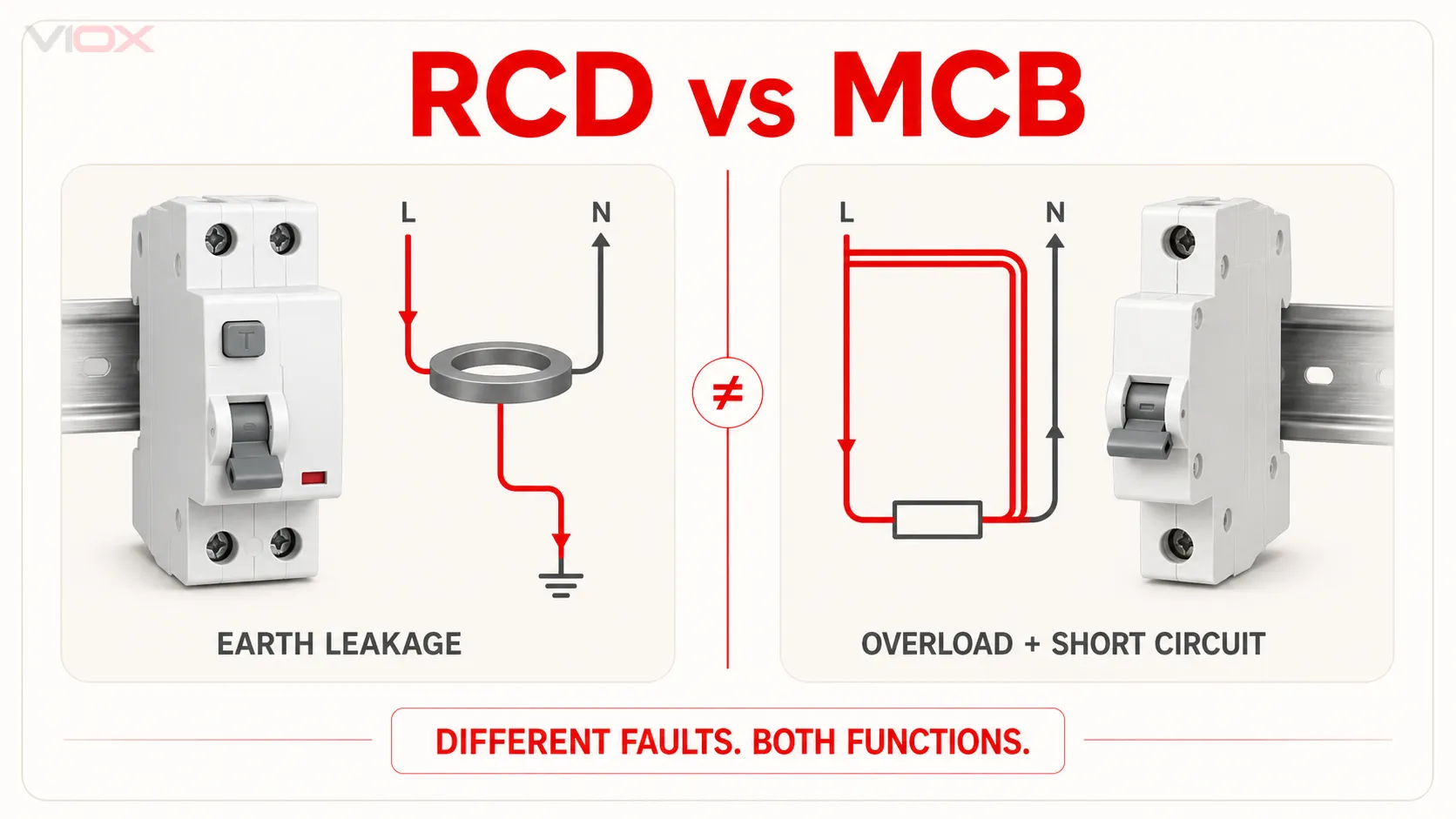
একটি MCB ওভারলোড এবং শর্ট সার্কিটের বিরুদ্ধে তার এবং সরঞ্জামকে সুরক্ষা দেয়. একটি রেসিডুয়াল-কারেন্ট-অনলি RCD, যা সাধারণত RCCB নামে পরিচিত, সার্কিটের নির্ধারিত পথ থেকে বিদ্যুৎ লিকেজ শনাক্ত করে এবং বৈদ্যুতিক শক ঝুঁকি কমাতে বিদ্যুৎ সংযোগ বিচ্ছিন্ন করে।.
এগুলো একে অপরের বিকল্প নয়। যেখানে উভয় সুরক্ষা ফাংশন প্রয়োজন, সেখানে সার্কিটে সাধারণত একটি MCB-এর সাথে RCCB/RCD ব্যবহার করা হয়, অথবা একটি RCBO ব্যবহার করা হয় যা রেসিডুয়াল-কারেন্ট এবং ওভারকারেন্ট সুরক্ষা উভয়ই প্রদান করে।.
পরিভাষা নোট: RCD একটি বিস্তৃত পারিবারিক শব্দ। এই নিবন্ধে, “RCD” বলতে এমন একটি রেসিডুয়াল-কারেন্ট ডিভাইসকে বোঝানো হয়েছে যার মধ্যে ইন্টিগ্রাল ওভারকারেন্ট সুরক্ষা নেই—সাধারণত একটি RCCB—যদি না আলাদাভাবে RCBO উল্লেখ করা হয়।.
এক নজরে RCD বনাম MCB
| তুলনার বিষয় | RCD / RCCB | MCB |
|---|---|---|
| Full name | রেসিডুয়াল কারেন্ট ডিভাইস / রেসিডুয়াল কারেন্ট সার্কিট ব্রেকার | ক্ষুদ্রাকৃতির সার্কিট ব্রেকার |
| প্রধান কাজ | অবশিষ্ট-কারেন্ট সুরক্ষা | ওভারকারেন্ট সুরক্ষা |
| সনাক্ত করে | আউটগোয়িং এবং রিটার্নিং কারেন্টের মধ্যে ভারসাম্যহীনতা | সার্কিটের মধ্য দিয়ে অতিরিক্ত কারেন্ট প্রবাহ |
| ওভারলোড সুরক্ষা | না, শুধুমাত্র এটি একা ব্যবহার করলে হবে না | হাঁ |
| শর্ট-সার্কিট সুরক্ষা | না, শুধুমাত্র এটি একা ব্যবহার করলে হবে না | হাঁ |
| আর্থ-লিকেজ শনাক্তকরণ | হাঁ | কোনো ডেডিকেটেড রেসিডুয়াল-কারেন্ট শনাক্তকরণ ব্যবস্থা নেই |
| সাধারণ সিস্টেম ভূমিকা | লিকেজ-কারেন্ট ত্রুটির বিরুদ্ধে অতিরিক্ত সুরক্ষা | ওভারকারেন্ট থেকে পরিবাহী এবং সার্কিটের সুরক্ষা |
| সম্মিলিত বিকল্প | একটি আরসিবিও (RCBO) একটি ডিভাইসের মধ্যেই উভয় কাজ সম্পাদন করে | একটি আরসিবিও (RCBO) একটি ডিভাইসের মধ্যেই উভয় কাজ সম্পাদন করে |
ব্যবহারিক পার্থক্য হলো প্রতিটি ডিভাইস কোন ধরনের ত্রুটি পরিমাপ করে তার ওপর। এমসিবি (MCB) তখন কাজ করে যখন কারেন্টের মাত্রা অতিরিক্ত হয়ে যায়। আরসিডি/আরসিসিবি (RCD/RCCB) লাইভ কন্ডাক্টর দিয়ে বেরিয়ে যাওয়া কারেন্ট এবং নিউট্রাল কন্ডাক্টর দিয়ে ফিরে আসা কারেন্টের তুলনা করে। কোনো পার্থক্য দেখা দিলে তা নির্দেশ করে যে কারেন্ট অন্য কোনো পথে প্রবাহিত হচ্ছে, যা সম্ভবত আর্থিংয়ের দিকে যাচ্ছে।.
কোন ত্রুটির জন্য কোন ডিভাইসটি ট্রিপ করবে?
নিচের টেবিলটি একটি সিদ্ধান্ত গ্রহণের কাঠামো, এটি কোনো সুরক্ষা সমীক্ষার বিকল্প নয়। প্রকৃত কার্যকারিতা ত্রুটির মাত্রা, স্থায়িত্ব, ডিভাইসের বৈশিষ্ট্য, সিস্টেম আর্থিং এবং সমন্বয়ের ওপর নির্ভর করে।.
| ফল্ট কন্ডিশন বা ত্রুটিপূর্ণ অবস্থা | এমসিবি (MCB) থেকে প্রত্যাশিত প্রতিক্রিয়া | আরসিডি/আরসিসিবি (RCD/RCCB) থেকে প্রত্যাশিত প্রতিক্রিয়া | প্রাথমিক সুরক্ষা ফাংশন |
|---|---|---|---|
| সাসটেইনড ওভারলোড | এর টাইম-কারেন্ট বৈশিষ্ট্য অনুযায়ী ট্রিপ করে | সাধারণত ভারসাম্যপূর্ণ ওভারলোড শনাক্ত করে না | MCB |
| লাইন-টু-নিউট্রাল শর্ট সার্কিট | ফল্ট এর অপারেটিং বৈশিষ্ট্য অতিক্রম করলে ট্রিপ করে | আউটগোয়িং এবং রিটার্নিং কারেন্ট ভারসাম্যপূর্ণ থাকলে এটি বন্ধ থাকতে পারে | MCB |
| আর্থের দিকে কারেন্ট লিকেজ | কারেন্ট এর ওভারকারেন্ট অপারেটিং লেভেলের নিচে থাকলে এটি বন্ধ থাকতে পারে | রেসিডুয়াল কারেন্ট যখন তার অপারেটিং কন্ডিশনে পৌঁছায় তখন এটি ট্রিপ করে | আরসিডি/আরসিসিবি |
| ওভারকারেন্ট এবং আর্থ লিকেজ | ওভারকারেন্ট ফাংশন কাজ করতে পারে | রেসিডুয়াল-কারেন্ট ফাংশন কাজ করতে পারে | উভয় ফাংশনই প্রয়োজনীয় |
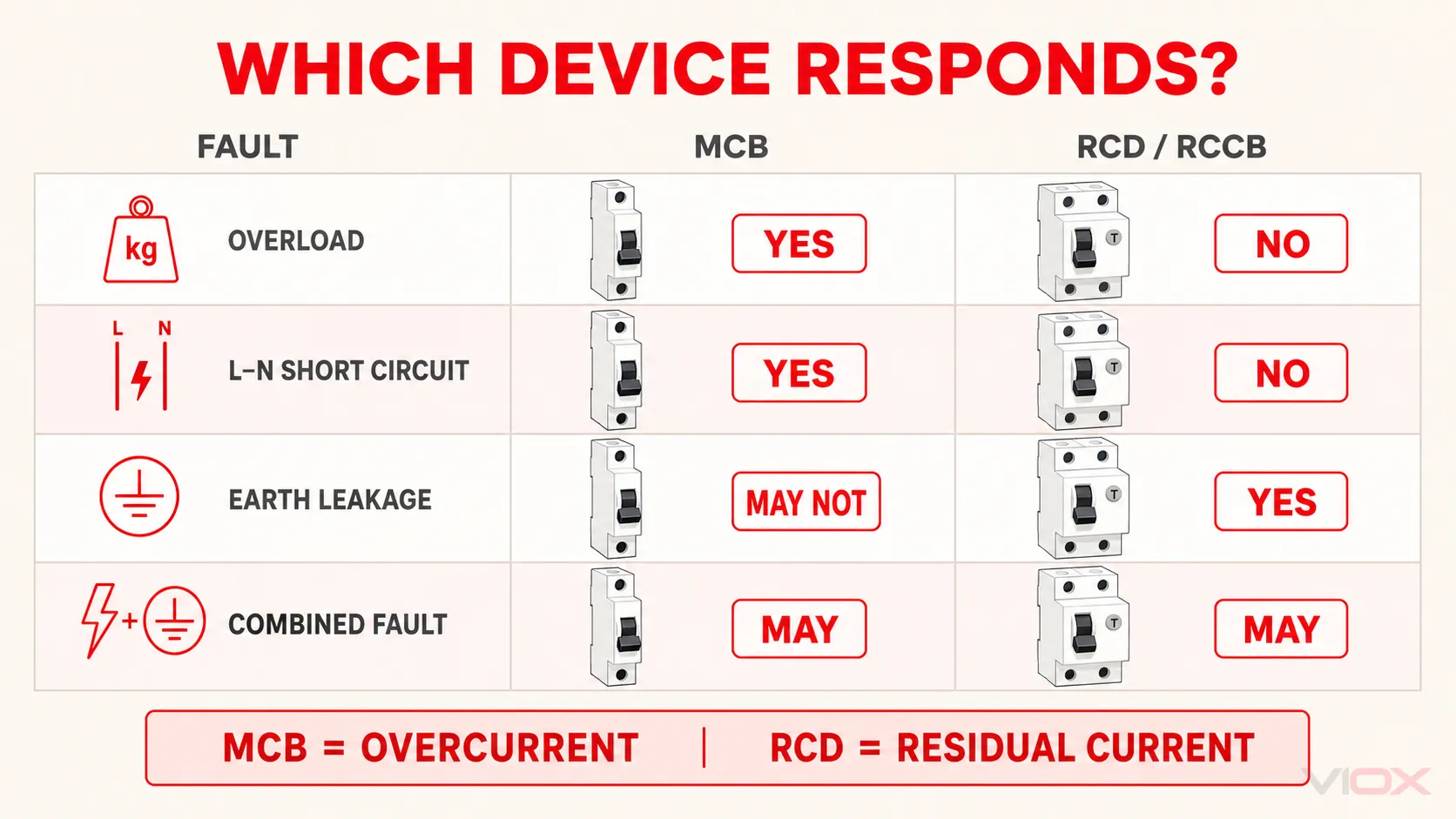
এটি ব্যাখ্যা করে কেন এমসিবি চালু থাকা অবস্থায়ও আরসিডি ট্রিপ করতে পারে: এমসিবি চালানোর জন্য পর্যাপ্ত মোট কারেন্ট না থাকলেও, রেসিডুয়াল-কারেন্ট ডিভাইস চালানোর জন্য যথেষ্ট কারেন্ট ভারসাম্যহীনতা থাকতে পারে।.
কেন কোনো ডিভাইস অন্যটির বিকল্প হতে পারে না
কেন একটি আরসিডি (RCD) একটি এমসিবি (MCB)-এর বিকল্প হতে পারে না
একটি সুষম ওভারলোডের কারণে তার অতিরিক্ত গরম হতে পারে, যদিও পরিবাহী দিয়ে প্রবাহিত এবং ফিরে আসা কারেন্টের পরিমাণ প্রায় সমান থাকে। শুধুমাত্র রেসিডুয়াল-কারেন্ট ডিভাইস সেই সার্কিটের জন্য প্রয়োজনীয় ওভারলোড বা শর্ট-সার্কিট সুরক্ষা প্রদান করে না। ওভারকারেন্ট সুরক্ষা অবশ্যই যথাযথভাবে নির্বাচিত এমসিবি, ফিউজ বা অন্য কোনো সুরক্ষা ডিভাইস থেকে আসতে হবে।.
কেন একটি এমসিবি (MCB) একটি আরসিডি (RCD)-এর বিকল্প হতে পারে না
একটি এমসিবি ওভারকারেন্টে সাড়া দেওয়ার জন্য ডিজাইন করা হয়েছে। ক্ষতিগ্রস্ত ইনসুলেশন, সরঞ্জাম বা কোনো ব্যক্তির মধ্য দিয়ে প্রবাহিত লিকেজ কারেন্ট শক সুরক্ষার জন্য তাৎপর্যপূর্ণ হতে পারে, অথচ তা এমসিবির অপারেটিং কারেন্টের নিচে থাকে। তাই একটি এমসিবি নির্দিষ্টভাবে রেসিডুয়াল-কারেন্ট শনাক্তকরণ সুবিধা প্রদান করে না।.
এই পার্থক্যের ডিভাইস-নির্দিষ্ট সংস্করণের জন্য দেখুন আরসিসিবি বনাম এমসিবি.
আপনার কি উভয়ই প্রয়োজন? আরসিডি (RCD) + এমসিবি (MCB) বনাম আরসিবিও (RCBO)
গুরুত্বপূর্ণ প্রশ্নটি সাধারণত “এমসিবি নাকি আরসিডি?” তা নয়, বরং “ইনস্টলেশনে কীভাবে উভয় প্রয়োজনীয় ফাংশন প্রদান করা উচিত?” তা হওয়া উচিত।”
| বিন্যাস | How it works | প্রধান ডিজাইন বিবেচ্য বিষয় |
|---|---|---|
| RCCB/RCD + MCB | একটি রেসিডুয়াল-কারেন্ট ডিভাইস এক বা একাধিক ডাউনস্ট্রিম ওভারকারেন্ট ডিভাইসের সাথে কাজ করে | একটি শেয়ার্ড RCCB রেসিডুয়াল-কারেন্ট ত্রুটির পরে বেশ কয়েকটি সার্কিট সংযোগ বিচ্ছিন্ন করতে পারে |
| আরসিবিও | একটি সার্কিটের জন্য রেসিডুয়াল-কারেন্ট, ওভারলোড এবং শর্ট-সার্কিট সুরক্ষা একত্রিত করা হয়েছে | পণ্য এবং সিস্টেম ডিজাইনের সাপেক্ষে সার্কিট-লেভেল সুরক্ষা এবং ত্রুটি শনাক্তকরণ সমর্থন করে |
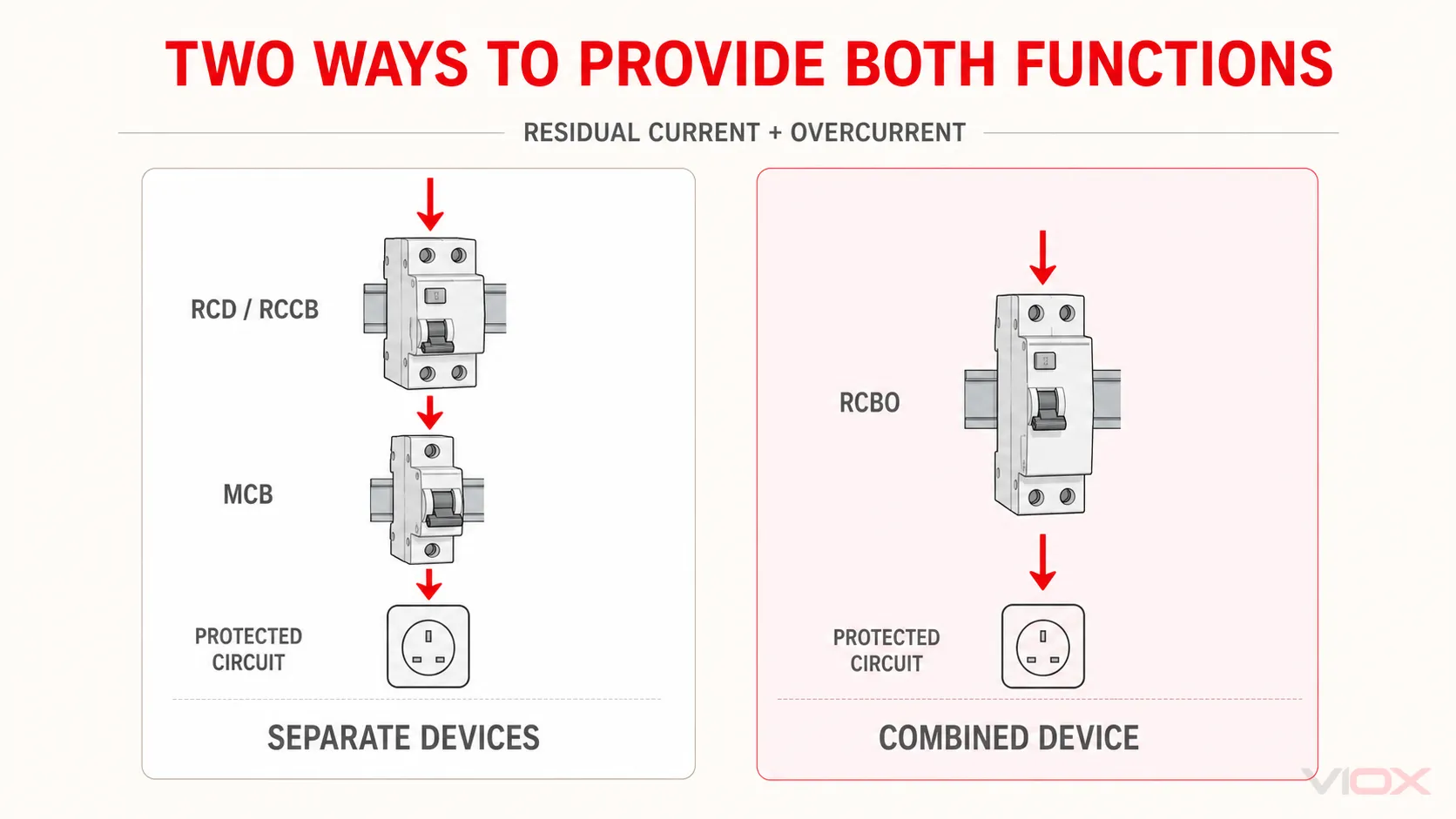
কোনো ব্যবস্থাই সর্বজনীনভাবে সেরা নয়। সিদ্ধান্তটি ডিস্ট্রিবিউশন-বোর্ডের বিন্যাস, ধারাবাহিকতার প্রয়োজনীয়তা, সমন্বয়, উপলব্ধ স্থান, ওয়্যারিং পদ্ধতি, প্রকল্পের খরচ এবং স্থানীয় নিয়মের উপর নির্ভর করে। সম্পূর্ণ আর্কিটেকচার সিদ্ধান্তের জন্য, দেখুন RCBO vs RCCB + MCB.
তিনটি ব্যবহারিক উদাহরণ
একটি ওভারলোডেড ফাইনাল সার্কিট
যদি সংযুক্ত লোডগুলো সার্কিটের ধারণক্ষমতার চেয়ে বেশি কারেন্ট গ্রহণ করে, তবে এমসিবি (MCB)-এর ওভারকারেন্ট ফাংশন সার্কিটটিকে বিচ্ছিন্ন করবে। শুধুমাত্র রেসিডুয়াল-কারেন্ট আরসিডি (RCD) এই অবস্থাটি শনাক্ত করতে পারে না, কারণ আউটগোয়িং এবং রিটার্নিং কারেন্ট ভারসাম্যপূর্ণ থাকতে পারে।.
সরঞ্জামগুলোতে আর্থ লিকেজ তৈরি হওয়া
যদি ইনসুলেশন নষ্ট হয়ে যায় এবং কারেন্ট আর্থের দিকে প্রবাহিত হয়, তবে আরসিডি/আরসিসিবি (RCD/RCCB) আউটগোয়িং এবং রিটার্নিং কারেন্টের পার্থক্য শনাক্ত করে। ফল্ট কারেন্ট যদি এমসিবি-এর অপারেটিং বৈশিষ্ট্যের মাত্রায় না পৌঁছায়, তবে এমসিবি বন্ধ থাকতে পারে।.
একটি সার্কিটের উভয় ফাংশন প্রয়োজন
ডিজাইনার একটি আলাদা আরসিসিবি/আরসিডি (RCCB/RCD) এবং এমসিবি (MCB) সমন্বয় করতে পারেন, অথবা এমন একটি আরসিবিও (RCBO) নির্বাচন করতে পারেন যা উভয় ফাংশনকে একত্রিত করে। চূড়ান্ত পছন্দটি অবশ্যই সার্কিট, আর্থিং ব্যবস্থা, লোডের আচরণ এবং প্রযোজ্য ইনস্টলেশন প্রয়োজনীয়তার সাথে সামঞ্জস্যপূর্ণ হতে হবে।.
আরসিডি (RCD) এবং এমসিবি (MCB) নির্বাচনের চেকলিস্ট
ডিভাইস নির্বাচন বা একত্রিত করার আগে নিশ্চিত করুন:
- সার্কিট ভোল্টেজ, লোড কারেন্ট এবং কন্ডাক্টর সুরক্ষার প্রয়োজনীয়তা;
- সম্ভাব্য ফল্ট কারেন্ট এবং প্রয়োজনীয় ব্রেকিং ক্যাপাসিটি;
- লোডের স্টার্টিং বা ইনরাশ আচরণের জন্য প্রয়োজনীয় এমসিবি (MCB) ট্রিপ বৈশিষ্ট্য;
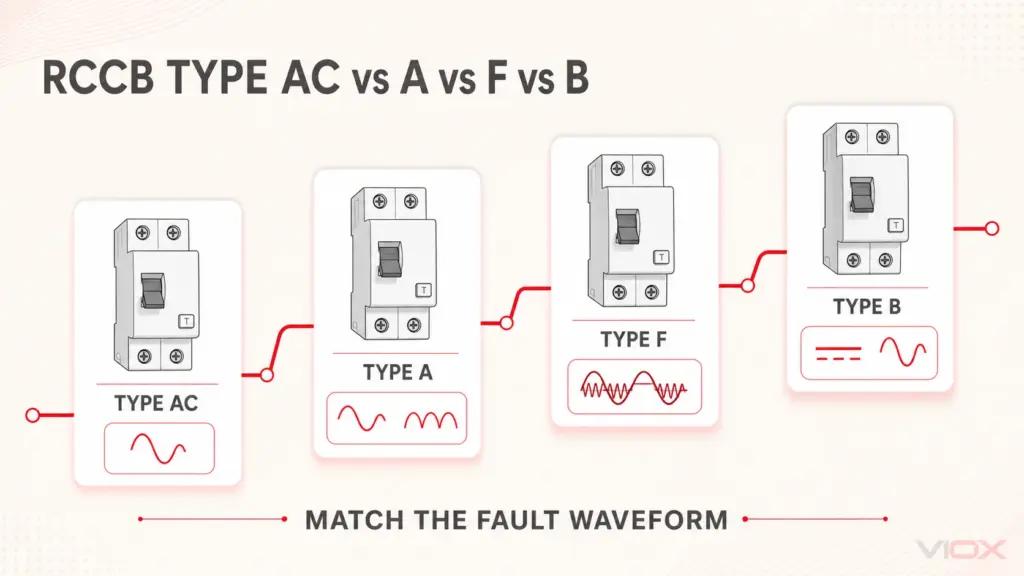
- রেসিডুয়াল-কারেন্ট সুরক্ষার প্রয়োজন আছে কিনা এবং লোড ওয়েভফর্মের জন্য কোন আরসিডি (RCD) টাইপ উপযুক্ত;
- পোলের সংখ্যা এবং নিউট্রাল সুইচিং ব্যবস্থা;
- আপস্ট্রিম এবং ডাউনস্ট্রিম সুরক্ষা ডিভাইসগুলোর সাথে সমন্বয়;
- কন্টিনিউটি বা নিরবচ্ছিন্ন বিদ্যুৎ সরবরাহের প্রয়োজনে গ্রুপড আরসিসিবি (RCCB) সুরক্ষা নাকি ইন্ডিভিজুয়াল আরসিবিও (RCBO) সুরক্ষা বেশি উপযুক্ত; এবং
- স্থানীয় ইনস্টলেশন বিধি, পণ্যের ডকুমেন্টেশন এবং প্রস্তুতকারকের নির্দেশাবলী।.
বৃহত্তর ডিভাইস পরিবারের পরিভাষার জন্য, দেখুন MCB, RCD, RCCB এবং RCBO তুলনা নির্দেশিকা.
স্ট্যান্ডার্ডের প্রেক্ষাপট
গৃহস্থালি এবং অনুরূপ অ্যাপ্লিকেশনের জন্য, IEC 60898-1 ওভারকারেন্ট সুরক্ষার জন্য সার্কিট ব্রেকার কভার করে, IEC 61008-1 ইন্টিগ্রাল ওভারকারেন্ট সুরক্ষা ছাড়া RCCB কভার করে, এবং IEC 61009-1 ইন্টিগ্রাল ওভারকারেন্ট সুরক্ষা সহ RCBO কভার করে। এই পণ্যের মানগুলো জাতীয় ওয়্যারিং নিয়ম বা প্রকল্প-নির্দিষ্ট ডিজাইন পর্যালোচনার বিকল্প নয়।.
সচরাচর জিজ্ঞাস্য
একটি RCD কি একটি MCB-এর চেয়ে ভালো?
না। তারা বিভিন্ন ত্রুটিপূর্ণ অবস্থা পরিমাপ করে। একটি MCB ওভারকারেন্ট সুরক্ষা প্রদান করে; একটি RCD/RCCB রেসিডুয়াল-কারেন্ট সুরক্ষা প্রদান করে। প্রয়োজনীয় ফাংশনগুলো সার্কিট এবং প্রযোজ্য নিয়মের ওপর নির্ভর করে।.
একটি আরসিডি (RCD) কি একটি এমসিবি (MCB)-এর বিকল্প হতে পারে?
না, যদি আরসিডিটি এমন একটি আরসিসিবি (RCCB) হয় যার মধ্যে ওভারকারেন্ট সুরক্ষার ব্যবস্থা নেই। ওভারলোড এবং শর্ট-সার্কিট সুরক্ষার জন্য অবশ্যই একটি এমসিবি, ফিউজ বা অন্য কোনো উপযুক্ত ডিভাইসের প্রয়োজন।.
ওভারলোডের সময় কি আরসিডি ট্রিপ করে?
শুধুমাত্র রেসিডুয়াল-কারেন্ট আরসিডি সাধারণত ব্যালেন্সড ওভারলোডে সাড়া দেয় না। যদি কোনো ঘটনার কারণে আর্থ লিকেজ তৈরি হয় তবে এটি ট্রিপ করতে পারে, কিন্তু তার মানে এই নয় যে এটি একটি ওভারকারেন্ট প্রোটেক্টিভ ডিভাইস।.
কেন আরসিডি ট্রিপ করে কিন্তু এমসিবি অন থাকে?
এটি সাধারণত এমসিবি চালানোর মতো পর্যাপ্ত ওভারকারেন্ট ছাড়াই রেসিডুয়াল-কারেন্টের ভারসাম্যহীনতাকে নির্দেশ করে। এর সম্ভাব্য কারণগুলোর মধ্যে রয়েছে ইনসুলেশন লিকেজ, সরঞ্জামের ত্রুটি এবং ওয়্যারিংয়ের সমস্যা। একজন যোগ্যতাসম্পন্ন ব্যক্তির দ্বারা সার্কিটটি পরীক্ষা করা উচিত।.
কোন ডিভাইসটি আরসিডি এবং এমসিবি-কে একত্রিত করে?
একটি আরসিবিও (RCBO)—রেসিডুয়াল কারেন্ট ব্রেকার উইথ ওভারকারেন্ট প্রোটেকশন—একটি ডিভাইসের মধ্যেই রেসিডুয়াল-কারেন্ট, ওভারলোড এবং শর্ট-সার্কিট সুরক্ষাকে একত্রিত করে।.
RCD এবং RCCB-এর মধ্যে পার্থক্য কী?
RCD হলো রেসিডুয়াল-কারেন্ট প্রোটেক্টিভ ডিভাইসের একটি বিস্তৃত বিভাগ। RCCB বলতে এমন একটি রেসিডুয়াল-কারেন্ট সার্কিট ব্রেকারকে বোঝায় যার মধ্যে কোনো ইন্টিগ্রাল ওভারকারেন্ট প্রোটেকশন থাকে না। RCBO-ও একটি RCD, তবে এতে ওভারকারেন্ট প্রোটেকশন অন্তর্ভুক্ত থাকে।.
VIOX প্রোটেকশন ডিভাইসগুলোর তুলনা করুন
VIOX পর্যালোচনা করুন MCB, RCCB এবং আরসিবিও প্রোডাক্ট ফ্যামিলিগুলো দেখুন, অথবা মডেল নির্বাচনের সহায়তার জন্য সার্কিট ভোল্টেজ, কারেন্ট, পোল কনফিগারেশন, লোড টাইপ এবং টার্গেট মার্কেট উল্লেখ করে VIOX-এর সাথে যোগাযোগ করুন।.