
Your electrical panel is full. You need to add another circuit for a new bedroom, kitchen outlet, or workshop—but there’s nowhere to fit it. Before you call an electrician to quote a $1,200–$3,000 panel upgrade, consider tandem circuit breakers. These ingenious space-saving devices let you fit two independent 120-volt circuits into a single breaker slot, effectively doubling your panel’s capacity without the expense or disruption of a complete replacement.
But here’s the catch: not every panel can use them. Installing a tandem breaker in the wrong panel type creates serious fire risks, code violations, and failed inspections. The difference between a safe upgrade and a dangerous shortcut often comes down to understanding one critical detail: CTL ratings and panel compatibility.
This guide walks you through what tandem breakers are, how they work, when they’re safe to use, and when alternatives make more sense. Whether you’re a homeowner tackling a renovation or an electrician specifying breakers for a retrofit job, you’ll learn the technical standards that determine compatibility—and the practical steps to ensure your installation stays code-compliant and safe.
1: UNDERSTANDING TANDEM BREAKERS—THE FUNDAMENTALS
What Is a Tandem Circuit Breaker?
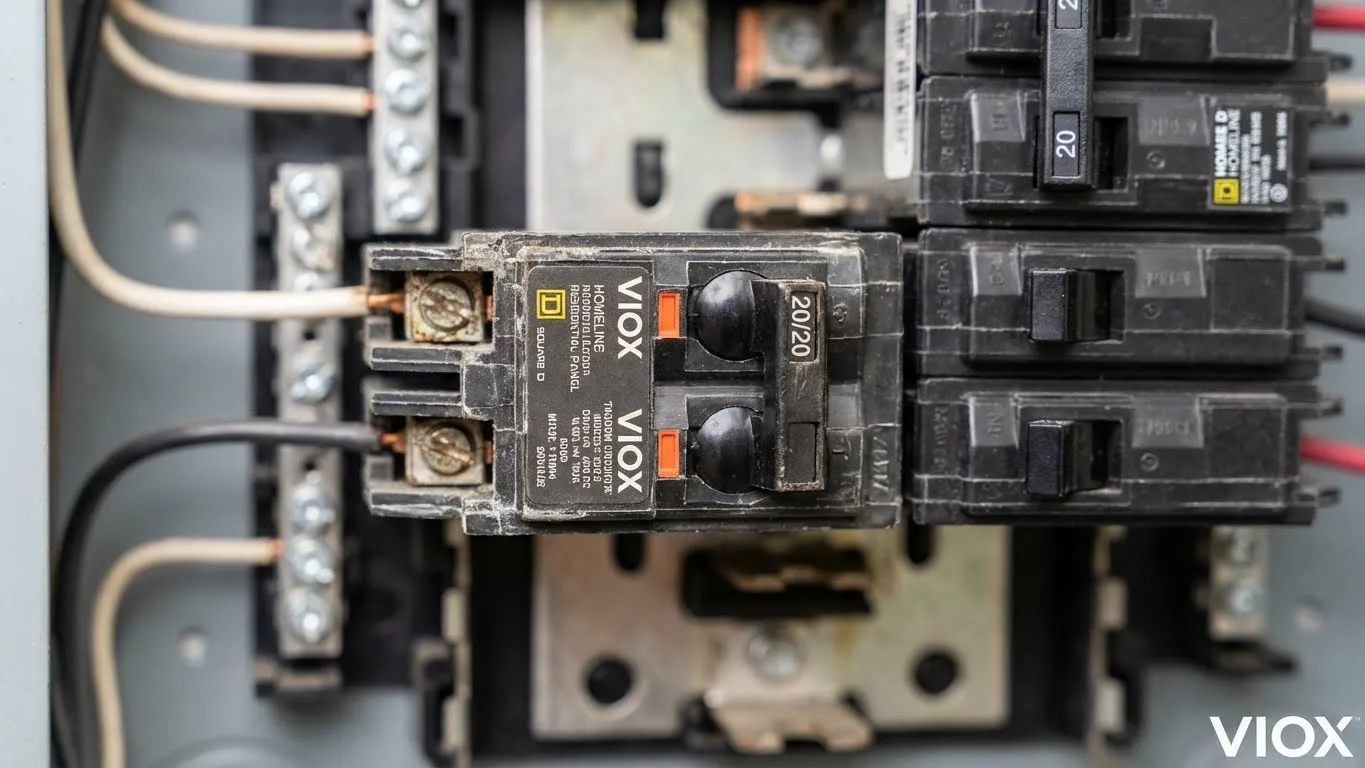
တဲ့ tandem circuit breaker is a specialized electrical device that houses two independent circuit breakers within a single standard-width breaker housing. Also known as duplex, twin, piggyback, or “double-stuff” breakers, these units occupy just one slot in your electrical panel while providing complete protection for two separate 120-volt circuits.
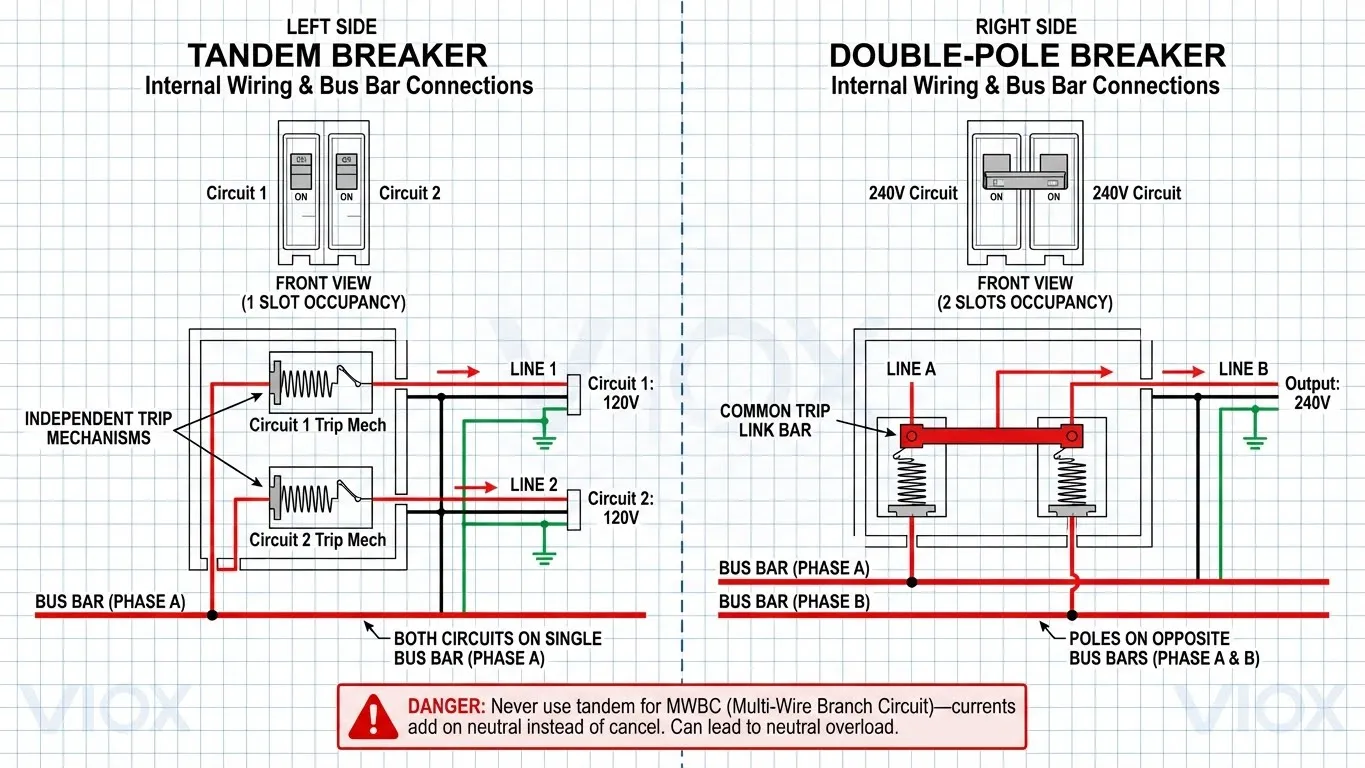
Unlike standard single-pole breakers that protect one circuit, or double-pole breakers that provide 240 volts across two poles, tandem breakers connect to only one pole of your electrical panel’s bus bar. This single-phase connection is crucial—both circuits receive 120 volts independently from the same electrical phase, and each maintains its own trip mechanism. If one circuit experiences an overload or short circuit, only that specific breaker trips while the other continues operating normally.
How Tandem Breakers Work: Internal Architecture
The magic of a tandem breaker lies in its compact internal design. Each unit contains two distinct switching mechanisms housed side-by-side in a single frame. Here’s what makes them function:
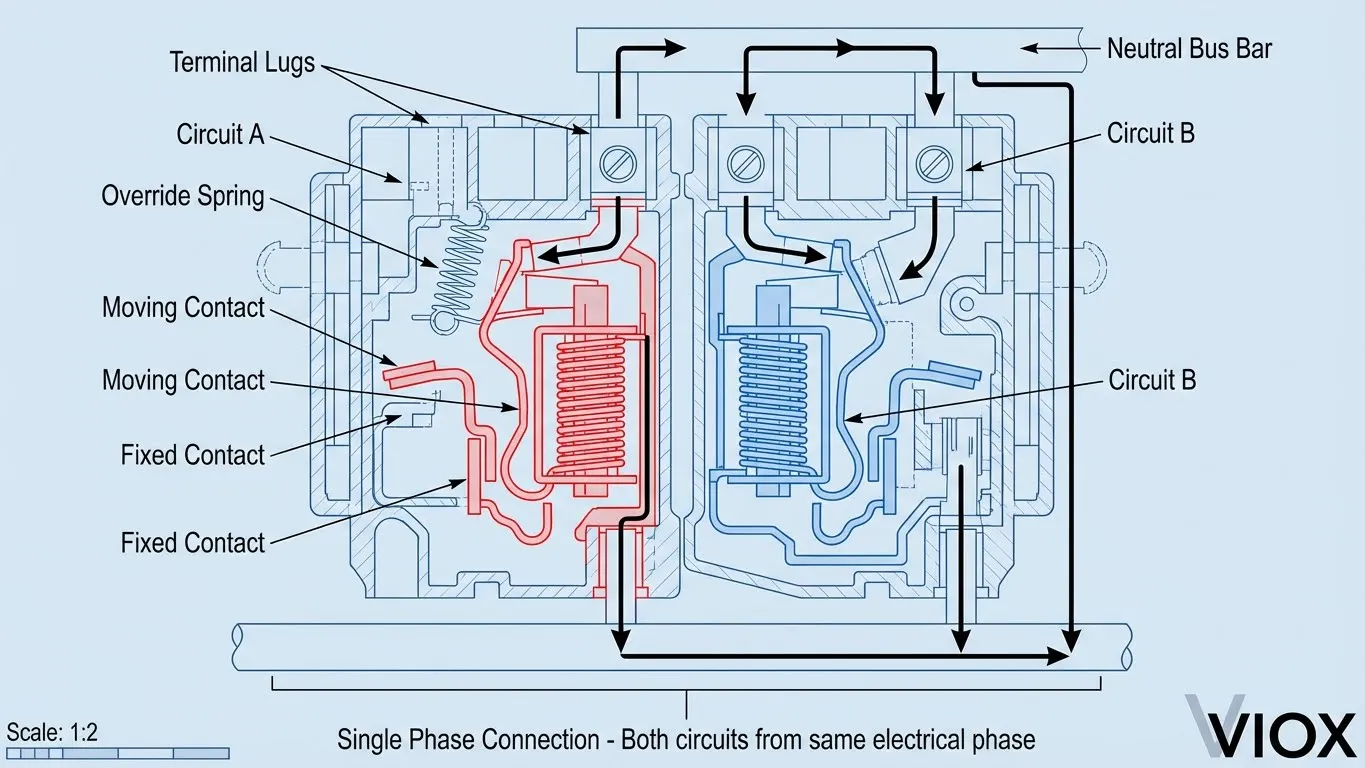
Dual Switches & Independent Trip Mechanisms: Each side has its own toggle switch and separate overcurrent-sensing mechanism. These mechanisms operate independently, meaning a fault on one circuit does not affect the other. This is why you can have one breaker in the “tripped” position while the other remains fully operational.
Single Bus Bar Connection: Both circuits connect to one pole of your panel’s alternating current bus bar system. This single-phase connection is why tandem breakers cannot provide 240-volt power—240V circuits require connection to two opposite phases of the electrical system, which only double-pole breakers can deliver.
Neutral Wire Management: Each circuit’s neutral wire connects to the neutral bus bar independently, just like standard breakers. This is critical for safety and distinguishes tandem breakers from multi-wire branch circuit (MWBC) setups, which share a single neutral—a configuration incompatible with tandem breakers.
Amperage Ratings & Configurations
Tandem breakers are available in limited amperage combinations, reflecting their role as light-duty, space-saving solutions:
- 15/15 amp: Common for lighting circuits and standard general-purpose outlets
- 20/20 amp Popular for kitchen outlets, bathroom circuits, and laundry areas
- 15/20 amp- Mixed configurations where one circuit needs higher capacity than the other
Higher amperage tandems (30 or 50-amp) are not manufactured because heavy-duty loads require either dedicated full-size breakers or double-pole configurations for 240-volt operation.
2: CTL vs. NON-CTL—THE COMPATIBILITY BREAKTHROUGH
Understanding the difference between CTL and Non-CTL breakers is essential for safe tandem breaker installation. This distinction separates code-compliant installations from dangerous shortcuts.
What CTL Means: Circuit Total Limiting Standard
CTL (Circuit Total Limiting) is a UL safety standard established around 1965 to enforce the National Electrical Code’s 42-circuit limit for residential “lighting and appliance” panels. The standard was designed to prevent panel overloading by restricting the total number of circuits that could be installed, regardless of physical slot count.
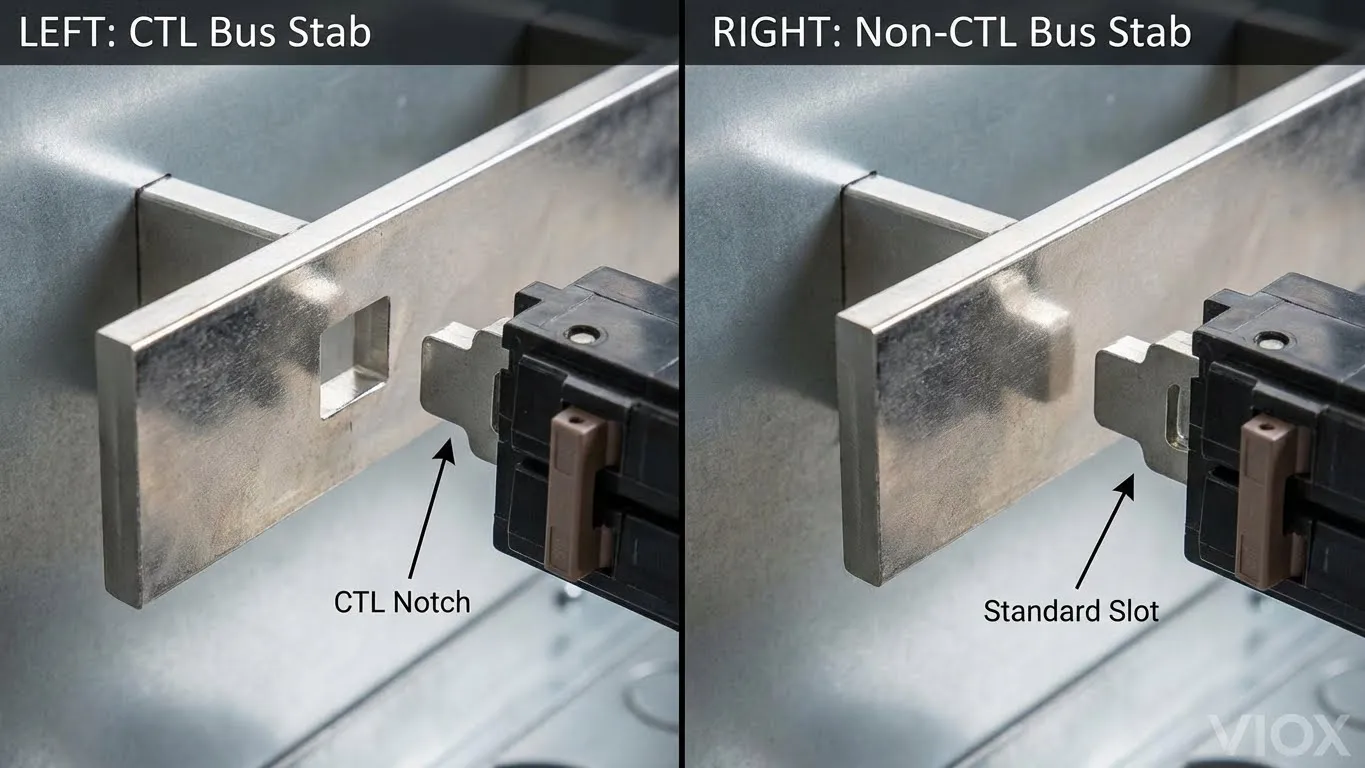
CTL Rejection Features: Modern CTL-rated breakers and panels include physical “rejection” mechanisms that only allow breakers to fit in designated slots. These rejection features take several forms depending on manufacturer:
- Notched bus stabs: A square notch cut into the metal prong where breakers connect
- Modified mounting rails: Different hook depths that only accept compatible breaker types
- Breaker clip design: Tandem breakers have clips shaped to fit only notched slots
These features physically prevent installation in unauthorized locations, making it literally impossible to force a CTL tandem breaker into a standard slot.
Non-CTL Breakers: Replacement-Only Legacy Standard
Non-CTL breakers lack rejection features and are labeled “For replacement use only.” These older breakers were designed for panels manufactured before 1965 that don’t have CTL safety restrictions. Using a Non-CTL breaker in a modern CTL panel is:
- A code violation (NEC 110.3(B))
- A failed inspection
- A potential fire hazard (bypasses engineered safety limits)
Some electricians install Non-CTL breakers by breaking off the rejection clip from a CTL breaker—a practice called using a “cheater” breaker. This is dangerous because it defeats the manufacturer’s engineering controls designed to prevent overloading.
NEC 2008 Update: The 42-Circuit Limit Removed
The National Electrical Code removed the 42-circuit limit in 2008, allowing manufacturers to design panels with 60, 84, or even more circuits. However, this does not eliminate CTL requirements. Modern panels still must be installed according to their specific manufacturer listing (NEC 110.3(B)), and compatibility is determined by each panel model’s design, not by a universal rule.
3: IDENTIFYING PANEL COMPATIBILITY
Before purchasing a tandem breaker, you must verify that your electrical panel is designed to accept it. Here’s how to check:
Check #1: The Panel Model Number
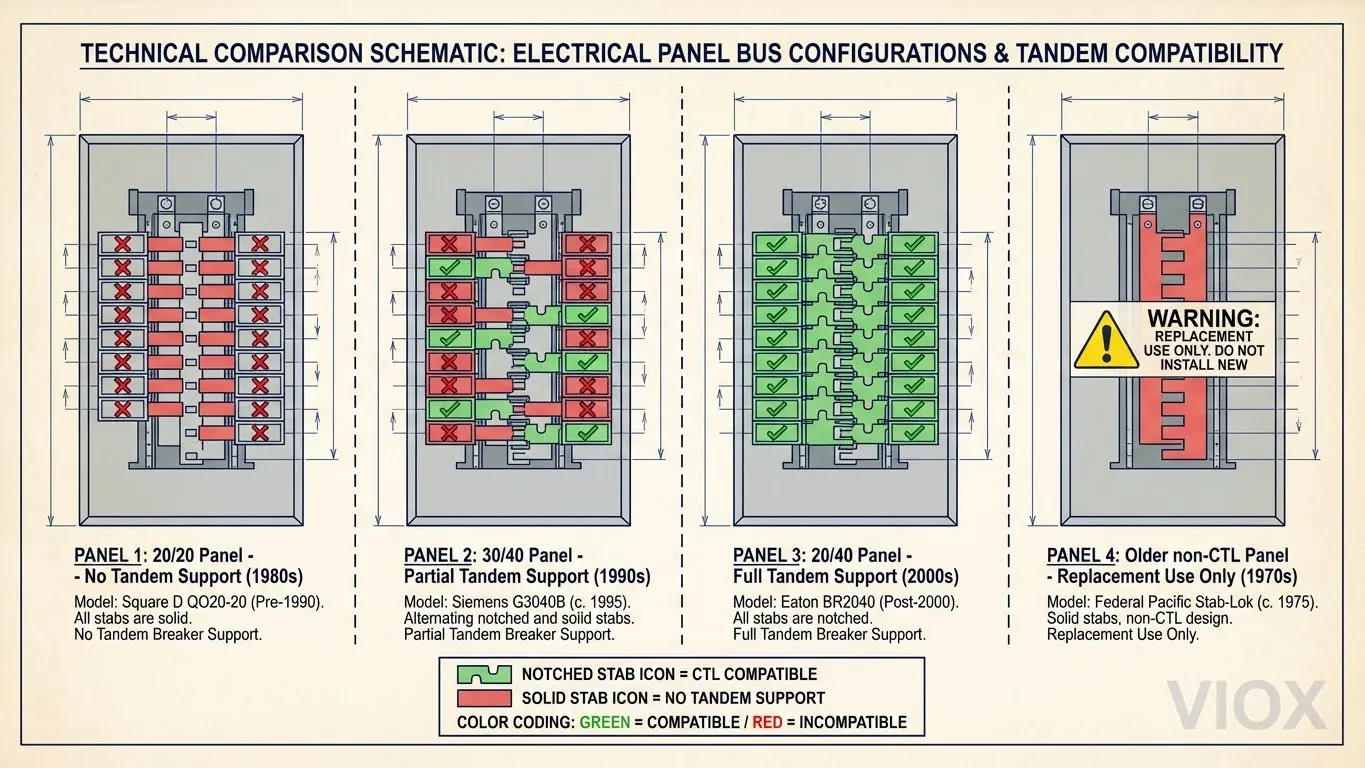
Manufacturers use a “spaces/circuits” naming convention that instantly reveals tandem compatibility:
| မော်ဒယ်နံပါတ် | အဓိပ္ပာယ် | Tandem Breaker Support? |
|---|---|---|
| 20/20 | 20 slots, 20 circuits allowed | ❌ No tandems |
| 30/40 | 30 slots, 40 circuits allowed | ✅ Yes, 10 slots support tandems |
| 20/40 | 20 slots, 40 circuits allowed | ✅ All slots support tandems |
| 40/50 | 40 slots, 50 circuits allowed | ✅ Yes, 10 slots support tandems |
If your panel number is 20/20, 20/30, or 30/30 (where slots equal max circuits), your panel does not support tandem breakers. The “higher second number” indicates tandem-capable slots exist.
Check #2: Inspect the Bus Bar Notches
ဘရိတ်ကာများ ချိတ်ဆက်သည့် သတ္တုပြားများကို (လုံခြုံစွာ) ကြည့်ရှုပါ။.
- အထစ်ပါသော ဘတ်စ်စတပ်များ (အလယ်တွင် စတုရန်းပုံ အထစ်ပါရှိခြင်း) CTL တဲန်ဒမ် ဘရိတ်ကာများအတွက် ဒီဇိုင်းထုတ်ထားသည်။ ✅
- ခိုင်မာသော စတုဂံပုံ အပြားများ: စံအပေါက်များသာ၊ တဲန်ဒမ်ကို အထောက်အပံ့မပေးပါ။ ❌
ကွဲပြားသော အမှတ်တံဆိပ်များသည် မတူညီသော ငြင်းပယ်ဒီဇိုင်းများကို အသုံးပြုကြသော်လည်း မျက်စိဖြင့် ကြည့်ရှုစစ်ဆေးခြင်းက လိုက်ဖက်ညီမှုကို အမြန်ဆုံး အတည်ပြုပေးလေ့ရှိသည်။.
#3 ကို စစ်ဆေးပါ- Panel Diagram ကို ပြန်လည်သုံးသပ်ပါ
သင်၏ panel တံခါးအတွင်းရှိ အညွှန်းတွင် ဝါယာကြိုးပုံစံပါရှိသည်။ တဲန်ဒမ် ဘရိတ်ကာများကို လက်ခံသည့် အပေါက်များကို ပိုင်းခြားမျဉ်း သို့မဟုတ် မီးမောင်းထိုးပြထားသော ဧရိယာဖြင့် မှတ်သားထားလေ့ရှိသည်။ ဤပုံစံသည် အတိအကျဖြစ်သည်—မရှင်းလင်းပါက ဓာတ်ပုံရိုက်ပြီး panel ထုတ်လုပ်သူ၏ အွန်လိုင်းစာရွက်စာတမ်းကို တိုင်ပင်ပါ။.
ထုတ်လုပ်သူအလိုက် လိုက်ဖက်ညီမှု
အိမ်သုံး panel အမှတ်တံဆိပ်များနှင့် ၎င်းတို့၏ တဲန်ဒမ် အထောက်အပံ့များ
- Square D QO/Homeline: CTL တဲန်ဒမ်များနှင့် ကျယ်ပြန့်စွာ လိုက်ဖက်ညီသည်
- Eaton BR/CH: CTL တဲန်ဒမ်များကို အထောက်အပံ့ပေးသည်။ ခေတ်မီ BR panel များသည် တဲန်ဒမ်ပုံစံအားလုံးကို အထောက်အပံ့ပေးလေ့ရှိသည်။
- Siemens QW/Q-Line: CTL တဲန်ဒမ်များနှင့် လိုက်ဖက်ညီသည်။ ရှေးဟောင်း panel များအတွက် Non-CTL (“NC” နောက်ဆက်တွဲ) ကိုလည်း ပေးထားသည်။
- GE THQL: တဲန်ဒမ် အပေါက်အရေအတွက် အကန့်အသတ်ရှိသော မော်ဒယ်အဟောင်း၊ ပုံစံကို စစ်ဆေးပါ။
သင်၏ သီးခြား panel ၏ နာမည်ပြားနှင့် ပုံစံကို အမြဲစစ်ဆေးပါ၊ အမှတ်တံဆိပ်ကိုသာ မစစ်ဆေးပါနှင့်။.
4: တဲန်ဒမ် ဘရိတ်ကာနှင့် အခြားရွေးချယ်စရာများ—နှိုင်းယှဉ်ဇယား
ဆားကစ်များ ထပ်မံလိုအပ်သည့်အခါ တဲန်ဒမ် ဘရိတ်ကာများသည် ရွေးချယ်စရာများထဲမှ တစ်ခုဖြစ်သည်။ ၎င်းတို့ နှိုင်းယှဉ်ပုံမှာ ဤတွင် ဖော်ပြထားသည်။
ရွေးချယ်စရာ နှိုင်းယှဉ်ဇယား
| အင်္ဂါ | တဲန်ဒမ် ဘရိတ်ကာ | နှစ်ထပ်တိုင် ဘရိတ်ကာ | ဆပ်ပန်နယ် | ပန်နယ် အဆင့်မြှင့်တင်ခြင်း |
|---|---|---|---|---|
| အသုံးပြုထားသော ပန်နယ် အပေါက်များ | ၁ ပေါက် | ၂ ပေါက် | မရရှိနိုင်ပါ (သီးခြားယူနစ်) | မရရှိနိုင်ပါ (ရှိပြီးသားကို အစားထိုးသည်) |
| ထပ်တိုးထားသော ဆားကစ်များ | ၂ × ၁၂၀ ဗို့ | ၁ × ၂၄၀ ဗို့ | ၈–၂၄+ ဆားကစ်များ | ၂၀–၄၀+ ဆားကစ်များ |
| ဗို့အားစွမ်းရည် | ၁၂၀ ဗို့ ဆားကစ် နှစ်ခု | ၂၄၀ ဗို့ ဆားကစ် တစ်ခု | လိုက်လျောညီထွေရှိသော | လိုက်လျောညီထွေရှိသော |
| တပ်ဆင်မှုကုန်ကျစရိတ် | $150–$400 | $100–$300 | $500–$1,500 | $1,200–$3,000 |
| အချိန်ကာလ | ၁–၂ နာရီ | ၁–၂ နာရီ | ၁–၂ ရက် | ၁–၃ ရက် |
| အနာဂတ်တွင် လိုက်လျောညီထွေရှိမှု | အကန့်အသတ်ရှိသည် (နေရာပေါ်မူတည်သည်) | အကန့်အသတ်ရှိသည် (အမ်ပီယာအားမြင့် အသုံးပြုမှုအတွက်သာ) | ကောင်းမွန်သည် (တိုးချဲ့နိုင်သည်) | အလွန်ကောင်းမွန်သည် (အကြီးမားဆုံး စွမ်းဆောင်ရည်) |
| စည်းမျဉ်း လိုက်ဖက်ညီမှု | လိုက်ဖက်ညီသော panel များသာ | ခေတ်မီ panel အားလုံး | စည်းမျဉ်း အားလုံး | စည်းမျဉ်း အားလုံး |
| AFCI/GFCI ရရှိနိုင်ပါသလား။ | ရှားပါးသည် | ဟုတ်ကဲ့ | ရရှိနိုင်သည် (သင့်လျော်သော ဘရိတ်ကာများနှင့်) | ဟုတ်ကဲ့ |
| အကောင်းဆုံး | panel ပြည့်နေချိန်တွင် မီးများ/ပလပ်ပေါက်များ ထပ်ထည့်ခြင်း | အမ်ပီယာအားမြင့် ဝန်များ (အဝတ်ခြောက်စက်၊ အဲကွန်း) | တစ်စိတ်တစ်ပိုင်း စွမ်းဆောင်ရည် တိုးချဲ့ခြင်း | ရေရှည် လိုက်လျောညီထွေရှိမှု |
| အဆိုးဆုံး အားနည်းချက် | လိုက်ဖက်ညီသော panel များတွင်သာ အလုပ်လုပ်သည်။ | နေရာ ၂ ခု ယူသည်။ | ခွဲထွက်ဘောက်စ်နှင့် ပိုက်လိုင်း လိုအပ်သည်။ | ဈေးကြီးပြီး ကျူးကျော်ဝင်ရောက်သည်။ |
အဓိက ဆုံးဖြတ်ချက်များ
Tandem Breaker ကို အသုံးပြုသင့်သည့်အခါ-
- သင်၏ panel သည် ကျန်ရှိသော standard slot များမရှိဘဲ လုံးဝပြည့်နေသည်။
- မီးများ သို့မဟုတ် standard outlet များအတွက် 1–2 additional 120V circuits လိုအပ်သည်။
- သင်၏ panel သည် CTL-compatible ဖြစ်ပြီး သတ်မှတ်ထားသော tandem slot များ ရရှိနိုင်သည်။
- ဘတ်ဂျက်သည် အဓိက စိုးရိမ်စရာဖြစ်သည်။
- ဖြေရှင်းချက်သည် ပိုကြီးသော အဆင့်မြှင့်တင်မှု ဖြစ်နိုင်သည်အထိ ယာယီဖြစ်သည်။
Double-Pole Breaker ကို အသုံးပြုသင့်သည့်အခါ-
- 240V appliance (အဝတ်ခြောက်စက်၊ ရေနွေးပေးစက်၊ လေအေးပေးစက်) ကို ပါဝါပေးရန် လိုအပ်သည်။
- သင်၏ panel တွင် ကပ်လျက် အလွတ် slot နှစ်ခုရှိသည်။
- load သည် 30–60 amps of capacity လိုအပ်သည်။
Subpanel ကို အသုံးပြုသင့်သည့်အခါ-
- 4+ additional circuits လိုအပ်သည်။
- သီးခြားဧရိယာ (ကားဂိုဒေါင်၊ အလုပ်ရုံ၊ အပြင်ပိုင်း) တွင် load များကို ဗဟိုပြုလိုသည်။
- အနာဂတ်တွင် တိုးချဲ့ရန် ဖြစ်နိုင်သည်။
Main Panel ကို အဆင့်မြှင့်သင့်သည့်အခါ-
- သင်၏ လျှပ်စစ်ဝန်ဆောင်မှု စွမ်းဆောင်ရည် မလုံလောက်ပါ။
- အဓိက load အသစ်များ (EV charger, heat pump) ကို ထည့်သွင်းနေသည်။
- ၁၀+ နှစ်အတွက် အနာဂတ်တွင် လိုက်လျောညီထွေဖြစ်စေမည့် ပြောင်းလွယ်ပြင်လွယ်မှုကို လိုချင်သည်။
၅: အရေးကြီးသော ဘေးကင်းလုံခြုံရေး သတိပေးချက်များ—MWBC & NEUTRAL OVERLOADING
tandem breaker များကို အန္တရာယ်အရှိဆုံး မှားယွင်းစွာ အသုံးပြုခြင်းတွင် multi-wire branch circuits (MWBC) ပါဝင်သည်—ရှေးအိမ်ဟောင်းများစွာတွင် တွေ့ရသော ဖွဲ့စည်းပုံဖြစ်သည်။ ဤအန္တရာယ်ကို နားလည်ခြင်းသည် သင်၏ ဘေးကင်းလုံခြုံရေးအတွက် မရှိမဖြစ် လိုအပ်ပါသည်။.
Multi-Wire Branch Circuit (MWBC) အန္တရာယ်
MWBC သည် သီးခြား hot wire နှစ်ခုသည် neutral wire တစ်ခုကို မျှဝေသည့် ရှေးကျသော wiring နည်းလမ်းဖြစ်သည်။ tandem breaker များသည် အဘယ်ကြောင့် လိုက်ဖက်ညီမှုမရှိသည်ကို ဤတွင်ဖော်ပြထားသည်-
Normal MWBC Setup (Tandem နှင့် မှားသည်):
- Hot wire 1 သည် Phase A သို့ ချိတ်ဆက်သည် (ဥပမာ၊ 15 amps outbound)
- Hot wire 2 သည် Phase B သို့ ချိတ်ဆက်သည် (ဥပမာ၊ 15 amps outbound)
- currents များသည် 180° out of phase ဖြစ်သောကြောင့် neutral တွင် ပျက်ပြယ်သွားသည်။
- Maximum neutral current: ~0–1 amps (14 AWG wire အတွက် လုံခြုံသည်)
Tandem ကို မှားယွင်းစွာ အသုံးပြုပါက-
- hot wire နှစ်ခုစလုံးသည် တူညီသော phase သို့ ချိတ်ဆက်သည် (tandem သည် bus bar connection ၁ ခုသာ အသုံးပြုသောကြောင့်)
- currents နှစ်ခုစလုံးသည် neutral ပေါ်တွင် တူညီသော ဦးတည်ရာသို့ စီးဆင်းသည်။
- Current များ ပေါင်းထည့်သည်: 15 amps + 15 amps = neutral ပေါ်တွင် 30 amps
- 15 amps အတွက် သတ်မှတ်ထားသော 14 AWG neutral wire သည် ယခု 30 amps ကို သယ်ဆောင်နေသည်။
- wire သည် တိတ်တဆိတ် အပူလွန်ကဲသည်—neutral breaker များ မရှိသောကြောင့် breaker သည် ဘယ်သောအခါမှ မပိတ်ပါ။
- ရလဒ်: မည်သည့် သတိပေးချက်မှမပါဘဲ လျှပ်စစ်မီးလောင်မှု
ဖြေရှင်းချက်: MWBC အတွက် Double-Pole Breaker ကို အသုံးပြုပါ
shared-neutral circuits များရှိပါက (သင်၏ panel ၏ ဆန့်ကျင်ဘက်ခြမ်းရှိ တူညီသော circuit နံပါတ်မှ breaker များဖြင့် ညွှန်ပြသည်)၊ အမြဲတမ်း အသုံးပြုပါ double-pole breaker ကာကွယ်မှုအတွက်။ common-trip ယန္တရားသည် neutral overloading ကို ကာကွယ်ရန်အတွက် hot နှစ်ခုစလုံးကို တစ်ပြိုင်နက်တည်း de-energize လုပ်ကြောင်း သေချာစေသည်။.
AFCI/GFCI Incompatibility
ခေတ်မီ လျှပ်စစ်ကုဒ်များ (NEC 2020/2023) သည် လူနေအိမ်သုံး circuits အားလုံးနီးပါးအတွက် AFCI သို့မဟုတ် GFCI ကာကွယ်မှု လိုအပ်သည်။ Tandem breaker များသည် ဤကာကွယ်မှု အင်္ဂါရပ်များနှင့်အတူ လက်ရှိတွင် မရရှိနိုင်ပါ—full-size breaker များသာ AFCI/GFCI ရွေးချယ်စရာများကို ပေးဆောင်ပါသည်။ သင်၏ဧရိယာသည် AFCI/GFCI ကာကွယ်မှု လိုအပ်ပြီး သင်၏ panel သည် standard breaker များနှင့် မကိုက်ညီပါက၊ tandem ဖြေရှင်းချက်များမဟုတ်ဘဲ subpanel များ သို့မဟုတ် panel အဆင့်မြှင့်တင်မှုများအထိ ကန့်သတ်ထားနိုင်သည်။.
၆: တပ်ဆင်ခြင်း လုပ်ငန်းစဉ်နှင့် ကုဒ်လိုက်နာမှု
လျှပ်စစ် panel အလုပ်အတွက် ကျွမ်းကျင်သူမှ တပ်ဆင်ခြင်းသည် ညှိနှိုင်း၍မရပါ။ သို့သော် လုပ်ငန်းစဉ်ကို နားလည်ခြင်းက အလုပ်ကို ဘေးကင်းစွာနှင့် ကုဒ်နှင့်အညီ လုပ်ဆောင်ကြောင်း အတည်ပြုရန် ကူညီပေးသည်။.
ကြိုတင်ထည့်သွင်းအကဲဖြတ်ခြင်း။
မည်သည့်အလုပ်မစတင်မီ:
- Panel Compatibility ကို အတည်ပြုပါ: panel model သည် tandem breaker များကို ပံ့ပိုးပေးပြီး သတ်မှတ်ထားသော slot များ ရရှိနိုင်ကြောင်း အတည်ပြုပါ
- Load တွက်ချက်မှု- service entrance (ပုံမှန်အားဖြင့် 100–200 amps) သည် additional circuits များကို ဘေးကင်းစွာ ကိုင်တွယ်နိုင်ကြောင်း သေချာပါစေ
- ခွင့်ပြုချက်လိုအပ်ချက်များ- ဒေသန္တရ အဆောက်အဦကုဒ်များကို စစ်ဆေးပါ—စီရင်ပိုင်နက်အများစုသည် panel ပြုပြင်မွမ်းမံမှုများအတွက် ခွင့်ပြုချက် လိုအပ်သည်
- Circuit ရည်ရွယ်ချက်: လိုအပ်သော load, wire gauge နှင့် breaker rating ကို ဆုံးဖြတ်ပါ (ပုံမှန်အားဖြင့် 15–20 amps, 14–12 AWG wire)
တပ်ဆင်ခြင်း အဆင့်များ (ကျွမ်းကျင်သူများအတွက်သာ)
- ပါဝါပိတ်ခြင်း- main breaker ကို ပိတ်ထားသည်; bus bar များပေါ်တွင် multimeter ကို အသုံးပြု၍ ပါဝါမရှိကြောင်း အတည်ပြုသည်
- Breaker ဖယ်ရှားခြင်း- ရှိပြီးသား breaker ကို အစားထိုးပါက ၎င်းကို ဘေးကင်းစွာ ဖယ်ရှားပြီး wiring ကို ဖြုတ်ထားသည်
- တန်ဒမ် တပ်ဆင်ခြင်း- tandem breaker အသစ်ကို သတ်မှတ်ထားသော slot ထဲသို့ ညှပ်ထည့်သည် (သင့်လျော်သော CTL rejection fit လိုအပ်သည်)
- Wire ချိတ်ဆက်မှု: circuit wiring အသစ်ကို မှန်ကန်သော terminal များသို့ ချိတ်ဆက်သည်—ထုတ်လုပ်သူအမျိုးမျိုးတွင် မတူညီသော terminal အနေအထားများ ရှိသည်
- စမ်းသပ်ခြင်း- ပါဝါကို ပြန်လည်ရရှိပြီး circuits နှစ်ခုစလုံးကို သင့်လျော်သော ဗို့အားနှင့် လည်ပတ်မှုအတွက် စမ်းသပ်သည်
- စစ်ဆေးခြင်း- ဒေသန္တရ စစ်ဆေးရေးမှူးများသည် တပ်ဆင်မှုသည် NEC နှင့် ဒေသန္တရ ကုဒ်များနှင့် ကိုက်ညီကြောင်း အတည်ပြုသည်
အရေးကြီးသော တပ်ဆင်ခြင်း စည်းမျဉ်းများ
- main breaker off အဆင့်ကို ဘယ်တော့မှ မကျော်ပါနှင့်—main ပိတ်ထားလျှင်ပင် လျှပ်စစ်ဓာတ် ရှိနေနိုင်သည်။
- တပ်ဆင်မည့် breaker အမျိုးအစား (QO, BR, CH breaker များသည် အပြန်အလှန် အသုံးပြု၍မရပါ) မမှာယူခင် panel model အတိအကျကို သေချာအောင်စစ်ဆေးပါ။ သင့်လျော်သော ဝါယာကြိုးအရွယ်အစားကို သုံးပါ:
- 15-amp breaker များအတွက် အနည်းဆုံး 14 AWG လိုအပ်ပြီး 20-amp အတွက် 12 AWG လိုအပ်သည်။ ခွင့်ပြုထားသော စစ်ဆေးမှုဖြင့်
- တပ်ဆင်မှုကို စမ်းသပ်ပါ။ 7: ပြုပြင်ထိန်းသိမ်းခြင်းနှင့် ပြဿနာဖြေရှင်းခြင်း
တပ်ဆင်ပြီးသည်နှင့် tandem breaker များသည် ပြုပြင်ထိန်းသိမ်းမှု အနည်းငယ်သာ လိုအပ်သော်လည်း ပုံမှန်စစ်ဆေးခြင်းသည် ရေရှည်လုံခြုံမှုကို သေချာစေသည်။
အရောင်ပြောင်းခြင်း၊ ပလတ်စတစ်လောင်ကျွမ်းခြင်း သို့မဟုတ် ပုံမှန်မဟုတ်သော နွေးထွေးမှု - အပူလွန်ကဲခြင်း၏ လက္ခဏာများကို စစ်ဆေးပါ။.
ပုံမှန်စစ်ဆေးရေးအမှတ်များ
- ရုပ်ပိုင်းဆိုင်ရာ အခြေအနေ ခလုတ်လည်ပတ်မှု:
- ခလုတ်နှစ်ခုလုံးကို လစဉ်စမ်းသပ်ပါ။ ၎င်းတို့သည် ON နှင့် OFF အကြား ချောမွေ့စွာ ရွေ့လျားသင့်သည်။ ဆားကစ်အပြုအမူ:
- မကြာခဏ အနှောက်အယှက်ဖြစ်စေသော ခရီးစဉ်များကို စောင့်ကြည့်ပါ။ ၎င်းသည် ဝန်ပိုခြင်း သို့မဟုတ် ချို့ယွင်းနေသော breaker ကို ညွှန်ပြနိုင်သည်။ အဖြစ်များသော ပြဿနာများနှင့် ဖြေရှင်းနည်းများ
ဝန်ပိုနေသော ဆားကစ် သို့မဟုတ် ဝါယာရှော့ဖြစ်ခြင်း
| ထုတ်ပြန်သည် | ဖွယ်ရှိပီး | ဖြေရှင်းနည်း |
|---|---|---|
| မကြာခဏစုစည်း | လျှပ်စစ်ပညာရှင်ကို ခေါ်ပါ။ ပြန်လည်ဖြန့်ဖြူးခြင်း သို့မဟုတ် ပိုကြီးသော breaker လိုအပ်နိုင်သည်။ | အပူလွန်ကဲခြင်း |
| ဝန်ပိုခြင်း သို့မဟုတ် ချိတ်ဆက်မှုမကောင်းခြင်း | ကျွမ်းကျင်သူမှ စစ်ဆေးခြင်း၊ breaker အစားထိုးရန် လိုအပ်နိုင်သည်။ | ခလုတ်လည်ပတ်ရန် ခက်ခဲခြင်း |
| အတွင်းပိုင်းတိုက်စားခြင်း သို့မဟုတ် ဟောင်းနွမ်းခြင်း | breaker ကို ချက်ချင်း အစားထိုးပါ။ | တစ်ဖက်က ခရီးထွက်ပြီး ကျန်တစ်ဖက်က အိုကေတယ်။ |
| ပုံမှန်လည်ပတ်မှု (သီးခြားဆားကစ်များ) | ချို့ယွင်းချက်များအတွက် ခရီးထွက်ထားသော ဆားကစ်ကို စစ်ဆေးပါ။ လုံခြုံသောအခါ ပြန်လည်သတ်မှတ်ပါ။ | အဓိကအချက်များ |
Tandem circuit breaker များ
✓ panel အပြည့်အစုံကို အစားထိုးစရာမလိုဘဲ ရရှိနိုင်သော စွမ်းရည်ကို နှစ်ဆတိုးစေပြီး single panel slot တစ်ခုတွင် သီးခြား 120V circuit နှစ်ခုကို တပ်ဆင်ပါ။ CTL လိုက်ဖက်ညီမှုသည် ညှိနှိုင်း၍မရပါ။
✓ —tandem breaker များကို ၎င်းတို့အတွက် အထူးထုတ်လုပ်ထားသော panel များတွင်သာ အသုံးပြုပါ။ model နံပါတ်နှင့် bus bar အထစ်များကို စစ်ဆေးပါ။multi-wire branch circuit (MWBC) အတွက် tandem breaker များကို ဘယ်တော့မှ မသုံးပါနှင့်။
✓ —၎င်းတို့သည် neutral ဝန်ပိုခြင်းနှင့် မီးလောင်နိုင်ခြေကို ဖြစ်စေသည်။Tandem ($150–$400) သည် ဘတ်ဂျက်တင်းကျပ်သောအခါ subpanel ($500–$1,500) နှင့် panel အဆင့်မြှင့်တင်မှုများ ($1,200–$3,000) ကို အနိုင်ယူသည်။
✓ ကုန်ကျစရိတ် နှိုင်းယှဉ်မှု- AFCI/GFCI ကာကွယ်မှု မရနိုင်ပါ။
✓ tandem configurations တွင်—ခေတ်မီကုဒ်များက ဤအင်္ဂါရပ်များ လိုအပ်ပါက standard breaker များကို အသုံးပြုပါ။ ကျွမ်းကျင်သူမှ တပ်ဆင်ခြင်းသည် မရှိမဖြစ်လိုအပ်ပါသည်။
✓ —တိုက်ရိုက်လျှပ်စစ် panel များနှင့် အလုပ်လုပ်ခြင်းသည် လျှပ်စစ်ရှော့ခ်ဖြစ်နိုင်ခြေနှင့် ကုဒ်လိုက်နာမှုလိုအပ်ချက်များကို သယ်ဆောင်သည်။Q1: tandem circuit breaker များကို စနစ်တကျတပ်ဆင်ပါက လုံခြုံပါသလား။
အမြဲမေးလေ့ရှိသောမေးခွန်းများ
ဟုတ်ကဲ့၊ tandem breaker များကို ၎င်းတို့အတွက် အထူးသတ်မှတ်ထားသော panel များတွင် တပ်ဆင်ပြီး သင့်လျော်သောဝန်များနှင့် ချိတ်ဆက်သောအခါ လုံခြုံပါသည်။ ၎င်းတို့သည် မှန်ကန်စွာအသုံးပြုသောအခါ UL-စာရင်းဝင်ပြီး NEC စံနှုန်းများနှင့် ကိုက်ညီပါသည်။
Q2: tandem breaker ကို မည်သည့် panel တွင်မဆို သုံးနိုင်ပါသလား။.
Q3: tandem နှင့် double-pole breaker များအကြား ကွာခြားချက်ကဘာလဲ။
No. Your panel must be CTL-compatible and have designated tandem-capable slots. Check the model number (e.g., 30/40 means tandem-capable) and inspect the bus bar notches.
Tandem breaker များသည် slot တစ်ခုတွင် 120V circuit နှစ်ခုကို ပေးသည်။
Double-pole breaker များ. slot နှစ်ခုကို အသုံးပြု၍ 240V circuit တစ်ခုကို ပေးသည်။ ၎င်းတို့သည် လုံးဝကွဲပြားခြားနားသော ရည်ရွယ်ချက်များကို ဆောင်ရွက်ပေးသည်။ Q4: multi-wire branch circuit (MWBC) အတွက် tandem ကို အဘယ်ကြောင့် အသုံးမပြုနိုင်သနည်း။.
Q5: ကျွန်ုပ်၏ panel သည် tandem များကို လက်ခံကြောင်း မည်သို့သိနိုင်မည်နည်း။
Tandem breakers connect to only one electrical phase, so both circuits share the same neutral path. This causes currents to add on the neutral instead of canceling, causing overheating and fire risk. Always use a double-pole breaker for MWBC.
Q6: tandem breaker များသည် 240-volt ပါဝါကို ပေးနိုင်ပါသလား။
Check three things: (1) Model number format like 30/40 (higher second number = tandem support), (2) Notched bus stabs (not solid), (3) Panel diagram marking tandem-compatible slots.
မဟုတ်ပါ။ Tandem breaker များသည် လျှပ်စစ်အဆင့်တစ်ခုတည်းနှင့်သာ ချိတ်ဆက်ပြီး circuit တစ်ခုလျှင် 120V သာ ပေးနိုင်သည်။ 240V အတွက် သင်လိုအပ်သည်။
Q7: tandem ကို လိုက်ဖက်ညီမှုမရှိသော slot ထဲသို့ အတင်းထည့်ပါက ဘာဖြစ်မလဲ။ double-pole breaker.
breaker သည် သင့်လျော်သော လျှပ်စစ်အဆက်အသွယ်မရရှိသောကြောင့် ၎င်းသည် မီးအန္တရာယ်ကို ဖန်တီးပေးသည်။ ၎င်းသည် အဆောက်အဦကုဒ်များကိုလည်း ချိုးဖောက်ပြီး သင်၏ အာမခံကို ပျက်ပြယ်စေသည်။
Q8: tandem breaker ကို တပ်ဆင်ရန် ခွင့်ပြုမိန့် လိုအပ်ပါသလား။.
စီရင်ပိုင်ခွင့်အများစုသည် မည်သည့် panel ပြုပြင်မွမ်းမံမှုအတွက်မဆို လျှပ်စစ်ခွင့်ပြုမိန့် လိုအပ်သည်။ ဒေသန္တရ အဆောက်အဦဌာန၏ စည်းမျဉ်းများကို စစ်ဆေးပါ။ ကျွမ်းကျင်သော လျှပ်စစ်ပညာရှင်များသည် ခွင့်ပြုမိန့်ဆိုင်ရာ လုပ်ငန်းများနှင့်
ဝန်ဗဟိုနှင့် panelboard ဆုံးဖြတ်ချက်များကို ကိုင်တွယ်သည်။ အပြည့်အဝလိုက်နာကြောင်းသေချာစေရန်။ လျှပ်စစ် panel တွင်တပ်ဆင်ထားသော VIOX tandem circuit breaker ၏ အနီးကပ်ပုံ.