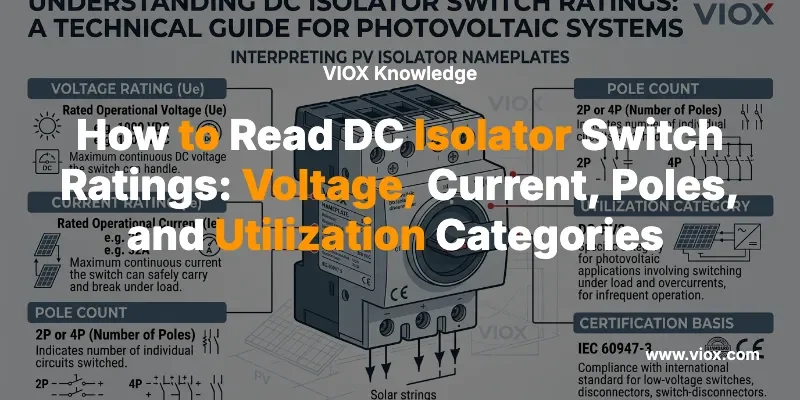
တိုက်ရိုက်အဖြေ
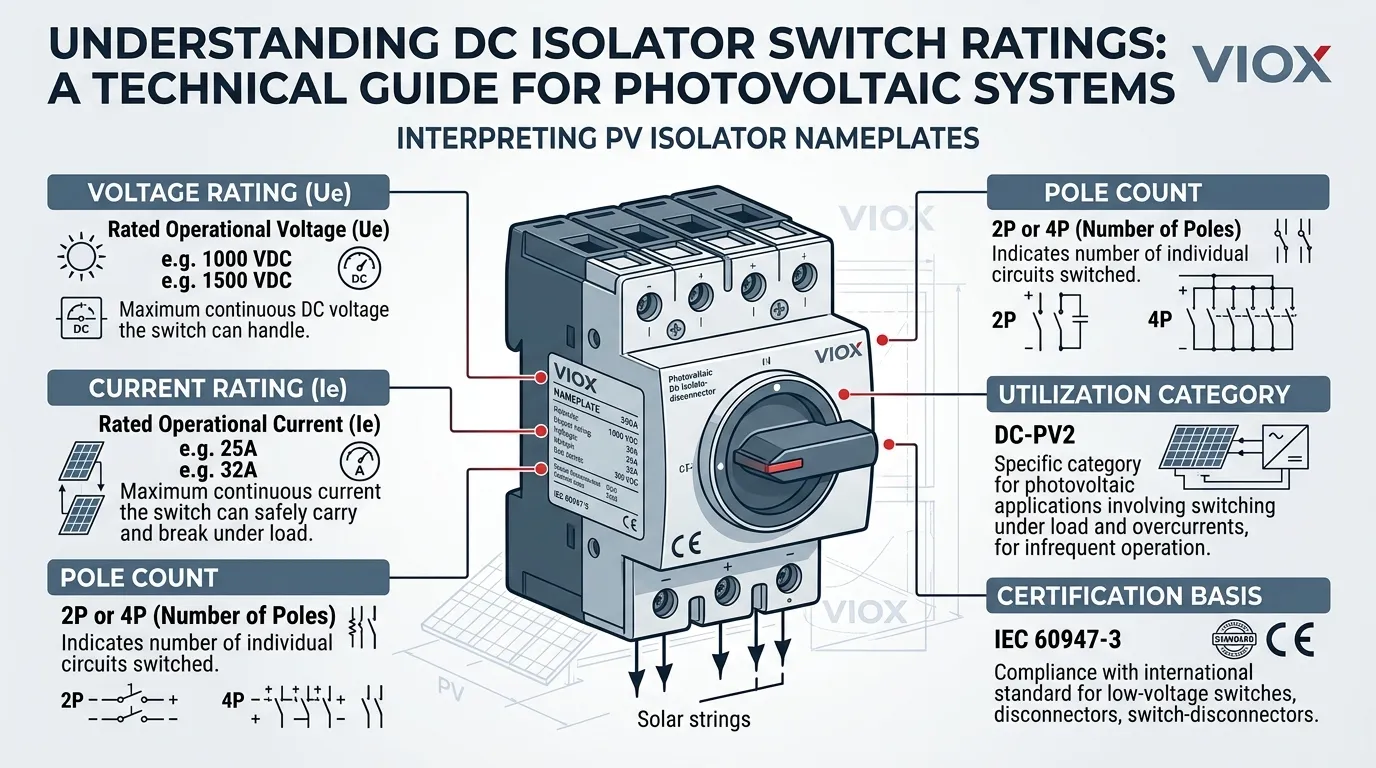
Reading a DC isolator switch label correctly comes down to four things, checked in this order:
- ဗို့အားအဆင့်သတ်မှတ်ချက် — can the switch safely handle the highest DC voltage in your system?
- လက်ရှိ အဆင့်သတ်မှတ်ချက် — can it carry the expected continuous current without overheating?
- Pole configuration — how many conductors does it disconnect at the same time?
- အသုံးပြုမှု အမျိုးအစား — what kind of DC switching duty was it actually tested for?
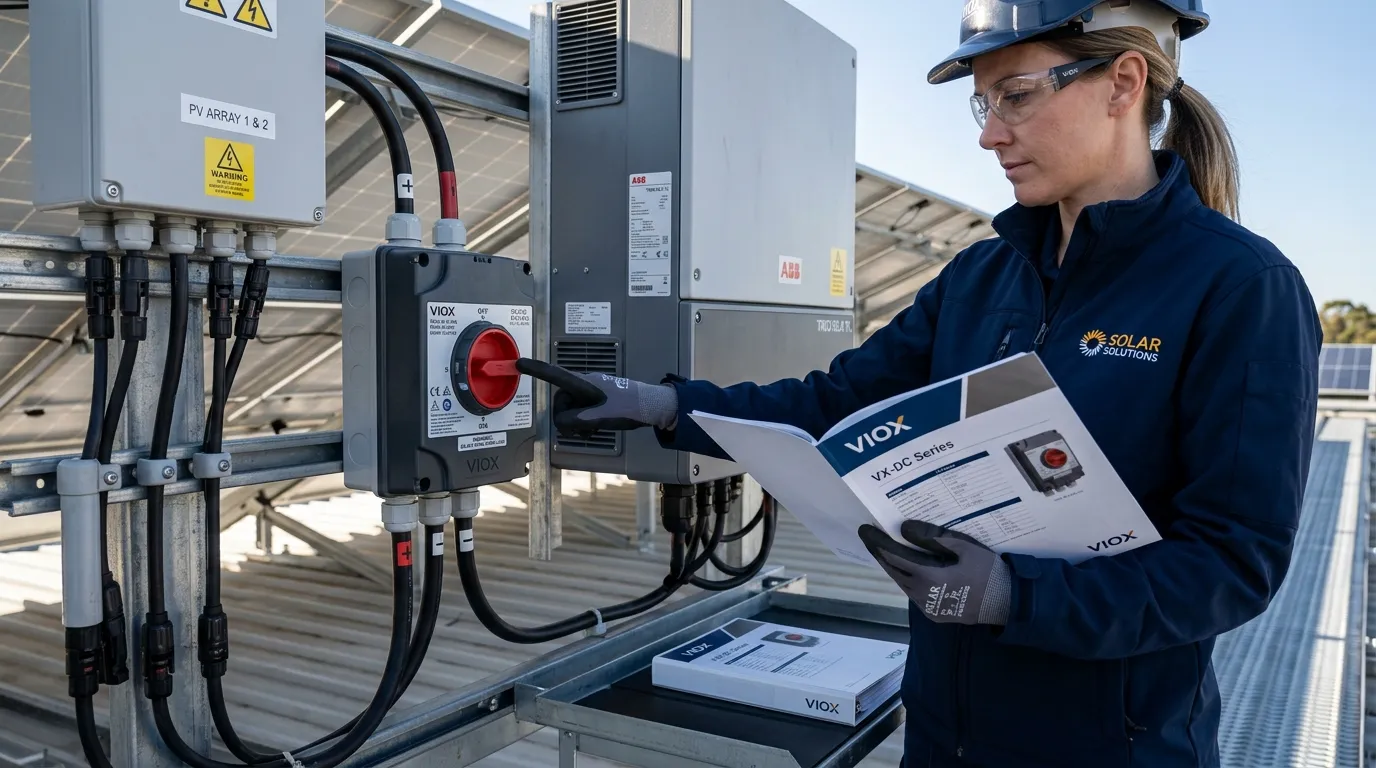
The order matters. In practice, the most frequent rating mistakes happen when buyers focus on the ampere number first and overlook the voltage class or utilization category. A 32 A isolator is not automatically suitable for every 32 A DC circuit, especially in solar PV systems, where cold-weather Voc, pole arrangement, and DC switching duty can change the answer completely.
If you need the broader device background first, start with DC Isolator Switch ဆိုတာဘာလဲ။. If you already have a label, datasheet, or product spec sheet in front of you, this guide will walk you through what each line means and what to verify next.
အမြန်ကိုးကားဇယား
| Rating item | What it tells you | အသုံးများသောအမှား |
|---|---|---|
| ဗို့အားအဆင့်သတ်မှတ်ချက် (Ue) | Maximum DC operating voltage the switch can handle under its stated duty | Matching only nominal system voltage and ignoring cold-corrected PV Voc |
| Current rating (Ie) | Current the switch can carry under the specified duty | Assuming the current rating stays the same in every enclosure and temperature condition |
| ထမ်းဘိုး | How many conductors are disconnected together | Treating 2P and 4P as interchangeable |
| အသုံးပြုမှု အမျိုးအစား | The type of switching duty the device was tested for | Ignoring whether the switch was rated for the actual DC load condition |
| Certification or standard basis | Which market and testing framework the device aligns with | Using AC-marked or vaguely described products in a PV DC application |
Why Reading the Label Matters More Than You Might Expect
A DC isolator switch label is not catalog decoration. It is a compact summary of the conditions under which the device was proven to work safely.
This is especially important in solar PV because:
- the array voltage changes with temperature, and a cold morning can push Voc well above nominal
- the DC side remains energized whenever there is daylight
- DC arcs behave differently from AC arcs, making switching conditions more demanding
- product markings may look similar on the surface while the real application limits differ significantly
With that in mind, the safest approach is to work through each rating one at a time.
Voltage Rating: Start Here First
The first number to check is the rated DC voltage, often shown as Ue or listed as a maximum DC operating voltage.
What the voltage rating means
The voltage rating tells you the maximum DC system voltage the isolator can handle under the duty for which it was tested. In PV work, this is critical because the device may be used at:
- 600 VDC
- 800 VDC
- 1000 VDC
- 1200 VDC
- or 1500 VDC, depending on the installation architecture
The most common mistake: using nominal voltage instead of maximum corrected voltage
In solar systems, you do not select the isolator based on the nominal DC system label alone. You need the maximum open-circuit voltage, including cold-temperature correction.
Consider this scenario: a PV string is designed for a “1000 V system,” but on a cold winter morning the actual Voc reaches 1050 V. If the isolator is only rated for 1000 VDC, it is effectively under-rated, even though everything looked fine on the quotation sheet.
This is one reason a DC isolator in PV systems should be reviewed with the same engineering discipline as other high-risk DC equipment.
Quick voltage check example
| Scenario | System label | Actual cold-morning Voc | Required minimum Ue |
|---|---|---|---|
| Rooftop PV, temperate climate | 1000 VDC | 1035 V | At least above 1035 VDC, with project margin as required |
| Utility-scale PV, cold region | 1500 VDC | 1540 V | Requires careful string design or a suitably rated higher-voltage solution |
The takeaway is simple: always size the voltage rating against the worst-case corrected Voc, not the system nameplate.
Current Rating: More Than Just an Amp Number
The next item is the current rating, often shown as Ie.
What the current rating means
လက်ရှိအဆင့်သတ်မှတ်ချက်သည် ထုတ်ကုန်စံနှုန်းနှင့် ထုတ်လုပ်သူမှ သတ်မှတ်ထားသောအခြေအနေများအောက်တွင် isolator သည် မည်မျှကြာကြာ ဆက်တိုက်သယ်ဆောင်နိုင်သည်ကို ပြောပြသည်။ တကယ့်ပရောဂျက်များတွင် ထိုနံပါတ်ကို ဤအရာများနှင့် တိုက်စစ်ဆေးသင့်သည်-
- မျှော်မှန်းထားသော လည်ပတ်နေသော လျှပ်စီးကြောင်း
- တပ်ဆင်သည့်နေရာရှိ ပတ်ဝန်းကျင်အပူချိန်
- သက်ဆိုင်သည့်နေရာတွင် အမြင့်
- အကာအရံ အပူပေးသည့် အကျိုးသက်ရောက်မှုများ
- conductor အုပ်စုဖွဲ့ခြင်း
- ထုတ်လုပ်သူမှ သတ်မှတ်ထားပါက တပ်ဆင်မှု ဦးတည်ချက်
လက်ရှိအဆင့်သတ်မှတ်ချက်တစ်ခုတည်းက အကြောင်းစုံကို အဘယ်ကြောင့် မပြောပြနိုင်သနည်း။
isolator နှစ်ခုစလုံးကို တံဆိပ်ကပ်ထားသည်။ 32 A အခြေအနေတိုင်းတွင် တူညီစွာ သင့်လျော်မည်မဟုတ်ပါ။.
| အချက် | Isolator A (32 A) | Isolator B (32 A) |
|---|---|---|
| အကာအရံ အမျိုးအစား | လေဝင်လေထွက်ကောင်းသော အိမ်တွင်း panel | တံဆိပ်ခတ်ထားသော ပြင်ပ PV ပေါင်းစပ်ထားသော ဘူး၊ 55 °C ပတ်ဝန်းကျင် |
| အသုံးပြုမှု အမျိုးအစား | DC-21B | DC-PV2 |
| Pole configuration | 2P | ၄P |
| 30 A အမိုးပေါ် PV ကြိုးအတွက် လက်တွေ့ကျသော သင့်လျော်မှု | အပူချိန်ကြောင့် လျှော့ချရန် လိုအပ်နိုင်သည် | ဒီဇိုင်းအပြည့်အစုံကို ပြန်လည်သုံးသပ်ပြီးနောက် ပိုမိုသင့်လျော်နိုင်သည် |
အဓိကအချက်မှာ တစ်ခုသည် အခြားတစ်ခုထက် အမြဲတမ်းပိုကောင်းသည်မဟုတ်ပါ။ လက်ရှိကို ဗို့အားနှင့် အသုံးပြုမှုအမျိုးအစားနှင့်အတူ အမြဲဖတ်သင့်သည်၊ သီးခြားဖတ်၍မရပါ။.
Poles: 2P နှင့် 4P တို့၏ အဓိပ္ပာယ်အမှန်
Pole configuration သည် switch သည် တစ်ချိန်တည်းတွင် conductor မည်မျှဖွင့်သည်ကို ပြောပြသည်။.
2-pole isolator
တဲ့ 2P DC isolator ကို အပြုသဘောဆောင်သော conductor တစ်ခုနှင့် အနုတ်လက္ခဏာဆောင်သော conductor တစ်ခုကို ကြိုးတစ်ခုတည်း သို့မဟုတ် DC circuit တစ်ခုတည်းအတွက် ချိတ်ဆက်မှုဖြတ်တောက်သည့်နေရာတွင် အများအားဖြင့် အသုံးပြုသည်။.
4-pole isolator
တဲ့ ၄P DC isolator ကို ကြိုးနှစ်ချောင်း သို့မဟုတ် မတူညီသော conductor စီစဉ်မှုကို စက်တစ်ခုတည်းဖြင့် ချိတ်ဆက်မှုဖြတ်တောက်သည့်နေရာများတွင် သို့မဟုတ် အတွင်းပိုင်း switching လမ်းကြောင်းကို ဆက်တိုက်ချိတ်ဆက်ထားသော poles များကို အသုံးပြု၍ မြင့်မားသော DC ဗို့အားကို စီမံခန့်ခွဲရန်အတွက် အသုံးပြုသည်။.
pole အရေအတွက်သည် အဘယ်ကြောင့် အာရုံစိုက်သင့်သနည်း။
poles များကို ရိုးရှင်းသော wiring အဆင်ပြေမှုတစ်ခုအဖြစ် တွေးတောရန် လွယ်ကူသည်။ လက်တွေ့တွင် pole အရေအတွက်သည် ဤအရာများကို ထိခိုက်စေနိုင်သည်-
- conductors များကို အမှန်တကယ် မည်သို့ အနှောင့်အယှက်ပေးသနည်း။
- အများဆုံးအသုံးပြုနိုင်သော ဗို့အား၊ ဆက်တိုက်ချိတ်ဆက်ထားသော poles များသည် စွမ်းဆောင်ရည်ကို တိုးချဲ့နိုင်သည့်နေရာ
- အတွင်းပိုင်း contact configuration
- လက်ခံထားသော wiring နည်းလမ်း
4-pole switch သည် ရိုးရိုးရှင်းရှင်း “ပိုကြီးသော 2-pole switch” မဟုတ်ပါ။ ထုတ်လုပ်သူ၏ ချိတ်ဆက်မှုပုံသည် poles များကို မည်သို့ wiring လုပ်သင့်သည်ကို ဆုံးဖြတ်ပေးဆဲဖြစ်ပြီး ၎င်းကို မှားယွင်းစွာလုပ်ဆောင်ခြင်းသည် ဘေးကင်းလုံခြုံရေးဆိုင်ရာ ပြဿနာများကို ဖန်တီးနိုင်သည်။.
wiring နည်းလမ်းသည် သင်၏အဓိကမေးခွန်းဖြစ်ပါက နောက်ဆက်တွဲစာမျက်နှာမှာ ဒီစီ အိုင်ဆိုလေတာများ ချိတ်ဆက်ခြင်း (Connection of DC Isolators).
အသုံးပြုမှုအမျိုးအစား- လူအများစု ကျော်သွားတတ်ပြီး မကျော်သင့်သော အဆင့်သတ်မှတ်ချက်
၎င်းသည် DC isolator spec sheet တွင် အရေးကြီးဆုံးလိုင်းများထဲမှ တစ်ခုဖြစ်ပြီး အလွန်လျစ်လျူရှုခံရဆုံးတစ်ခုဖြစ်သည်။.
အသုံးပြုမှုအမျိုးအစား၏ အဓိပ္ပာယ်၊ ရိုးရိုးရှင်းရှင်းပြောရလျှင်
အသုံးပြုမှုအမျိုးအစားကို switch သည် ထိုတံဆိပ်ကို သယ်ဆောင်ခွင့်မပြုမီ ဖြတ်သန်းခဲ့သော စမ်းသပ်မှုအခြေအနေအဖြစ် တွေးတောပါ။ အောက်တွင် IEC 60947-3, DC isolator တိုင်းကို သတ်မှတ်ထားသော switching duty နှင့် ဆန့်ကျင်၍ စမ်းသပ်သည်၊ ဆိုလိုသည်မှာ ဗို့အား၊ လျှပ်စီးကြောင်း၊ load အမျိုးအစားနှင့် switching လုပ်ဆောင်ချက်အရေအတွက်ကို ပေါင်းစပ်ထားသည်။.
တံဆိပ်ပေါ်တွင် ရိုက်နှိပ်ထားသော အသုံးပြုမှုအမျိုးအစားသည် switch အောင်မြင်ခဲ့သော စမ်းသပ်မှုအခြေအနေကို ပြောပြသည်။ လက်တွေ့ကျသော အသုံးအနှုန်းများတွင် ၎င်းသည် ဤမေးခွန်းကို ဖြေသည်-
- ဤ switch ကို အခြေခံ၊ ကောင်းမွန်စွာပြုမူသော resistive load များအတွက်သာ စမ်းသပ်ခဲ့ပါသလား။
- သို့မဟုတ် inductive load များ သို့မဟုတ် photovoltaic-specific အပြုအမူများပါဝင်သော ပိုမိုလိုအပ်သော အခြေအနေများအတွက် စမ်းသပ်ခဲ့ပါသလား။
အထွေထွေ DC အမျိုးအစားများ- DC-21B နှင့် DC-22B
ရိုးရှင်းသော အဆင့်တွင်-
- DC-21B resistive သို့မဟုတ် အနည်းငယ် inductive DC load များကို လွှမ်းခြုံသည်
- DC-22B ရောနှောထားသော resistive နှင့် inductive switching အခြေအနေများကို လွှမ်းခြုံသည်
သင်၏ application တွင် တိုက်ရိုက် resistive DC load များပါဝင်ပါက DC-21B သည် လုံလောက်နိုင်ပါသည်။ ပိုမိုလိုအပ်သော ရောနှောထားသော load အခြေအနေများအတွက် DC-22B သည် ပိုမိုခိုင်မာသောအခြေခံကို ပေးသည်။.
PV-specific အမျိုးအစားများ- DC-PV1 နှင့် DC-PV2
application သည် အထူးသဖြင့် solar PV ဖြစ်ပါက နောက်ထပ်အမျိုးအစားနှစ်ခုသည် အလွန်သက်ဆိုင်သည်-
- DC-PV1 standard PV switching duty နှင့် ဆက်စပ်နေသည်၊ သိသာထင်ရှားသော overcurrent များသည် switching ဖြစ်ရပ်ကို လွှမ်းမိုးရန် မမျှော်လင့်ထားသည့်နေရာ
- DC-PV2 ပြောင်းပြန်လျှပ်စီးကြောင်းစီးဆင်းမှု သို့မဟုတ် ပိုမိုပြင်းထန်သော overcurrent အခြေအနေများ ရှိနိုင်သည့်ကိစ္စများအပါအဝင် ပိုမိုလိုအပ်သော photovoltaic switching အခြေအနေများနှင့် ဆက်စပ်နေသည်
အမိုးပေါ်နှင့် စီးပွားဖြစ် PV ပရောဂျက်များစွာတွင် ဒီဇိုင်နာများသည် ပိုနှစ်သက်ကြသည် DC-PV2 အဘယ်ကြောင့်ဆိုသော် ၎င်းသည် ပိုမိုလိုအပ်သော photovoltaic switching အခြေအနေများနှင့် ပိုမိုကိုက်ညီသောကြောင့်ဖြစ်သည်။ သို့သော် နောက်ဆုံးရွေးချယ်မှုသည် အမှန်တကယ်ပရောဂျက်ပုံစံနှင့် switching duty ကို လိုက်နာသင့်သည်။.
လက်တွေ့ကျသော နှိုင်းယှဉ်မှု
| လျှောက်လွှာ | အနည်းဆုံး အကြံပြုထားသော အမျိုးအစား | ဘာကြောင့်လဲ။ |
|---|---|---|
| ရိုးရှင်းသော DC resistive load၊ စက်မှု panel | DC-21B | Load သည် ခန့်မှန်းနိုင်သည်၊ PV-specific အပြုအမူမရှိပါ။ |
| DC မော်တာ circuit | DC-22B | Inductive load သည် ပိုမိုလိုအပ်သော switching အခြေအနေများကို ဖန်တီးသည် |
| အမိုးပေါ် PV ကြိုး isolator | DC-PV1 သို့မဟုတ် DC-PV2 | PV-specific duty; switching အခြေအနေများ ပိုမိုလိုအပ်သည့်နေရာတွင် DC-PV2 ကို မကြာခဏ နှစ်သက်ကြသည် |
| parallel ကြိုးများပါသော Utility-scale PV | DC-PV2 အဖြစ်များသည်။ | ပြောင်းပြန်စီးကြောင်းလမ်းကြောင်းများနှင့် မြင့်မားသော ချို့ယွင်းမှုစွမ်းအင်သည် ပိုမိုလိုအပ်သော PV တာဝန်ကို အတည်ပြုလေ့ရှိသည်။ |
ထုတ်ကုန်များကို နှိုင်းယှဉ်သောအခါ အဘယ်ကြောင့် ဤအရာသည် အရေးကြီးသနည်း။
ဝယ်သူတစ်ဦးသည် ဘေးချင်းကပ်လျက်ရှိသော isolator နှစ်ခုကို တွေ့မြင်နိုင်သည်-
- ထုတ်ကုန် X-
1000 VDC, 32 A, 4P, DC-21B - ထုတ်ကုန် Y-
1000 VDC, 32 A, 4P, DC-PV2
ဗို့အား၊ လျှပ်စီးကြောင်းနှင့် ဝင်ရိုးအရေအတွက်သည် တူညီပါသည်။ သို့သော် ထုတ်ကုန် X ကို ယေဘူယျခံနိုင်ရည်ရှိသော DC တာဝန်အတွက် စမ်းသပ်ခဲ့ပြီး ထုတ်ကုန် Y ကို photovoltaic switching အခြေအနေများအတွက် အထူးစမ်းသပ်ခဲ့သည်။ PV application အတွက် ထုတ်ကုန် Y သည် ပထမတစ်ချက်တွင် ညီမျှသည်ဟု ထင်ရသော်လည်း ပိုမိုသင့်လျော်သော ရွေးချယ်မှုဖြစ်လေ့ရှိသည်။.
အသုံးပြုမှုအမျိုးအစားသည် အင်ဂျင်နီယာရွေးချယ်မှုကောင်းတစ်ခုနှင့် အပေါ်ယံကတ်တလောက်နှင့် ကိုက်ညီမှုတစ်ခုကို ပိုင်းခြားလေ့ရှိသော လိုင်းဖြစ်သည်။.
တကယ့်ဥပမာတံဆိပ်ကို မည်သို့ဖတ်ရမည်နည်း။
ဤကဲ့သို့ အမှတ်အသားပြုထားသော DC isolator တစ်ခုကို သင်ကြည့်ရှုနေသည်ဟု မြင်ယောင်ကြည့်ပါ-
1000 VDC, 32 A, 4P, IEC 60947-3, DC-PV2
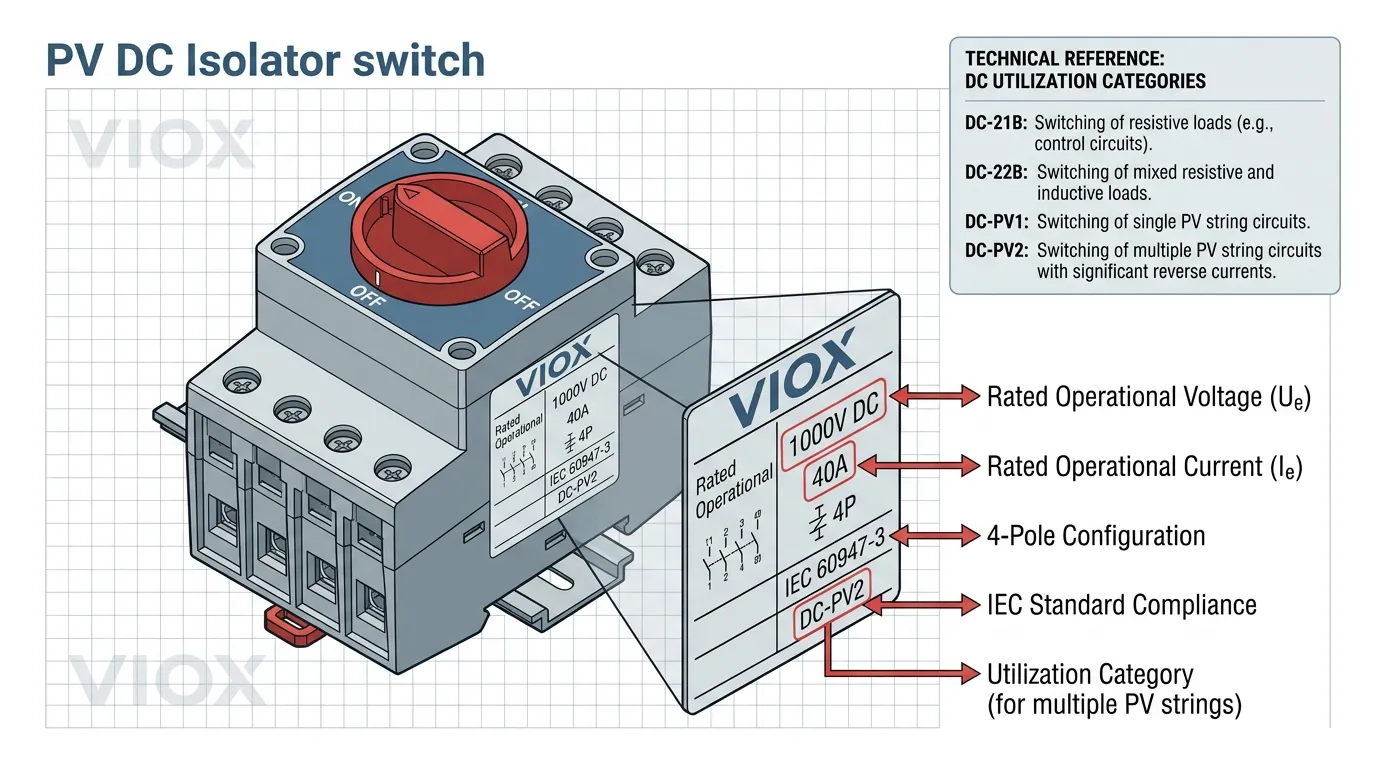
ဤတွင် အစိတ်အပိုင်းတစ်ခုစီက သင့်အား ပြောပြသည်-
1000 VDC— switch သည် ဖော်ပြထားသော တာဝန်အောက်တွင် 1000 V အထိ DC စနစ်များအတွက် ရည်ရွယ်ပါသည်။32 A— ၎င်းသည် သတ်မှတ်ထားသောအခြေအနေများအောက်တွင် 32 A အထိ ဆက်တိုက်သယ်ဆောင်နိုင်သည်။၄P— ၎င်းသည် အတွင်းပိုင်း switching စီစဉ်မှု သို့မဟုတ် circuit architecture မှ လိုအပ်နိုင်သော ဝင်ရိုးလေးခုကို အသုံးပြုသည်။IEC 60947-3— switch သည် သက်ဆိုင်ရာ IEC switch-disconnector စံနှုန်းနှင့်အညီ ချိန်ညှိထားသည်။DC-PV2— switch ကို ပိုမိုလိုအပ်သော photovoltaic switching တာဝန်အတွက် စမ်းသပ်ခဲ့သည်။
အင်ဂျင်နီယာ နောက်ဆက်တွဲ
တံဆိပ်ကိုဖတ်ခြင်းသည် ပထမအဆင့်သာဖြစ်သည်။ မှန်ကန်သော နောက်ဆက်တွဲမေးခွန်းများမှာ-
- အအေးချိန်ချိန်ညှိခြင်းအပါအဝင် ကျွန်ုပ်၏ အမှန်တကယ် အမြင့်ဆုံးစနစ်ဗို့အားသည် မည်မျှရှိသနည်း။
- ကျွန်ုပ်သည် မည်သည့် conductor စီစဉ်မှုကို ချိတ်ဆက်မှုဖြတ်တောက်နေသနည်း၊ ဝင်ရိုးဖွဲ့စည်းပုံသည် ကိုက်ညီမှုရှိပါသလား။
- အမှန်တကယ်ဝန်အခြေအနေမှာ အဘယ်နည်း- ခံနိုင်ရည်ရှိသော၊ inductive သို့မဟုတ် PV-specific လား။
- ဤအသုံးပြုမှုအမျိုးအစားသည် ဤ switching တာဝန်အတွက် အမှန်တကယ် သင့်လျော်ပါသလား။
အဆင့်သတ်မှတ်ချက် ရွေးချယ်မှု ဆုံးဖြတ်ချက် စီးဆင်းမှု
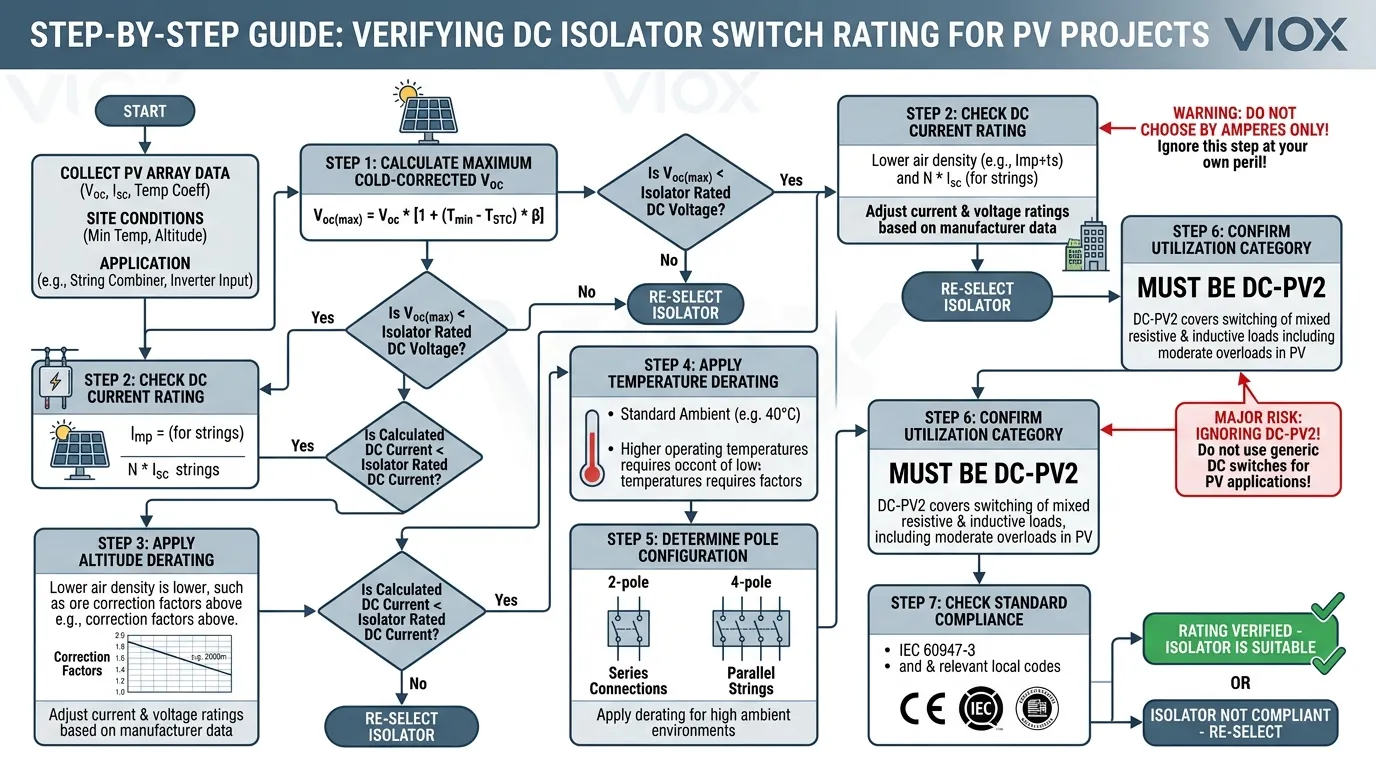
DC isolator ကို ရွေးချယ်သောအခါ၊ ဖွဲ့စည်းတည်ဆောက်ထားသော အစီအစဥ်တွင် အဆင့်သတ်မှတ်ချက်များကို လုပ်ဆောင်ခြင်းသည် အဖြစ်အများဆုံး အားနည်းချက်များကို ရှောင်ရှားရန် ကူညီပေးသည်။.
အဆင့် ၁- သင်၏ အမြင့်ဆုံး DC ဗို့အားကို ဆုံးဖြတ်ပါ။
အအေးချိန်ချိန်ညှိခြင်းအပါအဝင် သင့်စနစ်အတွက် အဆိုးဆုံး open-circuit ဗို့အားကို တွက်ချက်ပါ။ ဤနံပါတ်သည် သင်၏ အနည်းဆုံးဗို့အားလိုအပ်ချက် ဖြစ်လာသည်။.
အဆင့် ၂- ဗို့အားအဆင့်သတ်မှတ်ချက် (Ue) ကို အတည်ပြုပါ။
isolator သည် ထိုနံပါတ်နှင့် ကိုက်ညီကြောင်း သို့မဟုတ် ကျော်လွန်ကြောင်း စစ်ဆေးပါ။ မကိုက်ညီပါက အခြားအဆင့်သတ်မှတ်ချက်ကို မခွဲခြားဘဲ စက်ပစ္စည်းသည် အရည်အချင်းမပြည့်မီပါ။.
အဆင့် ၃- လက်ရှိအဆင့်သတ်မှတ်ချက် (Ie) ကို စစ်ဆေးပါ။
မျှော်လင့်ထားသော လည်ပတ်နေသော လျှပ်စီးကြောင်း၊ ပတ်ဝန်းကျင်အပူချိန်၊ အမြင့်၊ အကာအရံအမျိုးအစားနှင့် ထုတ်လုပ်သူမှ သတ်မှတ်ထားသော derating အချက်များအားလုံးကို စစ်ဆေးပါ။.
အဆင့် ၄- ဝင်ရိုးဖွဲ့စည်းပုံကို စစ်ဆေးပါ။
ဝင်ရိုးအရေအတွက်သည် သင်၏ circuit architecture နှင့် ထုတ်လုပ်သူ၏ အကြံပြုထားသော ဝါယာကြိုးပုံနှင့် ကိုက်ညီကြောင်း အတည်ပြုပါ။.
အဆင့် ၅- အသုံးပြုမှုအမျိုးအစားကို စစ်ဆေးပါ။
PV application များအတွက် DC-PV1 သို့မဟုတ် DC-PV2 ကို ရှာဖွေပါ။ ယေဘူယျ DC application များအတွက် DC-21B သို့မဟုတ် DC-22B သည် ဝန်အမျိုးအစားနှင့် ကိုက်ညီကြောင်း အတည်ပြုပါ။ အသုံးပြုမှုအမျိုးအစား ပျောက်ဆုံးနေပါက သို့မဟုတ် မရှင်းလင်းပါက ၎င်းကို အန္တရာယ်အချက်ပြအဖြစ် သဘောထားပါ။.
အဆင့် ၆- စံနှုန်းနှင့် အသိအမှတ်ပြုမှုအခြေခံကို အတည်ပြုပါ။
စက်ပစ္စည်းသည် ရည်ညွှန်းသင့်သည်။ IEC 60947-3 သို့မဟုတ် အခြားသက်ဆိုင်ရာ ဒေသဆိုင်ရာ စံနှုန်းအခြေခံ၊ ဥပမာ- UL 98B မြောက်အမေရိက photovoltaic အခြေအနေတွင်။.
စက်ပစ္စည်းသည် စစ်ဆေးမှု ခြောက်ခုလုံးကို အောင်မြင်ပါက အသေးစိတ် အင်ဂျင်နီယာသုံးသပ်ချက်သို့ ရွှေ့နိုင်သည်။ မည်သည့်အဆင့်တွင်မဆို ကျရှုံးပါက ထုတ်ကုန်ရွေးချယ်မှုအဆင့်သို့ ပြန်သွားပါ။.
အဖြစ်များသော ဖတ်ရှုခြင်းအမှားများနှင့် ၎င်းတို့ကို ရှောင်ရှားနည်း
အမှား ၁- လက်ရှိကို ဦးစွာကြည့်ခြင်း
ဤသည်မှာ အဖြစ်အများဆုံး စီးပွားဖြစ်အမှားဖြစ်သည်။ A 32 A ဗို့အားအတန်း သို့မဟုတ် switching တာဝန်သည် အမှန်တကယ်စနစ်နှင့် မကိုက်ညီသော်လည်း စက်ပစ္စည်းကို ပရောဂျက်တစ်ခုအတွက် အတည်ပြုပေးသည်။.
ရှောင်ရှားနည်း: ဗို့အားဖြင့် အမြဲစတင်ပါ။ လက်ရှိသည် အရေးကြီးသော်လည်း ဗို့အားသင့်လျော်မှုကို အတည်ပြုပြီးမှသာ အရေးကြီးပါသည်။.
အမှား ၂- အသုံးပြုမှုအမျိုးအစားကို လျစ်လျူရှုခြင်း
မှန်ကန်သော လျှပ်စီးကြောင်းနှင့် ဗို့အားရှိသော switch သည် အသုံးပြုမှုအမျိုးအစားသည် အမှန်တကယ် DC တာဝန်နှင့် မကိုက်ညီပါက မသင့်လျော်နိုင်သေးပါ။.
ရှောင်ရှားနည်း: အသုံးပြုမှုအမျိုးအစားကို မဖြစ်မနေရွေးချယ်ရမည့် စံနှုန်းအဖြစ် သဘောထားပါ၊ ရွေးချယ်နိုင်သော ဒေတာအမှတ်အဖြစ် မသဘောထားပါနှင့်။.
အမှား ၃- ဝင်ရိုးများများလေ ကောင်းလေဟု ယူဆခြင်း
ဝင်ရိုးများများလေ ပိုမိုလုံခြုံသော သို့မဟုတ် စွမ်းဆောင်နိုင်သော switch ကို အလိုအလျောက် ဆိုလိုခြင်းမဟုတ်ပါ။ ၎င်းတို့သည် သီးခြားအတွင်းပိုင်းနှင့် ပြင်ပ conductor အနှောက်အယှက်ပေးသည့် စီစဉ်မှုကို ညွှန်ပြသည်။.
ရှောင်ရှားနည်း: ထုတ်လုပ်သူ၏ ချိတ်ဆက်မှုပုံကို အမြဲရည်ညွှန်းပြီး သင့်သီးခြား circuit layout အတွက် ဝင်ရိုးများကို မည်သို့ဝါယာကြိုးတပ်ဆင်သင့်ကြောင်း အတည်ပြုပါ။.
အမှား ၄- AC နှင့်တူသော အမှတ်အသားများကို DC အတွက် လက်ခံနိုင်သည်ဟု သဘောထားခြင်း
အချို့သောထုတ်ကုန်များသည် ယေဘူယျပုံပေါက်သော သို့မဟုတ် AC application များနှင့် အဓိကဆက်စပ်နေသော အမှတ်အသားများကို သယ်ဆောင်သည်။ စက်ပစ္စည်းကို DC switching တာဝန်အတွက် ရှင်းရှင်းလင်းလင်း အဆင့်သတ်မှတ်ပြီး ခွဲခြားသတ်မှတ်မထားပါက သတိထားပါ။.
ရှောင်ရှားနည်း: ရှင်းလင်းသော DC ဗို့အားအမှတ်အသားများ၊ DC အသုံးပြုမှုအမျိုးအစားနှင့် ရည်ညွှန်းချက်ကို ရှာဖွေပါ။ IEC 60947-3 သို့မဟုတ် အခြားသက်ဆိုင်ရာ DC-သက်ဆိုင်ရာ စံနှုန်းအခြေခံ။.
အမြဲမေးလေ့ရှိသောမေးခွန်းများ
What is the first rating I should check on a DC isolator switch?
Start with the voltage rating, because a switch that is under-rated for DC voltage is immediately disqualified regardless of its current rating. In PV applications, check against the cold-corrected maximum Voc, not just the nominal system voltage.
What does 4P mean on a DC isolator switch?
It means the switch uses four poles to disconnect the circuit. In DC applications, this often affects how the conductors are routed and what voltage arrangement the switch can support.
What does DC-21B mean?
It is an IEC utilization category indicating the switching duty for which the device was tested. DC-21B corresponds to resistive or slightly inductive DC loads.
What do DC-PV1 and DC-PV2 mean on a solar isolator switch?
They are photovoltaic-specific utilization categories used in the IEC 60947-3 framework. DC-PV1 covers standard PV switching duty, while DC-PV2 covers more demanding PV conditions, including reverse-current scenarios.
Is current rating more important than utilization category?
No. Current rating tells you how much load the switch can carry. Utilization category tells you what kind of load and switching conditions the switch was designed to handle.
Can I choose a DC isolator by amperes only?
No. A correct selection also depends on maximum DC voltage, pole configuration, utilization category, and the specific application conditions.
နောက်ဘာလုပ်ရမလဲ
ယခု သင်သည် အဆင့်သတ်မှတ်ချက်များကို မည်သို့ဖတ်ရမည်ကို နားလည်ပြီဖြစ်သောကြောင့် နောက်တစ်ဆင့်မှာ ၎င်းတို့ကို သင်၏အမှန်တကယ်ပရောဂျက်တွင် အသုံးချရန်ဖြစ်သည်။.
- သီးခြားပရောဂျက်တစ်ခုအတွက် isolator ကို ရွေးချယ်နေပါက သင်၏အမှန်တကယ်စနစ် parameters များနှင့် နှိုင်းယှဉ်၍ ကိုယ်စားလှယ်လောင်းတစ်ခုစီကို အတည်ပြုရန် အထက်ပါ ခြောက်ဆင့် ဆုံးဖြတ်ချက် စီးဆင်းမှုကို အသုံးပြုပါ။.
- ဝါယာကြိုးဘက်တွင် အကူအညီလိုအပ်ပါက ဆက်လက်လုပ်ဆောင်ပါ။ ဒီစီ အိုင်ဆိုလေတာများ ချိတ်ဆက်ခြင်း (Connection of DC Isolators) ဝင်ရိုးတစ်ခုချင်းစီအတွက် ဝါယာကြိုးလမ်းညွှန်မှုအတွက်။.
- If you want to review VIOX DC isolator specifications, visit the DC Isolator Switch product page to compare voltage, current, pole, and utilization category data.
- If you need the broader fundamentals, go back to DC Isolator Switch ဆိုတာဘာလဲ။.