
As an engineer or facility manager, you’re looking at a high-voltage switchgear lineup. You see a large, complex Circuit Breaker. Right next to it, you see a simpler, manually-operated switch labeled “Isolator” သို့မဟုတ် “Disconnector.”
They both appear to “disconnect” the circuit. They both look like switches. But one costs ten times more than the other, and this isn’t a simple “good-better-best” scenario.
Here’s the complication: using one in place of the other is a catastrophic, potentially fatal mistake. Using an isolator to interrupt a live load—especially a fault current—will cause a violent arc flash, destroying the equipment and severely injuring or killing the operator.
So, what is the non-negotiable, fundamental difference between a circuit breaker and an isolator? And more importantly, how do you design a safe system that uses both correctly?
The Two Missions: Protection vs. Isolation
Before you can specify the right device, you must understand that circuit breakers and isolators operate on fundamentally different missions. This isn’t about features—it’s about purpose.
Circuit Breaker: The Automatic Guardian (Fault Protection)


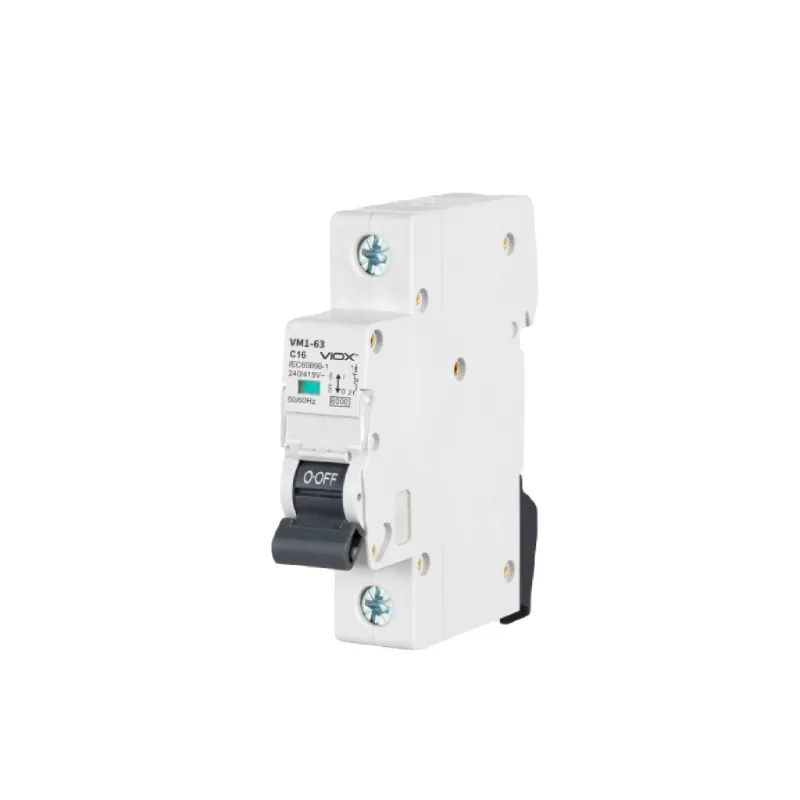
A circuit breaker is an automatic protective device designed to safeguard electrical circuits from damage caused by overcurrent conditions—overloads and short circuits.
How it works:
- During normal operation, current flows through closed contacts inside the circuit breaker
- A detection mechanism continuously monitors current levels (thermal element for overloads, magnetic coil for short circuits)
- When current exceeds safe thresholds, the detection mechanism triggers a tripping mechanism
- The circuit breaker automatically opens its contacts within milliseconds
- An integrated arc suppression system (oil, vacuum, SF6 gas, or air) safely extinguishes the electrical arc generated during interruption
- The circuit is now open—no current can flow until the breaker is manually reset
The mission: Protect equipment, wiring, and property by automatically disconnecting power the instant a fault occurs. Circuit breakers are on-load devices—they’re designed to interrupt current while it’s flowing, which requires sophisticated arc suppression technology.
Critical characteristics:
- Automatic operation: No human intervention required during faults
- On-load interruption: Can safely break circuits carrying full load current or fault current
- Arc suppression: Contains arc extinguishing systems to handle the plasma arc created when breaking current
- Resettable: Can be reset and reused after tripping (unlike fuses)
- Fast response: Trips within milliseconds to microseconds depending on fault severity
The fatal limitation for maintenance safety: Circuit breakers are NOT designed to guarantee zero voltage. They’re optimized for fast automatic interruption during faults, not for providing visible, verifiable isolation during maintenance. Internal contact mechanisms can develop faults. Mechanical linkages can fail partially. Residual voltage can remain even in the “off” position.
Pro-Tip : Never trust a circuit breaker alone for maintenance safety. Circuit breakers protect equipment from faults—they don’t protect technicians from circuits. Even when a circuit breaker is “off,” treat the circuit as potentially energized unless an isolator switch provides visible physical disconnection.
Isolator Switch: The Maintenance Gatekeeper (Safe Isolation)


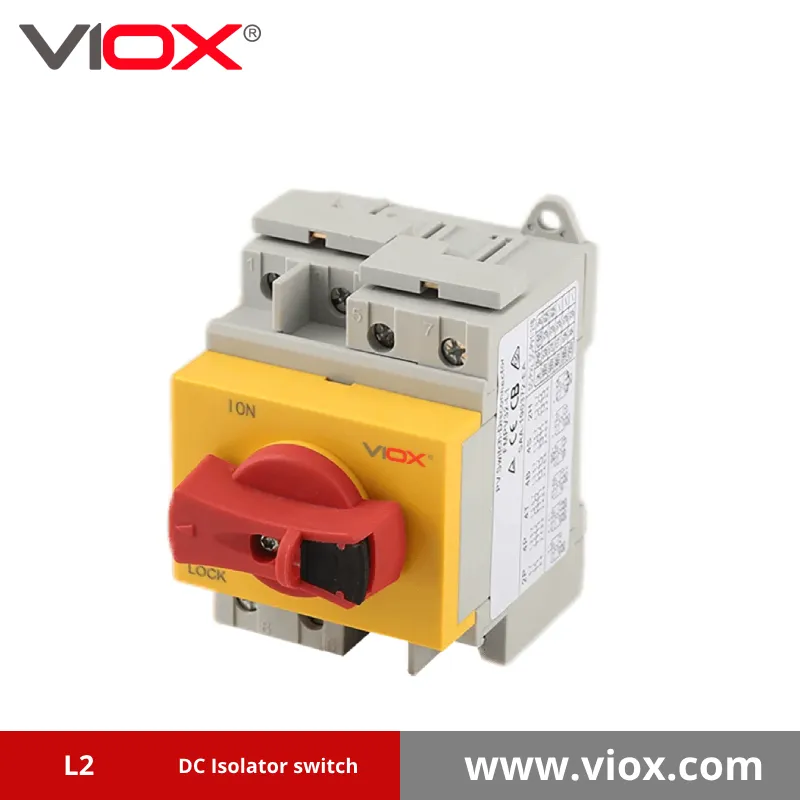
An isolator switch (also called a disconnector) is a manual device designed to provide visible, physical isolation of electrical circuits from power sources during maintenance, inspection, or repair.
How it works:
- Before operation, the circuit must be de-energized (load current must be zero)
- An operator manually opens the isolator using a handle or operating mechanism
- The isolator creates a visible air gap between contacts—you can physically see the disconnection
- This air gap provides absolute assurance that no current can flow
- Some isolators include position indicators or mechanical interlocks to prevent accidental closing
- The isolated circuit section can now be safely worked on with zero risk of electrical contact
The mission: Guarantee zero voltage during maintenance by creating visible, physical separation from power sources. Isolators are off-load devices—they must never be operated while current is flowing because they lack arc suppression systems.
Critical characteristics:
- Manual operation: Always requires deliberate human action
- Off-load only: Can only be operated when circuit current is zero (circuit breaker must open first)
- Visible isolation: Creates an air gap you can physically see and verify
- No arc suppression: Not designed to interrupt current—will create dangerous arcing if operated under load
- Position indication: Often includes visible open/closed status indicators
- Lockout capability: Can be mechanically locked in the open position for safety
The fatal limitation for fault protection: Isolators cannot protect against electrical faults. They have no automatic detection, no arc suppression, and no ability to safely interrupt fault currents. Operating an isolator under load causes catastrophic arcing that destroys the device and creates fire hazards.
Key Takeaway : Isolators and circuit breakers must work as a team. Circuit breakers handle automatic fault protection during operation. Isolators provide visible safety isolation during maintenance. Trying to use one device for both missions creates dangerous gaps in either operational protection or maintenance safety.
The Engineer’s 3-Step Framework: Correct Specification and Operation
Now that you understand the fundamental missions, here’s the systematic framework for ensuring both devices are correctly specified, installed, and operated in your electrical systems.
Step 1: Map Your Dual Requirements (Protection AND Isolation Analysis)
Every electrical circuit in your facility needs to answer two separate questions:
Question 1: “What protection does this circuit need during operation?”
This determines your circuit breaker requirements:
- Overcurrent protection rating: What’s the maximum safe operating current? What’s the short-circuit breaking capacity required?
- Response speed: Does this circuit serve sensitive electronics requiring ultra-fast protection (electronic trip), or standard industrial loads (thermal-magnetic)?
- Special protection: Does this circuit require ground fault protection (GFCI), arc fault protection (AFCI), or motor-specific protection?
Question 2: “Will maintenance personnel ever need to work on this circuit while it’s energized elsewhere?”
This determines your isolator requirements:
- High-risk circuits: Any circuit serving equipment requiring regular maintenance (motors, control panels, lighting systems, HVAC units) needs isolators
- Safety-critical locations: Circuits in hazardous environments (flammable areas, wet locations, high-voltage systems) require isolators with lockout capability
- Accessibility: Isolators must be positioned where maintenance personnel can easily access and verify the visible open position
The critical insight: Almost every industrial and commercial circuit needs both devices—a circuit breaker for automatic fault protection during operation, plus isolators for safe maintenance isolation. Residential circuits typically need only circuit breakers because homeowners don’t perform maintenance on energized systems.
ဆုံးဖြတ်ချက်ဇယား-
| ပတ်လမ်းအမျိုးအစား | Circuit Breaker Required? | Isolator Required? | Typical Configuration |
|---|---|---|---|
| မော်တာထိန်းချုပ်ဆားကစ်များ | ✓ Yes (motor-rated) | ✓ Yes (both sides) | Isolator → Circuit Breaker → Isolator → Motor |
| မီးထိန့်အကန့်များ (စီးပွားရေးသုံး) | ✓ ဟုတ်သည်။ | ✓ ဟုတ်သည်။ | Isolator → Circuit Breaker → မီးဖြန့်ဖြူးခြင်း |
| Transformer feeders | ✓ မှန်ပါသည် (high breaking capacity) | ✓ Yes (both sides) | Isolator → Circuit Breaker → Isolator → Transformer |
| HVAC ပစ္စည်းများ | ✓ ဟုတ်သည်။ | ✓ ဟုတ်သည်။ | Isolator → Circuit Breaker → Equipment disconnect |
| လူနေအိမ်ခွဲထွက်ဆားကစ်များ | ✓ ဟုတ်သည်။ | များသောအားဖြင့် မဟုတ်ပါ | Panel circuit breaker သာ |
| Data center equipment | ✓ ဟုတ်သည်။ | ✓ မှန်ပါသည် (redundant) | Multiple isolation points |
ကျွမ်းကျင်သူအကြံပြုချက်- ကြီးမားသောမော်တာများ သို့မဟုတ် ထရန်စဖော်မာများကဲ့သို့ အရေးကြီးသောပစ္စည်းများအတွက်၊ circuit breaker ၏နှစ်ဖက်စလုံးတွင် isolator များကို အမြဲသတ်မှတ်ပါ။ ဤ dual-isolation configuration သည် စနစ်၏ကျန်အစိတ်အပိုင်းများကို စွမ်းအင်ဖြည့်တင်းထားစဉ် circuit breaker ကိုယ်တိုင်တွင် ပြုပြင်ထိန်းသိမ်းမှုပြုလုပ်နိုင်စေပြီး အရင်းအမြစ်နှင့်ဝန်နှစ်ဖက်စလုံးမှ လုံခြုံရေးဆိုင်ရာ သီးခြားခွဲထုတ်ခြင်းကို ပေးပါသည်။.
အဆင့် ၂- ဆက်တိုက်လည်ပတ်မှုလုပ်ထုံးလုပ်နည်းကို ဒီဇိုင်းဆွဲပါ (အသက်ကယ်အစီအစဉ်)
ဤတွင် ပြုပြင်ထိန်းသိမ်းမှုဆိုင်ရာ မတော်တဆမှုများ ဖြစ်ပွားလေ့ရှိသည်- circuit breaker များနှင့် isolator များကို မှားယွင်းသောအစီအစဉ်အတိုင်း လည်ပတ်ခြင်း။ မှန်ကန်သောအစီအစဉ်သည် ညှိနှိုင်း၍မရနိုင်ဘဲ လေ့ကျင့်သင်ကြားမှု၊ ဆိုင်းဘုတ်များနှင့် ဖြစ်နိုင်လျှင် စက်ပိုင်းဆိုင်ရာ အပြန်အလှန်ချိတ်ဆက်မှုများမှတစ်ဆင့် အတည်ပြုရမည်။.
အရေးကြီးသောစည်းမျဉ်း- “Load-Last, Source-First” မူ
ပါဝါဖြတ်တောက်ခြင်း (ပြုပြင်ထိန်းသိမ်းမှုအတွက် ပြင်ဆင်ခြင်း)
- ပထမဦးစွာ- circuit breaker ကိုဖွင့်ပါ (၎င်းသည် arc suppression ကိုအသုံးပြု၍ ဝန်လျှပ်စီးကို ဘေးကင်းစွာ ဖြတ်တောက်သည်)
- ဒုတိယ- သုညလျှပ်စီးကြောင်းကို စစ်ဆေးပါ (ammeter သို့မဟုတ် current indicator ကိုသုံးပါ)
- တတိယ- isolator (များ) ကိုဖွင့်ပါ (ယခု လျှပ်စီးကြောင်း သုညဖြစ်သောကြောင့် လည်ပတ်ရန် ဘေးကင်းသည်)
- စတုတ္ထ- မြင်နိုင်သော ပွင့်လင်းအနေအထားကို စစ်ဆေးပါ (လေဟာနယ်ကို ကိုယ်တိုင်မြင်ပါ)
- ပဉ္စမ- isolator ကို လော့ခ်ချပြီး တဂ်ထိုးပါ (မတော်တဆ ပြန်လည်စွမ်းအင်ဖြည့်တင်းခြင်းကို တားဆီးပါ)
- ဆဋ္ဌမ- ဗို့အားကို စမ်းသပ်ပါ (သုညဗို့အားကို အတည်ပြုရန် ဗို့အားစမ်းသပ်ကိရိယာကို သုံးပါ)
ပါဝါပြန်လည်ချိတ်ဆက်ခြင်း (ဝန်ဆောင်မှုသို့ ပြန်လည်ရောက်ရှိခြင်း)
- ပထမဦးစွာ- isolator မှ လော့ခ်ချခြင်း/တဂ်ထုတ်ခြင်းကို ဖယ်ရှားပါ
- ဒုတိယ- isolator (များ) ကိုပိတ်ပါ (circuit breaker သည် ပွင့်နေသေးသောကြောင့် ဘေးကင်းသည်)
- တတိယ- isolator ပိတ်အနေအထားကို စစ်ဆေးပါ
- စတုတ္ထ- circuit breaker ကိုပိတ်ပါ (၎င်းသည် circuit ကို ဘေးကင်းစွာ စွမ်းအင်ဖြည့်တင်းပေးသည်)
ဤအစီအစဉ်သည် အသက်နှင့်သေခြင်းအကြား အဘယ်ကြောင့် အရေးကြီးသနည်း။
- ❌ မှားယွင်းသောအစီအစဉ် (သေစေနိုင်သည်)- circuit breaker ကိုမဖွင့်မီ isolator ကိုဖွင့်ခြင်းသည် isolator ကို ဝန်လျှပ်စီးကို ဖြတ်တောက်ရန် တွန်းအားပေးသည်။ arc suppression မပါဘဲ၊ ၎င်းသည်-
- isolator contacts များကြားတွင် ဆက်တိုက်လျှပ်စစ်ဓာတ်အားဖြတ်တောက်ခြင်း
- အလွန်အမင်းအပူချိန် (arcs များသည် 35,000°F / 19,000°C သို့ရောက်ရှိနိုင်သည်)
- contact material ၏ ပေါက်ကွဲစေတတ်သော အငွေ့ပျံခြင်း
- လည်ပတ်သူများအား ပြင်းထန်စွာလောင်ကျွမ်းစေခြင်း
- ပျက်စီးသွားသော သို့မဟုတ် ဖျက်ဆီးခံရသော isolator
- မီးဘေးအန္တရာယ်
- ❌ မှားယွင်းသောအစီအစဉ် (သေစေနိုင်သည်)- isolator များကိုမပိတ်မီ circuit breaker ကိုပိတ်ခြင်းသည် ပွင့်နေသော isolator မှတစ်ဆင့် စနစ်တစ်ခုအား စွမ်းအင်ဖြည့်တင်းရန် ကြိုးစားခြင်းဖြစ်ပြီး ၎င်းသည်-
- isolator လေဟာနယ်ကို ဖြတ်၍ flashover ဖြစ်ခြင်း
- ဗို့အား transients ကြောင့် ပစ္စည်းကိရိယာများ ပျက်စီးခြင်း
- စနစ်အခြေအနေနှင့်ပတ်သက်၍ လည်ပတ်သူများ ရှုပ်ထွေးခြင်း
ကျွမ်းကျင်သူအကြံပြုချက်- circuit breaker ကို ဦးစွာမဖွင့်မချင်း isolator များကိုဖွင့်ခြင်းမှ ရုပ်ပိုင်းဆိုင်ရာအရ တားဆီးပေးသော စက်ပိုင်းဆိုင်ရာ အပြန်အလှန်ချိတ်ဆက်မှုများကို တပ်ဆင်ပါ။ ဤ Kirk Key စနစ်များ သို့မဟုတ် trapped-key interlocks များသည် မှားယွင်းသောအစီအစဉ်ကို စက်ပိုင်းဆိုင်ရာအရ မဖြစ်နိုင်စေခြင်းဖြင့် လူသားအမှားအယွင်းအချက်ကို ဖယ်ရှားပေးပါသည်။ ဗို့အားမြင့် သို့မဟုတ် အန္တရာယ်မြင့်မားသော စနစ်များအတွက်၊ interlocks များသည် ရွေးချယ်ခွင့်မဟုတ်ပါ—၎င်းတို့သည် မဖြစ်မနေ လိုအပ်ပါသည်။.
လည်ပတ်မှုဆိုင်ရာ အစီအစဉ်စည်းမျဉ်း (ဘယ်တော့မှ မချိုးဖောက်ပါနှင့်)-
စွမ်းအင်လျှော့ချခြင်း- Circuit Breaker OPEN → Isolator OPEN → Lock → Test → Work
စွမ်းအင်ပြန်လည်ဖြည့်တင်းခြင်း- Isolator CLOSE → Circuit Breaker CLOSE
မှားယွင်းသောရွေးချယ်မှုပြုလုပ်ပါ—ပြုပြင်ထိန်းသိမ်းမှုအတွက် circuit breaker တစ်ခုတည်းကိုသုံးပါ—ထိုအခါ ပြုပြင်ထိန်းသိမ်းမှုကြောင့် သေဆုံးမှုနှင့်ပတ်သက်၍ နံနက် ၃ နာရီတွင် ဖုန်းခေါ်ဆိုမှုကို သင်စွန့်စားရမည်ဖြစ်သည်။ ဤမူဘောင်ကို အသုံးပြု၍ မှန်ကန်သောရွေးချယ်မှုပြုလုပ်ပါ—စက်ပစ္စည်းနှစ်ခုလုံးကို သတ်မှတ်ပါ၊ မှန်ကန်သော ဆက်တိုက်လုပ်ထုံးလုပ်နည်းများကို အကောင်အထည်ဖော်ပါ၊ လိုက်နာမှုအတွက် စစ်ဆေးပါ—ထိုအခါ သင်သည် ချို့ယွင်းချက်များအတွင်း စက်ပစ္စည်းများကို ကာကွယ်ပေးပြီး ပြုပြင်ထိန်းသိမ်းမှုအတွင်း ဝန်ထမ်းများကို ကာကွယ်ပေးသည့် လျှပ်စစ်စနစ်များကို တည်ဆောက်ပါသည်။.
သင့်လျော်သောကာကွယ်မှုနှင့် မသင့်လျော်သောကာကွယ်မှုကြား ကုန်ကျစရိတ်ကွာခြားမှုမှာ အနည်းငယ်သာရှိသည်- circuit breaker သို့ isolator များထည့်ခြင်းသည် circuit တစ်ခုလျှင် $150-300 ထပ်တိုးနိုင်သည်။ ပြုပြင်ထိန်းသိမ်းမှုဆိုင်ရာ မတော်တဆမှု သို့မဟုတ် စက်ပစ္စည်းပျက်ကွက်မှု၏ ကုန်ကျစရိတ်သည် တာဝန်ယူမှု၊ ရပ်ဆိုင်းချိန်နှင့် စည်းမျဉ်းဆိုင်ရာ ပြစ်ဒဏ်များတွင် သိန်းနှင့်ချီ၍ ကုန်ကျနိုင်သည်။.
သင့်စက်ရုံ၏ လျှပ်စစ်ဘေးကင်းမှုကို စစ်ဆေးရန် အဆင်သင့်ဖြစ်ပြီလား။ သင့်လျော်သော သီးခြားခွဲထုတ်မှုမရှိသော ဆားကစ်များကို ဖော်ထုတ်ရန်၊ ဆက်တိုက်လိုအပ်ချက်များနှင့်အညီ သင့်လော့ခ်ချခြင်း-တဂ်ထုတ်ခြင်းဆိုင်ရာ လုပ်ထုံးလုပ်နည်းများကို ပြန်လည်သုံးသပ်ရန်နှင့် ပြီးပြည့်စုံသောကာကွယ်မှုပေးသည့် circuit breaker များနှင့် isolator များ၏ ပေါင်းစပ်မှုကို သတ်မှတ်ရန် အဆင့် ၃ စစ်ဆေးစာရင်းကို အသုံးပြုပါ။ သင့်ပြုပြင်ထိန်းသိမ်းရေးအဖွဲ့၏ ဘေးကင်းမှုသည် ၎င်းအပေါ်တွင် မူတည်ပါသည်။.
မကြာခဏမေးလေ့ရှိသောမေးခွန်းများ- Circuit Breaker နှင့် Isolator ရွေးချယ်ခြင်း
မေး- ပိုက်ဆံချွေတာရန်အတွက် ပြုပြင်ထိန်းသိမ်းမှုအတွင်း circuit breaker ကို isolator အဖြစ် သုံးနိုင်ပါသလား။
ဖြေ- မရပါ။ ၎င်းသည် လျှပ်စစ်ဘေးကင်းမှုတွင် #1 သေစေနိုင်သောအမှားဖြစ်သည်။ Circuit breaker များသည် ချို့ယွင်းချက်များမှ ကာကွယ်ပေးသော်လည်း ပြုပြင်ထိန်းသိမ်းမှုအတွင်း သုညဗို့အားကို အာမမခံပါ။ အတွင်းပိုင်း contacts များသည် လုံးဝမကွဲကွာနိုင်ပါ၊ ကျန်ရှိသောဗို့အားသည် ကျန်ရှိနေနိုင်ပြီး သီးခြားခွဲထုတ်ခြင်းကို မြင်နိုင်သောအတည်ပြုချက်မရှိပါ။ ပြုပြင်ထိန်းသိမ်းမှုဘေးကင်းရေးအတွက် မြင်နိုင်သော ပွင့်လင်းအနေအထားပါရှိသော သီးခြား isolator ကို အမြဲသုံးပါ။ isolator ($50-200) ထည့်ခြင်း၏ ကုန်ကျစရိတ်သည် ပြုပြင်ထိန်းသိမ်းမှုဆိုင်ရာ မတော်တဆမှုမှ တာဝန်ယူမှုနှင့် စည်းမျဉ်းဆိုင်ရာ ပြစ်ဒဏ်များနှင့် နှိုင်းယှဉ်လျှင် အရေးမပါပါ။.
မေး- circuit breaker ၏ နှစ်ဖက်စလုံးတွင် isolator များ အဘယ်ကြောင့် လိုအပ်သနည်း။
ဖြေ- Dual isolation သည် အရေးကြီးသော လုပ်ဆောင်ချက်သုံးခုကို လုပ်ဆောင်သည်- (၁) အရင်းအမြစ်ဘက် isolator သည် circuit breaker ကိုယ်တိုင်တွင် ဘေးကင်းစွာ ပြုပြင်ထိန်းသိမ်းမှုပြုလုပ်နိုင်စေသည်၊ (၂) ဝန်ဘက် isolator သည် စမ်းသပ်မှုအတွက် breaker ကို စွမ်းအင်ဖြည့်တင်းထားစဉ် စက်ပစ္စည်းကို ဘေးကင်းစွာ ပြုပြင်ထိန်းသိမ်းမှုပြုလုပ်နိုင်စေသည်၊ နှင့် (၃) isolator တစ်ခု ပျက်ကွက်ပါက Redundant safety။ 10 HP အထက် မော်တာများနှင့် အရေးကြီးသော စက်ပစ္စည်းများအတွက်၊ dual isolation ကို လျှပ်စစ်ကုဒ်များ (NEC 430.102, IEC 60947-3) မှ လိုအပ်ပါသည်။.
မေး- လျှပ်စီးကြောင်း စီးဆင်းနေစဉ် မတော်တဆ isolator ကိုဖွင့်မိပါက ဘာဖြစ်မလဲ။
ဖြေ- Catastrophic arcing။ isolator များတွင် arc suppression စနစ်များမရှိသောကြောင့် ဝန်အောက်တွင်ဖွင့်ခြင်းသည် 35,000°F သို့ရောက်ရှိနိုင်သော ဆက်တိုက်လျှပ်စစ်ဓာတ်အားဖြတ်တောက်ခြင်းကို ဖြစ်ပေါ်စေပြီး ပြင်းထန်စွာလောင်ကျွမ်းခြင်း၊ isolator ကိုဖျက်ဆီးခြင်း၊ contacts များကိုအတူတကွဂဟေဆော်ခြင်းနှင့် မီးဘေးအန္တရာယ်များကို ဖန်တီးပေးသည်။ ထို့ကြောင့် circuit breaker မဖွင့်မချင်း isolator များကိုဖွင့်ခြင်းမှ တားဆီးပေးသော စက်ပိုင်းဆိုင်ရာ အပြန်အလှန်ချိတ်ဆက်မှုများသည် အန္တရာယ်မြင့်မားသော တပ်ဆင်မှုများအတွက် မဖြစ်မနေ လိုအပ်ပါသည်။.
မေး- isolator သည် အမှန်တကယ်ပွင့်နေပြီး circuit သည် စွမ်းအင်လျှော့ချထားကြောင်း မည်သို့အတည်ပြုနိုင်မည်နည်း။
ဖြေ- “Look-Lock-Test” လုပ်ထုံးလုပ်နည်းကို သုံးပါ- (၁) မြင်နိုင်သော ပွင့်လင်းအနေအထားကို အတည်ပြုရန်နှင့် ဖြစ်နိုင်လျှင် ရုပ်ပိုင်းဆိုင်ရာ လေဟာနယ်ကိုကြည့်ရန် isolator လက်ကိုင်/ညွှန်ပြချက်ကို ကြည့်ပါ၊ (၂) သင့်ကိုယ်ပိုင်တဂ်ကို လော့ခ်ချပြီး isolator ကို ပွင့်လင်းအနေအထားတွင် လော့ခ်ချပါ၊ (၃) အလုပ်တည်နေရာတွင် သင့်လျော်သောအဆင့်သတ်မှတ်ထားသော ဗို့အားစမ်းသပ်ကိရိယာကို အသုံးပြု၍ ဗို့အားကို စမ်းသပ်ပါ။ မည်သည့်နည်းလမ်းတစ်ခုတည်းကိုမျှ မယုံကြည်ပါနှင့်—မြင်သာသောအတည်ပြုချက်၊ ရုပ်ပိုင်းဆိုင်ရာ လော့ခ်ချခြင်းနှင့် လျှပ်စစ်စမ်းသပ်ခြင်းတို့ကို ပေါင်းစပ်ပါ။.
မေး- စက်ပစ္စည်းကို ဝန်ဆောင်မှုသို့ ပြန်လည်ရောက်ရှိသောအခါ မှန်ကန်သောအစီအစဉ်ကဘာလဲ။
ဖြေ- သီးခြားခွဲထုတ်ခြင်းအစီအစဉ်ကို ပြောင်းပြန်လှန်ပါ- (၁) isolator မှ လော့ခ်ချကိရိယာများနှင့် တဂ်များကို ဖယ်ရှားပါ၊ (၂) isolator ခလုတ်ကိုပိတ်ပါ (breaker သည် ပွင့်နေသေးသောကြောင့် ဘေးကင်းသည်)၊ (၃) isolator ပိတ်အနေအထားကို စစ်ဆေးပါ၊ (၄) ဘေးကင်းသောအကွာအဝေးမှ circuit breaker ကို ရှင်းလင်းပြီး ပိတ်ပါ၊ (၅) ပုံမှန်လည်ပတ်မှုကို စစ်ဆေးပါ။ isolator များကိုမပိတ်မီ circuit breaker ကို ဘယ်တော့မှ မပိတ်ပါနှင့်—၎င်းသည် ပွင့်နေသော isolator မှတစ်ဆင့် စွမ်းအင်ဖြည့်တင်းရန် ကြိုးစားခြင်းဖြစ်ပြီး flashover ဖြစ်စေနိုင်သည်။.
မေး- လူနေအိမ်လျှပ်စစ်အကန့်များတွင် circuit breaker များနှင့် isolator နှစ်ခုလုံး လိုအပ်ပါသလား။
ဖြေ- လူနေအိမ်အကန့်များသည် ပုံမှန်အားဖြင့် circuit breaker များကိုသာ အသုံးပြုကြသည်၊ အဘယ်ကြောင့်ဆိုသော် အိမ်ပိုင်ရှင်များသည် စွမ်းအင်ဖြည့်တင်းထားသော စနစ်များတွင် ပြုပြင်ထိန်းသိမ်းမှုမပြုလုပ်သောကြောင့်—၎င်းတို့သည် လျှပ်စစ်ပညာရှင်များကို ခေါ်ယူကြပြီး ၎င်းတို့သည် ပင်မဝန်ဆောင်မှု ဖြတ်တောက်မှုတွင် သင့်လျော်သော လော့ခ်ချခြင်း-တဂ်ထုတ်ခြင်းဆိုင်ရာ လုပ်ထုံးလုပ်နည်းများကို အသုံးပြုကြသည်။ သို့သော် မော်တာများ (ရေကူးကန်ပန့်များ၊ HVAC ယူနစ်များ) သို့မဟုတ် အိမ်ပိုင်ရှင်များသည် ၎င်းတို့၏ကိုယ်ပိုင်အလုပ်များကို လုပ်ဆောင်သည့် အလုပ်ရုံများပါရှိသော လူနေအိမ်တပ်ဆင်မှုများအတွက်၊ စက်ပစ္စည်းအနီးတွင် မြင်နိုင်သော ဖြတ်တောက်ခလုတ်တစ်ခုထည့်ခြင်းသည် အရေးကြီးသော ဘေးကင်းမှုကို ပေးပါသည်။.
မေး- စက်ပိုင်းဆိုင်ရာ အပြန်အလှန်ချိတ်ဆက်မှုများကား အဘယ်နည်း၊ ၎င်းတို့ကို မည်သည့်အချိန်တွင် လိုအပ်သနည်း။
ဖြေ- စက်ပိုင်းဆိုင်ရာ အပြန်အလှန်ချိတ်ဆက်မှုများ (Kirk Key စနစ်များ၊ trapped-key interlocks) သည် လည်ပတ်သူများအား circuit breaker ကို ဦးစွာမဖွင့်မချင်း isolator များကိုဖွင့်ခြင်းမှ ရုပ်ပိုင်းဆိုင်ရာအရ တားဆီးပေးပြီး isolator များကိုမပိတ်မချင်း circuit breaker များကိုပိတ်ခြင်းမှ တားဆီးပေးပါသည်။ ၎င်းတို့သည် မှားယွင်းသောအစီအစဉ်ကို စက်ပိုင်းဆိုင်ရာအရ မဖြစ်နိုင်စေခြင်းဖြင့် လူသားအမှားအယွင်းကို ဖယ်ရှားပေးပါသည်။ Interlocks များသည် မဖြစ်မနေ လိုအပ်သည်- ဗို့အားမြင့်စနစ်များ (>1000V)၊ အန္တရာယ်ရှိသောနေရာများ၊ အရေးကြီးသော အခြေခံအဆောက်အအုံများနှင့် လည်ပတ်သူ၏အမှားသည် သေဆုံးခြင်း သို့မဟုတ် ပြင်းထန်သောဒဏ်ရာကို ဖြစ်စေနိုင်သည့် မည်သည့်တပ်ဆင်မှုမဆို။ စက်မှုလုပ်ငန်းဆိုင်ရာ အဆောက်အအုံများအတွက်၊ interlocks များသည် တရားဝင်မလိုအပ်သည့်တိုင် အကောင်းဆုံးအလေ့အကျင့်ဖြစ်သည်။.