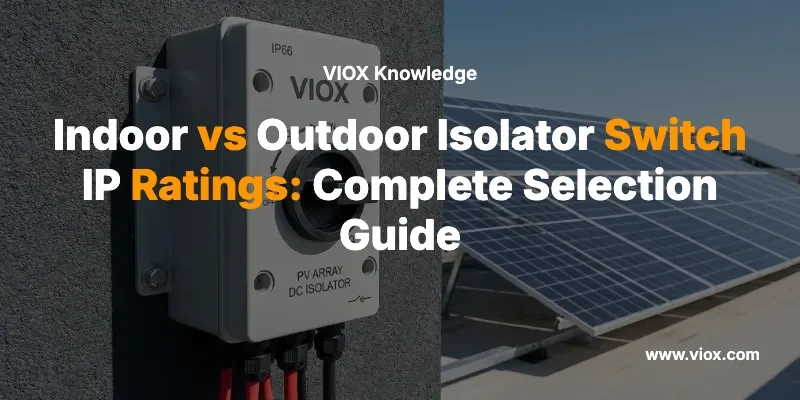
សេចក្តីផ្តើម៖ ពេលណាដែលកម្រិត IP សំខាន់
ក្រុមហ៊ុនម៉ៅការដំឡើងថាមពលពន្លឺព្រះអាទិត្យមួយនៅអារីហ្សូណាបានរៀនមេរៀនដ៏មានតម្លៃកាលពីរដូវក្តៅមុន។ បីខែបន្ទាប់ពីដាក់ឱ្យដំណើរការបន្ទះដំបូលពាណិជ្ជកម្ម 500kW ម្ចាស់បានទូរស័ព្ទមកដោយមានបញ្ហា៖ ពាក់កណ្តាលនៃ ឧបករណ៍ផ្តាច់ចរន្ត DC មានទំនាក់ទំនងច្រេះ ហើយមិនអាចបើកបានទេ។ ក្រុមហ៊ុនម៉ៅការបានបញ្ជាក់ឧបករណ៍ប្តូរក្នុងផ្ទះដែលមានកម្រិត IP40 ដែលបានរុំព័ទ្ធក្នុងប្រអប់ NEMA 3R ដោយសន្មតថាស្រោមខាងក្រៅនឹងផ្តល់ការការពារគ្រប់គ្រាន់។ ប៉ុន្តែធូលីវាលខ្សាច់បានជ្រាបចូលតាមរយៈច្រកខ្សែកាប ហើយសំណើមមូសុងបានកកនៅខាងក្នុង។ លទ្ធផល៖ ការជំនួសឧបករណ៍ប្តូរមានតម្លៃ 12,000 ដុល្លារ ការឈប់សម្រាកពីរអាទិត្យ និងកេរ្តិ៍ឈ្មោះខូច។.
កម្រិត IP (Ingress Protection) របស់ឧបករណ៍ផ្តាច់ចរន្ត មិនមែនគ្រាន់តែជាលក្ខណៈបច្ចេកទេសនៅក្នុងកាតាឡុកនោះទេ វាជាកត្តាកំណត់ចម្បងថាតើឧបករណ៍ប្តូររបស់អ្នកអាចប្រើប្រាស់បានយូរប៉ុណ្ណាក្នុងបរិយាកាសដំឡើងរបស់វា។ ប្រសិនបើជ្រើសរើសកម្រិតទាបពេក អ្នកនឹងប្រឈមមុខនឹងការខូចខាតមុនអាយុ គ្រោះថ្នាក់សុវត្ថិភាព និងការជំនួសនៅនឹងកន្លែងដែលមានតម្លៃថ្លៃ។ ប្រសិនបើបញ្ជាក់កម្រិតខ្ពស់ពេក អ្នកកំពុងចំណាយប្រាក់សម្រាប់ការការពារដែលអ្នកមិនត្រូវការ។.
មគ្គុទ្ទេសក៍នេះបញ្ជាក់ពីភាពខុសគ្នានៃបច្ចេកទេសរវាងតម្រូវការឧបករណ៍ប្តូរក្នុងផ្ទះ និងក្រៅផ្ទះ ពន្យល់ពីរបៀបបកស្រាយកម្រិត IP ក្រោម IEC 60529 និងផ្តល់នូវក្របខ័ណ្ឌជាក់ស្តែងសម្រាប់ការផ្គូផ្គងកម្រិតការពារទៅនឹងបរិយាកាសដំឡើង។ មិនថាអ្នកកំពុងបញ្ជាក់ឧបករណ៍ផ្តាច់ចរន្ត DC សម្រាប់កសិដ្ឋានថាមពលពន្លឺព្រះអាទិត្យ ឧបករណ៍ប្តូរ AC សម្រាប់ការគ្រប់គ្រងម៉ូទ័រឧស្សាហកម្ម ឬរចនាបន្ទះចែកចាយ ការយល់ដឹងអំពីតម្រូវការកម្រិត IP នឹងជួយសង្រ្គោះអ្នកពីកំហុសរបស់ក្រុមហ៊ុនម៉ៅការនៅអារីហ្សូណា។.
ការយល់ដឹងអំពីស្តង់ដារកម្រិត IP៖ ការបកស្រាយកូដ IEC 60529
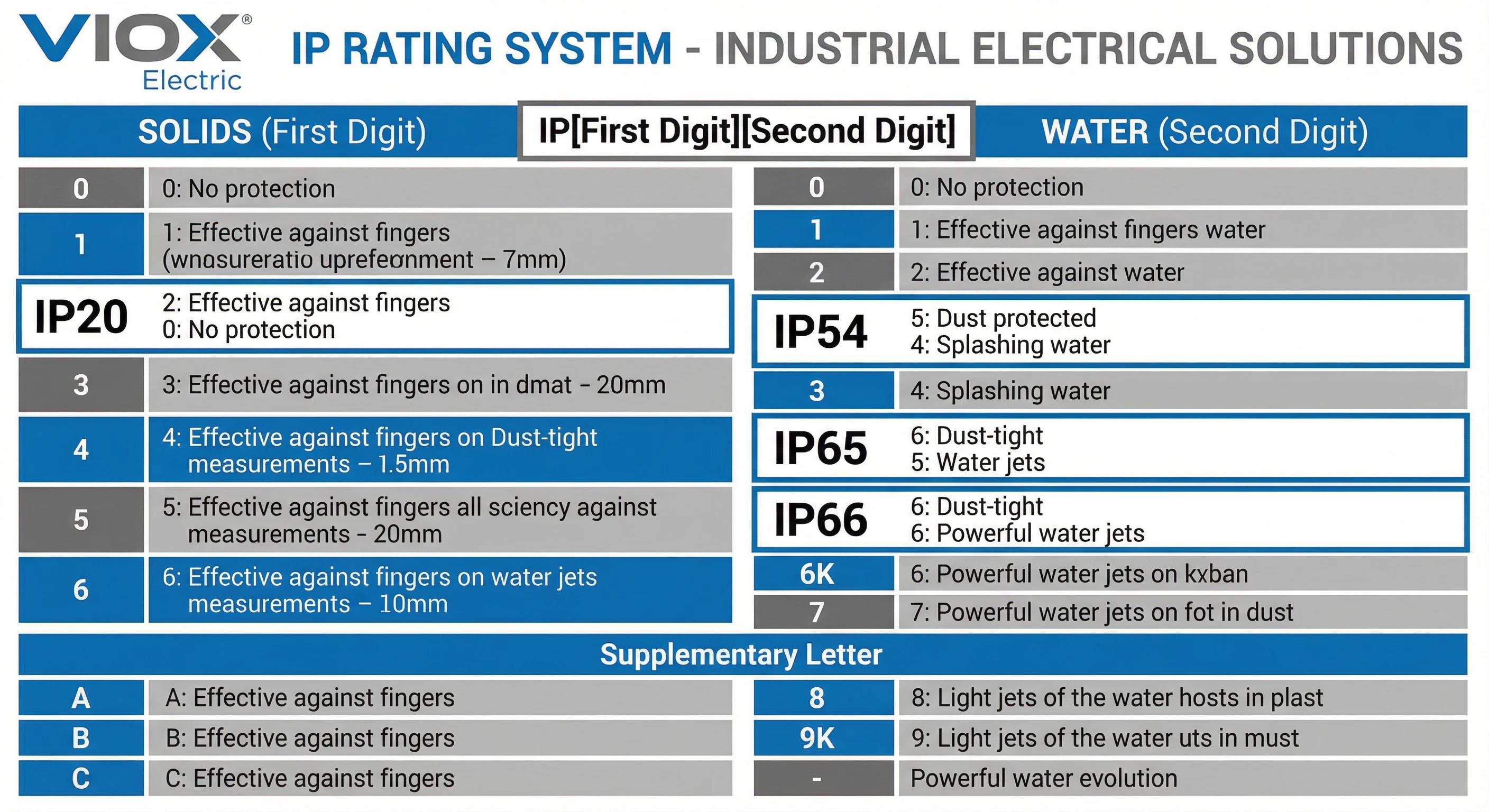
កូដ IP ប្រើខ្ទង់ពីរដើម្បីបង្ហាញពីដំណើរការការពារ។ វាសាមញ្ញជាងអ្វីដែលអ្នកគិត នៅពេលដែលអ្នកយល់ពីរចនាសម្ព័ន្ធរបស់វា។.
ទម្រង់កម្រិត IP៖ IP [ខ្ទង់ទីមួយ] [ខ្ទង់ទីពីរ]
ខ្ទង់ទីមួយ (0-6) បង្ហាញពីការការពារប្រឆាំងនឹងការជ្រៀតចូលនៃវត្ថុរឹង៖
| ខ្ទង់ទីមួយ | កម្រិតការពាររឹង | អត្ថន័យជាក់ស្តែង |
| 0 | គ្មានការការពារទេ។ | ទំនាក់ទំនងបើកចំហ ការដំឡើងខាងក្នុងតែប៉ុណ្ណោះ |
| 1 | >50mm (វត្ថុទំហំដៃ) | ការពារការប៉ះដៃដោយចៃដន្យ |
| 2 | >12.5mm (ទំហំម្រាមដៃ) | សុវត្ថិភាពម្រាមដៃ ស្តង់ដារសម្រាប់ឧបករណ៍ប្តូរក្នុងផ្ទះដែលអាចចូលបាន |
| 3 | >2.5mm (ច្រកចូលឧបករណ៍) | ការពារការចូលឧបករណ៍ ឬខ្សែ |
| 4 | >1mm (ខ្សែ និងកំទេចកំទីតូចៗ) | ការពារប្រឆាំងនឹងវត្ថុបរទេសរឹងភាគច្រើន |
| 5 | ការពារធូលី (ការជ្រៀតចូលមានកម្រិត) | គ្មានការប្រមូលផ្តុំធូលីដែលបង្កគ្រោះថ្នាក់ |
| 6 | ធន់នឹងធូលី (គ្មានការជ្រៀតចូល) | បិទជិត hermetically ប្រឆាំងនឹងធូលី |
ខ្ទង់ទីពីរ (0-8) បង្ហាញពីការការពារប្រឆាំងនឹងការជ្រៀតចូលនៃទឹក៖
| ខ្ទង់ទីពីរ | កម្រិតការពារទឹក | លក្ខខណ្ឌតេស្ត |
| 0 | គ្មានការការពារទេ។ | មានតែទីតាំងស្ងួតប៉ុណ្ណោះ |
| 1 | ទឹកស្រក់ (បញ្ឈរ) | ទឹកកកស្រាល |
| 2 | ទឹកស្រក់ (ទំនោរ 15°) | ការប៉ះពាល់មុំបន្តិច |
| 3 | ទឹកបាញ់ (60° ពីបញ្ឈរ) | ភ្លៀងនៅមុំមួយ |
| 4 | ទឹកហូរ (គ្រប់ទិសដៅ) | ភ្លៀង ហូរពីគ្រប់ទិសដៅ |
| 5 | ទឹកបាញ់ (ក្បាលបាញ់ 6.3mm, 12.5 l/m) | ការសម្អាតសម្ពាធទាប ភ្លៀងធ្លាក់ខ្លាំង |
| 6 | ទឹកបាញ់ខ្លាំង (12.5mm, 100+) | ការលាងសម្អាតសម្ពាធខ្ពស់ លក្ខខណ្ឌសមុទ្ររដុប |
| 7 | ការជ្រមុជទឹកបណ្តោះអាសន្ន (1m, 30 នាទី) | ទឹកជំនន់ដោយចៃដន្យ |
| 8 | ការជ្រមុជទឹកជាបន្តបន្ទាប់ (ជម្រៅយល់ព្រម) | កម្មវិធីដែលអាចជ្រមុជទឹកបាន (កម្រសម្រាប់ឧបករណ៍ផ្តាច់ចរន្ត) |
សម្រាប់ឧបករណ៍ផ្តាច់ចរន្ត កម្រិតទូទៅបំផុតដែលអ្នកនឹងជួបប្រទះគឺ IP20, IP40, IP54, IP65 និង IP66។ សូមបកស្រាយឧទាហរណ៍ជាក់ស្តែង៖
IP66 = ធន់នឹងធូលី (6) + ការពារប្រឆាំងនឹងទឹកបាញ់ខ្លាំង (6)
កម្រិតនេះមានន័យថាឧបករណ៍ប្តូរត្រូវបានបិទជិត hermetically ប្រឆាំងនឹងធូលី ហើយអាចទប់ទល់នឹងការបាញ់ទឹកសម្ពាធខ្ពស់ដោយផ្ទាល់ពីគ្រប់ទិសដៅ ដែលល្អសម្រាប់បន្ទះថាមពលពន្លឺព្រះអាទិត្យខាងក្រៅ តំបន់លាងសម្អាតឧស្សាហកម្ម និងការដំឡើងនៅឆ្នេរសមុទ្រ។.
IP20 = សុវត្ថិភាពម្រាមដៃ (2) + គ្មានការការពារទឹក (0)
ការការពារជាមូលដ្ឋានប្រឆាំងនឹងការប៉ះដោយចៃដន្យ សមរម្យសម្រាប់តែទីតាំងក្នុងផ្ទះស្ងួត ដូចជាបន្ទះចែកចាយលំនៅដ្ឋាន ឬបន្ទប់អគ្គិសនីដែលគ្រប់គ្រងអាកាសធាតុ។.
ចំណុចសំខាន់មួយ៖ កម្រិត IP សាកល្បងការការពារការជ្រៀតចូលក្រោមលក្ខខណ្ឌមន្ទីរពិសោធន៍។ ពួកវាមិនដោះស្រាយភាពធន់នឹងការ corrosion ការខូចគុណភាព UV វដ្តកំដៅ ឬ condensation នោះទេ ដែលទាំងអស់នេះសំខាន់ក្នុងការដំឡើងពិតប្រាកដ។ ទីតាំងឆ្នេរសមុទ្រត្រូវការ IP66 បូកនឹងសម្ភារៈ និងថ្នាំកូតធន់នឹងការ corrosion ។ ដំបូលវាលខ្សាច់ត្រូវការ IP65/66 បូកនឹងផ្លាស្ទិចដែលមានស្ថេរភាព UV ។ កម្រិត IP គឺជាមូលដ្ឋានរបស់អ្នក កត្តាបរិស្ថានកំណត់អ្វីផ្សេងទៀតដែលអ្នកត្រូវការ។.
ឧបករណ៍ផ្តាច់ចរន្តក្នុងផ្ទះ៖ តម្រូវការការពារ
ការដំឡើងក្នុងផ្ទះទទួលបានអត្ថប្រយោជន៍ពីលក្ខខណ្ឌបរិស្ថានដែលបានគ្រប់គ្រង។ គ្មានការប៉ះពាល់នឹងទឹកភ្លៀងដោយផ្ទាល់ ធូលីមានកម្រិត និងសីតុណ្ហភាពមានស្ថេរភាពដែលទាក់ទងគ្នា មានន័យថាអ្នកអាចបញ្ជាក់កម្រិត IP ទាបជាងដោយមិនប៉ះពាល់ដល់ភាពជឿជាក់។.
តម្រូវការអប្បបរមាសម្រាប់ក្នុងផ្ទះ៖ IP20
IP20 គឺជាមូលដ្ឋានសម្រាប់ឧបករណ៍ផ្តាច់ចរន្តដែលអាចចូលបាននៅទីតាំងក្នុងផ្ទះស្ងួត។ លេខ “2” ផ្តល់នូវការការពារសុវត្ថិភាពម្រាមដៃ — អ្នកមិនអាចប៉ះផ្នែកដែលមានចរន្តអគ្គិសនីដោយចៃដន្យបានទេ — ខណៈពេលដែលលេខ “0” បង្ហាញថាមិនមានការការពារទឹកត្រូវបានផ្តល់ឱ្យទេ។ កម្រិតនេះដំណើរការសម្រាប់៖
- បន្ទះចែកចាយលំនៅដ្ឋាននៅក្នុងបន្ទប់ឧបករណ៍ប្រើប្រាស់ស្ងួត
- ទូដាក់ឧបករណ៍អគ្គិសនីពាណិជ្ជកម្មដែលមានការគ្រប់គ្រងអាកាសធាតុ
- បន្ទប់គ្រប់គ្រងឧស្សាហកម្មដែលមាន HVAC និងខ្យល់ដែលបានត្រង
- នៅពីក្រោយទ្វារបន្ទះចាក់សោឆ្ងាយពីសកម្មភាពសម្អាត
ឧបករណ៍ប្តូរ IP20 ចំណាយតិច និងផ្តល់នូវច្រកចូលខ្សែកាន់តែងាយស្រួល ប៉ុន្តែពួកវាងាយរងគ្រោះដោយសំណើម ឬធូលី។ ប្រសិនបើបន្ទះរបស់អ្នកស្ថិតនៅក្នុងបន្ទប់ក្រោមដីដែលងាយនឹងសើមតាមរដូវ ឬនៅជិតបន្ទប់មេកានិចដែលមាន condensation សូមបង្កើនទៅ IP30 ឬ IP40 ។.
ការដំឡើងក្នុងផ្ទះដែលបានធ្វើឱ្យប្រសើរឡើង៖ IP30-IP40
IP30 និង IP40 បន្ថែមការការពារដែលមានអត្ថន័យប្រឆាំងនឹងកំទេចកំទីតូចៗ និងធូលី ខណៈពេលដែលរក្សាបាននូវភាពធន់នឹងទឹកសូន្យ៖
- IP30: ការពារការចូលនៃវត្ថុ >2.5mm (ឧបករណ៍តូចៗ, កំទេចខ្សែភ្លើង)។ ជារឿងធម្មតានៅក្នុងបន្ទះចែកចាយពាណិជ្ជកម្មដែលបុគ្គលិកថែទាំប្រើឧបករណ៍នៅក្បែរនោះ។.
- IP40: ការពារប្រឆាំងនឹងវត្ថុ >1mm (សរសៃខ្សែភ្លើង, កំទេចតូចៗ)។ ពេញចិត្តសម្រាប់បន្ទះឧស្សាហកម្មស្រាល ឃ្លាំង និងតំបន់ដែលមានធូលីល្មម ប៉ុន្តែមិនមានការប៉ះពាល់នឹងទឹកទេ។.
ការវាយតម្លៃទាំងនេះបន្ថែមការចំណាយតិចតួច—5-10% លើសពី IP20—ប៉ុន្តែកាត់បន្ថយហានិភ័យនៃការចូលវត្ថុបរទេសយ៉ាងខ្លាំងក្នុងអំឡុងពេលការងារថែទាំ។ អ្នកសាងសង់បន្ទះជាច្រើនធ្វើស្តង់ដារលើ IP40 សម្រាប់កម្មវិធីក្នុងផ្ទះពាណិជ្ជកម្មទាំងអស់ គ្រាន់តែលុបបំបាត់ភាពប្រែប្រួល។.
នៅពេលដែលក្នុងផ្ទះមិនមែនជា “ក្នុងផ្ទះ” ពិតប្រាកដ”
ឃ្លាំមើលករណីគែមដែលកន្លែងក្នុងផ្ទះមានលក្ខខណ្ឌដូចខាងក្រៅ៖
- យានដ្ឋានចតរថយន្ត: ការបាញ់ថ្នាំអំបិលតាមផ្លូវ និងផ្សែងរថយន្តតម្រូវឱ្យមាន IP54 អប្បបរមា
- ផ្ទះបាយ និងកន្លែងបោកគក់: ចំហាយទឹក និងការបាញ់ថ្នាំសម្អាតទាមទារ IP54-IP65
- បន្ទប់ឧបករណ៍អាងហែលទឹក: សំណើមខ្ពស់ និងការប្រឡាក់ត្រូវការ IP65
- ឃ្លាំងដែលគ្មានលក្ខខណ្ឌ: ការប្រែប្រួលសីតុណ្ហភាពបណ្តាលឱ្យមានការ condensation; ប្រើ IP40 អប្បបរមា ពិចារណា IP54
- អគារកសិកម្ម: លក្ខខណ្ឌធូលី និងលាងសម្អាតតម្រូវឱ្យមានការវាយតម្លៃក្រៅ
ប្រសិនបើមានលទ្ធភាពនៃការប៉ះពាល់នឹងទឹកដោយផ្ទាល់—សូម្បីតែពីទុយោក្នុងអំឡុងពេលសម្អាត—បញ្ជាក់កុងតាក់ដែលបានវាយតម្លៃក្រៅ។.
កុងតាក់ដាច់ចរន្តខាងក្រៅ៖ បញ្ហាបរិស្ថាន
ការដំឡើងក្រៅប្រឈមមុខនឹងការវាយប្រហារបរិស្ថានជាបន្តបន្ទាប់៖ ភ្លៀង ព្រិល ធូលី កាំរស្មី UV សីតុណ្ហភាពខ្លាំង និងការបាញ់ថ្នាំអំបិលនៅក្នុងតំបន់ឆ្នេរ។ ការវាយតម្លៃ IP ត្រូវតែផ្គូផ្គងលក្ខខណ្ឌករណីដ៏អាក្រក់បំផុតដែលកុងតាក់របស់អ្នកនឹងជួបប្រទះក្នុងរយៈពេល 20-25 ឆ្នាំនៃការរចនា។.
មូលដ្ឋានក្រៅអប្បបរមា៖ IP54
IP54 គឺជាចំណុចចាប់ផ្តើមសម្រាប់កុងតាក់ដាច់ចរន្តខាងក្រៅនៅក្នុងអាកាសធាតុដែលស្រទន់៖
- IP5X (ការពារធូលី): អនុញ្ញាតឱ្យមានការចូលធូលីមានកម្រិតដែលនឹងមិនរំខានដល់ប្រតិបត្តិការ ឬធ្វើឱ្យប៉ះពាល់ដល់សុវត្ថិភាព។ ស័ក្តិសមសម្រាប់តំបន់ដែលមានធូលីក្នុងខ្យល់កម្រិតមធ្យម ប៉ុន្តែមិនមែនបរិស្ថានឧស្សាហកម្មធ្ងន់ ឬវាលខ្សាច់ទេ។.
- IPX4 (ការពារការប្រឡាក់): ការពារប្រឆាំងនឹងការប្រឡាក់ទឹកភ្លៀងពីគ្រប់ទិសទី។ គ្រប់គ្រាន់សម្រាប់ទីតាំងដែលមានទឹកភ្លៀងធម្មតា ប៉ុន្តែមិនមានភ្លៀងធ្លាក់ខ្លាំង ឬបាញ់ទឹកដោយផ្ទាល់ទេ។.
IP54 ដំណើរការសម្រាប់៖
- ការដំឡើងក្រៅដែលមានដំបូល (នៅក្រោម eaves, canopies)
- អាកាសធាតុស្រាលជាមួយនឹងលំនាំទឹកភ្លៀងស្រាល
- ទីតាំងដែលមានធូលីតិចតួចបំផុត
- ការដំឡើងក្រៅបណ្តោះអាសន្នជាមួយនឹងអាយុកាលសេវាកម្មខ្លីដែលបានគ្រោងទុក
ប៉ុន្តែ IP54 មានដែនកំណត់ច្បាស់លាស់។ វានឹងមិនរស់រានមានជីវិតពីការសម្អាតសម្ពាធខ្ពស់ បរិស្ថានធូលីខ្លាំង ឬការប៉ះពាល់យូរទៅនឹងភ្លៀងធ្លាក់ខ្លាំងនោះទេ។ កម្មវិធីថាមពលពន្លឺព្រះអាទិត្យ PV និងឧស្សាហកម្មភាគច្រើនត្រូវការការការពារខ្ពស់ជាងនេះ។.
ក្រៅដែលបានណែនាំ៖ IP65
IP65 ផ្តល់នូវការការពារដ៏រឹងមាំសម្រាប់កម្មវិធីក្រៅភាគច្រើន៖
- IP6X (តឹងណែនធូលី): បិទជិត hermetically; គ្មានការចូលធូលី
- IPX5 (ការពារយន្តហោះ): ទប់ទល់នឹងយន្តហោះទឹកសម្ពាធទាប (12.5 លីត្រ/នាទី ពីក្បាលម៉ាស៊ីន 6.3mm)
ការវាយតម្លៃនេះដោះស្រាយ៖
- ការដំឡើងថាមពលពន្លឺព្រះអាទិត្យ PV នៅលើដំបូល (កម្មវិធីដាច់ចរន្ត DC ទូទៅបំផុត)
- ជួរថាមពលពន្លឺព្រះអាទិត្យដី
- ផ្តាច់ឧបករណ៍ឧស្សាហកម្មក្រៅ
- ការដំឡើងខាងក្រៅអគារ
- ទីតាំងដែលមានលក្ខខណ្ឌធូលី ប៉ុន្តែមិនមានការលាងសម្អាតខ្លាំង
IP65 ផ្តល់នូវចំណុចផ្អែមល្ហែមសម្រាប់អ្នកម៉ៅការថាមពលពន្លឺព្រះអាទិត្យ៖ ការការពារធូលី និងទឹកដ៏ទូលំទូលាយក្នុងតម្លៃសមរម្យ។ សម្រាប់គម្រោង PV ស្តង់ដារនៅក្នុងអាកាសធាតុភាគច្រើន IP65 គឺជាលក្ខណៈបច្ចេកទេសដែលត្រូវយកឈ្នះ។.
ក្រៅអតិបរមា៖ IP66
IP66 បង្កើនការការពារទឹកដល់កម្រិតជាក់ស្តែងខ្ពស់បំផុតសម្រាប់កម្មវិធីដែលមិនអាចជ្រាបទឹកបាន៖
- IP6X (តឹងណែនធូលី): ការផ្សាភ្ជាប់ hermetic ដូចគ្នាទៅនឹង IP65
- IPX6 (យន្តហោះការពារដ៏មានឥទ្ធិពល): រស់រានមានជីវិតពីយន្តហោះទឹកដ៏មានឥទ្ធិពល (100+ លីត្រ/នាទី ពីក្បាលម៉ាស៊ីន 12.5mm)
បញ្ជាក់ IP66 នៅពេលដែលការដំឡើងរបស់អ្នកប្រឈមមុខ៖
- តំបន់លាងសម្អាតសម្ពាធខ្ពស់នៅក្នុងការកែច្នៃអាហារ ឱសថ ឬរោងចក្រគីមី
- ការដំឡើងឆ្នេរសមុទ្រជាមួយនឹងការបាញ់ថ្នាំអំបិល និងការប៉ះពាល់នឹងព្យុះ
- បរិស្ថានវាលខ្សាច់ដែលមានធូលីខ្លាំង និងភ្លៀងមូសុង
- ទីតាំងដែលទទួលរងនូវការសម្អាតសម្ពាធខ្ពស់ជាប្រចាំ
- ទីតាំងដែលការចូលទឹកអាចបង្កើតគ្រោះថ្នាក់សុវត្ថិភាព (ប្រអប់បញ្ចូល DC វ៉ុលខ្ពស់)
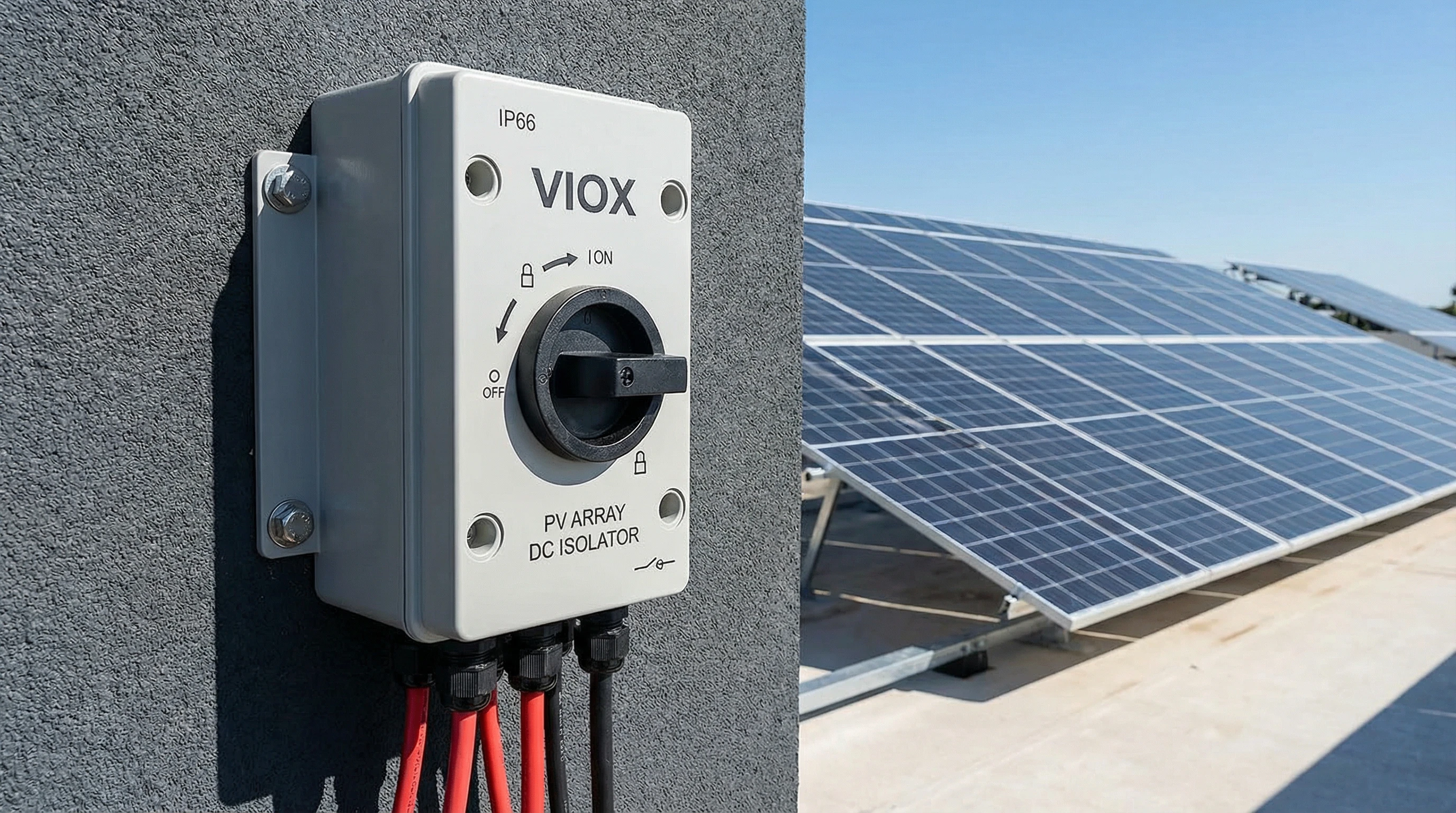
ប្រាក់រង្វាន់ចំណាយលើសពី IP65 ជាធម្មតាគឺ 10-15% ប៉ុន្តែភាពធន់បន្ថែមបង្ហាញអំពីភាពត្រឹមត្រូវសម្រាប់សេវាកម្មដ៏អាក្រក់។ ឧបករណ៍ដាច់ចរន្ត DC ស៊េរី VOPV របស់ VIOX ផ្ទុក IP66 ជាស្តង់ដារ ពីព្រោះការដំឡើងថាមពលពន្លឺព្រះអាទិត្យកាន់តែប្រឈមមុខនឹងព្រឹត្តិការណ៍អាកាសធាតុខ្លាំង និងត្រូវការការការពារអតិបរមា។.
កត្តាបរិស្ថានលើសពីការវាយតម្លៃ IP
សូមចងចាំថាការវាយតម្លៃ IP មិនគ្របដណ្តប់យន្តការរិចរិលក្រៅដ៏សំខាន់មួយចំនួនទេ៖
- ការប៉ះពាល់នឹងកាំរស្មី UV: ប្លាស្ទិកចុះខ្សោយ និងផុយស្រួយ។ បញ្ជាក់សម្ភារៈដែលមានស្ថេរភាពកាំរស្មី UV និងពិនិត្យមើលការវាយតម្លៃក្រៅលើសពី IP ។.
- ជិះកង់សីតុណ្ហភាព: ការប្រែប្រួលប្រចាំថ្ងៃ និងតាមរដូវកាលបណ្តាលឱ្យមានការពង្រីក/កន្ត្រាក់ និង condensation ។ ម៉ោនបញ្ឈរ ប្រើលក្ខណៈពិសេសនៃការបង្ហូរ/ខ្យល់ចេញចូល ហើយធានាថាស្នាមប្រេះនៅតែអនុលោមតាមជួរសីតុណ្ហភាព។.
- បាញ់ថ្នាំអំបិល: ទីតាំងឆ្នេរសមុទ្រត្រូវការផ្នែករឹងដែលធន់នឹងការ corrosion (ឧបករណ៍ភ្ជាប់ដែកអ៊ីណុក, ស្ថានីយដែលស្រោប) លើសពីការវាយតម្លៃ IP ។.
- ការកកើតទឹកកកទឹកកក៖ ទឹកកកអាចធ្វើឱ្យខូចខាតដល់ការផ្សាភ្ជាប់។ នៅក្នុងអាកាសធាតុត្រជាក់ខ្លាំង សូមពិនិត្យមើលជួរសីតុណ្ហភាពដែលបានវាយតម្លៃរបស់ឧបករណ៍ផ្តាច់ចរន្ត ហើយពិចារណាលើប្រអប់កម្តៅសម្រាប់កម្មវិធីសំខាន់ៗ។.
ការប្រៀបធៀបកម្រិត IP: កម្មវិធីក្នុងផ្ទះធៀបនឹងកម្មវិធីក្រៅផ្ទះ
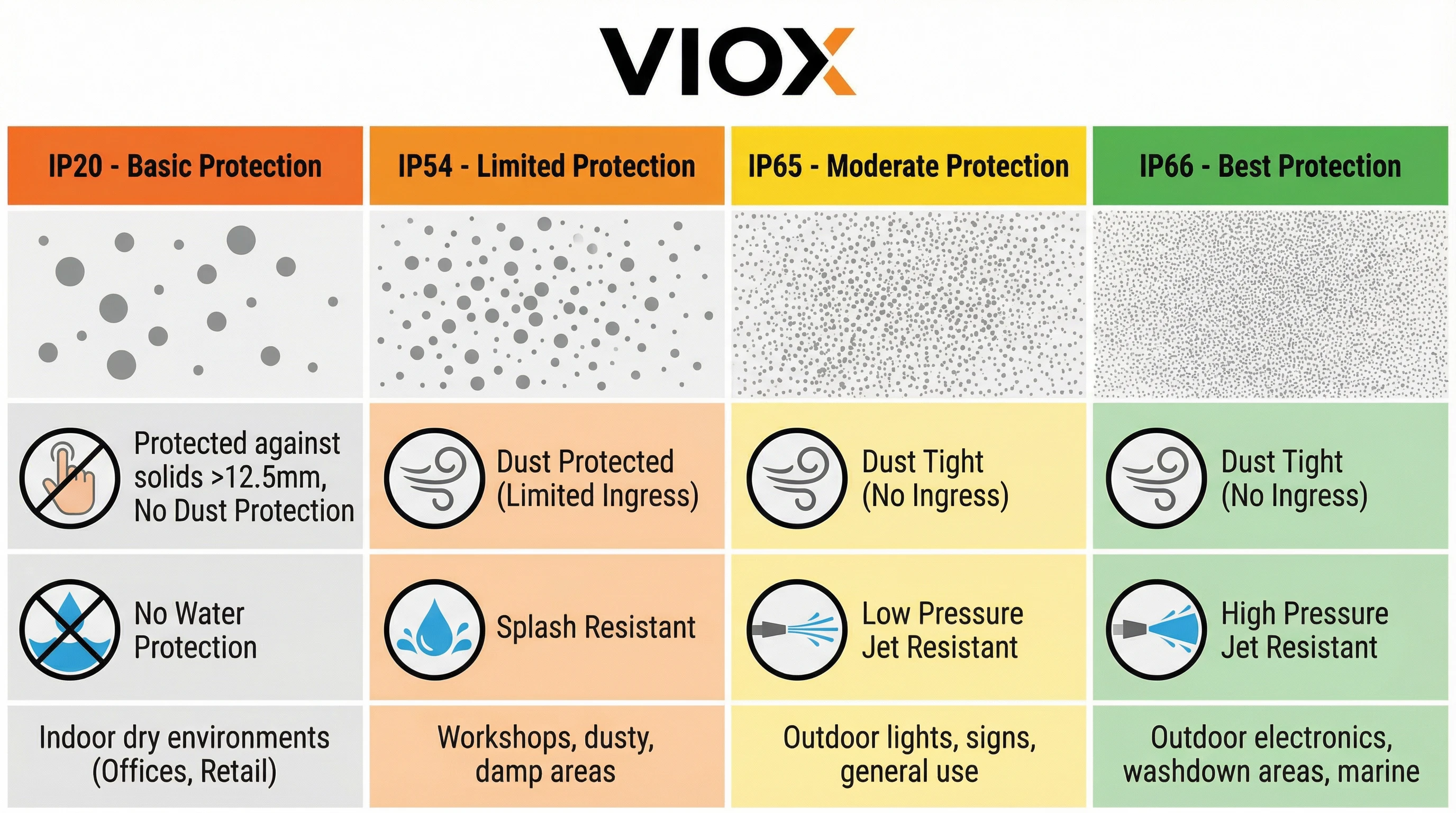
តារាងនេះសង្ខេបអំពីការជ្រើសរើសកម្រិត IP ធម្មតាដោយផ្អែកលើបរិស្ថាន និងកម្មវិធី៖
| ការវាយតម្លៃ IP | ការការពារធូលី | ការការពារទឹក | កម្មវិធីធម្មតា។ | បរិស្ថាន | សន្ទស្សន៍តម្លៃប្រហាក់ប្រហែល |
| IP20 | សុវត្ថិភាពម្រាមដៃ (>12.5mm) | គ្មាន | បន្ទះសម្រាប់លំនៅដ្ឋាន បន្ទប់អគ្គិសនីពាណិជ្ជកម្ម បន្ទះបញ្ជា | ក្នុងផ្ទះស្ងួត គ្រប់គ្រងដោយម៉ាស៊ីនត្រជាក់ | 1.0x (មូលដ្ឋាន) |
| IP30 | ធន់នឹងឧបករណ៍ (>2.5mm) | គ្មាន | ក្តារចែកចាយពាណិជ្ជកម្ម បន្ទប់បញ្ជាឧស្សាហកម្ម | ក្នុងផ្ទះស្ងួត ងាយស្រួលចូល | 1.05x |
| IP40 | ធន់នឹងខ្សែ (>1mm) | គ្មាន | បន្ទះឧស្សាហកម្មស្រាល ឃ្លាំង ក្នុងផ្ទះដែលមិនមានម៉ាស៊ីនត្រជាក់ | ក្នុងផ្ទះ ធូលីកម្រិតមធ្យម | 1.10x |
| IP54 | ការពារធូលី | ធន់នឹងការខ្ទាត (គ្រប់ទិស) | ក្រៅផ្ទះមានដំបូល អាគាសធាតុស្រាល ការដំឡើងពាក់កណ្តាល | ក្រៅផ្ទះ ការប៉ះពាល់តិចតួច | 1.30x |
| IP65 | ធន់នឹងធូលី | ធន់នឹងទឹក (សម្ពាធទាប) | សូឡា PV នៅលើដំបូល ជួរដំឡើងលើដី ផ្តាច់ឧបករណ៍ខាងក្រៅ | ក្រៅផ្ទះ ការប៉ះពាល់ស្តង់ដារ | 1.50x |
| IP66 | ធន់នឹងធូលី | ធន់នឹងទឹក (សម្ពាធខ្ពស់) | តំបន់លាងសម្អាត តំបន់ឆ្នេរ/សមុទ្រ អាកាសធាតុខ្លាំង ប្រអប់ DC វ៉ុលខ្ពស់ | ក្រៅផ្ទះ ការប៉ះពាល់ខ្លាំង/សំខាន់ | 1.65x |
ច្បាប់ជ្រើសរើសសំខាន់ៗ:
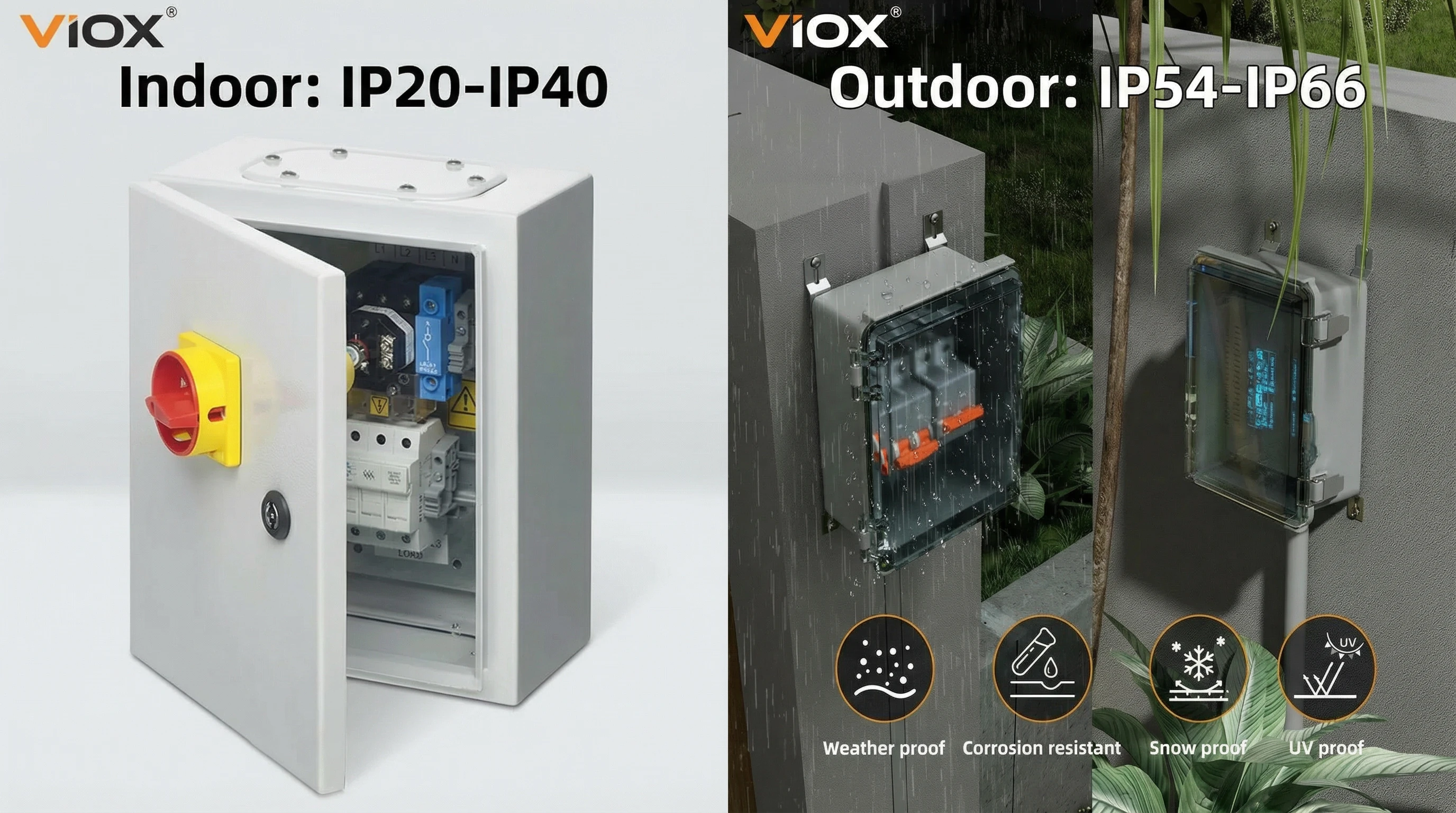
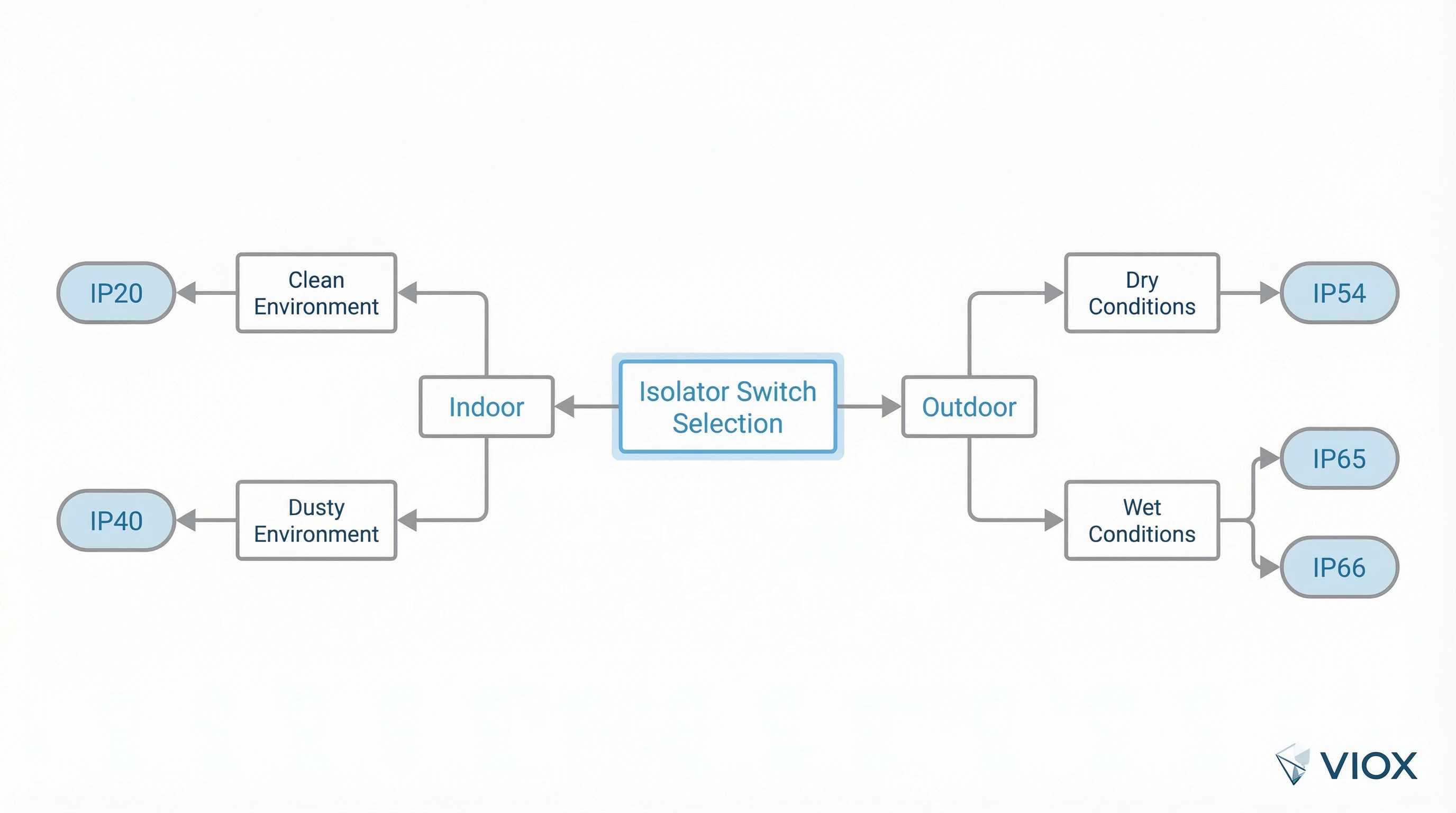
- ចាប់ផ្តើមជាមួយបរិស្ថានក្នុងផ្ទះ = IP20-IP40; ក្រៅផ្ទះ = IP54-IP66
- ពិចារណាលើការប៉ះពាល់ករណីអាក្រក់បំផុតកំណត់លក្ខណៈសម្រាប់លក្ខខណ្ឌធ្ងន់ធ្ងរបំផុតក្នុងអំឡុងពេលអាយុកាលរបស់ឧបករណ៍
- គិតគូរពីការថែទាំតើតំបន់នោះនឹងត្រូវបាញ់ទឹក ឬលាងសម្អាតដោយម៉ាស៊ីនសម្ពាធដែរឬទេ? បង្កើនកម្រិតឱ្យសមស្រប
- គិតគូរពីសារៈសំខាន់តើ DC វ៉ុលខ្ពស់ (>600V) ឬការផ្តាច់ចរន្តដែលមានសារៈសំខាន់ចំពោះសុវត្ថិភាពដែរឬទេ? ប្រើ IP65/66 ទោះបីជាបរិស្ថានអាចអនុញ្ញាត IP54 ក៏ដោយ
- ពិនិត្យមើលប្រអប់ខាងក្រៅឧបករណ៍ប្តូរ IP20 នៅក្នុងប្រអប់ IP65 សម្រេចបាននូវការការពារប្រព័ន្ធ IP65 — ប៉ុន្តែលុះត្រាតែការបញ្ចូលខ្សែរក្សាបាននូវការផ្សាភ្ជាប់
កត្តាបរិស្ថានដែលប៉ះពាល់ដល់ការជ្រើសរើសកម្រិត IP
លើសពីភាពខុសគ្នាមូលដ្ឋានរវាងក្នុងផ្ទះ/ក្រៅផ្ទះ កត្តាបរិស្ថានជាក់លាក់ជំរុញការសម្រេចចិត្តលើកម្រិត IP ។.
ការប៉ះពាល់ធូលី និងភាគល្អិត
ធូលីមិនមែនគ្រាន់តែជាបញ្ហាទេ — វាជាឃាតករនៃភាពជឿជាក់។ ធូលីចម្លងចរន្ត (កោរសក់ដែក កាបូន) អាចភ្ជាប់គម្លាតខ្យល់ និងបណ្តាលឱ្យមានការលេចធ្លាយចរន្ត។ ធូលីដែលមិនចម្លងចរន្តស្រូបយកសំណើម និងក្លាយជាចម្លងចរន្តតាមពេលវេលា។ ធូលីបរិមាណច្រើនស្ទះរន្ធខ្យល់ត្រជាក់ និងបង្កើនល្បឿននៃការសឹករេចរឹលលើផ្នែកមេកានិច។.
ការពិចារណាអំពីធូលីជាក់លាក់តាមបរិស្ថាន៖
- ហាងកែច្នៃឈើធូលីឈើល្អជ្រាបចូលគ្រប់ទីកន្លែង; IP54 អប្បបរមា IP65 ត្រូវបានគេពេញចិត្ត
- ការកែច្នៃលោហៈធូលីលោហៈចម្លងចរន្តតម្រូវឱ្យមាន IP54+ ដើម្បីការពារការឆ្លងចរន្ត
- ការជីកយករ៉ែ និងកន្លែងយកថ្មបរិមាណធូលីច្រើនទាមទារការការពារធន់នឹងធូលី IP66
- កសិកម្មធូលីគ្រាប់ធញ្ញជាតិ ជី និងភាគល្អិតដីត្រូវការ IP54-IP65
- អាកាសធាតុវាលខ្សាច់ខ្សាច់ល្អជ្រាបចូលសូម្បីតែគម្លាតតូចៗ; កំណត់ IP65/66
ប្រសិនបើអ្នកអាចមើលឃើញធូលីក្នុងខ្យល់កកកុញនៅលើផ្ទៃក្នុងរយៈពេលមួយសប្តាហ៍ អ្នកត្រូវការការការពារ IP5X ឬ IP6X ។.
ការប៉ះពាល់ទឹក និងសំណើម
ទឹកសម្លាប់ឧបករណ៍អគ្គិសនីតាមរយៈយន្តការជាច្រើន៖ ការឆ្លងចរន្តដោយផ្ទាល់ ការច្រេះ ការខ្សោះគុណភាពអ៊ីសូឡង់ និងការលេចធ្លាយចរន្តដែលបង្កើនល្បឿនដោយសំណើម។ ផ្គូផ្គងខ្ទង់ IP ទីពីរទៅនឹងសេណារីយ៉ូនៃការប៉ះពាល់ទឹករបស់អ្នក៖
- IPX0 (គ្មានការការពារ)ក្នុងផ្ទះស្ងួតទាំងស្រុងតែប៉ុណ្ណោះ
- IPX4 (ការពារការប្រឡាក់)ភ្លៀងធម្មតា ការខ្ទាតដោយចៃដន្យ
- IPX5 (យន្តហោះសម្ពាធទាប)៖ ភ្លៀងធ្លាក់ខ្លាំង, បាញ់ទឹកពីចម្ងាយ, បាញ់សម្អាតស្រាល
- IPX6 (យន្តហោះខ្លាំង)៖ បាញ់សម្អាតដោយផ្ទាល់សម្ពាធខ្ពស់, ភ្លៀងព្យុះ, បាញ់ទឹកសមុទ្រខ្លាំង
ពិចារណាប្រភពសំណើមទាំងនេះលើសពីភ្លៀងធ្លាក់ដោយផ្ទាល់៖
- condensation (ការកក)៖ វដ្តសីតុណ្ហភាពនៅក្នុងតំបន់ដែលមានសំណើមខ្ពស់បង្កើតឱ្យមាន condensation ខាងក្នុងសូម្បីតែនៅក្នុង enclosures ដែលបានផ្សាភ្ជាប់។ ម៉ោនបញ្ឈរ, ប្រើរន្ធបង្ហូរឬ breathers, និងពិចារណាលើកំដៅខាងក្នុង
- Fog and mist (អ័ព្ទនិងអ័ព្ទ)៖ អ័ព្ទឆ្នេរសមុទ្រឬអ័ព្ទឧស្សាហកម្មអាចលើសពីកម្រិត splash-proof តាមពេលវេលា; ប្រើ IP65+
- Snow and ice (ព្រិលនិងទឹកកក)៖ ព្រិលដែលកកកុញរលាយក្នុងកំឡុងពេលសីតុណ្ហភាពប្រែប្រួលបង្កើតឱ្យមានការប៉ះពាល់នឹងទឹកយូរ; IP65 អប្បបរមា
- Groundwater and flooding (ទឹកក្រោមដីនិងទឹកជំនន់)៖ ទីតាំងដែលមានហានិភ័យទឹកជំនន់ត្រូវការ IP67 (ការជ្រមុជទឹកបណ្តោះអាសន្ន) ឬម៉ោនកម្ពស់
UV Radiation and Temperature Extremes (វិទ្យុសកម្មកាំរស្មីយូវីនិងសីតុណ្ហភាពខ្លាំង)
ការវាយតម្លៃ IP មិនធ្វើតេស្តកត្តាទាំងនេះទេប៉ុន្តែវាមានសារៈសំខាន់សម្រាប់អាយុកាលប្រើប្រាស់យូរអង្វែងនៅខាងក្រៅ៖
- UV degradation (ការខូចគុណភាពកាំរស្មីយូវី)៖ ផ្លាស្ទិចភាគច្រើនក្លាយទៅជាផុយបន្ទាប់ពី 5-10 ឆ្នាំនៃការប៉ះពាល់នឹងពន្លឺព្រះអាទិត្យដោយផ្ទាល់លុះត្រាតែមានស្ថេរភាពកាំរស្មីយូវី។ ពិនិត្យមើលការវាយតម្លៃក្រៅផ្ទះលើសពី IP (ការវាយតម្លៃប្រភេទ UL, លេខកូដផលប៉ះពាល់ IK បន្ទាប់ពីការប៉ះពាល់នឹងកាំរស្មីយូវី)
- ជួរសីតុណ្ហភាព៖ isolators ស្តង់ដារជាធម្មតាមានអត្រា -25°C ដល់ +70°C។ ដំបូលវាលខ្សាច់លើសពីនេះនៅរដូវក្តៅ; ទីតាំងអាក់ទិកធ្លាក់ចុះក្រោមវានៅរដូវរងា។ ផ្ទៀងផ្ទាត់ជួរសីតុណ្ហភាពរបស់ switch របស់អ្នកត្រូវនឹងទីតាំងខ្លាំង
- ស្ត្រេសកម្ដៅ៖ ការប្រែប្រួលប្រចាំថ្ងៃនៃ 40-50°C បណ្តាលឱ្យមានការពង្រីក/ការកន្ត្រាក់ដែលធ្វើឱ្យសំបកកង់អស់កម្លាំងនិងបន្ធូរការតភ្ជាប់។ ទីតាំងឆ្នេរសមុទ្រនិងវាលខ្សាច់ប្រឈមមុខនឹងវដ្តអាក្រក់បំផុត
បរិយាកាសច្រេះ
Salt spray, industrial chemicals, and agricultural environments attack metal components and terminals (ការបាញ់អំបិល, សារធាតុគីមីឧស្សាហកម្មនិងបរិស្ថានកសិកម្មវាយប្រហារសមាសធាតុដែកនិងស្ថានីយ)៖
- Coastal sites (<5km from ocean) (ទីតាំងឆ្នេរសមុទ្រ (<5km ពីមហាសមុទ្រ))៖ តម្រូវឱ្យមានដែកអ៊ីណុកឬឧបករណ៍ភ្ជាប់ដែលស្រោប, ស្ថានីយធន់នឹងច្រេះនិងថ្នាំកូត conformal នៅលើ PCBs លើសពី IP66
- Chemical plants (រោងចក្រគីមី)៖ ប្រហែលជាត្រូវការ IP66 បូកនឹងវត្ថុធាតុដើមដែលត្រូវបានវាយតម្លៃសម្រាប់ការប៉ះពាល់សារធាតុគីមីជាក់លាក់ (អាស៊ីត, សារធាតុរំលាយ, caustics)
- Agricultural (កសិកម្ម)៖ ជី, ថ្នាំសម្លាប់សត្វល្អិតនិងឧស្ម័នលាមកសត្វបង្កើនល្បឿន corrosion; ប្រើ IP65+ ជាមួយវត្ថុធាតុដើមដែលធន់នឹង corrosion
ការវាយតម្លៃ IP ធ្វើតេស្តការចូលទឹកប៉ុន្តែមិននិយាយអំពីមាតិកាអំបិលឬ corrosivity គីមីទេ។ បញ្ជាក់ផ្នែករឹងដែលធន់នឹង corrosion ដោយឡែកពីគ្នា។.
Common Applications and Recommended IP Ratings (កម្មវិធីទូទៅនិងការវាយតម្លៃ IP ដែលបានណែនាំ)
នេះគឺជាការណែនាំជាក់ស្តែងសម្រាប់កម្មវិធី switch isolator ទូទៅបំផុត៖
ប្រព័ន្ធព្រះអាទិត្យ PV
- Rooftop residential (string inverters) (លំនៅដ្ឋានលើដំបូល (string inverters))៖ IP65 អប្បបរមាសម្រាប់ DC isolators នៅលើដំបូលឬជញ្ជាំងខាងក្រៅ។ ស៊េរី VIOX VOPV ជាមួយ IP66 ផ្តល់នូវរឹមបន្ថែមសម្រាប់អាកាសធាតុធ្ងន់ធ្ងរ
- Rooftop commercial (central inverters) (ពាណិជ្ជកម្មលើដំបូល (central inverters))៖ IP66 សម្រាប់ DC combiner boxes និង array disconnects ដោយសារតែវ៉ុលខ្ពស់ (រហូតដល់ 1500V) និងអាយុកាលសេវាកម្មបន្ថែម 25+ ឆ្នាំ
- Ground-mount utility-scale (ឧបករណ៍ប្រើប្រាស់ខ្នាតដី)៖ ស្តង់ដារ IP66; ទីតាំងដែលមានធូលីខ្លាំង (វាលខ្សាច់) ឬបាញ់អំបិល (ឆ្នេរសមុទ្រ) ត្រូវការថ្នាំកូតធន់នឹង corrosion បន្ថែម
- AC disconnect (inverter-side) (AC disconnect (ផ្នែក inverter))៖ IP54 អប្បបរមាប្រសិនបើ inverter ស្ថិតនៅក្នុង enclosure ដែលការពារអាកាសធាតុ; IP65 ប្រសិនបើប៉ះពាល់ពេញលេញ
ការគ្រប់គ្រងម៉ូទ័រឧស្សាហកម្ម
- Indoor motor control centers (មជ្ឈមណ្ឌលត្រួតពិនិត្យម៉ូទ័រក្នុងផ្ទះ)៖ IP20-IP30 សម្រាប់ switches នៅក្នុង panels ដែលបាន enclose; IP40 ប្រសិនបើ panel ស្ថិតនៅក្នុងជាន់រោងចក្រដែលមានធូលី
- Outdoor motors and pumps (ម៉ូទ័រនិងស្នប់ខាងក្រៅ)៖ IP66 សម្រាប់ការប៉ះពាល់អាកាសធាតុដោយផ្ទាល់; IP54 ប្រសិនបើនៅក្រោមដំបូលដែលមានចំហៀងបើកចំហ
- Washdown areas (food/pharma) (តំបន់ Washdown (អាហារ/ឱសថ))៖ IP66 ជាកាតព្វកិច្ច; ផ្ទៀងផ្ទាត់ gaskets និង seals ត្រូវបានវាយតម្លៃកម្រិតអាហារ
- Hazardous locations (ទីតាំងគ្រោះថ្នាក់)៖ ការវាយតម្លៃ IP តែឯងមិនគ្រប់គ្រាន់ទេ—ត្រូវតែបំពេញតាមតម្រូវការ Division/Zone ជាមួយនឹង T-rating សមស្រប
Residential and Commercial Buildings (អគារលំនៅដ្ឋាននិងពាណិជ្ជកម្ម)
- Residential main disconnect (meter-adjacent) (ផ្តាច់ចរន្តមេលំនៅដ្ឋាន (ជាប់នឹងម៉ែត្រ))៖ IP54 អប្បបរមាសម្រាប់ការម៉ោនខាងក្រៅ; IP65 សម្រាប់ការប៉ះពាល់អាកាសធាតុពេញលេញ
- HVAC equipment disconnect (ផ្តាច់ឧបករណ៍ HVAC)៖ IP54-IP65 អាស្រ័យលើការប៉ះពាល់ (ដំបូល = IP65)
- អាងហែលទឹកស្ប៉ាបរិក្ខា៖ IP65 អប្បបរមាដោយសារតែការ splashing និងសំណើមខ្ពស់; IP66 ត្រូវបានគេពេញចិត្ត
- Parking garage distribution (ការចែកចាយយានដ្ឋានចតរថយន្ត)៖ IP54 ដោយសារតែការបាញ់យានយន្ត, ការហត់នឿយនិងអំបិលផ្លូវតាមរដូវ
Battery Energy Storage Systems (ប្រព័ន្ធផ្ទុកថាមពលថ្ម)
- Indoor battery rooms (បន្ទប់ថ្មក្នុងផ្ទះ)៖ IP20 គ្រប់គ្រាន់ប្រសិនបើបន្ទប់ត្រូវបានគ្រប់គ្រងអាកាសធាតុនិងមានខ្យល់ចេញចូល
- Outdoor battery enclosures (enclosures ថ្មខាងក្រៅ)៖ IP65 អប្បបរមា; IP66 សម្រាប់ឆ្នេរសមុទ្រឬអាកាសធាតុខ្លាំង
- Integrated outdoor battery systems (ប្រព័ន្ធថ្មខាងក្រៅរួមបញ្ចូលគ្នា)៖ ផ្គូផ្គងការវាយតម្លៃ enclosure; ជាធម្មតា IP65-IP66
ទូរគមនាគមន៍ និងមជ្ឈមណ្ឌលទិន្នន័យ
- Indoor telecom/data center (ទូរគមនាគមន៍/មជ្ឈមណ្ឌលទិន្នន័យក្នុងផ្ទះ)៖ ស្តង់ដារ IP20; បរិស្ថានស្អាតគ្រប់គ្រងអាកាសធាតុ
- Outdoor cell sites (ទីតាំងកោសិកាក្រៅ)៖ IP65 អប្បបរមា; IP66 សម្រាប់កំពូលភ្នំឬទីតាំងឆ្នេរសមុទ្រដែលមានអាកាសធាតុអាក្រក់
ការអនុវត្តល្អបំផុតក្នុងការដំឡើងសម្រាប់បរិស្ថានផ្សេងៗគ្នា
ការសម្រេចបាននូវការការពារ IP ដែលបានវាយតម្លៃតម្រូវឱ្យមានការដំឡើងត្រឹមត្រូវ។ សូម្បីតែឧបករណ៍ប្តូរដែលមានកម្រិត IP66 ក៏នឹងបរាជ័យដែរ ប្រសិនបើធាតុបញ្ចូលខ្សែកាបធ្វើឱ្យខូចដល់ការផ្សាភ្ជាប់។.
ធាតុបញ្ចូលខ្សែកាប៖ តំណខ្សោយ
ការបរាជ័យនៃកម្រិត IP ភាគច្រើនកើតឡើងដោយសារធាតុបញ្ចូលខ្សែកាបមិនត្រឹមត្រូវ។ ក្រពេញ ក្រូម៉េត និងឧបករណ៍ភ្ជាប់បំពង់ conduit ត្រូវតែត្រូវគ្នា ឬលើសពីកម្រិត IP របស់ស្រោម៖
- ប្រើក្រពេញខ្សែកាបដែលបានវាយតម្លៃ: បញ្ជាក់ក្រពេញខ្សែកាបដែលមានកម្រិត IP ជាមួយនឹងឧបករណ៍បញ្ចូលផ្សាភ្ជាប់ដែលត្រូវនឹងអង្កត់ផ្ចិតខ្សែកាប។ ឧបករណ៍បញ្ចូលដែលមានទំហំតូច ឬធំពេកនឹងលេចធ្លាយ
- អនុវត្តតាមលក្ខណៈបច្ចេកទេសកម្លាំងបង្វិល: ការរឹតបន្តឹងខ្លាំងពេកកំទេចការផ្សាភ្ជាប់។ ការរឹតបន្តឹងមិនគ្រប់គ្រាន់បណ្តាលឱ្យមានចន្លោះប្រហោង។ ប្រើ wrench កម្លាំងបង្វិលសម្រាប់ដំឡើងសំខាន់ៗ
- ផ្សាភ្ជាប់ធាតុបញ្ចូលដែលមិនបានប្រើ: រន្ធ knockout រន្ធក្រពេញ ឬធាតុបញ្ចូល conduit ដែលមិនបានប្រើនីមួយៗត្រូវការដោតទទេដែលបានវាយតម្លៃជាមួយនឹង gasket
- តម្រង់ទិសចុះក្រោមដែលអាចធ្វើទៅបាន: ធាតុបញ្ចូលផ្នែកខាងលើអញ្ជើញឱ្យមានទឹកកកកុញនៅជុំវិញក្រពេញ។ ធាតុបញ្ចូលចំហៀង ឬខាងក្រោមជាមួយនឹងរង្វិលជុំស្រក់គឺប្រសើរជាង
- រក្សាការផ្សាភ្ជាប់ conduit: ការតភ្ជាប់ conduit រឹងត្រូវការ locknut ផ្សាភ្ជាប់ ឬឧបករណ៍ភ្ជាប់បង្ហាប់។ conduit អាចបត់បែនបានត្រូវការក្រពេញកាត់បន្ថយភាពតានតឹងដែលមានកម្រិត IP
ការម៉ោន និងការតម្រង់ទិស
របៀបដែលអ្នកម៉ោនឧបករណ៍ផ្តាច់ប៉ះពាល់ដល់ការបង្ហូរទឹក និងការប៉ះពាល់៖
- ការម៉ោនបញ្ឈរត្រូវបានគេពេញចិត្ត: ការពារទឹកកកកុញនៅលើផ្ទៃខាងលើ
- ផ្អៀងទៅមុខបន្តិច: ប្រសិនបើម៉ោនលើជញ្ជាំង ផ្អៀងផ្នែកខាងលើទៅមុខ 5-10° ដូច្នេះទឹកភ្លៀងហូរចេញពីផ្ទៃមុខ
- ជៀសវាងធាតុបញ្ចូលដែលបែរមុខឡើងលើ: ក្រពេញខ្សែកាបគួរតែបញ្ចូលពីចំហៀង ឬខាងក្រោម
- សម្អាតផ្ទៃម៉ោន: ជញ្ជាំងរដុប ឬមិនស្មើគ្នាការពារការផ្សាភ្ជាប់ gasket ។ ប្រើបន្ទះខាងក្រោយ ឬ shim ទៅផ្ទៃរាបស្មើ
- រង្វិលជុំស្រក់: ដំណើរការខ្សែកាបចុះក្រោមពីធាតុបញ្ចូលក្រពេញ បន្ទាប់មកត្រឡប់ឡើងវិញដើម្បីការពារទឹកកុំឱ្យហូរតាមខ្សែកាបចូលទៅក្នុងស្រោម
ការថែទាំ Gasket និង Seal
ការការពារ IP កាន់តែយ៉ាប់យ៉ឺនទៅតាមពេលវេលា នៅពេលដែល gaskets ចាស់៖
- ត្រួតពិនិត្យជារៀងរាល់ឆ្នាំ: ពិនិត្យ gaskets សម្រាប់ការកំណត់ការបង្ហាប់ ស្នាមប្រេះ ឬការឡើងរឹង
- ជំនួសកំឡុងពេលសេវាកម្ម: ប្រសិនបើអ្នកបើកស្រោមសម្រាប់ការថែទាំ សូមដំឡើង gaskets ថ្មី
- សម្អាតផ្ទៃផ្សាភ្ជាប់: ធូលី ប្រេង ឬថ្នាំលាបនៅលើផ្ទៃ gasket បំបែកការផ្សាភ្ជាប់
- កុំធ្វើសេវាកម្មច្រើនពេក: វដ្តបើក/បិទនីមួយៗសង្កត់ធ្ងន់លើ gasket ។ កាត់បន្ថយការចូលប្រើដែលមិនចាំបាច់
ការអនុវត្តជាក់លាក់តាមបរិស្ថាន
- ទីតាំងឆ្នេរសមុទ្រ: លាងជម្រះស្រោមរៀងរាល់ត្រីមាសដោយទឹកសាប ដើម្បីកំចាត់ជាតិប្រៃចេញ មុនពេលវាច្រេះការផ្សាភ្ជាប់
- ទីតាំងវាលខ្សាច់: ពិនិត្យមើលការជ្រៀតចូលនៃខ្សាច់នៅជុំវិញក្រពេញ។ ប្រហែលជាត្រូវការស្រោមខាងក្រៅបន្ថែម
- ទីតាំងសូន្យរង: ផ្ទៀងផ្ទាត់ថាសម្ភារៈ gasket នៅតែអាចបត់បែនបាននៅសីតុណ្ហភាពអប្បបរមា។ ស៊ីលីកូនដំណើរការបានល្អប្រសើរជាង EPDM ក្រោម -40°C
- ទីតាំងរំញ័រខ្ពស់: ប្រើសមាសធាតុចាក់សោខ្សែស្រឡាយនៅលើឧបករណ៍ភ្ជាប់។ រំញ័រធ្វើឱ្យវីសរលុង និងបង្កើតចន្លោះប្រហោង
តម្លៃធៀបនឹងការការពារ៖ ការធ្វើការវិនិយោគត្រឹមត្រូវ
កម្រិត IP ប៉ះពាល់ដោយផ្ទាល់ទៅលើតម្លៃផលិតផល និងកម្លាំងពលកម្មដំឡើង។ ការយល់ដឹងអំពីការសម្រុះសម្រួលជួយអ្នកបញ្ជាក់ឱ្យបានត្រឹមត្រូវដោយមិនចាំបាច់វិស្វកម្មលើស។.
ប្រាក់រង្វាន់ថ្លៃដើមសម្ភារៈ
ទាក់ទងទៅនឹងមូលដ្ឋាន IP20៖
- IP30-IP40: +5-10% (gaskets ប្រសើរជាង ការអត់ធ្មត់តឹងជាង)
- IP54: +30% (ស្រោមបិទជិត គម្រប gasket ធាតុបញ្ចូលខ្សែកាបដែលបានវាយតម្លៃ)
- IP65: +50% (ប្រព័ន្ធផ្សាភ្ជាប់ដ៏ទូលំទូលាយ gaskets ច្រើនចំណុច ម៉ាស៊ីនដែលមានភាពជាក់លាក់)
- IP66: +65% (gaskets ធន់ធ្ងន់ ការផ្សាភ្ជាប់ដែលបានពង្រឹង វិញ្ញាបនប័ត្រធ្វើតេស្តសម្ពាធខ្ពស់)
សម្រាប់ឧបករណ៍ផ្តាច់ DC 4-pole 63A ធម្មតា វាបកប្រែទៅជា៖
- IP20: $45-60
- IP40: $50-65
- IP54: $70-85
- IP65: $90-110
- IP66: $100-120 (តម្លៃស៊េរី VIOX VOPV)
សម្រាប់ឧបករណ៍ប្តូរតែមួយ ប្រាក់រង្វាន់ហាក់ដូចជាសមរម្យ។ សម្រាប់គម្រោងថាមពលពន្លឺព្រះអាទិត្យ 1MW ជាមួយនឹងការផ្តាច់ខ្សែ 40 វាគឺជាភាពខុសគ្នារវាង $2,400 (IP54) និង $4,000 (IP66) — ប៉ុន្តែការវិនិយោគ $1,600 នោះការពារ $50,000+ ក្នុងការចំណាយលើការជំនួស និងពេលវេលារងចាំ។.
ផលប៉ះពាល់នៃថ្លៃដើមដំឡើង
កម្រិត IP ខ្ពស់ជាងនេះតម្រូវឱ្យមានការដំឡើងដោយប្រុងប្រយ័ត្នបន្ថែមទៀត៖
- IP20-IP40: ការដំឡើងស្តង់ដារ, ការបញ្ចូលខ្សែសាមញ្ញ, 15-20 នាទីក្នុងមួយឧបករណ៍ប្តូរ
- IP54-IP66: តម្រូវឱ្យមានក្រពេញខ្សែកាបដែលបានវាយតម្លៃ, លក្ខណៈបច្ចេកទេសកម្លាំងបង្វិលជុំមានសារៈសំខាន់, ការត្រួតពិនិត្យ gasket, 25-35 នាទីក្នុងមួយឧបករណ៍ប្តូរ
សម្រាប់ឧបករណ៍ប្តូរចំនួន 40 ការងារបន្ថែមបន្ថែម $800-1,200 ទៅលើថ្លៃដើមគម្រោង។ ប៉ុន្តែការដំឡើង IP20 មិនត្រឹមត្រូវដែលនាំឱ្យមានការបរាជ័យនៅនឹងកន្លែងត្រូវចំណាយអស់ 10 ដងច្រើនជាងការហៅសេវាកម្ម និងការជំនួស។.
ការវិភាគថ្លៃដើមនៃការបរាជ័យ
ពិចារណាលើថ្លៃដើមសរុបនៃភាពជាម្ចាស់ក្នុងរយៈពេល 20 ឆ្នាំ:
សេណារីយ៉ូ: ឧបករណ៍ផ្តាច់ DC ថាមពលពន្លឺព្រះអាទិត្យនៅលើដំបូល (IP40 ដែលបានបញ្ជាក់មិនគ្រប់គ្រាន់ ធៀបនឹង IP66 ត្រឹមត្រូវ)
- ភាពខុសគ្នានៃថ្លៃដើមដំបូង: $50 (IP66 ចំណាយច្រើនជាង $50 ជាង IP40)
- ប្រូបាប៊ីលីតេនៃការបរាជ័យមុនអាយុ: 60% ក្នុងរយៈពេល 20 ឆ្នាំសម្រាប់ IP40 ក្នុងការប៉ះពាល់ខាងក្រៅ ធៀបនឹង 5% សម្រាប់ IP66
- ថ្លៃដើមនៃការជំនួសជាមធ្យម: $800 (រថយន្តដឹកទំនិញ, ពលកម្ម, គ្រឿងបន្លាស់, ពេលវេលារងចាំរបស់ប្រព័ន្ធ)
- ថ្លៃដើមរំពឹងទុក 20 ឆ្នាំ:
- IP40: $60 ដំបូង + ($800 × 0.60) = $540
- IP66: $110 ដំបូង + ($800 × 0.05) = $150
ឧបករណ៍ប្តូរ IP40 “ថោកជាង” ចំណាយអស់ 3.6 ដងច្រើនជាងក្នុងមួយជីវិតរបស់វា។.
ពេលណាត្រូវដំឡើងកំណែ ធៀបនឹង ពេលណាត្រូវសន្សំ
ដំឡើងកំណែទៅ IP ខ្ពស់ជាងនៅពេល:
- ឧបករណ៍ដំណើរការនៅខាងក្រៅ ឬក្នុងបរិយាកាសក្នុងផ្ទះដ៏អាក្រក់
- ការចូលទៅជំនួសគឺពិបាក (ដំបូល, ទីតាំងដាច់ស្រយាល)
- ការបរាជ័យបង្កើតគ្រោះថ្នាក់សុវត្ថិភាព (DC វ៉ុលខ្ពស់)
- អាយុកាលសេវាកម្មយូរត្រូវបានរំពឹងទុក (>15 ឆ្នាំ)
- មានការព្រួយបារម្ភអំពីការធានា ឬការទទួលខុសត្រូវ
សន្សំជាមួយ IP ទាបជាងនៅពេល:
- បរិយាកាសក្នុងផ្ទះពិតជាស្រាល (បន្ទប់អគ្គិសនីដែលគ្រប់គ្រងដោយអាកាសធាតុ)
- ងាយស្រួលចូលប្រើសម្រាប់ការថែទាំ និងការជំនួស
- អាយុកាលសេវាកម្មខ្លីត្រូវបានគ្រោងទុក (<5 ឆ្នាំ)
- មានការការពារបន្ទាប់បន្សំ (ឧបករណ៍ផ្តាច់នៅខាងក្នុងស្រោម IP65)
សម្រាប់កម្មវិធីឧបករណ៍ផ្តាច់ខាងក្រៅភាគច្រើន—ជាពិសេសថាមពលពន្លឺព្រះអាទិត្យ PV—IP65 គឺជាប្រសិទ្ធភាពសេដ្ឋកិច្ចដ៏ល្អប្រសើរ។ IP66 បន្ថែមរឹមសម្រាប់តំឡើងសំខាន់ៗ ឬខ្លាំងបំផុតក្នុងតម្លៃបន្ថែមតិចតួច។.
ដំណោះស្រាយឧបករណ៍ផ្តាច់ដែលបានវាយតម្លៃ IP របស់ VIOX
VIOX Electric រចនាឧបករណ៍ប្តូរផ្តាច់ជាមួយនឹងការការពារបរិស្ថានដែលត្រូវនឹងកម្មវិធីពិភពលោកពិត។ ឧបករណ៍ផ្តាច់ DC ស៊េរី VOPV របស់យើងកំណត់ស្តង់ដារឧស្សាហកម្មសម្រាប់ការដំឡើងថាមពលពន្លឺព្រះអាទិត្យ PV និងការផ្ទុកថ្ម។.
ស៊េរី VOPV: ស្តង់ដារការពារ IP66
- ការវាយតម្លៃ IP66 ពេញលេញ: ការកំណត់រចនាសម្ព័ន្ធ 2 ប៉ូល ដល់ 4 ប៉ូល, ការវាយតម្លៃ 32A ដល់ 125A
- សមត្ថភាព 1500V DC: ឆ្លើយតបតាម IEC 60947-3:2025 សម្រាប់ប្រព័ន្ធ PV វ៉ុលខ្ពស់ជំនាន់ក្រោយ
- លំនៅដ្ឋានដែលមានស្ថេរភាពកាំរស្មី UV: UL-rated សម្រាប់ការប៉ះពាល់ខាងក្រៅ, បានធ្វើតេស្តរហូតដល់ 2000+ ម៉ោង UV-A/UV-B
- ផ្នែករឹងដែកអ៊ីណុក: ឧបករណ៍ភ្ជាប់ធន់នឹងការ corrosion ស្តង់ដារសម្រាប់កម្មវិធីឆ្នេរសមុទ្រ និងសមុទ្រ
- រួមបញ្ចូលក្រពេញខ្សែកាបដែលបានវាយតម្លៃ IP66: លុបបំបាត់បញ្ហាការបញ្ចូលខ្សែកាបដែលខ្សោយ
- ជួរប្រតិបត្តិការ -40°C ដល់ +85°C: គ្រប់គ្រងអាកាសធាតុខ្លាំងពីតំបន់អាក់ទិក ដល់ការដំឡើងវាលខ្សាច់
ស៊េរី VOS: ឧបករណ៍ផ្តាច់ AC ក្នុងផ្ទះ
- ជម្រើស IP20 និង IP40: កម្រិតការពារការផ្គូផ្គងទៅនឹងបរិស្ថានដំឡើង
- DIN rail ឬ panel mount: ការរួមបញ្ចូលដែលអាចបត់បែនបានសម្រាប់បន្ទះចែកចាយ និងបន្ទះត្រួតពិនិត្យ
- IEC 60947-3 ប្រភេទ A (ការប្តូរគ្មានបន្ទុក): ប្រភេទនៃការប្រើប្រាស់ AC-21A
- ថ្លៃដើមត្រូវបានធ្វើឱ្យប្រសើរសម្រាប់ប្រើប្រាស់ក្នុងផ្ទះ: គ្មានការបញ្ជាក់លើសលប់សម្រាប់បរិស្ថានដែលបានគ្រប់គ្រង
ដំណោះស្រាយ IP ផ្ទាល់ខ្លួន
VIOX ធ្វើការជាមួយអ្នកសាងសង់បន្ទះ និង OEMs ដើម្បីប្ដូរកម្រិតការពារ IP តាមបំណងសម្រាប់កម្មវិធីជាក់លាក់។ ក្រុមវិស្វកម្មរបស់យើងអាចបញ្ជាក់:
- សម្ភារៈ gasket ដែលបានធ្វើឱ្យប្រសើរឡើងសម្រាប់ធន់នឹងសារធាតុគីមី
- វ៉ារ្យ៉ង់ជួរសីតុណ្ហភាពបន្ថែម
- IP66 ជាមួយនឹងការធ្វើតេស្ត corrosion NEMA 4X បន្ថែម
- ទំនាក់ទំនងជំនួយរួមបញ្ចូលគ្នា និងការចង្អុលបង្ហាញស្ថានភាព
ទាក់ទងផ្នែកជំនួយបច្ចេកទេស VIOX ដើម្បីពិភាក្សាអំពីតម្រូវការកម្មវិធីរបស់អ្នក និងជ្រើសរើសការវាយតម្លៃ IP ល្អបំផុតសម្រាប់បរិស្ថានដំឡើងរបស់អ្នក។.
សេចក្តីសន្និដ្ឋាន: ការផ្គូផ្គងការការពារទៅនឹងបរិស្ថាន
ការវាយតម្លៃ IP គឺជាឧបករណ៍ចម្បងរបស់អ្នកសម្រាប់ការផ្គូផ្គងការការពារឧបករណ៍ប្តូរផ្តាច់ទៅនឹងបរិស្ថានដំឡើង។ លេខកូដពីរខ្ទង់ក្រោម IEC 60529 ប្រាប់អ្នកយ៉ាងច្បាស់នូវការប៉ះពាល់ធូលី និងទឹកដែលឧបករណ៍អាចទប់ទល់បាន—ប៉ុន្តែលុះត្រាតែអ្នកបញ្ជាក់បានត្រឹមត្រូវ និងដំឡើងបានត្រឹមត្រូវ។.
ក្របខ័ណ្ឌការសម្រេចចិត្តគឺត្រង់:
- ក្នុងផ្ទះ គ្រប់គ្រងអាកាសធាតុ: មូលដ្ឋាន IP20, IP40 សម្រាប់ការការពារកំទេចកំទីបន្ថែម
- ក្នុងផ្ទះ គ្មានម៉ាស៊ីនត្រជាក់ ឬមានធូលី: IP40 អប្បបរមា
- ខាងក្រៅ អាកាសធាតុស្រាល: IP54 អប្បបរមា
- ក្រៅផ្ទះ ការប៉ះពាល់ស្តង់ដារ: IP65 ត្រូវបានណែនាំ
- ខាងក្រៅ អាកាសធាតុអាក្រក់ ឬសំខាន់: ស្តង់ដារ IP66
កុំបញ្ជាក់ទាបពេក។ មេរៀន $12,000 របស់អ្នកម៉ៅការនៅអារីហ្សូណាបង្ហាញពីអ្វីដែលកើតឡើងនៅពេលអ្នកសន្មត់ថាស оболон зовнішній ខាងក្រៅទូទាត់សងសម្រាប់ការវាយតម្លៃ IP របស់ឧបករណ៍ប្តូរដែលមិនគ្រប់គ្រាន់។ ការបញ្ចូលខ្សែធ្វើឱ្យខូចខាតដល់ការផ្សាភ្ជាប់, ទឹក condensation កើតឡើងនៅខាងក្នុង enclosures, និងធូលីជ្រាបចូលតាមរយៈចន្លោះតូចបំផុត។ បញ្ជាក់ឧបករណ៍ប្តូរដោយខ្លួនវាដើម្បីទប់ទល់នឹងបរិស្ថានដែលវានឹងជួបប្រទះជាក់ស្តែង។.
ហើយកុំបញ្ជាក់លើសពីតម្រូវការដោយមិនចាំបាច់។ IP66 មានតម្លៃ 65% ច្រើនជាង IP20 ។ សម្រាប់កម្មវិធីក្នុងផ្ទះពិតប្រាកដនៅក្នុងបន្ទប់អគ្គិសនីស្អាត IP20 គឺសមស្របតាមបច្ចេកទេសនិងសេដ្ឋកិច្ច។ សន្សំថវិកាសម្រាប់កន្លែងដែលវាសំខាន់ - ការដំឡើងនៅខាងក្រៅ, ប៉ះពាល់, ឬបរិស្ថានអាក្រក់ដែលការការពារកំណត់ដោយផ្ទាល់នូវភាពជឿជាក់។.
ជាចុងក្រោយ ការជ្រើសរើសកម្រិត IP ត្រឹមត្រូវការពារការបរាជ័យ ឧប្បត្តិហេតុសុវត្ថិភាព និងការជំនួសដែលមានតម្លៃថ្លៃដែលការបញ្ជាក់ទាបពេកបណ្តាលឱ្យជៀសមិនរួច។ ផ្គូផ្គងកម្រិត IP របស់ឧបករណ៍ដាច់ចរន្តរបស់អ្នកទៅនឹងបរិស្ថាននៃការដំឡើងរបស់អ្នក អនុវត្តតាមគោលការណ៍ណែនាំនៃការដំឡើងរបស់អ្នកផលិតសម្រាប់ការបញ្ចូលខ្សែ និងការម៉ោន ហើយអ្នកនឹងសម្រេចបាននូវអាយុកាលសេវាកម្ម 20-25 ឆ្នាំដែលឧបករណ៍ត្រូវបានរចនាឡើងដើម្បីផ្តល់ជូន។.
សម្រាប់ការគាំទ្រផ្នែកបច្ចេកទេសលើការជ្រើសរើសកម្រិត IP សម្រាប់កម្មវិធីជាក់លាក់របស់អ្នក សូមទាក់ទង VIOX អគ្គិសនី‘ក្រុមវិស្វកម្មកម្មវិធីរបស់។ យើងផ្តល់នូវការវាយតម្លៃបរិស្ថានលម្អិត និងការណែនាំអំពីផលិតផល ដើម្បីធានាថាលក្ខណៈបច្ចេកទេសនៃឧបករណ៍ប្តូរដាច់ចរន្តរបស់អ្នកបំពេញតាមតម្រូវការបច្ចេកទេស និងសេដ្ឋកិច្ច។.