

នៅលើទំព័រនេះ
ដោតភ្លើង និងរន្ធដោតភ្លើងឧស្សាហកម្ម គឺជាឧបករណ៍តភ្ជាប់ថាមពលកម្រិតធ្ងន់ ដែលត្រូវបានរចនាឡើងសម្រាប់គ្រឿងចក្រ ការដ្ឋានសំណង់ រោងចក្រ សិក្ខាសាលា ឧបករណ៍ប្រើប្រាស់ក្រៅផ្ទះ ម៉ាស៊ីនភ្លើង និងការចែកចាយថាមពលបណ្តោះអាសន្ន។ បើប្រៀបធៀបទៅនឹងដោតភ្លើងប្រើប្រាស់ក្នុងផ្ទះ វាត្រូវបានបង្កើតឡើងសម្រាប់ចរន្តអគ្គិសនីខ្ពស់ជាង បរិយាកាសតឹងរ៉ឹងជាង ការការពារមេកានិចខ្លាំងជាង និងការកំណត់អត្តសញ្ញាណវ៉ុលដែលច្បាស់ជាង។.
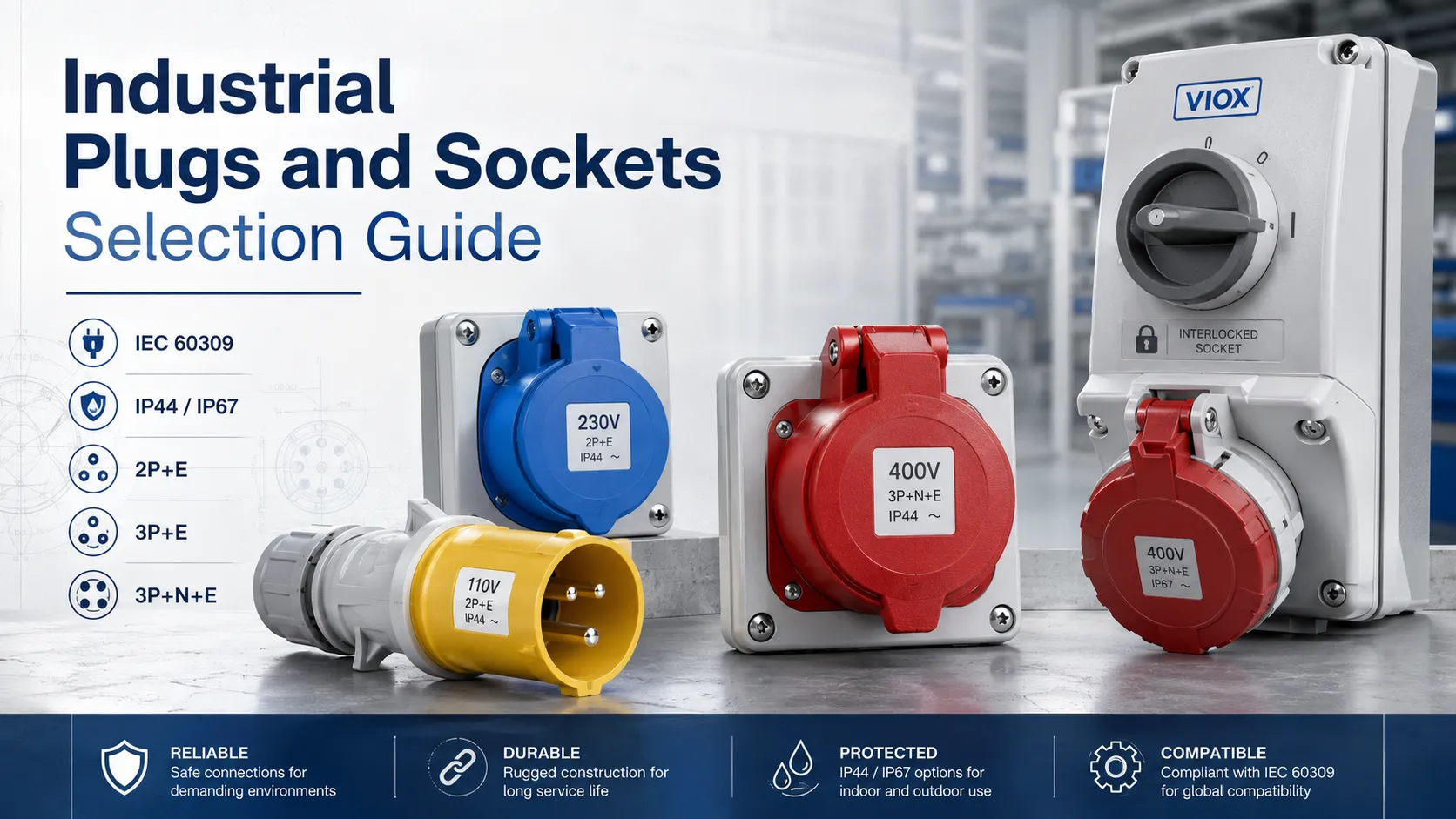
ប្រព័ន្ធសកលដែលប្រើជាទូទៅបំផុតសម្រាប់ដោតភ្លើង និងរន្ធដោតភ្លើងឧស្សាហកម្មគឺ IEC 60309, ដែលជារឿយៗត្រូវបានគេហៅថា CEE, CEEform, ឬ pin and sleeve ឧបករណ៍តភ្ជាប់។ ឧបករណ៍តភ្ជាប់ទាំងនេះប្រើប្រាស់កម្រិតចរន្តអគ្គិសនីស្តង់ដារ កូដពណ៌ ទីតាំងនាឡិកា កម្រិតការពារ IP និងការកំណត់រចនាសម្ព័ន្ធម្ជុល ដើម្បីកាត់បន្ថយការតភ្ជាប់ខុសដែលបង្កគ្រោះថ្នាក់។.
ដើម្បីជ្រើសរើសដោតភ្លើង ឬរន្ធដោតឧស្សាហកម្មឱ្យបានត្រឹមត្រូវ សូមចាប់ផ្តើមពីប្រព័ន្ធអគ្គិសនី៖ វ៉ុល ចរន្ត ហ្វាស តម្រូវការខ្សែណឺត ការតភ្ជាប់ដី កម្រិត IP បរិយាកាសដំឡើង ទំហំខ្សែ និងថាតើត្រូវការរន្ធដោតដែលមានប្រព័ន្ធចាក់សោសុវត្ថិភាពដែរឬទេ។.
តារាងជ្រើសរើសរហ័ស
| ធាតុសម្រាប់ជ្រើសរើស | អ្វីដែលត្រូវពិនិត្យ | ហេតុអ្វីបានជាវាសំខាន់ |
|---|---|---|
| វ៉ុល | 110V, 230V, 400V, 500V ឬវ៉ុលជាក់លាក់តាមគម្រោង | ការពារការតភ្ជាប់ខុស និងការខូចខាតឧបករណ៍ |
| ការវាយតម្លៃបច្ចុប្បន្ន | 16A, 32A, 63A, 125A ឬកម្រិតចរន្តពិសេសខ្ពស់ជាងនេះ | ត្រូវតែផ្គូផ្គងនឹងបន្ទុក ខ្សែភ្លើង និងឧបករណ៍ការពារ |
| ការកំណត់រចនាសម្ព័ន្ធម្ជុល | 2P+E, 3P+E, 3P+N+E | ត្រូវគ្នានឹងការតភ្ជាប់ខ្សែភ្លើងដំណាក់កាលតែមួយ (Single-phase) ឬបីដំណាក់កាល (Three-phase) |
| កម្រិត IP | IP44, IP54, IP55, IP67, IP69K អាស្រ័យទៅតាមបរិស្ថានប្រើប្រាស់ | ការពារពីធូលីដី ទឹក ការលាងសម្អាត និងការប៉ះពាល់នឹងបរិយាកាសខាងក្រៅ |
| ស្តង់ដារ / ការអនុម័ត | IEC 60309 និងតម្រូវការក្នុងស្រុកដែលពាក់ព័ន្ធ | ធានាបាននូវភាពឆបគ្នាត្រឹមត្រូវសម្រាប់ទីផ្សារគោលដៅ |
| Interlock | តម្រូវឱ្យមាន ឬមិនតម្រូវឱ្យមាន | ជួយការពារការដោត ឬដកឌុយភ្លើងនៅពេលកំពុងផ្ទុកបន្ទុកអគ្គិសនី |
| ការបញ្ចូលខ្សែកាប | ទំហំក្បាលតភ្ជាប់ (Gland size), អង្កត់ផ្ចិតខាងក្រៅនៃខ្សែភ្លើង, ការកាត់បន្ថយភាពតានតឹង (Strain relief) | ការពារការរបូតខ្សែភ្លើង និងការជ្រាបទឹក |
| សម្ភារៈ | ប្លាស្ទិក, កៅស៊ូ, លោហៈ, សម្ភារៈដែលធន់នឹងកាំរស្មី UV ឬធន់នឹងសារធាតុគីមី | កំណត់កម្លាំងមេកានិច និងភាពធន់នឹងបរិស្ថាន |
| កម្មវិធី | រោងចក្រ, ការដ្ឋានសំណង់, ដែនសមុទ្រ, ការកែច្នៃអាហារ, ទីតាំងក្រៅអគារ, ម៉ាស៊ីនភ្លើង | បរិស្ថានផ្សេងៗគ្នាត្រូវការកម្រិតការពារខុសៗគ្នា |
តើអ្វីទៅជាព្រីភ្លើងឧស្សាហកម្ម?
ក ព្រីភ្លើងឧស្សាហកម្ម គឺជាព្រីភ្លើងដែលត្រូវបានរចនាឡើងសម្រាប់ឧបករណ៍ឧស្សាហកម្ម និងពាណិជ្ជកម្ម ជាជាងឧបករណ៍ប្រើប្រាស់ក្នុងផ្ទះ។ ជាធម្មតាវាត្រូវបានប្រើប្រាស់ជាមួយដោតភ្លើងឧស្សាហកម្មដែលត្រូវគ្នា ដើម្បីផ្តល់នូវការតភ្ជាប់ដែលមានសុវត្ថិភាព និងរឹងមាំជាងមុនសម្រាប់គ្រឿងចក្រ ឧបករណ៍ ថាមពលបណ្តោះអាសន្ន ម៉ាស៊ីនភ្លើង ម៉ូទ័រ និងប្រព័ន្ធអគ្គិសនីក្រៅផ្ទះ។.
ព្រីភ្លើងឧស្សាហកម្មជាធម្មតាមានទំហំធំជាង និងរឹងមាំជាងព្រីភ្លើងក្នុងផ្ទះ ដោយសារវាអាចត្រូវការដោះស្រាយជាមួយ៖
- ចរន្តអគ្គិសនីខ្ពស់ជាង
- ថាមពលអគ្គិសនីបីហ្វាស (Three-phase power)
- ការប៉ះពាល់ខាងក្រៅ
- រំញ័រ
- ធូលី និងទឹក
- ការដោត និងដកចេញញឹកញាប់
- ការប៉ះទង្គិចផ្នែកមេកានិក
- សីតុណ្ហភាពខ្លាំង
- ការប៉ះពាល់ជាមួយសារធាតុគីមី ឬប្រេង
ក្នុងកម្មវិធីជាច្រើន រន្ធដោតត្រូវបានដំឡើងនៅលើជញ្ជាំង គ្រឿងម៉ាស៊ីន ប្រអប់ចែកចាយថាមពល អង្គភាពថាមពលចល័ត ឬប្រអប់រន្ធដោតដែលមានកុងតាក់ភ្ជាប់គ្នា។.
ការពន្យល់អំពីស្តង់ដារ IEC 60309
IEC 60309 គឺជាក្រុមស្តង់ដារអន្តរជាតិដែលត្រូវបានប្រើប្រាស់យ៉ាងទូលំទូលាយសម្រាប់ដោតភ្លើងឧស្សាហកម្ម រន្ធដោត និងឧបករណ៍តភ្ជាប់។ វាគឺជាមូលដ្ឋានសម្រាប់ឧបករណ៍តភ្ជាប់ឧស្សាហកម្មដែលមានពណ៌ខៀវ ក្រហម លឿង និងពណ៌ផ្សេងៗទៀតដែលត្រូវបានប្រើប្រាស់ទូទាំងពិភពលោក។.
ស្តង់ដារនេះជួយកំណត់៖
- វ៉ុលកំណត់ (rated voltage)
- វាយតម្លៃបច្ចុប្បន្ន
- ការរៀបចំម្ជុល (pin arrangement)
- ការកំណត់កូដពណ៌
- ទីតាំងនាឡិកា (clock position)
- ការរៀបចំទំនាក់ទំនងដី (earthing contact arrangement)
- ការផ្លាស់ប្តូរគ្នាបានផ្នែកមេកានិច
- ជម្រើសកម្រិតការពារ IP
- គោលការណ៍នៃការសាងសង់ឧបករណ៍ភ្ជាប់
ក្នុងការអនុវត្តជាក់ស្តែង ឧបករណ៍ភ្ជាប់ IEC 60309 មានប្រជាប្រិយភាពដោយសារវាជួយកាត់បន្ថយឱកាសនៃការតភ្ជាប់ឧបករណ៍ទៅនឹងវ៉ុល ឬប្រព័ន្ធហ្វាសមិនត្រឹមត្រូវ។ ពណ៌ និងការរៀបចំម្ជុល/សោរជួយការពារការតភ្ជាប់ខុសដែលមិនមានសុវត្ថិភាព។.
ប្រភេទរន្ធដោតឧស្សាហកម្ម
រន្ធដោតឧស្សាហកម្មអាចត្រូវបានចាត់ថ្នាក់តាមរចនាប័ទ្មនៃការដំឡើង កម្រិតការពារ និងមុខងារប្តូរ។.
| ប្រភេទរន្ធ | ការប្រើប្រាស់ធម្មតា។ | លក្ខណៈពិសេសសំខាន់ |
|---|---|---|
| រន្ធដោតឧស្សាហកម្មប្រភេទដំឡើងលើជញ្ជាំង | រោងចក្រ សិក្ខាសាលា និងជញ្ជាំងខាងក្រៅ | រន្ធដោតភ្លើងថេរសម្រាប់គ្រឿងម៉ាស៊ីន ឬឧបករណ៍ |
| រន្ធដោតដែលតម្លើងលើផ្ទាំងបញ្ជា | ផ្ទាំងបញ្ជា ប្រអប់ចែកចាយភ្លើង និងផ្ទាំងបញ្ជាម៉ាស៊ីនភ្លើង | តម្លើងនៅលើឧបករណ៍ ឬផ្ទៃខាងមុខនៃប្រអប់ការពារ |
| រន្ធដោតចល័ត / ក្បាលតភ្ជាប់ | ខ្សែពង្រីកភ្លើង ការប្រើប្រាស់ភ្លើងបណ្តោះអាសន្ន | តភ្ជាប់តាមខ្សែភ្លើងទន់ |
| រន្ធដោតដែលមានប្រព័ន្ធចាក់សោសុវត្ថិភាព | បន្ទុកដែលមានចរន្តអគ្គិសនីខ្ពស់ ឬមានសារៈសំខាន់ចំពោះសុវត្ថិភាព | ការពារការដកដោតភ្លើងខណៈពេលកំពុងមានចរន្តអគ្គិសនី អាស្រ័យលើការរចនា |
| រន្ធដោតភ្លើងដែលមានកុងតាក់បិទ-បើក | ការគ្រប់គ្រងថាមពលអគ្គិសនីនៅនឹងកន្លែង | ការរួមបញ្ចូលគ្នារវាងរន្ធដោត និងមុខងារកុងតាក់ |
| រន្ធដោតភ្លើងការពារទឹក | ការប្រើប្រាស់នៅខាងក្រៅ ក្នុងវិស័យនាវាចរណ៍ និងការកែច្នៃអាហារ | កម្រិតការពារ IP ខ្ពស់សម្រាប់ការពារទឹក និងធូលី |
សម្រាប់ការតភ្ជាប់ខ្សែភ្លើងក្នុងឧស្សាហកម្មជាអចិន្ត្រៃយ៍ រន្ធដោតប្រភេទជញ្ជាំង និងប្រភេទផ្ទាំងបញ្ជាត្រូវបានប្រើប្រាស់ជាទូទៅ។ ចំពោះការប្រើប្រាស់ថាមពលបណ្តោះអាសន្ន និងឧបករណ៍ចល័ត ឧបករណ៍ភ្ជាប់ចល័ត (Portable couplers and connectors) ត្រូវបានប្រើប្រាស់ញឹកញាប់។.
ប្រភេទដោតភ្លើងឧស្សាហកម្ម
ដោតភ្លើងឧស្សាហកម្មត្រូវបានជ្រើសរើសឱ្យស្របទៅនឹងរន្ធដោត ខ្សែភ្លើង កម្រិតចរន្តអគ្គិសនី វ៉ុល និងបរិស្ថាន។.
ប្រភេទដោតភ្លើងឧស្សាហកម្មទូទៅរួមមាន៖
- ដោតភ្លើងប្រភេទត្រង់
- ដោតភ្លើងប្រភេទកែង
- ដោតភ្លើងប្រភេទការពារការជ្រាបទឹក (Splash-proof)
- ដោតភ្លើងប្រភេទការពារទឹកចូល (Watertight)
- ដោតភ្លើងបញ្ច្រាសដំណាក់កាល (Phase-reversal plugs) សម្រាប់ប្រព័ន្ធបីដំណាក់កាលមួយចំនួន
- ដោតភ្លើងកម្លាំងចរន្តខ្ពស់ (High-current plugs)
- ដោតភ្លើងចល័ត (Portable power plugs)
- ដោតភ្លើងសម្រាប់ម៉ាស៊ីនភ្លើង (Generator plugs)
- ដោតភ្លើងសម្រាប់ភ្ជាប់លើផ្ទាំងបញ្ជា (Panel inlet plugs)
ដោតភ្លើង និងរន្ធដោតត្រូវតែមានលក្ខណៈសម្បត្តិអគ្គិសនី និងមេកានិចដូចគ្នា។ កុំបង្ខំដោតភ្លើងចូលទៅក្នុងរន្ធដោតដែលមើលទៅស្រដៀងគ្នា ប៉ុន្តែមានវ៉ុល ទីតាំងនាឡិកា ការរៀបចំម្ជុល ឬកម្រិតចរន្តខុសគ្នា។.
អត្ថន័យនៃ 2P+E, 3P+E និង 3P+N+E
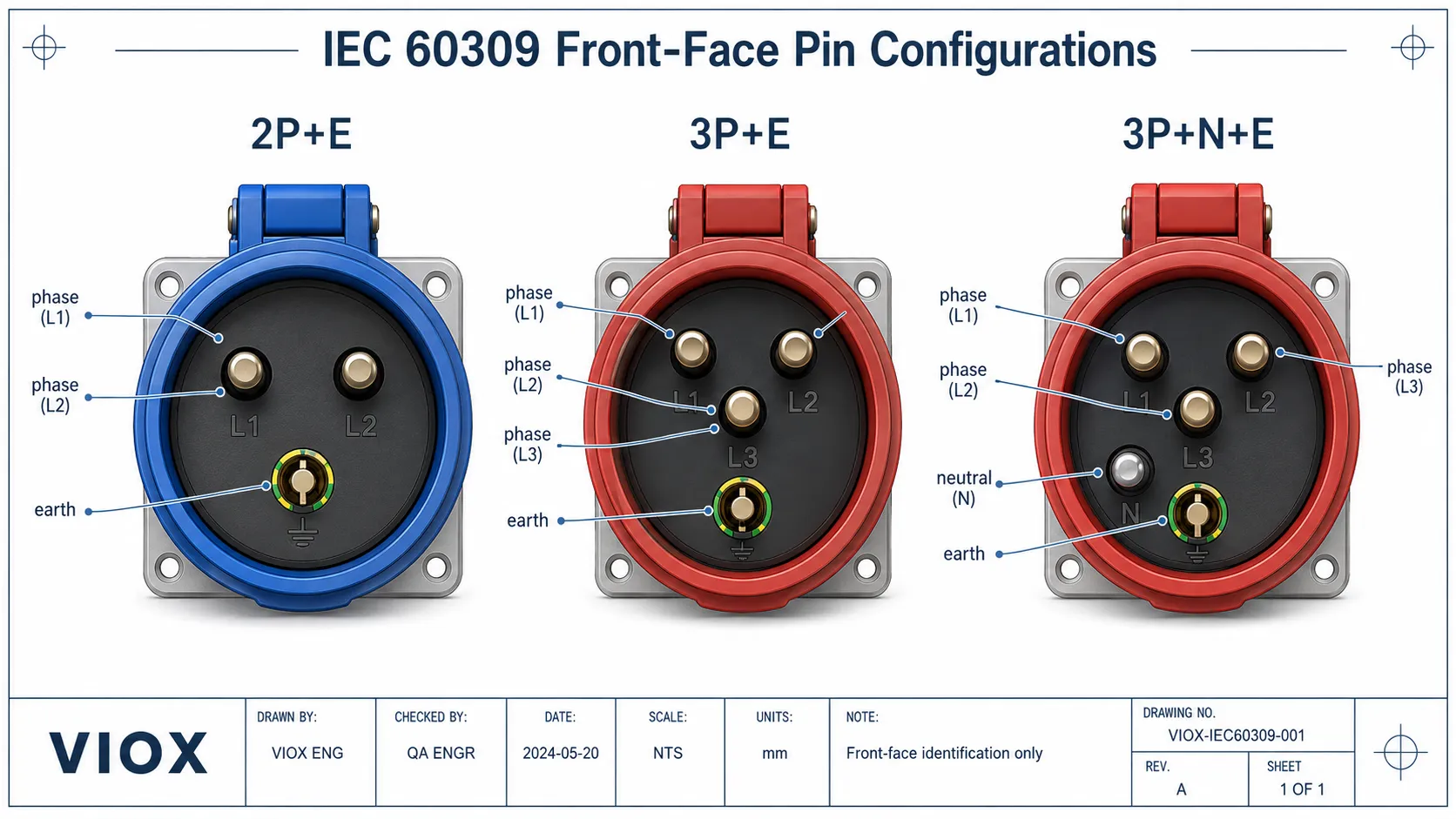
ការកំណត់រចនាសម្ព័ន្ធម្ជុល (Pin configuration) គឺជាផ្នែកមួយដ៏សំខាន់បំផុតក្នុងការជ្រើសរើសដោត និងរន្ធដោតឧស្សាហកម្ម។.
| សញ្ញាសម្គាល់ | អត្ថន័យ | ការប្រើប្រាស់ធម្មតា។ |
|---|---|---|
| 2P+E | ពីរបង្គោល + ដី (Two poles + Earth) | ទម្រង់ឧបករណ៍តភ្ជាប់ឧស្សាហកម្មប្រើភ្លើងមួយហ្វាសទូទៅ ដូចជា ខ្សែភ្លើង + ខ្សែណឺត + ខ្សែដី ក្នុងការប្រើប្រាស់តាមស្តង់ដារ IEC 60309 ជាច្រើន |
| 3P+E | បីហ្វាស + ដី (Three phases + Earth) | បន្ទុកបីហ្វាសដែលមិនត្រូវការខ្សែណឺត ដូចជាម៉ូទ័រជាច្រើន |
| 3P+N+E | បីហ្វាស + ខ្សែណឺត + ដី (Three phases + Neutral + Earth) | បន្ទុកបីហ្វាសដែលត្រូវការខ្សែណឺតផងដែរ |
នៅក្នុងវាក្យសព្ទនៃស្តង់ដារ IEC 60309 ដោតភ្លើងឧស្សាហកម្មមួយហ្វាសទូទៅ ជាធម្មតាត្រូវបានពិពណ៌នាថាជា 2P+E, មិនមែន P+N+E ទេ។ នៅក្នុងការដំឡើងជាក់ស្តែងជាច្រើន បង្គោលទាំងពីរនោះគឺជាខ្សែភ្លើង (Line) និងខ្សែអព្យាក្រឹត (Neutral) ប៉ុន្តែការកំណត់ស្តង់ដារផ្តោតលើចំនួនបង្គោលបូកនឹងខ្សែដី (Earth)។.
ឧទាហរណ៍ ម៉ូទ័របីហ្វាស (Three-phase motor) ជារឿយៗប្រើ 3P+E ដោយសារវាត្រូវការខ្សែហ្វាសចំនួនបី និងខ្សែដី ប៉ុន្តែមិនត្រូវការខ្សែអព្យាក្រឹតទេ។ ការចែកចាយបន្ទុកបីហ្វាសដែលមានសៀគ្វីជំនួយហ្វាសតែមួយ (Single-phase auxiliary circuits) ប្រហែលជាត្រូវការ 3P+N+E ដោយសារវាចាំបាច់ត្រូវមានខ្សែអព្យាក្រឹត។.
កុំជ្រើសរើសឧបករណ៍ភ្ជាប់ប្រភេទ 3P+E នៅពេលដែលឧបករណ៍ត្រូវការខ្សែអព្យាក្រឹត។ នេះគឺជាកំហុសទូទៅក្នុងការកំណត់លក្ខណៈបច្ចេកទេស។.
ការកំណត់កូដពណ៌តាមស្តង់ដារ IEC 60309
ឧបករណ៍ភ្ជាប់ IEC 60309 ប្រើពណ៌ដើម្បីបង្ហាញពីកម្រិតវ៉ុល។ លក្ខណៈបច្ចេកទេសជាក់លាក់គួរតែត្រូវបានត្រួតពិនិត្យនៅលើស្លាកសញ្ញាផលិតផល និងសន្លឹកទិន្នន័យបច្ចេកទេស។.
| ពណ៌ | កម្រិតវ៉ុលទូទៅ / ការប្រើប្រាស់ | វិធីធម្មតា |
|---|---|---|
| ពណ៌លឿង | កម្រិតវ៉ុល ១០០-១៣០វ៉ុល | ឧបករណ៍សម្រាប់ការដ្ឋានសំណង់ និងឧបករណ៍ចល័តក្នុងតំបន់មួយចំនួន |
| ខៀវ | កម្រិតវ៉ុល ២០០-២៥០វ៉ុល | ឧបករណ៍ឧស្សាហកម្មប្រើភ្លើងមួយហ្វាស |
| ក្រហម | កម្រិតវ៉ុល ៣៨០-៤៨០វ៉ុល | ថាមពលឧស្សាហកម្មប្រើភ្លើងបីហ្វាស |
| ខ្មៅ | កម្រិតវ៉ុល ៥០០វ៉ុល | ការប្រើប្រាស់ពិសេសក្នុងវិស័យឧស្សាហកម្ម ឬវិស័យនាវាចរណ៍ |
| បៃតង | ប្រេកង់ខ្ពស់ជាងជួរថាមពលអគ្គិសនីធម្មតា | ប្រព័ន្ធដែលមានប្រេកង់ខ្ពស់ជាងនេះ |
| ប្រផេះ | វ៉ុលផ្សេងទៀត ឬការកំណត់រចនាសម្ព័ន្ធពិសេស | ការប្រើប្រាស់ជាក់លាក់តាមគម្រោង |
ពណ៌តែមួយមុខមិនគ្រប់គ្រាន់ទេ។ ត្រូវតែពិនិត្យមើលវ៉ុលដែលបានកំណត់ (Rated voltage) ចរន្ត ប្រេកង់ ចំនួនម្ជុល និងទីតាំងនាឡិកា (Clock position) ជានិច្ច។.
ការពន្យល់អំពីទីតាំងនាឡិកា (Clock Position) តាមស្តង់ដារ IEC 60309
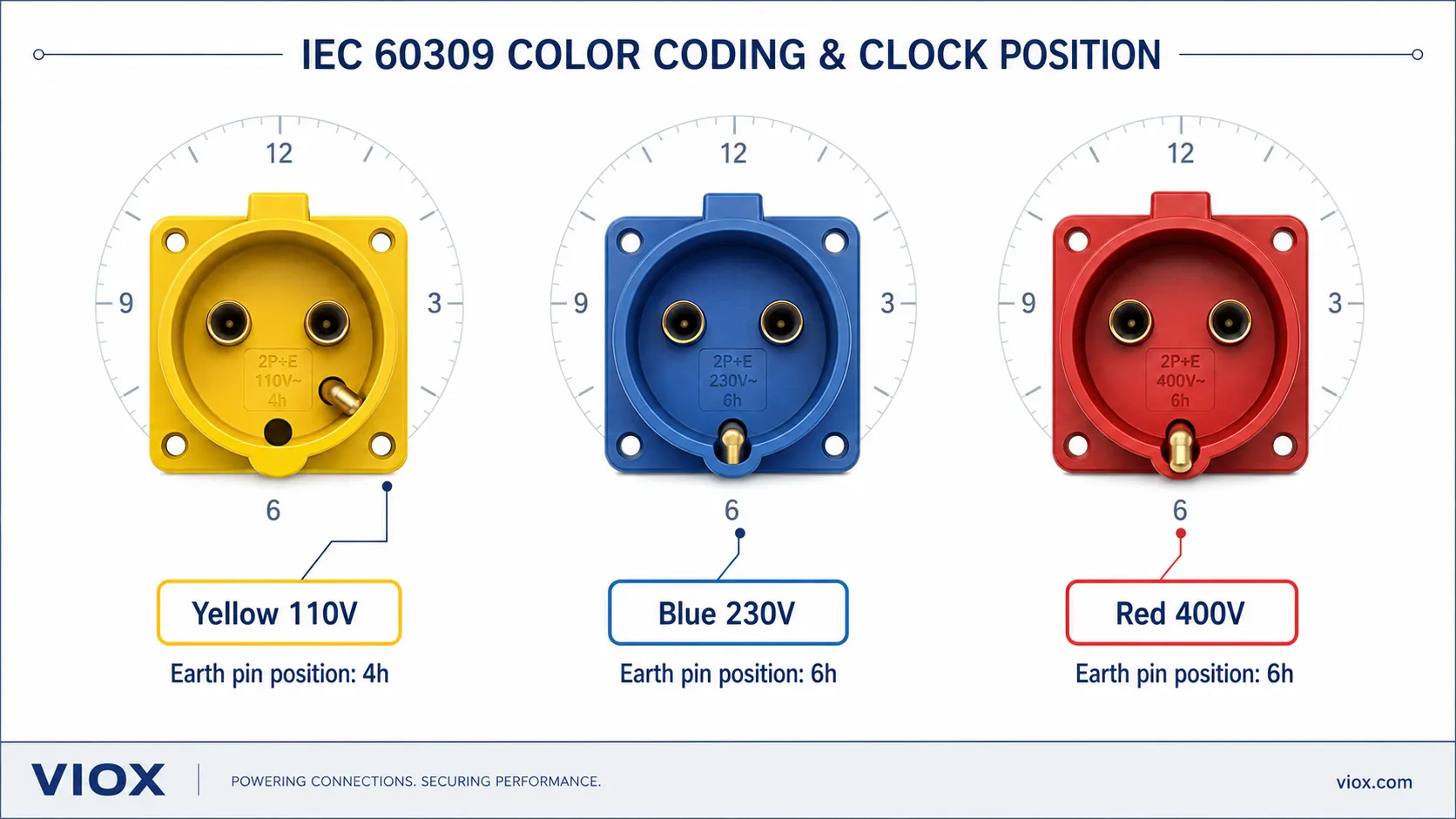
ក្បាលដោត (Connectors) តាមស្តង់ដារ IEC 60309 ក៏ប្រើប្រាស់ផងដែរនូវ ទីតាំងនាឡិកា (clock position) ប្រព័ន្ធ។ នៅពេលមើលផ្ទៃមុខព្រីភ្លើង ទីតាំងនៃទំនាក់ទំនងដី (Earth contact) ត្រូវបានពិពណ៌នាដូចជាមុខនាឡិកា។ ការកំណត់រចនាសម្ព័ន្ធមេកានិចនេះជួយការពារកុំឱ្យដោតភ្លើងដែលមានវ៉ុល ឬប្រេកង់ខុសគ្នាចូលទៅក្នុងព្រីភ្លើងដែលមិនត្រឹមត្រូវ។.
ទីតាំងមុខនាឡិកាគួរតែត្រូវបានផ្ទៀងផ្ទាត់ជានិច្ចជាមួយនឹងសញ្ញាសម្គាល់នៅលើឧបករណ៍ភ្ជាប់ និងសន្លឹកទិន្នន័យបច្ចេកទេស ប៉ុន្តែឧទាហរណ៍ទូទៅរួមមាន៖
| ឧបករណ៍ភ្ជាប់ទូទៅ | ពណ៌ធម្មតា | ទីតាំងមុខនាឡិកាទូទៅ | អ្វីដែលវាជួយការពារ |
|---|---|---|---|
| កម្រិតវ៉ុល ១០០-១៣០វ៉ុល | ពណ៌លឿង | ជាញឹកញាប់គឺ 4h នៅក្នុងកម្មវិធីប្រើប្រាស់ថាមពលនៅតាមការដ្ឋានជាច្រើន | ការពារការតភ្ជាប់ទៅនឹងព្រីភ្លើងដែលមានវ៉ុលខ្ពស់ជាង |
| កម្រិតវ៉ុល ២០០-២៥០វ៉ុល | ខៀវ | ជាញឹកញាប់គឺ 6h សម្រាប់ប្រព័ន្ធភ្លើងហ្វាដាច់តែមួយ 230V ទូទៅ | ជួយកំណត់អត្តសញ្ញាណថាមពលអគ្គិសនីឧស្សាហកម្មហ្វាដាច់តែមួយតាមស្តង់ដារ |
| កម្រិតវ៉ុល ៣៨០-៤៨០វ៉ុល | ក្រហម | ជាញឹកញាប់គឺ 6h សម្រាប់ប្រព័ន្ធភ្លើងបីហ្វាទូទៅ | ជួយកំណត់អត្តសញ្ញាណថាមពលអគ្គិសនីឧស្សាហកម្មបីហ្វាទូទៅ |
| វ៉ុល ឬប្រេកង់ពិសេស | ប្រែប្រួល | ជាក់លាក់តាមគម្រោង | ការពារការប្រើប្រាស់ឧបករណ៍ពិសេសមិនត្រូវគ្នា |
មេរៀនជាក់ស្តែងគឺសាមញ្ញ៖ ពណ៌ ចំនួនម្ជុល និងទីតាំងនាឡិកាត្រូវតែផ្គូផ្គងគ្នា. តំណភ្ជាប់អាចមានពណ៌ និងកម្រិតចរន្តដូចគ្នា ប៉ុន្តែនៅតែមិនអាចប្រើជាមួយគ្នាបាន ដោយសារតែទីតាំងចង្អូរ ឬទីតាំងដី (Earth) មានភាពខុសគ្នា។.
កម្រិតចរន្ត៖ 16A, 32A, 63A និង 125A
កម្រិតចរន្តនៃឌុយ និងព្រីភ្លើងឧស្សាហកម្មតាមស្តង់ដារ IEC ទូទៅមានដូចខាងក្រោម 16A, 32A, 63A និង 125A. មានប្រព័ន្ធពិសេសដែលមានទំហំធំជាងនេះ ប៉ុន្តែកម្រិតចរន្តទាំងបួននេះគ្របដណ្តប់លើការប្រើប្រាស់ក្នុងរោងចក្រ ការដ្ឋានសំណង់ និងពាណិជ្ជកម្មជាច្រើន។.
| ការវាយតម្លៃបច្ចុប្បន្ន | វិធីធម្មតា | កំណត់សម្គាល់ក្នុងការជ្រើសរើស |
|---|---|---|
| ១៦ ក | ឧបករណ៍ចល័ត គ្រឿងចក្រធុនស្រាល ឧបករណ៍តូចៗ | ទូទៅសម្រាប់បន្ទុកតូចៗ |
| ៣២ ក | គ្រឿងចក្រមធ្យម សិក្ខាសាលា និងការចែកចាយចល័ត | ជារឿយៗត្រូវបានប្រើសម្រាប់ថាមពលចល័តកម្រិតខ្ពស់ |
| ៦៣ ក | គ្រឿងចក្រធំៗ ការចែកចាយក្នុងឧស្សាហកម្ម និងបន្ទុកធ្ងន់ៗ | ទាមទារឱ្យមានការផ្គូផ្គងខ្សែភ្លើង និងឧបករណ៍ការពារដោយប្រុងប្រយ័ត្ន |
| ១២៥ អេ | ឧបករណ៍ដែលមានថាមពលខ្ពស់ និងការចែកចាយថាមពល | ជារឿយៗត្រូវបានប្រើជាមួយប្រព័ន្ធភ្ជាប់គ្នារវាងឧបករណ៍ ឬប្រព័ន្ធស្រោមការពារដ៏រឹងមាំ |
កម្រិតចរន្តអគ្គិសនីត្រូវតែផ្គូផ្គងនឹងការរចនាបណ្តាញអគ្គិសនីទាំងមូល មិនមែនត្រឹមតែផ្អែកលើស្លាកសញ្ញារបស់ឧបករណ៍នោះទេ។ សូមពិនិត្យមើលទំហំខ្សែភ្លើង ឧបករណ៍ការពារ កម្រិតវដ្តការងារ សីតុណ្ហភាពជុំវិញ និងវិធីសាស្ត្រនៃការដំឡើង។.
ចៀសវាងការកំណត់វិធានថេរដូចជា “ជ្រើសរើសយកកម្រិតខ្ពស់ជាង ២៥% ជានិច្ច”។ នៅក្នុងគម្រោងជាក់ស្តែង កម្រិតចរន្តត្រឹមត្រូវអាស្រ័យលើចរន្តផ្ទុក សមត្ថភាពខ្សែភ្លើង ការសម្របសម្រួលការការពារ បទប្បញ្ញត្តិក្នុងស្រុក និងទិន្នន័យរបស់អ្នកផលិត។.
IP44 ទល់នឹង IP67 ទល់នឹង IP69K
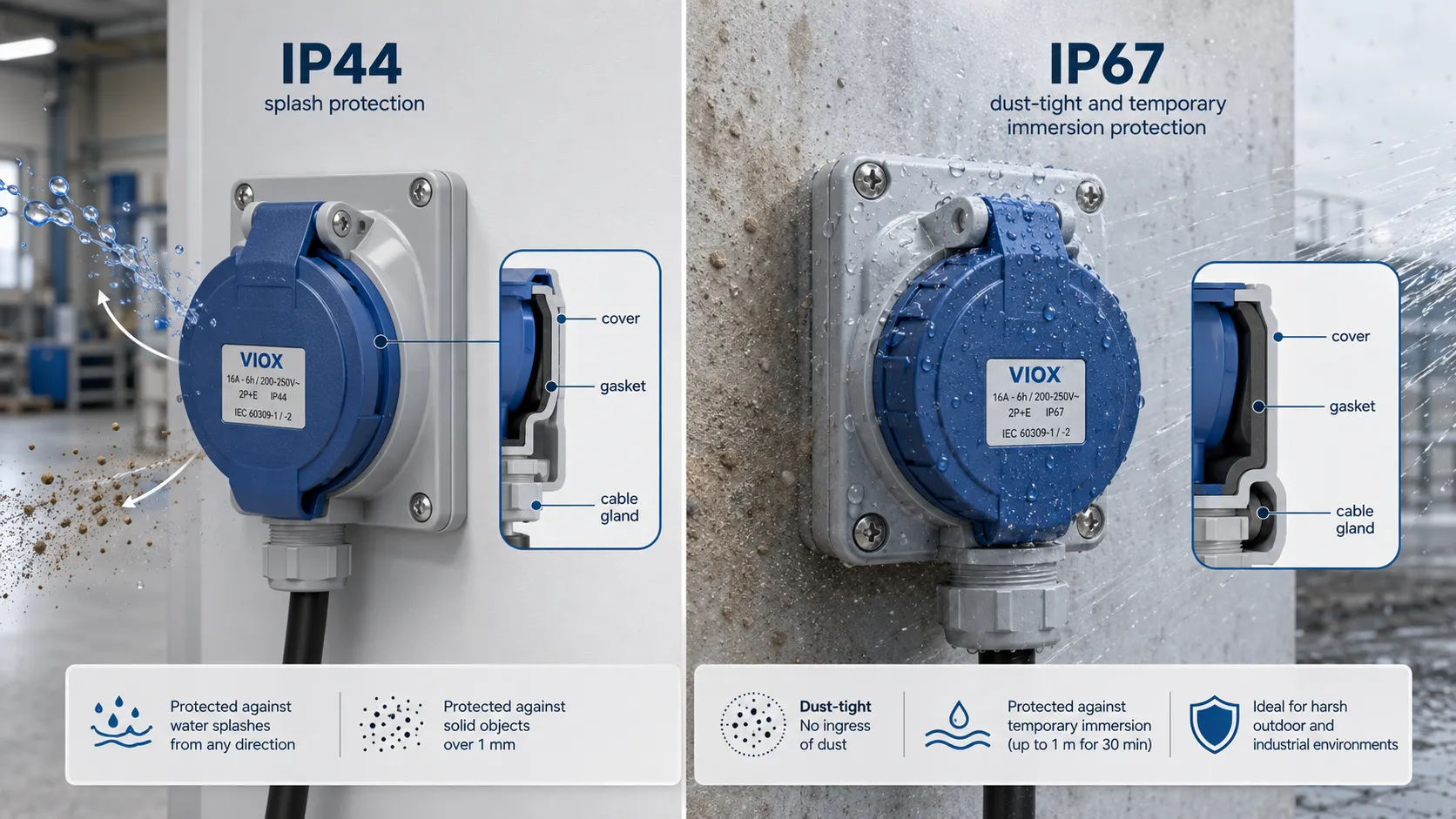
កម្រិត IP ពិពណ៌នាអំពីការការពារប្រឆាំងនឹងវត្ថុរឹង និងការជ្រាបចូលនៃទឹក។ រន្ធដោត និងឌុយឧស្សាហកម្មច្រើនតែត្រូវបានជ្រើសរើសទៅតាមបរិស្ថាន។.
| ការវាយតម្លៃ IP | កម្រិតការពារ | ការប្រើប្រាស់ធម្មតា។ |
|---|---|---|
| IP44 | ការពារការជះទឹក ការការពារកម្រិតមូលដ្ឋានសម្រាប់ឧស្សាហកម្ម | សិក្ខាសាលាក្នុងផ្ទះ តំបន់ដែលមានការការពារ |
| IP54 / IP55 | ការការពារធូលី និងទឹកបានប្រសើរជាងមុន | បរិស្ថានដែលលាតត្រដាងដោយផ្នែក ឬមានធូលីដី |
| IP67 | ការការពារពីធូលី និងការជ្រាបទឹកជាបណ្តោះអាសន្ន | ការប្រើប្រាស់នៅខាងក្រៅ ទីតាំងសើម តំបន់សមុទ្រ និងការប្រើប្រាស់ថាមពលបណ្តោះអាសន្ន |
| IP69K | ការការពារពីការលាងសម្អាតដោយសម្ពាធខ្ពស់ និងសីតុណ្ហភាពខ្ពស់ | ការកែច្នៃអាហារ តំបន់លាងសម្អាត និងការប្រើប្រាស់ពិសេសផ្សេងៗ |
ក្បាលតភ្ជាប់ប្រភេទ IP67 មិនមែនជាជម្រើសដ៏ល្អបំផុតសម្រាប់រាល់ការប្រើប្រាស់នោះទេ។ ប្រសិនបើដោតភ្លើងត្រូវបានដោត និងដកចេញញឹកញាប់នៅក្នុងសិក្ខាសាលាក្នុងផ្ទះដែលស្ងួត កម្រិត IP44 អាចនឹងគ្រប់គ្រាន់។ ប្រសិនបើព្រីភ្លើងត្រូវប៉ះនឹងភ្លៀង ការលាងសម្អាត ធូលី ឬភក់ នោះកម្រិតការពារខ្ពស់ជាងនេះអាចនឹងចាំបាច់។.
ព្រីភ្លើងឧស្សាហកម្មប្រភេទមានសោរចាក់ (Interlocked)
ក ព្រីភ្លើងឧស្សាហកម្មប្រភេទមានសោរចាក់ (Interlocked) រួមបញ្ចូលគ្នារវាងព្រីភ្លើងជាមួយកុងតាក់ ឬប្រព័ន្ធចាក់សោរមេកានិក/អគ្គិសនី។ គោលបំណងគឺដើម្បីកាត់បន្ថយហានិភ័យនៃការដោត ឬដកដោតភ្លើង ខណៈពេលដែលសៀគ្វីកំពុងមានចរន្តអគ្គិសនី។.
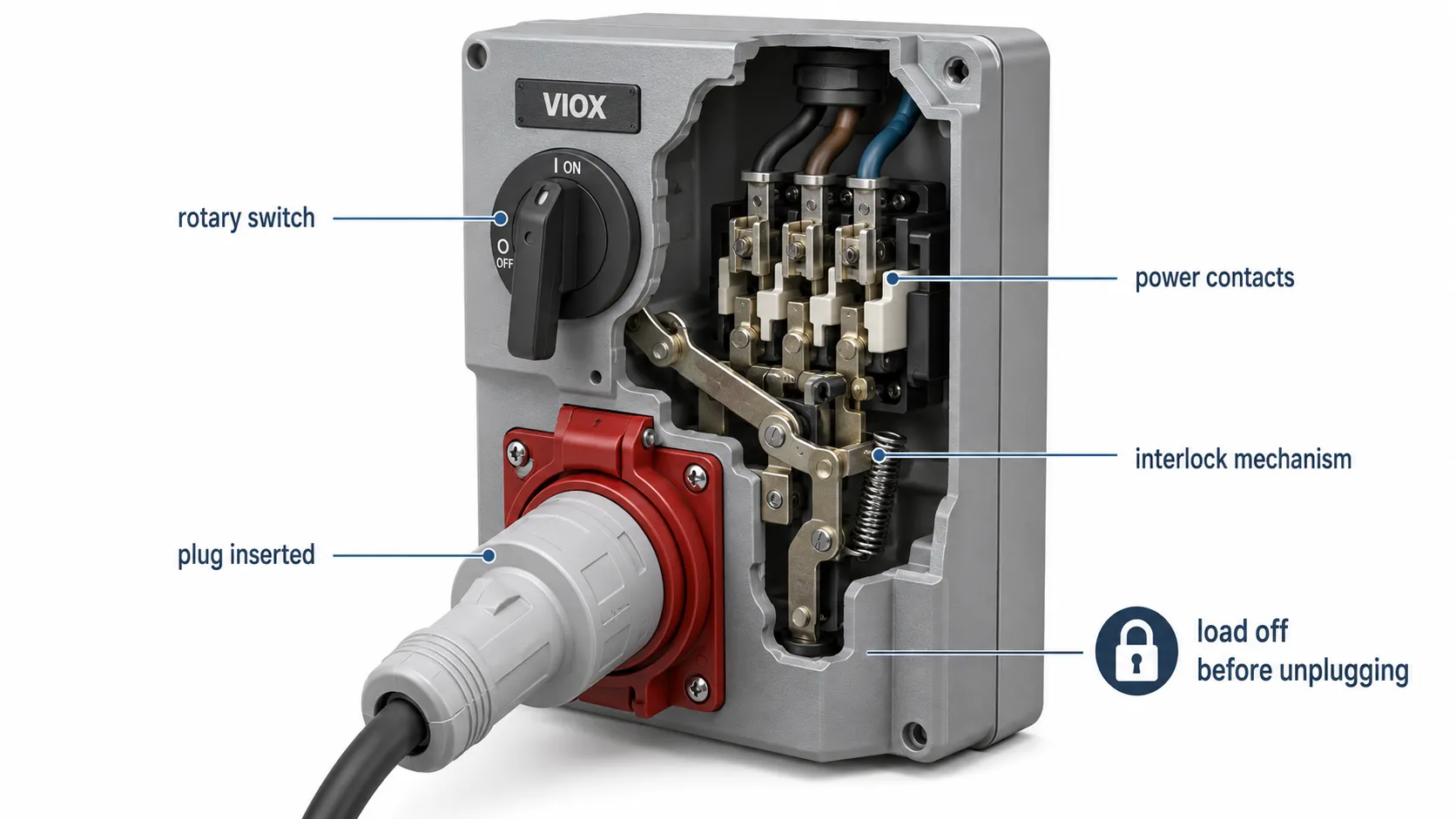
ព្រីភ្លើងប្រភេទចាក់សោរ ត្រូវបានប្រើប្រាស់ជាញឹកញាប់សម្រាប់៖
- បន្ទុកអគ្គិសនីឧស្សាហកម្មដែលមានកម្រិតចរន្តខ្ពស់
- ការតភ្ជាប់ថាមពលសម្រាប់គ្រឿងម៉ាស៊ីន
- ប្រអប់ចែកចាយភ្លើងនៅខាងក្រៅអគារ
- រន្ធដោតភ្លើងសម្រាប់ម៉ាស៊ីនភ្លើង
- ចំណុចផ្តល់ថាមពលសម្រាប់ការថែទាំ
- កម្មវិធីដែលការដកឌុយពេលកំពុងមានចរន្តអគ្គិសនីអាចបង្កឱ្យមានផ្កាភ្លើងអគ្គិសនី
មុខងារជាក់លាក់អាស្រ័យលើការរចនាផលិតផល។ រន្ធដោតដែលមានប្រព័ន្ធចាក់សោសុវត្ថិភាពខ្លះការពារមិនឱ្យដកឌុយចេញរហូតទាល់តែបិទកុងតាក់។ ចំណែកខ្លះទៀតការពារមិនឱ្យបើកកុងតាក់រហូតទាល់តែឌុយត្រូវបានដោតចូលយ៉ាងត្រឹមត្រូវ។.
សម្រាប់ប្រព័ន្ធដែលមានសារៈសំខាន់ចំពោះសុវត្ថិភាព ឬប្រព័ន្ធដែលមានចរន្តអគ្គិសនីខ្ពស់ រន្ធដោតដែលមានប្រព័ន្ធចាក់សោសុវត្ថិភាពគឺជាជម្រើសដ៏ល្អជាងរន្ធដោតធម្មតាដែលគ្មានប្រព័ន្ធចាក់សោ។.
ការបញ្ចូលខ្សែភ្លើង, ក្រពេញខ្សែភ្លើង (Cable Glands), និងការការពារការទាញដាច់ខ្សែ (Strain Relief)
ការដំឡើងឌុយ ឬរន្ធដោតឧស្សាហកម្មដែលមានគុណភាព គឺអាស្រ័យលើការបញ្ចូលខ្សែភ្លើងដូចគ្នាទៅនឹងតួរបស់ឧបករណ៍តភ្ជាប់ដែរ។.
ពិនិត្យ៖
- អង្កត់ផ្ចិតខាងក្រៅនៃខ្សែភ្លើង
- ទំហំក្បាលវីសរបស់ក្រពេញខ្សែភ្លើង
- ភាពឆបគ្នានៃកងកៅស៊ូផ្សាភ្ជាប់ (Sealing ring)
- ការរចនាសម្រាប់កាត់បន្ថយភាពតានតឹង (Strain relief design)
- ចន្លោះសម្រាប់ពត់ខ្សែភ្លើង
- ជួរទំហំនៃខ្សែចំលង (Conductor size range)
- ប្រភេទនៃចំណុចតភ្ជាប់ (Terminal type)
- វិធីសាស្ត្រនៃការរឹតបន្តឹង (Tightening method)
- ការប៉ះពាល់នឹងកាំរស្មី UV ក្រៅអាគារ (Outdoor UV exposure)
- ការប៉ះពាល់នឹងប្រេង សារធាតុគីមី ឬការលាងសម្អាត (Oil, chemical, or washdown exposure)
ការជ្រើសរើសច្រកចូលខ្សែមិនត្រឹមត្រូវអាចធ្វើឱ្យបាត់បង់កម្រិតការពារ IP។ តួនៃឧបករណ៍ភ្ជាប់អាចមានកម្រិត IP67 ប៉ុន្តែប្រសិនបើក្រពេញខ្សែ (cable gland) មិនបានបិទជិតស្រោមខ្សែឱ្យបានត្រឹមត្រូវទេ ទឹកអាចជ្រាបចូលទៅក្នុងប្រអប់ការពារបាន។.
សម្រាប់ព័ត៌មានអំពីការការពារច្រកចូលខ្សែ សូមមើល VIOX’s ក្រពេញខ្សែកាប ប្រភេទផលិតផល.
មគ្គុទ្ទេសក៍នៃការប្រើប្រាស់
| កម្មវិធី | ចំណុចដែលគួរយកចិត្តទុកដាក់ |
|---|---|
| ការដ្ឋានសំណង់ | ប្រព័ន្ធតង់ស្យុងទាបពណ៌លឿងតាមតម្រូវការ តួខ្លួនរឹងមាំ កម្រិតការពារ IP44/IP67 អាស្រ័យលើការប៉ះពាល់ |
| រោងចក្រ និងសិក្ខាសាលា | ប្រព័ន្ធបីហ្វាស 400V ពណ៌ក្រហម កម្រិតចរន្ត 16A/32A/63A រន្ធដោតជញ្ជាំងដែលមានភាពធន់ខ្ពស់ |
| ការប្រើប្រាស់ថាមពលបណ្តោះអាសន្ននៅខាងក្រៅ | កម្រិតការពារ IP67 ប្រដាប់តោងខ្សែភ្លើងរឹងមាំ ការការពារការទាញដាច់ និងភាពធន់នឹងការប៉ះទង្គិច |
| វិស័យនាវាចរណ៍ និងដែនសមុទ្រ | សម្ភារៈធន់នឹងការច្រេះ កម្រិតការពារ IP ខ្ពស់ ធន់នឹងកាំរស្មី UV និងការប៉ះពាល់ជាមួយអំបិល |
| ការកែច្នៃចំណីអាហារ | ផ្ទៃរលោង ធន់នឹងសារធាតុគីមី និងកម្រិតការពារសម្រាប់ការលាងសម្អាតតាមតម្រូវការ |
| ការតភ្ជាប់ម៉ាស៊ីនភ្លើង | ដំណាក់កាល (Phase) វ៉ុល ចរន្ត និងតម្រូវការខ្សែណឺតត្រ (Neutral) ត្រឹមត្រូវ រួមទាំងរន្ធដោតដែលមានប្រព័ន្ធចាក់សោ ឬកុងតាក់តាមតម្រូវការ |
| តំបន់កសិកម្ម | ធន់នឹងធូលី ទឹក ការប៉ះទង្គិច និងការប៉ះពាល់ជាមួយសារធាតុគីមី |
បរិស្ថានជារឿយៗជាអ្នកកំណត់ប្រភេទឧបករណ៍ភ្ជាប់។ រន្ធដោតក្នុងរោងចក្រដែលមានលក្ខខណ្ឌស្ងួត និងរន្ធដោតក្នុងកន្លែងកែច្នៃអាហារដែលត្រូវលាងសម្អាតដោយទឹក អាចមានកម្រិតវ៉ុល និងចរន្តអគ្គិសនីដូចគ្នា ប៉ុន្តែទាមទារការរចនាការពារដែលខុសគ្នាទាំងស្រុង។.
ប្រភេទឧបករណ៍ភ្ជាប់ថាមពលឧស្សាហកម្មក្រៅពីស្តង់ដារ IEC 60309
ឧបករណ៍ភ្ជាប់ប្រភេទម្ជុលនិងស្រោម (pin-and-sleeve) តាមស្តង់ដារ IEC 60309 គ្របដណ្តប់លើកម្មវិធីឧស្សាហកម្មជាច្រើន ប៉ុន្តែវាមិនមែនជាប្រភេទឧបករណ៍ភ្ជាប់ឧស្សាហកម្មតែមួយគត់នោះទេ។.
ប្រភេទផ្សេងទៀតអាចរួមមាន៖
- ឧបករណ៍ភ្ជាប់ប៉ូលតែមួយដែលមានចរន្តខ្ពស់សម្រាប់ថាមពលបណ្តោះអាសន្ន
- ឧបករណ៍ភ្ជាប់ប្រភេទ Cam ដែលប្រើក្នុងប្រព័ន្ធថាមពលសម្រាប់ព្រឹត្តិការណ៍ ឬការចែកចាយថាមពលពីម៉ាស៊ីនភ្លើង
- ឧបករណ៍ភ្ជាប់ដែលមានម្ជុលច្រើនសម្រាប់កម្មវិធីត្រួតពិនិត្យ និងសញ្ញា
- ឧបករណ៍ភ្ជាប់ពិសេសដែលការពារទឹកចូល
- ឧបករណ៍ភ្ជាប់រាងចតុកោណកែងសម្រាប់កិច្ចការធ្ងន់
- ឧបករណ៍ភ្ជាប់សម្រាប់តំបន់ដែលមានគ្រោះថ្នាក់ក្នុងបរិស្ថានពិសេស
ទាំងនេះគឺជាក្រុមផលិតផលផ្សេងៗគ្នា។ ប្រសិនបើការប្រើប្រាស់គឺសម្រាប់ការចែកចាយថាមពលឧស្សាហកម្មទូទៅ នោះស្តង់ដារ IEC 60309 គឺជាក្រុមដំបូងដែលត្រូវពិនិត្យ។ ប្រសិនបើការប្រើប្រាស់ពាក់ព័ន្ធនឹងថាមពលសម្រាប់ឆាកតន្ត្រី ការចែកចាយពីម៉ាស៊ីនភ្លើង សញ្ញាបញ្ជា ឬតំបន់ដែលមានគ្រោះថ្នាក់ នោះក្រុមឧបករណ៍ភ្ជាប់ផ្សេងទៀតអាចនឹងមានភាពសមស្របជាង។.
កំហុសទូទៅក្នុងការជ្រើសរើស
កំហុសទី ១៖ ការជ្រើសរើសដោយផ្អែកលើកម្រិតចរន្តតែមួយមុខ
ក្បាលដោត 32A មិនមែនជាព័ត៌មានគ្រប់គ្រាន់នោះទេ។ វ៉ុល ការកំណត់រចនាសម្ព័ន្ធម្ជុល កម្រិត IP ទីតាំងនាឡិកា ទំហំខ្សែ និងបរិស្ថាននៃការប្រើប្រាស់ ក៏ត្រូវតែមានភាពស៊ីសង្វាក់គ្នាផងដែរ។.
កំហុសទី 2៖ ការភាន់ច្រឡំរវាង 3P+E និង 3P+N+E
ប្រសិនបើឧបករណ៍ត្រូវការខ្សែណឺត (Neutral) នោះឧបករណ៍ភ្ជាប់ប្រភេទ 3P+E គឺមិនសមស្របទេ។ សូមពិនិត្យមើលថាតើបន្ទុកត្រូវការសៀគ្វីជំនួយដំណាក់កាលតែមួយ ថាមពលបញ្ជា ឬបន្ទុកដែលភ្ជាប់ជាមួយខ្សែណឺតដែរឬទេ។.
កំហុសទី 3៖ ការមិនយកចិត្តទុកដាក់លើកម្រិត IP បន្ទាប់ពីការដំឡើង
ការការពារ IP អាស្រ័យលើការដំឡើងទាំងមូល៖ គម្របព្រីភ្លើង ការភ្ជាប់ក្បាលដោត ក្រពេញខ្សែ (Cable gland) ចិញ្ចៀនផ្សាភ្ជាប់ អង្កត់ផ្ចិតខ្សែ និងការដំឡើងប្រអប់ការពារ។.
កំហុសទី ៤៖ ការប្រើប្រាស់ឧបករណ៍តភ្ជាប់ក្នុងផ្ទះនៅខាងក្រៅ
ឌុយ និងព្រីភ្លើងសម្រាប់ប្រើប្រាស់នៅខាងក្រៅចាំបាច់ត្រូវមានការការពារពីទឹក ធូលី កាំរស្មី UV ការប៉ះទង្គិច និងសីតុណ្ហភាពបានត្រឹមត្រូវ។ ឧបករណ៍តភ្ជាប់ដែលប្រើបានល្អក្នុងផ្ទះអាចនឹងខូចខាតយ៉ាងឆាប់រហ័សនៅពេលប្រើក្នុងការដ្ឋានសំណង់ ឬប្រអប់ភ្លើងនៅខាងក្រៅ។.
កំហុសទី ៥៖ ការមិនអើពើនឹងតម្រូវការប្រព័ន្ធចាក់សោសុវត្ថិភាព (Interlock)
ចំពោះព្រីភ្លើងដែលមានចរន្តខ្ពស់ ឬប្រើប្រាស់ញឹកញាប់ ការដកឌុយភ្លើងខណៈពេលកំពុងមានចរន្តអាចបង្កឱ្យមានផ្កាភ្លើង និងខូចខាតដល់ចំណុចតភ្ជាប់។ ព្រីភ្លើងដែលមានប្រព័ន្ធចាក់សោសុវត្ថិភាព (Interlocked socket) អាចនឹងត្រូវបានទាមទារដោយលក្ខខណ្ឌបច្ចេកទេសនៃគម្រោង ឬការអនុវត្តសុវត្ថិភាព។.
កំហុសទី ៦៖ ការសន្មតថាផលិតផល IEC 60309 ទាំងអស់អាចប្រើបានគ្រប់ទីផ្សារ
IEC 60309 ផ្តល់នូវក្របខណ្ឌបច្ចេកទេសរួមមួយ ប៉ុន្តែការអនុម័តក្នុងស្រុក ការបញ្ជាក់គុណភាព លេខកូដដំឡើង និងតម្រូវការទីផ្សារនៅតែមានសារៈសំខាន់។ សម្រាប់គម្រោងនៅអាមេរិកខាងជើង អឺរ៉ុប ឬគម្រោងនាំចេញ សូមពិនិត្យមើលឯកសារតម្រូវការក្នុងស្រុកឱ្យបានច្បាស់លាស់មុនពេលធ្វើការបញ្ជាទិញ។.
បញ្ជីត្រួតពិនិត្យសម្រាប់ការទិញឌុយ និងព្រីភ្លើងឧស្សាហកម្ម
មុនពេលស្នើសុំសម្រង់តម្លៃ សូមរៀបចំឯកសារដូចខាងក្រោម៖
- វ៉ុល និងប្រេកង់
- ប្រព័ន្ធហ្វាសមួយ ឬហ្វាសបី
- ការវាយតម្លៃបច្ចុប្បន្ន
- ការកំណត់រចនាសម្ព័ន្ធម្ជុល ដូចជា 2P+E, 3P+E ឬ 3P+N+E
- កម្រិតការពារ IP ដែលត្រូវការ
- ប្រភេទដោតភ្លើង, រន្ធដោត, ក្បាលតភ្ជាប់, រន្ធបញ្ចូលភ្លើង ឬរន្ធដោតដែលមានប្រព័ន្ធចាក់សោសុវត្ថិភាព
- ការដំឡើងនៅលើជញ្ជាំង, នៅលើផ្ទាំងបញ្ជា ឬប្រភេទចល័ត
- អង្កត់ផ្ចិតខាងក្រៅនៃខ្សែភ្លើង និងទំហំនៃខ្សែចំលង
- សម្ភារៈដែលត្រូវការ ឬភាពធន់នឹងសារធាតុគីមី
- បរិស្ថានក្នុងផ្ទះ ក្រៅផ្ទះ ដែនសមុទ្រ អាហារ ការដ្ឋានសំណង់ ឬរោងចក្រ
- ស្តង់ដារមូលដ្ឋាន ឬតម្រូវការនៃការអនុម័ត
- បរិមាណ និងភាពឆបគ្នានៃការជំនួស
លក្ខណៈបច្ចេកទេសច្បាស់លាស់ជួយកាត់បន្ថយការប្រើប្រាស់គ្រឿងបន្លាស់មិនត្រូវគ្នា ការកំណត់ជើងតភ្ជាប់ខុស និងការបរាជ័យនៃកម្រិតការពារ IP.
សំណួរគេសួរញឹកញាប់
តើខ្ញុំអាចដោតឌុយប្រភេទ 4-pin 3P+E ចូលទៅក្នុងព្រីភ្លើងប្រភេទ 5-pin 3P+N+E បានដែរឬទេ?
មិនបានទេ។ ឌុយប្រភេទ 3P+E និងព្រីភ្លើងប្រភេទ 3P+N+E មានការកំណត់រចនាសម្ព័ន្ធខុសគ្នា។ ប្រភេទ 5-pin មានខ្សែណឺត (Neutral) រីឯប្រភេទ 4-pin មិនមាននោះទេ។ ប្រសិនបើឧបករណ៍ត្រូវការខ្សែណឺត សូមប្រើប្រព័ន្ធតភ្ជាប់ប្រភេទ 3P+N+E ឱ្យបានត្រឹមត្រូវ។.
ហេតុអ្វីបានជាឧបករណ៍តភ្ជាប់តាមស្តង់ដារ IEC 60309 ប្រើប្រាស់ទីតាំងដូចមុខនាឡិកា?
ទីតាំងដូចមុខនាឡិកាផ្តល់នូវការកំណត់រចនាសម្ព័ន្ធមេកានិច។ វាជួយការពារកុំឱ្យឌុយដែលមានវ៉ុល ប្រេកង់ ឬប្រព័ន្ធកំណត់ខុសគ្នា អាចដោតចូលទៅក្នុងព្រីភ្លើងដែលមិនឆបគ្នាបាន។.
តើ 2P+E ដូចគ្នាទៅនឹង P+N+E ឬទេ?
នៅក្នុងវាក្យសព្ទ IEC 60309 ការសម្គាល់តាមស្តង់ដារជាធម្មតាគឺ 2P+E. នៅក្នុងប្រព័ន្ធប្រើប្រាស់ភ្លើងមួយហ្វាសជាច្រើន ប៉ូលទាំងពីរគឺខ្សែឡាញ (Line) និងខ្សែណឺត (Neutral) ប៉ុន្តែការកំណត់ឈ្មោះឧបករណ៍តភ្ជាប់គឺផ្អែកលើចំនួនប៉ូលបូកនឹងខ្សែដី (Earth)។.
តើព្រីភ្លើងឧស្សាហកម្មកម្រិតតង់ស្យុង 230V មានពណ៌អ្វី?
នៅក្នុងការអនុវត្តទូទៅតាមស្តង់ដារ IEC 60309 ពណ៌ខៀវត្រូវបានប្រើសម្រាប់ជួរតង់ស្យុង 200-250V ដែលជារឿយៗត្រូវបានផ្សារភ្ជាប់ជាមួយនឹងការប្រើប្រាស់ភ្លើងមួយហ្វាសកម្រិត 230V។ សូមពិនិត្យមើលការសម្គាល់នៅលើផលិតផលជានិច្ច។.
តើព្រីភ្លើងឧស្សាហកម្មកម្រិតតង់ស្យុង 400V មានពណ៌អ្វី?
ពណ៌ក្រហមត្រូវបានប្រើជាទូទៅសម្រាប់ជួរតង់ស្យុង 380-480V ដែលជារឿយៗត្រូវបានផ្សារភ្ជាប់ជាមួយនឹងការប្រើប្រាស់ភ្លើងបីហ្វាសកម្រិត 400V ក្នុងវិស័យឧស្សាហកម្ម។.
តើអ្វីជាភាពខុសគ្នារវាងព្រីភ្លើងឧស្សាហកម្មកម្រិត IP44 និង IP67?
IP44 ផ្តល់ការការពារពីការជះទឹកសម្រាប់បរិយាកាសឧស្សាហកម្មមូលដ្ឋាន។ IP67 ផ្តល់ការការពារពីធូលី និងការជ្រាបទឹកក្នុងរយៈពេលខ្លី ដែលធ្វើឱ្យវាកាន់តែសមស្របសម្រាប់បរិយាកាសខាងក្រៅ សើម ឬបរិយាកាសដែលមានលក្ខខណ្ឌតឹងរ៉ឹង។.
តើខ្ញុំគួរប្រើរន្ធដោតឧស្សាហកម្មប្រភេទ Interlocked នៅពេលណា?
ប្រើរន្ធដោតប្រភេទ Interlocked នៅពេលដែលសៀគ្វីមិនគួរត្រូវបានដោត ឬដកចេញនៅពេលកំពុងមានចរន្តអគ្គិសនី ជាពិសេសសម្រាប់គ្រឿងចក្រដែលមានចរន្តខ្ពស់ ការចែកចាយថាមពលនៅខាងក្រៅ រន្ធដោតម៉ាស៊ីនភ្លើង និងឧបករណ៍ដែលមានសារៈសំខាន់ចំពោះសុវត្ថិភាព។.
ហេតុអ្វីបានជាឧបករណ៍តភ្ជាប់ឧស្សាហកម្មកម្រិត 63A និង 125A មួយចំនួនមានទំនាក់ទំនងជំនួយ (Pilot contact)?
ប្រព័ន្ធតភ្ជាប់ដែលមានចរន្តខ្ពស់មួយចំនួនប្រើទំនាក់ទំនងជំនួយសម្រាប់មុខងារត្រួតពិនិត្យ ឬមុខងារ Interlock។ ទំនាក់ទំនងជំនួយអាចត្រូវបានរៀបចំឱ្យភ្ជាប់បន្ទាប់ពីទំនាក់ទំនងមេ និងដាច់មុនទំនាក់ទំនងមេ ដែលជួយឱ្យប្រព័ន្ធគ្រប់គ្រងការបិទបើកមុនពេលម្ជុលថាមពលមេដាច់ចេញពីគ្នា។ មុខងារពិតប្រាកដអាស្រ័យលើការរចនានៃឧបករណ៍តភ្ជាប់ និងគ្រោងការណ៍ខ្សែភ្លើង។.
តើកម្រិត IP67 នៅតែមានប្រសិទ្ធភាពនៅពេលដកដោតចេញដែរឬទេ?
មានតែក្នុងករណីដែលការរចនានៃគម្របរន្ធដោត គម្របការពារ ឬប្រអប់ការពាររក្សាកម្រិតការពារក្នុងស្ថានភាពនោះ។ ការការពារ IP អាស្រ័យលើការដំឡើងទាំងមូល រួមទាំងថាតើឧបករណ៍តភ្ជាប់ត្រូវបានដោត គ្របជិត បិទជិត និងដំឡើងជាមួយក្រពេញខ្សែភ្លើង (Cable gland) ត្រឹមត្រូវដែរឬទេ។.
តើដោត និងរន្ធដោតឧស្សាហកម្មមានលក្ខណៈការពារទឹកដែរឬទេ?
លុះត្រាតែវាត្រូវបានរចនា និងដំឡើងដោយមានកម្រិតការពារ IP ត្រឹមត្រូវ។ ជាឧទាហរណ៍ ឧបករណ៍ភ្ជាប់ដែលមានកម្រិត IP67 នៅតែត្រូវការប្រដាប់តោងខ្សែ (cable gland) ចិញ្ចៀនផ្សាភ្ជាប់ និងវិធីសាស្ត្រដំឡើងដែលត្រឹមត្រូវ ដើម្បីរក្សាប្រសិទ្ធភាពការពារទឹក។.
សេចក្តីសន្និ
ការជ្រើសរើសដោត និងព្រីភ្លើងឧស្សាហកម្ម មិនមែនគ្រាន់តែជាការផ្គូផ្គងកម្រិតចរន្តអគ្គិសនីប៉ុណ្ណោះទេ។ ការជ្រើសរើសប្រកបដោយសុវត្ថិភាពត្រូវតែផ្គូផ្គងទៅនឹងតង់ស្យុង ចរន្ត ប្រព័ន្ធហ្វាស (phase) ការរៀបចំជើងដោត កម្រិត IP ការបញ្ចូលខ្សែភ្លើង តម្រូវការប្រព័ន្ធចាក់សោសុវត្ថិភាព (interlock) បរិស្ថាន និងស្តង់ដារដែលអាចអនុវត្តបាន ឬការអនុម័តក្នុងស្រុក។.
សម្រាប់កម្មវិធីថាមពលឧស្សាហកម្មទូទៅភាគច្រើន ឧបករណ៍ភ្ជាប់ប្រភេទ pin-and-sleeve តាមស្តង់ដារ IEC 60309 គឺជាក្រុមដំបូងដែលត្រូវពិចារណា។ សូមប្រើកូដពណ៌ និងការរៀបចំជើងដោតជាមគ្គុទ្ទេសក៍ ប៉ុន្តែត្រូវតែផ្ទៀងផ្ទាត់ការសម្គាល់ផលិតផលទាំងស្រុង និងសន្លឹកទិន្នន័យបច្ចេកទេស (datasheet) ជានិច្ចមុនពេលដំឡើង។.