Di halaman ini
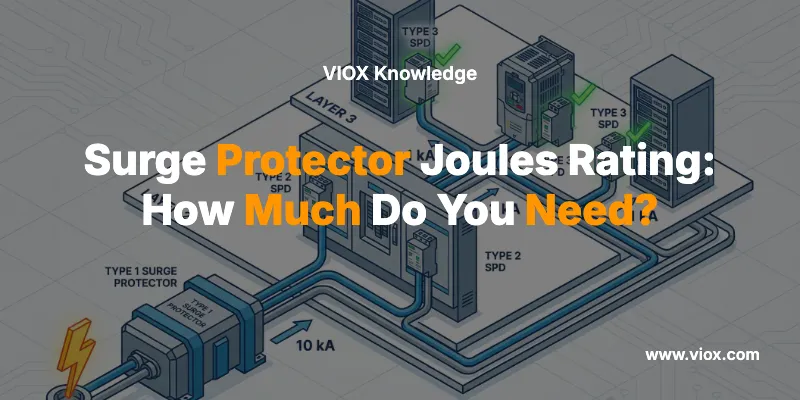
Peringkat joule pelindung lonjakan arus adalah kemampuan terkait energi yang dinyatakan berdasarkan metode pengujian produsen. Ini bukan ukuran universal untuk kualitas perlindungan, sisa masa pakai, atau jumlah lonjakan arus yang dapat ditahan oleh perangkat. Joule dapat membantu membandingkan pelindung tipe plug-in ketika produk menggunakan metode pengujian yang sebanding, tetapi tidak boleh menjadi satu-satunya kriteria pemilihan. Untuk perangkat pelindung lonjakan arus (SPD) yang dipasang di panel, kompatibilitas tegangan sistem, tingkat perlindungan, peringkat arus pelepasan, mode perlindungan, koordinasi, dan pemasangan biasanya memberikan dasar yang lebih dapat dipertanggungjawabkan.
Apa Arti Peringkat Joule Pelindung Lonjakan Arus?
Joule adalah satuan energi. Pada pelindung lonjakan arus tipe plug-in, nilai joule yang dipublikasikan umumnya menjelaskan kemampuan terkait energi dari jaringan pembatas lonjakan arus internal, yang sering kali didasarkan pada metal oxide varistor (MOV). Nilai tersebut hanya berguna dalam konteks konstruksi dan metode pengujian yang dinyatakan oleh produsen.
Nilai tersebut tidak memberi tahu Anda tegangan yang mencapai peralatan yang terhubung, apakah perangkat tersebut kompatibel dengan suplai, bagaimana perilakunya di akhir masa pakai, atau apakah instalasi memiliki konduktor pelindung yang efektif. Pertanyaan-pertanyaan tersebut memerlukan peringkat dan informasi instalasi lainnya.
| Pertanyaan | Apakah peringkat joule menjawabnya? | Apa yang harus diperiksa sebagai gantinya atau di sampingnya |
|---|---|---|
| Berapa banyak energi lonjakan arus yang dinyatakan berdasarkan metode produsen? | Sebagian | Metode pengujian, konstruksi perangkat, dan data produsen |
| Berapa besar tegangan yang mencapai beban? | Tidak ada | Peringkat Proteksi Tegangan (VPR) atau tingkat proteksi tegangan (Up), sebagaimana mestinya |
| Apakah SPD tersebut sesuai untuk sistem kelistrikan tersebut? | Tidak ada | Tegangan nominal dan Tegangan Operasi Kontinu Maksimum (MCOV/Uc) |
| Bagaimana kinerja panel SPD di bawah pengujian arus pelepasan? | Tidak ada | Arus pelepasan nominal (In), arus pelepasan maksimum (Imax), atau arus impuls (Iimp), bergantung pada tipe SPD dan standar yang digunakan |
| Berapa banyak lonjakan yang tersisa sebelum kegagalan? | Tidak ada | Indikasi status, riwayat kejadian, inspeksi, dan instruksi pabrikan |
Mengapa Joule Tidak Dapat Dikonversi Menjadi Jumlah Kejadian Lonjakan
Membagi nilai joule yang dipublikasikan dengan asumsi energi per lonjakan tidak menghasilkan estimasi masa pakai yang andal. Kejadian transien yang nyata berbeda dalam bentuk gelombang, tegangan puncak, arus, durasi, impedansi sumber, laju pengulangan, dan mode proteksi. Energi juga terbagi di antara impedansi instalasi, proteksi hulu dan hilir, serta peralatan yang terhubung.
Penuaan komponen tidak selalu bersifat linear. Tekanan kecil yang berulang, satu kejadian parah, tegangan lebih sementara, kondisi termal, dan koordinasi dengan SPD lain dapat menghasilkan hasil yang berbeda meskipun total energi yang disederhanakan tampak serupa. Oleh karena itu, klaim seperti “pelindung 2.000 J dapat bertahan terhadap dua puluh lonjakan 100 J” tidak boleh digunakan sebagai aturan pengganti teknis.
Apakah Peringkat Joule yang Lebih Tinggi Lebih Baik?
Nilai yang dinyatakan lebih tinggi dapat menunjukkan kemampuan terkait energi yang lebih besar dalam keluarga produk yang sebanding, tetapi tidak secara otomatis berarti proteksi yang lebih baik. Produk dengan angka joule yang besar tetap bisa tidak sesuai jika tegangan operasi kontinu, tingkat proteksi, mode koneksi, kesesuaian hubung singkat, atau indikasi statusnya tidak cocok dengan aplikasinya.
Bandingkan nilai joule hanya setelah memastikan bahwa kedua perangkat ditujukan untuk sistem yang sama dan dievaluasi menggunakan pernyataan yang sebanding. Jika dasar pengujian tidak jelas, perlakukan angka tersebut sebagai informasi pendukung, bukan sebagai peringkat universal.
Joule vs Tegangan Penjepitan, VPR, dan Up
Joule mendeskripsikan kemampuan yang berkaitan dengan energi. Kinerja penjepitan atau pembatasan mendeskripsikan tegangan yang muncul selama pengujian lonjakan tertentu. Literatur produk Amerika Utara mungkin menyatakan VPR di bawah kerangka kerja UL yang berlaku; lembar data berorientasi IEC umumnya menyatakan Up. Nilai-nilai ini tidak dapat dipertukarkan tanpa memeriksa dasar pengujiannya.
Tingkat perlindungan yang dinyatakan lebih rendah juga tidak serta-merta benar. Nilai tersebut harus kompatibel dengan tegangan sistem kelistrikan dan dikoordinasikan dengan peralatan hilir serta SPD lainnya. Panjang kabel dan perutean juga menambah tegangan selama lonjakan, sehingga nilai lembar data yang baik tidak dapat mengompensasi konduktor yang panjang, melingkar, atau dirutekan dengan buruk.
Apakah SPD yang Dipasang di Panel Memiliki Peringkat Joule?
Beberapa produsen memublikasikan informasi joule untuk produk yang dipasang di panel, sementara yang lain menekankan peringkat arus lonjakan dan tingkat perlindungan yang terstandarisasi. Untuk SPD panel, pembeli harus memulai dari sistem kelistrikan dan pemasangan alih-alih meminta angka joule minimum.
| Aplikasi | Mulai dengan | Peran joule |
|---|---|---|
| Pelindung plug-in untuk elektronik | Kompatibilitas suplai, bukti daftar atau sertifikasi produk, indikasi perlindungan, VPR atau kinerja pembatasan yang dinyatakan, dan antarmuka yang dilindungi | Mendukung perbandingan ketika dasar pengujiannya sebanding |
| SPD papan distribusi AC | Tegangan sistem, pengaturan pembumian, tipe/lokasi SPD, Uc atau MCOV, Up atau VPR, In/Imax/Iimp sebagaimana mestinya, mode proteksi, proteksi cadangan, dan kesesuaian hubung singkat | Biasanya sekunder |
| SPD DC untuk PV atau lainnya | Tegangan DC kontinu maksimum, polaritas dan topologi, tingkat proteksi, peringkat arus pelepasan, kondisi gangguan, dan standar produk yang berlaku | Bukan pengganti untuk peringkat khusus DC |
Berapa Joule yang Saya Butuhkan?
Tidak ada ambang batas joule universal yang secara aman memetakan setiap peralatan atau instalasi ke suatu produk. Gunakan urutan ini sebagai gantinya:
- Identifikasi apakah perangkat tersebut merupakan pelindung plug-in di titik penggunaan atau SPD yang dipasang di panel.
- Konfirmasikan tegangan nominal, frekuensi, pengaturan fase, serta kondisi pembumian atau pentanahan.
- Konfirmasikan bahwa produk telah dievaluasi untuk pasar dan posisi pemasangan yang dituju.
- Bandingkan tingkat proteksi, tegangan operasi kontinu, peringkat arus lonjakan, mode proteksi, dan informasi hubung singkat.
- Untuk produk plug-in, bandingkan deklarasi joule hanya di antara produk dengan informasi pengujian yang cukup jelas dan sebanding.
- Periksa indikasi status, perilaku akhir masa pakai, jalur data atau sinyal yang dilindungi, ketentuan garansi, dan instruksi penggantian.
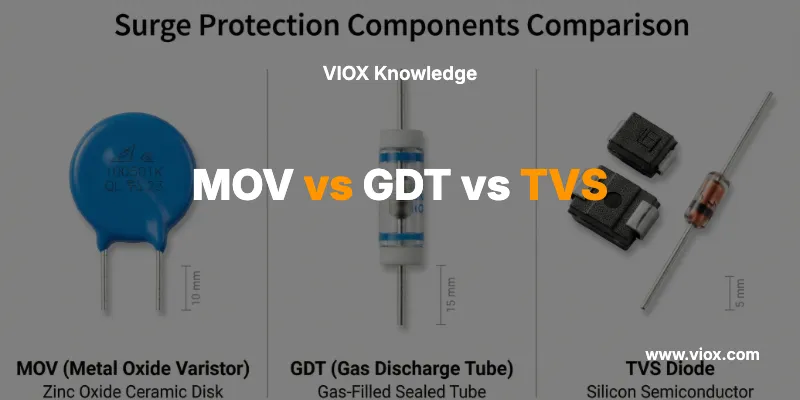
Untuk alur kerja spesifikasi panel-SPD yang lengkap, gunakan panduan VIOX untuk membaca lembar data SPD. Untuk peran teknologi MOV, tabung pelepasan gas, dan penekanan tegangan transien, lihat Perbandingan MOV vs GDT vs TVS.
Pertanyaan yang Sering Diajukan
Apa yang diukur oleh peringkat joule pelindung lonjakan arus?
Peringkat tersebut menjelaskan kemampuan terkait energi berdasarkan desain dan metode pengujian yang dinyatakan oleh produsen. Peringkat tersebut tidak mengukur secara langsung tegangan yang mencapai beban atau sisa masa pakai.
Bisakah saya memperkirakan sisa masa pakai dari peringkat joule awal?
Tidak. Tanpa data pemantauan yang tervalidasi dan metode yang ditetapkan produsen, peringkat awal tidak dapat diperlakukan seperti indikator bahan bakar. Gunakan indikator status proteksi, kontak alarm jika tersedia, hasil inspeksi, riwayat kejadian, dan instruksi produk.
Apakah joule lebih penting daripada tegangan penjepit (clamping voltage)?
Keduanya menjawab pertanyaan yang berbeda. Untuk kinerja proteksi, nilai pembatas tegangan yang dinyatakan dan kompatibilitas sistem kelistrikan adalah hal yang esensial. Joule dapat memberikan konteks tambahan untuk produk plug-in yang sebanding, namun tidak dapat menggantikan VPR, Up, MCOV/Uc, atau peringkat spesifik aplikasi.
Haruskah saya memilih SPD seluruh rumah berdasarkan joule?
Tidak. Mulailah dengan tegangan sistem, pengaturan pembumian, lokasi pemasangan, mode proteksi, Uc atau MCOV, Up atau VPR, peringkat arus pelepasan, proteksi cadangan, dan kesesuaian hubung singkat.