کلیدی ٹیک ویز
- بریکنگ کیپیسٹی (Icn/Icu) زیادہ سے زیادہ فالٹ کرنٹ کی نمائندگی کرتی ہے جسے ایک MCB بغیر کسی نقصان یا خرابی کے محفوظ طریقے سے روک سکتا ہے، جسے کلو ایمپیئرز (kA) میں ماپا جاتا ہے۔ 6kA MCBs عام طور پر رہائشی تنصیبات کے لیے کافی ہیں.
- جہاں متوقع شارٹ سرکٹ کرنٹ (PSCC) 5kA سے کم رہتا ہے، خاص طور پر سپلائی ٹرانسفارمرز سے دور مقامات پر۔ 10kA MCBs تجارتی ایپلی کیشنز، شہری تنصیبات، اور ٹرانسفارمرز کے قریب مقامات کے لیے تجویز کیے جاتے ہیں۔.
- جہاں فالٹ کرنٹ 6kA سے زیادہ ہو یا مستقبل میں توسیع متوقع ہو۔ مناسب انتخاب کے لیے تنصیب کے مقام پر PSCC کا حساب لگانا ضروری ہے۔.
- سسٹم وولٹیج، کل رکاوٹ، اور ٹرانسفارمر کی خصوصیات کا استعمال کرتے ہوئے۔ IEC 60898-1 رہائشی MCB معیارات کو کنٹرول کرتا ہے۔.
- جبکہ IEC 60947-2 صنعتی ایپلی کیشنز پر لاگو ہوتا ہے، جس میں مختلف جانچ کی ضروریات اور کارکردگی کے معیار ہوتے ہیں۔ بریکنگ کیپیسٹی کو کم کرنا سنگین حفاظتی خطرات پیدا کرتا ہے۔.
- بشمول آرک فلیش کے واقعات، آلات کو نقصان، اور آگ لگنے کے ممکنہ خطرات۔ 6kA اور 10kA MCBs کے درمیان لاگت کا فرق کم ہے۔.
- مناسب انتخاب کے حفاظتی فوائد اور کوڈ کی تعمیل کے فوائد کے مقابلے میں۔ MCB بریکنگ کیپیسٹی کو سمجھنا: سرکٹ پروٹیکشن کی بنیاد.
بریکنگ کیپیسٹی، جسے شارٹ سرکٹ بریکنگ کیپیسٹی بھی کہا جاتا ہے، زیادہ سے زیادہ متوقع فالٹ کرنٹ کی نمائندگی کرتی ہے جسے ایک
اپنی ریٹیڈ وولٹیج پر محفوظ طریقے سے روک سکتا ہے۔ جب شارٹ سرکٹ ہوتا ہے، تو فالٹ کرنٹ ملی سیکنڈ میں نارمل آپریٹنگ کرنٹ سے سینکڑوں گنا زیادہ ہو سکتا ہے۔ MCB کو اس کرنٹ کو رو کنا چاہیے اس سے پہلے کہ یہ کنڈکٹرز، آلات کو تباہ کن نقصان پہنچائے، یا آگ لگنے کے خطرات پیدا کرے۔ منی ایچر سرکٹ بریکر (MCB) بریکنگ کیپیسٹی کی درجہ بندی ہر MCB نیم پلیٹ پر ظاہر ہوتی ہے، عام طور پر Icn (IEC 60898-1 کے مطابق ریٹیڈ شارٹ سرکٹ کیپیسٹی) یا Icu (IEC 60947-2 کے مطابق حتمی شارٹ سرکٹ بریکنگ کیپیسٹی) کے طور پر ظاہر ہوتی ہے۔ سمجھنا.
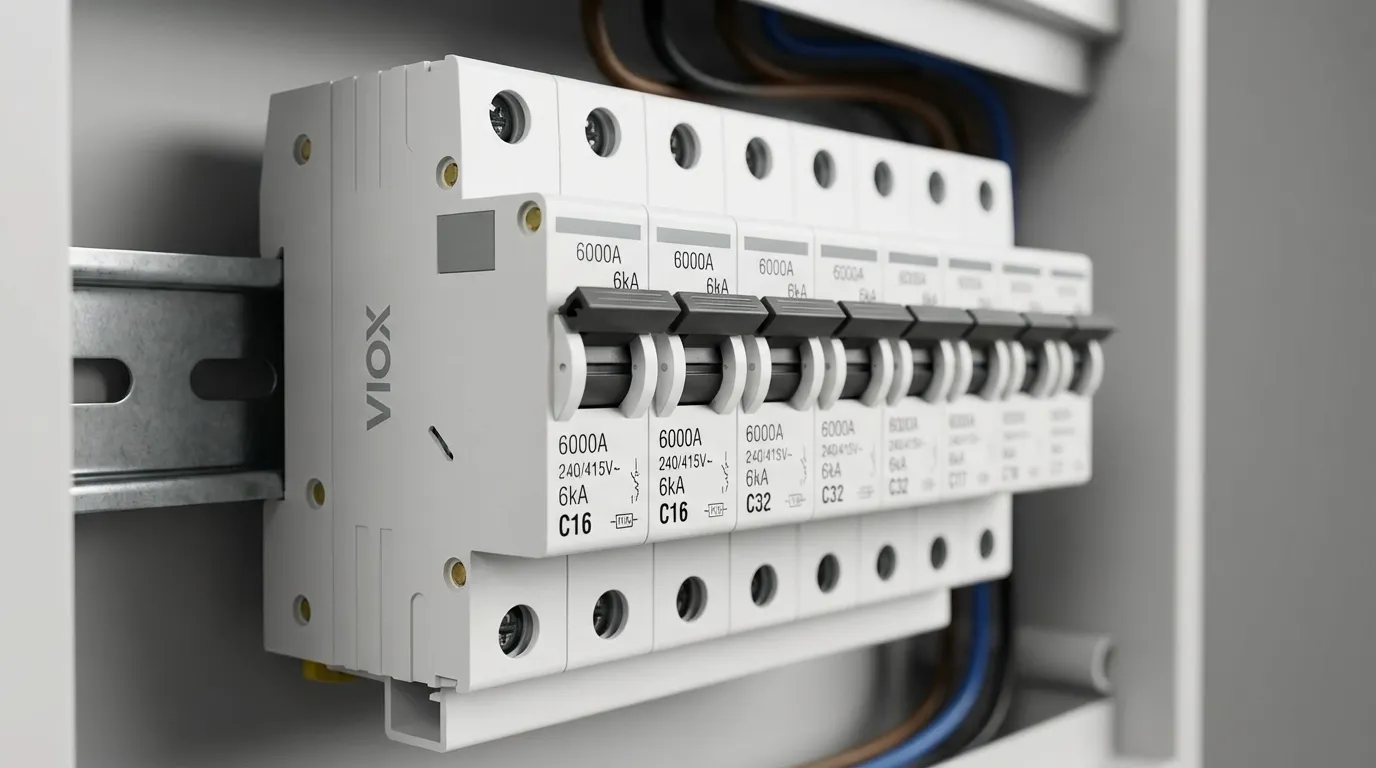
ان درجہ بندیوں کو محفوظ برقی نظام کے ڈیزائن کے لیے بنیادی حیثیت حاصل ہے۔ تصویر 1: 6kA ریٹیڈ والے رہائشی ڈسٹری بیوشن پینل کی قریبی تصویر.
ناکافی بریکنگ کیپیسٹی کے ساتھ MCB کا انتخاب متعدد ناکامی کے طریقوں کو پیدا کرتا ہے:
: MCB کی درجہ بندی سے زیادہ فالٹ کرنٹ رابطوں کو ویلڈ کر سکتا ہے، جس سے بریکر سرکٹ کو روکنے سے قاصر رہتا ہے۔
- رابطہ ویلڈنگآرک فلیش کے خطرات.
- : ناکافی بریکنگ کیپیسٹی کے نتیجے میں مسلسل آرکنگ ہو سکتی ہے، جس سے خطرناک آرک فلیش کی صورتحال پیدا ہو سکتی ہے۔انکلوژر پھٹنا.
- : انتہائی فالٹ کرنٹ MCB انکلوژر کو جسمانی نقصان پہنچا سکتا ہے، جس سے گرم گیسیں اور پگھلا ہوا دھات خارج ہو سکتا ہے۔ڈاؤن اسٹریم آلات کو نقصان.
- : ناکام تحفظ فالٹ کرنٹ کو منسلک آلات اور وائرنگ کو نقصان پہنچانے کی اجازت دیتا ہے۔اہم حفاظتی اصول.
: MCB کی بریکنگ کیپیسٹی ہمیشہ اس کی تنصیب کے مقام پر متوقع شارٹ سرکٹ کرنٹ (PSCC) سے زیادہ ہونی چاہیے، مناسب حفاظتی مارجن کے ساتھ۔6kA بمقابلہ 10kA: تکنیکی خصوصیات کا موازنہ.
درج ذیل جدول 6kA اور 10kA ریٹیڈ MCBs کی اہم خصوصیات اور کارکردگی کی خصوصیات کا موازنہ کرتا ہے:
6kA MCB
| تفصیلات | 10kA MCB | 6,000 ایمپیئرز |
|---|---|---|
| توڑنے کی صلاحیت (آئی سی این) | 10,000 ایمپیئرز | تجارتی، صنعتی، شہری رہائشی |
| عام ایپلی کیشنز | رہائشی، ہلکا کمرشل | IEC 60898-1 / IEC 60947-2 |
| IEC سٹینڈرڈ | IEC 60898-1 | ٹرانسفارمر سے فاصلہ |
| >50m عام | <50m یا زیادہ صلاحیت والے نظام | 230V سنگل فیز |
| سسٹم وولٹیج | 230V-400V سنگل/تھری فیز | آرک انرجی کی حد |
| سب پینلز، برانچ سرکٹس | کلاس 3 | کلاس 3 |
| لاگت پریمیم | بنیادی لائن | +10-20% |
| عام تنصیب | مین پینلز، فیڈرز، کمرشل بورڈز | حفاظتی مارجن کی سفارش |
| اس وقت استعمال کریں جب PSCC <5kA ہو | اس وقت استعمال کریں جب PSCC 5-9kA ہو | مستقبل میں توسیع کی صلاحیت |
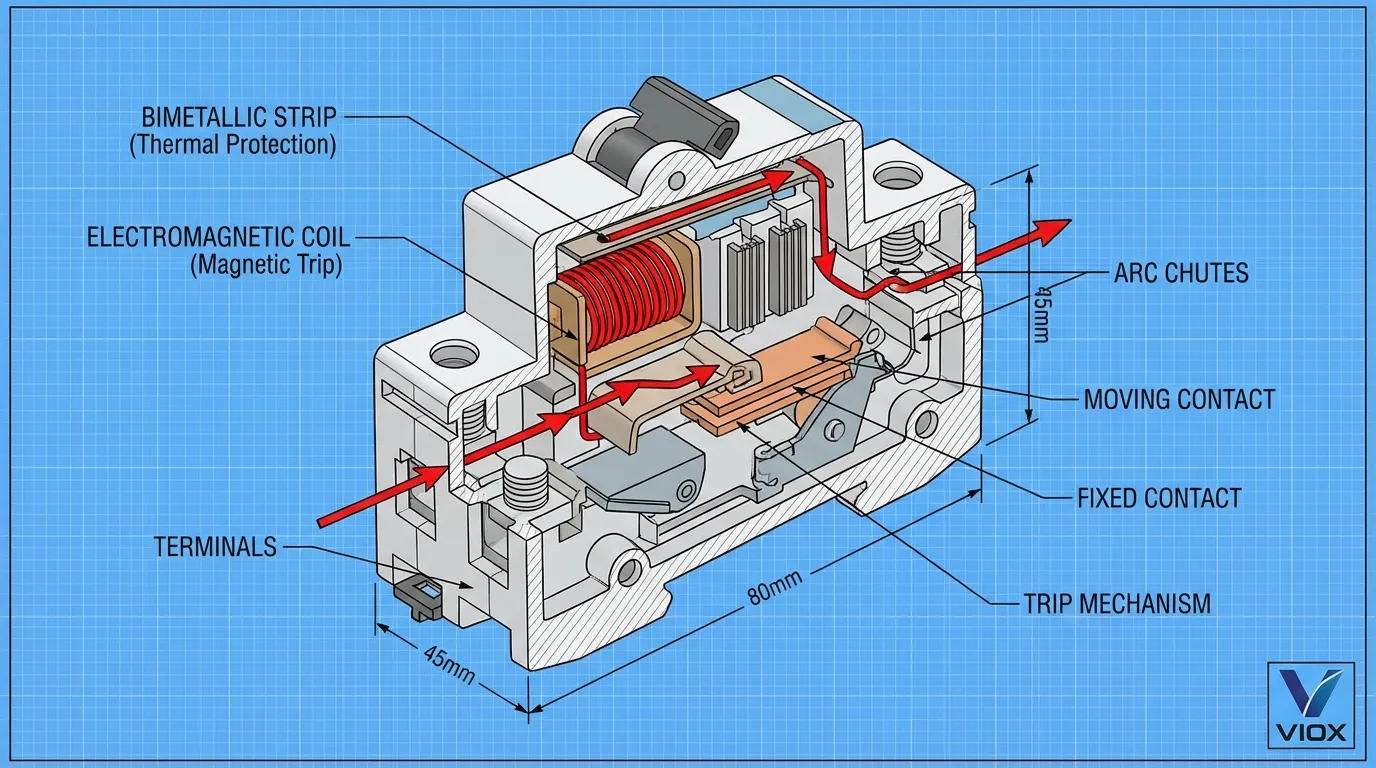
| بہتر رہائش | محدود | تصویر 2: MCB کا اندرونی میکانزم، جو آرک چیوٹس اور ٹرپ اجزاء کو ظاہر کرتا ہے جو ہائی فالٹ کرنٹ کو روکنے کے لیے ضروری ہیں۔ |
6kA بریکنگ کیپیسٹی MCBs رہائشی برقی تنصیبات اور ہلکی تجارتی ایپلی کیشنز کے لیے معیاری انتخاب کی نمائندگی کرتے ہیں جہاں فالٹ کرنٹ کی سطحیں معتدل رہتی ہیں۔ یہ سمجھنا کہ 6kA تحفظ کب کافی ہے، اس کے لیے کئی سسٹم عوامل کا تجزیہ کرنا ضروری ہے۔
6kA MCBs کے لیے مثالی ایپلی کیشنز.
: سنگل فیملی گھروں، اپارٹمنٹس، اور رہائشی کمپلیکس میں عام طور پر 1kA اور 4kA کے درمیان PSCC اقدار کا تجربہ ہوتا ہے، جو 6kA بریکنگ کیپیسٹی کی حد میں اچھی طرح سے ہیں۔ ٹرانسفارمر کے فاصلے، کیبل کی لمبائی، اور محدود سروس اینٹرنس کی صلاحیت کا مجموعہ قدرتی طور پر فالٹ کرنٹ کی سطح کو محدود کرتا ہے۔
رہائشی تنصیباتریموٹ سب پینلز.
: مین سروس اینٹرنس سے 50 میٹر سے زیادہ دور واقع ڈسٹری بیوشن پینلز لمبی کیبل رنز کی رکاوٹ سے فائدہ اٹھاتے ہیں، جو دستیاب فالٹ کرنٹ کو کم کرتا ہے۔ ان مقامات کو شاذ و نادر ہی 6kA سے زیادہ بریکنگ کیپیسٹی کی ضرورت ہوتی ہے۔ہلکی تجارتی عمارتیں۔.
Light Commercial Buildings: چھوٹے ریٹیل اسپیسز، دفاتر، اور اسی طرح کی تنصیبات جو سنگل فیز 230V سروسز اور محدود منسلک بوجھ کے ساتھ ہیں، عام طور پر 6kA MCBs کے ساتھ محفوظ طریقے سے کام کرتی ہیں، بشرطیکہ مناسب PSCC حسابات مناسب تحفظ کی تصدیق کریں۔.
رہائشی فالٹ کرنٹ کو محدود کرنے والے عوامل
رہائشی برقی نظاموں کی کئی موروثی خصوصیات قدرتی طور پر متوقع شارٹ سرکٹ کرنٹ کو محدود کرتی ہیں:
- ٹرانسفارمر کی صلاحیت: رہائشی ڈسٹری بیوشن ٹرانسفارمر عام طور پر 25kVA سے 100kVA تک ہوتے ہیں، جو زیادہ سے زیادہ دستیاب فالٹ کرنٹ کو محدود کرتے ہیں۔.
- سروس اینٹرنس کیبل کی لمبائی: سروس اینٹرنس کنڈکٹرز کی رکاوٹ (عام طور پر 10-30 میٹر) فالٹ کرنٹ کو نمایاں طور پر کم کرتی ہے۔.
- یوٹیلیٹی سپلائی رکاوٹ: اپ اسٹریم یوٹیلیٹی نیٹ ورک کی رکاوٹ مجموعی نظام کی رکاوٹ میں حصہ ڈالتی ہے، جو فالٹ کرنٹ کو مزید محدود کرتی ہے۔.
- سنگل فیز کنفیگریشن: زیادہ تر رہائشی تنصیبات سنگل فیز 230V سروس استعمال کرتی ہیں، جو موروثی طور پر تھری فیز سسٹم کے مقابلے میں کم فالٹ کرنٹ پیدا کرتی ہے۔.
6kA سلیکشن کے لیے PSCC کا حساب لگانا
یہ تصدیق کرنے کے لیے کہ 6kA بریکنگ کی صلاحیت مناسب ہے، فارمولے کا استعمال کرتے ہوئے متوقع شارٹ سرکٹ کرنٹ کا حساب لگائیں:
PSCC = V / Z_total
کہاں:
- V = سسٹم وولٹیج (سنگل فیز رہائشی کے لیے 230V)
- Z_total = ماخذ سے فالٹ پوائنٹ تک کل سسٹم رکاوٹ
تفصیلی حساب کتاب کے طریقہ کار کے لیے، ہماری جامع گائیڈ سے رجوع کریں MCB کے لیے شارٹ سرکٹ کرنٹ کا حساب کیسے لگائیں.
مثال کے حساب سے: 230V سپلائی، 0.02Ω کے ٹرانسفارمر رکاوٹ، اور 0.025Ω کی کیبل رکاوٹ کے ساتھ ایک رہائشی تنصیب:
Z_total = 0.02 + 0.025 = 0.045Ω
PSCC = 230V / 0.045Ω = 5,111A ≈ 5.1kA
اس منظر نامے میں، ایک 6kA MCB حفاظتی مارجن کے ساتھ مناسب تحفظ فراہم کرتا ہے۔ تاہم، اگر PSCC 5kA کے قریب پہنچتا ہے یا اس سے تجاوز کر جاتا ہے، تو 10kA MCBs میں اپ گریڈ کرنے کی سفارش کی جاتی ہے۔.
10kA MCBs کب استعمال کریں: کمرشل اور ہائی کیپیسٹی ایپلی کیشنز
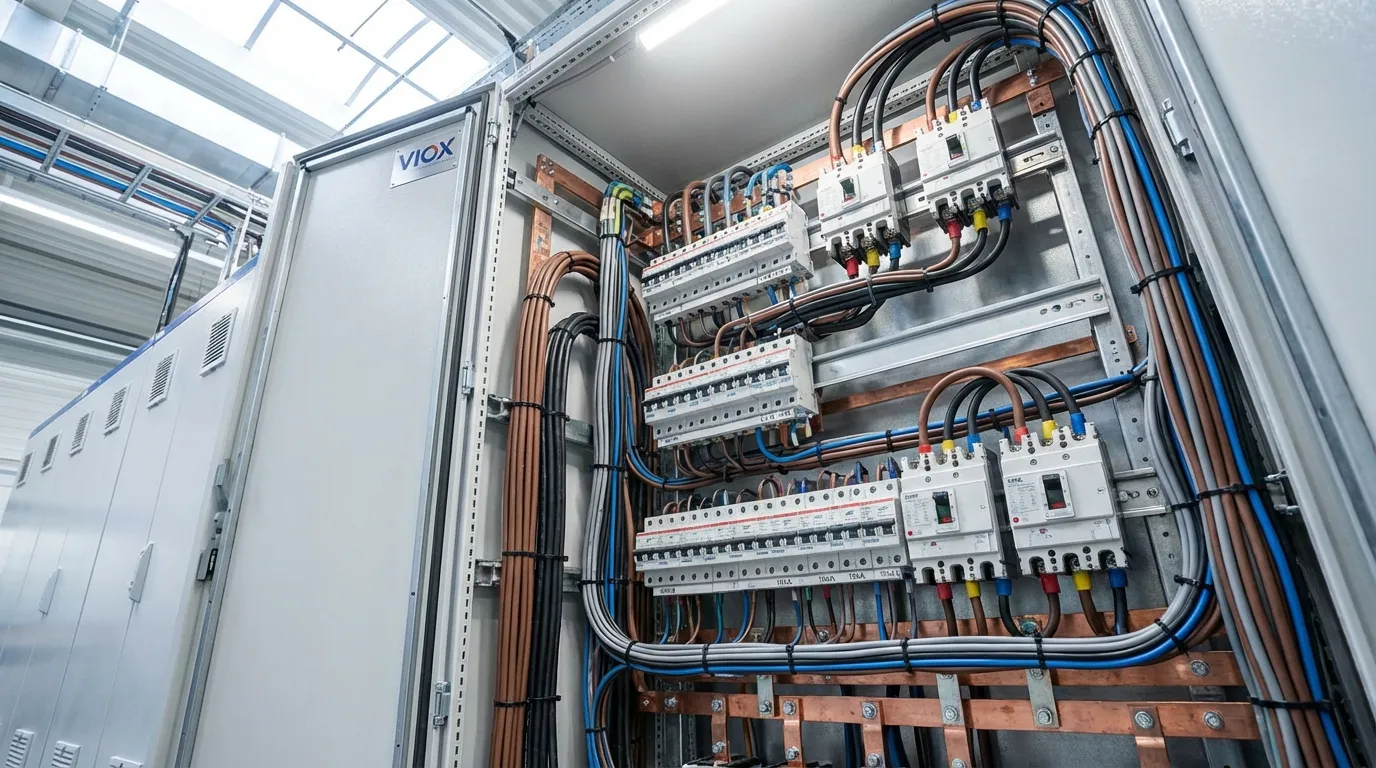
10kA بریکنگ کیپیسٹی MCBs اس وقت ضروری ہو جاتی ہیں جب متوقع شارٹ سرکٹ کرنٹ 6kA ڈیوائسز کی محفوظ آپریٹنگ رینج سے تجاوز کر جائے۔ کمرشل تنصیبات، شہری ماحول، اور سپلائی ٹرانسفارمر کے قریب مقامات کو اکثر اس اعلی درجہ بندی کی ضرورت ہوتی ہے۔.
اہم ایپلی کیشنز جن میں 10kA MCBs کی ضرورت ہوتی ہے
تجارتی عمارتیں: دفتری عمارتوں، ریٹیل مراکز، اور کمرشل کمپلیکس کو عام طور پر 10kA MCBs کی ضرورت ہوتی ہے کیونکہ:
- تھری فیز 400V برقی خدمات جن میں زیادہ فالٹ کرنٹ کی صلاحیت ہوتی ہے
- بڑے ڈسٹری بیوشن ٹرانسفارمرز (100kVA سے 500kVA) کے قریب ہونا
- متعدد متوازی سپلائی راستے جو مجموعی نظام کی رکاوٹ کو کم کرتے ہیں
- مضبوط برقی انفراسٹرکچر کے ساتھ گھنے شہری مقامات
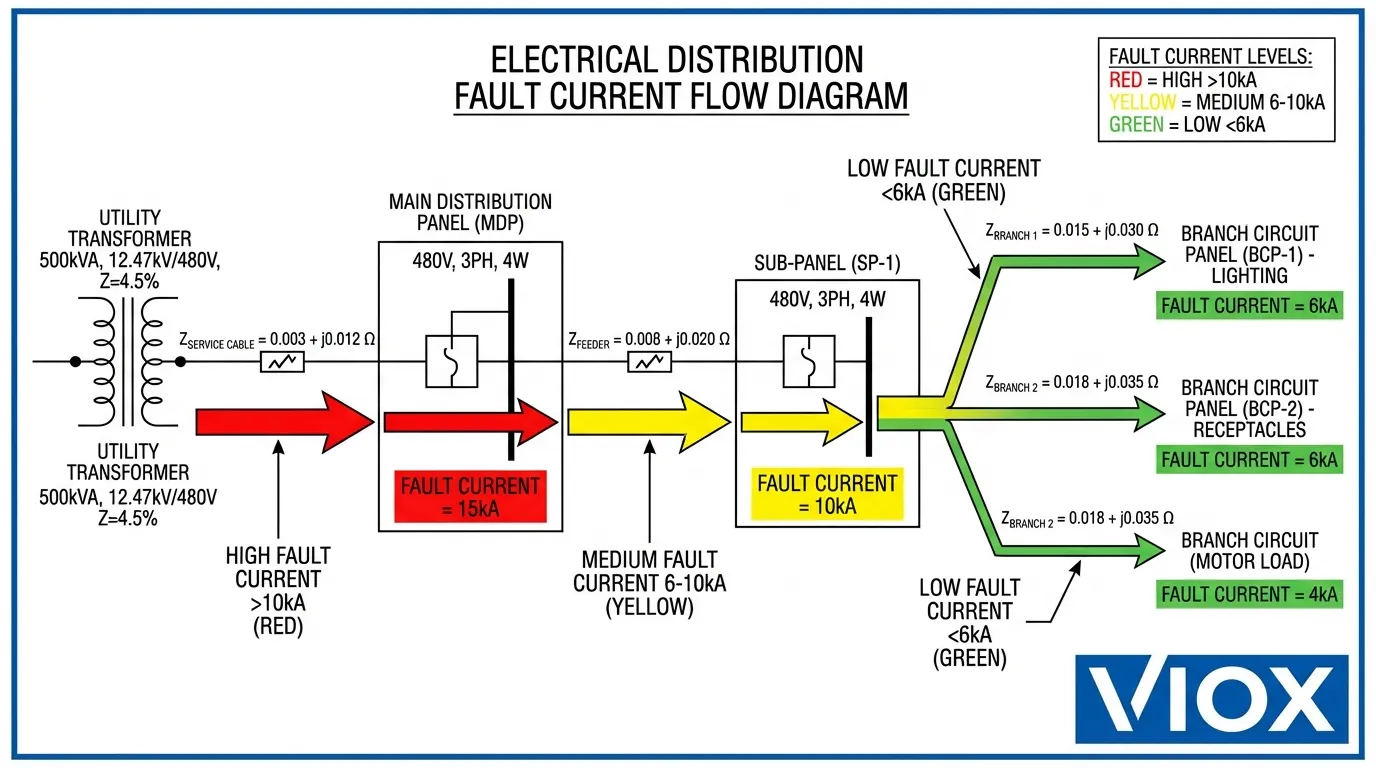
مین ڈسٹری بیوشن پینلز: کسی بھی تنصیب میں مین الیکٹریکل پینل سروس اینٹرنس کے قریب ہونے کی وجہ سے سب سے زیادہ فالٹ کرنٹ کی سطح کا تجربہ کرتا ہے۔ یہاں تک کہ رہائشی ایپلی کیشنز میں بھی، مین پینلز اکثر بہتر حفاظتی مارجن کے لیے 10kA MCBs سے فائدہ اٹھاتے ہیں۔.
شہری تنصیبات: شہر کے مراکز میں عمارتیں عام طور پر کم سورس رکاوٹ کے ساتھ ہائی کیپیسٹی یوٹیلیٹی نیٹ ورکس سے جڑتی ہیں، جس کے نتیجے میں فالٹ کرنٹ کی سطح بلند ہوتی ہے جو 6kA ریٹنگ سے تجاوز کر جاتی ہے۔.
صنعتی سہولیات: مینوفیکچرنگ پلانٹس، گوداموں، اور صنعتی سائٹس کو بڑے منسلک بوجھ، متعدد ٹرانسفارمرز، اور مضبوط برقی انفراسٹرکچر کی وجہ سے 10kA یا اس سے زیادہ بریکنگ کیپیسٹی کی ضرورت ہوتی ہے۔.
تھری فیز سسٹمز اور فالٹ کرنٹ ضرب
تھری فیز برقی نظام موروثی طور پر سنگل فیز سسٹم کے مقابلے میں زیادہ فالٹ کرنٹ پیدا کرتے ہیں کیونکہ:
- زیادہ سسٹم وولٹیج (400V لائن ٹو لائن بمقابلہ 230V لائن ٹو نیوٹرل)
- متعدد کرنٹ راستے تھری فیز فالٹس کے دوران
- کم رکاوٹ تھری فیز ٹرانسفارمر وائنڈنگز میں
- ٹرانسفارمر کی صلاحیت میں اضافہ کمرشل تنصیبات میں عام
تھری فیز سسٹمز کے لیے، فالٹ کرنٹ کا حساب کتاب اس طرح ہوتا ہے:
PSCC = V_LL / (√3 × Z_total)
جہاں V_LL لائن ٹو لائن وولٹیج ہے (عام طور پر یورپ میں 400V، شمالی امریکہ میں 480V)۔.
ٹرانسفارمر سے قربت: فاصلاتی عنصر
سپلائی ٹرانسفارمر اور MCB کی تنصیب کے مقام کے درمیان فاصلہ فالٹ کرنٹ کی سطح کو نازک طور پر متاثر کرتا ہے۔ ایک عام رہنما اصول کے طور پر:
| >50m عام | عام PSCC رینج | تجویز کردہ MCB ریٹنگ |
|---|---|---|
| 0-20 میٹر | 8-15kA | 10kA کم از کم (15kA پر غور کریں) |
| 20-50 میٹر | 5-10kA | 10kA تجویز کردہ |
| 50-100 میٹر | 3-6kA | حساب کتاب کی بنیاد پر 6kA یا 10kA |
| >100 میٹر | 1-4kA | 6kA عام طور پر مناسب |
نوٹ: یہ اقدار تخمینی ہیں اور ٹرانسفارمر کی صلاحیت، کیبل کے سائز اور سسٹم کی ترتیب پر منحصر ہیں۔ ہمیشہ اہم تنصیبات کے لیے تفصیلی حساب کتاب کریں۔.
ایپلیکیشن سلیکشن گائیڈ: بریکنگ کیپیسٹی کو انسٹالیشن کی قسم سے ملانا
مندرجہ ذیل جدول انسٹالیشن کی خصوصیات کی بنیاد پر مناسب MCB بریکنگ کیپیسٹی کے انتخاب کے لیے عملی رہنمائی فراہم کرتا ہے:
| تنصیب کی قسم | سسٹم کنفیگریشن | ٹرانسفارمر قربت | تجویز کردہ توڑنے کی صلاحیت | جواز |
|---|---|---|---|---|
| سنگل فیملی ہوم | سنگل فیز 230V، <100A سروس | >30m | 6kA | کم PSCC، مناسب حفاظتی مارجن |
| اپارٹمنٹ بلڈنگ | سنگل فیز 230V، متعدد یونٹس | 20-50m | 6kA (برانچ)، 10kA (مین) | مین پینل کو زیادہ ریٹنگ کی ضرورت ہے |
| چھوٹا ریٹیل/آفس | سنگل فیز 230V، <200A | متغیر | 10kA | کمرشل کوڈ کی ضروریات |
| بڑی کمرشل بلڈنگ | تھری فیز 400V، >200A | <30m | 10kA کم از کم | ہائی فالٹ کرنٹ، کوڈ کی تعمیل |
| انڈسٹریل فیسیلٹی | تھری فیز 400V، >400A | <20m | 10kA-25kA | بہت زیادہ PSCC، خصوصی تحفظ |
| اربن ہائی رائز | تھری فیز 400V، متعدد سروسز | <10m | 10kA-15kA | مضبوط یوٹیلیٹی نیٹ ورک، ہائی کیپیسٹی |
| دیہی انسٹالیشن | سنگل فیز 230V، لمبی سروس رن | >100m | 6kA | ہائی ایمپیڈینس فالٹ کرنٹ کو محدود کرتا ہے |
| سولر پی وی سسٹم | ڈی سی سرکٹس، متغیر | N/A | ڈی سی بریکنگ کے لیے ریٹیڈ | خصوصی ڈی سی ریٹیڈ MCBs درکار ہیں |
IEC اسٹینڈرڈز کی تعمیل: 60898-1 بمقابلہ 60947-2 کو سمجھنا
مناسب MCB کے انتخاب کے لیے قابل اطلاق بین الاقوامی معیارات اور ان کی ضروریات کو سمجھنا ضروری ہے۔ MCB بریکنگ کیپیسٹی کو کنٹرول کرنے والے دو بنیادی معیارات IEC 60898-1 اور IEC 60947-2 ہیں، جن میں سے ہر ایک مختلف ایپلیکیشن ڈومینز کو ایڈریس کرتا ہے۔.
IEC 60898-1: رہائشی اور اسی طرح کی تنصیبات
IEC 60898-1 خاص طور پر گھریلو اور اسی طرح کی تنصیبات کے لیے منی ایچر سرکٹ بریکرز کو کنٹرول کرتا ہے، بشمول:
- وولٹیج کی درجہ بندی: 440V AC تک
- موجودہ درجہ بندی: 125A تک
- توڑنے کی صلاحیت (آئی سی این): عام طور پر 3kA، 6kA، 10kA، یا 15kA
- حوالہ درجہ حرارت: 30°C محیطی
- سفر کے منحنی خطوط: B، C، اور D خصوصیات
- درخواست: رہائشی، دفاتر، اسکول، ہلکا تجارتی
یہ معیار Icn (ریٹیڈ شارٹ سرکٹ کیپیسٹی) کو ایک مخصوص ٹیسٹ سیکوئنس کے مطابق بریکنگ کیپیسٹی کے طور پر بیان کرتا ہے۔ IEC 60898-1 کے تحت 6kA اور 10kA MCBs کے لیے:
- 6kA ریٹنگ: ریٹیڈ وولٹیج پر 6,000A فالٹ کرنٹ کو کامیابی سے منقطع کرنا چاہیے۔
- 10kA ریٹنگ: ریٹیڈ وولٹیج پر 10,000A فالٹ کرنٹ کو کامیابی سے منقطع کرنا چاہیے۔
IEC 60947-2: صنعتی اور تجارتی ایپلیکیشنز
IEC 60947-2 مولڈڈ کیس سرکٹ بریکرز (MCCBs) اور صنعتی MCBs کو زیادہ طلبگار ایپلیکیشنز کے لیے ایڈریس کرتا ہے:
- وولٹیج کی درجہ بندی: 1,000V AC تک
- موجودہ درجہ بندی: 16A سے 6,300A
- بریکنگ کیپیسٹی (Icu): فریم سائز کے لحاظ سے 10kA سے 150kA
- حوالہ درجہ حرارت: 40°C محیطی
- سایڈست ترتیبات: تھرمل اور میگنیٹک ٹرپ ایڈجسٹمنٹ
- درخواست: صنعتی، بھاری تجارتی، ڈسٹری بیوشن سسٹم
یہ معیار Icu (الٹیمیٹ بریکنگ کیپیسٹی) اور Ics (سروس بریکنگ کیپیسٹی) دونوں کی وضاحت کرتا ہے، جہاں Ics اس کرنٹ کی نمائندگی کرتا ہے جسے بریکر فعالیت کو برقرار رکھتے ہوئے متعدد بار منقطع کر سکتا ہے۔.
ان معیارات کے تفصیلی موازنہ کے لیے، ہماری گائیڈ دیکھیں IEC 60898-1 بمقابلہ IEC 60947-2.
معیارات کا موازنہ ٹیبل
| پیرامیٹر | IEC 60898-1 (رہائشی MCB) | آئی ای سی 60947-2 (صنعتی ایم سی سی بی) |
|---|---|---|
| بنیادی درخواست | گھریلو، ہلکی تجارتی | صنعتی، بھاری تجارتی |
| زیادہ سے زیادہ وولٹیج | 440V اے سی | 1,000V اے سی |
| موجودہ رینج | 125A تک | 16A سے 6,300A |
| بریکنگ کیپیسٹی ڈیزگنیشن | Icn (ریٹیڈ کیپیسٹی) | Icu (الٹیمیٹ)، Ics (سروس) |
| اہم فرق | 30°C | 40°C |
| سفر کے منحنی خطوط | فکسڈ (B, C, D) | ایڈجسٹ ایبل تھرمل/میگنیٹک |
| عام 6kA/10kA استعمال | رہائشی برانچ سرکٹس | کمرشل فیڈرز، ڈسٹری بیوشن |
| جانچ کے تقاضے | آسان ٹیسٹ سیکوئنس | جامع ٹیسٹ سیکوئنس |
| سلیکٹیویٹی کوآرڈینیشن | بنیادی | ایڈوانسڈ کوآرڈینیشن ٹیبلز |
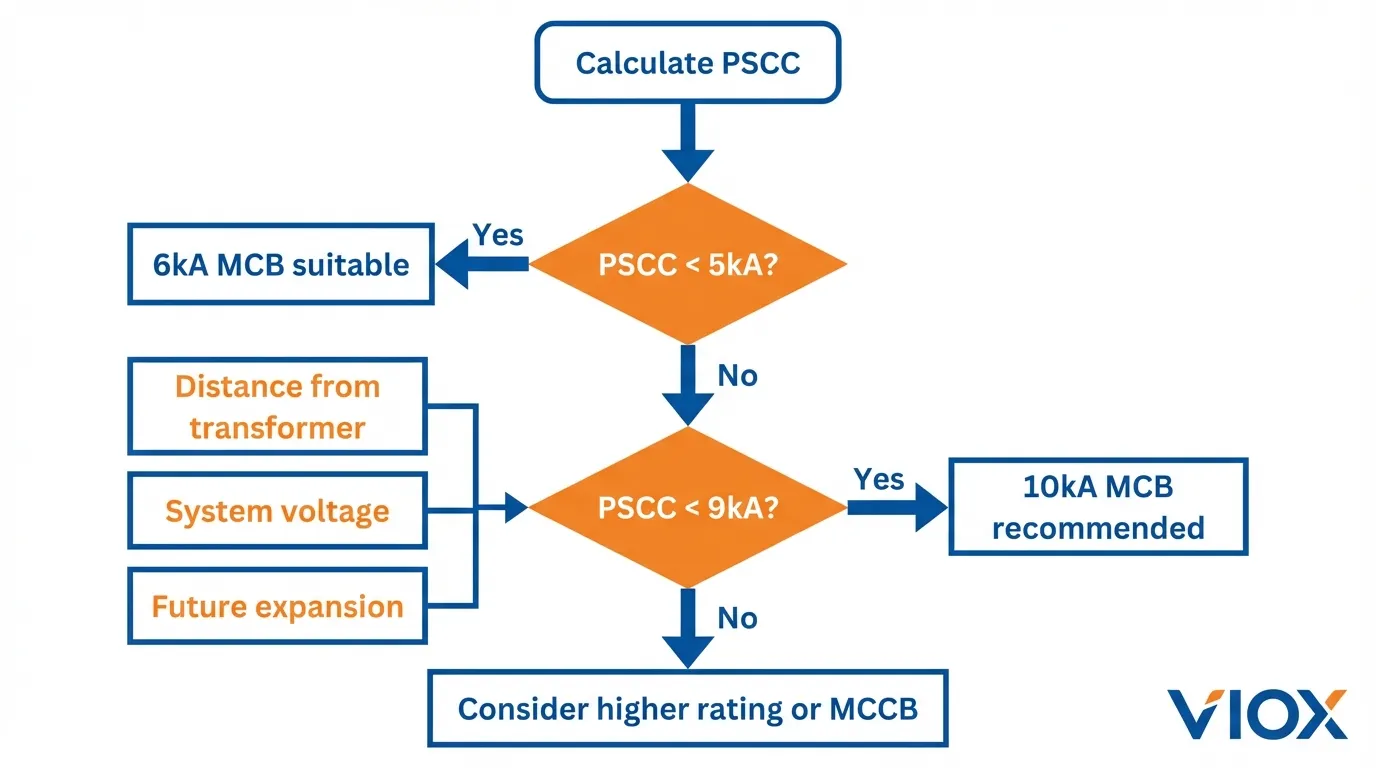
فیصلہ سازی کا فریم ورک: صحیح بریکنگ کیپیسٹی کا انتخاب
6kA اور 10kA ایم سی بی کے درمیان انتخاب کے لیے متعدد عوامل کا منظم تجزیہ درکار ہے۔ مناسب انتخاب کو یقینی بنانے کے لیے اس فیصلہ سازی کے فریم ورک پر عمل کریں:
مرحلہ 1: متوقع شارٹ سرکٹ کرنٹ (PSCC) کا حساب لگائیں
ان طریقوں میں سے کسی ایک کا استعمال کرتے ہوئے ایم سی بی کی تنصیب کے مقام پر زیادہ سے زیادہ فالٹ کرنٹ کا تعین کریں:
طریقہ A: یوٹیلیٹی ڈیٹا
سروس کے داخلی راستے پر دستیاب فالٹ کرنٹ حاصل کرنے کے لیے یوٹیلیٹی کمپنی سے رابطہ کریں۔ یہ حسابات کے لیے سب سے درست نقطہ آغاز فراہم کرتا ہے۔.
طریقہ B: ٹرانسفارمر ڈیٹا سے حساب
ٹرانسفارمر نیم پلیٹ ڈیٹا اور کیبل امپیڈینس استعمال کریں:
- ٹرانسفارمر سیکنڈری کرنٹ کا حساب لگائیں: I_transformer = S_kVA / (√3 × V)
- ٹرانسفارمر امپیڈینس کا تعین کریں: Z_transformer = (V² × %Z) / (S_kVA × 100)
- کیبل امپیڈینس کا حساب لگائیں: Z_cable = (ρ × L) / A
- کل امپیڈینس کا حساب لگائیں: Z_total = Z_transformer + Z_cable
- PSCC کا حساب لگائیں: PSCC = V / Z_total
طریقہ C: ٹیسٹنگ
تنصیب کے مقام پر اصل فالٹ کرنٹ کی پیمائش کے لیے ایک متوقع شارٹ سرکٹ کرنٹ ٹیسٹر استعمال کریں۔ یہ طریقہ سب سے درست نتائج فراہم کرتا ہے لیکن اس کے لیے خصوصی آلات کی ضرورت ہوتی ہے۔.
مرحلہ 2: حفاظتی مارجن لگائیں
کبھی بھی ایسی ایم سی بی کا انتخاب نہ کریں جس کی بریکنگ کیپیسٹی کا حساب لگائے گئے PSCC کے بالکل برابر ہو۔ مناسب حفاظتی مارجن لگائیں:
- کم از کم مارجن: حساب لگائے گئے PSCC سے 20% اوپر
- تجویز کردہ مارجن: اہم ایپلی کیشنز کے لیے حساب لگائے گئے PSCC سے 50% اوپر
- مستقبل کی توسیع: یوٹیلیٹی اپ گریڈ یا سسٹم میں ترمیم سے فالٹ کرنٹ میں ممکنہ اضافے پر غور کریں
مثال: اگر حساب لگایا گیا PSCC = 5.5kA ہے، تو مناسب حفاظتی مارجن فراہم کرنے کے لیے 10kA ایم سی بی (6kA نہیں) منتخب کریں۔.
مرحلہ 3: تنصیب کی خصوصیات پر غور کریں
حتمی انتخاب کرتے وقت ان عوامل کا جائزہ لیں:
ماخذ سے قربت: سپلائی ٹرانسفارمر کے 50 میٹر کے اندر کی تنصیبات کو عام طور پر کم امپیڈینس اور ہائی دستیاب فالٹ کرنٹ کی وجہ سے 10kA ریٹنگ کی ضرورت ہوتی ہے۔.
سسٹم وولٹیج: تھری فیز 400V سسٹمز کو عام طور پر سنگل فیز 230V سسٹمز کے مقابلے میں زیادہ بریکنگ کیپیسٹی کی ضرورت ہوتی ہے۔.
عمارت کی قسم: تجارتی تنصیبات کو ڈیفالٹ طور پر 10kA ایم سی بی استعمال کرنی چاہئیں جب تک کہ حسابات قطعی طور پر ثابت نہ کر دیں کہ 6kA کافی ہے۔.
کوڈ کے تقاضے: مقامی الیکٹریکل کوڈز مخصوص تنصیب کی اقسام کے لیے کم از کم بریکنگ کیپیسٹیز لازمی قرار دے سکتے ہیں۔ قابل اطلاق ضوابط کے ساتھ تعمیل کی ہمیشہ تصدیق کریں۔.
مستقبل کی توسیع: اگر سسٹم کی توسیع متوقع ہے، تو اضافی ٹرانسفارمرز یا یوٹیلیٹی اپ گریڈ سے فالٹ کرنٹ میں اضافے کو ایڈجسٹ کرنے کے لیے اعلی بریکنگ کیپیسٹی منتخب کریں۔.
مرحلہ 4: کوآرڈینیشن اور سلیکٹیویٹی کی تصدیق کریں
اپ اسٹریم اور ڈاؤن اسٹریم حفاظتی آلات کے درمیان مناسب کوآرڈینیشن کو یقینی بنائیں۔ ایم سی بی بریکنگ کیپیسٹی کو کم سے کم سطح پر فالٹس کو الگ کرنے کے لیے سلیکٹیو ٹرپنگ کی حمایت کرنی چاہیے بغیر اپ اسٹریم سرکٹس کو متاثر کیے۔.
اس بارے میں جامع رہنمائی کے لیے صحیح ایم سی بی کا انتخاب, ، بشمول کوآرڈینیشن کے تحفظات، ہماری تفصیلی سلیکشن گائیڈ سے رجوع کریں۔.
حقیقی دنیا کے اطلاق کے منظرنامے
منظرنامہ 1: رہائشی تزئین و آرائش
صورتحال: ایک گھر کا مالک 1985 میں بنے ہوئے ایک فیملی ہوم میں الیکٹریکل پینل کو اپ گریڈ کر رہا ہے۔ گھر 50kVA ڈسٹری بیوشن ٹرانسفارمر سے 75 میٹر کے فاصلے پر واقع ہے، جس میں 100A سنگل فیز 230V سروس ہے۔.
تجزیہ:
- ٹرانسفارمر سے لمبا فاصلہ (75m) امپیڈینس کو بڑھاتا ہے
- سنگل فیز 230V سسٹم فالٹ کرنٹ کو محدود کرتا ہے
- چھوٹی ٹرانسفارمر کیپیسٹی (50kVA)
- حساب لگایا گیا PSCC ≈ 3.2kA
فیصلہ: 6kA ایم سی بی تمام برانچ سرکٹس کے لیے کافی ہیں۔ تاہم، مین بریکر 10kA کا ہونا چاہیے تاکہ اضافی حفاظتی مارجن فراہم کیا جا سکے اور مستقبل میں یوٹیلیٹی اپ گریڈ کو ایڈجسٹ کیا جا سکے۔.
منظر نامہ 2: تجارتی دفتری عمارت
صورتحال: ایک نئی 5 منزلہ دفتری عمارت جو شہری علاقے میں واقع ہے، جس میں تھری فیز 400V سروس، 630kVA ٹرانسفارمر تہہ خانے میں نصب ہے، اور مین پینل ٹرانسفارمر سے 15 میٹر کے فاصلے پر ہے۔.
تجزیہ:
- تھری فیز 400V سسٹم فالٹ کرنٹ کو بڑھاتا ہے۔
- بڑے ٹرانسفارمر کی گنجائش (630kVA)
- ٹرانسفارمر سے کم فاصلہ (15m)
- مضبوط یوٹیلیٹی نیٹ ورک کے ساتھ شہری مقام
- مین پینل پر حسابی PSCC ≈ 12kA
فیصلہ: مین پینل کے لیے 10kA MCBs ناکافی ہیں—انہیں 15kA یا 25kA MCCBs میں اپ گریڈ کریں۔ اوپری منزلوں پر موجود سب پینلز کیبل چلنے کی وجہ سے بڑھی ہوئی رکاوٹ کی وجہ سے 10kA MCBs استعمال کر سکتے ہیں۔.
منظر نامہ 3: صنعتی سہولت کی توسیع
صورتحال: ایک موجودہ مینوفیکچرنگ سہولت ایک نئی پروڈکشن لائن شامل کر رہی ہے جس کے لیے ایک اضافی 200A تھری فیز پینل کی ضرورت ہے۔ نیا پینل موجودہ مین ڈسٹری بیوشن بورڈ سے 40 میٹر کے فاصلے پر واقع ہوگا۔.
تجزیہ:
- تھری فیز 400V صنعتی نظام
- ماخذ سے معتدل فاصلہ (40m)
- موجودہ مین پینل میں 25kA فالٹ کرنٹ ہے۔
- کیبل کی رکاوٹ نئے پینل پر فالٹ کرنٹ کو کم کرتی ہے۔
- نئے پینل کے مقام پر حسابی PSCC ≈ 8.5kA
فیصلہ: نئے پینل کے لیے 10kA MCBs مناسب ہیں، اپ اسٹریم 25kA تحفظ کے ساتھ مناسب کوآرڈینیشن کے ساتھ۔ فالٹ کرنٹ کے حسابات کو دستاویزی شکل دیں اور مستقبل کی توسیع کے لیے ریکارڈ کو برقرار رکھیں۔.
سے بچنے کے لئے عام غلطیاں
غلطی 1: یہ فرض کرنا کہ 6kA رہائشی کے لیے ہمیشہ کافی ہوتا ہے۔
بہت سے الیکٹریشن اصل PSCC کا حساب لگائے بغیر تمام رہائشی تنصیبات کے لیے 6kA MCBs کو بطور ڈیفالٹ استعمال کرتے ہیں۔ یہ مفروضہ ان حالات میں غلط ثابت ہوتا ہے:
- اعلیٰ صلاحیت والے یوٹیلیٹی نیٹ ورکس والے شہری علاقے
- تقسیم ٹرانسفارمرز کے قریب گھر
- مختصر سروس کے داخلی کیبلز والے مین پینلز
- تزئین و آرائش جہاں یوٹیلیٹی انفراسٹرکچر کو اپ گریڈ کیا گیا ہو۔
حل: ہمیشہ PSCC کا حساب لگائیں یا پیمائش کریں، خاص طور پر مین پینلز اور شہری تنصیبات کے لیے۔.
غلطی 2: تھری فیز فالٹ کرنٹ ضرب کو نظر انداز کرنا
سنگل فیز فالٹ کرنٹ کے حسابات تھری فیز سسٹمز پر لاگو نہیں ہوتے ہیں۔ √3 فیکٹر اور لائن ٹو لائن وولٹیج دستیاب فالٹ کرنٹ کو نمایاں طور پر بڑھاتے ہیں۔.
حل: مناسب تھری فیز فالٹ کرنٹ فارمولے استعمال کریں اور تمام فالٹ اقسام (تھری فیز، لائن ٹو لائن، لائن ٹو گراؤنڈ) پر غور کریں۔.
غلطی 3: مستقبل کی توسیع پر غور کرنے میں ناکامی
برقی نظام وقت کے ساتھ ساتھ تیار ہوتے ہیں۔ یوٹیلیٹی اپ گریڈ، اضافی ٹرانسفارمرز، یا سسٹم میں ترمیم اصل حسابات سے زیادہ دستیاب فالٹ کرنٹ کو بڑھا سکتی ہے۔.
حل: حفاظتی مارجن بنائیں اور اگلی اعلی بریکنگ صلاحیت کی درجہ بندی کو منتخب کرنے پر غور کریں جب PSCC کم درجہ بندی کی حد کے قریب پہنچ جائے۔.
غلطی 4: نامناسب طور پر معیارات کو ملانا
IEC 60947-2 کے زیر انتظام صنعتی ایپلی کیشنز میں IEC 60898-1 رہائشی MCBs کا استعمال تعمیل اور حفاظت کے مسائل پیدا کرتا ہے۔.
حل: سمجھیں کہ آپ کی تنصیب پر کون سا معیار لاگو ہوتا ہے اور مناسب درجہ بندی والے آلات منتخب کریں۔ اس بارے میں مزید معلومات کے لیے سرکٹ بریکرز کی مختلف اقسام اور ان کی ایپلی کیشنز، ہماری جامع گائیڈ سے مشورہ کریں۔.
لاگت-فائدہ تجزیہ: 6kA بمقابلہ 10kA سرمایہ کاری
6kA اور 10kA MCBs کے درمیان قیمت کا فرق عام طور پر 10-20% ہوتا ہے، جو ناکافی تحفظ کے نتائج کے مقابلے میں ایک کم سے کم سرمایہ کاری ہے۔ ان عوامل پر غور کریں:
براہ راست اخراجات:
- 6kA MCB: بنیادی قیمت
- 10kA MCB: +10-20% پریمیم
- تنصیب کی مزدوری: دونوں درجہ بندیوں کے لیے یکساں
کم سائزنگ کے خطرے کے اخراجات:
- ناکافی فالٹ تحفظ سے آلات کو نقصان
- آگ سے نقصان اور ذمہ داری
- کوڈ کی خلاف ورزی کی سزائیں
- انشورنس کے مضمرات
- ڈاؤن ٹائم اور کاروبار میں رکاوٹ
- ناکامی کے بعد متبادل اخراجات
مناسب سائزنگ کی طویل مدتی قدر:
- بہتر حفاظتی مارجن
- مستقبل میں سسٹم کی ترقی کی گنجائش
- کم ذمہ داری کا خطرہ
- بہتر انشورنس کی شرحیں
- کوڈ کی تعمیل کا اعتماد
- آلات کی توسیعی زندگی
پیشہ ورانہ سفارش: جب PSCC کے حسابات کم درجہ بندی کی حد کے 1kA کے اندر آتے ہیں، تو ہمیشہ اعلی بریکنگ صلاحیت کا انتخاب کریں۔ کم سے کم قیمت کا فرق خاطر خواہ حفاظت اور وشوسنییتا کے فوائد فراہم کرتا ہے۔.
اکثر پوچھے گئے سوالات
اگر میں 6kA MCB وہاں نصب کروں جہاں 10kA کی ضرورت ہو تو کیا ہوگا؟
ناکافی بریکنگ صلاحیت کے ساتھ MCB نصب کرنا ایک سنگین حفاظتی خطرہ پیدا کرتا ہے۔ MCB کی درجہ بندی سے تجاوز کرنے والی فالٹ کی صورت میں، آلہ کرنٹ کو روکنے میں ناکام ہو سکتا ہے، جس کی وجہ سے رابطہ ویلڈنگ، آرک فلیش کے واقعات، انکلوژر پھٹنا، یا آگ لگ سکتی ہے۔ MCB کی بریکنگ صلاحیت کو ہمیشہ اس کی تنصیب کے مقام پر متوقع شارٹ سرکٹ کرنٹ سے مناسب حفاظتی مارجن کے ساتھ زیادہ ہونا چاہیے۔.
کیا میں اضافی حفاظت کے لیے تمام رہائشی تنصیبات میں 10kA MCBs استعمال کر سکتا ہوں؟
Yes, using 10kA MCBs in residential installations where 6kA would be adequate provides additional safety margin and future-proofs the installation against utility upgrades or system modifications. The cost premium is minimal (10-20%) and offers substantial benefits. However, proper PSCC calculation remains essential to ensure even 10kA is adequate for locations very close to transformers.
میں اپنی تنصیب کے لیے متوقع شارٹ سرکٹ کرنٹ (PSCC) کا حساب کیسے لگاؤں؟
فارمولے کا استعمال کرتے ہوئے PSCC کا حساب لگائیں: PSCC = V / Z_total، جہاں V سسٹم وولٹیج ہے اور Z_total ماخذ سے فالٹ پوائنٹ تک کل رکاوٹ ہے۔ تفصیلی مرحلہ وار حساب کتاب کے طریقہ کار کے لیے، بشمول ٹرانسفارمر کی رکاوٹ، کیبل کی رکاوٹ، اور یوٹیلیٹی ماخذ کی رکاوٹ، ہماری جامع گائیڈ سے رجوع کریں۔ MCB کے انتخاب کے لیے شارٹ سرکٹ کرنٹ کا حساب لگانا.
Icn اور Icu ریٹنگز میں کیا فرق ہے؟
Icn (شرح شدہ شارٹ سرکٹ صلاحیت) رہائشی MCBs کے لیے IEC 60898-1 میں بیان کی گئی ہے اور یہ زیادہ سے زیادہ کرنٹ کی نمائندگی کرتی ہے جسے آلہ معیار کے ٹیسٹ سیکوئنس کے مطابق روک سکتا ہے۔ Icu (الٹیمیٹ شارٹ سرکٹ بریکنگ صلاحیت) صنعتی MCCBs کے لیے IEC 60947-2 میں بیان کی گئی ہے اور یہ زیادہ سے زیادہ فالٹ کرنٹ کی نمائندگی کرتی ہے جسے آلہ روک سکتا ہے، حالانکہ یہ اس کے بعد فعال نہیں رہ سکتا ہے۔ ان اور دیگر کے بارے میں مزید تفصیلات کے لیے سرکٹ بریکر کی درجہ بندی, ، ہماری تکنیکی گائیڈز سے مشورہ کریں۔.
کیا مجھے تھری فیز سسٹمز کے لیے زیادہ بریکنگ کیپیسٹی کی ضرورت ہے؟
جی ہاں، تھری فیز سسٹمز کو عام طور پر سنگل فیز سسٹمز کے مقابلے میں زیادہ بریکنگ کیپیسٹی والے MCBs کی ضرورت ہوتی ہے کیونکہ سسٹم وولٹیج زیادہ ہوتا ہے (400V بمقابلہ 230V)، فالٹس کے دوران کرنٹ کے متعدد راستے ہوتے ہیں، اور عام طور پر ٹرانسفارمر کی صلاحیتیں بڑی ہوتی ہیں۔ ایک تھری فیز فالٹ ایک ہی سسٹم میں سنگل فیز فالٹ کے مقابلے میں نمایاں طور پر زیادہ کرنٹ پیدا کر سکتا ہے۔ مناسب فارمولوں کا استعمال کرتے ہوئے ہمیشہ تھری فیز کنفیگریشنز کے لیے PSCC کا خاص طور پر حساب لگائیں۔.
کیا میں بریکنگ کیپیسٹی کی ضروریات کو کم کرنے کے لیے کاسکیڈنگ یا بیک اپ پروٹیکشن استعمال کر سکتا ہوں؟
کاسکیڈنگ (جسے بیک اپ پروٹیکشن بھی کہا جاتا ہے) ایک کم بریکنگ کیپیسٹی والے ڈاؤن اسٹریم MCB کو ایک زیادہ کیپیسٹی والے اپ اسٹریم ڈیوائس کے ذریعے محفوظ کرنے کی اجازت دیتا ہے۔ یہ تکنیک بڑے تنصیبات میں اخراجات کو کم کر سکتی ہے، لیکن اس کی واضح طور پر تصدیق اور دستاویزات کارخانہ دار کی طرف سے ہونی چاہیے۔ کارخانہ دار کے کوآرڈینیشن ٹیبلز کے بغیر کبھی بھی کاسکیڈنگ پروٹیکشن کا مفروضہ نہ بنائیں۔ اہم ایپلی کیشنز کے لیے، ہمیشہ مناسب آزاد بریکنگ کیپیسٹی والے MCBs کا انتخاب کریں۔.
مجھے کتنی بار تصدیق کرنی چاہیے کہ بریکنگ کی صلاحیت مناسب ہے؟
جب بھی بریکنگ صلاحیت کی مناسبیت کی تصدیق کریں:
- یوٹیلیٹی انفراسٹرکچر کو اپ گریڈ کیا جاتا ہے (نئے ٹرانسفارمرز، سروس اپ گریڈ)
- عمارت کے برقی نظام کو بڑھایا یا تبدیل کیا جاتا ہے۔
- اضافی بوجھ منسلک ہیں جو فالٹ کرنٹ کو متاثر کر سکتے ہیں۔
- برقی کوڈز کو نئی ضروریات کے ساتھ اپ ڈیٹ کیا جاتا ہے۔
- برقی پینل کے 50 میٹر کے اندر بڑی تزئین و آرائش ہوتی ہے۔
- معمول کے برقی حفاظتی معائنے کے حصے کے طور پر (کم از کم ہر 5-10 سال میں)
PSCC حسابات کی دستاویزات کو برقرار رکھیں اور جب نظام میں تبدیلیاں ہوں تو انہیں اپ ڈیٹ کریں۔.