Introduction: The Terminology Shift from TVSS to SPD
If you’ve worked with electrical systems for more than a decade, you’ve likely encountered both terms: TVSS (Transient Voltage Surge Suppressor) and SPD (Surge Protective Device). What began as a simple name change in 2009 represents a fundamental evolution in safety standards, testing rigor, and protection philosophy. This article examines the journey from legacy TVSS devices governed by UL 1449’s early editions to modern SPDs that meet the current 5th Edition requirements.
For engineers, contractors, and facility managers, understanding this transition isn’t just academic—it directly impacts system safety, compliance, and equipment longevity. We’ll explore the historical context, technical differences, and practical implications of upgrading from TVSS to SPD protection. Whether you’re maintaining legacy infrastructure or specifying new installations, this guide provides the clarity needed to make informed decisions in an evolving standards landscape.
Historical Context: UL 1449 1st & 2nd Editions (TVSS Era)
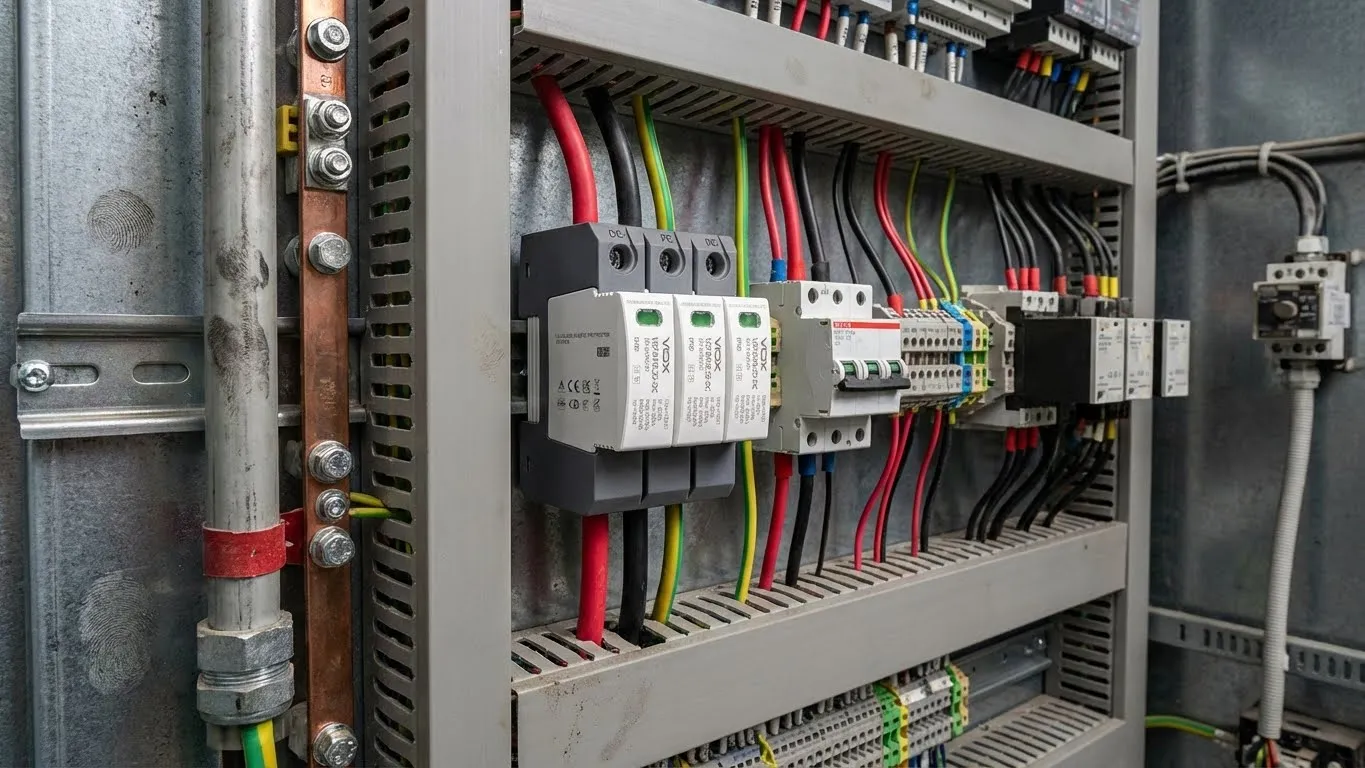
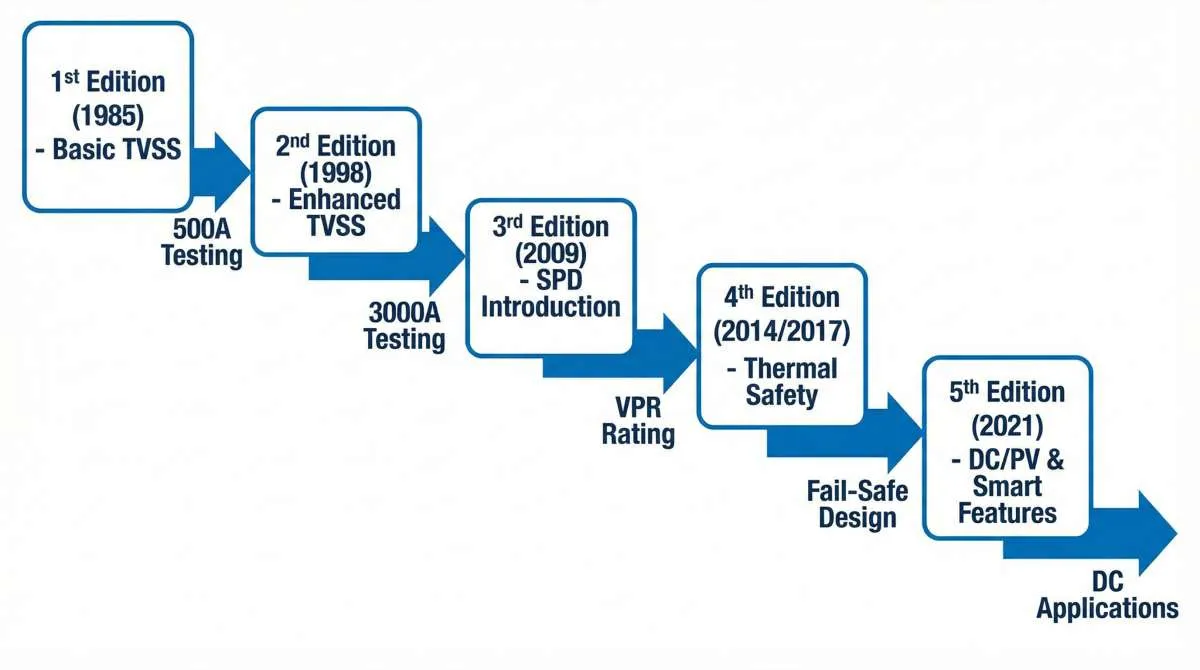
Before 2009, surge protection devices in North America were universally labeled as TVSS (Transient Voltage Surge Suppressors) under UL 1449’s 1st (1985) and 2nd (1998) Editions. These early standards established baseline safety requirements but lacked the rigorous performance testing of modern SPDs.
TVSS devices were primarily evaluated for basic safety—preventing fire and shock hazards—using the Suppressed Voltage Rating (SVR) test with a modest 500‑ampere surge current. This provided a comparison metric but didn’t simulate intense real‑world surge events.
Installation was inherently restrictive: TVSS units were only recognized for the ဝန်ဘက်ခြမ်း (downstream) of the main service disconnect, excluding them from service‑entrance protection where lightning‑induced surges typically enter a building.
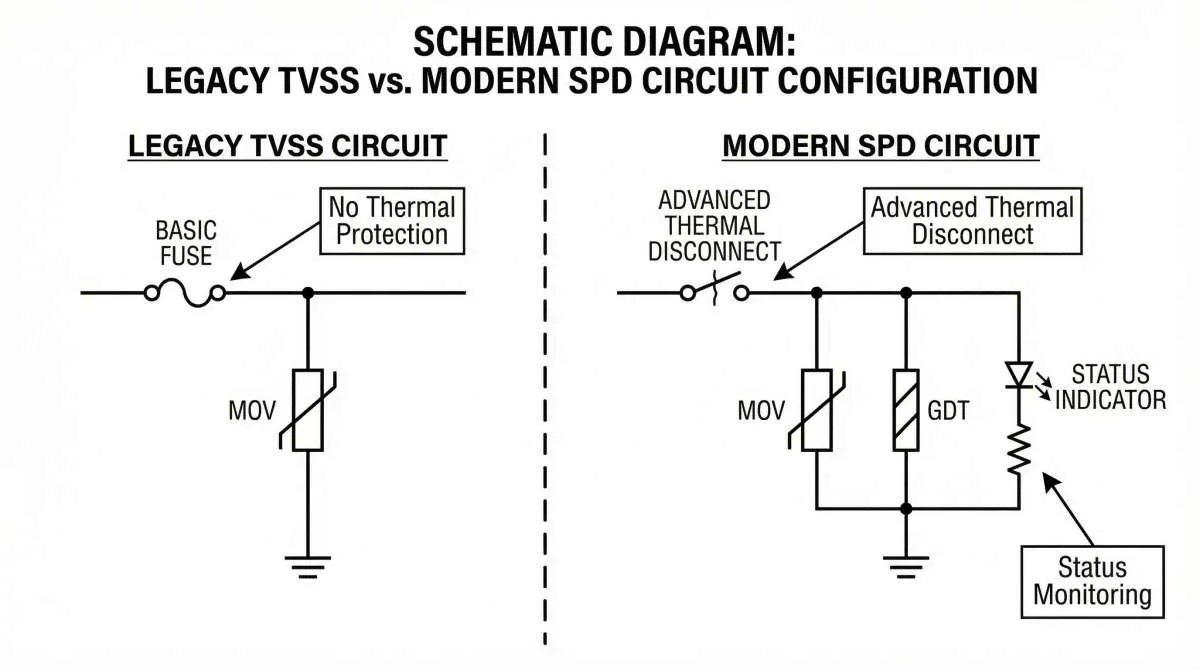
Many facilities still operate TVSS devices installed before 2009. While functional, they lack modern thermal protection, higher‑current surge durability (3,000A testing), current NEC compliance, and fail‑safe features that prevent catastrophic failure modes. This historical context explains why the transition to SPD terminology represented a fundamental upgrade in safety philosophy and performance expectations.
The Modern Transition: UL 1449 3rd Edition and Beyond
The release of UL 1449 3rd Edition in 2009 marked a paradigm shift in surge protection. The standard consolidated previously separate categories (TVSS and secondary surge arresters) under the unified term Surge Protective Device (SPD). This wasn’t merely rebranding—it reflected an international harmonization effort aligning UL standards with IEC terminology and the National Electrical Code (NEC).
Key Changes Introduced in the 3rd Edition
| Change | Legacy (TVSS / 2nd Ed) | Modern (SPD / 3rd Ed) | ထိခိုက်မှု |
|---|---|---|---|
| Terminology | TVSS | SPD | Aligns with global standards (IEC 61643-11) |
| စမ်းသပ်ဆဲ | 500A | 3,000A (6× higher) | Simulates more realistic surge conditions |
| ဗို့ပးခ်က္ | SVR (Suppressed Voltage Rating) | VPR (Voltage Protection Rating) | Higher numerical values don’t mean worse performance |
| Durability Metric | None specified | Nominal Discharge Current (Iₙ) | Devices must survive 15 consecutive surges at rated current |
| Installation Scope | Load-side only | Types 1-5 based on location | Enables service entrance (line-side) protection |
Evolution Through 4th and 5th Editions
Subsequent editions refined safety requirements for emerging technologies:
The 4th Edition (2014/2017) enhanced testing for thermal protection and failure modes, ensuring SPDs fail safely without creating fire hazards. The 5th Edition (2021, updated through 2025) added specific requirements for DC and photovoltaic (PV) systems up to 1500V DC, USB charging circuits integrated into Type 3 SPDs, insulation between traces on multi‑layer printed wiring boards, and damp‑location compliance for Type 5 components.
The SPD Classification System
Modern UL 1449 categorizes surge protectors into five “Types” based on installation location and construction:
- အမျိုးအစား ၁: Permanent SPDs for line-side (service entrance) installation
- အမျိုးအစား ၂: Permanent SPDs for load-side (distribution panel) installation—the direct successor to TVSS devices
- အမျိုးအစား ၃: Point-of-utilization SPDs (plug-in strips, receptacle types)
- အမျိုးအစား ၄: Component assemblies for integration into other equipment
- အမျိုးအစား ၅: Discrete components (MOVs, GDTs) for circuit board mounting
This framework provides clarity for specifiers and installers, replacing the ambiguous TVSS label with precise application guidance.
Key Technical Differences: SVR vs VPR, Testing Standards, Safety Features
The transition from TVSS to SPD involved substantial technical upgrades that affect performance, safety, and specification. Understanding these differences is essential for proper device selection and system design.
Voltage Rating Evolution: SVR to VPR
The most noticeable change for engineers is the voltage rating terminology and testing methodology.
| ဇာတိ | SVR (Suppressed Voltage Rating) | VPR (Voltage Protection Rating) | Practical Implication |
|---|---|---|---|
| စမ်းသပ်ဆဲ | 500A | 3,000A (6× higher) | VPR values appear higher but represent more realistic surge conditions |
| အတိုင်းအတာ | Peak let-through voltage during single surge | Maximum voltage under repeated 3,000A surges | VPR သည် ပြင်းထန်သော၊ ထပ်ခါထပ်ခါဖြစ်ပွားသော အခြေအနေများအောက်တွင် စွမ်းဆောင်ရည်ကို ညွှန်ပြသည်။ |
| ပုံမှန်တန်ဖိုးများ | 120V စနစ်များအတွက် 330V, 400V, 500V | 330V, 400V, 500V, 600V တူညီသော စနစ်များအတွက် | 600V VPR ကိရိယာသည် စမ်းသပ်မှု တင်းကျပ်မှုကြောင့် 500V SVR ကိရိယာထက် ပိုမိုကောင်းမွန်သော ကာကွယ်မှုကို ပေးနိုင်သည်။ |
| တံဆိပ်ကပ်ခြင်း။ | “SVR: 500V” | “VPR: 600V” | SVR နှင့် VPR အကြား တိုက်ရိုက် ဂဏန်းနှိုင်းယှဉ်ခြင်းသည် လမ်းလွဲစေနိုင်သည်။ |
အရေးကြီးသော ထိုးထွင်းသိမြင်မှု: 600V VPR ပါသော ခေတ်မီ SPD သည် 500V SVR အဆင့်သတ်မှတ်ချက်ရှိသော ရှေးဟောင်း TVSS ထက် သာလွန်ကောင်းမွန်သော ကာကွယ်မှုကို ပေးစွမ်းနိုင်သည်။ ပိုမိုမြင့်မားသော စမ်းသပ်မှု လျှပ်စီးကြောင်း (3,000A vs 500A) ဆိုသည်မှာ VPR နံပါတ်သည် ပိုမိုလိုအပ်သော အခြေအနေများအောက်တွင် စွမ်းဆောင်ရည်ကို ထင်ဟပ်စေသည်ဟု ဆိုလိုသည်။.
တာရှည်ခံနိုင်မှု မြှင့်တင်ထားသော စမ်းသပ်ခြင်း- ပုံမှန်ထုတ်လွှတ်သော လျှပ်စီးကြောင်း (Iₙ)
ရှေးဟောင်း TVSS စံနှုန်းများတွင် တရားဝင် တာရှည်ခံနိုင်မှု မက်ထရစ်များ မရှိခဲ့ပါ။ ခေတ်မီ UL 1449 သည် SPDs အား ရှင်သန်နိုင်စွမ်းကို သက်သေပြရန် လိုအပ်သည်။ ဆက်တိုက်ဖြစ်ပေါ်သော လျှပ်စီးကြောင်း ၁၅ ကြိမ် ၎င်းတို့၏ အဆင့်သတ်မှတ်ထားသော ပုံမှန်ထုတ်လွှတ်သော လျှပ်စီးကြောင်းတွင်။.
| လက်ရှိအဆင့်သတ်မှတ် | ပုံမှန်လျှောက်လွှာ | ရှေးဟောင်း TVSS ချဉ်းကပ်မှု | ခေတ်မီ SPD လိုအပ်ချက် |
|---|---|---|---|
| 10kA Iₙ | လုပ်ငန်းသုံး အဆောက်အအုံများ | သီးခြား သက်တမ်းစက်ဝန်း စမ်းသပ်ခြင်း မရှိပါ။ | 15 × 10kA လျှပ်စီးကြောင်းများကို ရှင်သန်ရမည်။ |
| 20kA Iₙ | စက်မှုအဆောက်အဦ | ပြောင်းလဲနိုင်သော စွမ်းဆောင်ရည် | ဖြစ်ရပ်များစွာမှတစ်ဆင့် တသမတ်တည်း ကာကွယ်မှု |
| 40kA Iₙ | ဝန်ဆောင်မှု ဝင်ပေါက် | TVSS အတွက် မရရှိနိုင်ပါ။ | လျှပ်စီးကာကွယ်မှုအတွက် အမျိုးအစား ၁ SPDs |
ဤစမ်းသပ်မှုသည် SPDs များသည် ပထမဆုံး လျှပ်စီးကြောင်း ဖြစ်ရပ်အနည်းငယ်ပြီးနောက် သိသိသာသာ ယိုယွင်းမသွားကြောင်း သေချာစေသည်—ရှေးရိုး TVSS ယူနစ်များတွင် အဖြစ်များသော ချို့ယွင်းမှုပုံစံဖြစ်သည်။.
ဘေးကင်းလုံခြုံရေး အင်္ဂါရပ် တိုးတက်မှုများ
ခေတ်မီ SPDs များတွင် TVSS ကိရိယာများတွင် မရှိသော သို့မဟုတ် မလုံလောက်သော ကာကွယ်မှုအလွှာများစွာကို ပေါင်းစပ်ထည့်သွင်းထားသည်။
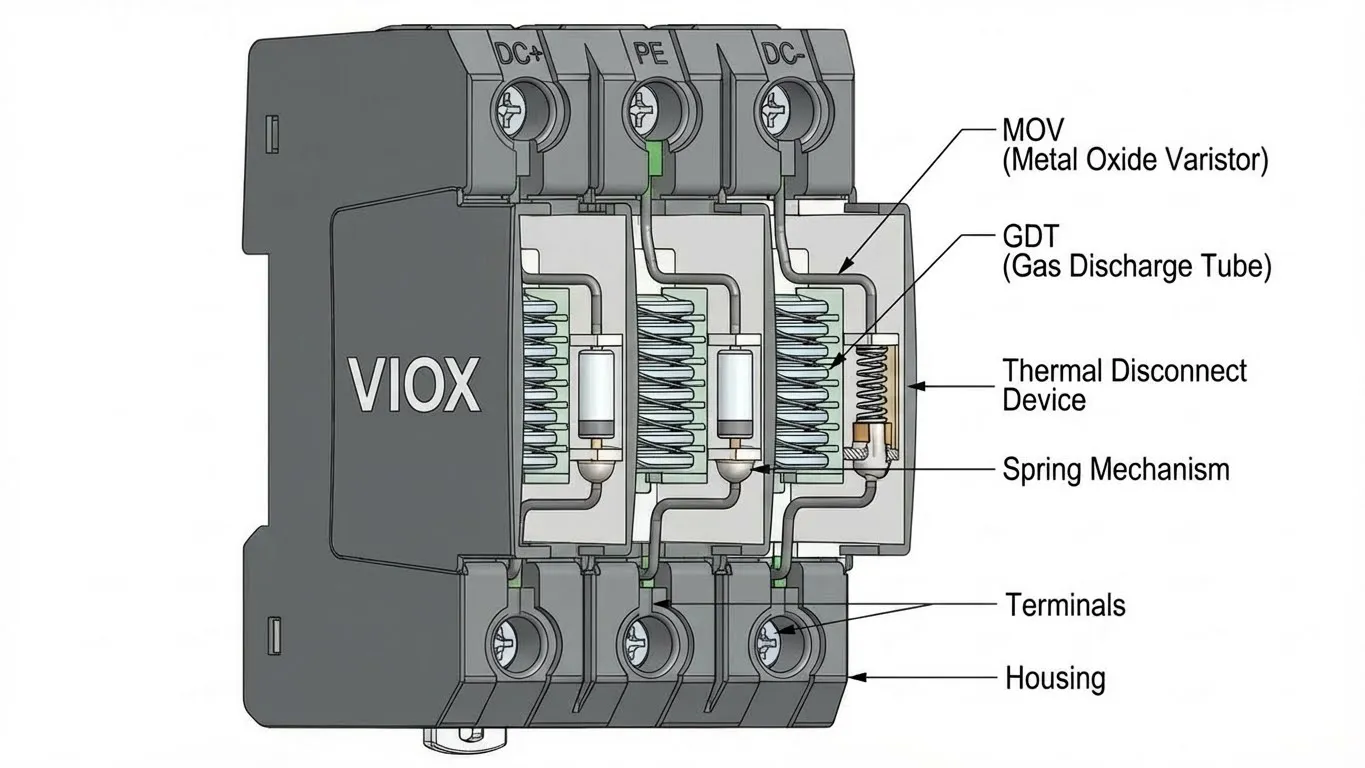
- အပူချိန်ဖြတ်တောက်ခြင်း: အန္တရာယ်ရှိသော အပူချိန်သို့ မရောက်ရှိမီ ပျက်ကွက်သော အစိတ်အပိုင်းများကို ဖြုတ်တောက်ခြင်းဖြင့် အပူလွန်ကဲခြင်းနှင့် အပူလွန်ကဲခြင်းကို ကာကွယ်ပေးသည်။.
- Short-Circuit Current Rating (SCCR): အမှားအယွင်း လျှပ်စီးကြောင်းများအတွက် ရှင်းလင်းစွာ သတ်မှတ်ထားသော ခံနိုင်ရည် အဆင့်သတ်မှတ်ချက်များ၊ အထက်ပိုင်း ကာကွယ်ရေး ကိရိယာများနှင့် ညှိနှိုင်းဆောင်ရွက်မှုကို သေချာစေသည်။.
- Fail-Safe ဒီဇိုင်း: SPDs များကို မီးဘေး သို့မဟုတ် လျှပ်စစ်ရှော့ခ် အန္တရာယ်များ ဖန်တီးမည့်အစား “လုံခြုံသော” အခြေအနေတွင် ပျက်ကွက်စေရန် အင်ဂျင်နီယာပိုင်းဆိုင်ရာ ဒီဇိုင်းထုတ်ထားသည်။—ပုံမှန်အားဖြင့် ပွင့်လင်းသော ဆားကစ်။.
- လျှပ်ကာ လိုအပ်ချက်များ: ပဉ္စမအကြိမ်မြောက် ထုတ်ဝေမှုသည် အတွင်းပိုင်း လျှပ်စစ်မီးပွားခြင်းကို ကာကွယ်ရန်အတွက် ဘက်ပေါင်းစုံ ဘုတ်များပေါ်ရှိ လျှပ်ကူးလမ်းကြောင်းများကြား သီးခြားအကွာအဝေးများကို မဖြစ်မနေ လိုအပ်သည်။.
စမ်းသပ်မှုစနစ် နှိုင်းယှဉ်ခြင်း
အောက်ဖော်ပြပါ ဇယားသည် TVSS နှင့် SPD စံနှုန်းများအကြား စမ်းသပ်မှု လိုအပ်ချက်များ မည်သို့ပြောင်းလဲလာသည်ကို အကျဉ်းချုပ်ဖော်ပြထားသည်။
| စမ်းသပ်မှု အမျိုးအစား | UL 1449 2nd Ed (TVSS) | UL 1449 5th Ed (SPD) | တိုးတက်မှု |
|---|---|---|---|
| လျှပ်စီးကြောင်း | 500A တစ်ကြိမ် လျှပ်စီးကြောင်း | 3,000A ထပ်ခါထပ်ခါ လျှပ်စီးကြောင်း | ၆ ဆ ပိုမိုလက်တွေ့ကျသည်။ |
| ယာဉ်စည်းကမ်း | Duty cycle သာ | Iₙ အဆင့်သတ်မှတ်ချက်တွင် လျှပ်စီးကြောင်း ၁၅ ကြိမ် | အရေအတွက် သတ်မှတ်ထားသော သက်တမ်း |
| အပူ | အခြေခံ အပူချိန် မြင့်တက်ခြင်း | အပူပိုင်း ဖြုတ်တောက်ခြင်း အတည်ပြုခြင်း | မီးဘေးအန္တရာယ်များကို ကာကွယ်ပေးသည်။ |
| Short Circuit | အကန့်အသတ်ရှိသော စမ်းသပ်ခြင်း | အပြည့်အဝ SCCR အတည်ပြုခြင်း | ညှိနှိုင်းဆောင်ရွက်မှုကို သေချာစေသည်။ |
| DC/PV | မဖြေရှင်းပါ။ | သီးခြား 1500V DC စမ်းသပ်ခြင်း | ပြန်လည်ပြည့်ဖြိုးမြဲ စွမ်းအင်ကို အထောက်အပံ့ပေးသည်။ |
ဤနည်းပညာပိုင်းဆိုင်ရာ အဆင့်မြှင့်တင်မှုများသည် ထိတွေ့ကိုင်တွယ်နိုင်သော အကျိုးကျေးဇူးများအဖြစ် ပြောင်းလဲပေးသည်- ပိုမိုရှည်လျားသော စက်ပစ္စည်း သက်တမ်း၊ မီးဘေးအန္တရာယ် လျော့နည်းခြင်းနှင့် ခေတ်မီ လျှပ်စစ်ပတ်ဝန်းကျင်တွင် ယုံကြည်စိတ်ချရသော ကာကွယ်မှု။.
SPD အမျိုးအစား ခွဲခြားခြင်း- အမျိုးအစား ၁-၅ ရှင်းလင်းချက်
ခေတ်မီ UL 1449 သည် တပ်ဆင်တည်နေရာ၊ တည်ဆောက်ပုံနှင့် အသုံးချမှုအပေါ် အခြေခံ၍ တိကျသော အမျိုးအစားငါးခုပါဝင်သော ခွဲခြားမှုစနစ်ဖြင့် ရှင်းလင်းပြတ်သားမှုမရှိသော “TVSS” အညွှန်းကို အစားထိုးခဲ့သည်။ ဤမူဘောင်သည် သီးခြားလိုအပ်ချက်များနှင့် ကိုက်ညီသော ကာကွယ်မှုကို တိကျစွာ သတ်မှတ်နိုင်စေသည်။.
| အမျိုးအစား | တပ်ဆင်ခြင်းတည်နေရာ | Primary Function | အဓိကလက္ခဏာများ | ပံုမွန္အသံုးခ်ျခင္း |
|---|---|---|---|---|
| အမျိုးအစား ၁ | လိုင်းဘက် (ဝန်ဆောင်မှုဝင်ပေါက်) | တိုက်ရိုက် လျှပ်စီးလက်ခြင်းနှင့် အသုံးအဆောင် ပြောင်းလဲခြင်း လျှပ်စီးကြောင်း ကာကွယ်မှု | မြင့်မားသော လျှပ်စီးကြောင်း အဆင့်သတ်မှတ်ချက် (100-200kA)၊ မိမိကိုယ်ကို ကာကွယ်ထားသော၊ ပြင်ပ OCPD မလိုအပ်ပါ။ | စက်မှုဆိုင်ရာ အဆောက်အအုံများ၊ စီးပွားဖြစ် အဆောက်အအုံများ၊ ဆေးရုံများ၊ ဒေတာစင်တာများ |
| အမျိုးအစား ၂ | Load-side (ဖြန့်ဖြူးရေး panel) | ကျန်ရှိသော လျှပ်စီးကြောင်းနှင့် အတွင်းပိုင်းမှ ဖြစ်ပေါ်လာသော ယာယီကာကွယ်မှု | TVSS ၏ တိုက်ရိုက်ဆက်ခံသူသည် ပြင်ပ OCPD လိုအပ်နိုင်သည်၊ ပုံမှန်အဆင့်သတ်မှတ်ချက် 10-40kA | စီးပွားဖြစ် အဆောက်အအုံများ၊ လူနေအိမ်များ၏ main panel များ၊ စက်မှုထိန်းချုပ်ရေး panel များ |
| အမျိုးအစား ၃ | Point-of-use (panel မှ ≥10m) | အထိခိုက်မခံသော အီလက်ထရွန်းနစ်ပစ္စည်းများအတွက် ဒေသတွင်းကာကွယ်မှု | plug-in strips & receptacle-type SPDs, status indicators, USB အားသွင်းပေါက်များ ပါဝင်သည်။ | ရုံးသုံးပစ္စည်းများ၊ ဆေးဘက်ဆိုင်ရာကိရိယာများ၊ အိမ်ဖျော်ဖြေရေးစနစ်များ၊ IT racks |
| အမျိုးအစား ၄ | အသိအမှတ်ပြုထားသော sub-assemblies | ကြီးမားသောစနစ်များတွင် ပေါင်းစပ်ထားသော Surge ကာကွယ်မှု | Standalone field installation အတွက်မဟုတ်ပါ၊ panelboard & switchgear များတွင် OEM များမှအသုံးပြုသည်။ | လျှပ်စစ်ပစ္စည်းများ၊ ထိန်းချုပ်မှုစနစ်များတွင် စက်ရုံမှတပ်ဆင်ထားသော ကာကွယ်မှု |
| အမျိုးအစား ၅ | Discrete components | Printed circuit board များပေါ်တွင် circuit-level ကာကွယ်မှု | Types 1-4 ကိုတည်ဆောက်ရန်အသုံးပြုသော Raw components (MOVs, GDTs, TVS diodes), damp-location လိုအပ်ချက်များ | PCB-mounted ကာကွယ်မှု၊ အီလက်ထရွန်းနစ်ပစ္စည်း အတွင်းပိုင်းဆားကစ်များ |
ဤ အမျိုးအစားခွဲခြားခြင်းစနစ်သည် specifiers နှင့် installers များအတွက် ရှင်းလင်းသော လမ်းညွှန်ချက်ကို ပေးစွမ်းနိုင်ပြီး တစ်ခုတည်းသော TVSS ချဉ်းကပ်မှုထက် သိသာထင်ရှားသော တိုးတက်မှုကို ကိုယ်စားပြုပါသည်။.
လက်တွေ့အကျိုးသက်ရောက်မှုများ- Legacy စနစ်များကို အဆင့်မြှင့်တင်ခြင်း၊ လိုက်နာမှုဆိုင်ရာ ထည့်သွင်းစဉ်းစားမှုများ
TVSS-to-SPD ဆင့်ကဲဖြစ်စဉ်ကို နားလည်ခြင်းသည် ပညာရပ်ဆိုင်ရာ စိတ်ဝင်စားဖွယ်ကောင်းသော်လည်း အမှန်တကယ်တန်ဖိုးမှာ ဤအသိပညာကို အမှန်တကယ် လျှပ်စစ်စနစ်များတွင် အသုံးချခြင်းမှ ရရှိလာခြင်းဖြစ်သည်။ သင်သည် legacy တပ်ဆင်မှုများကို ထိန်းသိမ်းနေသည်ဖြစ်စေ၊ အဆောက်အဦအသစ်များကို ဒီဇိုင်းဆွဲနေသည်ဖြစ်စေ လက်တွေ့ကျသော ထည့်သွင်းစဉ်းစားမှုများစွာ ပေါ်ပေါက်လာပါသည်။.
Legacy TVSS တပ်ဆင်မှုများကို အဆင့်မြှင့်တင်ရမည့်အချိန်
အဟောင်း TVSS ကိရိယာတိုင်းကို ချက်ချင်းအစားထိုးရန် မလိုအပ်ပါ။ အောက်ပါအခါများတွင် အဆင့်မြှင့်တင်ရန် စဉ်းစားပါ။
- ပစ္စည်းကိရိယာများ ယိုယွင်းပျက်စီးမှု လက္ခဏာများ ပြသခြင်း: စက်ပစ္စည်းသည် surge များစွာကို ကြုံတွေ့ခဲ့ရကြောင်း သိရှိသောအခါတွင် status indicators များက “protected” ဟု ပြသသည်။.
- စနစ် ပြုပြင်မွမ်းမံမှုများ ဖြစ်ပေါ်ခြင်း: ပိုမိုမြင့်မားသော ကာကွယ်မှုအဆင့်များ လိုအပ်သော အထိခိုက်မခံသော အီလက်ထရွန်းနစ်ပစ္စည်းများကို ထည့်သွင်းခြင်း။.
- လိုက်နာမှုဆိုင်ရာ လိုအပ်ချက်များ ပြောင်းလဲခြင်း: အာမခံ၊ စည်းမျဉ်းစည်းကမ်း သို့မဟုတ် အသိအမှတ်ပြုလက်မှတ် စံနှုန်းများသည် လက်ရှိ UL 1449 လိုက်နာမှုကို မဖြစ်မနေ လိုအပ်သည်။.
- ကြိုတင်ကာကွယ်ပြုပြင်ထိန်းသိမ်းမှုအချိန်ဇယား: ဝန်ဆောင်မှုပေးပြီးနောက် ၁၀-၁၅ နှစ်အကြာတွင် ကြိုတင်ကာကွယ်သည့် အစားထိုးခြင်း (ပုံမှန် SPD သက်တမ်း)။.
- ခေတ်မမီတော့သော ပြဿနာများ: legacy TVSS ယူနစ်များအတွက် အစားထိုး module များ သို့မဟုတ် အစိတ်အပိုင်းများကို ရှာဖွေရာတွင် အခက်အခဲရှိခြင်း။.
လိုက်နာမှုဆိုင်ရာ အခြေအနေ- NEC, UL နှင့် IEC
ခေတ်မီ surge ကာကွယ်မှုတွင် ထပ်နေသော စံနှုန်းများ ပါဝင်သည်- NEC (Article 285) သည် SPDs ကို UL 1449 စာရင်းသွင်းရန် လိုအပ်ပြီး စာရင်းမသွင်းထားသော TVSS ကိရိယာများကို ဖယ်ရှားပေးသည်; UL 1449 5th Edition သည် လက်ရှိ ဘေးကင်းရေးနှင့် စွမ်းဆောင်ရည် လိုအပ်ချက်များကို သတ်မှတ်သည်; IEC 61643-11 သည် UL 1449 3rd+ edition များနှင့် ကိုက်ညီသော ကမ္ဘာလုံးဆိုင်ရာ စံနှုန်းကို ပံ့ပိုးပေးပါသည်။.
သတ်မှတ်ချက် အကောင်းဆုံး အလေ့အကျင့်များ
တပ်ဆင်မှုအသစ်များ သို့မဟုတ် အဆင့်မြှင့်တင်မှုများအတွက် SPDs ကို သတ်မှတ်သည့်အခါ-
- လက်ရှိ အသုံးအနှုန်းကို အသုံးပြုပါ: စာရွက်စာတမ်းများနှင့် ဝယ်ယူရေးပစ္စည်းများအားလုံးတွင် “TVSS” မဟုတ်ဘဲ “SPD” ဟု သတ်မှတ်ပါ။.
- UL 1449 5th Edition စာရင်းသွင်းခြင်းကို လိုအပ်ပါ: စက်ပစ္စည်းများသည် နောက်ဆုံးပေါ် ဘေးကင်းရေးစံနှုန်းများနှင့် ကိုက်ညီကြောင်း သေချာပါစေ။.
- အမျိုးအစားကို အသုံးချမှုနှင့် ကိုက်ညီပါစေ: သင့်လျော်သော အသုံးချမှုနှင့် ကိုက်ညီစေရန် အမျိုးအစား 1-5 အမျိုးအစားခွဲခြားခြင်းကို လိုက်နာပါ။.
- အလွှာလိုက် ကာကွယ်မှုကို ထည့်သွင်းစဉ်းစားပါ: အရေးကြီးသော အဆောက်အဦများအတွက် ပြည့်စုံသော ကာကွယ်မှုအတွက် အမျိုးအစား 1 (ဝန်ဆောင်မှုဝင်ပေါက်) + အမျိုးအစား 2 (ဖြန့်ဖြူးရေး) + အမျိုးအစား 3 (point-of-use) ကို သတ်မှတ်ပါ။.
- ညှိနှိုင်းမှုကို စစ်ဆေးပါ: SPD short-circuit ratings များသည် upstream overcurrent ကာကွယ်ရေးကိရိယာများနှင့် ညှိနှိုင်းထားကြောင်း သေချာပါစေ။.
ကုန်ကျစရိတ်-အကျိုးခံစားခွင့် ခွဲခြမ်းစိတ်ဖြာမှု မူဘောင်
TVSS မှ ခေတ်မီ SPDs သို့ အဆင့်မြှင့်တင်ခြင်းတွင် တိုက်ရိုက်ကုန်ကျစရိတ်များ (ပစ္စည်းကိရိယာများ၊ တပ်ဆင်ခြင်း၊ ဒီဇိုင်း၊ ပြုပြင်ထိန်းသိမ်းခြင်း) ပါဝင်ပြီး ယင်းတို့ကို ရေရှည်အကျိုးကျေးဇူးများဖြင့် ယေဘုယျအားဖြင့် ချေဖျက်နိုင်သည်- ဈေးကြီးသော ပစ္စည်းကိရိယာများ အစားထိုးခြင်းကို ကာကွယ်ခြင်း၊ downtime လျှော့ချခြင်း၊ အာမခံ ပရီမီယံများ လျှော့ချနိုင်ခြင်းနှင့် လိုက်နာမှုကို သေချာစေခြင်း။.
အဆင့်မြှင့်တင်မှု အခြေအနေများ
- စီးပွားဖြစ်ရုံးခန်း အဆောက်အအုံ (၁၉၉၅): load-side TVSS ကို အမျိုးအစား 2 SPDs ဖြင့် အစားထိုးပါ; လျှပ်စီးကာကွယ်မှုအတွက် ဝန်ဆောင်မှုဝင်ပေါက်တွင် အမျိုးအစား 1 ကို ထည့်သွင်းစဉ်းစားပါ။.
- ထုတ်လုပ်ရေးစက်ရုံ: အလွှာလိုက် ကာကွယ်မှုကို အကောင်အထည်ဖော်ပါ- အမျိုးအစား 1 (ဝန်ဆောင်မှု), အမျိုးအစား 2 (ဖြန့်ဖြူးရေး), အမျိုးအစား 3 (PLC cabinets)။.
- ဒေတာစင်တာ တိုးချဲ့ခြင်း: UPS inputs များပေါ်ရှိ legacy TVSS ကို high-current အမျိုးအစား 2 SPDs ဖြင့် အစားထိုးပါ; server racks များတွင် အမျိုးအစား 3 ကို ထည့်ပါ။.
မေးခွန်း ၁: TVSS နှင့် SPD အကြား အဓိက ကွာခြားချက်ကား အဘယ်နည်း။
တဲ့: ကွာခြားချက်မှာ အဓိကအားဖြင့် အသုံးအနှုန်းနှင့် စည်းမျဉ်းစည်းကမ်းဆိုင်ရာ ဖြစ်သည်။. TVSS (Transient Voltage Surge Suppressor) သည် UL 1449 1st နှင့် 2nd Editions (၂၀၀၉ ခုနှစ်မတိုင်မီ) အောက်တွင် အသုံးပြုခဲ့သော legacy အသုံးအနှုန်းဖြစ်သည်။. SPD (Surge Protective Device) သည် UL 1449 3rd Edition ဖြင့် မိတ်ဆက်ပြီး လက်ရှိ 5th Edition အထိ ဆက်လက်အသုံးပြုနေသော ခေတ်မီ၊ စံပြုထားသော အသုံးအနှုန်းဖြစ်သည်။ အမည်ပြောင်းလဲခြင်းအပြင် SPD စံနှုန်းများတွင် ပိုမိုတင်းကျပ်သော စမ်းသပ်မှုများ (3,000A vs 500A surge currents), မြှင့်တင်ထားသော ဘေးကင်းရေး အင်္ဂါရပ်များနှင့် ပြည့်စုံသော အမျိုးအစား 1-5 အမျိုးအစားခွဲခြားခြင်းစနစ်တို့ ပါဝင်သည်။.
မေးခွန်း ၂: ကျွန်ုပ်၏ အဟောင်း TVSS ကိရိယာများကို ဆက်လက်အသုံးပြုနိုင်ပါသလား။
တဲ့: legacy TVSS ကိရိယာများသည် ဆက်လက်အလုပ်လုပ်နိုင်သော်လည်း ခေတ်မီ ဘေးကင်းရေး အင်္ဂါရပ်များ မရှိခြင်းနှင့် လက်ရှိ NEC လိုအပ်ချက်များနှင့် မကိုက်ညီနိုင်ပါ။ အကယ်၍- (၁) ပစ္စည်းကိရိယာများ ယိုယွင်းပျက်စီးမှု လက္ခဏာများ ပြသပါက၊ (၂) အထိခိုက်မခံသော အီလက်ထရွန်းနစ်ပစ္စည်းများကို ထည့်သွင်းနေပါက၊ (၃) လိုက်နာမှုစံနှုန်းများသည် လက်ရှိ UL 1449 စာရင်းသွင်းရန် လိုအပ်ပါက သို့မဟုတ် (၄) ၁၀-၁၅ နှစ် ကြိုတင်ကာကွယ်သည့် ပြုပြင်ထိန်းသိမ်းမှု အစီအစဉ်၏ တစ်စိတ်တစ်ပိုင်းအနေဖြင့် အဆင့်မြှင့်တင်ရန် စဉ်းစားပါ။.
မေးခွန်း ၃: VPR ratings များကို အဟောင်း SVR ratings များနှင့် မည်သို့ နှိုင်းယှဉ်နိုင်သနည်း။
တဲ့: တိုက်ရိုက် ဂဏန်းနှိုင်းယှဉ်ခြင်းသည် လမ်းလွဲစေနိုင်သည်။. VPR (Voltage Protection Rating) သည် 3,000A စမ်းသပ်မှု current ကို အသုံးပြုပြီး SVR (Suppressed Voltage Rating) သည် 500A ကိုသာ အသုံးပြုခဲ့သည်။ 600V VPR ပါသော ခေတ်မီ SPD သည် 500V SVR rating ပါသော legacy TVSS ထက် ပိုမိုကောင်းမွန်သော ကာကွယ်မှုကို ပေးစွမ်းနိုင်သည်၊ အကြောင်းမှာ VPR စမ်းသပ်မှုသည် ပိုမိုပြင်းထန်သော surge အခြေအနေများကို ပုံဖော်ထားသောကြောင့်ဖြစ်သည်။.
Q4: What SPD Type should I specify for a new commercial building?
တဲ့: For comprehensive protection, consider a layered approach:
- အမျိုးအစား ၁ at the service entrance for lightning protection (if high lightning risk)
- အမျိုးအစား ၂ at main distribution panels for residual surge protection
- အမျိုးအစား ၃ at critical equipment locations (server rooms, control cabinets)
Always verify coordination with upstream overcurrent protection and ensure devices are UL 1449 5th Edition listed.
Conclusion: Future Trends and VIOX’s Role
The evolution from TVSS to SPD represents more than terminology—it reflects advancing safety science, changing electrical environments, and growing recognition of surge protection as essential infrastructure. As standards continue to evolve, several trends are shaping the future of surge protection:
Emerging Standards Direction
- Integration with Smart Grids: SPDs with communication capabilities for remote monitoring and predictive maintenance
- Enhanced DC Protection: Refined requirements for electric vehicle charging, battery storage, and high-voltage solar arrays
- Cybersecurity Considerations: Protection for connected SPDs against digital threats in industrial IoT environments
- Sustainability Focus: Materials selection and end-of-life recycling requirements for surge protection components
VIOX’s Commitment to Standards Leadership
As a leading manufacturer of electrical protection equipment, VIOX Electric maintains active participation in standards development organizations. Our SPD product line fully complies with UL 1449 5th Edition requirements, incorporating:
- Advanced thermal protection mechanisms
- High-current surge durability testing
- Clear Type 1-5 classification labeling
- Comprehensive documentation for proper specification and installation
Moving Forward with Confidence
Whether you’re maintaining legacy TVSS installations or specifying new SPD systems, understanding this standards evolution enables informed decision-making. By embracing modern SPD technology and current UL 1449 requirements, electrical professionals can ensure system safety, equipment longevity, and regulatory compliance in an increasingly complex electrical landscape.
For technical specifications, application guidance, or product selection assistance with VIOX Surge Protective Devices, contact our engineering support team or visit the SPD product section on VIOX.com.