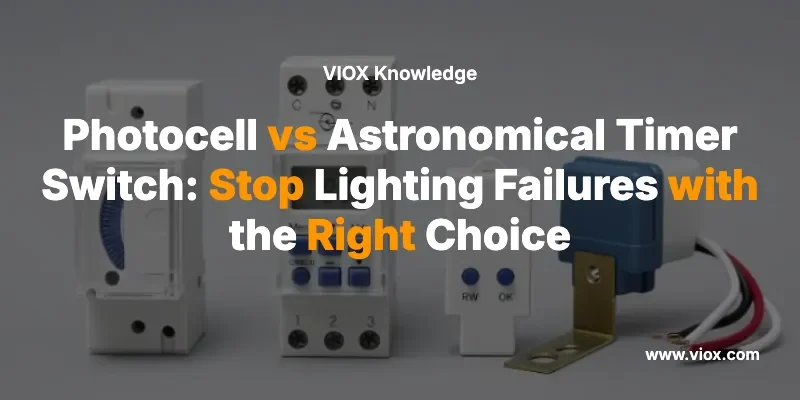

You’ve just completed a $50,000 LED security lighting upgrade across your facility. The new fixtures are brilliant. The energy savings projections look great. You installed an automated timer to handle everything—no more manual switches, no more “someone forgot to turn on the lights” emergencies.
Three months later, you get the call at 3 AM.
The entire parking lot is pitch black. There’s been a break-in. Your security team is scrambling. And when you investigate the next morning, you discover the problem: a photocell sensor covered in grime, confused by a new streetlight, has been randomly failing for weeks. The system you trusted to protect your property and people has catastrophically failed.
Here’s the painful question every engineer and facility manager must answer: How do you choose between a photocell timer switch and an astronomical timer switch so your lighting automation never fails when you need it most—while still maximizing energy savings and minimizing maintenance costs?
The answer isn’t about which technology is “better.” It’s about understanding the fundamental difference between reactive sensing နှင့် calculated precision—then matching the right technology to your specific failure tolerance, installation environment, and operational demands. This guide gives you a proven 4-step selection framework used by lighting engineers to eliminate costly failures before they happen.
Why Outdoor Lighting Automation Projects Fail: The Technology Mismatch Problem
When outdoor lighting automation fails, it’s rarely because the technology itself is broken. The real culprit is a mismatch between the control method and the application’s demands.
Here’s what happens: A facility manager sees “automatic outdoor lighting control” on a product spec sheet and assumes all automation is created equal. They choose based on price alone—usually a basic photocell timer switch because it’s $15 versus $40 for an astronomical model.
But photocell and astronomical timers operate on completely different principles. A photocell is reactive—it responds to real-time ambient light levels, like an automatic eye. An astronomical timer is calculated—it uses your GPS coordinates and calendar date to mathematically determine sunrise and sunset times, then executes a schedule with precision.
This creates opposite failure modes:
- A photocell fails when its environment changes: Light pollution from a new streetlight confuses the sensor. Snow covers it in winter. A spider builds a web across the lens. Dust accumulates over months. Any environmental interference causes unpredictable behavior.
- An astronomical timer fails when real-time conditions don’t match its schedule: A severe afternoon thunderstorm darkens the sky to near-night levels, but the timer won’t activate lights until its programmed time. There’s no emergency override.
သော့ယူသွားခြင်း- The #1 reason lighting automation fails isn’t technology quality—it’s choosing reactive control for applications that demand calculated reliability, or vice versa. Understanding this fundamental difference is your first defense against failure.
The Two Control Philosophies: Eyes vs. Brain
Before you can choose the right timer, you need to understand how each technology actually works. This isn’t just academic—it directly determines where each solution excels and where it fails.
Photocell Timer Switch: The Reactive Sensor
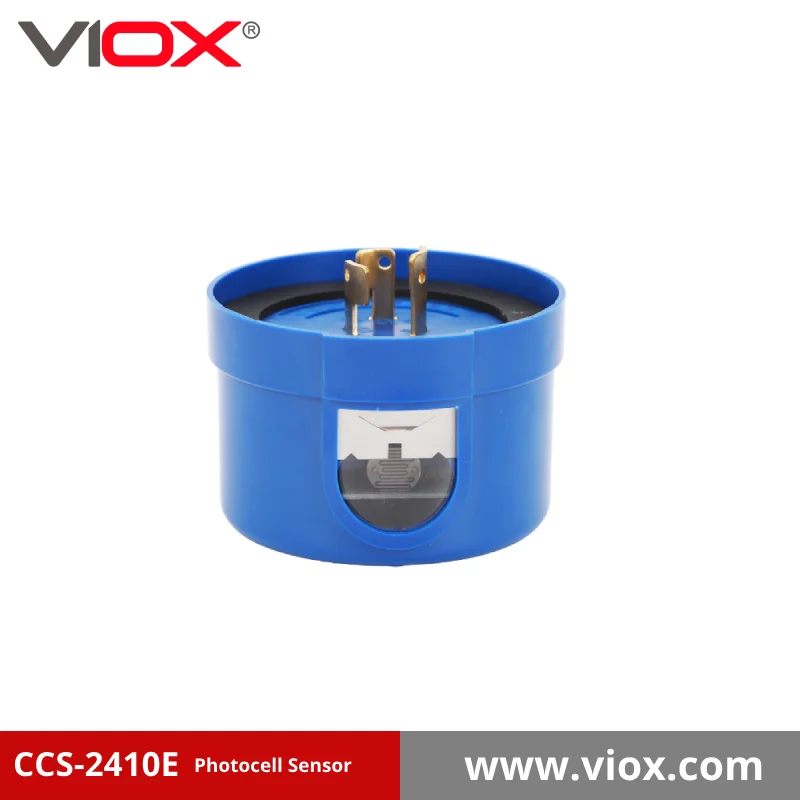
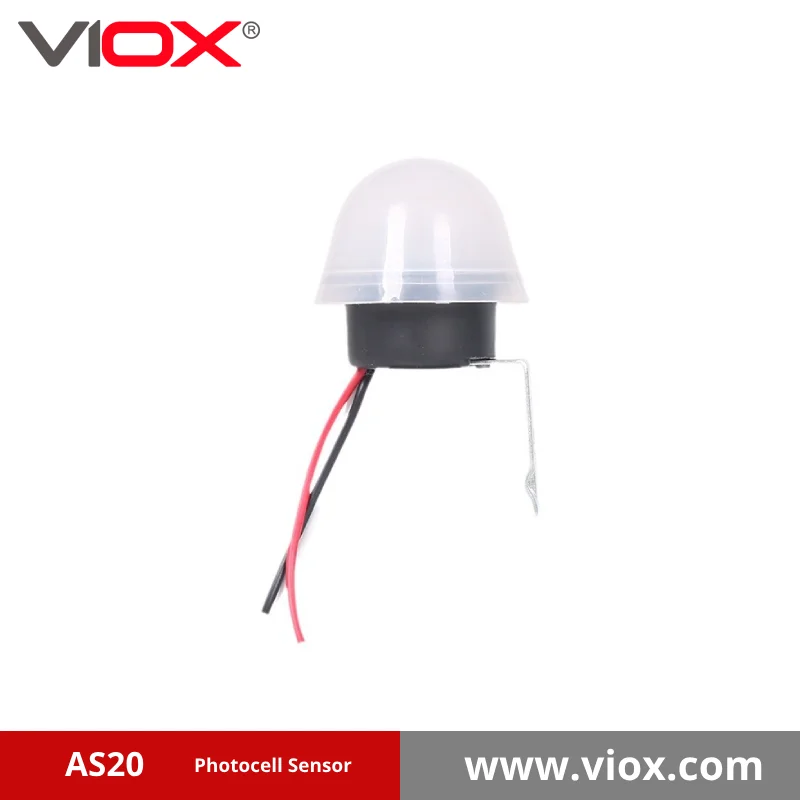
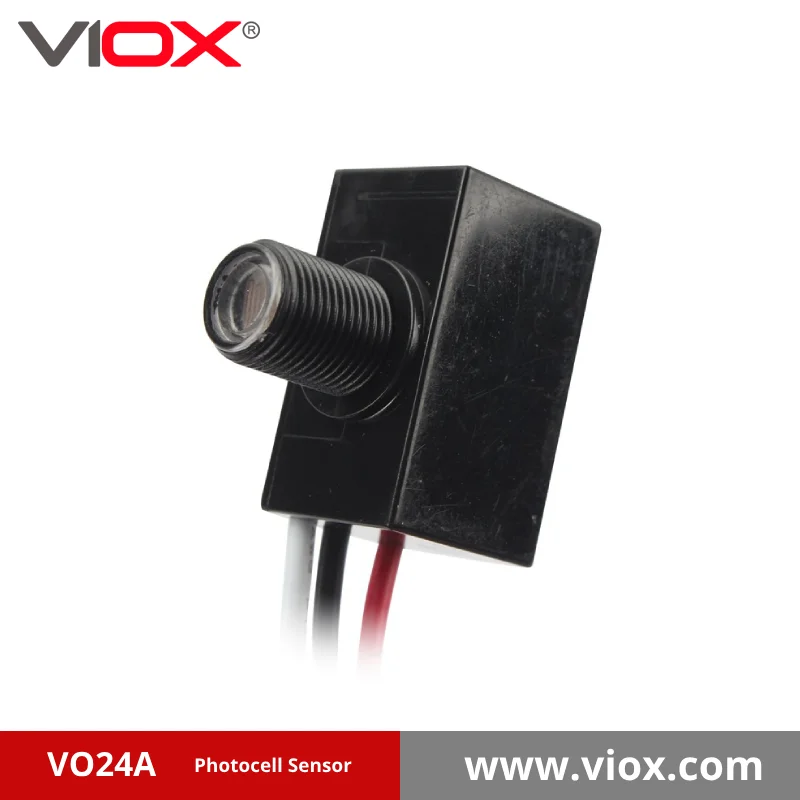
တဲ့ photocell timer switch uses a photoresistor—a semiconductor component that changes electrical resistance based on ambient light levels. Think of it as giving your lighting system “eyes.”
How it works:
- As daylight fades at dusk, less light hits the photoresistor
- The resistance increases past a threshold value
- This triggers a relay to close the circuit
- Your connected lights turn ON
- At dawn, the process reverses—rising light lowers resistance, opening the circuit and turning lights OFF
The advantage: Real-time environmental response. If a severe storm darkens the sky at 2 PM, the photocell detects the dangerous low-light condition and activates lights immediately. No programming required—just reactive intelligence.
The fatal weakness: The sensor sees 该电路上. This creates three critical failure modes:
- Light pollution interference: If the photocell can “see” the lights it controls, or nearby streetlights, or car headlights, it gets false readings
- Physical contamination: Dirt, snow, spider webs, leaves, or water droplets on the sensor lens cause malfunction
- Zero scheduling flexibility: Basic photocells only do dusk-to-dawn. You can’t program “lights off at midnight” to save energy
-အစွန်အဖျား#၁: The #1 reason photocells fail isn’t the technology—it’s wrong placement. If the sensor can ‘see’ any light it controls, you’ve created a feedback loop that causes constant flickering or complete failure. Always mount sensors where they only detect ambient sky light.
Astronomical Timer Switch: The Calculated Scheduler

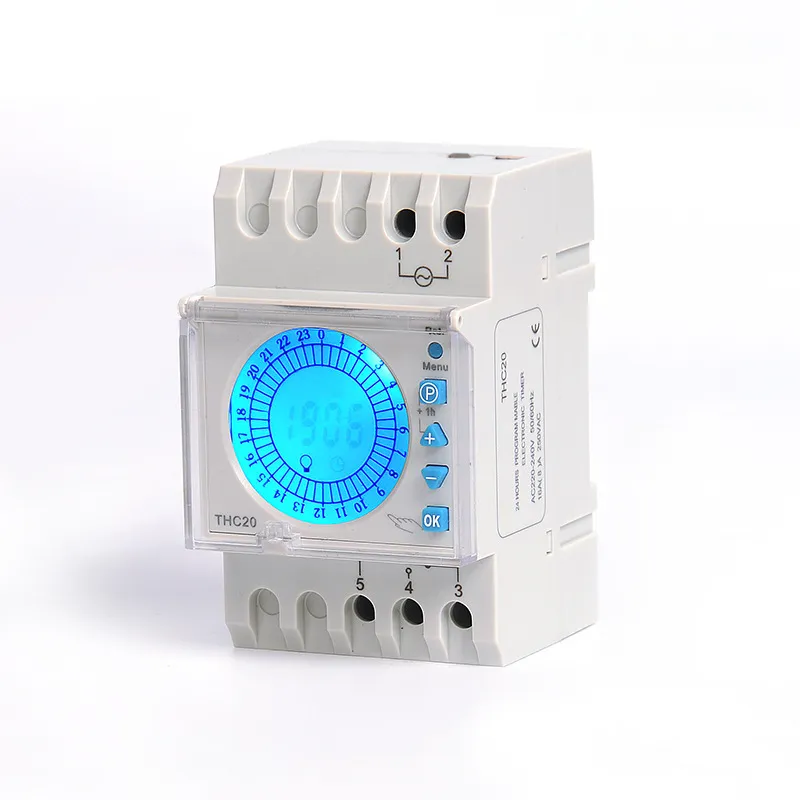
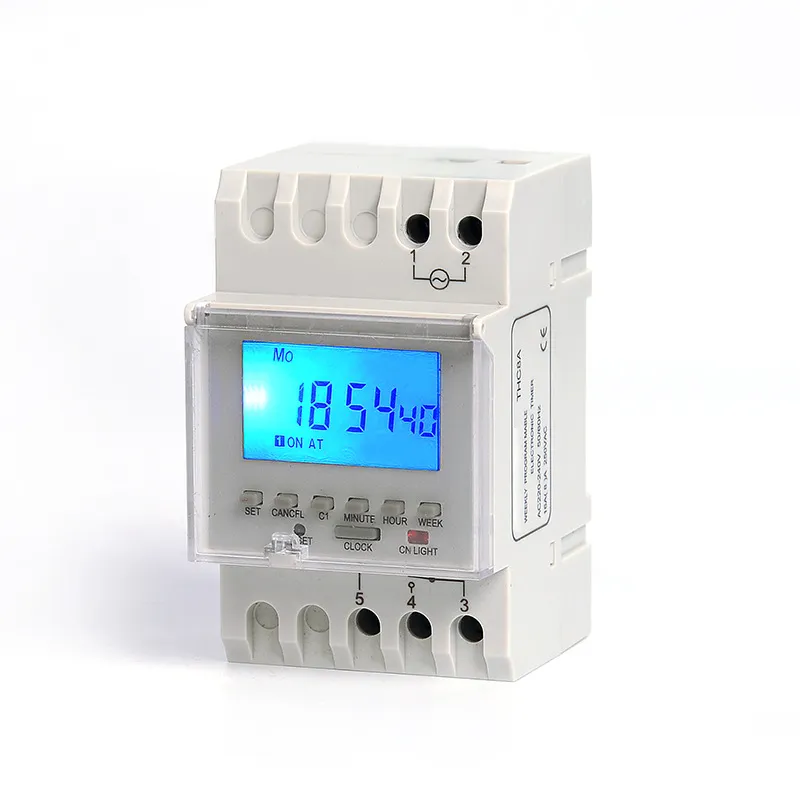
တစ်ခု astronomical timer switch contains a microprocessor running precise solar position algorithms. Think of it as giving your lighting system a “brain” that knows exactly when sunrise and sunset occur based on Earth’s rotation.
How it works:
- During initial setup, you input location (city/state or GPS coordinates) and current date/time
- The microprocessor calculates sunrise/sunset times using astronomical formulas
- It updates these calculations daily to account for seasonal changes (sunset happens 1-2 minutes earlier or later each day)
- The timer executes your programmed schedule with precision—typically within ±1 minute of actual astronomical events
- Most models handle Daylight Saving Time automatically
The advantage: Bulletproof reliability in any environment. Because there’s no sensor, light pollution, physical contamination, shadows, or weather cannot affect performance. Plus, you get powerful scheduling—lights on at sunset, off at midnight, back on at 5 AM, then off at sunrise.
The fatal weakness: No real-time awareness. If your area experiences an unusual weather event—like a severe thunderstorm creating near-total darkness at 3 PM—the astronomical timer won’t react. It follows its calculated schedule blindly.
-အစွန်အဖျား#၂: For security-critical applications, never rely solely on a photocell. A single dirty sensor or light pollution event can leave your property dark all night. Astronomical timers eliminate this single point of environmental failure.
The Engineer’s 4-Step Selection Framework: Matching Technology to Mission
ယခု သင်နားလည်ပြီဆိုလျှင် ဘယ်လို each technology works, here’s the systematic framework for choosing the right one. This is the same process electrical consultants use when specifying lighting control for commercial and industrial projects.
Step 1: Define Your Mission-Critical Requirements (Failure Tolerance Analysis)
Start by asking one question: What happens if this lighting system fails for one night?
သင်၏အဖြေသည် အရာအားလုံးကို ဆုံးဖြတ်သည်-
လုံခြုံရေး အရေးကြီးသော အသုံးချမှုများ (ပျက်ကွက်မှု လုံးဝမခံနိုင်):
- အဆောက်အဦ ပတ်လည် မီးအလင်းရောင်
- ကားပါကင်နှင့် ကားဂိုဒေါင် မီးအလင်းရောင်
- ကုန်တင်ဆိပ်နှင့် အရေးပေါ် ထွက်ပေါက် မီးအလင်းရောင်
- အများပြည်သူ လမ်းမီးများနှင့် ပန်းခြံ မီးအလင်းရောင်
- စက်မှုလုပ်ငန်းဆိုင်ရာ လုံခြုံရေး မီးအလင်းရောင်
ဤအသုံးချမှုများအတွက် နက္ခတ္တဗေဒ နာရီများကို ရွေးချယ်ပါ။. ဘာကြောင့်လဲ? ပတ်ဝန်းကျင် အာရုံခံကိရိယာ ပျက်ကွက်ခြင်းကို လက်ခံနိုင်စရာ မရှိသောကြောင့်ဖြစ်သည်။ နှင်းများဖုံးလွှမ်းနေသော သို့မဟုတ် အလင်းညစ်ညမ်းမှုကြောင့် ရှုပ်ထွေးနေသော ဓာတ်ပုံဆဲလ်သည် လုံခြုံရေး၊ ဘေးကင်းရေးနှင့် တာဝန်ယူမှုကို ထိခိုက်စေနိုင်သော တစ်ခုတည်းသော ပျက်ကွက်မှု အကြောင်းရင်းကို ဖန်တီးပေးသည်။.
အလှအပ/အဆင်ပြေမှု အသုံးချမှုများ (အသင့်အတင့် ပျက်ကွက်မှုကို ခံနိုင်ရည်ရှိ):
- လူနေအိမ် ဥယျာဉ်လမ်း မီးအလင်းရောင်
- ဥယျာဉ် အလှဆင် မီးအလင်းရောင်
- ဝရန်တာနှင့် အလှဆင် မီးအလင်းရောင်
- လုံခြုံရေးမဟုတ်သော အပြင်ဘက် အလှအပ
ဤအသုံးချမှုများအတွက် ဓာတ်ပုံဆဲလ်များသည် ကောင်းစွာ အလုပ်လုပ်သည်။ အကယ်၍ သင့်တွင် စံပြ တပ်ဆင်မှု အခြေအနေများ ရှိသည် (အဆင့် ၂)။ ကုန်ကျစရိတ် သက်သာပြီး အချိန်နှင့်တပြေးညီ ရာသီဥတု တုံ့ပြန်မှု (မှောင်မိုက်သော မုန်တိုင်းများအတွင်း မီးများလင်းခြင်း) သည် ကောင်းမွန်သော တန်ဖိုးကို ပေးသည်။.
မစ်ရှင် အရေးကြီးသော စက်မှုလုပ်ငန်း အသုံးချမှုများ (ပေါင်းစပ် ချဉ်းကပ်မှု):
- ဓာတုဗေဒ စက်ရုံများနှင့် ရေနံချက် စက်ရုံများ
- ၂၄/၇ လည်ပတ်နေသော ဖြန့်ဖြူးရေး ဂိုဒေါင်များ
- အရေးကြီးသော အခြေခံ အဆောက်အဦများ
- လုံခြုံရေးနှင့် လိုက်လျောညီထွေရှိသော ဘေးကင်းရေး နှစ်ခုစလုံး အရေးကြီးသော မည်သည့်နေရာမဆို
ဤအသုံးချမှုများအတွက် ပေါင်းစပ်စနစ်ကို အသုံးပြုပါ- အဓိက ထိန်းချုပ်ကိရိယာအဖြစ် နက္ခတ္တဗေဒ နာရီ + အချိန်နှင့်တပြေးညီ ထိန်းချုပ်မှုအဖြစ် ဓာတ်ပုံဆဲလ် အာရုံခံကိရိယာ။ ၎င်းသည် စီစဉ်ထားသော တိကျမှုနှင့် ပြင်းထန်သော ရာသီဥတု ဖြစ်ရပ်များအတွက် အရေးပေါ် တုံ့ပြန်မှုကို ပေးသည်။.
သော့ယူသွားခြင်း- သင်၏ ပျက်ကွက်မှုကို ခံနိုင်ရည်ရှိမှု—မီးများ မဖွင့်ပါက ဘာဖြစ်မလဲ—သည် သင်၏ ဆုံးဖြတ်ချက်တွင် အဓိကအချက်ဖြစ်သည်။ အန္တရာယ်ကြီးမားခြင်း = နက္ခတ္တဗေဒ။ ကောင်းမွန်သောအခြေအနေများနှင့် အန္တရာယ်နည်းပါးခြင်း = ဓာတ်ပုံဆဲလ်။.
အဆင့် ၂- သင်၏ တပ်ဆင်မှု ပတ်ဝန်းကျင်ကို စစ်ဆေးပါ (ပတ်ဝန်းကျင်ဆိုင်ရာ အန္တရာယ် အကဲဖြတ်ခြင်း)
အဆင့် ၁ ကို အခြေခံ၍ ဓာတ်ပုံဆဲလ်ကို သင်ဆုံးဖြတ်ပြီးပါက သင်၏ တပ်ဆင်မှု ပတ်ဝန်းကျင်သည် သင့်အား နက္ခတ္တဗေဒကို အသုံးပြုရန် တွန်းအားပေးနိုင်သည်။ ဤပတ်ဝန်းကျင်ဆိုင်ရာ အန္တရာယ် အချက်လေးချက်ကို အကဲဖြတ်ပါ-
အန္တရာယ် အချက် ၁- အလင်း ညစ်ညမ်းမှု ထိတွေ့ခြင်း
- အန္တရာယ် မြင့်မားခြင်း- လမ်းမီးများရှိသော မြို့ပြဧရိယာများ၊ အနီးအနားရှိ ကားပါကင်မီးများရှိသော အဆောက်အဦများ၊ ထိန်းချုပ်ထားသော မီးများသည် အာရုံခံကိရိယာသို့ ပြန်လည်ရောင်ပြန်ဟပ်နိုင်သော နေရာများ
- အန္တရာယ် နည်းပါးခြင်း- ကျေးလက်ဒေသများ၊ မြောက်ဘက်ကောင်းကင်ကို ရှင်းလင်းစွာမြင်နိုင်သော အာရုံခံကိရိယာများ တပ်ဆင်ထားသောနေရာများ၊ အနီးအနားတွင် လူလုပ်အလင်းရောင် အရင်းအမြစ်များ မရှိခြင်း
အန္တရာယ် အချက် ၂- ရုပ်ပိုင်းဆိုင်ရာ ညစ်ညမ်းမှု ဖြစ်နိုင်ခြေ
- အန္တရာယ် မြင့်မားခြင်း- နှင်းထူထပ်သော နေရာများ၊ အမြဲတစေ ဖုန်/အညစ်အကြေးများ (ဆောက်လုပ်ရေးဇုန်များ၊ သဲကန္တာရ ရာသီဥတုများ)၊ သစ်ပင်ထူထပ်သော အဖုံးများ (အရွက်များ၊ ဝတ်မှုန်များ)၊ အင်းဆက်ပိုးမွှားများ လှုပ်ရှားမှု မြင့်မားခြင်း
- အန္တရာယ် နည်းပါးခြင်း- သမမျှတသော ရာသီဥတုများ၊ ပြုပြင်ထိန်းသိမ်းရန် လွယ်ကူသော နေရာများတွင် တပ်ဆင်ထားသော အာရုံခံကိရိယာများ
အန္တရာယ် အချက် ၃- ပြင်းထန်သော ရာသီဥတု အခြေအနေများ
- အန္တရာယ် မြင့်မားခြင်း- မကြာခဏ ပြင်းထန်သော မုန်တိုင်းများ၊ မိုးသည်းထန်စွာ ရွာသွန်းခြင်း၊ ရေခဲများ စုပုံခြင်း၊ အပူချိန် အပြောင်းအလဲများ ပြင်းထန်သော ဒေသများ
- အန္တရာယ် နည်းပါးခြင်း- တည်ငြိမ်သော ရာသီဥတုပုံစံများရှိသော သမမျှတသော ရာသီဥတုများ
အန္တရာယ် အချက် ၄- အိမ်တွင်းနှင့် အိမ်ပြင် တပ်ဆင်မှု ရွေးချယ်စရာများ
- ကန့်သတ်ထားခြင်း- အာရုံခံကိရိယာသည် ကောင်းကင်ကို မြင်နိုင်သော အပြင်ဘက်တွင် တပ်ဆင်ရမည် (ဓာတ်ပုံဆဲလ်ကို ဒြပ်စင်များနှင့် ထိတွေ့စေသည်)
- လိုက်လျောညီထွေရှိခြင်း- ထိန်းချုပ်ကိရိယာကို လျှပ်စစ်ခန်း၊ ကားဂိုဒေါင် သို့မဟုတ် ရာသီဥတုဒဏ်ခံနိုင်သော အကာအရံအတွင်း၌ တပ်ဆင်နိုင်သည် (နက္ခတ္တဗေဒ နာရီ အားသာချက်)
ဆုံးဖြတ်ချက် စည်းမျဉ်း- အချက် ၂ ခု သို့မဟုတ် ထို့ထက်ပိုသော အချက်များတွင် “အန္တရာယ် မြင့်မားခြင်း” ကို ရမှတ်ပေးပါက အဆင့် ၁ ရလဒ်များနှင့် မသက်ဆိုင်ဘဲ နက္ခတ္တဗေဒ နာရီကို ရွေးချယ်ပါ။ ကြမ်းတမ်းသော အခြေအနေများတွင် ဓာတ်ပုံဆဲလ်များ၏ ပတ်ဝန်းကျင်ဆိုင်ရာ ပျက်ကွက်မှု အန္တရာယ်သည် မည်သည့် ကုန်ကျစရိတ် သက်သာမှုကိုမဆို ကျော်လွန်သွားသည်။.
-အစွန်အဖျား#၃: တပ်ဆင်မှု တည်နေရာ လိုက်လျောညီထွေရှိမှုသည် နက္ခတ္တဗေဒ နာရီများ၏ လျှို့ဝှက်လက်နက်ဖြစ်သည်။ ၎င်းတို့သည် ကောင်းကင်ကို ’မြင်“ ရန် မလိုအပ်သောကြောင့် အပူချိန်၊ အစိုဓာတ်နှင့် ညစ်ညမ်းမှုကို ထိန်းချုပ်ထားသော လုံခြုံသော လျှပ်စစ်ခန်းများအတွင်း၌ တပ်ဆင်နိုင်သည်။ ဤအချက်တစ်ချက်သည် စီးပွားဖြစ် တပ်ဆင်မှုများအတွက် အပိုကုန်ကျစရိတ်ကို မကြာခဏ သက်သေပြလေ့ရှိသည်။.
အဆင့် ၃- ၅ နှစ်တာ ကုန်ကျစရိတ် စုစုပေါင်း (TCO) ကို တွက်ချက်ပါ
ငွေရှင်းကောင်တာရှိ စျေးနှုန်းသည် အမှန်တကယ် ကုန်ကျစရိတ် မဟုတ်ပါ။ အမှန်တကယ် ရေရှည်တန်ဖိုးကို နှိုင်းယှဉ်ရန်အတွက် မီးအင်ဂျင်နီယာများ အသုံးပြုသည့် သင်္ချာကို လုပ်ဆောင်ကြပါစို့။.
ရှေ့ဦးစွာ ရင်းနှီးမြှုပ်နှံမှု-
- အခြေခံ ဓာတ်ပုံဆဲလ် နာရီခလုတ်- ၁၅-၂၅ ဒေါ်လာ
- ချိန်ညှိနိုင်သော အာရုံခံနိုင်စွမ်းရှိသော အရည်အသွေးကောင်း ဓာတ်ပုံဆဲလ်- ၃၀-၄၅ ဒေါ်လာ
- နက္ခတ္တဗေဒ နာရီခလုတ် (စံ): ၄၀-၇၀ ဒေါ်လာ
- နက္ခတ္တဗေဒ နာရီခလုတ် (အဆင့်မြင့် အင်္ဂါရပ်များ): ၇၀-၁၂၀ ဒေါ်လာ
ဒါပေမယ့် ဒီမှာ စိတ်ဝင်စားစရာကောင်းလာတယ်—၅ နှစ်အတွင်း လည်ပတ်မှု ကုန်ကျစရိတ်များ-
| ကုန်ကျစရိတ်အချက် | ဓာတ်ပုံဆဲလ် နာရီ | နက္ခတ္တဗေဒ နာရီ |
|---|---|---|
| မူလ ဝယ်ယူမှု | $25 | $60 |
| အစားထိုးခြင်း (ပျမ်းမျှ သက်တမ်း ၃-၅ နှစ်) | + ၂၅ ဒေါ်လာ (၁ ကြိမ် အစားထိုးခြင်း) | ၀ ဒေါ်လာ (၁၀+ နှစ် သက်တမ်း) |
| ပြုပြင်ထိန်းသိမ်းမှု ခေါ်ဆိုမှုများ (အာရုံခံကိရိယာ သန့်ရှင်းရေး၊ ပြဿနာဖြေရှင်းခြင်း) | ၂-၄ ကြိမ် ခေါ်ဆိုမှု @ ၇၅ ဒေါ်လာ/တစ်ကြိမ် = ၁၅၀-၃၀၀ ဒေါ်လာ | ၀-၁ ကြိမ် ခေါ်ဆိုမှု @ ၇၅ ဒေါ်လာ = ၀-၇၅ ဒေါ်လာ |
| စွမ်းအင် ဖြုန်းတီးမှု (ညနေမှ မနက်အထိသာ၊ သန်းခေါင်ယံတွင် ပိတ်ခြင်း မရှိ) | ~၁,၈၂၅ နာရီ/နှစ် ဖြုန်းတီးခြင်း × ၅ နှစ် | အချိန်ဇယား အကောင်းဆုံးဖြစ်အောင် ပြုလုပ်နိုင်ပါသည်။ |
| ၅ နှစ် စုစုပေါင်း | $200-350 | $60-135 |
ယခုအချိန်ဇယား ပြောင်းလွယ်ပြင်လွယ်မှုမှ ရရှိသော စွမ်းအင်ချွေတာမှုကို ထည့်ပါ-
သင်သည် 150W မီးချောင်းကို ထိန်းချုပ်သည်ဟု ယူဆပါ။ အကယ်၍ သင်သည် နက္ခတ္တဗေဒဆိုင်ရာ အချိန်တိုင်းကိရိယာကို သန်းခေါင်ယံမှ နံနက် ၅ နာရီအထိ (၅ နာရီ × ၃၆၅ ရက် × ၅ နှစ် = ၉၁၂၅ နာရီ သက်သာသည်) ပိတ်ရန် ပရိုဂရမ်ပြုလုပ်ပါက-
- စွမ်းအင်ချွေတာမှု- ၉၁၂၅ နာရီ × ၀.၁၅၀ kW = ၁၃၆၉ kWh
- $0.12/kWh ဖြင့် ကုန်ကျစရိတ် သက်သာခြင်း- $164
- $0.18/kWh ဖြင့် ကုန်ကျစရိတ် သက်သာခြင်း- $246
၅ နှစ် အသားတင် တွက်ချက်မှု-
- Photocell: $200-350 စုစုပေါင်း ကုန်ကျစရိတ်၊ $0 စွမ်းအင်ချွေတာမှု အကောင်းဆုံးဖြစ်အောင် = $200-350 အသားတင်
- နက္ခတ္တဗေဒ- $60-135 စုစုပေါင်း ကုန်ကျစရိတ်၊ -$164 မှ -$246 စွမ်းအင်ချွေတာမှု = -$104 မှ +$29 အသားတင်
နက္ခတ္တဗေဒဆိုင်ရာ အချိန်တိုင်းကိရိယာသည် ၎င်းကိုယ်တိုင်အတွက် ပေးချေပြီး ပြုပြင်ထိန်းသိမ်းမှု နည်းပါးခြင်း၊ သက်တမ်းပိုရှည်ခြင်းနှင့် စွမ်းအင် အကောင်းဆုံးဖြစ်အောင် ပြုလုပ်ခြင်းတို့ကြောင့် ၅ နှစ်အတွင်း အပြုသဘောဆောင်သော ROI ကို မကြာခဏ ထုတ်ပေးပါသည်။ စစ်မှန်သော ကုန်ကျစရိတ် တွက်ချက်မှုသည် ရိုးရာ ဉာဏ်ပညာကို ပြောင်းပြန်လှန်သည်။ နက္ခတ္တဗေဒဆိုင်ရာ အချိန်တိုင်းကိရိယာများသည် ရှေ့ပိုင်းတွင် ဈေးကြီးပုံရသော်လည်း ပြုပြင်ထိန်းသိမ်းမှု ခေါ်ဆိုမှုများ ပျောက်ကွယ်သွားခြင်း၊ ဝန်ဆောင်မှု သက်တမ်းပိုရှည်ခြင်းနှင့် ပရိုဂရမ်ပြုလုပ်နိုင်သော စွမ်းအင်ချွေတာမှုများကြောင့် စုစုပေါင်း ပိုင်ဆိုင်မှု ကုန်ကျစရိတ် သက်သာစေပါသည်။ မီးချောင်းများစွာကို ထိန်းချုပ်သည့် စီးပွားဖြစ် တပ်ဆင်မှုများအတွက် ROI သည် ပို၍ပင် မြန်ဆန်လာပါသည်။.
သော့ယူသွားခြင်း- အဆင့် ၄- ဆုံးဖြတ်ချက် မက်ထရစ်ကို အသုံးချပါ (နောက်ဆုံး နည်းပညာနှင့် ကိုက်ညီမှု).
ယခု သင်သည် ပျက်ကွက်မှု ခံနိုင်ရည်၊ ပတ်ဝန်းကျင်နှင့် ကုန်ကျစရိတ်များကို ခွဲခြမ်းစိတ်ဖြာပြီးဖြစ်သည်။ ဤတွင် အချက်များအားလုံးကို ထည့်သွင်းစဉ်းစားသည့် နောက်ဆုံး ဆုံးဖြတ်ချက် မက်ထရစ်ဖြစ်သည်။
Photocell Timer Switch ကို ရွေးချယ်ပါ-
အသုံးချမှုသည် အလှအပ/အဆင်ပြေမှု (ရှုခင်း၊ လသာဆောင်၊ ဥယျာဉ်) ဖြစ်သည်။
- တပ်ဆင်မှု ပတ်ဝန်းကျင်သည် ပတ်ဝန်းကျင်ဆိုင်ရာ အချက်လေးချက်စလုံးတွင် "အန္တရာယ်နည်းပါး" ရမှတ်ရရှိသည်။
- အာရုံခံကိရိယာကို ထိန်းချုပ်ထားသော မီးများမှ ဝေးကွာသော မြောက်ဘက်ကောင်းကင်ကို ရှင်းလင်းစွာ မြင်နိုင်စေရန် တပ်ဆင်နိုင်သည်။
- သင်သည် အချိန်နှင့်တပြေးညီ မုန်တိုင်းတုံ့ပြန်မှုကို တန်ဖိုးထားသည် (မှောင်မိုက်သော နေ့ခင်းဘက်တွင် မီးများလင်းနေသည်)
- မူလဘတ်ဂျက်သည် အကန့်အသတ်ရှိပြီး သင်သည် အလယ်အလတ် ပျက်ကွက်နိုင်ခြေကို လက်ခံနိုင်သည်။
- ပိုင်ဆိုင်မှုတွင် အလင်းညစ်ညမ်းမှု နည်းပါးပြီး ပုံမှန် ပြုပြင်ထိန်းသိမ်းမှု ရရှိနိုင်သည်။
- Astronomical Timer Switch ကို ရွေးချယ်ပါ-
အသုံးချမှုသည် လုံခြုံရေး၊ ဘေးကင်းရေး သို့မဟုတ် လိုက်နာမှု အရေးကြီးသည်။
- တပ်ဆင်မှု ပတ်ဝန်းကျင်တွင် မည်သည့် အန္တရာယ်များသော အချက်များ (နှင်း၊ ဖုန်မှုန့်၊ မြို့ပြအလင်းညစ်ညမ်းမှု) ရှိသည်။
- သင်သည် အချိန်ဇယား ပြောင်းလွယ်ပြင်လွယ်မှု လိုအပ်သည် (သန်းခေါင်ယံ ပိတ်ခြင်း၊ စိတ်ကြိုက် ပရိုဂရမ်များ)
- Controller ကို အိမ်တွင်း၌ သို့မဟုတ် ရာသီဥတုဒဏ်ခံနိုင်သော အကာအရံများတွင် တပ်ဆင်မည်ဖြစ်သည်။
- ရေရှည် TCO နှင့် ယုံကြည်စိတ်ချရမှုသည် ရှေ့ပိုင်း ကုန်ကျစရိတ်ထက် ပိုအရေးကြီးပါသည်။
- သင်သည် ပြုပြင်ထိန်းသိမ်းမှု အနည်းဆုံးဖြင့် "သတ်မှတ်ပြီး မေ့ထား" လည်ပတ်မှုကို လိုချင်သည်။
- အဆောက်အဦသည် ပုံမှန်မဟုတ်သော ညနေခင်းကာလများနှင့်အတူ အလွန်အမင်း လတ္တီကျုများတွင် တည်ရှိသည်။
- Hybrid Approach ကို ရွေးချယ်ပါ (နက္ခတ္တဗေဒ + Photocell Override)
အသုံးချမှုသည် မစ်ရှင် အရေးကြီးသော စက်မှု သို့မဟုတ် အခြေခံအဆောက်အဦဖြစ်သည်။
- သင်သည် အချိန်ဇယားဆွဲထားသော တိကျမှုနှင့် အချိန်နှင့်တပြေးညီ ရာသီဥတု တုံ့ပြန်မှု နှစ်ခုစလုံး လိုအပ်သည်။
- လုံခြုံရေး/ဘေးကင်းရေး ပျက်ကွက်မှုကို လက်မခံနိုင်သော်လည်း အရေးပေါ်အခြေအနေများတွင် မပြောင်းလွယ်ပြင်လွယ်ဖြစ်ခြင်းလည်း မဖြစ်နိုင်ပါ။
- ဘတ်ဂျက်သည် ပရီမီယံ နှစ်ထပ်အာမခံ ထိန်းချုပ်မှုစနစ်အတွက် ခွင့်ပြုသည်။
- သင်သည် လိုက်လျောညီထွေရှိသော အလင်းရောင်သည် အလုပ်သမားများ၏ ဘေးကင်းမှုကို ထိခိုက်စေသည့် 24/7 အဆောက်အဦများကို လည်ပတ်နေပါသည်။
- စက်မှုနှင့် စီးပွားဖြစ် အဆောက်အဦများအတွက်၊ ဟိုက်ဘရစ်ချဉ်းကပ်မှုသည် အဆုံးစွန်သော အာမခံမူဝါဒကို ပေးဆောင်သည်။ နက္ခတ္တဗေဒဆိုင်ရာ အချိန်တိုင်းကိရိယာသည် ပြီးပြည့်စုံသော ယုံကြည်စိတ်ချရမှုဖြင့် လည်ပတ်မှု၏ 99.9% ကို ကိုင်တွယ်ဖြေရှင်းပေးပြီး အချိန်ဇယားဆွဲထားသော ထိန်းချုပ်မှု မလုံလောက်သည့် ပြင်းထန်သော ရာသီဥတု အရေးပေါ်အခြေအနေများ၏ 0.1% တွင် photocell override သည် အသက်ဝင်ပါသည်။ ဤ "နှစ်ထပ်အာမခံ" ဗိသုကာသည် မစ်ရှင် အရေးကြီးသော အသုံးချမှုများအတွက် 30-40% ကုန်ကျစရိတ် ပရီမီယံနှင့် ထိုက်တန်ပါသည်။
-အစွန်အဖျား#၄: ထုတ်ကုန် အကြံပြုချက်များ- အသုံးချမှုတစ်ခုစီအတွက် သက်သေပြထားသော ဖြေရှင်းချက်များ.
အင်ဂျင်နီယာများနှင့် အဆောက်အဦ မန်နေဂျာ ရာပေါင်းများစွာကို မှန်ကန်သော အလင်းရောင် ထိန်းချုပ်မှုကို ရွေးချယ်ရာတွင် ကူညီပြီးနောက်၊ ဤအရာများသည် ကျွန်ုပ်တို့ အကြံပြုထားသော သီးခြားထုတ်ကုန်များဖြစ်သည်။
Photocell အသုံးချမှုများအတွက်- VIOX Photocell Switch
သင်သည် photocell သည် သင်၏လိုအပ်ချက်များနှင့် ကိုက်ညီသည်ဟု ဆုံးဖြတ်ပြီးသောအခါ၊ ဈေးပေါသော မော်ဒယ်များကို မသုံးပါနှင့်။ ALION Photocell Switch တွင် ဘတ်ဂျက်မော်ဒယ်များ ကျော်သွားသည့် အရေးကြီးသော အင်္ဂါရပ်များ ပါဝင်သည်-
ချိန်ညှိနိုင်သော အာရုံခံနိုင်စွမ်း အကန့်အသတ်
- (အလင်းညစ်ညမ်းမှုမှ မှားယွင်းစွာ လှုံ့ဆော်ခြင်းကို တားဆီးသည်) တပ်ဆင်ထားသော အချိန်နှောင့်နှေးမှု
- (ဖြတ်သွားသော ကားရှေ့မီးများမှ တုန်ခါခြင်းကို ဖယ်ရှားပေးသည်) IP65 ရာသီဥတုဒဏ်ခံနိုင်သော အဆင့်သတ်မှတ်ချက်
- (ကြမ်းတမ်းသော ပြင်ပအခြေအနေများကို ခံနိုင်ရည်ရှိသည်) ဗို့အား ကျယ်ပြန့်စွာ လိုက်ဖက်ညီမှု
- (မတူညီသော အသုံးချမှုများအတွက် 120-277V) ၅ နှစ် ထုတ်လုပ်သူ အာမခံ
- (စက်မှုလုပ်ငန်းစံနှုန်းထက် နှစ်ဆ) အကောင်းဆုံးအတွက်- နေအိမ်ရှုခင်း အလင်းရောင်၊ ဥယျာဉ်အလှဆင်ပစ္စည်းများ၊ လသာဆောင်မီးများ တပ်ဆင်သည့်နေရာတွင် ကောင်းကင်ကို ရှင်းလင်းစွာ မြင်နိုင်ပြီး အလင်းညစ်ညမ်းမှု အနည်းဆုံးရှိသည်။
Astronomical အသုံးချမှုများအတွက်- VIOX AHD16T Astronomical Time Switch.
လုံခြုံရေး၊ စီးပွားဖြစ်နှင့် စက်မှုလုပ်ငန်းဆိုင်ရာ အသုံးချမှုများအတွက် ခိုင်မာသော ယုံကြည်စိတ်ချရမှု လိုအပ်သည်-
နှစ် ၄၀ သက်တမ်းရှိသော ပြက္ခဒိန်
- (ရက်ထပ်နှစ်များ၊ ရာသီအပြောင်းအလဲများကို ထည့်သွင်းစဉ်းစားသည်) GPS အခြေပြု တည်နေရာ ဒေတာဘေ့စ်
- (မြို့ပေါင်း ၃၀၀၀ ကျော် ကြိုတင် ပရိုဂရမ်ပြုလုပ်ထားသည်) ပရိုဂရမ်ပြုလုပ်နိုင်သော ON/OFF ဖြစ်ရပ် ၁၆ ခု
- (စွမ်းအင် အကောင်းဆုံးဖြစ်အောင် ပြုလုပ်ရန်အတွက် ရှုပ်ထွေးသော အချိန်ဇယားများ) တပ်ဆင်ထားသော လီသီယမ် ဘက်ထရီ အရန်
- (၅ နှစ်ကြာ လျှပ်စစ်မီး ပြတ်တောက်မှုများမှတစ်ဆင့် ပရိုဂရမ်ကို ထိန်းသိမ်းထားသည်) (retains programming through 5-year power outages)
- Automatic DST adjustment (eliminates twice-yearly manual corrections)
- Manual override လုပ်နိုင်စွမ်း (emergency control when needed)
Ideal for: Building perimeter security, parking lots, streetlights, loading docks, any application where failure isn’t an option.
Your Lighting Control Decision: Made Simple
You’ve now completed the same analysis process professional lighting engineers use when specifying outdoor controls for multi-million-dollar projects. Here’s your actionable summary:
If your lighting protects people or property: Choose astronomical. Environmental sensor failure is an unacceptable single point of failure. The precision, reliability, and installation flexibility justify the cost.
If your lighting is aesthetic and your site is ideal: Choose photocell. The real-time weather response and lower cost make sense when failure risk is low and mounting conditions are perfect.
If your facility is mission-critical: Invest in the hybrid approach. The dual-assurance architecture eliminates both scheduled gaps and weather-related failures.
The choice between photocell and astronomical timer switches isn’t about “better” technology. It’s about matching control philosophy—reactive sensing vs. calculated precision—to your specific failure tolerance and installation realities.
Make the wrong choice, and you risk the 3 AM emergency call. Make the right choice using this framework, and your outdoor lighting automation will work flawlessly for the next decade while delivering measurable energy savings and eliminating maintenance headaches.
Ready to specify the right timer for your application? Use the decision matrix in Step 4, calculate your 5-year TCO, and select the technology that matches your mission. Your future self—and your maintenance budget—will thank you.
Frequently Asked Questions: Photocell vs Astronomical Timer Selection
Q: Can I use a photocell timer in an urban area with streetlights?
A: Not recommended. Urban light pollution creates false readings that cause unreliable operation. If the photocell can “see” nearby streetlights, parking lot lights, or building lights, it will trigger incorrectly. For urban installations, astronomical timers eliminate this interference problem entirely.
Q: How long do astronomical timer batteries last, and what happens when they die?
A: Quality astronomical timers like the ALION AHD16T use industrial lithium batteries rated for 5-10 years. When the battery eventually depletes, the timer loses its programming and time reference during power outages but continues normal operation when powered. Simply reprogram the device—most installers take a smartphone photo of the settings screen for easy reference.
Q: Will a photocell turn my lights on during severe daytime storms?
A: Yes, and this is actually a key advantage. If a thunderstorm or unusual weather event creates dangerous low-light conditions at 2 PM, a photocell will detect the darkness and activate lights immediately. An astronomical timer will not—it follows its calculated schedule regardless of real-time conditions. This makes photocells valuable for applications where adaptive weather response improves safety.
Q: Can I program an astronomical timer to turn lights OFF at midnight and back ON at 5 AM?
A: Absolutely. This energy-saving strategy is one of the major advantages of astronomical timers. Most models support 8-16 programmable ON/OFF events per day. For a typical parking lot, you might program: ON at sunset, OFF at 11 PM, ON at 5 AM, OFF at sunrise. This can reduce operating hours by 25-30% annually compared to dusk-to-dawn photocell operation.
Q: Do I need an electrician to install these timers?
A: Both technologies require basic electrical wiring, which means working with line voltage (120V-277V). Most building codes require licensed electricians for this work. The installation is straightforward—both timers replace standard light switches or connect inline with lighting circuits—but electrical safety and code compliance mandate professional installation.
Q: What’s the difference between NEMA 3R and IP65 ratings for outdoor timers?
A: Both ratings indicate weather resistance, but they’re different standards. NEMA 3R (North American standard) protects against rain, sleet, and ice damage. IP65 (international standard) means dust-tight and protected against water jets from any direction. For outdoor installations, look for minimum NEMA 3R or IP65 ratings. Higher ratings (NEMA 4X, IP66/67) provide extra protection in harsh industrial or coastal environments.