

ရှောင်ရှားနိုင်ခဲ့သော $3,000 အမှား
ဇူလိုင်လလယ်တွင် သင်၏ဆိုလာတပ်ဆင်မှုပြီးစီးပြီး စနစ်သည် သုံးနာရီခန့် လှပစွာလည်ပတ်သည်ကို မြင်ယောင်ကြည့်ပါ။ ထို့နောက် breaker တစ်ခု ခလုတ်တိုက်သွားသည်။ သင်ပြန်လည်သတ်မှတ်သည်။ ၎င်းသည် ထပ်မံခလုတ်တိုက်သည်။ မွန်းတည့်ချိန်တွင် သင်သည် သင်၏ပေါင်းစပ်သေတ္တာအတွင်းရှိ အရည်ပျော်နေသော terminal block နှင့် အလွန်ဒေါသထွက်နေသော အိမ်ပိုင်ရှင်ကို စိုက်ကြည့်နေပါသည်။ ရောဂါရှာဖွေခြင်း? သင်သည် လေးခုအတွက် အဆင့်သတ်မှတ်ထားသော ပေါင်းစပ်သေတ္တာတစ်ခုသို့ ကြိုးခြောက်ချောင်းကို ချိတ်ဆက်ထားပြီး သြဂုတ်လနေရောင်သည် လက်ရှိ 40% ကို သင်၏တွက်ချက်မှုများထက် မြင့်မားစေသည်။.
ဤသည်မှာ လူနေအိမ်ဆိုလာတွင် အကုန်အကျအများဆုံးသင်ခန်းစာဖြစ်သည်- သင်၏ပေါင်းစပ်သေတ္တာသည် သင့်တွင်ရှိသော panel အရေအတွက်ဖြင့် အရွယ်အစားမဟုတ်ပါ—၎င်းသည် သင်ဖန်တီးသည့်ကြိုးအရေအတွက်နှင့် အရေးအကြီးဆုံးမှာ၊ ထိုကြိုးများသည် လက်တွေ့ကမ္ဘာအခြေအနေအောက်တွင် ထုတ်ပေးသည့် amperage နှင့် voltage တို့ဖြင့် အရွယ်အစားဖြစ်သည်။.

ကြိုးရေတွက်ခြင်း အဘယ်ကြောင့် မှားယွင်းသွားသနည်း (နှင့် အဘယ်ကြောင့် အရေးကြီးသနည်း)
ဤတွင် ပြဿနာ၏ အရင်းအမြစ်ဖြစ်သည်- တပ်ဆင်သူအများအပြားသည် ကြိုးဗိသုကာအစား panel အရေအတွက်ကို အာရုံစိုက်ကြသည်။ ၎င်းတို့သည် “24 panels” ကိုမြင်ပြီး 24 inputs ပါသော ပေါင်းစပ်သေတ္တာကို ဆုပ်ကိုင်ထားသော်လည်း အမှန်တကယ်ဒီဇိုင်းသည် 6 panels တစ်ခုစီ၏ 4 strings ကိုသာ တောင်းဆိုသည်။ ရလဒ်? အရွယ်အစားကြီးမားသော၊ ဈေးကြီးသော စက်ကိရိယာများ—သို့မဟုတ် ပိုဆိုးသည်မှာ ဘေးကင်းရေးအန္တရာယ်ဖြစ်လာသည့် အရွယ်အစားသေးငယ်သော အကာအကွယ်ဖြစ်သည်။.
National Electrical Code (NEC) သည် သင်၏လက်ရှိတွက်ချက်မှုများတွင် 125% ဘေးကင်းရေးအချက်တစ်ခု လိုအပ်သောကြောင့် ရှုပ်ထွေးမှုများ ပိုမိုနက်ရှိုင်းလာသော်လည်း ဤအရေးကြီးသောအဆင့်ကို မကြာခဏ ကျော်သွားခြင်း သို့မဟုတ် နားလည်မှုလွဲမှားကြသည်။ အေးမြသော၊ တောက်ပသော ဆောင်းရာသီတွင် နေရောင်ခြည်စွမ်းအင်သည် မြင့်တက်လာသောအခါ၊ သင်၏ short-circuit current (Isc) သည် nameplate အဆင့်သတ်မှတ်ချက်များထက် 25% သို့မဟုတ် ထို့ထက်ပို၍ ကျော်လွန်နိုင်သည်။ သင့်လျော်သော အရွယ်အစားမရှိဘဲ၊ သင်သည် ကုဒ်ကို ချိုးဖောက်ရုံသာမက မီးအန္တရာယ်ကိုလည်း ဖန်တီးနေပါသည်။.
ရိုးရာအသိပညာက “ပိုကြီးတာက ပိုကောင်းတယ်” လို့ဆိုပေမယ့် အဲဒါက ကုန်ကျစရိတ်ကြီးတယ်။ အမှန်တရားက ပိုရိုးရှင်းပါတယ်- ကြိုးသုံးချောင်း သို့မဟုတ် ထိုထက်နည်းသော သေးငယ်သော လူနေအိမ်စနစ်များအတွက်၊ သင်သည် ပေါင်းစပ်သေတ္တာကို လုံးဝမလိုအပ်ပါ။.
ဖြေရှင်းချက်- String-First ရွေးချယ်ရေးမူဘောင်
အိမ်တစ်လုံးအတွက် ပေါင်းစပ်သေတ္တာတစ်ခုလျှင် စံပြကြိုးအရေအတွက်သည် သင်၏ဒီဇိုင်းရှိ ကြိုးအရေအတွက်၊ သေတ္တာပေါ်ရှိ အဆင့်သတ်မှတ်ထားသော input terminals နှင့် NEC နှင့်ကိုက်ညီသော တွက်ချက်မှုများအပေါ် အခြေခံ၍ amperage ကန့်သတ်ချက်များဟူသော ညှိနှိုင်း၍မရသော အချက်သုံးချက်ပေါ်တွင် မူတည်ပါသည်။ တပ်ဆင်သူအများစု လွဲချော်နေသည့် ထိုးထွင်းသိမြင်မှုမှာ ဤတွင်ဖြစ်သည်။
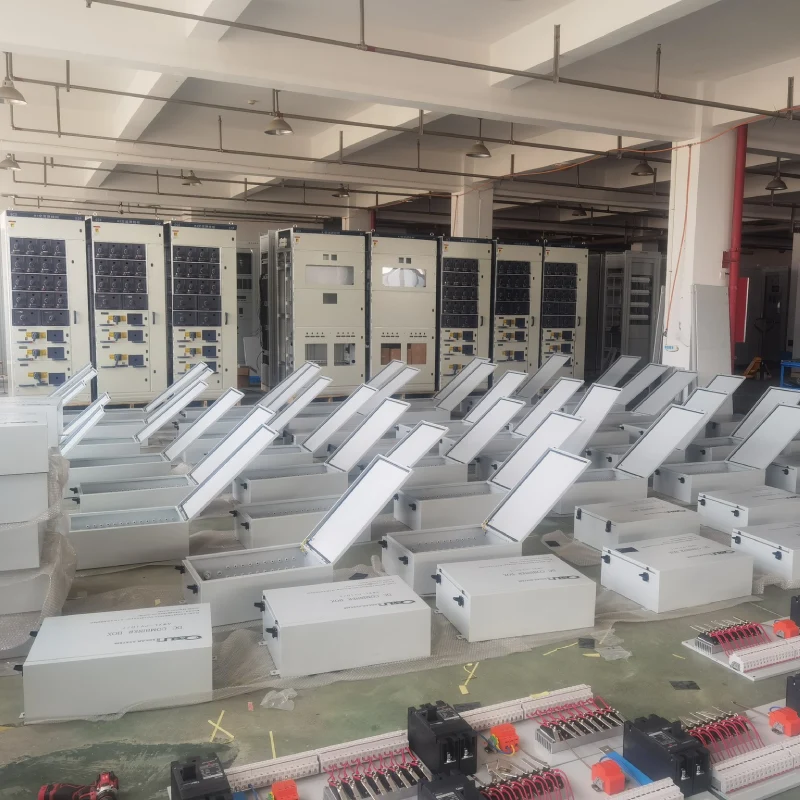
ဟိ ပေါင်းစပ်ဘောက်စ် သည် စကြဝဠာအချက်အချာမဟုတ်ပါ—၎င်းသည် ကြိုးမှ terminal နှင့်ကိုက်ညီသော လေ့ကျင့်ခန်းတစ်ခုဖြစ်သည်။ input terminal တစ်ခုစီကို ကြိုးတစ်ခုအတွက် ဒီဇိုင်းထုတ်ထားသည်။ input terminals 6 ခုပါသော သေတ္တာတစ်ခုသည် ကြိုး 6 ချောင်းကို တိကျစွာကိုင်တွယ်နိုင်သည်၊ ကြိုးတစ်ခုစီ၏ voltage နှင့် current သည် သေတ္တာ၏ အဆင့်သတ်မှတ်ထားသော စွမ်းရည်အတွင်း ကျရောက်သည်ဟု ယူဆသည်။ ဤအရာထက်ကျော်လွန်၍—ကြိုးနှစ်ချောင်းကို terminal တစ်ခုထဲသို့ ထည့်ခြင်း သို့မဟုတ် စုစုပေါင်း amperage အဆင့်သတ်မှတ်ချက်ထက် ကျော်လွန်ခြင်း—သည် သင်၏အကာအကွယ်ကိရိယာကို တာဝန်ယူမှုအဖြစ် ပြောင်းလဲစေသည်။.
ခေတ်မီပေါင်းစပ်သေတ္တာများကို ဤတိကျမှုဖြင့် အင်ဂျင်နီယာပြုလုပ်ထားသည်။ ၎င်းတို့တွင် input တစ်ခုစီအတွက် သီးခြား overcurrent protection (ဖျူးများ သို့မဟုတ် breakers)၊ arc fault detection နှင့် rapid shutdown စွမ်းရည်များ ပါရှိသည်။ သေတ္တာသည် ကြိုးများကို ပေါင်းစပ်ရုံသာမက ၎င်းတို့ကို သီးခြားခွဲထုတ်ကာ ကာကွယ်ပေးပြီး သင်၏ inverter ကို ဆက်တိုက်ပျက်ကွက်ခြင်းမှ ကင်းဝေးစေသည်။.
လေးဆင့် ကြိုးမှ ပေါင်းစပ်ခြင်း လုပ်ငန်းစဉ်
အဆင့် 1- သင်၏ Panels များကို မရေတွက်ဘဲ သင်၏ Strings များကို ရေတွက်ပါ။
သင်၏ပထမဆုံးအလုပ်မှာ အမှတ်တံဆိပ်တစ်ခုကို ရွေးချယ်ခြင်းမဟုတ်ပါ—၎င်းသည် သင်၏စနစ်ဗိသုကာကို နားလည်ခြင်းဖြစ်သည်။.
သင်သည် ပုံမှန်လူနေအိမ်စနစ်ကို တပ်ဆင်နေပါက၊ သင်သည် ဤပုံစံများထဲမှ တစ်ခုတွင် panels များကို စီစဉ်သတ်မှတ်နိုင်ဖွယ်ရှိသည်။
- 12 panels တစ်ခုစီ၏ 2 strings (စုစုပေါင်း 24 panels)
- 10 panels တစ်ခုစီ၏ 3 strings (စုစုပေါင်း 30 panels)
- 8 panels တစ်ခုစီ၏ 4 strings (စုစုပေါင်း 32 panels)
ဤတွင် အရေးကြီးသော ဆုံးဖြတ်ချက်အချက်ဖြစ်သည်။
| ကြိုးရေတွက်ခြင်း | ပေါင်းစပ်သေတ္တာ လိုအပ်ပါသလား။ | အက်ရှင် |
|---|---|---|
| 1-3 strings | များသောအားဖြင့် မဟုတ်ပါ | inverter သို့ တိုက်ရိုက်ချိတ်ဆက်ပါ (ခေတ်မီ inverters အများစုတွင် သီးသန့် inputs 2-3 ခုရှိသည်) |
| 4-6 strings | ဟုတ်ကဲ့ | 6-input ပေါင်းစပ်သေတ္တာကို အသုံးပြုပါ (လူနေအိမ်အဆင့်သတ်မှတ်ထားသည်) |
| 7-12 strings | ဟုတ်ကဲ့ | 12-input ပေါင်းစပ်သေတ္တာကို အသုံးပြုပါ (သေးငယ်သော စီးပွားဖြစ်အဆင့်သတ်မှတ်ထားသည်) |
| 12+ strings | ဟုတ်ကဲ့ | ပေါင်းစပ်သေတ္တာများစွာ သို့မဟုတ် ကြီးမားသော စီးပွားဖြစ်သေတ္တာကို အသုံးပြုပါ |
အဓိကအချက်- သင့်တွင် ကြိုးသုံးချောင်း သို့မဟုတ် ထိုထက်နည်းပါက၊ ပေါင်းစပ်သေတ္တာကို လုံးဝကျော်ပြီး $400-$800 ကို ချွေတာပါ။ သင်၏ inverter သည် တိုက်ရိုက်ချိတ်ဆက်မှုများကို ကိုင်တွယ်နိုင်ပြီး မလိုအပ်သော ပျက်ကွက်မှုအမှတ်ကို ဖယ်ရှားနိုင်မည်ဖြစ်သည်။.
အဆင့် 2- NEC 125% စည်းမျဉ်းကို အသုံးပြု၍ Amperage ကို တွက်ချက်ပါ (သင်၏ အာမခံမူဝါဒ)
ဤတွင် ကောင်းမွန်သော တပ်ဆင်မှုများသည် ကုဒ်ချိုးဖောက်မှုများနှင့် ကွဲကွာသွားသည်။.
NEC Article 690 သည် သင်၏ photovoltaic source circuit current ကို စဉ်ဆက်မပြတ်လည်ပတ်မှုနှင့် irradiance spikes များအတွက် 1.25 (125%) ဖြင့် မြှောက်ရန် တာဝန်ပေးထားသည်။ ဤသည်မှာ ရွေးချယ်ခွင့်မဟုတ်ပါ—၎င်းသည် သင်၏ဘေးကင်းရေးအနားသတ်ဖြစ်သည်။.
လက်တွေ့ကမ္ဘာဥပမာတစ်ခုကို လေ့လာကြည့်ကြပါစို့။
- ကြိုးဖွဲ့စည်းပုံ- ကြိုးတစ်ချောင်းလျှင် 10 panels၊ panel တစ်ခုစီသည် 400W၊ 9A short-circuit current (Isc) ဖြင့် အဆင့်သတ်မှတ်ထားသည်
- ကြိုးအရေအတွက်- 4 strings
- တွက်ချက်မှု-
တစ်ကြိုးလျှင် အကာအကွယ်-
လိုအပ်သော Ampacity = Isc × 1.25
လိုအပ်သော Ampacity = 9A × 1.25 = 11.25A
→ တစ်ကြိုးလျှင် 15A fuse သို့မဟုတ် breaker ကို အသုံးပြုပါစုစုပေါင်း ပေါင်းစပ်သေတ္တာ အဆင့်သတ်မှတ်ချက်-
စုစုပေါင်း Current = ကြိုးအရေအတွက် × Isc
စုစုပေါင်း Current = 4 × 9A = 36A
လိုအပ်သော ပေါင်းစပ်သေတ္တာ အဆင့်သတ်မှတ်ချက် = 36A × 1.25 = 45A
→ ≥50A အတွက် အဆင့်သတ်မှတ်ထားသော ပေါင်းစပ်သေတ္တာကို အသုံးပြုပါPro Tip- နောက် standard fuse အရွယ်အစားသို့ အမြဲတမ်း ပင့်တင်ပါ။ 15A fuse သည် 12A အောက် Isc ပါသော လူနေအိမ်ကြိုးများအတွက် standard ဖြစ်သည်။ ပိုမိုမြင့်မားသော output panels များအတွက် (Isc > 12A)၊ 20A သို့မဟုတ် 25A fuse သို့ တက်ပါ။ အပို headroom သည် ပိုက်ဆံအနည်းငယ်သာ ကုန်ကျသော်လည်း nuisance tripping နှင့် စောစီးစွာ စက်ပစ္စည်းများ ဝတ်ဆင်ခြင်းကို တားဆီးပေးသည်။.
အဆင့် 3- ကြိုးအားလုံးတွင် Voltage Compatibility ကို စစ်ဆေးပါ
Voltage မကိုက်ညီမှုများသည် ဆိုလာစနစ်များ၏ တိတ်တဆိတ်လူသတ်သမားများဖြစ်သည်။.
ဤတွင် ဥပမာတစ်ခုဖြစ်သည်- 50 PSI အတွက် အဆင့်သတ်မှတ်ထားသော ဥယျာဉ်ရေပိုက်ကို 150 PSI တွန်းနေသော မီးသတ်ပိုက်နှင့် ချိတ်ဆက်သည်ကို မြင်ယောင်ကြည့်ပါ။ အားနည်းသောအရာသည် စွမ်းဆောင်ရည်ကို ဆုံးဖြတ်သည်—ဆိုလာတွင်၊ ဆိုလိုသည်မှာ ကြိုးအားလုံးသည် တူညီသော voltage တွင် လည်ပတ်ရမည် သို့မဟုတ် သင့်စနစ်စွမ်းဆောင်ရည် ကျဆင်းသွားမည်ဖြစ်သည်။.
Voltage စည်းမျဉ်းနှစ်ခု-
- Series Configuration (Voltage ပေါင်းထည့်သည်)- သင်သည် panels များကို series တွင် ဝါယာကြိုးသွယ်သောအခါ၊ voltages များ ပေါင်းထည့်သည်။ 40V စီရှိသော 10 panels ၏ ကြိုးတစ်ချောင်း = စုစုပေါင်း 400V။.
- Parallel Configuration (Current ပေါင်းထည့်သည်)- ကြိုးများသည် ပေါင်းစပ်သေတ္တာတွင် ပေါင်းစပ်သောအခါ၊ currents များ ပေါင်းထည့်သော်လည်း voltage သည် အမြဲတမ်းရှိနေသည်။.
အဖြစ်များသော အမှား- 10 panels (400V) ၏ ကြိုးတစ်ချောင်းကို တူညီသော ပေါင်းစပ်သေတ္တာတွင် 8 panels (320V) ၏ ကြိုးတစ်ချောင်းနှင့် ရောနှောခြင်း။ ဘာဖြစ်မလဲ?
- 320V ကြိုးသည် 400V ကြိုးပေါ်တွင် “voltage drag” ဖြစ်လာသည်
- သင်၏ inverter ရှိ Maximum Power Point Tracking (MPPT) algorithm သည် ကြိုးနှစ်ချောင်းစလုံးကို အကောင်းဆုံးဖြစ်အောင် လုပ်ဆောင်ရန် ရုန်းကန်နေရသည်
- သင်သည် 15-25% စနစ်စွမ်းဆောင်ရည်ကို ချက်ချင်းဆုံးရှုံးသည်
Voltage ကိုက်ညီမှု စစ်ဆေးစာရင်း-
| စစ်ဆေးပါ | လိုအပ်ချက် | ဘာကြောင့် အရေးကြီးတာလဲ။ |
|---|---|---|
| Open-Circuit Voltage (Voc) | တစ်ခုနှင့်တစ်ခု၏ 5% အတွင်းရှိ ကြိုးအားလုံး | MPPT စွမ်းဆောင်ရည်ကို သေချာစေသည် |
| အများဆုံးစနစ်ဗို့အား | ပေါင်းစပ်သေတ္တာ အဆင့်သတ်မှတ်ချက် (ပုံမှန်အားဖြင့် 600V, 1000V သို့မဟုတ် 1500V DC) ထက် မကျော်လွန်ရပါ။ | စက်ပစ္စည်းပျက်စီးခြင်းနှင့် arc flash အန္တရာယ်များကို ကာကွယ်ပေးသည် |
| Panel အမျိုးအစား | တစ်ကြိုးလျှင် တူညီသော panels များကို အသုံးပြုပါ | Different panel technologies have different voltage curves |
Key Takeaway: Matching voltage across strings isn’t just best practice—it’s the difference between a 25-year system and a five-year disappointment. When in doubt, use identical panels and identical string lengths.
Step 4: Size for Protection and Future Expansion
The most overlooked step: designing for what you might need, not just what you need today.
Overcurrent Protection (The Non-Negotiables):
Every input terminal must have its own fuse or circuit breaker. This isn’t about complying with code—it’s about isolating faults. If one string develops a short circuit, the fuse blows for that string only, and the other three keep producing power.
Protection Feature
What It Does
Why You Need It
- Overcurrent Protection: Fuse or breaker per string – Prevents wire melt and fire risk
- Arc Fault Detection: Detects and interrupts dangerous arcs – Required by NEC 690.11 for roof-mounted systems
- Ground Fault Detection: Monitors for insulation breakdown – Prevents shock hazards and equipment damage
- Surge Protection: Diverts lightning strikes and grid surges – Protects inverter (the most expensive component)
Planning for Growth:
Many homeowners add panels 2-5 years after initial installation. If you choose a combiner box with extra capacity now, you avoid a costly retrofit later.
Smart Sizing Strategy:
- Current System: 4 strings → Choose a 6-input combiner box
- Extra Cost: ~$50-$150 more than a 4-input box
- Future Value: Can add 2 more strings without replacing the entire box
Pro Tip: The NEC’s 125% amperage rule already builds in a safety margin, but for future-proofing, consider a combiner box rated 150% of your current total amperage. This gives you headroom for both environmental factors and system expansion.

Summary: The String-to-Combiner Decision Matrix
Here’s your complete selection guide in one table:
| Residential System Size | ကြိုးရေတွက်ခြင်း | Combiner Box Needed? | Input Terminal Count | Typical Fuse Rating | Total Box Amperage |
|---|---|---|---|---|---|
| Small (≤3 kW) | 1-2 strings | အမွတ္ | မရှိ | မရှိ | မရှိ |
| Medium (4-8 kW) | 3-4 strings | Optional (3 strings) / Yes (4+ strings) | 4-6 inputs | 15A per string | ≥50A |
| Large (8-12 kW) | 5-8 strings | ဟုတ်ကဲ့ | 8-10 inputs | 15-20A per string | ≥100A |
| Very Large (12+ kW) | 9+ strings | Yes (may need multiple boxes) | 12+ inputs | 15-25A per string | ≥150A |
The Bottom Line: Match Strings to Terminals, Not Panels to Ports
The ideal number of strings per combiner box for your house is simple: one string per input terminal, with total amperage calculated at 125% of your combined short-circuit current, and voltage matched across all strings.
For most residential installations:
- 3 or fewer strings? Save money—connect directly to your inverter.
- 4-6 strings? A standard 6-input residential combiner box is your sweet spot.
- 7+ strings? You’re entering small commercial territory—use a properly rated multi-string combiner box and consult NEC 690 guidelines carefully.
Your Next Step: Before you buy, grab your system design and verify three numbers: string count, per-string Isc, and total system voltage. Match these to your combiner box specs, apply the 125% safety factor, and you’ll build a system that lasts 25 years instead of tripping breakers in year one.

