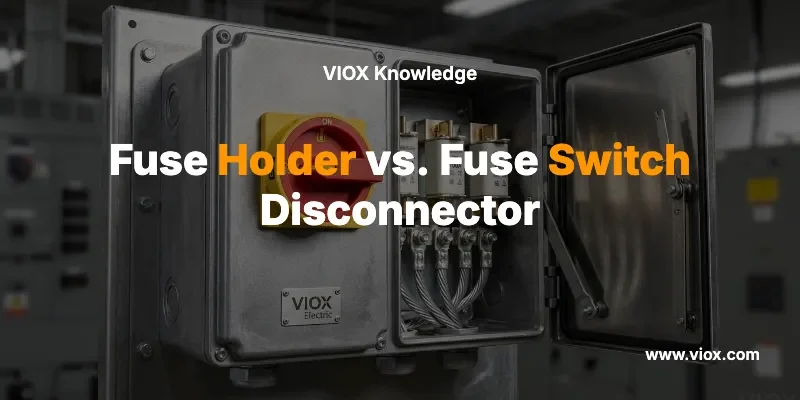
You’re specifying equipment for a solar combiner box, a motor control panel, or a manufacturing facility—and your supplier asks a critical question: “Do you need a fuse holder or a fuse switch disconnector?” Your first instinct is probably cost-driven. A standard fuse holder costs $50–$100. A fused disconnect switch runs $200–$400. The difference feels significant on a multi-circuit installation.
But here’s the tension: your maintenance team might open this device while equipment is running. And if they open the wrong device under load, you’re looking at sustained electrical arcing, potential equipment damage, personnel injury risk, and regulatory violations. The real cost isn’t the initial purchase—it’s the liability.
The answer to whether you can operate them under load depends entirely on how the device is rated by IEC 60947-3. Understanding that difference is what protects your installation and your team.
Understanding Load-Break Operation: The Arc Question
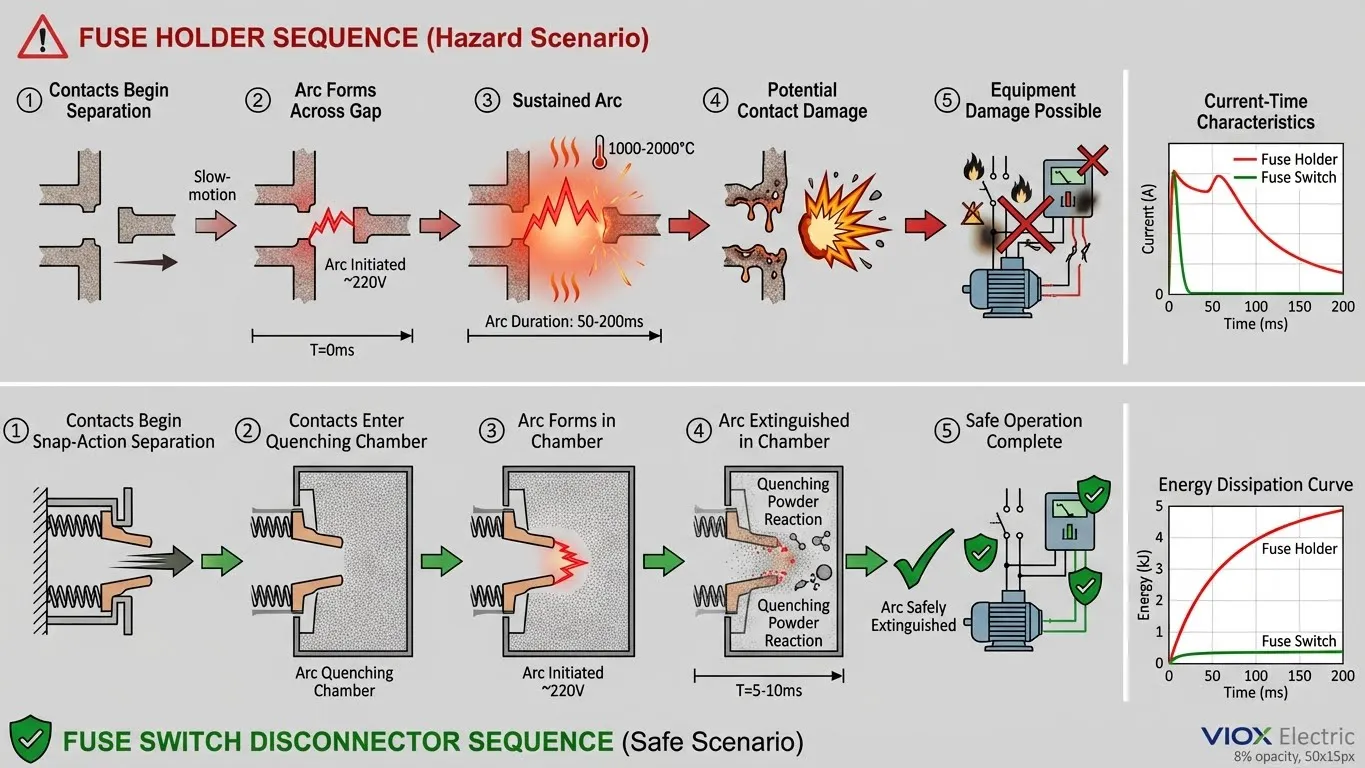
When electrical contacts separate under current flow, something dangerous happens instantly: an arc forms across the gap. This arc creates temperatures exceeding 1000°C—hot enough to melt contacts, damage equipment, and inject enough thermal and electrical energy to injure personnel nearby.
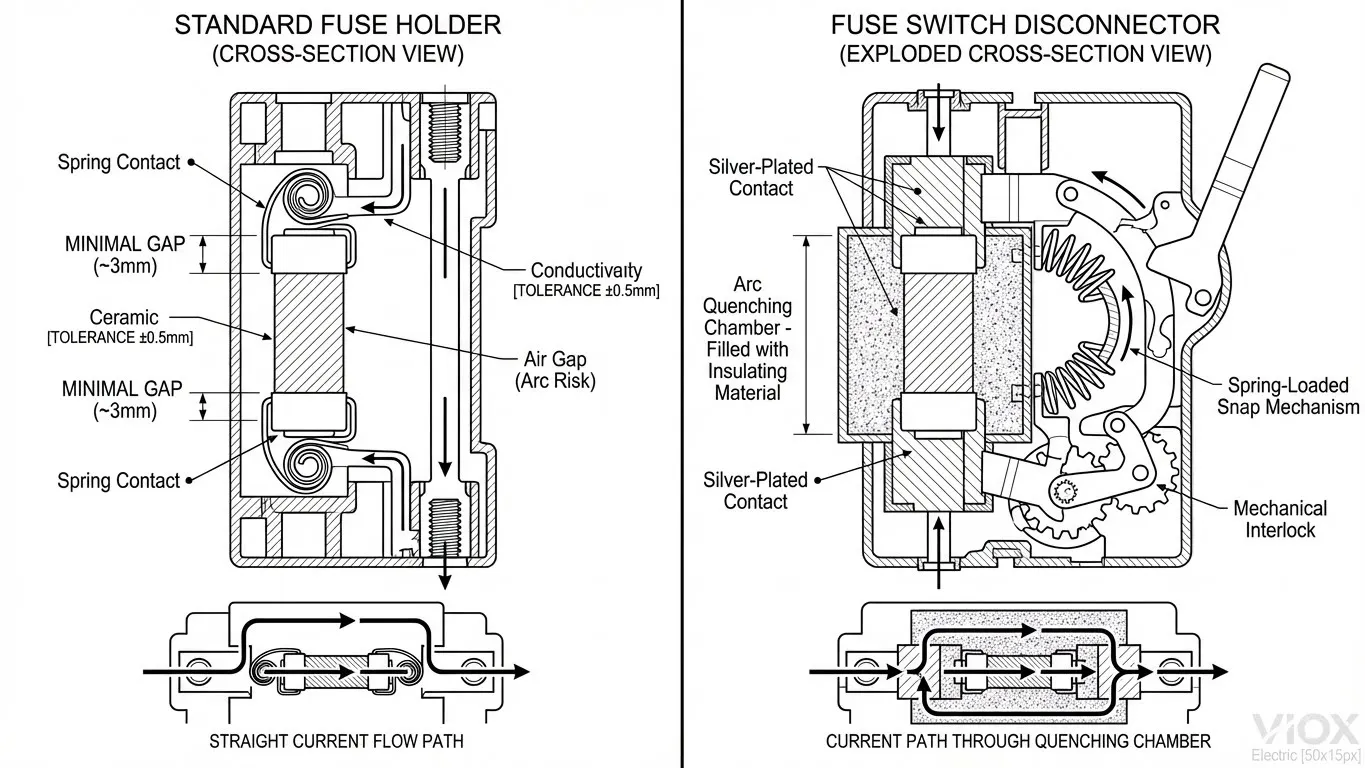
A standard fuse holder cannot safely manage this arc. The contacts separate through simple mechanical action with no internal containment or suppression. The arc sustains for 50–200 milliseconds, potentially causing contact welding, pitting, or internal damage. In worst-case scenarios, the arc can reignite after initial extinction, creating dangerous conditions.
A fuse switch disconnector is specifically engineered to extinguish this arc safely. Through internal arc-quenching chambers filled with specialized insulating materials, rapid snap-action mechanisms, and reinforced contacts, it interrupts the circuit in 5–10 milliseconds—before dangerous energy can accumulate.
This is not a theoretical distinction. IEC 60947-3 standards exist because actual arc flash incidents and equipment failures have established clear safety requirements. Choosing the right device isn’t convenience—it’s compliance and protection.
What is a Fuse Holder? AC-20 Off-Load Only
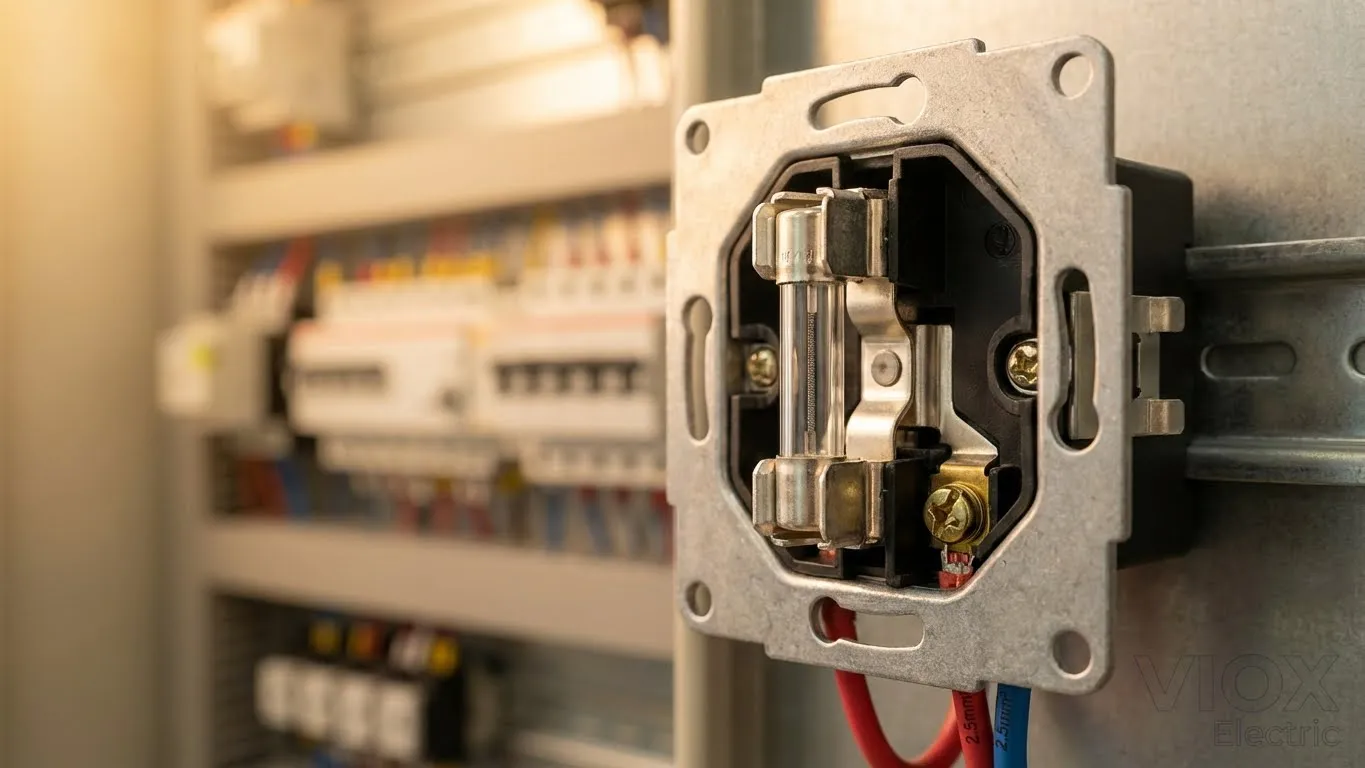
တဲ့ fuse ကိုင်ဆောင်သူ is a mounting component designed to house and connect a fuse within a circuit. It provides secure mechanical mounting, reliable electrical contact, and simplified fuse replacement. Think of it as a connector that positions and holds a fuse in place.
အရေးကြီးသော ကန့်သတ်ချက်- Most standard fuse holders carry an AC-20 utilization rating. This IEC 60947-3 designation means the device is rated for “switching under no-load conditions only.” In practical terms: you can open it when no current is flowing. You cannot safely open it when the circuit is energized and current is running through it.
Common construction: A ceramic or phenolic body with spring contacts from top and bottom, brass terminal screws, and minimal internal complexity. This simplicity is why they’re inexpensive and why they’re suitable for low-risk applications like backup fuse protection or individual circuit components that are never manually switched under load.
When AC-20 is adequate: You’re using a separate ဆားကစ်အနိုင်အထက် or main switch to de-energize the circuit before opening the fuse holder. Your maintenance procedure always stops the load first, then opens the disconnect device, then accesses the fuse.
When AC-20 is not adequate: Your facility design requires the ability to open the device while the circuit is energized—such as a solar PV combiner box where the incoming DC strings cannot be easily de-energized, or a motor feeder where stopping the motor first might not be practical in all scenarios.
What is a Fuse Switch Disconnector? Load-Break Capability
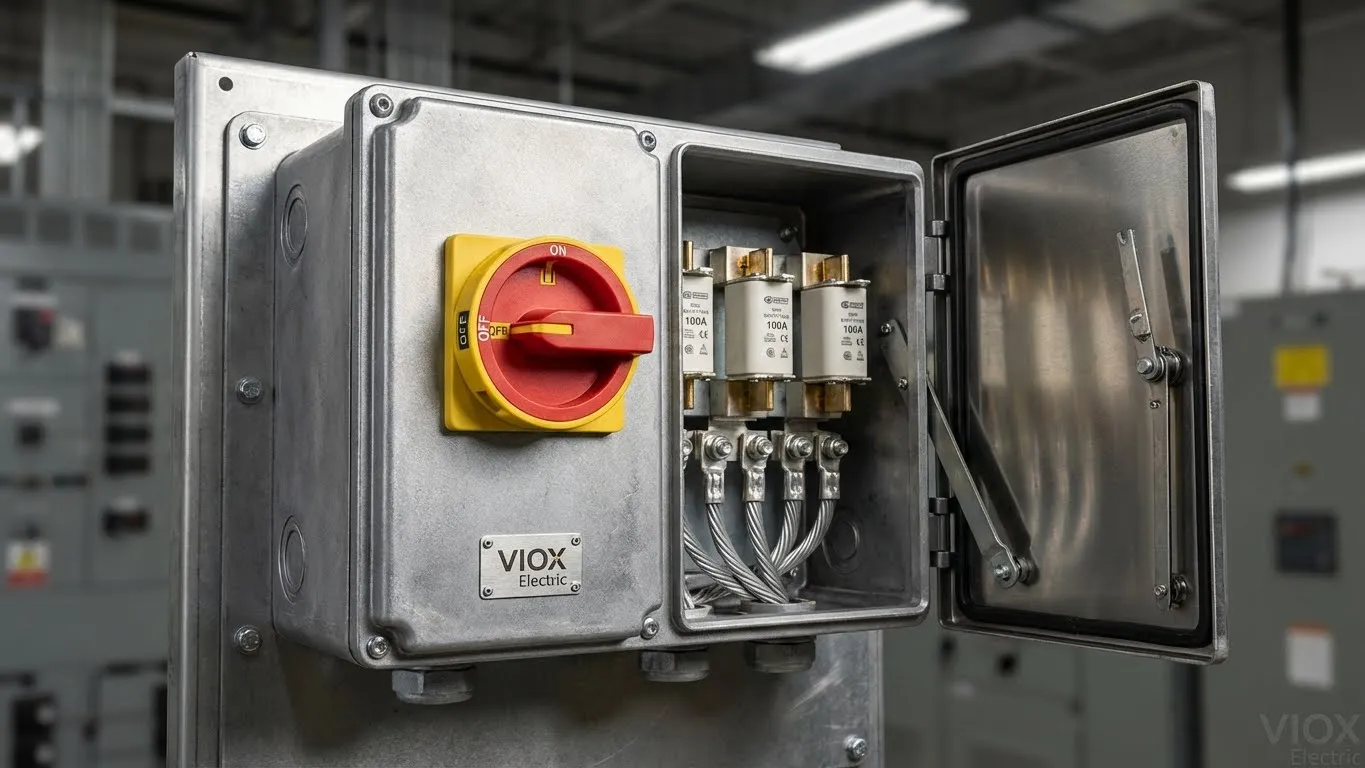
တဲ့ fused disconnect switch combines three functions in one enclosure: a manual operating handle for visible isolation, integrated fuses for overcurrent protection, and load-break capability. This means it’s rated to safely open a circuit while current is flowing through it.
AC-22B rating (small inductive loads): The device can safely break small loads—typically resistive loads, small inductive loads like fans or small motors, or mixed loads up to its ampere rating. Break time is typically 10–30 milliseconds, with arc safely confined inside the enclosure.
AC-23A/B rating (heavy motor loads): Advanced designs rate for breaking large inductive loads such as motor starting currents or equipment with high inrush current. These devices have reinforced snap-action mechanisms and larger quenching chambers.
How the design achieves this:
- Arc quenching chamber: Internal space filled with ceramic powder or similar insulating material that rapidly extinguishes forming arcs
- Snap-action mechanism: Spring-loaded contacts that separate rapidly regardless of operator speed, ensuring consistent break time
- Reinforced contacts: Silver-plated copper contacts designed to withstand higher temperatures without welding
- Mechanical interlock: Door cannot open while switch is in ON position, preventing accidental fuse exposure while energized
Result: visible isolation (maintenance personnel can see the gap when the handle is OFF) and safe load-breaking capability, both of which satisfy lockout/tagout requirements and regulatory standards.
Technical Comparison: Fuse Holder vs. Fuse Switch Disconnector
| အင်္ဂါ | Fuse Holder (AC-20) | Fuse Switch Disconnector (AC-22B/AC-23) |
|---|---|---|
| Load-Break Under Current | ❌ Not rated | ✅ Rated (AC-22B small loads, AC-23 heavy loads) |
| Arc Quenching | None; air gap only | ✅ Internal quenching chamber |
| Contact Separation Speed | Manual/variable | ✅ Spring-loaded snap-action (5-10ms) |
| Mechanical Interlock | တစ်ခုမှ | ✅ Door locked in ON position |
| Visible Isolation | အမွတ္ | ✅ Yes (handle OFF = clear gap) |
| Primary Function | ဖျူးများမှတဆင့် Overcurrent ကာကွယ်မှု | သီးခြားထားခြင်း + ကာကွယ်ခြင်း + Load-Breaking |
| Load အောက်တွင်ဖွင့်ပါက Arc ကြာချိန် | 50-200ms (အန္တရာယ်ရှိသည်) | 5-10ms (လုံခြုံသည်) |
| ကနဦးကုန်ကျစရိတ် | $50-$150 (30-60A) | $200-$400 (30-60A) |
| ပြုပြင်ထိန်းသိမ်းမှု ရှုပ်ထွေးမှု | အနိမ့် | အလယ်အလတ် (ဖျစ်အစားထိုး) |
| ပုံမှန် IEC အဆင့်သတ်မှတ်ချက် | AC-20 | AC-22B သို့မဟုတ် AC-23A/B |
| အကောင်းဆုံး | Off-load သီးခြားထားခြင်း၊ backup ကာကွယ်မှု | On-load switching၊ မော်တာထိန်းချုပ်မှု၊ ဆိုလာ PV |
| စည်းကမ်းလိုက်နာမှု | Manual de-energization ကို ဦးစွာလိုအပ်သည် | စနစ်တကျ အဆင့်သတ်မှတ်ထားလျှင် load အောက်တွင် ဖွင့်နိုင်သည်။ |
လက်တွေ့ဥပမာ-
- သင်သည် ထိန်းချုပ်ဆားကစ်အတွက် 30A ဖျူးကိုင်ဆောင်သူကို တပ်ဆင်သည်။ စံလုပ်ထုံးလုပ်နည်းအရ load ကိုရပ်တန့်ရန်၊ upstream breaker ကိုဖွင့်ရန်၊ de-energization ကိုအတည်ပြုရန်၊ ထို့နောက် ဖျူးများကိုဝင်ရောက်ရန်လိုအပ်သည်။ → AC-20 သင့်လျော်သည်။.
- သင်သည် 3 HP မော်တာ feeder အတွက် 30A fused disconnect switch ကို တပ်ဆင်သည်။ ဝန်ဆောင်မှုအတွက် မော်တာကို သီးခြားခွဲထားရန် လိုအပ်သည့်အခါ မော်တာလည်ပတ်နေနိုင်သည်။ AC-22B switch သည် မော်တာလည်ပတ်နေစဉ်အတွင်း ဘေးကင်းစွာဖွင့်နိုင်သည် (NEC အကောင်းဆုံးအလေ့အကျင့်က ၎င်းကို ဦးစွာရပ်တန့်ရန် အကြံပြုထားသော်လည်း)။ → AC-22B/AC-23 သင့်လျော်သည်။.
IEC 60947-3 အသုံးပြုမှုအမျိုးအစားများ- စံနှုန်းများသည် အဘယ်ကြောင့်အရေးကြီးသနည်း
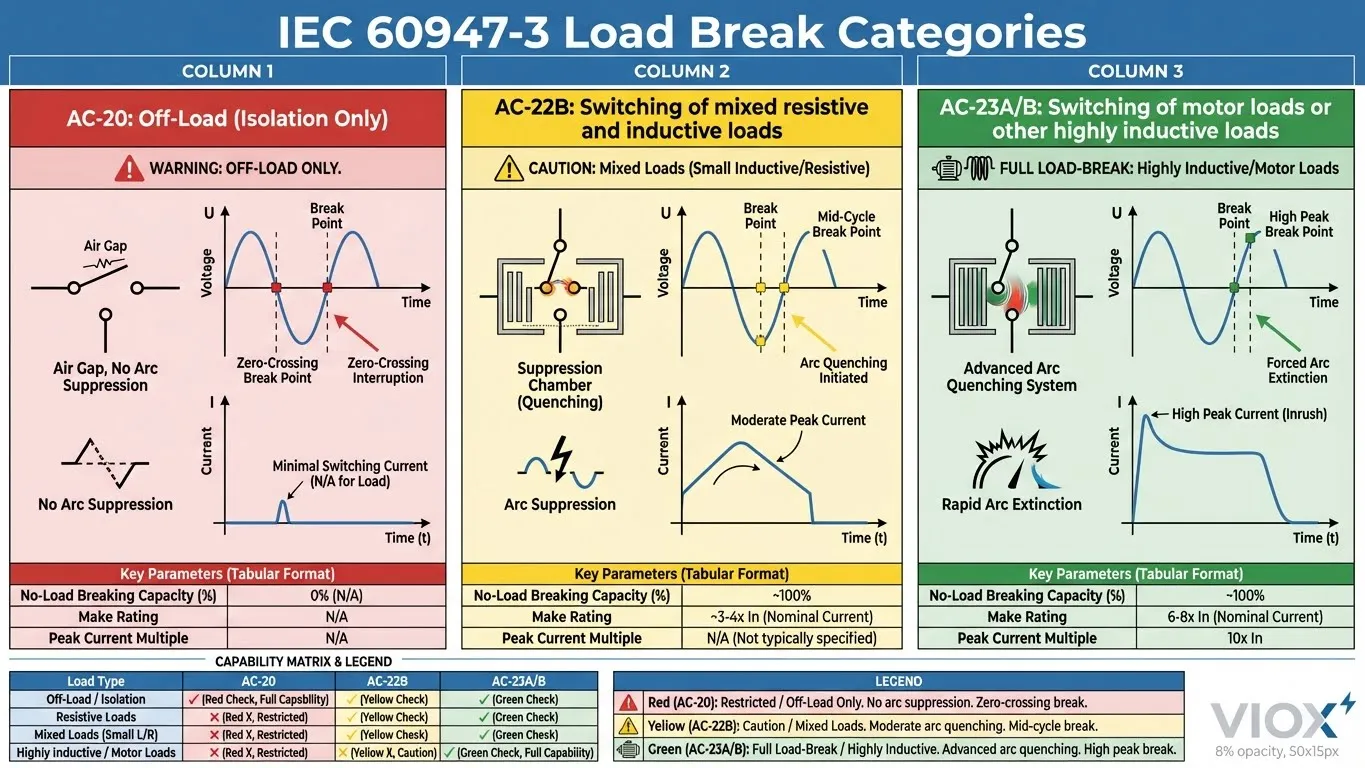
AC-20 (Off-Load): no-load သို့မဟုတ် အလွန်သေးငယ်သော load current များကိုသာ ပြုလုပ်ပြီး ချိုးဖျက်သည်။ သိသာထင်ရှားသော load အောက်တွင်ဖွင့်ခြင်းသည် တည်တံ့သော arcing ကိုဖန်တီးသည်။ စံဖျူးကိုင်ဆောင်သူအများစုသည် ဤအမျိုးအစားတွင် ပါဝင်သည်။.
AC-22B (အသေးစား Inductive Loads): အသေးစားမော်တာများ၊ solenoids သို့မဟုတ် ရောနှောထားသော resistive-inductive load များကဲ့သို့သော အသေးစား inductive load များကို ပြုလုပ်ပြီး ချိုးဖျက်သည်။ break ရှိ peak current သည် ပုံမှန်အားဖြင့် rated current ၏ 4 ဆအထိရှိသော်လည်း စက်ပစ္စည်းသည် arc ကို ဘေးကင်းစွာပါရှိသည်။ HVAC စက်ပစ္စည်းများ၊ အသေးစား conveyor များ သို့မဟုတ် ထိန်းချုပ်ဆားကစ်များအတွက် သင့်လျော်သည်။.
AC-23A/B (လေးလံသော မော်တာဝန်များ): full voltage နှင့် current တွင် မော်တာဝန်များကို ပြုလုပ်ပြီး ချိုးဖျက်သည်။ break ရှိ peak current သည် rated current ၏ 10 ဆထက် ကျော်လွန်နိုင်သည်။ (across-the-line starting အတွက်)။ ဤစက်ပစ္စည်းများသည် အခိုင်မာဆုံး quenching ရှိပြီး main motor feeder များအတွက် အသုံးပြုပါသည်။ AC-23A သည် AC မော်တာများအတွက်ဖြစ်သည်။ AC-23B သည် softstarter ဖြင့်စတင်သော AC မော်တာများအတွက်ဖြစ်သည်။.
ဤအရာသည် သင်၏တပ်ဆင်မှုအတွက် အဘယ်ကြောင့်အရေးကြီးသနည်း။ သင်၏သတ်မှတ်ချက်သည် “AC-20 ဖျူးကိုင်ဆောင်သူများသာ” လိုအပ်ပါက၊ သင်၏စက်ရုံသည် နောက်ပိုင်းတွင် load အောက်တွင် စက်ပစ္စည်းကိုဖွင့်ရန်လိုအပ်ပါက၊ သင်သည် ဘေးကင်းလုံခြုံမှုထိတွေ့မှုကို ဖန်တီးထားသည်။ သင်သည် AC-22B fused disconnect switch များကို သတ်မှတ်ပါက၊ ဘေးကင်းလုံခြုံမှုအနားသတ်များကို ထိန်းသိမ်းထားစဉ် လုပ်ငန်းလည်ပတ်မှုဆိုင်ရာ ပြောင်းလွယ်ပြင်လွယ်မှုအတွက် သင်စီစဉ်နေပါသည်။.
ဘေးကင်းရေးနှင့် စည်းမျဉ်းစည်းကမ်း လိုအပ်ချက်များ- NEC 430.102 & NFPA 70E
National Electrical Code (NEC) သည် မော်တာများအတွက် disconnect switch များကို မော်တာ၏ “မြင်ကွင်း” တွင် တည်ရှိရန် လိုအပ်သည်—မြင်နိုင်ပြီး ပေ 50 ထက်မပိုပါ။ ထို့ထက်အရေးကြီးသည်မှာ၊, NEC 430.110 သည် မော်တာ disconnect များတွင် မော်တာနှင့် သင့်လျော်သော မြင်းကောင်ရေ အဆင့်သတ်မှတ်ချက်ရှိရန် လိုအပ်သည်။, ၊ ပုံမှန်အားဖြင့် load-break စွမ်းရည်ကို လိုအပ်သည်။.
NFPA 70E (လုပ်ငန်းခွင်ရှိ လျှပ်စစ်ဘေးကင်းရေးဆိုင်ရာ စံနှုန်း) သည် load အောက်ရှိ ဆားကစ်များကို ဖွင့်ခြင်းကို arc flash hazard အသိအမြင်ဖြင့် လုပ်ဆောင်ရမည်ဟု အလေးပေးဖော်ပြသည်။ သင်သည် စံဖျူးကိုင်ဆောင်သူ (AC-20) ကိုအသုံးပြုပြီး load အောက်တွင် ဖွင့်ပါက၊ သင်သည် ထိန်းချုပ်မရသော arc flash hazard ကို ဖန်တီးနေပါသည်။.
အကောင်းဆုံး လုပ်ဆောင်မှု: မဖွင့်မီ အမြဲ de-energize လုပ်ပါ။ သို့သော် သင်၏တပ်ဆင်မှုဒီဇိုင်းသည် စွမ်းအင်ဖြည့်ထားစဉ် switch ကိုဖွင့်ရန် ခွင့်ပြုပါက (သို့မဟုတ် လိုအပ်ပါက)၊ သင်သည် ထိုဝန်ဆောင်မှုအတွက် အဆင့်သတ်မှတ်ထားသော စက်ပစ္စည်း—AC-22B အနည်းဆုံးကို အသုံးပြုရပါမည်။.
မည်သည့်စက်ပစ္စည်းကို အသုံးပြုရမည်နည်း။
စံဖျူးကိုင်ဆောင်သူ (AC-20) ကို အသုံးပြုပါ-
- ပြုပြင်ထိန်းသိမ်းမှုမပြုလုပ်မီ အမြဲ de-energized လုပ်ထားသော တစ်ဦးချင်းဆားကစ်အစိတ်အပိုင်းများ
- မူလဆားကစ် breaker သို့မဟုတ် switch သည် load-breaking ကိုကိုင်တွယ်သည့်နေရာတွင် backup ဖျူးကာကွယ်မှု
- load အောက်တွင်ဖွင့်ရန် သွေးဆောင်ခံရမည်မဟုတ်သော အန္တရာယ်နည်းပါးသော application များ
- လိုက်နာမှုသည် off-load သီးခြားထားခြင်းကိုသာ လိုအပ်သည့် ကုန်ကျစရိတ်သက်သာသော တပ်ဆင်မှုများ
Fused Disconnect Switch (AC-22B/AC-23) ကို အသုံးပြုပါ-
- NEC 430.110 အကျုံးဝင်ပြီး မြင်းကောင်ရေ အဆင့်သတ်မှတ်ချက်များ လိုအပ်သည့် မော်တာ feeder များ
- DC string များကို အလွယ်တကူ de-energized မလုပ်နိုင်သော ဆိုလာ PV combiner box များ
- load အောက်တွင် သီးခြားခွဲထားရန် ရွေးချယ်ခွင့်သည် တန်ဖိုးရှိသော အရေးကြီးသောစနစ်များကို ဝန်ဆောင်မှုပေးသည့် HVAC စက်ပစ္စည်းများ
- load-breaking ပြောင်းလွယ်ပြင်လွယ်မှုသည် လုပ်ငန်းလည်ပတ်မှုဆိုင်ရာ ဘေးကင်းမှုနှင့် uptime ကို တိုးတက်စေသည့် စက်မှုထိန်းချုပ်မှု application များ
- ဆားကစ်အား စွမ်းအင်ဖြည့်ထားစဉ် ပြုပြင်ထိန်းသိမ်းရေးဝန်ထမ်းများက စက်ပစ္စည်းကိုဖွင့်ရန် လိုအပ်နိုင်သည့် မည်သည့် application မဆို
မကြာခဏမေးမေးခွန်းများ
Q1: အရေးပေါ်အခြေအနေတွင် load အောက်ရှိ စံဖျူးကိုင်ဆောင်သူကို ဖွင့်နိုင်ပါသလား။
ဘေးကင်းစွာ မရနိုင်ပါ။ ရုပ်ပိုင်းဆိုင်ရာအရ ဖြစ်နိုင်သော်လည်း contacts များ၊ downstream စက်ပစ္စည်းများကို ပျက်စီးစေနိုင်ပြီး ဝန်ထမ်းများကို ထိခိုက်ဒဏ်ရာရစေနိုင်သည့် တည်တံ့သော arc ကို ဖန်တီးနေပါသည်။ ခေတ်မီတပ်ဆင်မှုများတွင် under-load လည်ပတ်မှုဖြစ်နိုင်ချေရှိပါက load-break-rated စက်ပစ္စည်းများ အမြဲပါဝင်သင့်သည်။ load-breaking ကို သင့်လျော်သော စက်ပစ္စည်းများ—ဆားကစ် breaker များ သို့မဟုတ် fused disconnect switch များ—ပုံမှန်အားဖြင့် မဟုတ်ပါ။.
Q2: AC-20၊ AC-22B နှင့် AC-23 အကြား ကွာခြားချက်ကား အဘယ်နည်း။
These are IEC 60947-3 utilization categories that specify what load characteristics a switch can safely handle when breaking (opening) a circuit. AC-20 = no load; AC-22B = small inductive/resistive loads; AC-23A/B = heavy motor loads. Each higher category requires more robust arc-quenching design. Use the category matching your actual application requirement.
Q3: fused disconnect switch ကိုအသုံးပြုပါက upstream circuit breaker လိုအပ်သေးပါသလား။
For overcurrent protection, the fuses in the disconnect switch provide protection equivalent to a circuit breaker. However, for other functions (like overload protection for motor starters), you might need additional protective devices depending on your system design. Consult NEC Article 430 for motor branch circuit requirements.
Q4: load-break-rated စက်ပစ္စည်းကို အသုံးပြုရန် မည်မျှကုန်ကျပါသနည်း။
Initial hardware cost is typically 2-3× higher ($200-400 vs. $50-150 for 30A devices). However, total cost of ownership includes installation, compliance verification, maintenance, and downtime avoidance. A single unplanned outage or arc flash incident far exceeds the equipment cost difference. Specification and maintenance cost implications are typically recovered in the first incident avoided.
Q5: fused disconnect switch သည် manual isolation လိုအပ်မှုကို ဖယ်ရှားပေးပါသလား။
မဟုတ်ပါ။ load-break-rated switch များကိုပင် ပုံမှန်အလေ့အကျင့်အဖြစ် load အောက်တွင် မဖွင့်သင့်ပါ။ ယင်းအစား၊ ၎င်းတို့သည် de-energization သည် လက်တွေ့မကျသော သို့မဟုတ် စနစ်ဒီဇိုင်းသည် ပြောင်းလွယ်ပြင်လွယ် သီးခြားခွဲထားရန် လိုအပ်သည့် ပြုပြင်ထိန်းသိမ်းမှုအခြေအနေများအတွက် ဘေးကင်းသောစွမ်းရည်ကို ပေးဆောင်သည်။ ဦးစွာ de-energize လုပ်ရန် သင်၏လုပ်ထုံးလုပ်နည်းများကို ဒီဇိုင်းဆွဲပါ၊ load-break switch များကို ထိန်းချုပ်ထားသော backup စွမ်းရည်အဖြစ် အသုံးပြုပါ။.
Q6: ဖျူးကိုင်ဆောင်သူအားလုံးသည် AC-20 ဖြစ်ပါသလား၊ သို့မဟုတ် load-break ဗားရှင်းများ ရနိုင်ပါသလား။
modular ဖျူးကိုင်ဆောင်သူအများစုသည် AC-20 ဖြစ်သည်။ သို့သော် ခေတ်မီ modular ဒီဇိုင်းအချို့သည် AC-22B အဆင့်သတ်မှတ်ချက်များကို သယ်ဆောင်သည်—nameplate ကိုစစ်ဆေးပါ။ ယေဘူယျအားဖြင့်၊ စက်ပစ္စည်းတွင် ရိုးရှင်းသော spring contact ဒီဇိုင်းနှင့် အတွင်းပိုင်း arc quenching မပါရှိပါက၊ ၎င်းသည် AC-20 ဖြစ်သည်။ arc suppression အင်္ဂါရပ်များနှင့် snap-action ယန္တရားများပါဝင်ပါက၊ ၎င်းသည် AC-22B သို့မဟုတ် ထို့ထက်မြင့်သည်။ မော်တာ သို့မဟုတ် load-critical application များအတွက်၊ စက်ပစ္စည်း nameplate ရှိ အသုံးပြုမှုအမျိုးအစားကို အမြဲသတ်မှတ်ပြီး အတည်ပြုပါ။.
သော့ထုတ်ယူမှုများ
- စံဖျူးကိုင်ဆောင်သူ (AC-20) သည် load အောက်တွင်ဖွင့်ရန် အဆင့်သတ်မှတ်မထားပါ။. current စီးဆင်းနေစဉ် ၎င်းကိုဖွင့်ခြင်းသည် တည်တံ့သော arcing၊ စက်ပစ္စည်းပျက်စီးနိုင်ခြေနှင့် ဘေးကင်းရေးအန္တရာယ်များကို ဖန်တီးပေးသည်။.
- fused disconnect switch (AC-22B/AC-23) သည် ဘေးကင်းသော load-breaking လည်ပတ်မှုအတွက် ဒီဇိုင်းထုတ်ထားသည်။. အတွင်းပိုင်း arc quenching နှင့် snap-action ယန္တရားများသည် arc ကို ကန့်သတ်ထားပြီး break time ကို 5-10 milliseconds အထိ ကန့်သတ်ထားသည်။.
- သင်၏ရွေးချယ်မှုသည် စက်ပစ္စည်းကို မည်သို့အသုံးပြုမည်အပေါ် မူတည်သည်။. သင်၏လုပ်ထုံးလုပ်နည်းသည် ဦးစွာ de-energizes လုပ်ပါက၊ ဖျူးကိုင်ဆောင်သူသည် လုံလောက်ပေမည်။ လုပ်ငန်းလည်ပတ်မှုဆိုင်ရာ ပြောင်းလွယ်ပြင်လွယ်မှု သို့မဟုတ် စနစ်ဒီဇိုင်းသည် load အောက်တွင်ဖွင့်ရန် လိုအပ်ပါက၊ AC-22B အနည်းဆုံးကို သတ်မှတ်ပါ။.
- သတ်မှတ်ချက်နှင့် လေ့ကျင့်ရေးသည် အရေးကြီးပါသည်။. သင်၏ပြုပြင်ထိန်းသိမ်းရေးအဖွဲ့သည် ကွာခြားချက်ကိုနားလည်ပြီး လုပ်ထုံးလုပ်နည်းများကို လိုက်နာကြောင်းသေချာပါစေ။ မှန်ကန်သောစက်ပစ္စည်းတွင် $300 ရင်းနှီးမြှုပ်နှံမှုသည် စက်ပစ္စည်းပျက်စီးခြင်း သို့မဟုတ် ထိခိုက်ဒဏ်ရာရခြင်း၏ စည်းမျဉ်းစည်းကမ်းဆိုင်ရာ တာဝန်ထက် စျေးသက်သာပါသည်။.
- switch တစ်ခုစီ၏ nameplate ရှိ IEC 60947-3 အသုံးပြုမှုအမျိုးအစားကို စစ်ဆေးပါ။. Don’t assume—verify that the installed equipment matches your operational requirements.
Need clarification on load-break ratings for your specific application? Contact VIOX Electric’s technical team to discuss your installation requirements and ensure compliance with IEC and NEC standards.
For more information on related topics, explore: