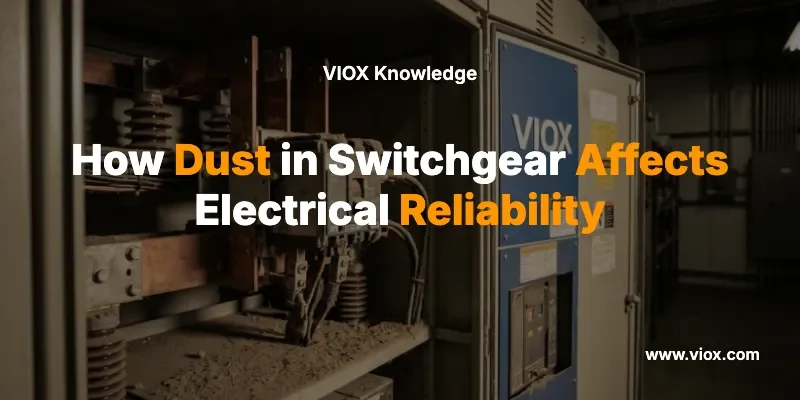
Direct Answer: The Critical Impact of Dust Contamination
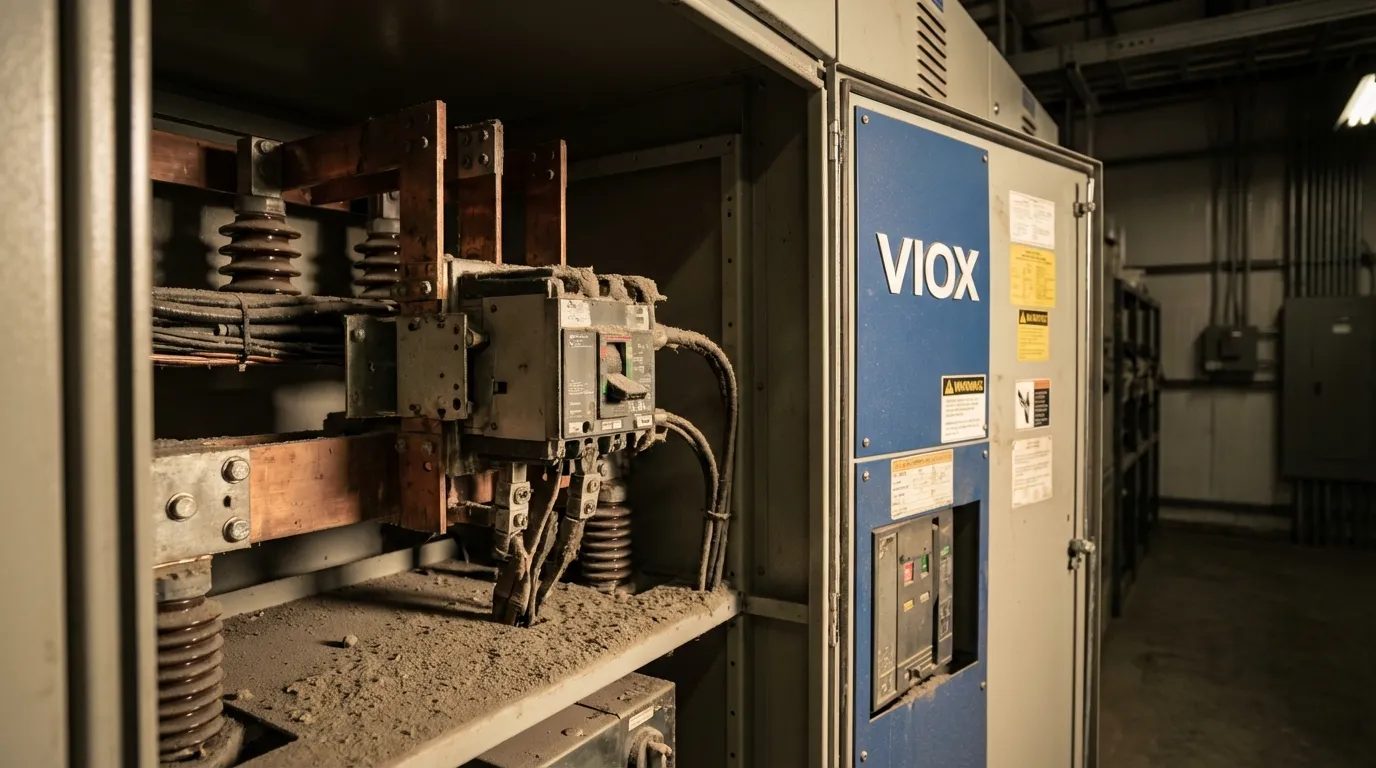
Dust accumulation in switchgear creates five critical failure pathways that compromise electrical system reliability: it forms conductive bridges causing short circuits and arc flash incidents, acts as thermal insulation triggering overheating and component degradation, accelerates corrosion when combined with moisture, disrupts protective relay accuracy, and creates tracking paths on insulators leading to partial discharge. Studies indicate that 85% of disruptive failures in electrical substations are related to environmental contamination, with dust being a primary contributor. Even seemingly harmless dust particles measuring 50-100 microns can cause catastrophic failures in modern switchgear where component spacing has shrunk to accommodate compact designs.
သော့ထုတ်ယူမှုများ
- Dust contamination causes 5 major failure modes: short circuits, thermal overload, corrosion acceleration, relay malfunction, and insulation breakdown
- IP ratings matter: Switchgear with IP54 or higher protection significantly reduces dust-related failures
- Maintenance intervals are critical: Facilities in dusty environments require quarterly inspections versus annual checks in clean environments
- Cost impact is substantial: Dust-related failures cost 3-5x more than preventive maintenance programs
- Modern equipment is more vulnerable: Tighter component spacing in compact switchgear increases sensitivity to particle contamination
Understanding Dust as an Electrical Threat
What Makes Dust Dangerous in Switchgear?
Dust particles are not electrically neutral. Depending on their composition—metal filings, carbon, mineral dust, or organic matter—they exhibit varying levels of conductivity. When dust accumulates on electrical components, it creates multiple hazard scenarios that traditional circuit protection cannot prevent.
The particle size matters significantly. Fine dust particles (under 100 microns) penetrate deeper into switchgear compartments and settle on critical surfaces like busbars, contacts, and insulation barriers. These microscopic particles, invisible to casual inspection, accumulate over months to create failure conditions. Understanding the construction of electrical components helps explain why dust poses such a persistent threat.
The Five Failure Mechanisms
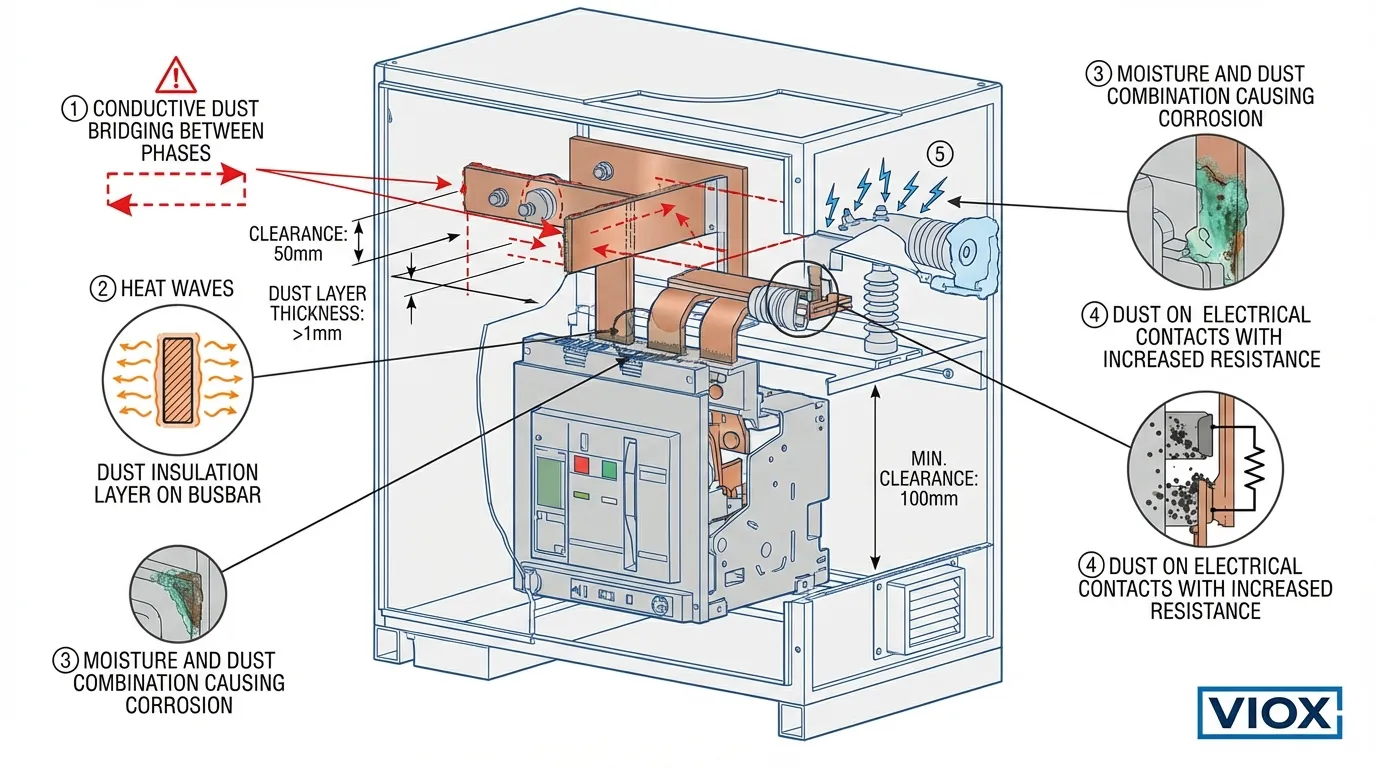
1. Conductive Bridging and Short Circuits
Metal-rich dust or carbon particles create conductive paths between phases or between energized parts and ground. In modern switchgear with compact designs, the clearance between conductors has decreased from historical 50mm spacing to as little as 20mm in some applications. This reduction makes equipment exponentially more vulnerable to dust bridging.
When conductive dust accumulates, it gradually reduces the effective air gap between conductors. Under normal operating voltage, partial discharge begins, carbonizing the dust and creating increasingly conductive paths. Eventually, a complete short circuit occurs, often resulting in arc flash incidents that can destroy equipment and endanger personnel.
2. Thermal Insulation and Overheating
Non-conductive dust acts as thermal insulation, coating heat-dissipating surfaces and trapping heat within components. Circuit breakers များ, contactors များ, and busbars generate heat during normal operation. Manufacturers design these components with specific thermal profiles assuming adequate air circulation and heat dissipation.
A 2mm layer of dust can reduce heat dissipation efficiency by 40-60%, causing components to operate above their rated temperature. This accelerated thermal aging reduces component lifespan from the expected 20-30 years to as little as 5-10 years. Temperature rise also affects calibration of thermal protection devices, potentially causing nuisance tripping or, worse, failure to trip during actual overload conditions.
3. Moisture Absorption and Corrosion
Dust is hygroscopic—it absorbs and retains moisture from the air. In environments with humidity fluctuations, dust layers act as moisture reservoirs, maintaining high local humidity even when ambient conditions improve. This creates ideal conditions for electrochemical corrosion of copper and aluminum conductors, silver-plated contacts, and steel enclosure components.
The combination of moisture and dust forms a weak electrolyte. When voltage is present, galvanic corrosion accelerates, particularly at connection points where dissimilar metals meet. Understanding corrosion resistance grades is essential for specifying switchgear in harsh environments.
4. Contact Resistance and Arcing
Dust contamination on electrical contacts increases contact resistance, which generates additional heat at connection points. This localized heating further degrades the contact surface, creating a progressive failure cycle. In contactors and circuit breakers, increased contact resistance affects both current-carrying capacity and interrupting performance.
High-resistance contacts also produce arcing during switching operations. Excessive arcing erodes contact surfaces, deposits carbon, and eventually leads to contact welding or complete failure. In motor control applications, this can result in inability to disconnect motors during emergencies.
5. Insulation Tracking and Partial Discharge
When dust accumulates on insulation surfaces, it creates a conductive or semi-conductive layer. Under voltage stress, particularly in high-humidity conditions, surface tracking occurs—a progressive degradation where carbonized paths form across the insulator surface. This phenomenon is especially problematic in medium voltage switchgear where voltage stress is significant.
Partial discharge activity accelerates insulation aging. Research indicates that 85% of disruptive failures in electrical substations are partial discharge-related, with dust and moisture being primary contributors. The discharge activity produces ozone, nitric acid, and heat, further degrading insulation materials in a cascading failure process.
Dust Impact Comparison Table
| Failure Mechanism | Time to Failure | သတိပေးဆိုင်းဘုတ်များ | Typical Repair Cost | Prevention Method |
|---|---|---|---|---|
| Conductive Bridging | ၆-၁၈ လ | Increased ground fault alarms, visible arcing | $15,000-$50,000 | IP54+ enclosures, quarterly cleaning |
| အပူလွန်ကဲခြင်း | 12-36 months | Infrared hot spots, discoloration, insulation smell | $8,000-$25,000 | Thermal imaging, ventilation filters |
| သံချေးတက်ခြင်း။ | 18-48 months | Green/white deposits, connection loosening | $5,000-$20,000 | Dehumidification, sealed enclosures |
| ဆက်သွယ်ခြင်း | 12-24 months | Chattering, coil burnout, difficult operation | $3,000-$15,000 | Contact cleaning, proper lubrication |
| Insulation Tracking | 24-60 months | Partial discharge detection, corona visible at night | $20,000-$100,000+ | Regular cleaning, partial discharge monitoring |
Environmental Factors and Dust Accumulation Rates
လုပ်ငန်းအလိုက် ဖုန်မှုန့်စိန်ခေါ်မှုများ
မတူညီသော စက်မှုလုပ်ငန်းများသည် မတူညီသော ဖုန်မှုန့်ညစ်ညမ်းမှု ပုံစံများကို ရင်ဆိုင်ကြရသည်-
ထုတ်လုပ်ရေးနှင့် သတ္တုလုပ်ငန်း: ကြိတ်ခြင်း၊ ဖြတ်တောက်ခြင်းနှင့် စက်ပြုပြင်ခြင်း လုပ်ငန်းများမှ သတ္တုဖုန်မှုန့်သည် လျှပ်ကူးနိုင်စွမ်း အလွန်မြင့်မားသည်။ CNC စက်များ၊ ဂဟေဆော်ခြင်း လုပ်ငန်းများ သို့မဟုတ် သတ္တုထုတ်လုပ်ခြင်းများရှိသော စက်ရုံများသည် လေဝင်လေထွက် စနစ်များမှတဆင့် သွားလာပြီး လျှပ်စစ်ခန်းများတွင် အနည်ထိုင်သော သတ္တုအမှုန်အမွှားများကို ထုတ်လုပ်သည်။.
သတ္တုတွင်းနှင့် ဘိလပ်မြေ: ဆီလီကာပါဝင်မှု မြင့်မားသော သတ္တုဖုန်မှုန့်သည် ပွန်းစားနိုင်ပြီး စိုထိုင်းဆကို စုပ်ယူနိုင်သည်။ ဤစက်ရုံများသည် ဖုန်မှုန့်စုပုံနှုန်း အမြင့်ဆုံးအချို့ကို ကြုံတွေ့ရပြီး စံသုံးလတစ်ကြိမ်အစား လစဉ်ပြုပြင်ထိန်းသိမ်းမှု လိုအပ်ပါသည်။.
အစားအသောက်စီမံခြင်း။: စိုထိုင်းဆမြင့်မားခြင်းနှင့် ပေါင်းစပ်ထားသော အော်ဂဲနစ်ဖုန်မှုန့်သည် အထူးသဖြင့် ပြင်းထန်သောအခြေအနေများကို ဖန်တီးပေးသည်။ ဂျုံမှုန့်၊ သကြားနှင့် ကောက်နှံဖုန်မှုန့်များသည် စိုစွတ်သောအခါ လျှပ်ကူးနိုင်ပြီး နောက်ထပ်ညစ်ညမ်းမှုကို ဖန်တီးပေးသော ပိုးမွှားများကိုလည်း ဆွဲဆောင်နိုင်သည်။.
ဒေတာစင်တာများနှင့် သန့်ရှင်းသော အခန်းများ: ထိန်းချုပ်ထားသော ပတ်ဝန်းကျင်များတွင်ပင် ပြင်ပလေဝင်ပေါက်၊ ဆောက်လုပ်ရေးလုပ်ငန်းများ သို့မဟုတ် စက်ပစ္စည်းများ ဟောင်းနွမ်းခြင်းမှ ဖုန်မှုန့်များသည် အချိန်ကြာလာသည်နှင့်အမျှ စုပုံလာသည်။ ဤစက်ရုံများတွင် အချိန်မှန်လုပ်ဆောင်မှု၏ တန်ဖိုးမြင့်မားခြင်းသည် ဖုန်မှုန့်နှင့်ဆက်စပ်သော ရပ်တန့်မှုများကို အထူးကုန်ကျစေသည်။.
ရာသီဥတုနှင့် ရာသီအလိုက် ကွဲပြားမှုများ
ပထဝီဝင်အနေအထားသည် ဖုန်မှုန့်စုပုံမှုပုံစံများကို သိသိသာသာ သက်ရောက်မှုရှိသည်။ ခြောက်သွေ့သောဒေသများရှိ စက်ရုံများသည် လေထုထဲတွင် ဖုန်မှုန့်ပါဝင်မှု ပိုမိုမြင့်မားခြင်းကို ရင်ဆိုင်ရပြီး ကမ်းရိုးတန်းတပ်ဆင်မှုများသည် သံချေးတက်ခြင်းကို အရှိန်မြှင့်ပေးသည့် ဆားပါဝင်သော ဖုန်မှုန့်များနှင့် ရင်ဆိုင်ရသည်။ ရာသီအလိုက် ကွဲပြားမှုများသည်လည်း အရေးကြီးသည်—နွေဦးရာသီ ဝတ်မှုန်၊ ဆောင်းဦးရာသီ စိုက်ပျိုးရေးဖုန်မှုန့်နှင့် ဆောင်းရာသီ အပူပေးစနစ် အမှုန်အမွှားများသည် ညစ်ညမ်းမှုစက်ဝန်းများတွင် ပါဝင်ပံ့ပိုးကြသည်။.
IP အဆင့် သတ်မှတ်ချက် အကာအကွယ်အဆင့်များ
နားလည်မှု IP အဆင့်သတ်မှတ်ချက်များ သင့်လျော်သော ခလုတ်ဂီယာ အကာအကွယ်ကို သတ်မှတ်ရန်အတွက် မရှိမဖြစ်လိုအပ်ပါသည်။ IEC 60529 စံနှုန်းသည် ဂဏန်းနှစ်လုံးပါ ကုဒ်ကို အသုံးပြု၍ ဝင်ရောက်မှု အကာအကွယ်အဆင့်များကို သတ်မှတ်သည်။.
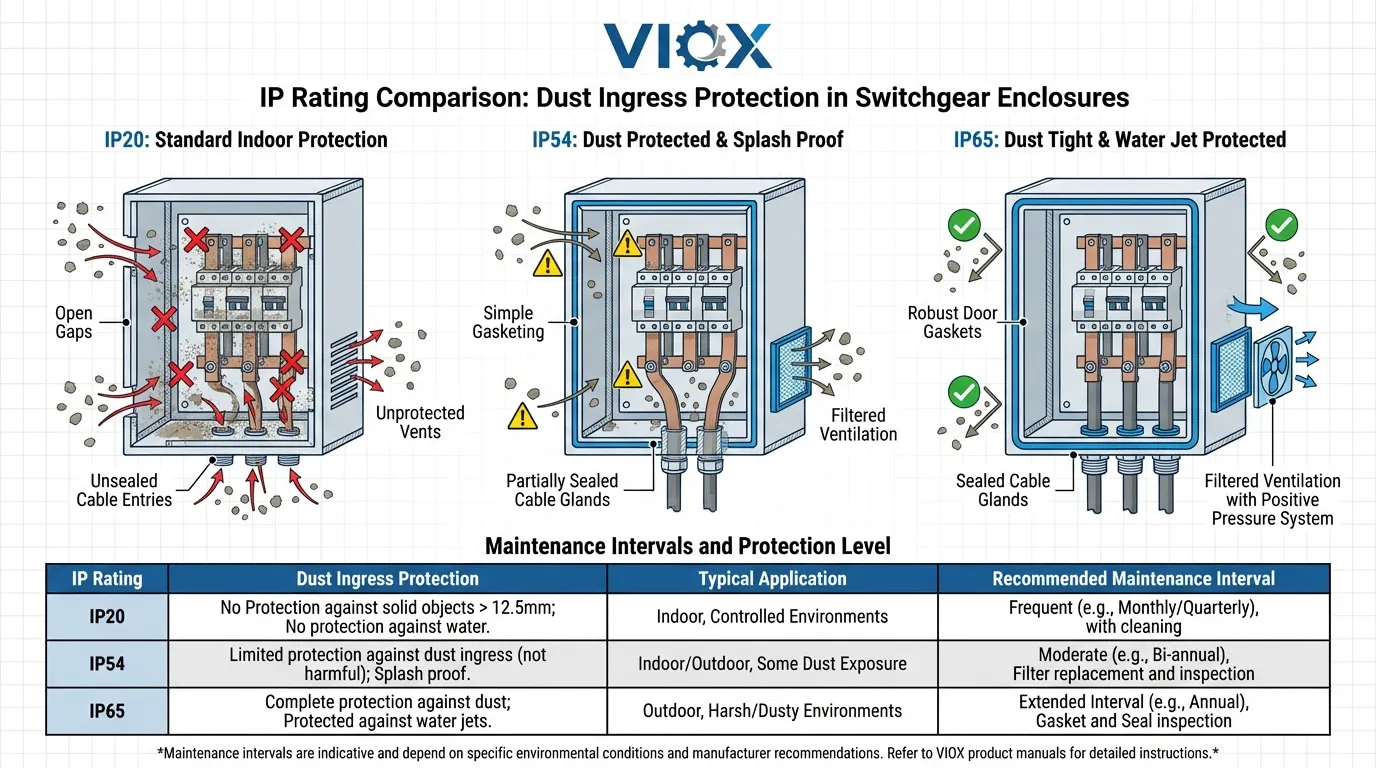
ခလုတ်ဂီယာ အသုံးချမှုများအတွက် IP အဆင့် သတ်မှတ်ချက် နှိုင်းယှဉ်ခြင်း
| IP အဆင့်သတ်မှတ်ချက် | ဖုန်ကာကွယ်ရေး | Moisture Protection ၊ | ပုံမှန်လျှောက်လွှာ | ပြုပြင်ထိန်းသိမ်းမှုကြားကာလ |
|---|---|---|---|---|
| IP၂၀ | လက်ချောင်းများ/အရာဝတ္ထုကြီးများမှသာ ကာကွယ်ထားသည် | အကာအကွယ်မရှိ။ | အိမ်တွင်း၊ သန့်ရှင်းသော ပတ်ဝန်းကျင်များသာ | လစဉ် စစ်ဆေးခြင်း |
| IP31 | >2.5mm ထက်ကြီးသော အရာဝတ္ထုများမှ ကာကွယ်ထားသည် | ယိုစိမ့်သောရေမှ ကာကွယ်ထားသည် | စံအိမ်တွင်း ခလုတ်ဂီယာ | သုံးလတစ်ကြိမ် သန့်ရှင်းရေး |
| IP41 | >1mm ထက်ကြီးသော အရာဝတ္ထုများမှ ကာကွယ်ထားသည် | ရေပက်ခြင်းမှ ကာကွယ်ထားသည် | ပေါ့ပါးသော စက်မှုလုပ်ငန်း | သုံးလတစ်ကြိမ် သန့်ရှင်းရေး |
| IP54 | ဖုန်မှုန့်မှ ကာကွယ်ထားသည် (အကန့်အသတ်ရှိသော ဝင်ရောက်မှု) | ရေဖြန်းခြင်းမှ ကာကွယ်ထားသည် | Industrial environments | တစ်နှစ်လျှင် နှစ်ကြိမ် သန့်ရှင်းရေးလုပ်ပါ |
| IP65 | ဖုန်လုံသည် (ဝင်ရောက်မှုမရှိ) | ရေအားပြင်းသော ဂျက်လေယာဉ်များမှ ကာကွယ်ထားသည် | ကြမ်းတမ်းသော စက်မှု၊ အပြင်ဘက် | နှစ်စဉ် သန့်ရှင်းရေးလုပ်ပါ |
| IP66 | ဖုန်လုံသည် | အားကောင်းသော ရေဂျက်လေယာဉ်များမှ ကာကွယ်ထားသည် | ရေကြောင်း၊ ကမ်းလွန်၊ အလွန်အမင်း ပတ်ဝန်းကျင်များ | နှစ်စဉ် သန့်ရှင်းရေးလုပ်ပါ |
စက်မှုလုပ်ငန်း အများစုအတွက်၊, IP54 သည် အနည်းဆုံး လက်ခံနိုင်သော အကာအကွယ်အဆင့်ကို ကိုယ်စားပြုသည်. ဤအဆင့်သတ်မှတ်ချက်သည် ဖုန်မှုန့်ဝင်ရောက်မှုသည် စက်ပစ္စည်းလည်ပတ်မှုကို အနှောင့်အယှက်မဖြစ်စေရန် အကန့်အသတ်ရှိကြောင်း သေချာစေသည်။. လျှပ်စစ်အကာအရံ ပစ္စည်းရွေးချယ်မှု IP အဆင့် သတ်မှတ်ချက် လိုအပ်ချက်များနှင့် ပတ်ဝန်းကျင် သံချေးတက်ခြင်း အချက်များ နှစ်ခုလုံးကို ထည့်သွင်းစဉ်းစားသင့်သည်။.
ကြိုတင်ကာကွယ်ထိန်းသိမ်းမှု ဗျူဟာများ
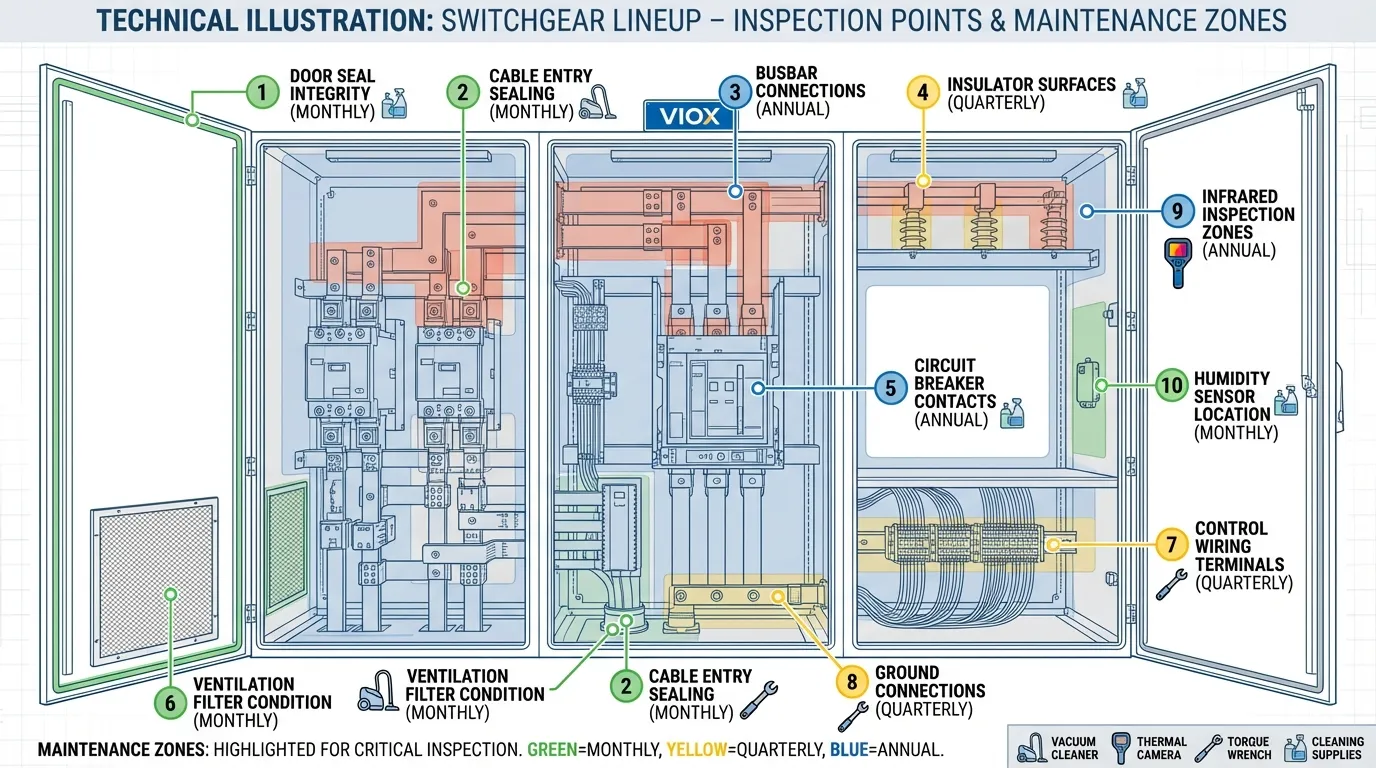
စစ်ဆေးခြင်းနှင့် သန့်ရှင်းရေး လုပ်ထုံးလုပ်နည်းများ
ထိရောက်သော ဖုန်မှုန့်စီမံခန့်ခွဲမှုသည် ပတ်ဝန်းကျင်အခြေအနေများနှင့်အညီ စနစ်တကျ စစ်ဆေးခြင်းနှင့် သန့်ရှင်းရေးအစီအစဉ်များ လိုအပ်သည်။. လျှပ်စစ်ပြုပြင်ထိန်းသိမ်းမှု အစီအစဉ်တစ်ခု တည်ဆောက်ခြင်း ဤဖုန်မှုန့်ဆိုင်ရာ အစိတ်အပိုင်းများ ပါဝင်သင့်သည်-
အမြင်အာရုံစစ်ဆေးခြင်း။ (ဖုန်ထူသော ပတ်ဝန်းကျင်များတွင် လစဉ်)
- အကာအရံမျက်နှာပြင်များပေါ်တွင် မြင်နိုင်သော ဖုန်မှုန့်များ စုပုံနေခြင်း ရှိမရှိ စစ်ဆေးပါ
- တံခါးတံဆိပ်များနှင့် ဂက်စ်ကတ်များ၏ ခိုင်ခံ့မှုကို စစ်ဆေးပါ
- ကေဘယ်လ်ဝင်ပေါက်များအနီးတွင် ဖုန်မှုန့်ဝင်ရောက်မှု အထောက်အထားများ ရှိမရှိ ရှာဖွေပါ
- လမ်းကြောင်းခွဲခြမ်းစိတ်ဖြာမှုအတွက် ဓာတ်ပုံများနှင့်အတူ အခြေအနေများကို မှတ်တမ်းတင်ပါ
အနီအောက်ရောင်ခြည် အပူချိန်တိုင်းကိရိယာ (သုံးလတစ်ကြိမ်)
- ဘတ်စ်ဘားများ၊ ချိတ်ဆက်မှုများနှင့် ခလုတ်ပြောင်းကိရိယာများအတွက် အပူချိန်မြင့်သောနေရာများကို စကင်ဖတ်ပါ
- အပူချိန်လက္ခဏာများကို အခြေခံတိုင်းတာမှုများနှင့် နှိုင်းယှဉ်ပါ
- ဖုန်မှုန့်ကာကွယ်မှုသည် အပူချိန်မြင့်တက်စေသည့်နေရာများကို ခွဲခြားသတ်မှတ်ပါ
- အပူချိန်ကြောင့် ပျက်စီးမှုမဖြစ်ပွားမီ သန့်ရှင်းရေးလုပ်ရန် စီစဉ်ပါ
အသေးစိတ် အတွင်းပိုင်း သန့်ရှင်းရေး (ပတ်ဝန်းကျင်အပေါ် အခြေခံ၍ ကြိမ်နှုန်း)
- အောက်ပါအတိုင်း စက်ပစ္စည်းကို ပါဝါဖြုတ်ပါ lockout/tagout လုပ်ထုံးလုပ်နည်းများ
- HEPA-filtered ဖုန်စုပ်စက်ပစ္စည်းကို အသုံးပြုပါ (ဖုန်မှုန့်များကို ပြန်လည်ဖြန့်ဝေပေးသော ဖိအားပေးလေကို ဘယ်တော့မှ မသုံးပါနှင့်)
- အတည်ပြုထားသော ပျော်ရည်များနှင့်အတူ လျှပ်ကာများကို သန့်ရှင်းပါ
- ချိုင့်ခွက်များ သို့မဟုတ် တိုက်စားမှုများအတွက် စစ်ဆေးပြီး အဆက်အသွယ်များကို သန့်ရှင်းပါ
- ဘော့ဖြင့် ချိတ်ဆက်ထားသော ချိတ်ဆက်မှုအားလုံးတွင် torque ကို စစ်ဆေးပါ
- စက်ပိုင်းဆိုင်ရာ အပြန်အလှန်ချိတ်ဆက်မှုများနှင့် လည်ပတ်မှုယန္တရားများ၏ လုပ်ဆောင်ချက်ကို စမ်းသပ်ပါ
စောင့်ကြည့်ရေး နည်းပညာများ
ခေတ်မီလျှပ်စစ်ပစ္စည်းထိန်းချုပ်စနစ်များသည် ဖုန်မှုန့်ကြောင့် ယိုယွင်းပျက်စီးမှုကို စောစီးစွာ သတိပေးနိုင်သည်-
တစ်စိတ်တစ်ပိုင်း လျှပ်စစ်ဓာတ်အား စောင့်ကြည့်ခြင်း: အာထရာဆောင်းနှင့် လျှပ်စစ်သံလိုက်အာရုံခံကိရိယာများသည် မျက်နှာပြင်ညစ်ညမ်းမှုကြောင့် ဖြစ်ပေါ်လာသော တစ်စိတ်တစ်ပိုင်း လျှပ်စစ်ဓာတ်အားလှုပ်ရှားမှုကို ဆိုးရွားစွာ ပျက်စီးခြင်းမဖြစ်မီ ရှာဖွေတွေ့ရှိသည်။.
အပူချိန် စောင့်ကြည့်ခြင်း: အရေးကြီးသော အစိတ်အပိုင်းများပေါ်ရှိ စဉ်ဆက်မပြတ် အပူချိန်အာရုံခံကိရိယာများသည် ဖုန်မှုန့်ကာကွယ်မှုကြောင့် ဖြစ်ပေါ်လာသော အပူပြဿနာများကို ဖော်ထုတ်သည်။. အပူချိန်မြင့်တက်မှု ကန့်သတ်ချက်များကို နားလည်ခြင်း သင့်လျော်သော အချက်ပေးအဆင့်များကို သတ်မှတ်ရာတွင် အထောက်အကူဖြစ်စေသည်။.
စိုထိုင်းဆ စောင့်ကြည့်ခြင်း: အကာအရံအတွင်းပိုင်းရှိ စိုထိုင်းဆကို ခြေရာခံခြင်းသည် သံချေးတက်နိုင်ခြေကို ခန့်မှန်းရန်နှင့် အစိုဓာတ်ထိန်းစနစ်များကို အကောင်းဆုံးဖြစ်အောင် ကူညီပေးသည်။.
ဖုန်မှုန့်လျှော့ချရေးအတွက် ဒီဇိုင်းဖြေရှင်းချက်များ
အကာအရံ ဒီဇိုင်းအင်္ဂါရပ်များ
ခေတ်မီလျှပ်စစ်ပစ္စည်းများသည် ဖုန်မှုန့်ဝင်ရောက်မှုကို လျှော့ချရန်အတွက် ဒီဇိုင်းအင်္ဂါရပ်များစွာကို ပေါင်းစပ်ထားသည်-
အပြုသဘောဆောင်သော ဖိအားစနစ်များ: စစ်ထုတ်ထားသော လေထောက်ပံ့မှုသည် အကာအရံအတွင်းပိုင်းတွင် အနည်းငယ် အပြုသဘောဆောင်သော ဖိအားကို ထိန်းသိမ်းထားပြီး သေးငယ်သောအပေါက်များမှတစ်ဆင့် ဖုန်မှုန့်များ စိမ့်ဝင်ခြင်းကို တားဆီးပေးသည်။ ဤချဉ်းကပ်မှုသည် အများအားဖြင့် ဗို့အားနိမ့် လျှပ်စစ်ပစ္စည်းများ အရေးကြီးသော အသုံးချပရိုဂရမ်များအတွက်။.
Labyrinth တံဆိပ်များ: ထပ်နေသော မျက်နှာပြင်များနှင့် ရှုပ်ထွေးသော လမ်းကြောင်းများပါရှိသော တံခါးဒီဇိုင်းများသည် ပြီးပြည့်စုံသော gasket ဖိသိပ်မှုမလိုအပ်ဘဲ ဖုန်မှုန့်ဝင်ရောက်မှုကို သိသိသာသာ လျှော့ချပေးသည်။.
Cable Entry Sealing: ကေဘယ်ဂလင်း သင့်လျော်သော IP အဆင့်သတ်မှတ်ချက်များဖြင့် ကေဘယ်လ်ထိုးဖောက်မှုများမှတစ်ဆင့် ဖုန်မှုန့်ဝင်ရောက်မှုကို တားဆီးပေးသည်၊ ၎င်းသည် အကာအရံ၏ ခိုင်ခံ့မှုတွင် အားနည်းချက်အရှိဆုံးဖြစ်သည်။.
အခန်းကန့်များခွဲခြင်း: ဗို့အားမြင့်၊ ဗို့အားနိမ့်နှင့် ထိန်းချုပ်အပိုင်းများကို ခွဲထုတ်ခြင်းသည် ညစ်ညမ်းမှုပျံ့နှံ့မှုကို ကန့်သတ်ထားပြီး ပစ်မှတ်ထားသော ပြုပြင်ထိန်းသိမ်းမှုကို ခွင့်ပြုသည်။.
ပစ္စည်းရွေးချယ်မှု
သံချေးတက်ခြင်းကို ခံနိုင်ရည်ရှိသော ပစ္စည်းများကို ရွေးချယ်ခြင်းသည် ဖုန်မှုန့်ကြောင့် အရှိန်မြှင့်ထားသော သံချေးတက်ခြင်းကို လျှော့ချပေးသည်-
- သံမဏိအကာအရံများ ရေကြောင်းနှင့် ဓာတုပတ်ဝန်းကျင်များအတွက်
- သံဖြူ သို့မဟုတ် ငွေရောင်ဖြင့် ပြုလုပ်ထားသော busbars ဓာတ်တိုးခြင်းကို ခံနိုင်ရည်ရှိရန် (busbar plating နှိုင်းယှဉ်ခြင်း)
- တံဆိပ်ခတ်ထားသော contactors ပူးတွဲပါ အဆက်အသွယ်အခန်းများနှင့်အတူ
- Conformal coating ထိန်းချုပ်ဆားကစ်ဘုတ်များပေါ်တွင်
ကုန်ကျစရိတ် ခွဲခြမ်းစိတ်ဖြာခြင်း- ကာကွယ်ခြင်းနှင့် ပြုပြင်ခြင်း
ဖုန်မှုန့်ကြောင့် ပျက်စီးခြင်း၏ ဘဏ္ဍာရေးဆိုင်ရာ သက်ရောက်မှု
ဖုန်မှုန့်ညစ်ညမ်းမှု၏ အမှန်တကယ်ကုန်ကျစရိတ်သည် ချက်ချင်းပြုပြင်စရိတ်ထက် ကျော်လွန်သည်-
တိုက်ရိုက်ကုန်ကျစရိတ်များ:
- အရေးပေါ် ပြုပြင်ရေးလုပ်အား (ပုံမှန်နှုန်းထားများထက် 2-3x များသောအားဖြင့်)
- အစားထိုးအစိတ်အပိုင်းများနှင့် အရှိန်မြှင့်ပို့ဆောင်ခြင်း
- ပြုပြင်ပြီးနောက် စမ်းသပ်ခြင်းနှင့် စတင်ခြင်း
- စည်းမျဉ်းစည်းကမ်း စစ်ဆေးခြင်းနှင့် စာရွက်စာတမ်းများ
သွယ်ဝိုက်သော ကုန်ကျစရိတ်များ:
- ထုတ်လုပ်မှု ရပ်ဆိုင်းချိန် (စက်မှုလုပ်ငန်းများစွာတွင် တစ်နာရီလျှင် ၁၀,၀၀၀-၅၀၀,၀၀၀ ကျော်)
- ပျက်စီးသွားသော ထုတ်ကုန် သို့မဟုတ် အနှောင့်အယှက်ဖြစ်သော လုပ်ငန်းစဉ်များ
- ပို့ဆောင်မှုလွတ်သွားခြင်းအတွက် ဖောက်သည်ဒဏ်ကြေးများ
- ကုမ္ပဏီ၏ ဂုဏ်သတင်းကို ထိခိုက်စေခြင်း
နှိုင်းယှဉ်ကုန်ကျစရိတ် ခွဲခြမ်းစိတ်ဖြာခြင်း:
- နှစ်စဉ် ကြိုတင်ကာကွယ်ရေး ပြုပြင်ထိန်းသိမ်းမှု အစီအစဉ်: လျှပ်စစ်ပစ္စည်းတစ်တန်းလျှင် ၅,၀၀၀-၁၅,၀၀၀
- ပုံမှန် ဖုန်မှုန့်ကြောင့် ပျက်စီးမှု ပြုပြင်ခြင်း: ၂၅,၀၀၀-၇၅,၀၀၀ နှင့် ရပ်ဆိုင်းချိန် ကုန်ကျစရိတ်များ
- ဆိုးရွားသော arc flash ဖြစ်စဉ်: ၁၀၀,၀၀၀-၅၀၀,၀၀၀+ နှင့် ထိခိုက်ဒဏ်ရာရနိုင်ခြေများ
သင့်လျော်သော ဖုန်မှုန့်ကာကွယ်ရေးအတွက် ရင်းနှီးမြှုပ်နှံမှုအပေါ် အကျိုးအမြတ်သည် ပုံမှန်အားဖြင့် 300-500% ရှိပြီး ရရှိနိုင်သော ကုန်ကျစရိတ်သက်သာသော ယုံကြည်စိတ်ချရမှု တိုးတက်မှုများထဲမှ တစ်ခုဖြစ်သည်။.
စံချိန်စံညွှန်းများနှင့် လိုက်နာမှု လိုအပ်ချက်များ
သက်ဆိုင်ရာ နိုင်ငံတကာ စံချိန်စံညွှန်းများ
- IEC 62271-200: AC သတ္တုဖြင့်ကာရံထားသော လျှပ်စစ်ပစ္စည်းများနှင့် ထိန်းချုပ်ပစ္စည်းများအတွက် လိုအပ်ချက်များကို သတ်မှတ်ပေးသည်၊ ပတ်ဝန်းကျင်စမ်းသပ်ခြင်းနှင့် IP အဆင့်သတ်မှတ်ချက် လိုအပ်ချက်များအပါအဝင်။.
- IEC 60529: ဖုန်မှုန့်နှင့် ရေဝင်ရောက်ခြင်းမှ ကာကွယ်ရန်အတွက် IP အဆင့်သတ်မှတ်ချက် စမ်းသပ်ခြင်းလုပ်ထုံးလုပ်နည်းများနှင့် အမျိုးအစားခွဲခြားခြင်းကို သတ်မှတ်သည်။.
- IEC 61439: ဗို့အားနိမ့် လျှပ်စစ်ပစ္စည်းများနှင့် ထိန်းချုပ်ပစ္စည်းများ စံနှုန်း၊ အတွင်းပိုင်းခွဲထုတ်ခြင်းနှင့် ပတ်ဝန်းကျင်ဆိုင်ရာအချက်များမှ ကာကွယ်ခြင်းအတွက် လိုအပ်ချက်များအပါအဝင်။.
- NFPA 70B: လျှပ်စစ်ပစ္စည်းပြုပြင်ထိန်းသိမ်းမှုအတွက် အကြံပြုထားသော အလေ့အကျင့်၊ စစ်ဆေးရေးကြားကာလများနှင့် သန့်ရှင်းရေးလုပ်ထုံးလုပ်နည်းများဆိုင်ရာ လမ်းညွှန်မှုပေးသည်။.
နားလည်မှု IEC နှင့် NEC ဝေါဟာရ မတူညီသော စည်းမျဉ်းမူဘောင်များတစ်လျှောက် လိုအပ်ချက်များကို လမ်းညွှန်ရာတွင် အထောက်အကူဖြစ်စေသည်။.
အမေးများသောမေးခွန်းများ- လျှပ်စစ်ပစ္စည်းများတွင် ဖုန်မှုန့်
မေး- စက်မှုပတ်ဝန်းကျင်တွင် လျှပ်စစ်ပစ္စည်းများကို မည်မျှမကြာခဏ သန့်ရှင်းသင့်သနည်း။
ဖြေ- သန့်ရှင်းရေးကြိမ်နှုန်းသည် ပတ်ဝန်းကျင်အခြေအနေပေါ်တွင် မူတည်သည်။ ပေါ့ပါးသော စက်မှုပတ်ဝန်းကျင်များသည် သာမန်အားဖြင့် သုံးလတစ်ကြိမ် သန့်ရှင်းရေးလုပ်ရန် လိုအပ်ပြီး လေးလံသော ထုတ်လုပ်ရေး၊ သတ္တုတွင်း သို့မဟုတ် ပြင်ပတပ်ဆင်မှုများသည် လစဉ် ဂရုစိုက်ရန် လိုအပ်နိုင်သည်။ လစဉ်စစ်ဆေးခြင်းဖြင့် အခြေခံအဖြစ် သတ်မှတ်ပြီးနောက် အမှန်တကယ် ဖုန်မှုန့်စုပုံနှုန်းအပေါ် အခြေခံ၍ ကြိမ်နှုန်းကို ချိန်ညှိပါ။.
မေး- ဖုန်မှုန့်က ဖြစ်စေနိုင်သလား ဆားကစ်မိျ သတိပေးချက်မရှိဘဲ ပျက်ကွက်ရန်။
ဖြေ- ဟုတ်ကဲ့။ ဖုန်မှုန့်စုပုံခြင်းသည် အပူချိန်ချိန်ညှိမှု လွဲမှားခြင်းကို ဖြစ်စေနိုင်ပြီး၊ မှားယွင်းသော လက်ရှိအဆင့်များတွင် ဘရိတ်ကာများ ခရီးထွက်စေခြင်း သို့မဟုတ် အမှန်တကယ် ချို့ယွင်းမှုအခြေအနေများတွင် ခရီးမထွက်နိုင်စေခြင်း ဖြစ်စေနိုင်သည်။ ဒါကြောင့် အပူပုံရိပ်စစ်ဆေးခြင်း are critical—they detect problems before failure occurs.
Q: What IP rating is recommended for dusty environments?
A: IP54 is the minimum for industrial environments with moderate dust. Heavy dust environments require IP65 or IP66. The first digit (5 or 6) indicates dust protection level—6 means completely dust-tight, while 5 allows limited ingress that won’t affect operation.
Q: Is compressed air safe for cleaning switchgear?
A: No. Compressed air redistributes dust to other areas and can force particles deeper into equipment. Use HEPA-filtered vacuum equipment specifically designed for electrical maintenance. Always de-energize equipment before cleaning.
Q: How does dust affect ရေလှိုင်းကာကွယ်ရေးကိရိယာများ?
A: Dust accumulation on SPD components can create tracking paths that cause premature failure or reduce surge suppression effectiveness. Regular inspection of SPD status indicators and thermal imaging of connections is essential.
Q: Can modern sealed switchgear eliminate dust problems?
A: While sealed switchgear with IP65/66 ratings dramatically reduces dust ingress, no enclosure is completely immune. Cable entries, door seals, and ventilation paths remain potential ingress points. Regular inspection remains necessary even for high-IP-rated equipment.
Conclusion: Proactive Dust Management Saves Money and Prevents Failures
Dust contamination represents one of the most preventable causes of switchgear failure, yet it remains a leading contributor to unplanned outages and equipment damage. The five failure mechanisms—conductive bridging, thermal insulation, corrosion acceleration, contact degradation, and insulation tracking—work individually and synergistically to degrade electrical system reliability.
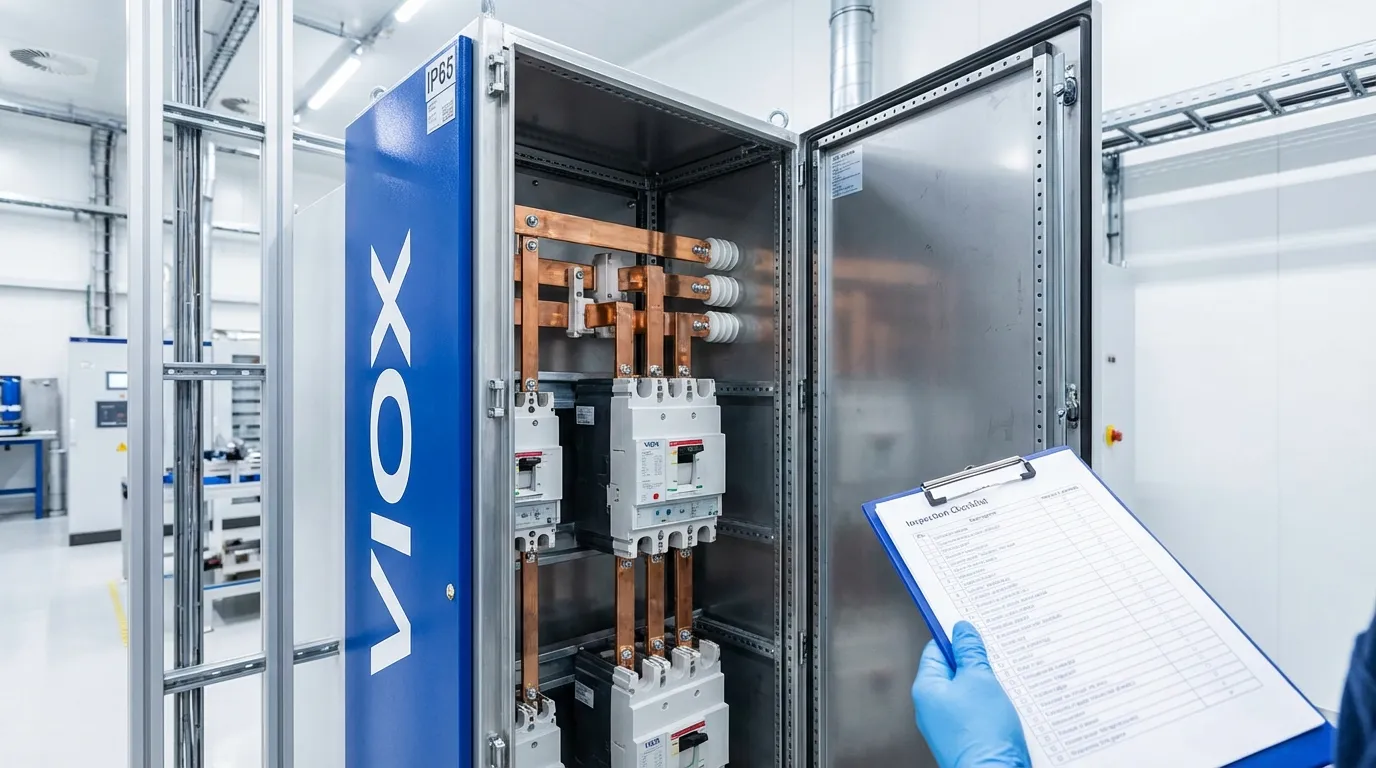
Implementing a comprehensive dust management strategy delivers measurable returns through extended equipment life, reduced failure rates, and eliminated emergency repairs. The combination of proper IP-rated enclosures, systematic maintenance protocols, and modern monitoring technologies provides robust protection against dust-related failures.
For facility managers and electrical engineers, the message is clear: dust is not a cosmetic issue—it’s a reliability threat that demands systematic attention. Investing in prevention costs a fraction of responding to failures, while delivering superior uptime and safety performance.
Ready to protect your electrical infrastructure? VIOX Electric မှ ထုတ်လုပ်သည် industrial-grade switchgear with advanced dust protection features and provides comprehensive maintenance guidance for maximum reliability in challenging environments.