Sai lầm $3.000 Đô La Có Thể Tránh Được
Hãy hình dung: Giữa tháng Bảy, hệ thống năng lượng mặt trời của bạn đã hoàn thành và hệ thống khởi động rất tốt—trong khoảng ba giờ. Sau đó, một bộ ngắt mạch bị ngắt. Bạn đặt lại nó. Nó lại ngắt. Đến trưa, bạn đang nhìn chằm chằm vào một khối đầu cuối bị nóng chảy bên trong hộp kết hợp của bạn và một chủ nhà rất tức giận. Chẩn đoán? Bạn đã kết nối sáu chuỗi vào hộp kết hợp được định mức cho bốn chuỗi và ánh nắng tháng Tám đã đẩy dòng điện 40% cao hơn dự đoán của bạn.
Đây là bài học đắt giá nhất trong lĩnh vực năng lượng mặt trời dân dụng: Kích thước hộp kết hợp của bạn không được xác định bởi số lượng tấm pin bạn có—nó được xác định bởi số lượng chuỗi bạn tạo ra và quan trọng nhất là cường độ dòng điện và điện áp mà các chuỗi đó tạo ra trong điều kiện thực tế.

Tại Sao Việc Đếm Chuỗi Lại Sai (Và Tại Sao Điều Đó Quan Trọng)
Đây là gốc rễ của vấn đề: Nhiều nhà lắp đặt tập trung vào số lượng tấm pin thay vì kiến trúc chuỗi. Họ thấy “24 tấm pin” và lấy một hộp kết hợp có 24 đầu vào, trong khi thiết kế thực tế chỉ yêu cầu 4 chuỗi, mỗi chuỗi 6 tấm pin. Kết quả? Thiết bị quá khổ, quá đắt—hoặc tệ hơn, bảo vệ không đủ kích thước trở thành mối nguy hiểm về an toàn.
Sự nhầm lẫn càng sâu sắc hơn vì Bộ luật Điện Quốc gia (NEC) yêu cầu hệ số an toàn 125% đối với các tính toán dòng điện của bạn, nhưng bước quan trọng này thường bị bỏ qua hoặc hiểu sai. Khi bức xạ mặt trời tăng đột biến vào một ngày mùa đông lạnh giá, sáng sủa, dòng điện ngắn mạch (Isc) của bạn có thể vượt quá định mức trên nhãn mác từ 25% trở lên. Nếu không có kích thước phù hợp, bạn không chỉ vi phạm quy tắc—bạn còn tạo ra nguy cơ hỏa hoạn.
Quan niệm thông thường cho rằng “lớn hơn là tốt hơn”, nhưng điều đó tốn kém. Sự thật đơn giản hơn: Đối với các hệ thống dân dụng nhỏ có ba chuỗi trở xuống, bạn thường không cần hộp kết hợp.
Giải Pháp: Một Khung Lựa Chọn Ưu Tiên Chuỗi
Số lượng chuỗi lý tưởng trên mỗi hộp kết hợp cho một ngôi nhà phụ thuộc vào ba yếu tố không thể thương lượng: số lượng chuỗi trong thiết kế của bạn, các đầu cuối đầu vào được định mức trên hộp và giới hạn cường độ dòng điện dựa trên các tính toán tuân thủ NEC. Đây là một đột phá mà hầu hết các nhà lắp đặt bỏ lỡ:
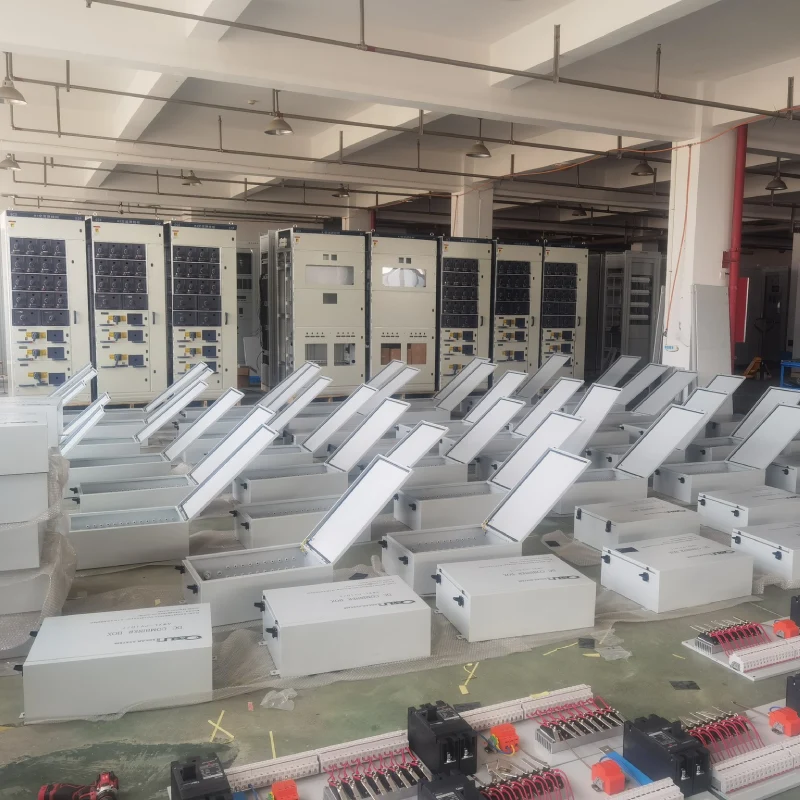
Những hộp kết hợp không phải là một trung tâm phổ quát—đó là một bài tập khớp chuỗi với đầu cuối. Mỗi đầu cuối đầu vào được thiết kế cho một chuỗi. Một hộp có 6 đầu cuối đầu vào có thể xử lý chính xác 6 chuỗi, giả sử điện áp và dòng điện của mỗi chuỗi nằm trong khả năng định mức của hộp. Vượt quá điều này—nhồi hai chuỗi vào một đầu cuối hoặc vượt quá định mức cường độ dòng điện tổng—biến thiết bị bảo vệ của bạn thành một gánh nặng.
Các hộp kết hợp hiện đại được thiết kế với độ chính xác này. Chúng có tính năng bảo vệ quá dòng riêng lẻ (cầu chì hoặc bộ ngắt mạch) cho mỗi đầu vào, phát hiện hồ quang và khả năng tắt nhanh. Hộp không chỉ kết hợp các chuỗi—nó còn cách ly chúng, bảo vệ chúng và giữ cho biến tần của bạn an toàn khỏi các lỗi xếp tầng.
Quy Trình Ghép Chuỗi Với Hộp Kết Hợp Gồm Bốn Bước
Bước 1: Đếm Số Chuỗi Của Bạn, Không Phải Số Tấm Pin
Công việc đầu tiên của bạn không phải là chọn một thương hiệu—mà là hiểu kiến trúc hệ thống của bạn.
Nếu bạn đang lắp đặt một hệ thống dân dụng điển hình, bạn có thể định cấu hình các tấm pin theo một trong các mẫu sau:
- 2 chuỗi, mỗi chuỗi 12 tấm pin (tổng cộng 24 tấm pin)
- 3 chuỗi, mỗi chuỗi 10 tấm pin (tổng cộng 30 tấm pin)
- 4 chuỗi, mỗi chuỗi 8 tấm pin (tổng cộng 32 tấm pin)
Đây là điểm quyết định quan trọng:
| Số Lượng Chuỗi | Có Cần Hộp Kết Hợp Không? | Hành động |
|---|---|---|
| 1-3 chuỗi | Thường là Không | Kết nối trực tiếp với biến tần (hầu hết các biến tần hiện đại đều có 2-3 đầu vào chuyên dụng) |
| 4-6 chuỗi | Yes | Sử dụng hộp kết hợp 6 đầu vào (được định mức cho dân dụng) |
| 7-12 chuỗi | Yes | Sử dụng hộp kết hợp 12 đầu vào (được định mức cho thương mại nhỏ) |
| 12+ chuỗi | Yes | Sử dụng nhiều hộp kết hợp hoặc một hộp thương mại quy mô lớn |
Điểm Mấu Chốt: Nếu bạn có ba chuỗi trở xuống, hãy bỏ qua hoàn toàn hộp kết hợp và tiết kiệm $400-$800 Đô La. Biến tần của bạn có thể xử lý các kết nối trực tiếp và bạn sẽ loại bỏ một điểm hỏng hóc không cần thiết.
Bước 2: Tính Cường Độ Dòng Điện Sử Dụng Quy Tắc NEC 125% (Chính Sách Bảo Hiểm Của Bạn)
Đây là nơi các cài đặt tốt tách biệt với các vi phạm quy tắc.
Điều 690 của NEC quy định rằng bạn phải nhân dòng điện mạch nguồn quang điện của mình với 1,25 (125%) để tính đến hoạt động liên tục và sự tăng đột biến bức xạ. Đây không phải là tùy chọn—đó là biên độ an toàn của bạn.
Hãy cùng xem một ví dụ thực tế:
- Cấu Hình Chuỗi: 10 tấm pin trên mỗi chuỗi, mỗi tấm pin được định mức ở 400W, dòng điện ngắn mạch 9A (Isc)
- Số Lượng Chuỗi: 4 chuỗi
- Tính toán:
Bảo Vệ Trên Mỗi Chuỗi:
Cường Độ Dòng Điện Yêu Cầu = Isc × 1,25
Cường Độ Dòng Điện Yêu Cầu = 9A × 1,25 = 11,25A
→ Sử dụng cầu chì hoặc bộ ngắt mạch 15A trên mỗi chuỗiĐịnh Mức Tổng Hộp Hộp Kết Hợp:
Tổng Dòng Điện = Số Lượng Chuỗi × Isc
Tổng Dòng Điện = 4 × 9A = 36A
Định Mức Hộp Kết Hợp Yêu Cầu = 36A × 1,25 = 45A
→ Sử dụng hộp kết hợp được định mức ≥50AMẹo Chuyên Nghiệp: Luôn làm tròn lên kích thước cầu chì tiêu chuẩn tiếp theo. Cầu chì 15A là tiêu chuẩn cho các chuỗi dân dụng có Isc dưới 12A. Đối với các tấm pin có công suất đầu ra cao hơn (Isc > 12A), hãy tăng lên cầu chì 20A hoặc 25A. Khoảng không bổ sung tốn ít chi phí nhưng ngăn ngừa sự cố ngắt mạch và hao mòn thiết bị sớm.
Bước 3: Xác Minh Tính Tương Thích Điện Áp Trên Tất Cả Các Chuỗi
Sự không phù hợp về điện áp là kẻ giết người thầm lặng của các hệ thống năng lượng mặt trời.
Đây là phép loại suy: Hãy tưởng tượng việc kết nối một ống tưới vườn được định mức cho 50 PSI với một trụ cứu hỏa đẩy 150 PSI. Liên kết yếu nhất xác định hiệu suất—và trong năng lượng mặt trời, điều đó có nghĩa là tất cả các chuỗi phải hoạt động ở cùng một điện áp hoặc hiệu quả hệ thống của bạn giảm mạnh.
Hai Quy Tắc Điện Áp:
- Cấu Hình Nối Tiếp (Điện Áp Cộng): Khi bạn nối dây các tấm pin nối tiếp, điện áp sẽ cộng lại. Một chuỗi gồm 10 tấm pin ở 40V mỗi tấm = tổng cộng 400V.
- Cấu Hình Song Song (Dòng Điện Cộng): Khi các chuỗi kết hợp trong hộp kết hợp, dòng điện sẽ cộng lại nhưng điện áp vẫn không đổi.
Lỗi Phổ Biến: Trộn một chuỗi gồm 10 tấm pin (400V) với một chuỗi gồm 8 tấm pin (320V) trong cùng một hộp kết hợp. Điều gì xảy ra?
- Chuỗi 320V trở thành “lực cản điện áp” trên chuỗi 400V
- Thuật toán Theo Dõi Điểm Công Suất Tối Đa (MPPT) trong biến tần của bạn gặp khó khăn trong việc tối ưu hóa cả hai chuỗi
- Bạn mất ngay lập tức 15-25% hiệu quả hệ thống
Danh Sách Kiểm Tra Khớp Điện Áp:
| Kiểm Tra | Yêu cầu | Tại sao nó quan trọng |
|---|---|---|
| Điện Áp Hở Mạch (Voc) | Tất cả các chuỗi trong phạm vi 5% của nhau | Đảm bảo hiệu quả MPPT |
| Điện áp hệ thống tối đa | Không được vượt quá định mức hộp kết hợp (thường là 600V, 1000V hoặc 1500V DC) | Ngăn ngừa hư hỏng thiết bị và các mối nguy hiểm do hồ quang điện |
| Loại bảng điều khiển | Sử dụng các tấm pin giống hệt nhau trên mỗi chuỗi | Các công nghệ tấm pin khác nhau có các đường cong điện áp khác nhau |
Điểm mấu chốt: Việc khớp điện áp giữa các chuỗi không chỉ là thông lệ tốt nhất—mà còn là sự khác biệt giữa một hệ thống 25 năm và một sự thất vọng kéo dài năm năm. Khi nghi ngờ, hãy sử dụng các tấm pin giống hệt nhau và độ dài chuỗi giống hệt nhau.
Bước 4: Lựa chọn kích thước để bảo vệ và mở rộng trong tương lai
Bước bị bỏ qua nhiều nhất: thiết kế cho những gì bạn có thể cần, không chỉ những gì bạn cần ngày hôm nay.
Bảo vệ quá dòng (Không thể thương lượng):
Mỗi đầu vào phải có cầu chì hoặc bộ ngắt mạch riêng. Điều này không phải là tuân thủ quy tắc—mà là cô lập các lỗi. Nếu một chuỗi bị đoản mạch, cầu chì sẽ nổ chỉ cho chuỗi đó và ba chuỗi còn lại tiếp tục tạo ra điện.
Tính năng bảo vệ
Chức năng
Tại sao bạn cần nó
- Bảo vệ quá dòng: Cầu chì hoặc bộ ngắt mạch cho mỗi chuỗi – Ngăn ngừa nóng chảy dây và nguy cơ hỏa hoạn
- Phát hiện hồ quang điện: Phát hiện và ngắt các hồ quang nguy hiểm – Bắt buộc theo NEC 690.11 đối với các hệ thống lắp trên mái nhà
- Phát hiện lỗi chạm đất: Giám sát sự cố cách điện – Ngăn ngừa nguy cơ điện giật và hư hỏng thiết bị
- Bảo vệ chống sét lan truyền: Chuyển hướng sét đánh và xung điện lưới – Bảo vệ biến tần (thành phần đắt nhất)
Lập kế hoạch cho sự phát triển:
Nhiều chủ nhà thêm tấm pin 2-5 năm sau khi lắp đặt ban đầu. Nếu bạn chọn một hộp kết hợp với dung lượng bổ sung ngay bây giờ, bạn sẽ tránh được việc trang bị thêm tốn kém sau này.
Chiến lược định cỡ thông minh:
- Hệ thống hiện tại: 4 chuỗi → Chọn hộp kết hợp 6 đầu vào
- Chi phí bổ sung: ~50 đô la - 150 đô la so với hộp 4 đầu vào
- Giá trị tương lai: Có thể thêm 2 chuỗi nữa mà không cần thay thế toàn bộ hộp
Mẹo chuyên nghiệp: Quy tắc cường độ dòng điện 125% của NEC đã tích hợp sẵn hệ số an toàn, nhưng để chống lại các yếu tố trong tương lai, hãy xem xét hộp kết hợp có định mức 150% tổng cường độ dòng điện hiện tại của bạn. Điều này cung cấp cho bạn khoảng không gian cho cả các yếu tố môi trường và mở rộng hệ thống.

Tóm tắt: Ma trận quyết định chuỗi-hộp kết hợp
Đây là hướng dẫn lựa chọn đầy đủ của bạn trong một bảng:
| Kích thước hệ thống dân dụng | Số Lượng Chuỗi | Có cần hộp kết hợp không? | Số lượng đầu vào | Định mức cầu chì điển hình | Tổng cường độ dòng điện của hộp |
|---|---|---|---|---|---|
| Nhỏ (≤3 kW) | 1-2 chuỗi | Không có | Không có | Không có | Không có |
| Vừa (4-8 kW) | 3-4 chuỗi | Tùy chọn (3 chuỗi) / Có (4+ chuỗi) | 4-6 đầu vào | 15A mỗi chuỗi | ≥50A |
| Lớn (8-12 kW) | 5-8 chuỗi | Yes | 8-10 đầu vào | 15-20A mỗi chuỗi | ≥100A |
| Rất lớn (12+ kW) | 9+ chuỗi | Có (có thể cần nhiều hộp) | 12+ đầu vào | 15-25A mỗi chuỗi | ≥150A |
Điểm mấu chốt: Ghép các chuỗi với các đầu vào, không phải các tấm pin với các cổng
Số lượng chuỗi lý tưởng trên mỗi hộp kết hợp cho ngôi nhà của bạn rất đơn giản: một chuỗi trên mỗi đầu vào, với tổng cường độ dòng điện được tính ở mức 125% dòng điện ngắn mạch kết hợp của bạn và điện áp được khớp trên tất cả các chuỗi.
Đối với hầu hết các cài đặt dân dụng:
- 3 chuỗi trở xuống? Tiết kiệm tiền—kết nối trực tiếp với biến tần của bạn.
- 4-6 chuỗi? Hộp kết hợp dân dụng 6 đầu vào tiêu chuẩn là điểm tối ưu của bạn.
- 7+ chuỗi? Bạn đang bước vào lãnh thổ thương mại nhỏ—sử dụng hộp kết hợp đa chuỗi được định mức phù hợp và tham khảo cẩn thận các hướng dẫn của NEC 690.
Bước tiếp theo của bạn: Trước khi mua, hãy lấy thiết kế hệ thống của bạn và xác minh ba số: số lượng chuỗi, Isc trên mỗi chuỗi và tổng điện áp hệ thống. Ghép chúng với thông số kỹ thuật của hộp kết hợp của bạn, áp dụng hệ số an toàn 125% và bạn sẽ xây dựng một hệ thống tồn tại trong 25 năm thay vì ngắt mạch trong năm đầu tiên.