مین بریکر عام طور پر آپ کے گھر کے اوپری حصے میں واقع ہوتا ہے۔ الیکٹریکل پینل (بریکر باکس)، جو اکثر بیرونی دیوار پر، تہہ خانے میں، گیراج میں، یوٹیلیٹی روم میں، یا بجلی کے میٹر کے قریب پایا جاتا ہے۔. اپنے مین بریکر کے مقام کو سمجھنا ایمرجنسی میں بجلی بند کرنے اور برقی حفاظت کے لیے بہت ضروری ہے۔.
⚠️ حفاظتی انتباہ: بجلی کے پینلز کے آس پاس ہمیشہ انتہائی احتیاط برتیں۔ اگر آپ کو کسی بھی برقی کام کے بارے میں یقین نہیں ہے، تو فوری طور پر لائسنس یافتہ الیکٹریشن سے مشورہ کریں۔.
مین بریکر کیا ہے اور اس کے مقام کی اہمیت کیا ہے؟
مین بریکر کی تعریف
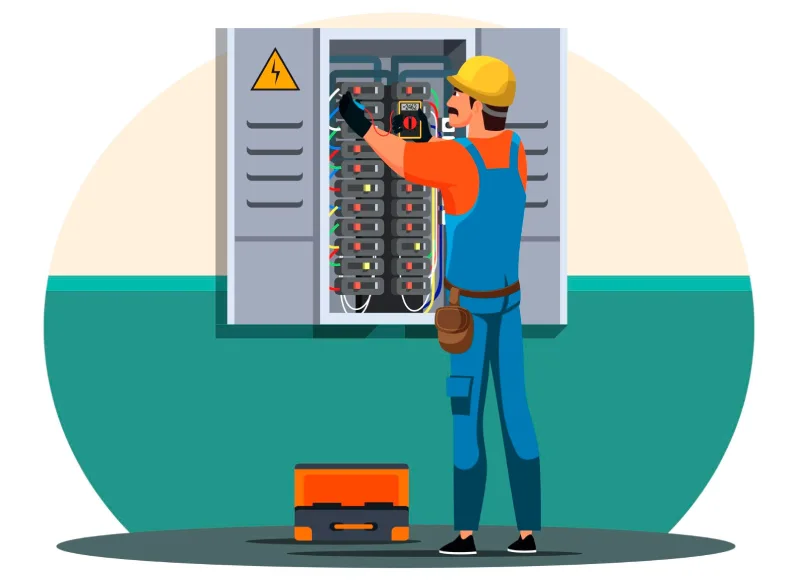
اے مین بریکر بنیادی سرکٹ بریکر ہے جو یوٹیلیٹی کمپنی کی طرف سے آپ کے گھر میں داخل ہونے والی تمام برقی طاقت کو کنٹرول کرتا ہے۔ یہ آپ کے پورے برقی نظام کے لیے ماسٹر شٹ آف سوئچ کے طور پر کام کرتا ہے، جو عام طور پر رہائشی املاک کے لیے 100-200 ایمپس کے درمیان ریٹیڈ ہوتا ہے۔.
مقام جاننا کیوں ضروری ہے
- ایمرجنسی شٹ آف برقی آگ یا سیلاب کے دوران
- برقی کام کی تیاری ٹھیکیداروں کے ذریعہ
- بجلی کا انتظام طوفانوں یا بجلی کی بندش کے دوران
- حفاظت کی تعمیل مقامی برقی کوڈز کے ساتھ
- گھر کے معائنے کے تقاضے رئیل اسٹیٹ کے لین دین کے لیے
گھر کی قسم کے لحاظ سے مین بریکر کا مقام: فوری حوالہ ٹیبل
| گھر کی قسم | سب سے عام مقام | ثانوی مقامات | رسائی کے نوٹس |
|---|---|---|---|
| سنگل فیملی ہوم | گیراج یا بیرونی دیوار | تہہ خانہ، یوٹیلیٹی روم | عام طور پر آنکھوں کی سطح پر |
| ٹاؤن ہاؤس/کنڈو | اندرونی یوٹیلیٹی الماری | گیراج، تہہ خانہ | مشترکہ پینل ہو سکتا ہے |
| اپارٹمنٹ | کچن/ہال وے الماری | بیڈروم الماری | اکثر یونٹ نمبر لیبل لگا ہوتا ہے |
| موبائل ہوم | میٹر کے قریب بیرونی پینل | گھر کے نیچے یوٹیلیٹی ایریا | موسم سے محفوظ باکس |
| پرانے گھر (1960 سے پہلے) | میٹر کے قریب تہہ خانہ | بریکرز کی بجائے فیوز باکس | برقی اپ گریڈ کی ضرورت پڑ سکتی ہے |
اپنے مین بریکر کا پتہ لگانے کے لیے مرحلہ وار گائیڈ
مرحلہ 1: الیکٹرک میٹر سے شروع کریں
- باہر جائیں اور اپنے الیکٹرک میٹر کا پتہ لگائیں (عام طور پر بیرونی دیوار پر نصب ہوتا ہے)
- آس پاس دیکھیں ایک سرمئی یا تانبے کے رنگ کا دھاتی باکس (الیکٹریکل پینل) تلاش کریں
- 10 فٹ کے اندر چیک کریں میٹر کے - کوڈ کے مطابق قریبی ہونا ضروری ہے
مرحلہ 2: عام اندرونی مقامات چیک کریں
- تہہ خانہ: جہاں بجلی کی لائنیں گھر میں داخل ہوتی ہیں اس کے قریب
- گیراج: دیواروں کے ساتھ، عام طور پر گھر کے داخلی دروازے کے مخالف
- یوٹیلیٹی روم: اکثر واٹر ہیٹر/ایچ وی اے سی کے سامان کے ساتھ ملایا جاتا ہے
- کچن ایریا: پرانے گھروں میں، کبھی کبھی کچن کی الماریوں میں
- ہال وے الماریاں: خاص طور پر اپارٹمنٹس اور کنڈوز میں
مرحلہ 3: مین بریکر کی شناخت کریں
- پینل کور کھولیں۔ (اگر ایسا کرنا محفوظ ہو تو)
- سب سے بڑے بریکر کی تلاش کریں - عموماً اوپر کی طرف
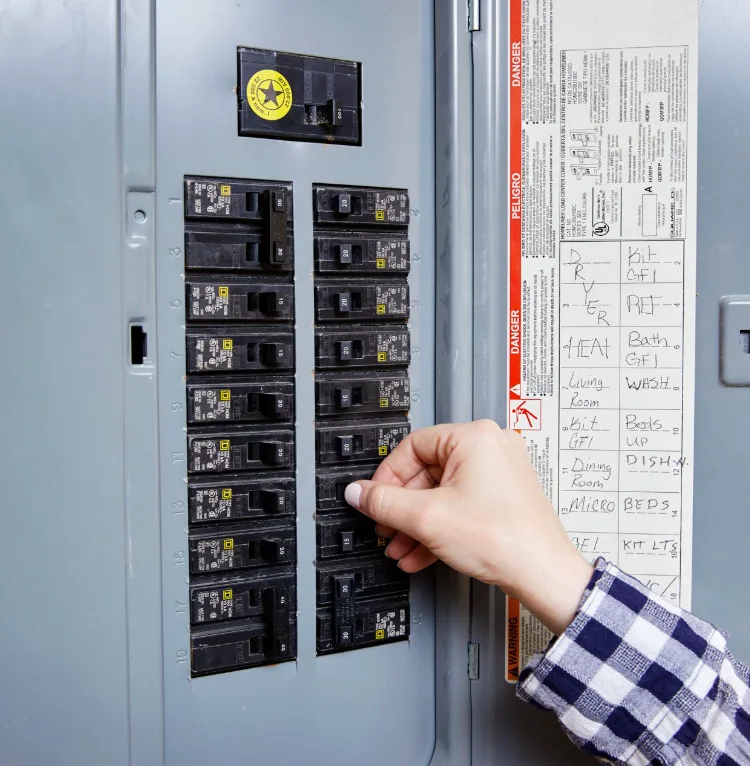
- لیبل چیک کریں - اس پر “MAIN” لکھا ہونا چاہیے یا سب سے زیادہ ایمپئریج (100A، 150A، 200A) دکھانا چاہیے۔
- تصدیق کریں کہ یہ متعدد سرکٹس کو کنٹرول کرتا ہے - صرف ایک آؤٹ لیٹ یا آلات کو نہیں
ماہر کا مشورہ: مین بریکر عام طور پر معیاری سرکٹ بریکرز سے دوگنا چوڑا ہوتا ہے اور اس میں دو سوئچ ہوتے ہیں جو ایک ساتھ حرکت کرتے ہیں۔.
مین بریکر کی اقسام اور ترتیب
اسٹینڈرڈ مین بریکر پینل
- مقام: الیکٹریکل پینل کا اوپر والا حصہ
- ظاہری شکل: ڈبل چوڑا بریکر سوئچ
- فنکشن: نیچے موجود تمام سب بریکرز کو بجلی کنٹرول کرتا ہے
- درجہ بندی: عام طور پر پینل کی صلاحیت (100A-200A) سے مطابقت رکھتا ہے
مین لگ پینل (کوئی مین بریکر نہیں)
- مقام: بجلی بیرونی ڈس کنیکٹ کے ذریعے کنٹرول ہوتی ہے
- ظاہری شکل: پینل میں کوئی مین بریکر نہیں ہوتا
- فنکشن: میٹر سے پینل تک براہ راست کنکشن
- حفاظتی نوٹ: شٹ آف کے لیے بیرونی ڈس کنیکٹ تلاش کرنا ضروری ہے
سپلٹ بس پینل (متروک)
- مقام: پرانے پینلز میں متعدد مین بریکرز
- ظاہری شکل: اوپر کی طرف 6 یا اس سے کم بڑے بریکرز
- فنکشن: کوئی واحد مین شٹ آف نہیں
- سفارش: الیکٹریکل پینل اپ گریڈ کرنے پر غور کریں
حفاظتی تقاضے اور کوڈ کی تعمیل
نیشنل الیکٹریکل کوڈ (NEC) تقاضے
- اونچائی: پینل کا مرکز فرش سے 4-6 فٹ کے درمیان ہونا چاہیے
- کلیئرنس: سامنے 36 انچ، چوڑائی میں 30 انچ
- رسائی: اسٹوریج یا فرنیچر سے مسدود نہیں ہونا چاہیے
- لیبل لگانا: تمام بریکرز پر واضح طور پر لیبل لگا ہونا چاہیے
- گراؤنڈنگ: مناسب گراؤنڈنگ راڈ کنکشن درکار ہے
⚠️ پیشہ ورانہ سفارش: مین پینل کا کور کبھی نہ ہٹائیں جب تک کہ آپ ایک مستند الیکٹریشن نہ ہوں۔ بے نقاب بس بارز مین بریکر آف ہونے پر بھی مہلک وولٹیج لے جاتے ہیں۔.
ایمرجنسی شٹ آف کے طریقہ کار
مین بریکر شٹ آف کب استعمال کریں
- بجلی کی آگ - 911 پر کال کرنے سے فوراً پہلے بند کر دیں
- سیلاب - پانی کے برقی اجزاء تک پہنچنے سے پہلے بند کر دیں
- گیس لیک - اگنیشن کے ذرائع کو ختم کریں
- بڑا برقی کام - حفاظت کے لیے کوڈ کے ذریعے لازمی ہے
- طوفان کی تیاری - پاور سرج کے نقصان کو روکیں
محفوظ شٹ آف کے اقدامات
- خشک حالات کو یقینی بنائیں - گیلے ہاتھوں سے کبھی بھی الیکٹریکل پینلز کو مت چھوئیں
- ایک طرف کھڑے ہوں - پینل کے بالکل سامنے نہیں
- موصل اوزار استعمال کریں اگر دستیاب ہو
- مین بریکر کو آف پر پلٹائیں - مضبوطی سے پوزیشن میں کلک کرنا چاہیے۔
- بجلی بند ہونے کی تصدیق کریں۔ - لائٹس اور آؤٹ لیٹس چیک کریں
- پیشہ ور افراد کو کال کریں برقی مسائل کے لیے
ٹربل شوٹنگ: اگر آپ کو اپنا مین بریکر نہیں ملتا تو کیا کریں؟
عام منظرنامے اور حل
مسئلہ: پینل میں کوئی مین بریکر نظر نہیں آرہا ہے
- حل: میٹر کے قریب بیرونی ڈس کنیکٹ سوئچ تلاش کریں
- ایکشن: پینل اپ گریڈ کی ضروریات کے بارے میں الیکٹریشن سے چیک کریں
مسئلہ: گھر میں متعدد پینلز
- حل: شناخت کریں کہ کس میں سروس اینٹرنس کنڈکٹرز شامل ہیں
- ایکشن: مین بریکر میٹر کے بعد پہلے پینل میں ہے
مسئلہ: اپارٹمنٹ/کنڈو الجھن
- حل: لیز دستاویزات چیک کریں یا پراپرٹی مینجمنٹ سے رابطہ کریں
- ایکشن: مشترکہ الیکٹریکل روم میں واقع ہو سکتا ہے
مسئلہ: بہت پرانا گھر جس میں فیوز باکس
- حل: مین فیوز یا نائف سوئچ تلاش کریں
- ایکشن: الیکٹریکل پینل کو جدید بنانے پر غور کریں
پیشہ ورانہ تنصیب اور دیکھ بھال
لائسنس یافتہ الیکٹریشن کو کب بلانا چاہیے
- پینل اپ گریڈ 100A سے 200A سروس تک
- مین بریکر کی تبدیلی عمر یا نقصان کی وجہ سے
- کوڈ کی تعمیل کے مسائل معائنہ کے دوران دریافت ہوئے
- ٹمٹماتی ہوئی بتیاں یا بار بار بریکر ٹرپ ہونا
- جلنے کی بو یا پینل کے ارد گرد نظر آنے والا نقصان
سرٹیفیکیشن کے تقاضے
- لائسنس یافتہ الیکٹریشن تمام مین بریکر کام کے لیے ضروری ہے
- الیکٹریکل پرمٹ پینل میں ترمیم کے لیے درکار ہیں
- معائنہ ضروری ہے بڑی برقی تبدیلیوں کے بعد
- انشورنس کی تعمیل پیشہ ورانہ تنصیب کی ضرورت پڑ سکتی ہے
مین بریکر کے مقام کے لیے فوری حوالہ چیک لسٹ
اس سے پہلے کہ آپ کو اس کی ضرورت ہو
- [ ] اپنے مین بریکر کے فنکشن کو تلاش کریں اور ٹیسٹ کریں۔
- [ ] الیکٹریکل پینل تک واضح رسائی کا راستہ یقینی بنائیں
- [ ] تمام سرکٹ بریکرز کو واضح طور پر لیبل لگائیں
- [ ] الیکٹریکل پینل کے قریب ٹارچ رکھیں
- [ ] ایمرجنسی الیکٹریشن کی رابطہ معلومات پوسٹ کریں
ایمرجنسی کی تیاری
- [ ] مین بریکر کا صحیح مقام معلوم کریں
- [ ] محفوظ شٹ آف طریقہ کار کی مشق کریں
- [ ] پینل کے علاقے کو اسٹوریج سے صاف رکھیں
- [ ] بیک اپ لائٹنگ دستیاب رکھیں
- [ ] جانیں کہ پیشہ ور افراد کو کب بلانا ہے
اکثر پوچھے گئے سوالات
مین بریکر تلاش کرتے وقت آپ کو کیا دیکھنا چاہیے؟
مین بریکر عام طور پر آپ کے الیکٹریکل پینل میں سب سے بڑا سوئچ ہوتا ہے، جو اوپر کی طرف واقع ہوتا ہے، اور یہ دوسرے تمام بریکرز کو بجلی کنٹرول کرتا ہے۔ یہ عام طور پر 100-200 ایمپس کے لیے ریٹیڈ ہوتا ہے اور اس پر “MAIN” کا لیبل لگا ہو سکتا ہے یا سروس کی گنجائش دکھائی جا سکتی ہے۔.
مجھے کیسے پتہ چلے گا کہ میرا مین بریکر ٹھیک سے کام کر رہا ہے؟
ایک ٹھیک سے کام کرنے والا مین بریکر ON اور OFF پوزیشنوں کے درمیان مضبوطی سے پلٹنا چاہیے، آپ کے پورے گھر کو بجلی کنٹرول کرنی چاہیے، اور جلنے، زنگ لگنے یا ڈھیلے کنکشن کی علامات نہیں دکھانی چاہیے۔ اگر آپ کو کوئی مسئلہ نظر آتا ہے، تو فوری طور پر لائسنس یافتہ الیکٹریشن سے رابطہ کریں۔.
کیا میں خود مین بریکر تبدیل کر سکتا ہوں؟
نہیں. مین بریکر کی تبدیلی کے لیے حفاظتی خطرات اور کوڈ کی ضروریات کی وجہ سے لائسنس یافتہ الیکٹریشن کی ضرورت ہوتی ہے۔ سروس کے داخلی آلات پر کام کرنا جان لیوا ہو سکتا ہے اور مقامی الیکٹریکل کوڈز اور انشورنس پالیسیوں کی خلاف ورزی کر سکتا ہے۔.
مین بریکر اور سرکٹ بریکرز میں کیا فرق ہے؟
مین بریکر یوٹیلیٹی سے آپ کے گھر میں داخل ہونے والی تمام برقی طاقت کو کنٹرول کرتا ہے، جبکہ سرکٹ بریکرز انفرادی سرکٹس (لائٹس، آؤٹ لیٹس، آلات) کو بجلی کنٹرول کرتے ہیں۔ مین بریکر پورے برقی نظام کی حفاظت کرتا ہے۔.
پرانے گھروں میں مین بریکر کہاں ہوتا ہے؟
پرانے گھروں میں مین بریکر تہہ خانے میں ہو سکتا ہے جہاں بجلی کی لائنیں داخل ہوتی ہیں، یا جدید سرکٹ بریکر پینل کے بجائے مین فیوز یا نائف سوئچ کے ساتھ فیوز باکس استعمال کر سکتے ہیں۔.
مین بریکرز کا معائنہ کتنی بار کرانا چاہیے؟
مین بریکرز کا پیشہ ورانہ معائنہ ہر 3-5 سال میں کرانا چاہیے، یا فوری طور پر اگر آپ کو ٹمٹماتی ہوئی بتیاں، جلنے کی بو، یا دیگر برقی مسائل نظر آتے ہیں۔ گھر کے مالکان کی طرف سے سالانہ بصری معائنہ کی سفارش کی جاتی ہے۔.
میرے مین بریکر کی ایمپ ریٹنگ کیا ہونی چاہیے؟
زیادہ تر جدید گھر 150A یا 200A مین بریکرز استعمال کرتے ہیں۔ پرانے گھروں میں 100A سروس ہو سکتی ہے۔ ریٹنگ آپ کے گھر کی برقی ضروریات پر منحصر ہے اور آپ کی سروس کے داخلی راستے کی گنجائش سے میل کھانی چاہیے۔.
کیا طوفان کے دوران مین بریکر کو پلٹنا محفوظ ہے؟
ہاں، شدید طوفانوں کے دوران مین بریکر کو بند کرنے سے آپ کے گھر کے برقی نظام کو پاور سرجز سے بچایا جا سکتا ہے۔ تاہم، یہ صرف اس صورت میں کریں جب آپ پینل تک محفوظ طریقے سے پہنچ سکیں اور پانی میں کھڑے نہ ہوں۔.
متعلقہ
چینج اوور سوئچ کیا ہے: مکمل گائیڈ
GFCI بمقابلہ AFCI: الیکٹریکل سیفٹی سرکٹ بریکرز کے لیے مکمل گائیڈ