
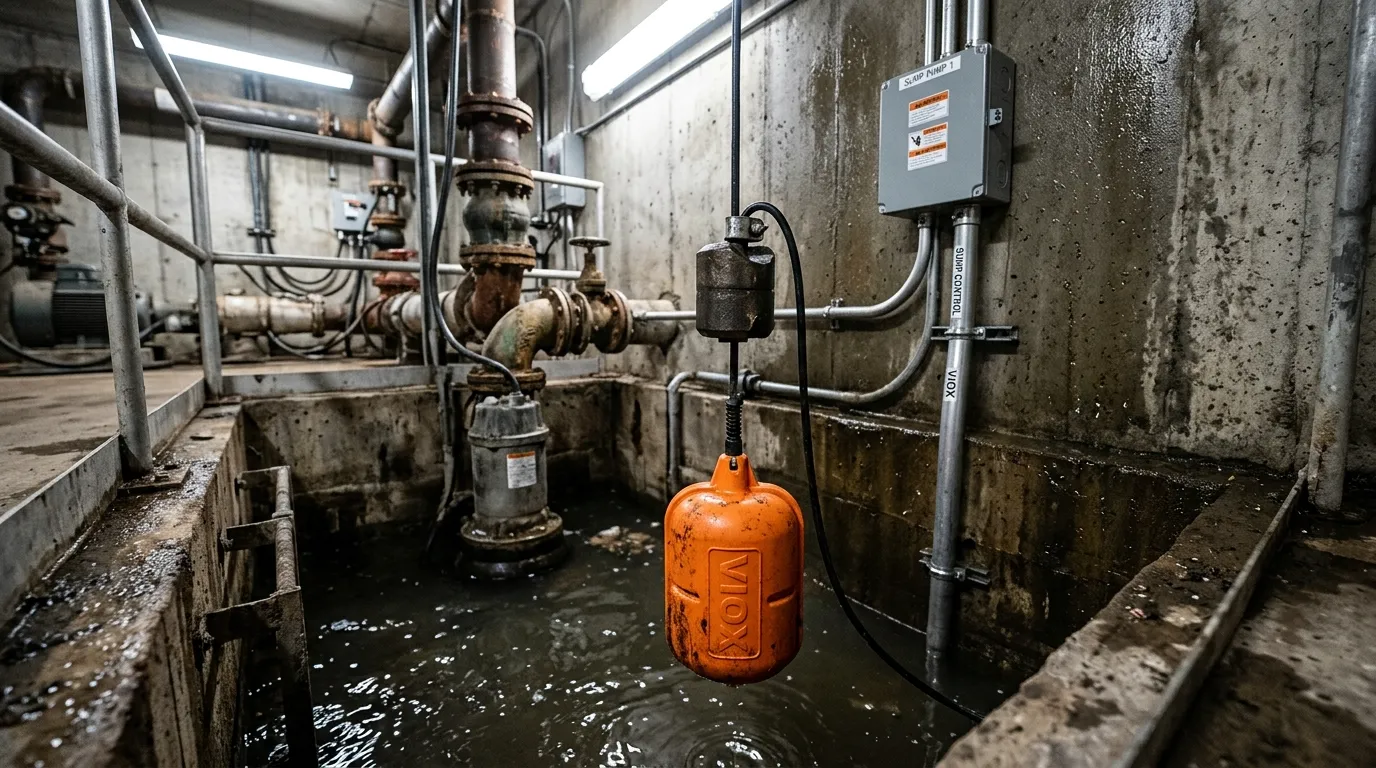
ရေပေါ်ခလုတ်ဆိုတာ ဘာလဲ၊ ဘယ်လိုအလုပ်လုပ်လဲ။
ရေပေါ်ခလုတ်သည် ရေလှောင်ကန် သို့မဟုတ် ဇလုံတစ်ခုအတွင်းရှိ အရည်အဆင့်များကို ထောက်လှမ်းပြီး တုံ့ပြန်သည့်အနေဖြင့် လျှပ်စစ်ပတ်လမ်းကို အလိုအလျောက်ဖွင့်ခြင်း သို့မဟုတ် ပိတ်ခြင်းပြုလုပ်သည့် ပေါလောပေါ်နိုင်စွမ်းဖြင့် လည်ပတ်သည့် လျှပ်စစ်စက်ကိရိယာတစ်ခုဖြစ်သည်။ အရည်အဆင့်မြင့်တက်ခြင်း သို့မဟုတ် နိမ့်ကျခြင်းကြောင့် အတွင်းပိုင်းရှိ ရိဒ်ခလုတ် (reed switch) တစ်ခုဆီသို့ သို့မဟုတ် ထိုမှဝေးရာသို့ အခေါင်းပေါက်ရေပေါ်ကိုယ်ထည်သည် သံလိုက်အမြဲတမ်းတစ်ခုကို ရွေ့လျားစေပြီး စုပ်စက်များ၊ အဆို့ရှင်များ သို့မဟုတ် အချက်ပေးစနစ်များကဲ့သို့ ချိတ်ဆက်ထားသော စက်ပစ္စည်းများကို လှုံ့ဆော်ပေးကာ အာရုံခံစနစ်အတွက် ပြင်ပပါဝါထောက်ပံ့မှု မလိုအပ်ပါ။.
သော့ထုတ်ယူမှုများ
- ရေပေါ်ခလုတ်များသည် အာခီမီးဒီးစ်၏နိယာမကို အားကိုးအားထားပြုသည်- ပေါလောပေါ်နိုင်စွမ်းရှိသော ရေပေါ်သည် အရည်အဆင့်ပြောင်းလဲမှုများကို လျှပ်စစ်ခလုတ်ကို အသက်သွင်းပေးသည့် စက်ပိုင်းဆိုင်ရာလှုပ်ရှားမှုအဖြစ်သို့ ပြောင်းလဲပေးသည်။.
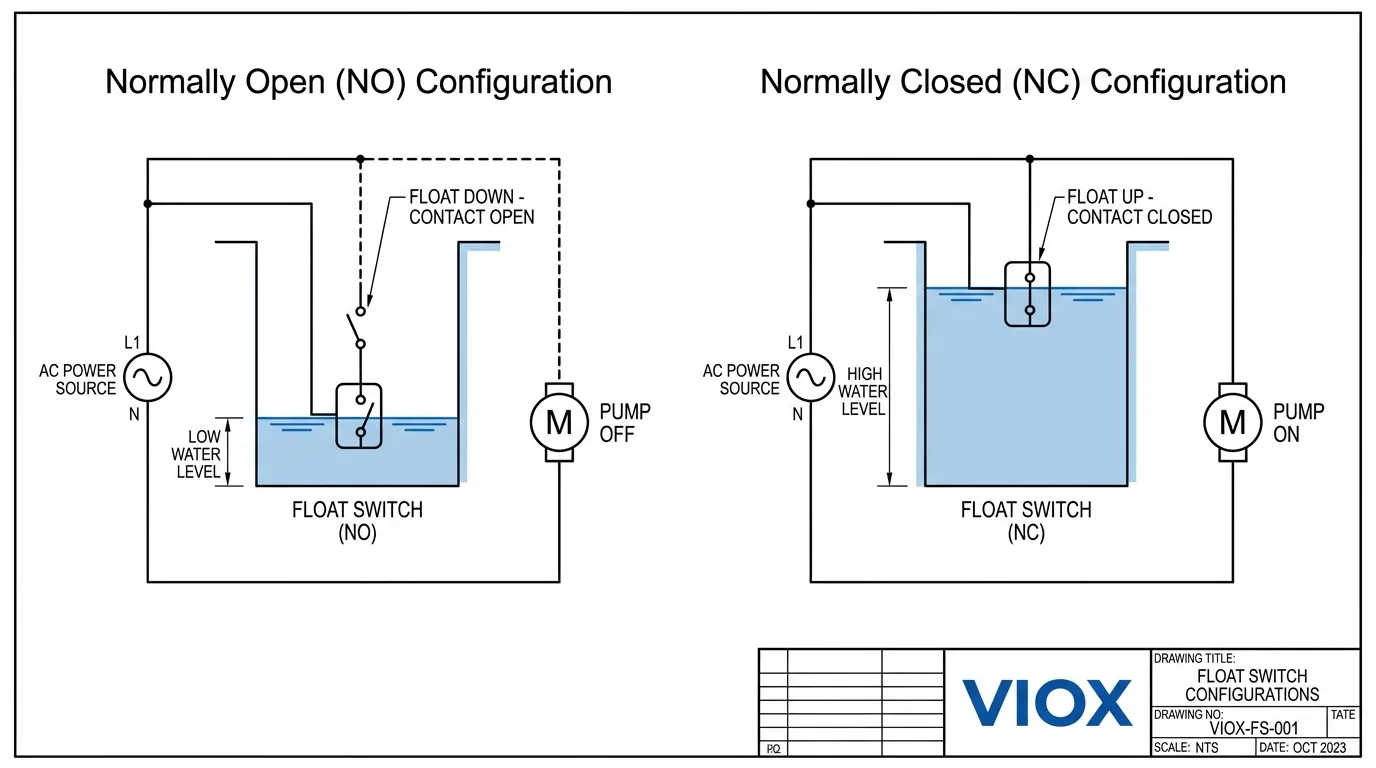
- အခြေခံဖွဲ့စည်းပုံနှစ်ခုဖြစ်သည့် ပုံမှန်အားဖြင့်ပွင့် (Normally Open - NO) နှင့် ပုံမှန်အားဖြင့်ပိတ် (Normally Closed - NC) တို့သည် အရည်အဆင့်မြင့်တက်သည့်အခါ သို့မဟုတ် နိမ့်ကျသည့်အခါ ပတ်လမ်းပြီးမြောက်ခြင်းရှိမရှိကို ဆုံးဖြတ်ပေးသည်။.
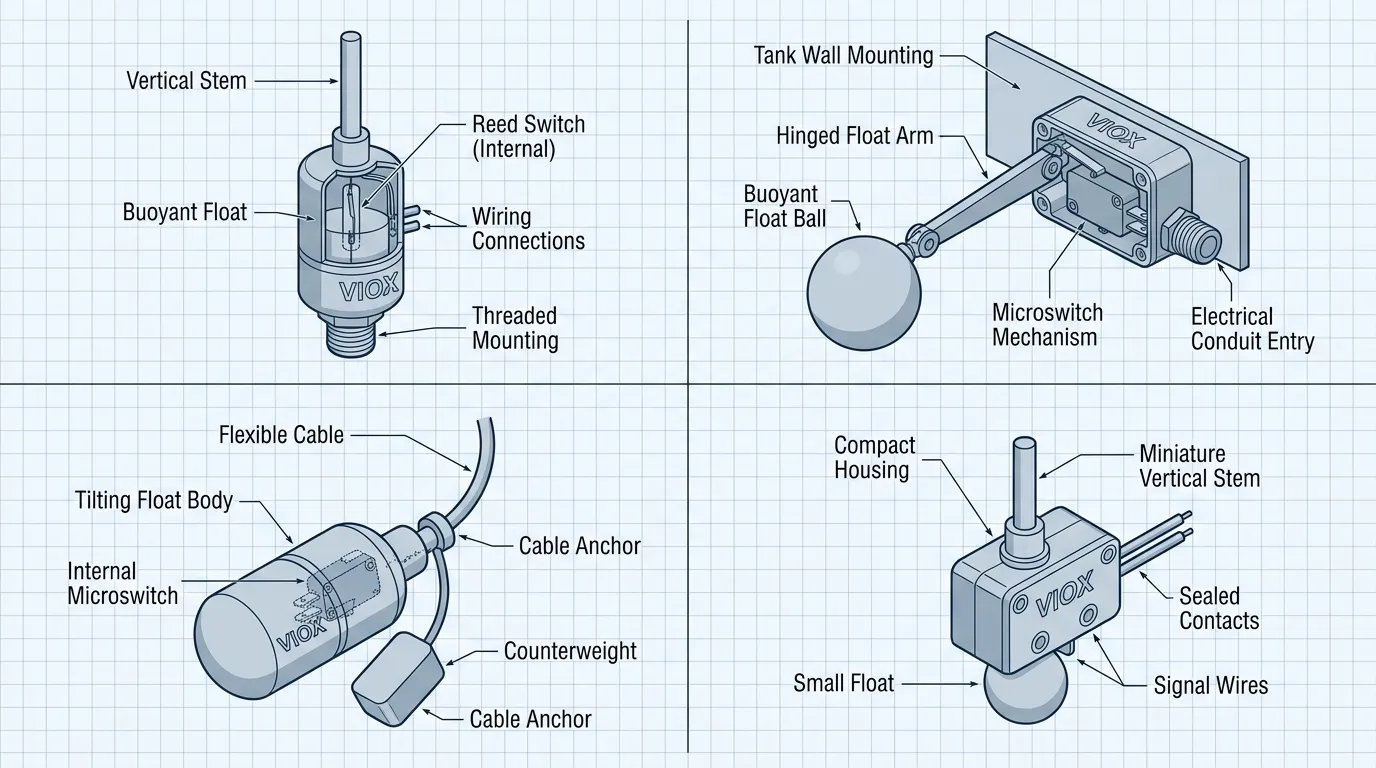
- အဓိကအမျိုးအစားများတွင် ဒေါင်လိုက်ပင်စည်တပ်ဆင်ထားသော၊ ဘေးတိုက်တပ်ဆင်ထားသော၊ ကြိုးဆိုင်းထားသော နှင့် အသေးစားရေပေါ်ခလုတ်များပါဝင်ပြီး တစ်ခုစီသည် မတူညီသောကန်ပုံသဏ္ဌာန်များနှင့် အသုံးချမှုများနှင့် ကိုက်ညီသည်။.
- အရေးကြီးသောရွေးချယ်မှုသတ်မှတ်ချက်များတွင် ခလုတ်ပြောင်းလျှပ်စီး/ဗို့အားအဆင့်သတ်မှတ်ချက်များ၊ ထိတွေ့ပစ္စည်း၊ လုပ်ငန်းစဉ်အရည်နှင့် ကိုက်ညီသော ရေပေါ်ပစ္စည်း၊ လည်ပတ်မှုအပူချိန်အကွာအဝေးနှင့် IP ဝင်ရောက်မှုကာကွယ်ရေးအဆင့်သတ်မှတ်ချက်.
- သင့်လျော်သောဝါယာကြိုးသွယ်တန်းခြင်း၊ စုပ်စက်ကာကွယ်ရေးပတ်လမ်း (အချိန်နှောင့်နှေးရေလယ်များနှင့် ကွန်တက်တာများအပါအဝင်) နှင့် ပုံမှန်ပြုပြင်ထိန်းသိမ်းခြင်းတို့သည် အဖြစ်အများဆုံးရေပေါ်ခလုတ်ပျက်ကွက်မှုများကို ကာကွယ်ပေးသည်။.
လုပ်ဆောင်မှုနိယာမ- ပေါလောပေါ်နိုင်စွမ်းမှ လျှပ်စစ်အချက်ပြအထိ
ရေပေါ်ခလုတ်၏ လည်ပတ်မှုယန္တရားသည် ရိုးရှင်းသည်။ ပုံမှန်အားဖြင့် ပိုလီပရိုပီလင်း၊ သံမဏိ သို့မဟုတ် PVDF ဖြင့်ပြုလုပ်ထားသော တံဆိပ်ခတ်ထားသည့် အခေါင်းပေါက်ကိုယ်ထည်သည် အရည်မျက်နှာပြင်ပေါ်တွင် ပေါလောပေါ်နေသည်။ ရေပေါ်ကိုယ်ထည်အတွင်း၌ သံလိုက်အမြဲတမ်းတစ်ခုရှိသည်။ အရည်အဆင့်ပြောင်းလဲမှုများကြောင့် ရေပေါ်သည် မြင့်တက်ခြင်း သို့မဟုတ် နိမ့်ဆင်းခြင်းဖြစ်ပေါ်သောအခါ သံလိုက်သည် ပင်စည် သို့မဟုတ် အိမ်အတွင်း၌ တပ်ဆင်ထားသော လေလုံအောင်ပိတ်ထားသည့် ရိဒ်ခလုတ်နှင့် ဆက်စပ်၍ ရွေ့လျားသည်။.
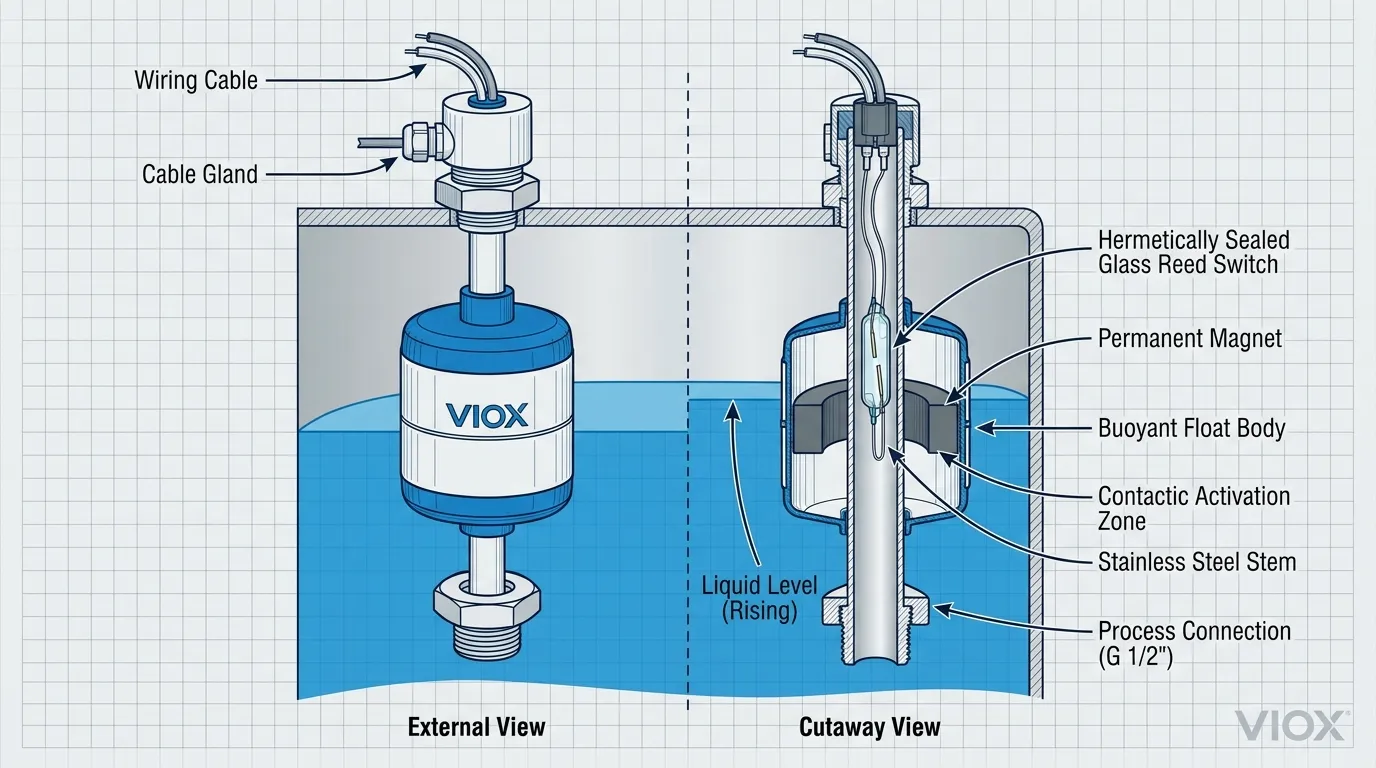
သံလိုက်သည် ရိဒ်ခလုတ်၏ အသက်သွင်းဇုန်သို့ရောက်ရှိသောအခါ သံလိုက်စက်ကွင်းသည် ဖယ်ရိုသံလိုက် ရိဒ်အဆက်အသွယ်များကို ဆွဲယူစုစည်းပေးပြီး ပတ်လမ်းကိုပိတ်ပေးသည်။ ရေပေါ်ရွေ့လျားသွားသောအခါ ရိဒ်များ၏ နွေဦးတင်းအားသည် အဆက်အသွယ်များကို ၎င်းတို့၏ပွင့်နေသောအခြေအနေသို့ ပြန်ပို့ပေးသည်။ ဤအဆက်အသွယ်မဲ့ သံလိုက်တွဲဆက်မှုသည် ဖိအားနယ်နိမိတ်ကို ထိုးဖောက်ဝင်ရောက်သည့် ရုပ်ပိုင်းဆိုင်ရာချိတ်ဆက်မှုမရှိခြင်းကို ဆိုလိုပြီး ဖိအားပေးထားသော သို့မဟုတ် တိုက်စားနိုင်သောပတ်ဝန်းကျင်များတွင် ယိုစိမ့်မှု၏ အရင်းအမြစ်တစ်ခုကို ဖယ်ရှားပေးသည်။.
အခြားရွေးချယ်စရာတည်ဆောက်မှုတစ်ခုသည် ရိဒ်ခလုတ်အစား ရေပေါ်ကိုယ်ထည်အတွင်းရှိ လှိမ့်နေသော သံမဏိဘောလုံးကို အစားထိုးအသုံးပြုသည်။ ရေပေါ်သည် ကြိုတင်သတ်မှတ်ထားသည့်ထောင့်ထက် ကျော်လွန်သွားသောအခါ ဘောလုံးသည် မိုက်ခရိုခလုတ်တစ်ခုနှင့် ထိတွေ့မိပြီး အဆက်အသွယ်အခြေအနေကို စက်ပိုင်းဆိုင်ရာအရ ပြောင်းလဲပေးသည်။ ဤဘောလုံးနှင့်မိုက်ခရိုခလုတ်ဒီဇိုင်းကို ကြိုးဆိုင်းစုပ်စက်တာဝန် ရေပေါ်ခလုတ်များတွင် ကျယ်ကျယ်ပြန့်ပြန့်အသုံးပြုကြသည်၊ အဘယ်ကြောင့်ဆိုသော် ၎င်းသည် ပြင်ပမလိုအပ်ဘဲ ပိုမိုမြင့်မားသော ခလုတ်ပြောင်းလျှပ်စီးများကို (ပုံမှန်အားဖြင့် ၁၃ မှ ၁၅ A) ကိုင်တွယ်နိုင်သောကြောင့်ဖြစ်သည်။ contactor.
ပုံမှန်အားဖြင့်ပွင့်နှင့် ပုံမှန်အားဖြင့်ပိတ်- အဆက်အသွယ်ဖွဲ့စည်းပုံကို နားလည်ခြင်း
မှန်ကန်သောအဆက်အသွယ်ဖွဲ့စည်းပုံကို ရွေးချယ်ခြင်းသည် ရေပေါ်ခလုတ်တပ်ဆင်မှုများတွင် ဝါယာကြိုးသွယ်တန်းမှုအမှားများ၏ အဖြစ်အများဆုံးအရင်းအမြစ်ဖြစ်သည်။ ခြားနားချက်သည် ရိုးရှင်းသော်လည်း မှားယွင်းစွာရရှိခြင်း၏အကျိုးဆက်များသည် ရေလှောင်ကန်ပြည့်လျှံခြင်းမှ စုပ်စက်ပျက်စီးခြင်းအထိရှိသည်။.
| ဇာတိ | ပုံမှန်ဖွင့်ပါ (NO) | ပုံမှန်ပိတ်သည် (NC) |
|---|---|---|
| သတ်မှတ်မှတ်အောက်ရှိ ပတ်လမ်းအခြေအနေ | ပွင့် (လျှပ်စီးမစီးဆင်း) | ပိတ် (လျှပ်စီးစီးဆင်း) |
| သတ်မှတ်မှတ်အထက်ရှိ ပတ်လမ်းအခြေအနေ | ပိတ် (လျှပ်စီးစီးဆင်း) | ပွင့် (လျှပ်စီးမစီးဆင်း) |
| ပုံမှန်အသုံးပြုမှု | အဆင့်မြင့်တက်သောအခါ စုပ်စက်စတင်ပါ (အဆင့်မြင့်ဖြည့်တင်းကာကွယ်မှု) | အဆင့်နိမ့်ကျသောအခါ စုပ်စက်ရပ်ပါ (အဆင့်နိမ့်ခြောက်သွေ့စွာလည်ပတ်ခြင်းကာကွယ်မှု) |
| ချို့ယွင်းမှုကင်းသော အပြုအမူ | ကြိုးပြတ်သွားပါက ပတ်လမ်းပွင့်နေမည်—စုပ်စက်ပိတ်ထားမည် | ကြိုးပြတ်သွားပါက ပတ်လမ်းပွင့်သွားမည်—စုပ်စက်ရပ်သွားမည် |
| အသုံးများသောအခြေအနေ | ရေစုပ်စက်အသက်သွင်းခြင်း၊ ရေလျှံမှုအချက်ပေးခြင်း | ဘွိုင်လာရေနည်းဖြတ်တောက်ခြင်း၊ အအေးခံရည်လှောင်ကန်ကာကွယ်ခြင်း |
လက်တွေ့တွင် တပ်ဆင်မှုအများအပြားသည် ရေပေါ်ခလုတ်နှစ်ခုကို အသုံးပြုကြသည်—အဆင့်မြင့်သတ်မှတ်မှတ်တွင် NO တစ်ခုနှင့် အဆင့်နိမ့်သတ်မှတ်မှတ်တွင် NC တစ်ခု—အမြန်ဖွင့်/ပိတ်စက်ဝန်းလည်ပတ်ခြင်းကို တားဆီးပေးသည့် ခြားနားသောအကွာအဝေးကို ဖန်တီးရန်ဖြစ်သည်။ မော်တာဖြင့်မောင်းနှင်သော စုပ်စက်များအတွက် ဤခြားနားချက်သည် အရေးကြီးပါသည်။ တိုတောင်းသောစက်ဝန်းလည်ပတ်ခြင်းသည် ကွန်တက်တာများ၊ စတင်စက်များနှင့် မော်တာကိုယ်တိုင်၏ စက်ပိုင်းဆိုင်ရာဟောင်းနွမ်းမှုကို အရှိန်မြှင့်ပေးသည်။ ထပ်ထည့်ခြင်းဖြင့် ဖွင့်ချိန်နှောင့်နှေး သို့မဟုတ် ပိတ်ချိန်နှောင့်နှေး တိုင်မာရေလယ် ရေပေါ်ခလုတ်အထွက်နှင့် စုပ်စက်ကွန်တက်တာကြားတွင် စက်ပစ္စည်းသက်တမ်းကို သိသိသာသာတိုးမြှင့်ပေးသည့် အနည်းဆုံးလည်ပတ်ချိန် သို့မဟုတ် အနားယူချိန်ကို မိတ်ဆက်ပေးသည်။ ဤချဉ်းကပ်မှု၏ အသေးစိတ်လမ်းညွှန်ချက်အတွက် အောက်ပါလမ်းညွှန်ကို ကြည့်ပါ။ အချိန်နှောင့်နှေးရေလယ်များဖြင့် စုပ်စက်တိုတောင်းသောစက်ဝန်းလည်ပတ်ခြင်းကို ကာကွယ်ခြင်း.
ရေပေါ်ခလုတ်အမျိုးအစားများကို နှိုင်းယှဉ်ခြင်း
ရေပေါ်ခလုတ်များသည် သီးခြားကန်ပုံသဏ္ဌာန်များ၊ တပ်ဆင်မှုအဟန့်အတားများနှင့် လျှပ်စစ်လိုအပ်ချက်များအတွက် အကောင်းဆုံးဖြစ်အောင်ပြုလုပ်ထားသည့် စက်ပိုင်းဆိုင်ရာဖွဲ့စည်းပုံများစွာဖြင့် လာပါသည်။.
| အမျိုးအစား | တပ်ဆင်ခြင်း။ | Switching ယန္တရား | ပုံမှန်လက်ရှိ အဆင့်သတ်မှတ်မှု | အကောင်းဆုံးသင့်လျော်သည့်အရာ |
|---|---|---|---|---|
| ဒေါင်လိုက်ပင်စည်တပ်ဆင်ထားသော | ကန်၏အပေါ် သို့မဟုတ် အောက် (အပေါက်ဖောက်ထားသော) | လျှောကျနေသောရေပေါ်ရှိ သံလိုက်ဖြင့် အသက်သွင်းထားသော ရိဒ်ခလုတ် | ၀.၅–၁ A (ထိန်းချုပ်မှုတာဝန်) | သန့်ရှင်းသောရေကန်များ၊ HVAC ရေငွေ့ရည်၊ ဓာတုပစ္စည်းထည့်သွင်းခြင်း |
| ဘေးတိုက်တပ်ဆင်ထားသော | ကန်၏ဘေးနံရံ (ချည်ထားသောပစ္စည်း) | လှည့်ပတ်နေသော ရေပေါ်လက်မောင်းပေါ်ရှိ ရိဒ်ခလုတ် | ၀.၅–၁ A (ထိန်းချုပ်မှုတာဝန်) | ကျဉ်းမြောင်းသောကန်များ၊ အကန့်အသတ်ရှိသောနေရာများ၊ OEM စက်ပစ္စည်း |
| ကြိုးဆိုင်းထားသော (ကြိုးချည်ထားသော) | ကန်၏ထိပ်မှဆွဲထားခြင်း သို့မဟုတ် အနားတွင်တပ်ဆင်ထားခြင်း | လှိမ့်နေသောဘောလုံးပါရှိသော မိုက်ခရိုခလုတ် | ၈–၁၅ A (စုပ်စက်တာဝန်) | ရေစုပ်တွင်းများ၊ မိလ္လာရေတင်စခန်းများ၊ ကြီးမားသောရေလှောင်ကန်များ |
| Miniature | အမျိုးမျိုး (ကလစ်၊ ချည်ထားသော၊ ကော်) | အသေးစားရိဒ်ခလုတ် | ၀.၁–၀.၅ A | ဆေးဘက်ဆိုင်ရာကိရိယာများ၊ သေးငယ်သောရေငွေ့ရည်ဗန်းများ၊ 3D ပရင်တာအစေးအိုးများ |
| အဆင့်ပေါင်းစုံပင်စည် | ရိဒ်အမှတ်များစွာပါရှိသော အပေါက်ဖောက်ထားသော | တစ်ခုတည်းသောပင်စည်ပေါ်ရှိ ရိဒ်ခလုတ်များစွာ | တစ်မှတ်လျှင် ၀.၅–၁ A | တစ်ခုတည်းသောတပ်ဆင်မှုတွင် မြင့်/နိမ့်/အချက်ပေးအမှတ်များ လိုအပ်သော လုပ်ငန်းစဉ်ကန်များ |
| နှစ်ဆင့်ကြိုး | စံကြိုးအမျိုးအစားကဲ့သို့ ဆိုင်းထားခြင်း | Two independent microswitches | 8–15 A per stage | Primary pump control + backup alarm or secondary pump start |
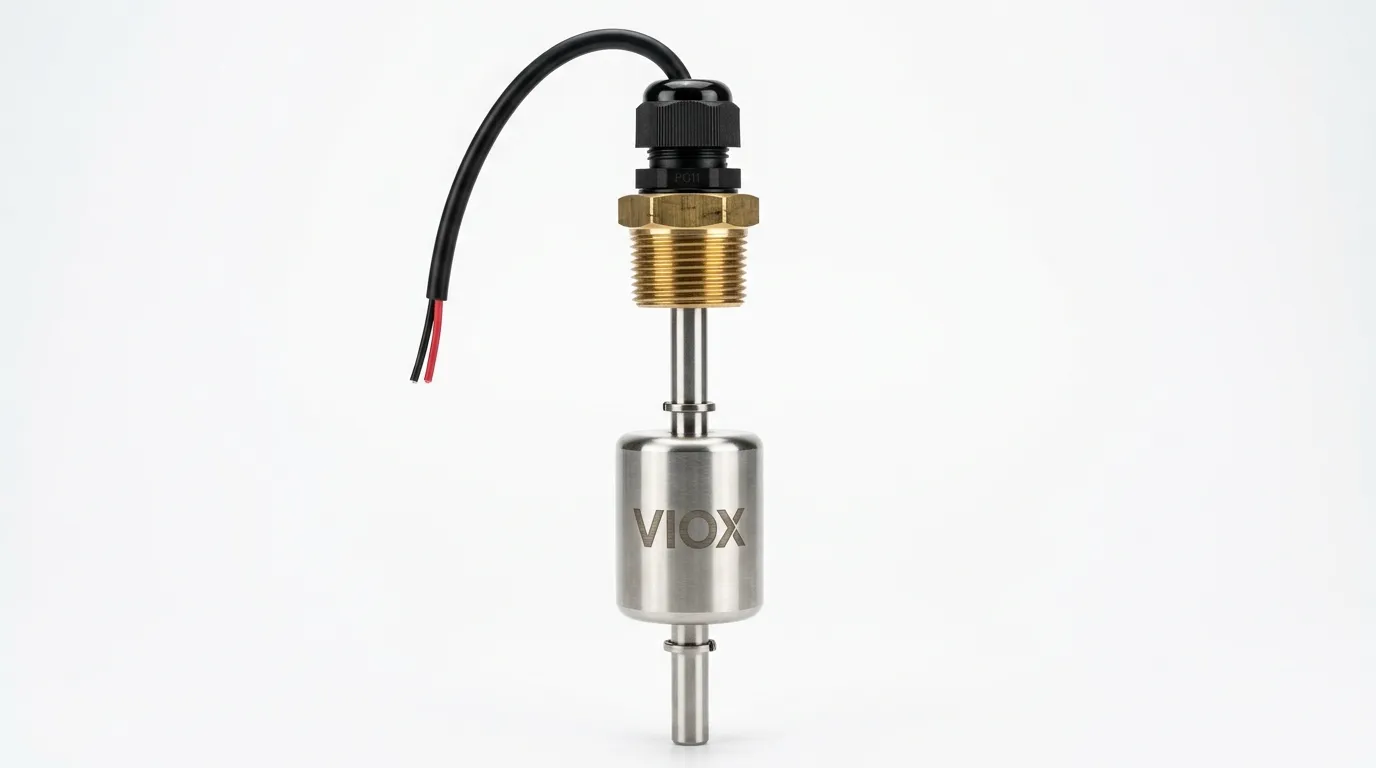
Stem-Mounted Float Switches
Vertical stem-mounted models are the workhorse of industrial process control. A stainless steel or plastic stem is inserted through a tank fitting, and the float slides freely along the stem’s length. Because the reed switch is hermetically sealed inside the stem, this construction tolerates pressurized vessels well. Multiple reed switches can be spaced along a single stem for multi-point level detection—eliminating the need for separate switches for high, low, and alarm levels.
Cable-Suspended Float Switches
Cable-suspended types are the most common choice for sump pumps and wastewater applications. The float body hangs on a flexible cable, and a moveable counterweight clipped to the cable sets the differential between the on and off switching points. The wider the counterweight spacing, the larger the liquid volume between pump start and pump stop. These units are electrically robust, with pump-duty ratings that allow them to switch motor loads directly up to about 1 HP without an intermediate contactor. For larger motors, the float switch should operate the coil of a properly rated motor starter rather than switching the motor current directly.
Horizontal and Miniature Variants
Horizontal float switches mount through the tank sidewall and detect liquid level at a fixed point using a hinged float arm. They are well suited to applications where top access is unavailable. Miniature float switches serve niche roles—medical equipment, small condensate drains, and laboratory apparatus—where physical size must be minimized without sacrificing reliability.
Critical Specifications for Selection
Selecting the right float switch requires matching several interdependent parameters to the application.
Electrical Ratings. The switch’s maximum voltage and current must exceed the connected load. Control-duty float switches (reed switch type) are typically rated at 0.5–1 A and are intended to drive relay coils, PLC inputs, or alarm circuits. Pump-duty float switches (microswitch type) handle 10–15 A and can switch fractional-horsepower motors directly. For motors exceeding the float switch’s contact rating, always interpose a contactor or starter. In panels where the float switch signal feeds a control relay, proper terminal block ရွေးချယ်မှု ensures reliable, maintainable connections.
Material Compatibility. The float body, stem, and seals must resist chemical attack from the process liquid. Polypropylene suits most water and mild chemical applications. PVDF and stainless steel 316L are necessary for aggressive acids, alkalis, or solvents. In marine and wastewater environments, material selection also affects biofouling resistance.
Temperature and Viscosity. Buoyancy depends on liquid density, which changes with temperature. A float sized for water at 20 °C may not operate correctly in hot condensate at 90 °C or in viscous oils. Always verify the float’s specific gravity margin across the expected temperature range.
Ingress Protection. Float switches installed outdoors, in submerged conditions, or inside industrial enclosures exposed to wash-down must meet appropriate IP67 သို့မဟုတ် IP68 ratings. Cable entry points are the most vulnerable area—use properly rated cable glands.
Electrical Protection. The control circuit downstream of the float switch should include appropriate overcurrent protection. Whether you use an MCB or MCCB depends on the fault current level at the installation point. In wet environments, RCD or GFCI protection on the pump circuit is often required by code.
အသုံးများသော Applications များ
Float switches appear across virtually every industry that handles liquids. In building services, they control sump pumps, sewage ejector pumps, and HVAC condensate removal pumps. In water treatment, they manage chemical dosing tank levels and filter backwash sequences. In manufacturing, they prevent coolant reservoirs from running dry—a condition that can destroy cutting tools and workpieces within seconds.
Boiler applications deserve special attention. A float switch acting as a low-water cutoff is a critical safety device that shuts down the burner before the water level drops below the heating surface. Failure of this switch can cause thermal shock, tube failure, or explosion. Standards such as ASME CSD-1 and EN 12953 mandate specific float switch performance criteria for steam boilers, including periodic testing requirements.
In pump control circuits, the float switch is often part of a broader 2-wire or 3-wire control scheme. A 2-wire configuration uses the float switch contacts to directly complete the control circuit, while a 3-wire configuration adds a maintained seal-in contact through the motor starter. The 3-wire approach provides more flexible control logic and allows additional interlocks—such as အပူလွန်ကဲမှု အကာအကွယ်ပေးသည့် ရီလေးများ နှင့် voltage protectors—to be wired in series with the stop circuit.
တပ်ဆင်ခကောင်းဆုံးအလေ့အကျင့်
Correct installation determines whether a float switch operates reliably for years or fails within weeks. The following guidelines apply broadly across float switch types:
- Mount away from turbulence. Locate the float switch away from pump discharge, inlets, or agitators. Turbulence causes the float to oscillate across the switching point, producing rapid contact chatter that erodes reed switch contacts and causes nuisance tripping of downstream equipment.
- Use a stilling well when necessary. In tanks with significant wave action or agitation, install the float switch inside a perforated stilling tube. The tube dampens wave motion while allowing the liquid level to equalize.
- Set the differential correctly. For cable-suspended switches, position the counterweight to create a differential that prevents short cycling. A minimum differential of 100–150 mm is typical for residential sump pumps; industrial applications may require 300 mm or more.
- Protect the cable. Route the float switch cable through conduit or cable tray above the maximum liquid level. Cable damage from UV exposure, mechanical abrasion, or rodent damage is a leading cause of field failures.
- Test regularly. Manually actuate the float switch during scheduled maintenance to verify that it operates the pump or alarm correctly. In boiler low-water cutoff applications, weekly testing is standard practice.
Troubleshooting Common Float Switch Problems
Float does not actuate. Verify that the float moves freely and is not obstructed by debris, mineral buildup, or a tangled cable. Check that the liquid density has not changed (e.g., antifreeze concentration altered) to the point that the float no longer achieves sufficient buoyancy.
Pump cycles rapidly (short cycling). The differential between the on and off switching points is too narrow. Increase the counterweight spacing on cable types, or add a time delay relay to enforce a minimum off-time. Rapid cycling dramatically shortens contactor and motor life.
Switch operates in reverse. The NO and NC wiring is swapped. Consult the manufacturer’s wiring diagram and verify with a multimeter in the raised and lowered positions before energizing.
Intermittent operation. The reed switch contacts may be degraded from inductive load switching without a suppression device. When a float switch directly controls a relay or contactor coil, install a diode (DC circuits) or RC snubber (AC circuits) across the coil to suppress back-EMF arcing.
Leakage at mounting point. Verify that the gasket or O-ring is correctly seated and that the housing is torqued to the manufacturer’s specification. Over-tightening plastic fittings causes thread deformation and eventual leakage.
Quick FAQ
Can a float switch directly control a large motor?
Most cable-suspended pump-duty float switches are rated for 10–15 A, which is sufficient for fractional-horsepower motors (typically up to 1 HP at 230 V). For larger motors, the float switch should actuate the coil of a contactor or motor starter rated for the motor’s full-load and locked-rotor current.
What is the difference between a float switch and a float valve?
A float switch opens or closes an electrical circuit in response to liquid level changes and controls electrically operated equipment. A float valve (such as the ballcock in a toilet cistern) is a purely mechanical device that directly opens or closes a water inlet based on float position—no electrical circuit is involved.
How long does a float switch typically last?
Mechanical life varies by type. Reed switch models typically offer 1–10 million operations. Microswitch-based cable types are rated for 100,000–500,000 operations. Actual service life depends heavily on switching frequency, load type, and environmental conditions.
Do float switches work with liquids other than water?
Yes, provided the float material is chemically compatible with the liquid and the liquid’s specific gravity is high enough to produce adequate buoyancy. For liquids with a specific gravity below 0.8 (such as some light hydrocarbons), specialized low-density floats or alternative level sensing technologies may be necessary.
Can I use a float switch in a pressurized tank?
Stem-mounted float switches with hermetically sealed reed switches are designed for pressurized applications. The maximum operating pressure depends on the stem material and seal design—always verify the manufacturer’s pressure rating. Cable-suspended types are not suitable for pressurized vessels.
ရေပေါ်ခလုတ်များသည် အရည်အဆင့်ကို သိရှိရန် ပါဝါလိုအပ်ပါသလား။
No. The sensing mechanism is purely mechanical and magnetic. However, the circuit that the float switch controls must be energized for the connected equipment (pump, alarm, valve) to operate.