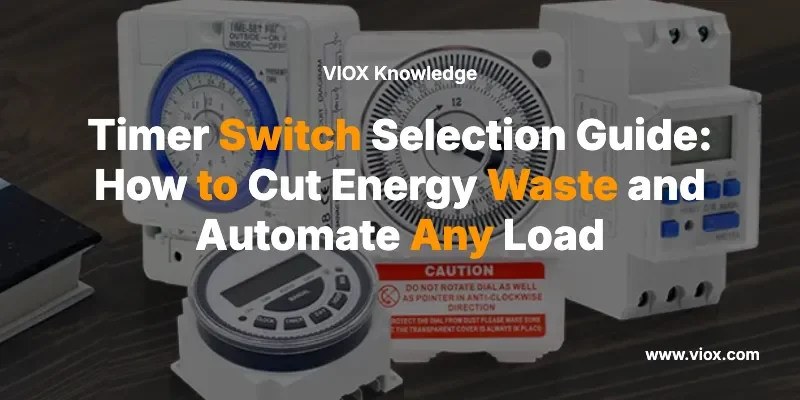
The $15,000 Problem Hiding in Your Electrical Panel

You walk into your facility Monday morning and notice something that’s been bothering you for months: every single light was on all weekend. Again. The HVAC system ran non-stop through two empty nights. The parking lot lights stayed lit until 9 AM—three hours past sunrise. You make a mental note to remind everyone to turn things off, knowing full well it won’t change anything.
ဤတွင် မသက်မသာဖြစ်စေသော အမှန်တရားမှာ- Manual control of electrical loads doesn’t just fail occasionally—it fails predictably and expensively. A mid-sized facility with just 50 unnecessary hours of lighting per week at 2kW wastes $1,248 annually (at $0.12/kWh). Scale that across HVAC, pumps, and equipment, and you’re looking at $10,000-$15,000+ in completely avoidable energy costs. Add accelerated equipment wear from continuous operation, and the real cost doubles.
So how do you eliminate this waste without relying on perfect human behavior—and which automation solution actually fits your specific application?
Why Manual Control Always Fails: The Human Factor
The problem isn’t laziness or carelessness. It’s that manual control requires perfect consistency from imperfect humans operating in dynamic environments. Consider these failure modes:
Forgetting is inevitable. Even the most diligent employee will occasionally forget to flip that switch at closing time—especially on busy days, during staff changes, or when routines are disrupted.
Absence breaks the system. When the person who “always turns off the lights” is on vacation, out sick, or working remotely, loads run uncontrolled. No backup system exists.
Optimal timing is invisible. What time should parking lot lights turn on in December versus July? When is twilight actually dark enough? Humans guess; equipment runs too long or turns on too early.
Key Insight: Your electrical loads don’t care about your schedule complexity, memory, or presence. They need consistent, precise control based on time, light levels, or astronomical data. That’s exactly what timer switches deliver—but only if you select the right type for each application.
The Solution: Timer Switches Explained (And Why Type Selection Matters)
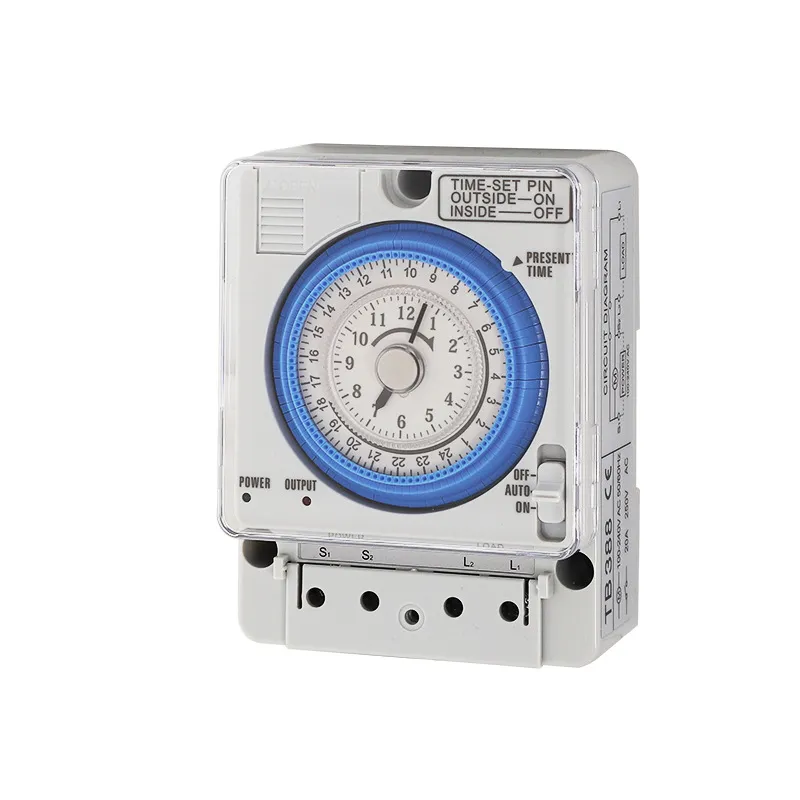
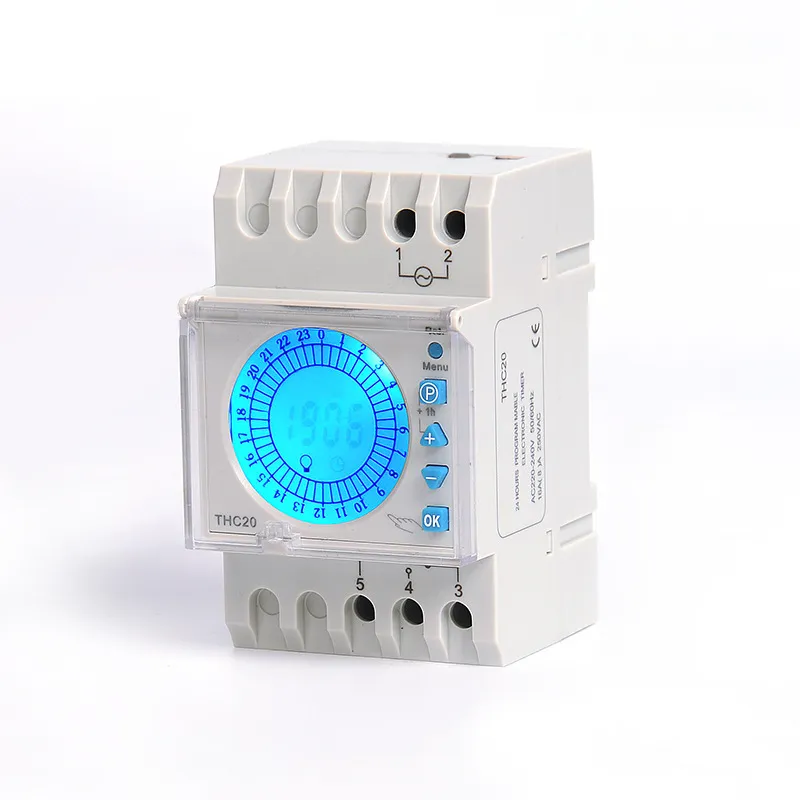

တဲ့ timer ခလုတ် is a control device that automatically switches electrical power on or off based on programmed schedules, ambient light levels, or calculated astronomical data (sunrise/sunset). Think of it as installing a tireless, perfectly consistent operator who never forgets, never calls in sick, and executes your schedule with precision.
But here’s where most selection processes fail: All timer switches automate control, but they use fundamentally different methods—and choosing the wrong type for your application creates new problems instead of solving old ones.
Let’s break down what you actually need to know.
Understanding the 4 Timer Switch Types
1. Mechanical Timer ခလုတ်များ
These use physical clockwork mechanisms—springs, gears, and pin trippers that physically open or close contacts. You set timing by positioning pins around a 24-hour dial wheel.
- အတွက် အကောင်းဆုံး Simple, repetitive daily schedules in non-critical applications
- Fatal flaw: Zero memory. Every power outage requires complete reprogramming
- တိကျမှု- ±15 minutes (quarter-hour increments)
2. Digital Timer Switches
Built around a microcontroller with battery backup, these use electronic circuitry and digital displays. Programming happens via buttons; schedules store in memory.
- အတွက် အကောင်းဆုံး Complex schedules requiring multiple on/off cycles or weekly patterns
- Key advantage: Battery maintains settings through power outages
- တိကျမှု- Down to 1-minute precision
3. Astronomic Timer Switches
These calculate sunrise/sunset times based on GPS coordinates or manual location input, automatically adjusting throughout the year as daylight hours change.
- အတွက် အကောင်းဆုံး Outdoor lighting that should align with natural day/night cycles
- Key advantage: Self-adjusting—no seasonal reprogramming needed
- တိကျမှု- Within 1-2 minutes of actual sunrise/sunset
4. Photocell Timer Switches
Using optical sensors (photodetectors), these respond to actual ambient light levels rather than calculated or programmed times.
- အတွက် အကောင်းဆုံး Applications where local conditions (weather, shadows, artificial light) matter more than clock time
- Watch out: Can be “fooled” by nearby artificial lighting or heavy cloud cover
- Response time: Typically adjustable delay (1-10 minutes) to prevent false triggering
Pro Tip #1: The biggest selection mistake is choosing a mechanical timer for anything beyond the simplest application. If a power outage means someone has to climb a ladder to reprogram your parking lot lighting timer, you’ve chosen wrong. Always invest the extra $20-40 for digital in critical applications.

The 3-Step Timer Switch Selection Framework
Step 1: Calculate Your True Cost of Manual Control (Build Your Business Case)
Before you can justify any timer switch purchase, you need to quantify what manual control is actually costing you. Here’s the simple formula:
Annual Waste Cost = (Load Watts ÷ 1000) × Unnecessary Hours/Day × 365 × $/kWh
ဥပမာ တွက်ချက်မှု- You have bathroom exhaust fans (200W total) that run 24/7 because there’s no automatic shutoff. They only need to run 2 hours daily.
- Wasted hours: 22 hours/day
- Annual cost: (200W ÷ 1000) × 22 hours × 365 days × $0.12/kWh = $192.72/year
- Timer switch cost: $25-45
- ပြန်ပေးကာလ: 2-3 months
Pro Tip #2: Don’t just calculate one load. Audit every electrical load in your facility that runs on manual control or continuously. The cumulative waste is typically 3-5× worse than you estimate. I’ve seen facilities discover $800-1,200/month in addressable waste through a two-hour audit.
Now multiply that by equipment lifespan costs. Motors, fans, and lighting running continuously wear out 2-3× faster than those operating on proper duty cycles. Include replacement cost avoidance in your ROI calculation.
Step 2: Match Timer Type to Your Application Using the Decision Tree
Now that you know the cost of doing nothing, here’s how to select the right timer type. Ask these three questions in order:
Question 1: Does this load’s schedule need to vary by day of the week?
- No (same daily schedule): စက်ပိုင်းဆိုင်ရာ သို့မဟုတ် အခြေခံ ဒစ်ဂျစ်တယ် တိုင်မာ (ဘတ်ဂျက်တင်းကျပ်ပါက၊ အရေးမကြီးသောဝန်များအတွက် စက်ပိုင်းဆိုင်ရာသည် အဆင်ပြေသည်)
- ဟုတ်ကဲ့ (ရက်သတ္တပတ်ရက်/ရက်သတ္တပတ်အဆုံး ကွာခြားချက်များ): ဒစ်ဂျစ်တယ် တိုင်မာ အနည်းဆုံး—စက်ပိုင်းဆိုင်ရာ တိုင်မာများသည် အပတ်စဉ် ပရိုဂရမ်ကို မလုပ်ဆောင်နိုင်ပါ။
မေးခွန်း ၂- လျှပ်စစ်မီး ပြတ်တောက်ပြီးနောက် အချိန်ဇယား လွဲချော်သွားပါက ဘာဖြစ်မလဲ။
- အရေးကြီးတာ ဘာမှမရှိပါဘူး: စက်ပိုင်းဆိုင်ရာ လက်ခံနိုင်သည် (Q1 မှ နေ့စဉ်အချိန်ဇယားဖြစ်ပါက)
- ဘေးကင်းလုံခြုံရေး၊ လုံခြုံရေး သို့မဟုတ် ကုန်ကျစရိတ် သက်ရောက်မှုများ: ဒစ်ဂျစ်တယ် အနည်းဆုံး (ဘက်ထရီ အရန်သည် ညှိနှိုင်း၍မရပါ)
- ဒစ်ဂျစ်တယ် လိုအပ်သော ဥပမာများ: အရေးပေါ် ထွက်ပေါက် ဆိုင်းဘုတ်များ၊ လုံခြုံရေး မီးများ၊ ရေခဲသေတ္တာ အအေးခံစက်များ၊ ရေကူးကန်စုပ်စက်များ၊ ရေစုပ်စက်များ
မေးခွန်း ၃- ၎င်းသည် နေ့အလင်းရောင်နှင့် ချိန်ညှိသင့်သော အပြင်မီးများလား။
- ဟုတ်ကဲ့၊ ရာသီအလိုက် ချိန်ညှိမှုက အရေးကြီးသည်: နက္ခတ္တဗေဒ တိုင်မာ
- ဟုတ်ကဲ့၊ ဒါပေမယ့် ဒေသအခြေအနေများ (အရိပ်များ၊ ရာသီဥတု) သည် လိုအပ်ချက်များကို သက်ရောက်သည်: ဖိုတိုဆဲလ် တိုင်မာ
- မဟုတ်ပါ (အိမ်တွင်း သို့မဟုတ် နေ့အလင်းရောင် မလိုအပ်သော): Q1-Q2 ကို အခြေခံ၍ စက်ပိုင်းဆိုင်ရာ သို့မဟုတ် ဒစ်ဂျစ်တယ်ဖြင့် ဆက်နေပါ။
လက်တွေ့ကမ္ဘာ အသုံးချဇယား:
| လျှောက်လွှာ | တိုင်မာ အမျိုးအစား | ဘာကြောင့်လဲ။ |
|---|---|---|
| ရေချိုးခန်း လေမှုတ်စက် | ဒစ်ဂျစ်တယ် | အစိုဓာတ်ကို ကာကွယ်ပေးသည်; လျှပ်စစ်မီး ပြတ်တောက်ခြင်းသည် ကာကွယ်မှုကို မပျက်စီးစေနိုင်ပါ။ |
| အနားယူခန်း မီးများ | ဒစ်ဂျစ်တယ် | အပတ်စဉ် အချိန်ဇယား (ရက်သတ္တပတ်ရက်နှင့် ရက်သတ္တပတ်အဆုံး); လုံခြုံရေး အသွင်အပြင်အတွက် အရေးကြီးသည်။ |
| ကားပါကင် မီးများ | နက္ခတ္တဗေဒ | ရာသီအလိုက် နေထွက်/နေဝင် အလိုအလျောက် ချိန်ညှိခြင်းသည် ပြန်လည် ပရိုဂရမ်ပြုလုပ်ခြင်းကို ဖယ်ရှားပေးသည်။ |
| ဂိုဒေါင် အလုပ်မီးများ | ဒစ်ဂျစ်တယ် | အလှည့်ကျအတွင်း ဖွင့်/ပိတ် စက်ဝန်းများစွာ; အရန်ပါဝါ ကာကွယ်မှု |
| လူနေအိမ် ဝရန်တာမီးများ | ဓာတ်ပုံဆဲလ် | အမှန်တကယ် မှောင်မိုက်မှုကို တုံ့ပြန်သည်; ရိုးရှင်းသော အသုံးချမှု |
| ရေကူးကန် စုပ်စက် စစ်ထုတ်ခြင်း | ဒစ်ဂျစ်တယ် ၇ ရက် | ရေကူးကန် အသုံးပြုချိန်နှင့် ပိတ်ရက်များအတွက် မတူညီသော လည်ပတ်ချိန်များ; လျှပ်စစ်မီး ပြတ်တောက်မှု ကာကွယ်ရေး |
| ပိတ်ရက် အလှဆင်မီးများ | စက်ပိုင်းဆိုင်ရာ | ယာယီ ရာသီအလိုက် အသုံးပြုမှု; ရိုးရှင်းသော နေ့စဉ် ထပ်ခါတလဲလဲ; အရေးမကြီးပါ။ |
ကျွမ်းကျင်သူ အကြံပြုချက် #3: အပြင်မီးများအတွက်၊ နက္ခတ္တဗေဒ တိုင်မာများသည် ဖိုတိုဆဲလ်များထက် ယုံကြည်စိတ်ချရမှု ပိုကောင်းသည်။ ဖိုတိုဆဲလ်သည် ကားရှေ့မီးများ၊ အနီးအနားရှိ အဆောက်အဦမီးများ သို့မဟုတ် မိုးသက်မုန်တိုင်းများပင်လျှင် “ရှုပ်ထွေး” နိုင်ပြီး မီးများကို ခန့်မှန်းမရအောင် ဖွင့်/ပိတ် စက်ဝန်းဖြစ်စေသည်။ နက္ခတ္တဗေဒ တိုင်မာများသည် ဒေသတွင်း နှောင့်ယှက်မှုမှ သီးခြား နေဝင်ချိန်ကို တွက်ချက်ပြီး ရာသီများ ပြောင်းလဲလာသည်နှင့်အမျှ အလိုအလျောက် ချိန်ညှိပေးသည် (နွေရာသီတွင် နေဝင်ချိန် နောက်ကျပြီး ဆောင်းရာသီတွင် စောသည်)၊ ပြန်လည် ပရိုဂရမ်ပြုလုပ်ရန် မလိုအပ်ပါ။.
အဆင့် ၃- အဖြစ်အများဆုံး တပ်ဆင်မှု အမှား ၃ ခုကို ရှောင်ကြဉ်ပါ။
သင်သည် မှန်ကန်သော တိုင်မာ အမျိုးအစားကို ရွေးချယ်ပြီးပါပြီ။ ယခု ပျက်ကွက်မှုများ သို့မဟုတ် မှားယွင်းသော ခရီးစဉ်များကို ဖြစ်စေသော တပ်ဆင်မှု အမှားများဖြင့် ၎င်းကို အဖျက်မခံပါနှင့်။.
အမှား ၁TP5T1: ဝင်လာသော လျှပ်စီးကြောင်းအတွက် အရွယ်အစား သေးငယ်ခြင်း
စံ တိုင်မာ ခလုတ်များသည် ခံနိုင်ရည်ရှိသော ဝန်များ (အပူပေးစက်များ) သို့မဟုတ် အထွေထွေ မီးများအတွက် အဆင့်သတ်မှတ်ထားသည်။ သို့သော် မော်တာများ၊ ထရန်စဖော်မာများနှင့် LED ဒရိုက်ဗာများသည် စတင်ချိန်တွင် လည်ပတ်နေသော လျှပ်စီးကြောင်းထက် ၅-၁၀ ဆ မြင့်မားသော ဝင်လာသော လျှပ်စီးကြောင်းကို ဖန်တီးသည်။.
စစ်ဆေးရမည့်အရာ- သင်သည် မော်တာဝန် (စုပ်စက်၊ ပန်ကာ၊ ဖိအားပေးစက်) ကို ထိန်းချုပ်နေပါက၊ တိုင်မာသည် “မော်တာဝန်များ” သို့မဟုတ် “အင်ဒက်တစ်ဝန်များ” အတွက် အဆင့်သတ်မှတ်ထားကြောင်း စစ်ဆေးပါ—အမ်ပီယာ အဆင့်သတ်မှတ်ချက်သာ မဟုတ်ပါ။ ခံနိုင်ရည်ရှိသော ဝန်များအတွက် အဆင့်သတ်မှတ်ထားသော 10A တိုင်မာသည် ဝင်လာသောကြောင့် 5A မော်တာတွင် လျင်မြန်စွာ ပျက်ကွက်လိမ့်မည်။.
ပြုပြင်ခြင်း: “AC-3” သို့မဟုတ် “မော်တာ အဆင့်သတ်မှတ်ထားသော” သတ်မှတ်ချက်များကို ရှာဖွေပါ။ သို့မဟုတ် တိုင်မာကို လည်ပတ်နေသော လျှပ်စီးကြောင်း အဆင့်သတ်မှတ်ချက်ထက် ၂-၃ ဆ တိုးမြှင့်ပါ။ 5A မော်တာဝန်သည် 15-20A မော်တာ အဆင့်သတ်မှတ်ထားသော တိုင်မာ ခလုတ်ကို အသုံးပြုသင့်သည်။.
အမှား ၁TP5T2: ဝါယာကြိုး အတိုင်းအတာနှင့် ဂိတ်စွမ်းရည်ကို လျစ်လျူရှုခြင်း
တိုင်မာ ခလုတ်များတွင် သတ်မှတ်ထားသော ဝါယာကြိုး အတိုင်းအတာများအတွက် အရွယ်အစားရှိသော ဂိတ်ဝက်အူများ ရှိသည်။ 14 AWG အတွက် ဒီဇိုင်းထုတ်ထားသော ဂိတ်ထဲသို့ 12 AWG ဝါယာကြိုးကို အတင်းထည့်ခြင်းသည် ညံ့ဖျင်းသော ထိတွေ့မှုနှင့် ခံနိုင်ရည်ကို ဖြစ်စေသည်—အပူပေးခြင်း၊ လျှပ်စစ်မီးပွားခြင်းနှင့် စောစီးစွာ ပျက်ကွက်ခြင်းတို့ကို ဖြစ်စေသည်။.
စစ်ဆေးရမည့်အရာ- ဝါယာကြိုး အတိုင်းအတာကို တိုင်မာ ဂိတ် သတ်မှတ်ချက်များနှင့် ကိုက်ညီအောင် လုပ်ပါ။ သင့်ဆားကစ်သည် 12 AWG ကို အသုံးပြုသော်လည်း တိုင်မာသည် အများဆုံး 14 AWG ကိုသာ လက်ခံပါက၊ သင်သည် မတူညီသော တိုင်မာ လိုအပ်သည် သို့မဟုတ် ဂျန့်ရှင်းဘောက်စ်ကို အသုံးပြု၍ သင့်လျော်သော အတိုင်းအတာသို့ ဆက်သွယ်ရမည် (အကောင်းဆုံး မဟုတ်ပါ)။.
ပြုပြင်ခြင်း: “လျှပ်ကူးပစ္စည်း အရွယ်အစား” သို့မဟုတ် “ဝါယာကြိုး အပိုင်းအခြား” အတွက် တိုင်မာ သတ်မှတ်ချက်စာရွက်ကို စစ်ဆေးပါ။ “20A အဆင့်သတ်မှတ်ချက်” သည် 12 AWG ဝါယာကြိုးကို လက်ခံသည်ဟု မယူဆပါနှင့်—အဆင့်သတ်မှတ်ချက်နှင့် ဂိတ်အရွယ်အစားသည် အမြဲတမ်း ဆက်စပ်မှုမရှိပါ။.
အမှား ၁TP5T3: ဝန်အပြုအမူကို နားမလည်ဘဲ ပရိုဂရမ်ပြုလုပ်ခြင်း
“မိနစ် ၃၀” သို့ သတ်မှတ်ထားသော ရေချိုးခန်း ပန်ကာ တိုင်မာ ခလုတ်သည် ယုတ္တိတန်ပုံရသော်လည်း ရေချိုးပြီးနောက် အစိုဓာတ်ကို ဖယ်ရှားရန် ပန်ကာသည် ၄၅ မိနစ် လိုအပ်ပါက၊ သင်သည် စွမ်းအင်ကို ချွေတာနေသည်ဟု ထင်နေစဉ် မှိုပြဿနာကို ဖန်တီးလိုက်ခြင်းဖြစ်သည်။.
စစ်ဆေးရမည့်အရာ- သင့်ဝန်၏ အမှန်တကယ် တာဝန်စက်ဝန်း လိုအပ်ချက်များကို နားလည်ပါ:
- လေမှုတ်ပန်ကာများ: လေ လဲလှယ်ခြင်းကို ပြီးမြောက်ရန် လုံလောက်စွာ လည်ပတ်ရမည် (ပုံမှန်အားဖြင့် နေထိုင်ပြီးနောက် ၄၅-၆၀ မိနစ်)
- ရေနွေးပေးစက်များ: အိမ်ထောင်စု ရေနွေး လိုအပ်မှု ပုံစံများနှင့် ကိုက်ညီသော ပြန်လည်ရယူချိန် လိုအပ်သည်
- HVAC စနစ်များ- နေထိုင်ခြင်းမပြုမီ သင့်လျော်သော ကြိုတင်အအေးခံ/ကြိုတင်အပူပေးသည့် ဝင်းဒိုးများ လိုအပ်သည်
- ရေကူးကန် စုပ်စက်များ: အပြည့်အဝ စစ်ထုတ်ခြင်း စက်ဝန်းများကို ပြီးမြောက်ရမည် (ရာသီဥတုအများစုတွင် အနည်းဆုံး ၆-၈ နာရီ)
ပြုပြင်ခြင်း: “ကျိုးကြောင်းဆီလျော်ပုံရသော” ပရိုဂရမ်မပြုလုပ်မီ အမှန်တကယ် လည်ပတ်မှု လိုအပ်ချက်များကို သုတေသနပြုပါ သို့မဟုတ် တွက်ချက်ပါ။ စွမ်းအင်ကို ချွေတာရန်အတွက် အရေးကြီးသော ဝန်များကို လျှော့ချခြင်းသည် သင်ဖြေရှင်းနေသော စွမ်းအင်ဖြုန်းတီးမှုထက် ပိုကြီးသော ပြဿနာများကို ဖန်တီးပေးသည်။.
ကျွမ်းကျင်သူ အကြံပြုချက် #4: ဘေးကင်းလုံခြုံရေး သို့မဟုတ် စက်ပစ္စည်း ကာကွယ်ရေး အရေးကြီးသော ဝန်များအတွက် (လေဝင်လေထွက်၊ ရေခဲသေတ္တာ၊ အပူပေးခြင်း)၊ အမြဲတမ်း သတိထား၍ ပရိုဂရမ်ပြုလုပ်ပါ။ အရေးကြီးသော ကာကွယ်ရေး စနစ်များကို တိုတောင်းသော စက်ဝန်းပြုလုပ်ခြင်းထက် ၁၅ မိနစ် ပိုကြာအောင် လည်ပတ်ခြင်းက ပိုကောင်းသည်။ ထိုအပို လည်ပတ်ချိန်၏ စွမ်းအင်ကုန်ကျစရိတ်သည် အစိုဓာတ်ပျက်စီးခြင်း၊ အစားအစာ ပျက်စီးခြင်း သို့မဟုတ် ရေခဲပိုက်များ၏ ကုန်ကျစရိတ်နှင့် နှိုင်းယှဉ်လျှင် အနည်းငယ်သာ ရှိသည်။.

အကျဉ်းချုပ်- ပိုမိုကောင်းမွန်သော ဝန်ထိန်းချုပ်မှုအတွက် သင်၏ လုပ်ဆောင်မှု အစီအစဉ်
သင့်စက်ရုံတစ်ဝိုက်တွင် မှန်ကန်သော တိုင်မာ ခလုတ်များကို အကောင်အထည်ဖော်ခြင်းဖြင့် သင်သည် ချက်ချင်း အကျိုးကျေးဇူး သုံးခုကို ရရှိမည်ဖြစ်သည်။
- မလိုအပ်သော လည်ပတ်ချိန်ကို ဖယ်ရှားခြင်းဖြင့် ထိန်းချုပ်ထားသော ဝန်များတွင် စွမ်းအင်ကုန်ကျစရိတ် ၃၀-၅၀၁TP၃T လျှော့ချခြင်း on controlled loads by eliminating unnecessary runtime
- Extended equipment life from proper duty cycling instead of continuous operation
- Hands-free automation that doesn’t depend on human memory or presence
Your implementation checklist:
- ✅ Audit current manual-control loads – Identify everything running on human intervention or 24/7
- ✅ Calculate waste cost – Use the formula in Step 1 to build your ROI case (focus on cumulative facility-wide impact)
- ✅ Apply the decision tree – Match each load to the appropriate timer type using the three questions
- ✅ Verify load compatibility – Check inrush ratings for motors; confirm terminal wire gauge capacity
- ✅ Program for actual requirements – Research proper duty cycles; don’t guess
အဓိကအချက်- Timer switches are one of the highest-ROI electrical investments you can make—but only if you match the technology to the application. A $30 mechanical timer in the wrong application wastes money. A $120 astronomic timer in the right application pays for itself in 90 days and delivers value for a decade.
Ready to start? Begin with your highest-waste loads (longest unnecessary runtimes) for the fastest payback, then systematically work through the rest of your facility. Most engineers report 6-12 month payback periods on facility-wide timer switch implementations, with the added benefit of never worrying about “who forgot to turn off the lights” again.