အင်ဂျင်နီယာတိုင်း ကြောက်ရွံ့သော ဖုန်းခေါ်ဆိုမှု
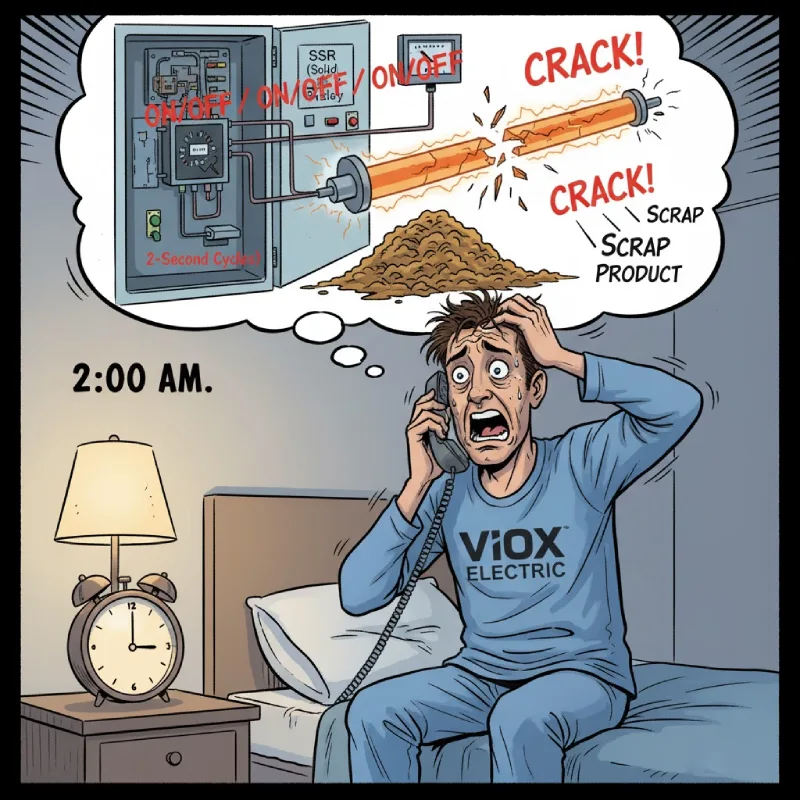
တပ်ဆင်မှုအသစ်တစ်ခုတွင် သင်သည် ခြောက်လကြာ လုပ်ကိုင်နေပြီဖြစ်သည်။ ထိန်းချုပ်ဘောင်သည် ကော်မရှင်စတင်ခြင်းကို အောင်မြင်စွာ ပြီးမြောက်ခဲ့သည်။ အပူချိန်ထိန်းကိရိယာသည် တည်ငြိမ်သော တန်ဖိုးများကို ပြသသည်။ ထိုအခါ သင်၏ဖုန်းသည် နံနက် ၂ နာရီတွင် မြည်လာသည်။.
“လိုင်း ၃ ပြန်ပျက်သွားပြီ။ နောက်ထပ် အပူပေးစက် အစိတ်အပိုင်းတစ်ခု ပျက်သွားပြန်ပြီ။ ဒီသုံးလအတွင်းမှာ ဒါက တတိယမြောက်ပါ။”
အပူပေးစက် အစိတ်အပိုင်းများကို ထိန်းချုပ်ရန်အတွက် Solid State Relay (SSR) ကို သင်သတ်မှတ်ခဲ့သည်—ရိုးရှင်းသော ရွေးချယ်မှုတစ်ခုဖြစ်သည်။ ၎င်းသည် SCR ပါဝါထိန်းချုပ်ကိရိယာထက် စျေးသက်သာပြီး ဝါယာကြိုးဆွဲရန် ပိုမိုလွယ်ကူကာ “လူတိုင်းက ၎င်းတို့ကို အသုံးပြုကြသည်။” လျှပ်စစ်ကန်ထရိုက်တာကလည်း မေးခွန်းမထုတ်ခဲ့ပါ။ ဘတ်ဂျက်ကော်မတီကလည်း အတည်ပြုခဲ့သည်။ ဘာတွေ မှားသွားနိုင်လဲ။
ဒီမှာ ဘာတွေ မှားသွားလဲ။ အဆိုပါ SSR သည် သင်၏အပူပေးစက်ကို ၂-၅ စက္ကန့်တိုင်း ပိတ်လိုက် ဖွင့်လိုက် လုပ်နေခဲ့ပြီး တစ်ရက်လျှင် ၁၇,၂၈၀ ကြိမ်နှုန်းဖြင့် သင်၏ nichrome ခုခံဝါယာကြိုးကို ရက်စက်ကြမ်းကြုတ်သော အပူဒဏ်ကို ခံစားစေခဲ့သည်။ တစ်ချိန်တည်းမှာပင် သင်၏အပူချိန်အတက်အကျများသည် အရည်အသွေးချို့ယွင်းချက်များကို ဖြစ်ပေါ်စေပြီး သင်၏ပြုပြင်ထိန်းသိမ်းမှုစရိတ်များ မြင့်တက်လာကာ သင်၏ထုတ်လုပ်မှုမန်နေဂျာက အဖြေများကို တောင်းဆိုနေသည်။.
ဤအခြေအနေသည် ကမ္ဘာတစ်ဝှမ်းရှိ စက်ရုံများတွင် ဖြစ်ပွားလေ့ရှိပြီး အချိန်မတိုင်မီ စက်ပစ္စည်းပျက်စီးခြင်းနှင့် ထုတ်လုပ်မှုဆုံးရှုံးမှုများတွင် ထောင်ပေါင်းများစွာ ကုန်ကျစေသည်—အကြောင်းမှာ နားလည်မှုလွဲမှားသော အစိတ်အပိုင်းရွေးချယ်မှုတစ်ခုကြောင့်ဖြစ်သည်။ မေးခွန်းမှာ “SSR သို့မဟုတ် SCR လား?” ဟူသော မေးခွန်းတစ်ခုတည်းမဟုတ်ပါ။ ၎င်းမှာ “အပူပေးစက်ပျက်စီးမှုကို အပြီးအပိုင် ဘယ်လိုဖယ်ရှားမလဲ၊ တိကျသောထိန်းချုပ်မှုကို ဘယ်လိုရယူမလဲ၊ မှားယွင်းသောဖြေရှင်းနည်းအတွက် ငွေကြေးဖြုန်းတီးမှုကို ဘယ်လိုရပ်တန့်မလဲ။”
SSR များ အဘယ်ကြောင့် ပျက်စီးရသနည်း- အပူစက်ဝန်း ထောင်ချောက်

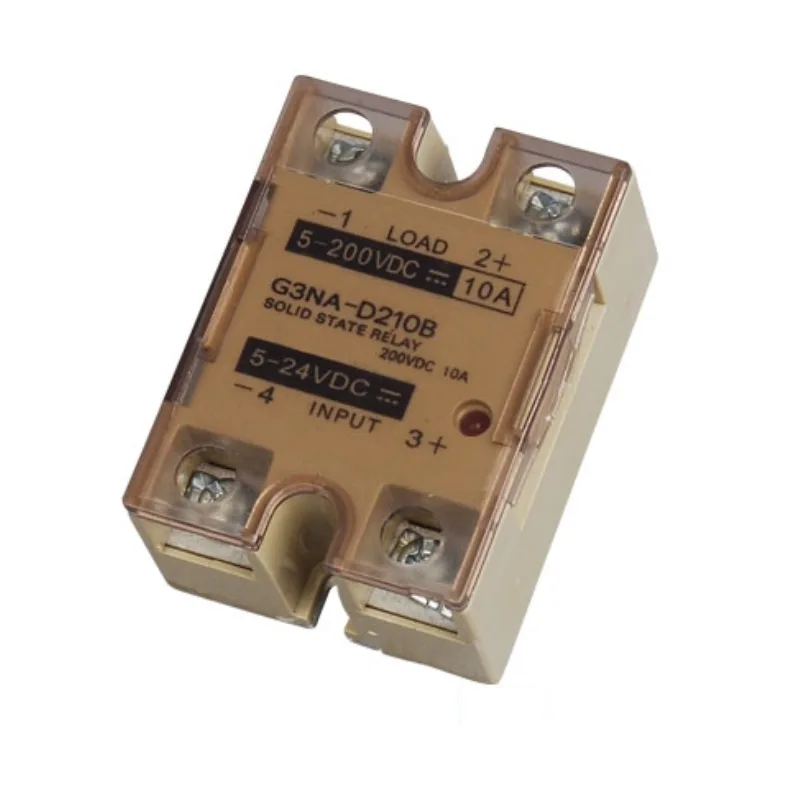
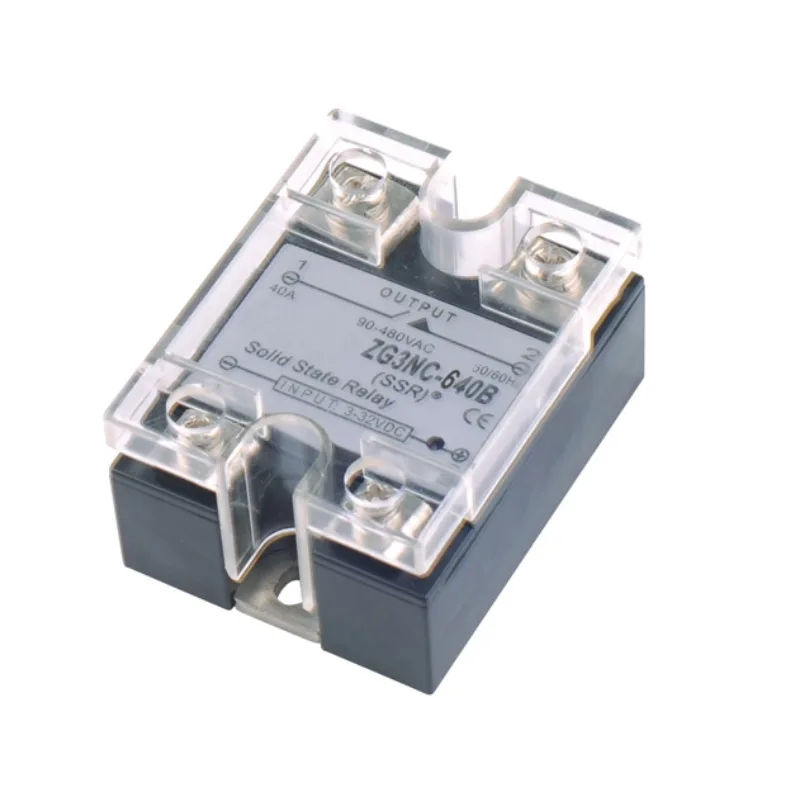
အချိန်မတိုင်မီ အပူပေးစက်ပျက်စီးရခြင်း၏ တရားခံမှာ အပူစက်ဝန်းဟုခေါ်သော ဖြစ်စဉ်တစ်ခုဖြစ်သည်—ခုခံအစိတ်အပိုင်းများ၏ ထပ်ခါထပ်ခါ အပူပေးခြင်းနှင့် အအေးခံခြင်း။ ဤသည်မှာ အဘယ်ကြောင့် အရေးပါသနည်း။
လျှပ်စစ်အပူပေးစက်များသည် လျှပ်စစ်စီးကြောင်းကို ခုခံနိုင်သော နီကယ်-ခရိုမီယမ် (nichrome) ဝါယာကြိုးကို အသုံးပြုပြီး စွမ်းအင်ကို အပူအဖြစ်သို့ ပြောင်းလဲပေးသည်။ SSR တစ်ခုဖွင့်သောအခါ ဝါယာကြိုးသည် လျင်မြန်စွာ ပူလာသည်။ ၂-၅ စက္ကန့်အကြာတွင် ပိတ်သွားသောအခါ ဝါယာကြိုးသည် အေးသွားသည်။ ဤကျုံ့ခြင်း-ဆန့်ခြင်း စက်ဝန်းသည် အဆက်မပြတ်—ပုံမှန်လုပ်ငန်းစဉ်တစ်ခုတွင် တစ်ရက်လျှင် ၁၇,၀၀၀ ကျော် ကြိမ်နှုန်းဖြင့် ထပ်ခါထပ်ခါ ဖြစ်ပေါ်သည်။.
စက်ဝန်းတစ်ခုစီသည် ဝါယာကြိုး၏ crystalline ဖွဲ့စည်းပုံတွင် အဏုကြည့်မှန်ပြောင်းဖြင့်သာ မြင်နိုင်သော ဖိအားအက်ကွဲကြောင်းများကို ဖန်တီးပေးသည်။ လပေါင်းများစွာကြာလာသည်နှင့်အမျှ ဤအက်ကွဲကြောင်းများသည် ပျံ့နှံ့သွားပြီး ဟိုက်ဒရိုဂျင် အားပျော့ခြင်း. ဟုခေါ်သော အခြေအနေတစ်ခုကို ဖြစ်ပေါ်စေသည်။ ဝါယာကြိုးသည် ကြွပ်ဆတ်လာပြီး ၎င်း၏ခုခံမှု မြင့်တက်လာကာ အပူရှိန်များ ဖြစ်ပေါ်လာပြီး နောက်ဆုံးတွင် ပျက်စီးသွားသည်—များသောအားဖြင့် ဖြစ်နိုင်ခြေအရှိဆုံး အချိန်အခါတွင် ဖြစ်သည်။.
ရက်စက်ကြမ်းကြုတ်သော သင်္ချာ: ပုံမှန် ၈ နာရီ အလုပ်ဆင်းချိန်တွင် လည်ပတ်နေသော SSR သည် တစ်ရက်လျှင် အကြမ်းဖျင်းအားဖြင့် ၅,၇၆၀ အပူစက်ဝန်းကို ဖန်တီးပေးသည်။ ၎င်းကို အလုပ်လုပ်ရက် ၂၅၀ ဖြင့် မြှောက်ပါက သင်သည် သင်၏အပူပေးစက်ကို တစ်နှစ်လျှင် ၁.၄၄ သန်း အပူဒဏ်ကို ခံစားစေသည်။ အရည်အသွေးမြင့် အပူပေးစက်များပင် ဤကဲ့သို့သော အလွဲသုံးစားလုပ်မှုအတွက် ဒီဇိုင်းထုတ်ထားခြင်း မရှိပါ။.
တစ်ချိန်တည်းမှာပင် SCR များသည် စက္ကန့်၏ 1/60 (မြောက်အမေရိကရှိ 60Hz AC ပါဝါကြိမ်နှုန်းနှင့် ကိုက်ညီသည်) ဖြင့် ပြောင်းသည်။ စက်ဝန်းများကြားတွင် ဝါယာကြိုးအေးသွားမည့်အစား တည်ငြိမ်သော လည်ပတ်အပူချိန်ကို ထိန်းသိမ်းထားသည်။ ၂ စက္ကန့်ကြားကာလများနှင့် 0.0167 စက္ကန့်ကြားကာလများအကြား ခြားနားချက်သည် ပိုမိုမြန်ဆန်သော ပြောင်းလဲမှုတစ်ခုတည်းမဟုတ်ပါ—၎င်းသည် အပူဒဏ်နှင့် အပူတည်ငြိမ်မှု.
အကြား ခြားနားချက်ဖြစ်သည်။
အဖြေ- SSR နှင့် SCR အကြား ကြီးမားသော ခြားနားချက် ၄ ချက်ကို နားလည်ခြင်း.
အပူပေးစက်ပျက်စီးခြင်း၊ ထိန်းချုပ်မှုတိကျခြင်းနှင့် ပိုင်ဆိုင်မှုကုန်ကျစရိတ်အားလုံးအတွက် ဖြေရှင်းနည်းသည် ဤအစိတ်အပိုင်းများအကြား အရေးကြီးသော ခြားနားချက်လေးခုကို နားလည်ခြင်းတွင် တည်ရှိသည်—သင်၏စနစ်သည် ကြီးထွားမည် သို့မဟုတ် ရုန်းကန်ရမည်ကို ဆုံးဖြတ်ပေးသော ခြားနားချက်များဖြစ်သည်။
ခြားနားချက် ၁- အမည်ပေးခြင်းနှင့် အဓိက သွင်ပြင်လက္ခဏာ SSR (Solid State Relay).
သည် အဆက်အသွယ်မရှိသော ပြောင်းလဲမှုအတွက် semiconductor အစိတ်အပိုင်းများ—ပုံမှန်အားဖြင့် thyristors သို့မဟုတ် TRIACs—ကို အသုံးပြုသည့် အီလက်ထရွန်နစ် ပြောင်းလဲသည့်ကိရိယာကို ရည်ညွှန်းသည်။ ၎င်းကို စက်ပိုင်းဆိုင်ရာ contactors နှင့် relays များအတွက် တိုက်ရိုက်အစားထိုးအဖြစ် ဒီဇိုင်းထုတ်ထားသည်။ SCR (Silicon Controlled Rectifier).
သော့ယူသွားခြင်း- သည် ပါဝါထိန်းချုပ်မှု အသုံးချပရိုဂရမ်များတွင် အသုံးပြုသည့် thyristor အမျိုးအစားဖြစ်သည်။ စက်မှုလုပ်ငန်းဆိုင်ရာ အခြေအနေများတွင် “SCR” သည် အဆင့်-ထောင့်ထိန်းချုပ်မှု သို့မဟုတ် သုညဖြတ်ကျော်ပြောင်းလဲမှုမှတစ်ဆင့် ဗို့အား သို့မဟုတ် လျှပ်စီးကြောင်းကို ထိန်းညှိပေးသည့် SCR-based ပါဝါထိန်းချုပ်ကိရိယာ သို့မဟုတ် SCR relay module ကို မကြာခဏ ရည်ညွှန်းသည်။ ခလုတ်များ. အမည်ကွာခြားချက်သည် ၎င်းတို့၏ DNA ကို ဖော်ပြသည်။ SSR များသည် ပြောင်းလဲသည့်ကိရိယာများ. ဖြစ်သည်။ SCR များသည်.
ပါဝါထိန်းညှိပေးသည့်ကိရိယာများ
ဖြစ်သည်။ ဤကွဲပြားမှုသည် အခြားအရာအားလုံးကို မောင်းနှင်ပေးသည်။.
ခြားနားချက် ၂- ထိန်းချုပ်မှုလုပ်ဆောင်ချက်—ဒစ်ဂျစ်တယ်နှင့် အင်နာလော့ ဤနေရာတွင် သတ်မှတ်ချက်အမှားအများစု ဖြစ်ပွားသည်။.
SSR များသည် binary ထိန်းချုပ်မှုကို ပေးသည်- ၎င်းတို့သည် အပြည့်အဝ ON (ရရှိနိုင်သော ဗို့အား၏ 100% ကို စီးဆင်းစေသည်) သို့မဟုတ် အပြည့်အဝ OFF (လျှပ်စီးကြောင်းအားလုံးကို ပိတ်ဆို့ထားသည်) ဖြစ်သည်။ အလယ်အလတ်အခြေအနေ မရှိပါ။ သင်၏အပူချိန်ထိန်းကိရိယာက အပူပေးရန် တောင်းဆိုသောအခါ SSR သည် ပိတ်သွားသည်; အအေးခံရန် တောင်းဆိုသောအခါ SSR သည် ပွင့်သွားသည်။ ၎င်းသည် ဒစ်ဂျစ်တယ်၊ bang-bang ထိန်းချုပ်မှုနည်းဗျူဟာဖြစ်သည်။ SCR များသည် အင်နာလော့ ထိန်းချုပ်မှုကို ပေးသည်- ၎င်းတို့သည်.
ဤနည်းဖြင့် စဉ်းစားကြည့်ပါ- လျှပ်စီးကြောင်းထောင့်
တစ်ခုစီအတွင်းရှိ AC စက်ဝန်းအတွင်း ထိန်းချုပ်ခြင်းဖြင့် 0-100% မှ ထွက်ရှိပါဝါကို ချိန်ညှိပေးသည်။ အဆင့်-ထောင့်ပစ်ခတ်ခြင်း သို့မဟုတ် burst firing ကို အသုံးပြု၍ SCR သည် တိကျစွာ 47% ပါဝါ၊ 82% ပါဝါ သို့မဟုတ် လိုအပ်သော မည်သည့်တန်ဖိုးကိုမဆို ချောမွေ့စွာနှင့် အဆက်မပြတ် ပေးနိုင်သည်။ SSR ဖြင့် အပူချိန်ကို ထိန်းချုပ်ခြင်းသည် ကားကို ခြေနင်းအနေအထား နှစ်ခုဖြင့်သာ မောင်းနှင်ခြင်းနှင့်တူသည်—အရှိန်မြှင့်ပါ သို့မဟုတ် ဘရိတ်ကို အားကုန်နင်းပါ။ SCR ဖြင့် ထိန်းချုပ်ခြင်းသည် အရှိန်ကို အပြည့်အဝ ချိန်ညှိနိုင်ခြင်းနှင့်တူသည်။ ဘယ်တစ်ခုက သင့်ကို ချောမွေ့စွာ ဦးတည်ရာကို ရောက်စေမလဲ။.
အင်ဂျင်နီယာများအတွက် အကြံပြုချက်-
သင်၏လုပ်ငန်းစဉ်သည် ±5°C ထက်ပိုကောင်းသော အပူချိန်တည်ငြိမ်မှုကို လိုအပ်ပါက သို့မဟုတ် သင်သည် inductive load (ထရန်စဖော်မာများ၊ မော်တာများ) ကို ထိန်းချုပ်နေပါက SCR မှ အဆင့်-ချိန်ညှိထားသော ပါဝါသည် မရှိမဖြစ်လိုအပ်ပါသည်။ SSR များသည် သင်၏ထုတ်ကုန်တွင် အရည်အသွေးချို့ယွင်းချက်များအဖြစ် ပေါ်လာသော အပူချိန်အတက်အကျများကို ဖန်တီးပေးလိမ့်မည်။
- ခြားနားချက် ၃- ထိန်းချုပ်မှုအချက်ပြ ဗိသုကာ
- SSR များသည် ရိုးရှင်းသော ဒစ်ဂျစ်တယ်အချက်ပြများကို လက်ခံသည်-
DC ထိန်းချုပ်မှု: 3-32VDC (ပုံမှန်အားဖြင့် PLCs၊ microcontrollers သို့မဟုတ် ဒစ်ဂျစ်တယ်အထွက်များမှ).
AC ထိန်းချုပ်မှု: 70-280VAC (လိုင်းဗို့အားခလုတ်များမှ တိုက်ရိုက်)
- ထိန်းချုပ်မှုအချက်ပြရှိနေသောအခါ SSR သည် စီးဆင်းစေသည်။ ဖယ်ရှားလိုက်သောအခါ ပွင့်သွားသည်။ ၎င်းသည် plug-and-play ရိုးရှင်းမှုဖြစ်သည်။
- SCR များသည် အင်နာလော့ ချိန်ညှိမှုအချက်ပြများကို လက်ခံသည်-
- 4-20mA လျှပ်စီးကြောင်းကွင်း (အင်နာလော့ ထိန်းချုပ်မှုအတွက် စက်မှုလုပ်ငန်းစံနှုန်း)
- 0-5VDC သို့မဟုတ် 0-10VDC (အပူချိန်ထိန်းကိရိယာများမှ အများအားဖြင့်)
Potentiometer ထည့်သွင်းမှုများ (လက်ဖြင့် ညှိနှိုင်းထိန်းချုပ်မှုအတွက်).
PID ထိန်းချုပ်ကိရိယာ အထွက်များ (ပိတ်ထားသောကွင်းဆက် အပူချိန်ထိန်းညှိမှုအတွက်) SCR ၏ ထိန်းချုပ်မှုဆားကစ်သည် ဤအင်နာလော့အချက်ပြများကို အဓိပ္ပာယ်ဖွင့်ဆိုပြီး ပစ်ခတ်ထောင့်ကို သင့်လျော်စွာ ချိန်ညှိပေးကာ အချိုးကျသော ပါဝါအထွက်ကို ပေးသည်။ တပ်ဆင်မှုအခြေအနေ စစ်ဆေးခြင်း- ဟုတ်ပါသည်၊ SCR များသည် ပိုမိုရှုပ်ထွေးသော ထိန်းချုပ်မှုအခြေခံအဆောက်အအုံ လိုအပ်သည်။ သို့သော် သင်၏လုပ်ငန်းစဉ်သည် တိကျစွာ ထိန်းချုပ်ရန် ထိုက်တန်ပါက ဤအချက်ပြများကို ထုတ်ပေးသည့် PID အပူချိန်ထိန်းကိရိယာကို သင်အသုံးပြုနေပြီဖြစ်သည်။ ပေါင်းစည်းမှုသည် မရှုပ်ထွေးပါ—၎င်းသည်.
သင့်လျော်
သော အသုံးချပရိုဂရမ်အတွက်ဖြစ်သည်။.
ခြားနားချက် ၄- အသုံးချပရိုဂရမ်နယ်ပယ်—ဘယ်အချိန်မှာ ဘယ်ဟာကို အသုံးပြုမလဲ
- ဤနေရာတွင် သင်၏သတ်မှတ်ချက်သည် အသက်ရှင်သည် သို့မဟုတ် သေဆုံးသည်။ SSR များသည် ဤအရာများတွင် ထူးချွန်သည်-
- Non-critical ON/OFF control (lighting, simple heating, solenoid activation)
- High-frequency switching where speed matters more than thermal stability
- ကုန်ကျစရိတ်သက်သာသော အသုံးချပရိုဂရမ်များ where upfront cost drives the decision
- Simple control architectures (relay replacement, PLC digital outputs)
SCRs dominate in:
- စွမ်းအားမြင့် အသုံးချပရိုဂရမ်များ (>30A, especially three-phase loads)
- Precision temperature control (furnaces, ovens, semiconductor processing, pharmaceutical applications)
- Inductive or heavy resistive loads (transformers, industrial heaters, large motors)
- Applications requiring long heater life (where thermal cycling would cause premature failure)
- အရေးကြီးသော လုပ်ငန်းစဉ်များ where temperature stability directly impacts product quality or safety
Pro-Tip from the Field: Here’s the rule most engineers miss: If your heater costs more than $500 to replace, or if replacing it requires shutting down production, use an SCR. The 2-3x upfront cost premium pays for itself the first time you 不 have an emergency maintenance call.
The 4-Step Selection Framework: Choosing the Right Controller
Now that you understand the differences, here’s how to make the correct choice systematically.
Step 1: Calculate Your Real Power Requirements and Load Type
Don’t just look at the heater nameplate. Calculate actual current draw and determine load type.
For resistive loads (heaters):
- Single-phase: Current (A) = Power (W) ÷ Voltage (V)
- Three-phase: Current (A) = Power (W) ÷ (√3 × Voltage × Power Factor)
Critical decision point: If your load exceeds 25-30A on a single phase, or if you’re controlling a three-phase heater bank, SSRs become problematic. They generate significant heat (approximately 1.5W per amp per leg), require massive heat sinking, and suffer performance derating.
For inductive loads (transformers, motors): Use an SCR. Period. The inrush current and reactive power demands will destroy SSRs or drastically shorten their life.
Step 2: Define Your Control Precision Requirements
Ask yourself: What temperature tolerance does my process demand?
- ±10-15°C acceptable? An SSR with a good PID controller might suffice.
- ±3-5°C required? You’re in the transition zone—consider an SCR.
- ±1-2°C critical? An SCR with phase-angle control is non-negotiable.
စစ်မှန်သော-ကမ္ဘာ့ဥပမာ: A plastic extrusion line requires ±2°C stability to maintain product dimensional tolerances. An SSR’s bang-bang control creates temperature oscillations that directly translate to dimensional variation in the extruded part. Switching to SCR control reduced scrap rates by 40% in one documented case.
Step 3: Perform the True Total Cost of Ownership (TCO) Analysis
This is where the “SSRs are cheaper” myth collapses.
SSR TCO calculation:
- Initial cost: $150-300 (depending on rating)
- Expected heater replacement: Every 12-18 months due to thermal cycling
- Heater replacement cost: $800-2,000 (parts + labor + downtime)
- 5-year TCO: $4,000-10,000+
SCR TCO calculation:
- Initial cost: $500-900 (2-3x higher)
- Expected heater replacement: Every 5-7 years (minimal thermal cycling)
- Heater replacement cost: $800-2,000
- 5-year TCO: $900-2,900
The TCO advantage of SCRs: 60-70% lower over equipment lifetime.
Additionally, SCRs reduce:
- Emergency maintenance calls (fewer failures)
- Production downtime (higher reliability)
- Voltage sag on the electrical grid (smooth power draw reduces inrush)
- Electromagnetic interference (cleaner switching reduces electrical noise)
Step 4: Consider Installation Environment and Support Infrastructure
Go with SSR if:
- You have limited panel space and cooling capacity
- Your control system only provides digital outputs (though analog I/O cards are inexpensive)
- Your maintenance team is unfamiliar with SCR technology (though training pays dividends)
- The application truly is non-critical and simple ON/OFF control is adequate
Go with SCR if:
- You have adequate panel cooling or can add heat sinks/fans (both generate heat—SCRs just manage it better)
- You need grid-friendly soft-start (SCRs eliminate inrush current spikes)
- You’re controlling critical processes where failure costs exceed the component cost difference
- You want to future-proof the installation (SCRs provide upgrade paths to advanced control strategies)
Pro-Tip on Heat Management: Both SSRs and SCRs generate approximately 1.5W per amp per leg switched. For a 40A load, that’s 120W of heat in your panel. The difference is that SCRs are typically designed with better thermal interfaces and clearer derating curves. When evaluating specs, check the ambient temperature at which the device is rated—some manufacturers rate at 25°C (unrealistic), others at 40-50°C (honest engineering).

Conclusion: Make the Right Choice, Save Your Equipment
The difference between SSR and SCR isn’t just about switching speed or control methods—it’s about matching the right tool to the real-world demands of your application.
By following this 4-step framework, you will:
- Eliminate premature heater failure caused by thermal cycling damage
- Achieve precise temperature control that improves product quality and reduces scrap
- Reduce total cost of ownership by 60-70% through extended equipment life
- Prevent emergency downtime that disrupts production schedules and revenue
The engineer who called at 2 AM could have avoided their crisis with one decision: recognizing that their high-power, precision-critical application demanded an SCR, not an SSR. Don’t let upfront cost drive a decision that will haunt you for years.
Your next step: Review your existing installations. If you’re using SSRs to control loads over 25A, or if you’re experiencing frequent heater failures, run the TCO calculation. The numbers will tell you what needs to change.
For critical applications—semiconductor processing, pharmaceutical manufacturing, food safety systems, or any process where temperature precision directly impacts your bottom line—specify an SCR power controller from the start. Your heaters will last longer, your process will run more stably, and your maintenance team will thank you.
The right component choice isn’t the cheapest one—it’s the one that solves the real problem.