影响每次维护任务的60秒决策
您站在电气货架前,对比两个规格完全相同的接线盒——相同的防护等级、相同的尺寸、相同的价格。唯一区别?一个是螺丝固定盖板,另一个是卡扣式盖板。您选择了螺丝固定版本,心想“越牢固越好”。”
六个月后,您的维护团队正在现场排查传感器连接故障。技术人员取出螺丝刀,拧下四个盖板螺丝(两分钟),诊断问题(三十秒),从存放口袋中取出螺丝(又二十秒),重新安装盖板(再两分钟)。总耗时:近五分钟。按每年二十次巡检计算,您已在这个本该从一开始就选用铰链盖板的接线盒上耗费了近两小时的工时。.
接线盒 盖板类型直接影响安装速度、维护便捷性与长期可维护性。选择错误,要么导致工时浪费,要么面临盖板在强振动环境下意外弹开的风险。.
This guide breaks down how each cover type works, what trade-offs you’re accepting, and how to match cover design to your actual installation requirements.
Quick Answer: Junction Box Cover Types at a Glance
Three cover attachment methods dominate the junction box market, each optimized for different installation priorities:
Screw-On Covers: 4-6 threaded fasteners compress a gasket seal around the perimeter. Maximum environmental sealing (IP65-IP68), best vibration resistance, highest security. Trade-off: slowest access time (2-3 minutes per opening). Best for: outdoor installations, corrosive environments, low-inspection-frequency applications, and anywhere vibration or tampering is a concern.
Snap-On Covers: Spring clips or molded tabs lock the lid without tools. Fast installation and maintenance access (30-60 seconds). Trade-off: lower IP ratings (typically IP54-IP65) and reduced vibration resistance. Best for: indoor boxes, residential applications, and installations requiring frequent troubleshooting access in protected environments.
Hinged Covers: Stainless steel or polymer hinges keep the lid captive, with latches securing closure. Combines strong sealing (IP66+ available) with fast repeat access (10 seconds after initial setup). Trade-off: slight cost premium and larger footprint due to hinge mechanism. Best for: high-access-frequency locations like control panels, sensor junction points, and anywhere covers would otherwise get lost.
The decision comes down to three factors: how often you’ll open the box, what environmental protection you need, and whether vibration or security matter.
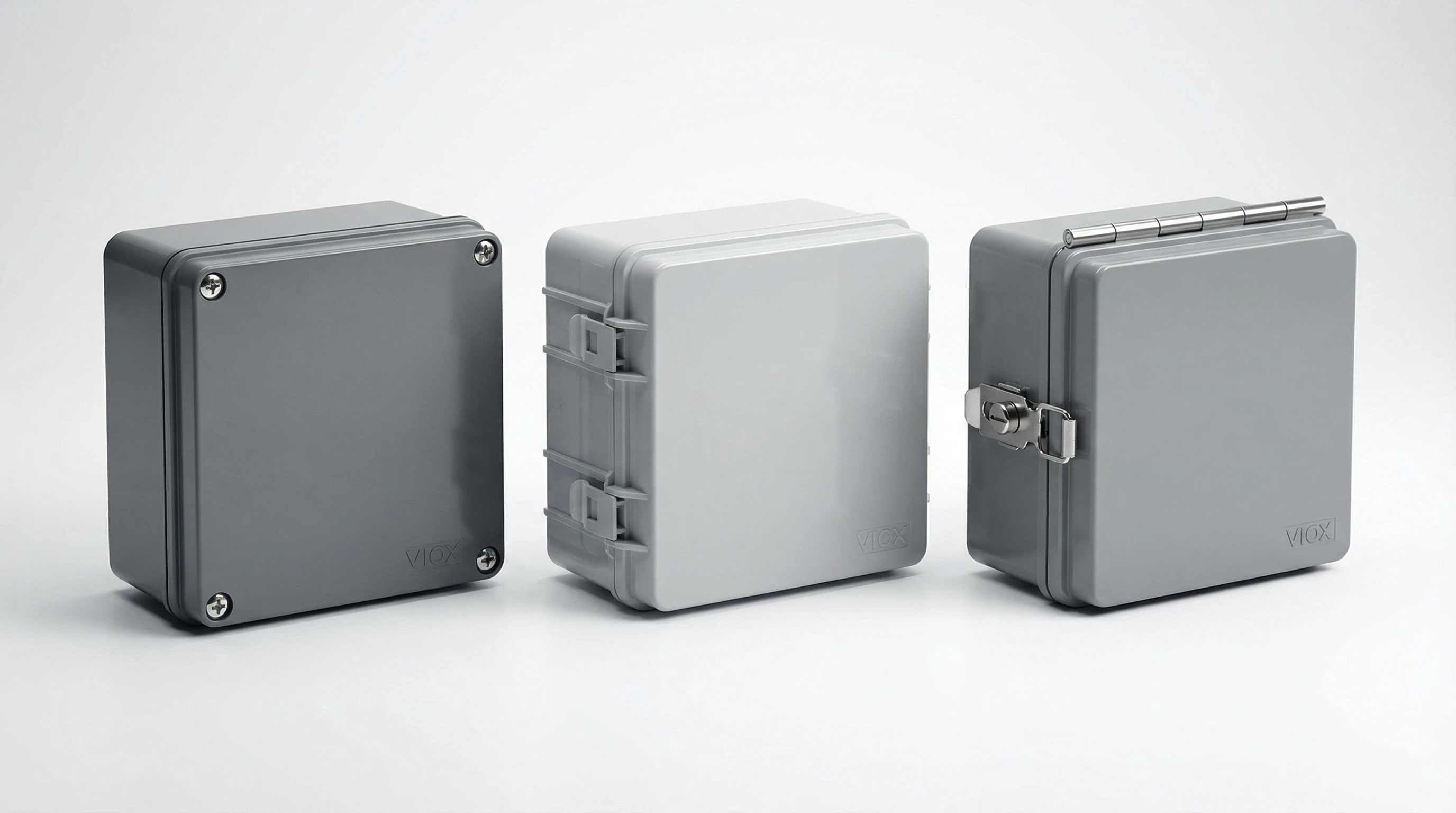
Screw-On Covers: Maximum Security and Environmental Sealing
Screw-on covers use threaded fasteners—typically four to six screws positioned around the perimeter—to compress the lid against a gasket seal. As you tighten each screw, the cover plate presses down evenly, deforming the gasket material into a continuous seal that blocks dust, water, and contaminants.
This compression-based sealing delivers the tightest environmental protection available in junction box covers. Manufacturers rate screw-on boxes up to IP68 (submersible) and IP66 (high-pressure jet resistance) because the mechanical compression ensures consistent gasket contact even under external water pressure or dust infiltration attempts. The EECOL Hoffman 6×6×4 screw-close enclosure, for example, achieves IP66 with an oil-resistant gasket compressed by perimeter screws.
Key advantages:
- Maximum IP rating capability: Compression sealing supports IP65 (dust-tight, low-pressure jets) through IP68 (continuous immersion). If your application demands the highest ingress protection—coastal installations, washdown environments, underground vaults—screw-on covers deliver.
- တုန်ခါမှုကိုခံနိုင်ရည်ရှိသည်။: Unlike snap-fit clips that can deform and loosen under shock loads, screw attachments maintain secure closure in high-vibration environments. Industrial motor control boxes, rail-mounted equipment, and machinery enclosures benefit from this retention strength.
- Security and tamper resistance: Screw fasteners require tools to open, deterring casual tampering. Some manufacturers offer tamper-resistant screw options (Torx, security hex) for locations where unauthorized access is a concern. Standard Phillips or hex screws still provide a basic security layer compared to tool-free designs.
- Gasket compatibility: Screw compression works with various gasket materials—silicone, EPDM rubber, closed-cell foam, even formed-in-place foam gaskets (FIPFG). You can match gasket composition to chemical exposure: oil-resistant for machinery environments, UV-stable for outdoor installations, low-temperature silicone for cold climates.
Trade-offs you’re accepting:
- Slow access time: Removing and reinstalling four to six screws takes 2-3 minutes per maintenance visit. Over the life of a high-access installation, this compounds into significant labor time. One facility engineer calculated that switching twenty screw-cover junction boxes to hinged designs saved forty hours of technician time per year.
- Screw management: Field techs often lose cover screws during maintenance. They get dropped into cable trays, left on equipment, or stored in pockets and forgotten. Missing screws compromise the seal and require trips to retrieve replacements.
- Tool dependency: Every access requires a screwdriver (Phillips, hex, or Torx depending on fastener type). In emergency troubleshooting or quick visual inspections, this adds friction to the workflow.
- Material and cost: Screw-on junction boxes span a wide price range. Basic polycarbonate units with screw covers start around $8-15 for small sizes, while high-spec stainless steel IP68 enclosures run $60-250 depending on dimensions and features. The Polycase ZQ-080804 screw-close outdoor box lists at $58.60, reflecting mid-range pricing for a quality polycarbonate enclosure with gasket and hardware.
Snap-On Covers: Tool-Free Installation and Quick Access
Snap-on covers eliminate threaded fasteners in favor of spring clips or molded locking tabs built into the cover and base. You align the lid, press down firmly, and the clips engage with an audible snap. Opening reverses the process—squeeze the release tabs or pry the cover edge, and the lid pops free. No screwdriver required.
This tool-free design prioritizes installation speed and maintenance efficiency. The Spelsberg HP80/HP100 snap-lid junction box exemplifies the category: integral stepped cable entries, IP55 rating, and 100% tool-free assembly marketed as a time-saving solution for residential and light commercial installations. For installers running dozens of boxes per day, eliminating screw handling compounds into real labor savings.
Key advantages:
- Fast installation: Snap-on covers install in 30-60 seconds compared to 2-3 minutes for screw types. On a hundred-box residential project, this saves over two hours of installer time. Multiply across thousands of units, and the efficiency gain becomes material.
- Tool-free operation: No screwdriver means one less tool to carry and no stripped screw heads from overtightening or cheap hardware. Maintenance techs can pop the cover for a quick visual inspection without digging through their tool bag.
- Cover retention: Unlike screw covers that get set down during maintenance and sometimes forgotten, snap-on lids stay captive during inspection—you hold the cover while checking connections, then snap it back. This reduces lost-cover incidents in low-security environments.
- ကုန်ကျစရိတ်ထိရောက်မှု: Snap-on junction boxes often target the budget-conscious segment. Eliminating threaded inserts and hardware reduces manufacturing cost, translating to lower unit prices—often $5-20 for typical residential sizes. The Hylec Debox V line positions snap-close boxes as “extra value” products with emphasis on faster, cheaper installation.
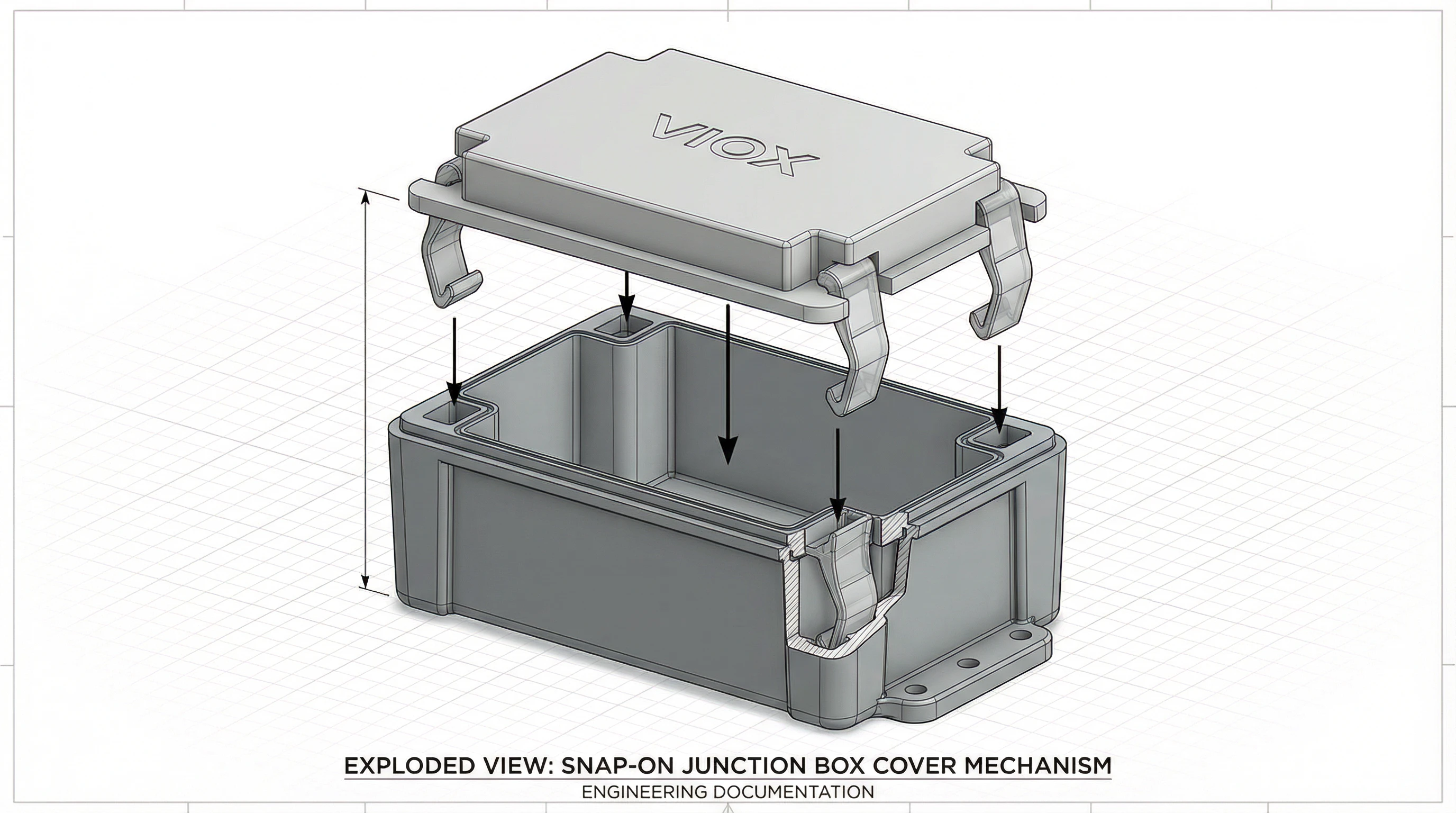
Trade-offs you’re accepting:
- IP rating limitations: Most snap-on covers top out at IP55 (dust protected, low-pressure water jets) or IP65 (dust-tight, low-pressure jets). You’ll rarely see IP66+ or IP68 in snap-lid designs because friction-fit gasket seals can’t match the compression force of screw-down covers. For high-pressure washdown or submersible applications, snap-on covers fall short.
- Reduced vibration resistance: Spring clips rely on elastic deformation to maintain engagement. In high-vibration environments—motor mounts, machinery panels, rail equipment—the clips can fatigue and loosen over time. Snap-fit design guidance explicitly flags loosening under deformation and drop-test failures as known failure modes. One plant engineer reported snap-on covers opening spontaneously on conveyor-mounted junction boxes after six months of operation.
- Security concerns: Tool-free access is a double-edged feature. Any unauthorized person can open the box by pressing the release tabs. For public-access locations or critical systems, this lack of tamper resistance is a dealbreaker.
- Gasket seal limitations: Snap-on covers typically use friction gaskets or pre-compressed foam seals rather than high-compression designs. Over time and repeated openings, the gasket compresses permanently and loses sealing effectiveness. Screw-compressed gaskets can be re-torqued; snap-fit gaskets degrade faster.
- Application sweet spot: Indoor residential, protected commercial spaces, and temporary installations where ease of access outweighs maximum environmental protection. Not recommended for outdoor exposure beyond sheltered soffits or vibration-heavy industrial environments.
Hinged Covers: Permanent Attachment for High-Frequency Access
Hinged covers combine the environmental protection of screw-on designs with the access speed of snap-on lids. A stainless steel or reinforced polymer hinge attaches one edge of the cover to the box base, while latches or clips secure the opposite edge. To open, you release the latch and swing the lid up; the hinge keeps the cover captive and often includes a stay-open feature so the lid doesn’t swing closed mid-inspection.
This captive-lid design solves the lost-cover problem endemic to removable covers while maintaining IP66 sealing capability when properly gasketed. The Polycase ZH series hinged junction boxes, for example, use stainless steel latches and achieve outdoor-rated NEMA 4 specifications (roughly equivalent to IP66) despite the hinged construction.
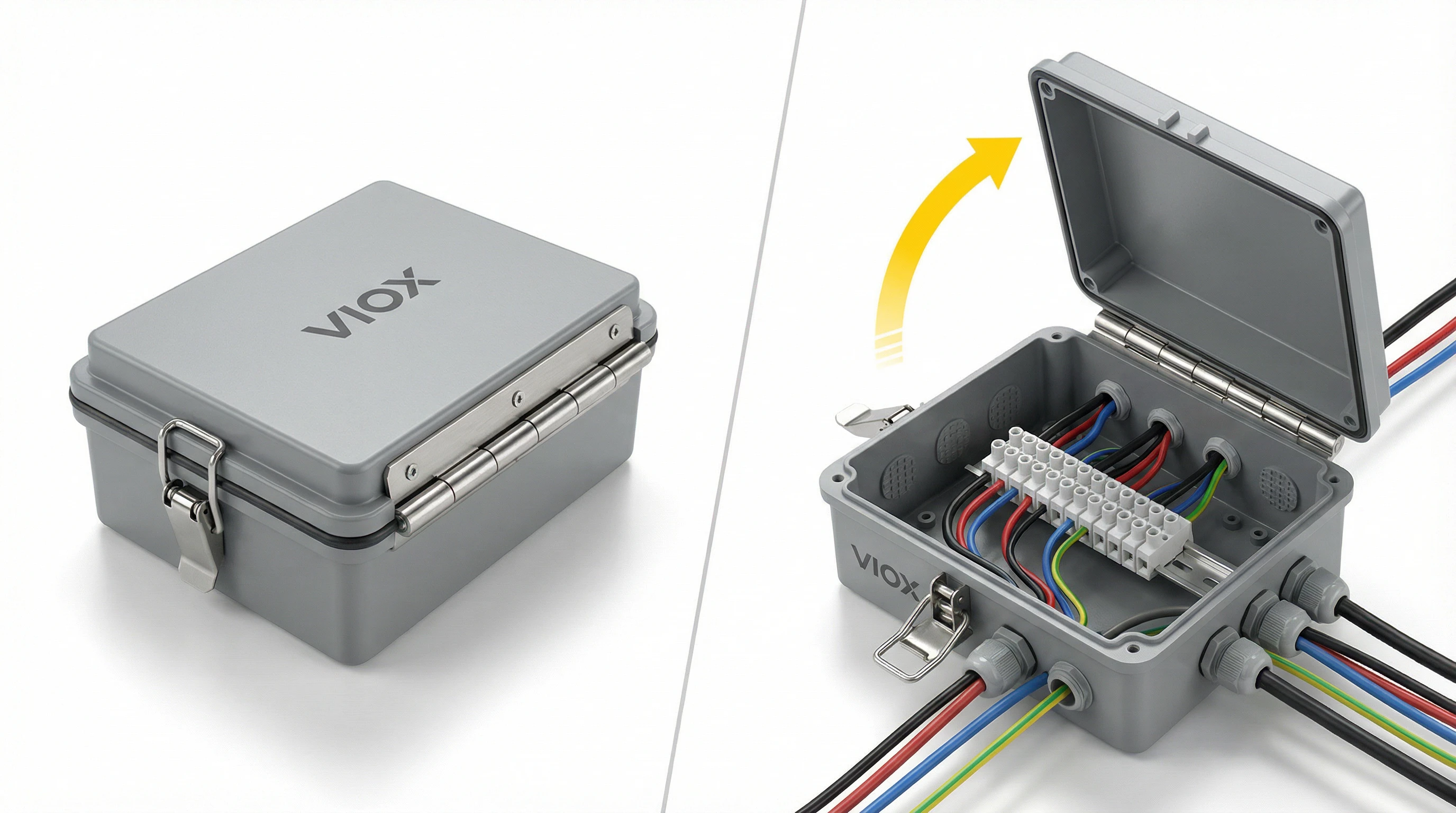
Key advantages:
- Captive cover design: The hinge permanently attaches the lid to the base, making it physically impossible to lose the cover. In high-access installations—control panels with weekly sensor checks, industrial junction boxes inspected during every line changeover—this eliminates cover-loss incidents and the resulting seal compromises.
- Fast repeat access: After initial installation (2-3 minutes to mount the enclosure), every subsequent access takes 10-20 seconds: flip the latch, swing open, inspect, swing closed, latch. No screws to remove, no clips to engage—just one motion. Multiply this across twenty accesses per year, and you’ve saved thirty minutes of technician time per box.
- High IP ratings available: Unlike snap-on covers, hinged designs can achieve IP66 (high-pressure jets) and IP67 (temporary immersion) when equipped with compression gaskets. The hinge mechanism doesn’t compromise sealing on the latched edges because the latch applies compression force similar to screw fasteners.
- Stay-open functionality: ခေါက်သိမ်းနိုင်သော အဖုံးအများအပြားတွင် အဖုံးကို 90-120 ဒီဂရီတွင် ထိန်းထားနိုင်သော ပွတ်တိုက်အား ဆုံလည်များ သို့မဟုတ် ထောက်တံများ ပါဝင်သည်။ ၎င်းသည် ပြုပြင်ထိန်းသိမ်းမှုလုပ်ဆောင်နေစဉ် လက်နှစ်ဖက်လုံးကို လွတ်လပ်စေသည်— terminal များ တင်းကျပ်မှု ရှိမရှိ စစ်ဆေးနေချိန် သို့မဟုတ် လူစည်ကားသော panel တစ်ခုတွင် လျှပ်ကူးပစ္စည်းများကို ခြေရာခံနေချိန်တွင် အရေးကြီးပါသည်။.
- ပညာရှင်အသွင်အပြင်: ခေါက်သိမ်းနိုင်သော အကာများသည် snap-on ဘူးများနှင့် နှိုင်းယှဉ်ပါက ပိုမိုပြီးပြည့်စုံသော၊ စက်ပစ္စည်းအဆင့်ရှိ အသွင်အပြင်ကို ပေးစွမ်းသည်။ စီးပွားဖြစ်အဆောက်အအုံများ သို့မဟုတ် သုံးစွဲသူနှင့် ထိတွေ့ဆက်ဆံရသော နေရာများတွင် မြင်သာသော တပ်ဆင်မှုများအတွက် ခေါက်သိမ်းနိုင်သော ဒီဇိုင်းသည် အရည်အသွေးကို ဖော်ညွှန်းသည်။.
Trade-offs you’re accepting:
- ကုန်ကျစရိတ် ပိုများခြင်း: ခေါက်သိမ်းနိုင်သော ဆက်သွယ်သည့် ဘူးများသည် ဆုံလည်ဟာ့ဒ်ဝဲနှင့် ပိုမိုရှုပ်ထွေးသော ပုံသွင်းခြင်း/တပ်ဆင်ခြင်းတို့ကြောင့် တူညီသော ဝက်အူလှည့်မော်ဒယ်များထက် ၁၅-၃၀% ပိုကုန်ကျသည်။ Polycase ZH-060604 ခေါက်သိမ်းနိုင်သော ဘူးသည် $56.31 ဖြင့် စာရင်းသွင်းထားပြီး အရွယ်အစားတူ ဝက်အူလှည့်မော်ဒယ်များသည် $40-50 အပိုင်းအခြားတွင် ရှိသည်။ ဤပိုပေးရသောငွေသည် ဝင်ရောက်ကြည့်ရှုနိုင်မှု ထိရောက်ခြင်းနှင့် အဖုံးကို ထိန်းသိမ်းထားခြင်းအတွက် ပေးရခြင်းဖြစ်သည်။.
- ပိုကြီးတဲ့ ခြေရာ: ဆုံလည်ယန္တရားသည် အကာ၏ တစ်ဖက်သို့ အကျယ်ကို ပေါင်းထည့်သည်။ နေရာကျဉ်းမြောင်းသော panel များ သို့မဟုတ် တင်းကျပ်သော ပြွန်လမ်းကြောင်းများတွင် ဤအပိုအတိုင်းအတာသည် တပ်ဆင်ခြင်းကို ရှုပ်ထွေးစေနိုင်သည်။ သတ်မှတ်မထားမီ ဆုံလည်ရှင်းလင်းမှု လိုအပ်ချက်များကို စစ်ဆေးပါ။.
- ဆုံလည် တာရှည်ခံမှုဆိုင်ရာ စိုးရိမ်မှုများ: စျေးသက်သာသော အကာများပေါ်ရှိ ပလတ်စတစ်ဆုံလည်များသည် အကြိမ်ရာနှင့်ချီ၍ ဖွင့်/ပိတ်ပြီးနောက် ပျက်စီးပြီး အက်ကွဲနိုင်သည်။ သံမဏိဆုံလည်များသည် ပိုမိုကြာရှည်ခံသော်လည်း ကုန်ကျစရိတ်ကို ပေါင်းထည့်သည်။ အလွန်မြင့်မားသော ကြိမ်နှုန်းဖြင့် ဝင်ရောက်ကြည့်ရှုခြင်း (နေ့စဉ် အကြိမ်ပေါင်းများစွာ) အတွက် အရည်အသွေးကောင်းသော ဆုံလည်များပင်လျှင် နောက်ဆုံးတွင် ဟောင်းနွမ်းသွားမည်ဖြစ်သည်။.
- လော့ခ်ကျိုးပျက်မှုပုံစံများ: လော့ခ်သည် တစ်ခုတည်းသော ပိတ်သည့်အချက်ဖြစ်သည်။ လော့ခ်ကျိုးသွားပါက သို့မဟုတ် ပုံပျက်သွားပါက အဖုံးတစ်ခုလုံး မလုံခြုံတော့ပါ။ ဝက်အူလှည့်အဖုံးများသည် ပိတ်သည့်ဝန်ကို ဘူးသီးများစွာပေါ်တွင် ဖြန့်ဝေပေးသည်။ ခေါက်သိမ်းနိုင်သော ဒီဇိုင်းများသည် လော့ခ်ယန္တရားပေါ်တွင် ဖိအားကို စုစည်းစေသည်။.
- Application sweet spot: မကြာခဏ စီစဉ်ထားသော ဝင်ရောက်ကြည့်ရှုရန် လိုအပ်သော တပ်ဆင်မှုများ—လစဉ် အာရုံခံကိရိယာ စစ်ဆေးခြင်း၊ အပတ်စဉ် terminal စစ်ဆေးခြင်း၊ ထိန်းချုပ်မှုစနစ် ပြဿနာဖြေရှင်းခြင်း—IP66 ကာကွယ်မှုကို ထိန်းသိမ်းထားရန် အရေးကြီးသော်လည်း ဝက်အူကို ဖယ်ရှားခြင်း၏ လုပ်အားခကို ရှောင်ရှားလိုသည်။ အဖုံးများ ပုံမှန်ပျောက်ဆုံးနေသော နေရာများအတွက်လည်း အကောင်းဆုံးဖြစ်သည်။.
အဖုံးအမျိုးအစား နှိုင်းယှဉ်ချက်- ဘေးချင်းယှဉ်၍ သတ်မှတ်ချက်များ
| အင်္ဂါ | ဝက်အူလှည့် | Snap-On | ခေါက်သိမ်းနိုင်သော |
| တွဲဆက်နည်းလမ်း | 4-6 ချည်ထားသော ဘူးသီးများ | Spring ကလစ်များ သို့မဟုတ် ပုံသွင်းထားသော tab များ | ဆုံလည် + လော့ခ်/ကလစ် |
| တပ်ဆင်ချိန် | ၂-၃ မိနစ် | 30-60 စက္ကန့် | ၂-၃ မိနစ် (ပထမ)၊ ၁၀-၂၀ စက္ကန့် (ထပ်ခါထပ်ခါ) |
| ကိရိယာ လိုအပ်ချက် | ဝက်အူလှည့် (Phillips/hex/Torx) | မရှိပါ (လက်ဖြင့်သာ) | မူလတပ်ဆင်ပြီးနောက် မရှိပါ |
| ပုံမှန် IP အဆင့်သတ်မှတ်ချက် | IP65-IP68 | IP54-IP65 | IP65-IP67 |
| တုန်ခါမှု ခုခံမှု | မြတ်သော | သင့်တင့်သည် (ကလစ်များ လျော့ရဲနိုင်သည်) | ကောင်းသည် (လော့ခ်ပေါ်တွင် မူတည်သည်) |
| လုံခြုံရေး | မြင့်မားသည် (ကိရိယာ လိုအပ်သည်) | နိမ့်သည် (ကိရိယာမလိုဘဲ ဝင်ရောက်နိုင်သည်) | အလယ်အလတ် (လော့ခ်ပေါ်တွင် မူတည်သည်) |
| အဖုံးပျောက်ဆုံးနိုင်ခြေ | မြင့်မားသည် (ဖြုတ်တပ်နိုင်သည်) | အလယ်အလတ် (လက်ဖြင့်ကိုင်ထားသည်) | မရှိပါ (ဖမ်းယူထားသော ဆုံလည်) |
| Gasket တံဆိပ်ခတ်ခြင်း | ဖိသိပ်တံဆိပ် | ပွတ်တိုက်အား တံဆိပ် | ဖိသိပ်တံဆိပ် |
| ပြုပြင်ထိန်းသိမ်းမှုအကြိမ်ရေ | နိမ့်သည် (နှစ်စဉ်/သုံးလတစ်ကြိမ်) | အလယ်အလတ် (လစဉ်/အပတ်စဉ်) | မြင့်မားသည် (အပတ်စဉ်/နေ့စဉ်) |
| ကုန်ကျစရိတ်အကွာအဝေး | $8-250 | $5-60 | $50-300 |
ရွေးချယ်မှု အကြမ်းဖျင်းစည်းမျဉ်း: အဖုံးအမျိုးအစားကို ဝင်ရောက်ကြည့်ရှုသည့် ကြိမ်နှုန်းနှင့် ပတ်ဝန်းကျင်ထိတွေ့မှုနှင့် ကိုက်ညီအောင်လုပ်ပါ။ သုံးလတစ်ကြိမ်ထက် ပို၍ ဘူးကိုဖွင့်ပါက ခေါက်သိမ်းနိုင်သော သို့မဟုတ် snap-on အဖုံးများ၏ အားနည်းချက်များကို ၎င်းတို့၏ လုပ်အားသက်သာမှုက အကြောင်းပြပေးသည်။ IP66+ နှင့် တုန်ခါမှုခံနိုင်ရည်သည် ဝင်ရောက်ကြည့်ရှုသည့်အမြန်နှုန်းထက် ပိုအရေးကြီးပါက ဝက်အူလှည့်အဖုံးများသည် မဖြစ်မနေလိုအပ်ပါသည်။.
အသုံးချမှု ရွေးချယ်မှု လမ်းညွှန်- သင်၏ တပ်ဆင်မှုနှင့် ကိုက်ညီသော အဖုံးအမျိုးအစား
အောက်ပါအခါများတွင် ဝက်အူလှည့်အဖုံးများကို ရွေးချယ်ပါ-
- ပတ်ဝန်းကျင်ထိတွေ့မှု ပြင်းထန်သည်: မိုး၊ နှင်း သို့မဟုတ် နေရောင်ခြည် တိုက်ရိုက်ထိတွေ့သော အပြင်ဘက် တပ်ဆင်မှုများ။ ဆားငန်ရေမှုန်များရှိသော ကမ်းရိုးတန်းနေရာများ။ မြေအောက်ခန်းများ။ IP66-IP68 ကာကွယ်မှု လိုအပ်သော မည်သည့်နေရာမဆို။.
- တုန်ခါမှု သိသာထင်ရှားသည်: မော်တာထိန်းချုပ်သည့် ဘူးများ၊ သယ်ယူပို့ဆောင်ရေးစက်ပေါ်တွင် တပ်ဆင်ထားသော အကာများ၊ ရထားကိရိယာများ၊ စက်ပစ္စည်း panel များ။ ရုတ်တရက်ဝန်များ သို့မဟုတ် စဉ်ဆက်မပြတ် တုန်ခါမှုသည် snap-fit ချိတ်ဆက်မှုများကို လျော့ရဲစေနိုင်သည့် မည်သည့်နေရာမဆို။.
- စစ်ဆေးသည့် ကြိမ်နှုန်း နည်းပါးသည်: နှစ်စဉ် သို့မဟုတ် ထိုထက်နည်း၍ ဖွင့်သည့် ဘူးများ။ ဝက်အူကို ဖယ်ရှားခြင်း၏ လုပ်အားစရိတ်သည် ဤကြိမ်နှုန်းတွင် အရေးမပါသလောက်ဖြစ်ပြီး သင်သည် အမြင့်ဆုံး တံဆိပ်ခတ်ခြင်းနှင့် လုံခြုံရေးမှ အကျိုးခံစားခွင့်ရရှိသည်။.
- လုံခြုံရေး အရေးကြီးသည်: လူအများသုံးနိုင်သော နေရာများ၊ အရေးကြီးသော အခြေခံအဆောက်အအုံများ၊ ဖျက်ဆီးရန် လွယ်ကူသော နေရာများ။ ကိရိယာလိုအပ်ချက်နှင့် ရွေးချယ်နိုင်သော ဖျက်ဆီးမှုကို ခံနိုင်ရည်ရှိသော ဘူးသီးများသည် ခွင့်ပြုချက်မရှိဘဲ ဝင်ရောက်ခြင်းကို ဟန့်တားသည်။.
- ဓာတုပစ္စည်း ထိတွေ့မှု ရှိသည်: ဆီမှုန်များ၊ အအေးခံရည်များ၊ ပျော်ရည်များ။ ဝက်အူဖိသိပ်မှုသည် ဓာတုပတ်ဝန်းကျင်နှင့် ကိုက်ညီသော အထူးပြု gasket ပစ္စည်းများ (Viton, EPDM, ဆီခံနိုင်ရည်ရှိသော ရော်ဘာ) ကို ချိန်ညှိခွင့်ပြုသည်။.
အောက်ပါအခါများတွင် Snap-On အဖုံးများကို ရွေးချယ်ပါ-
- အမြန်နှုန်းသည် ဦးစားပေးဖြစ်သည်: တပ်ဆင်သူ၏ ထိရောက်မှုသည် ပရောဂျက်စီးပွားရေးကို မောင်းနှင်သည့် အိမ်ရာတပ်ဆင်မှု အများအပြား။ အမြန်ဖြန့်ကျက်ရန် လိုအပ်သော ယာယီ တည်ဆောက်မှုများ။.
- ပတ်ဝန်းကျင်ကို ကာကွယ်ထားသည်: အိမ်တွင်းနေရာများ၊ ရာသီဥတုထိန်းချုပ်ထားသော နေရာများ၊ အမိုးအောက်ရှိ အကာအကွယ်ပေးထားသော အပြင်ဘက်နေရာများ (အမိုးအောက်၊ ဗီရိုအတွင်း)။ IP55 ကာကွယ်မှု လုံလောက်သော မည်သည့်နေရာမဆို။.
- ဝင်ရောက်ကြည့်ရှုခြင်းသည် ရံဖန်ရံခါဖြစ်သော်လည်း မစီစဉ်ထားပါ: ပြည့်စုံသော ပြုပြင်ထိန်းသိမ်းမှုလုပ်ငန်းစဉ်များကို မလုပ်ဆောင်ဘဲ အမြင်အာရုံဖြင့် အမြန်အတည်ပြုရန် လိုအပ်သည့် ပြဿနာဖြေရှင်းခြင်း အခြေအနေများ။.
- တုန်ခါမှု အနည်းဆုံးဖြစ်သည်: နံရံကပ်အိမ်သုံးအုံများ၊ တည်ငြိမ်သော စက်ပစ္စည်းအုံများ၊ မျက်နှာကျက်အဆက်အစပ်နေရာများ။.
- ဘတ်ဂျက်အကန့်အသတ်ရှိသည်။: အုံကုန်ကျစရိတ်ကို အနည်းဆုံးဖြစ်အောင် ထားရန် အရေးကြီးပြီး ပတ်ဝန်းကျင်ကာကွယ်ရေးလိုအပ်ချက်များ သာမန်ဖြစ်သော ပရောဂျက်များ။.
အဆစ်ပါသော အဖုံးများကို ရွေးချယ်သင့်သည့်အခါ-
- ဝင်ရောက်မှုအကြိမ်ရေ မြင့်မားသည်။: အပတ်စဉ်အာရုံခံကိရိယာစစ်ဆေးခြင်း၊ လစဉ် terminal စစ်ဆေးခြင်း၊ ပုံမှန်စနစ်ရောဂါရှာဖွေခြင်း။ အဆစ်ပါသော ဒီဇိုင်းသည် လုပ်အားချွေတာမှုတွင် သူ့အလိုလို အကျိုးအမြတ်ရရှိစေသည်။.
- အဖုံးများ ပျောက်ဆုံးခြင်း သို့မဟုတ် နေရာလွဲမှားခြင်း။: လူသွားလာများသော ပြုပြင်ထိန်းသိမ်းရေးနေရာများ၊ ပြင်ပဝန်ဆောင်မှုနေရာများ၊ နည်းပညာရှင်အများအပြား ဝင်ရောက်အသုံးပြုသော တပ်ဆင်မှုများ။ ချိတ်ဆက်ထားသော အဖုံးသည် အစားထိုးကုန်ကျစရိတ်နှင့် တံဆိပ်ပျက်စီးမှုကို ဖယ်ရှားပေးသည်။.
- ကာကွယ်မှုနှင့် ဝင်ရောက်အသုံးပြုနိုင်မှု နှစ်မျိုးလုံး လိုအပ်သည်။: မကြာခဏစီစဉ်ထားသော ပြုပြင်ထိန်းသိမ်းမှုနှင့်အတူ IP66 တံဆိပ်ခတ်ရန်လိုအပ်သော အသုံးချမှုများ—စက်မှုထိန်းချုပ်ဘောင်များ၊ ပြင်ပအာရုံခံကိရိယာအဆက်အစပ်အုံများ၊ စက်ပစ္စည်းအင်တာဖေ့စ်နေရာများ။.
- ဖွင့်ထားနိုင်သော လုပ်ဆောင်ချက်သည် အရေးကြီးသည်။: လက်နှစ်ဖက်ဖြင့် လုပ်ဆောင်ရသော ပြုပြင်ထိန်းသိမ်းရေးလုပ်ငန်းများ—terminal များ တင်းကျပ်ခြင်း၊ အစိတ်အပိုင်းများ လဲလှယ်ခြင်း၊ ဝါယာကြိုးများ ရှာဖွေခြင်း—အလုပ်လုပ်နေစဉ် အဖုံးကို ကိုင်ထားရန် မလိုအပ်ပါ။.
- ပရော်ဖက်ရှင်နယ်ဆန်သော ပုံပန်းသဏ္ဌာန်ကို အလေးထားသည်။: စီးပွားဖြစ်ဧည့်ခံနေရာများ၊ ဖောက်သည်နှင့်မျက်နှာချင်းဆိုင် စက်ပစ္စည်းခန်းများ၊ အုံ၏အလှတရားကို အလေးထားသော ဗိသုကာဆိုင်ရာ အသုံးချမှုများတွင် မြင်နိုင်သော တပ်ဆင်မှုများ။.
စစ်ဆေးမှုအကြိမ်ရေအလိုက် ဆုံးဖြတ်ချက်ဇယား-
- နှစ်စဉ် သို့မဟုတ် ထိုထက်နည်းသည်။: ဝက်အူလှည့် (လုပ်အားကုန်ကျစရိတ် အနည်းငယ်သာရှိပြီး ကာကွယ်မှုကို အမြင့်ဆုံးမြှင့်တင်ပါ)
- တစ်ကြိမ်: ဝက်အူလှည့် သို့မဟုတ် အဆစ်ပါသော (တုန်ခါမှု/လုံခြုံရေးလိုအပ်ချက်ပေါ်မူတည်သည်)
- လစဉ်: အဆစ်ပါသော (လုပ်အားချွေတာမှုသည် ကုန်ကျစရိတ်ကို မျှတစေသည်)
- အပတ်စဉ် သို့မဟုတ် ထိုထက်ပိုသည်။: အဆစ်ပါသော (ဝက်အူအဖုံးများသည် မတည်တံ့နိုင်သော ပြုပြင်ထိန်းသိမ်းမှုဝန်ကို ဖန်တီးသည်)
- နေ့စဉ်/စဉ်ဆက်မပြတ်: အဆစ်ပါသော သို့မဟုတ် အဆက်အစပ်အုံသည် အမြဲတမ်း terminal block ဖြစ်သင့်သလား ပြန်လည်အကဲဖြတ်ပါ။
တပ်ဆင်ခြင်းဆိုင်ရာ ထည့်သွင်းစဉ်းစားချက်များ- ကိရိယာများ၊ အချိန်နှင့် နည်းစနစ်များ
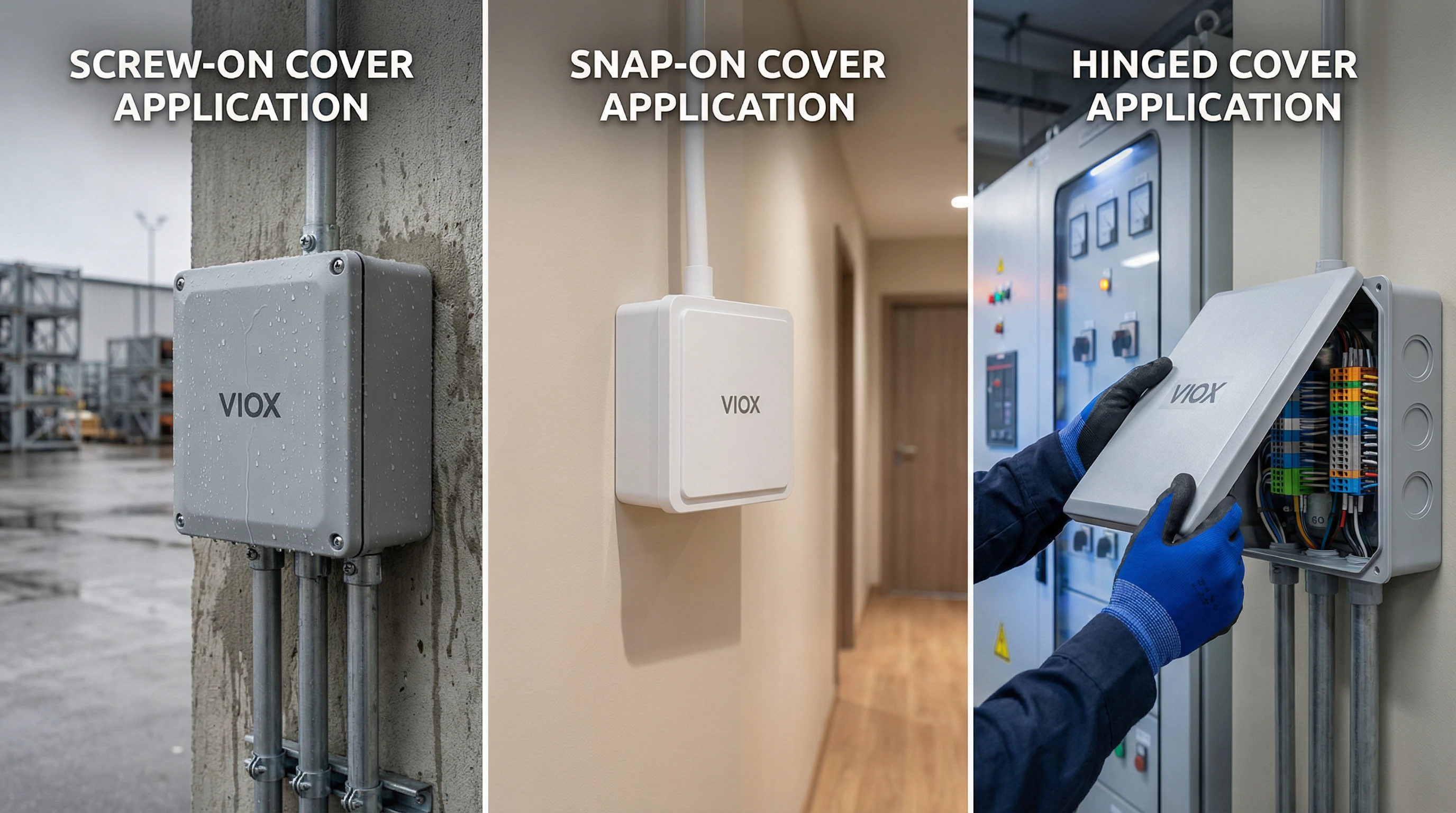
ဝက်အူလှည့်အဖုံး တပ်ဆင်ခြင်း-
တံဆိပ်ခတ်ကို စစ်ဆေးခြင်းဖြင့် စတင်ပါ—အဖုံးကို နေရာချထားခြင်းမပြုမီ တံဆိပ်သည် ၎င်း၏အပေါက်တွင် မှန်ကန်စွာ ထိုင်နေကြောင်း အတည်ပြုပါ။ အဖုံးကို တင်ပြီး ဝက်အူအားလုံးကို ကြယ်ပုံစံ (ဆန့်ကျင်ဘက်ထောင့်များ အရင်၊ ပြီးလျှင် ကျန်ဝက်အူများ) ဖြင့် လက်ဖြင့် တင်းကျပ်ပါ။ ၎င်းသည် တံဆိပ်ကိုပင် ဖိအားပေးကြောင်း သေချာစေသည်။ ဝက်အူလှည့် သို့မဟုတ် torque နည်းသော driver ကို အသုံးပြု၍ ထုတ်လုပ်သူ၏ သတ်မှတ်ချက်အတိုင်း တင်းကျပ်ပါ။ အလွန်အကျွံ တင်းကျပ်ခြင်းသည် တံဆိပ်ကို ကြေမွစေပြီး ယိုစိမ့်မှုများ ဖြစ်စေကာ အလွန်အကျွံ မတင်းကျပ်ခြင်းသည် ကွာဟချက်များ ကျန်စေသည်။ Polycarbonate အုံများသည် ပုံမှန်အားဖြင့် 8-12 in-lbs လိုအပ်သည်။ သတ္တုအုံများသည် ပိုမိုမြင့်မားစွာ သတ်မှတ်နိုင်သည်။ အပိုဝက်အူများနှင့် တံဆိပ်ကို ဆိုက်တွင်ထားပါ—အတွေ့အကြုံအရ တပ်ဆင်မှု၏ 10-15% သည် ပျောက်ဆုံးခြင်း သို့မဟုတ် ချည်ကြိုးများ ကွာကျခြင်းကြောင့် ဝက်အူအစားထိုးရန် လိုအပ်ကြောင်း ပြသသည်။.
Snap-On အဖုံး တပ်ဆင်ခြင်း-
ကေဘယ်ကြိုးများ မချိတ်ဆက်မီ အဖုံးကို စမ်းသပ်တပ်ဆင်ခြင်းဖြင့် ကလစ်ညှိမှုကို အတည်ပြုပါ—snap ယန္တရားအချို့သည် သီးခြားဦးတည်ချက် လိုအပ်သည်။ ကေဘယ်ကြိုးများကို knockouts သို့မဟုတ် glands များမှတဆင့် လမ်းကြောင်းပြောင်းပါ၊ ချိတ်ဆက်မှုများ ပြုလုပ်ပြီးနောက် အဖုံးကို အနည်းငယ်စောင်းပြီး တစ်ဖက်စွန်းမှ စတင်၍ ခိုင်မာစွာ နှိပ်ပါ။ ကလစ်များသည် ဆက်တိုက်ထိတွေ့သည်ကို သင်ကြား/ခံစားရပါမည်။ ထိတွေ့မှုကို အတည်ပြုရန် အဖုံးကို ညင်သာစွာ ဆွဲထုတ်ပါ။ မှန်ကန်စွာ snap ထားသော အဖုံးသည် ဆွဲထုတ်အားကို ခံနိုင်ရည်ရှိသည်။ အေးသောရာသီဥတုတွင် snap ရန်ခက်ခဲသော အဖုံးများအတွက် အုံကို အနည်းငယ်နွေးပါ—ပလတ်စတစ်ကလစ်များသည် 50°F အထက်တွင် ပိုမိုပျော့ပြောင်းလာသည်။ အုံ၏ဂျီသြမေတြီသည် မထင်ရှားပါက အမြဲတမ်းအမှတ်အသားဖြင့် မှန်ကန်သောအဖုံးဦးတည်ချက်ကို မှတ်သားပါ။ နယ်ပယ်နည်းပညာရှင်များသည် နောက်ပြန်အဖုံးများကို တိုက်ခိုက်ရာတွင် အချိန်ကုန်ကြသည်။.
အဆစ်ပါသော အဖုံး တပ်ဆင်ခြင်း-
အဆစ်သည် အုံ၏ဦးတည်ချက်ကို ဆုံးဖြတ်ပေးသောကြောင့် အဆစ်လွှဲသည့် ဦးတည်ချက်ကို စိတ်ထဲထား၍ တပ်ဆင်မည့်နေရာကို စီစဉ်ပါ—အဖုံးကို 90-120 ဒီဂရီအထိ ဖွင့်ရန် ရှင်းလင်းမှု လိုအပ်သည်။ အနီးအနားရှိ စက်ပစ္စည်း သို့မဟုတ် ပြွန်လမ်းကြောင်းများကို ထိုအတိုင်း နေရာချပါ။ မူလတပ်ဆင်စဉ်အတွင်း လျှောသည် အပြည့်အဝထိတွေ့ပြီး တံဆိပ်သည် ပတ်လည်အတိုင်းအတာတစ်လျှောက် ညီညီညာညာ ထိုင်နေကြောင်း အတည်ပြုပါ။ အဆစ်ပါသော အဖုံးအချို့တွင် ချိန်ညှိနိုင်သော လျှောများ ပါဝင်သည်။ လျှောကို အတင်းအကျပ်မလုပ်ဘဲ တံဆိပ်ကို အနည်းငယ်ညှစ်နိုင်ရန် ဖိအားကို သတ်မှတ်ပါ။ ဝန်အောက်တွင် ဖွင့်ထားနိုင်သော လုပ်ဆောင်ချက်ကို စမ်းသပ်ပါ—ပြုပြင်ထိန်းသိမ်းမှုအတွင်း ဖွင့်ထားသော အဖုံးပေါ်တွင် မှီနေစဉ် အဆစ်သည် နေရာကို ထိန်းထားကြောင်း အတည်ပြုပါ။ ချည်နှောင်ခြင်းကို ကာကွယ်ရန် သတ္တုအဆစ်များကို နှစ်စဉ် စက်ဆီအပျော့စားဖြင့် ချောဆီထည့်ပါ။.
အမျိုးအစားအားလုံးတွင် အဖြစ်များသော တပ်ဆင်မှုအမှားများ-
- ဝက်အူများ သို့မဟုတ် လျှောများကို အလွန်အကျွံ တင်းကျပ်ခြင်း။, ၊ တံဆိပ်များကို ကြေမွစေပြီး ပုံပျက်နေသော တံဆိပ်ပစ္စည်းများပတ်လည်တွင် ယိုစိမ့်မှုလမ်းကြောင်းများ ဖန်တီးခြင်း။
- ကေဘယ်ကြိုးတင်းအားသက်သာမှုမပြုလုပ်မီ အဖုံးများ တပ်ဆင်ခြင်း။, ၊ နောက်ဆက်တွဲ ဝင်ရောက်မှုအတွင်း အတွင်းပိုင်းချိတ်ဆက်မှုများပေါ်တွင် စက်ပိုင်းဆိုင်ရာ ဖိအားများ သက်ရောက်စေခြင်း။
- တံဆိပ်ဦးတည်ချက်ကို လျစ်လျူရှုခြင်း။—တံဆိပ်အချို့တွင် ဦးတည်ရာတံဆိပ်ခတ်နှုတ်ခမ်းများ ပါရှိသည်။ ၎င်းတို့ကို နောက်ပြန်တပ်ဆင်ပါက IP အဆင့်သတ်မှတ်ချက်များ ကျဆင်းသွားသည်။
- မကိုက်ညီသော အစားထိုးအဖုံးများကို အသုံးပြုခြင်း။—အစားထိုးပစ္စည်းများကို ရှာဖွေသည့်အခါ တံဆိပ်လိုက်ဖက်ညီမှုနှင့် အမြန်ချိတ်အမျိုးအစားကို အတည်ပြုပါ။
ပြုပြင်ထိန်းသိမ်းမှုနှင့် ရေရှည်တည်တံ့ခိုင်မြဲမှု- ဝင်ရောက်မှုအကြိမ်ရေ၏ သက်ရောက်မှု
အဖုံးအမျိုးအစားသည် ပြုပြင်ထိန်းသိမ်းမှုလုပ်ငန်းအသွားအလာ ထိရောက်မှုနှင့် ရေရှည်တံဆိပ်ခတ်မှု တည်ကြည်မှုကို တိုက်ရိုက်လွှမ်းမိုးသည်။.
ပြုပြင်ထိန်းသိမ်းမှုအခွန်: ဝက်အူလှည့်အဖုံးတစ်ခုစီကို ဝင်ရောက်အသုံးပြုခြင်းသည် ဝက်အူကိုင်တွယ်ရာတွင် ၂-၃ မိနစ် ကုန်ကျသည်။ လစဉ်ဝင်ရောက်အသုံးပြုသော အဆက်အစပ်အုံတစ်ခုအတွက် နှစ်စဉ် ၂၄-၃၆ မိနစ် ကုန်ကျသည်—အုံ ၂၀ နှင့် မြှောက်ပါက တစ်နှစ်လျှင် အမြန်ချိတ်ဖယ်ရှားရာတွင် ရှစ်နာရီ အသုံးပြုပြီးဖြစ်သည်။ စက်မှုစက်ရုံတစ်ခုသည် ဝင်ရောက်မှုမြင့်မားသော အဆက်အစပ်အုံ ၄၀ ကို ဝက်အူမှ အဆစ်ပါသော အဖုံးများသို့ ပြောင်းလဲခြင်းသည် ၁၈ လအတွင်း လုပ်အားချွေတာမှုတွင် အဆင့်မြှင့်တင်မှုကုန်ကျစရိတ်ကို ပြန်လည်ရရှိကြောင်း တွက်ချက်ခဲ့သည်။.
ပျောက်ဆုံးသွားသော အဖုံးပြဿနာ: ဖြုတ်တပ်နိုင်သော အဖုံးများ—ဝက်အူလှည့်နှင့် snap-on နှစ်မျိုးလုံး—ပြုပြင်ထိန်းသိမ်းမှုအတွင်း နေရာလွဲမှားသွားတတ်သည်။ နည်းပညာရှင်တစ်ဦးသည် ဆားကစ်တစ်ခုကို ရှာဖွေနေစဉ် အဖုံးကို ချထားပြီး အခြားပြဿနာတစ်ခုအတွက် ခေါ်ဆောင်သွားကာ အဖုံးသည် ရက်သတ္တပတ်များစွာ ကေဘယ်ကြိုးဗန်းပေါ်တွင် ရှိနေသည်။ ထိတွေ့ထားသော အုံတွင် ဖုန်မှုန့်၊ အစိုဓာတ်နှင့် ညစ်ညမ်းမှုများ စုပုံလာသည်။ အစားထိုးအဖုံးများတွင် တံဆိပ်များ မပါဝင်သောကြောင့် ပြန်လည်တပ်ဆင်ပြီးနောက်တွင်ပင် တံဆိပ်သည် ယိုယွင်းလာသည်။ အဆစ်ပါသော အဖုံးများသည် ဤပျက်ကွက်မှုပုံစံကို လုံးဝဖယ်ရှားပေးသည်။.
တံဆိပ်ယိုယွင်းမှုနှုန်းများ: တံဆိပ်သက်တမ်းသည် အဖုံးအမျိုးအစားနှင့် ဝင်ရောက်မှုအကြိမ်ရေအလိုက် ကွဲပြားသည်။ ဝက်အူဖြင့် ဖိထားသော တံဆိပ်များသည် တံဆိပ်ခတ်မှုထိရောက်မှုကို လျှော့ချသည့် ဖိအားသတ်မှတ်ခြင်းမပြုမီ ၅၀-၁၀၀ ကြိမ် ဖွင့်/ပိတ်ခြင်းကို ခံနိုင်ရည်ရှိသည်။ ပြင်ပဝက်အူလှည့်အုံများရှိ အရည်အသွေးမြင့် ဆီလီကွန်တံဆိပ်များသည် နှစ်စဉ်ဝင်ရောက်မှုနှင့်အတူ ၅-၁၀ နှစ်အထိ ကြာရှည်ခံသည်။ Snap-on တံဆိပ်များသည် ပိုမိုမြန်ဆန်စွာ ယိုယွင်းလာသည်—ပွတ်တိုက်တံဆိပ်များသည် ၎င်းတို့၏ တံဆိပ်ခတ်အား၏ ၂၀-၃၀% ကို ၃၀-၅၀ ကြိမ်အပြီးတွင် ဆုံးရှုံးသည်။ ဝင်ရောက်မှုမြင့်မားသော တပ်ဆင်မှုများအတွက် အဖုံးအမျိုးအစား မခွဲခြားဘဲ ၂-၃ နှစ်တစ်ကြိမ် တံဆိပ်အစားထိုးရန် စီစဉ်ပါ။.
တုန်ခါမှု ပျက်ကွက်မှုပုံစံများ: တုန်ခါမှုပတ်ဝန်းကျင်ရှိ Snap-on အဖုံးများသည် ခန့်မှန်းနိုင်သော ပျက်ကွက်မှုမျဉ်းကြောင်းကို လိုက်နာသည်။ ပလတ်စတစ်သည် စက်ဝန်းဝန်အောက်တွင် ပုံပျက်သွားသောကြောင့် ကလစ်များသည် ၆-၁၂ လအတွင်း တဖြည်းဖြည်း လျော့ရဲလာသည်။ အဖုံးသည် မြင်သာစွာ ပိတ်ထားသော်လည်း တံဆိပ်သည် ပျက်ကွက်ပြီး ဖုန်မှုန့်နှင့် အစိုဓာတ်များ ဝင်ရောက်လာပြီးနောက် အဖုံးသည် ရုတ်တရက် ပွင့်သွားသည်။ ဝက်အူလှည့်နှင့် အဆစ်ပါသော လျှောပါသော အဖုံးများသည် ဤပျက်ကွက်မှုပုံစံကို ခံနိုင်ရည်ရှိသည်။ အဘယ်ကြောင့်ဆိုသော် ဖိအားအားသည် ပျော့ပြောင်းသော ကလစ်ပုံပျက်ခြင်းအပေါ် မမူတည်သောကြောင့်ဖြစ်သည်။.
အဖုံးများကို အစားထိုးရမည့်အချိန်: သက်တမ်းကုန်ဆုံးမှုညွှန်ကိန်းများကို ရှာဖွေပါ-
- အက်ကွဲကြောင်းများ သို့မဟုတ် အဝါရောင်ပြောင်းနေသော polycarbonate (ခရမ်းလွန်ရောင်ခြည်ကြောင့် ယိုယွင်းခြင်း၊ ပြင်ပထိတွေ့မှု ၈-၁၂ နှစ်အကြာတွင် ပုံမှန်ဖြစ်သည်)
- ဝက်အူပေါက်များ ကွာကျခြင်း။ ပလတ်စတစ်အဖုံးများတွင် (အဖုံးအစားထိုးခြင်း သို့မဟုတ် ချည်ကြိုးထည့်သွင်းခြင်း ပြုပြင်ရန် လိုအပ်သည်)
- အမြဲတမ်း ဖိထားသော တံဆိပ်များ နှိပ်လိုက်သောအခါ ပြန်မခုန်တော့ပါ (တံဆိပ်၏ တည်ကြည်မှု ပျက်စီးသည်)
- ကျိုးပဲ့နေသော သို့မဟုတ် ပင်ပန်းနွမ်းနယ်နေသော အဆစ်များ ဖွင့်ထားသော အနေအထားကို မထိန်းထားနိုင်ခြင်း သို့မဟုတ် မြင်သာသော အက်ကွဲကြောင်းများ ပြသခြင်း။
- ပုံပျက်နေသော snap ကလစ်များ ထိတွေ့ရန် အလွန်အကျွံအား သုံးရန်လိုအပ်ခြင်း သို့မဟုတ် ရုတ်တရက် ပွင့်သွားခြင်း။
နိဂုံး- အဖုံးအမျိုးအစား ရွေးချယ်မှု စစ်ဆေးစာရင်း
အဆက်အစပ်အုံအဖုံးအမျိုးအစားသည် တပ်ဆင်မှုထိရောက်မှု၊ ပြုပြင်ထိန်းသိမ်းမှုဝန်နှင့် ရေရှည်တည်တံ့ခိုင်မြဲမှုကို ဆုံးဖြတ်ပေးသည်။ ဆုံးဖြတ်ချက်ဇယားသည် ရိုးရှင်းသည်-
ဦးစွာ ဝင်ရောက်မှုအကြိမ်ရေအပေါ် အခြေခံ၍ ရွေးချယ်ပါ-
- Annual or less → Screw-on
- Quarterly → Screw-on or hinged (evaluate other factors)
- Monthly or more → Hinged
- Weekly+ → Hinged or reconsider junction box approach
Then validate environmental requirements:
- IP68 or high-vibration → Screw-on only
- IP66 → Screw-on or hinged
- IP54-IP65 indoors → Any type acceptable
Finally consider operational factors:
- Security/tamper resistance needed → Screw-on with tamper-resistant fasteners
- Cover loss is a problem → Hinged
- Budget is tight → Snap-on (but verify IP and vibration limits)
- Professional appearance matters → Hinged
The cover type you choose today sets the maintenance workflow for the next decade. Spend an extra $10-30 per box on hinged covers for high-access locations, and you’ll recover the investment in labor savings within two years. Specify screw-on covers where environmental protection and vibration resistance trump access speed. Use snap-on covers for protected, low-access residential installations where speed matters more than maximum sealing.
VIOX Electric manufactures junction boxes across all three cover types, engineered to match your application requirements. Contact our technical team for cover type recommendations based on your specific installation environment and maintenance patterns.