

ဤစာမျက်နှာတွင်
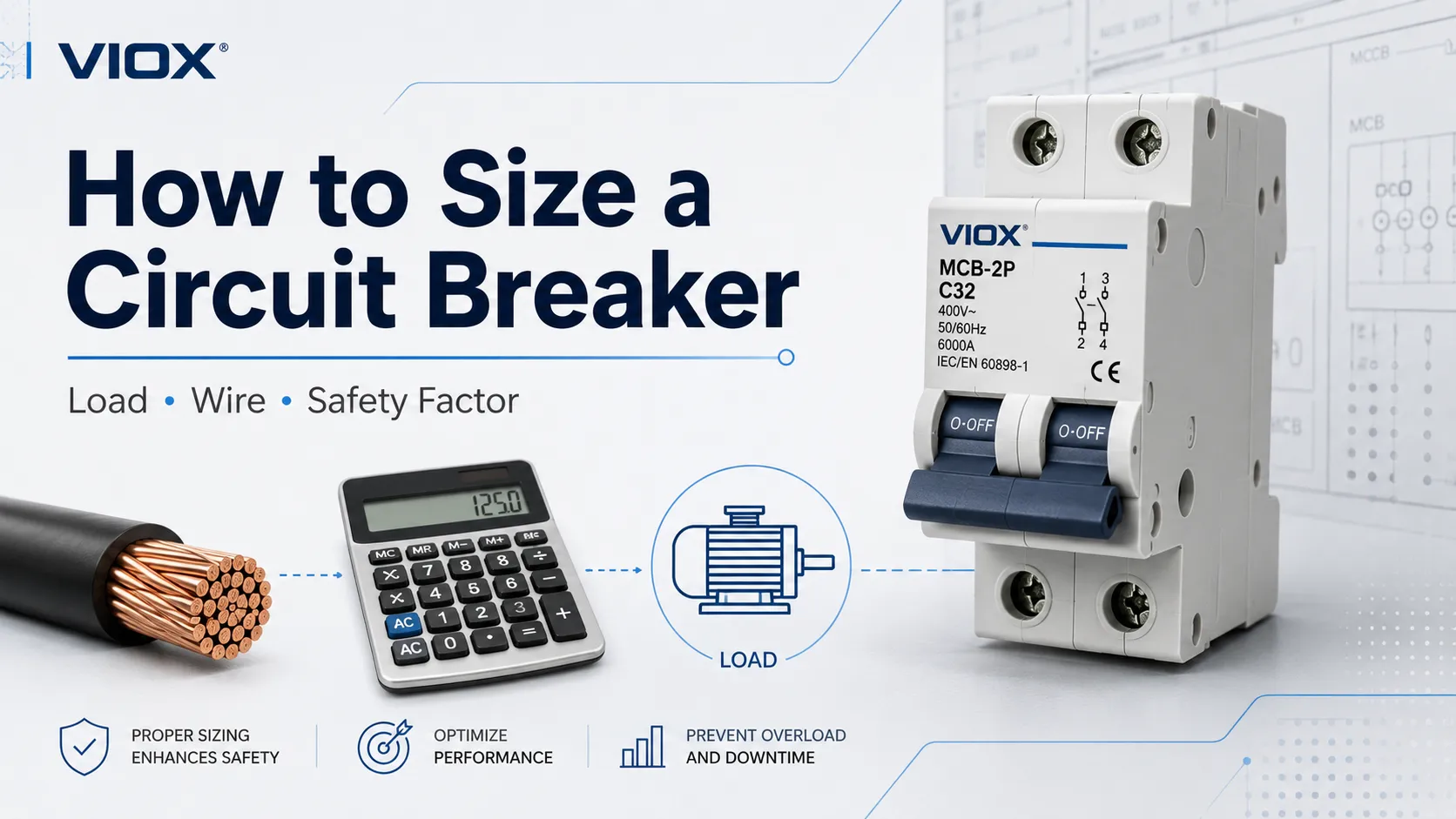
အမြန်အဖြေ - Circuit Breaker အရွယ်အစားကို မည်သို့သတ်မှတ်သနည်း။
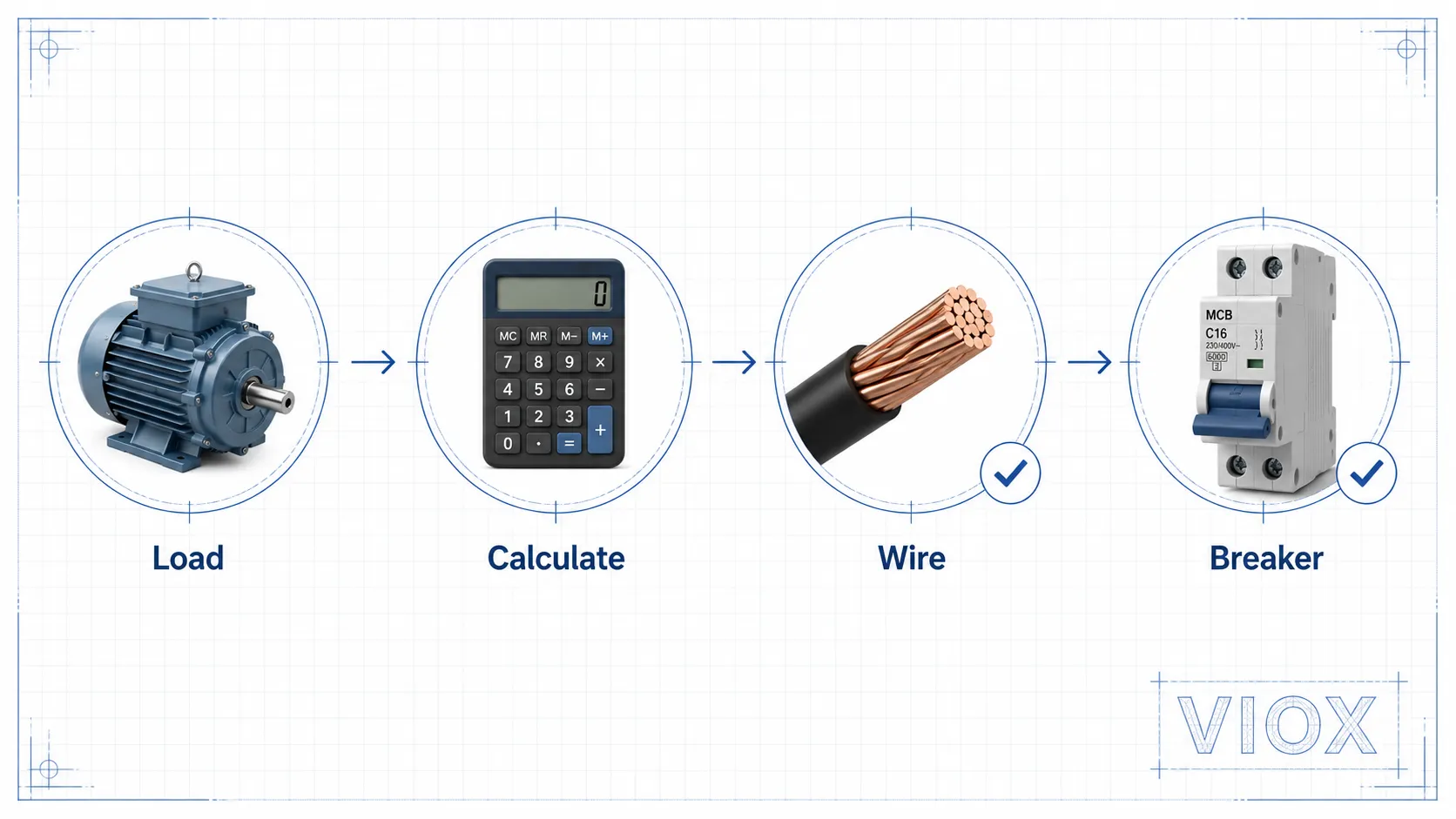
Circuit Breaker အရွယ်အစားသတ်မှတ်ရန်အတွက် ဝန်အားလျှပ်စီးကြောင်းကို တွက်ချက်ပါ၊ ဝန်အားသည် ဆက်တိုက်ဖြစ်မဖြစ် စစ်ဆေးပါ၊ ဒေသဆိုင်ရာ စည်းမျဉ်းများအရ လိုအပ်သော အရွယ်အစားသတ်မှတ်ချက် (sizing factor) ကို အသုံးပြုပါ၊ Breaker နှင့် ဝါယာကြိုးအရွယ်အစားကို ကိုက်ညီအောင်ပြုလုပ်ပါ၊ ထို့နောက် ဗို့အား၊ ပိုအရေအတွက်၊ Trip curve နှင့် Breaking capacity တို့ကို အတည်ပြုပါ။.
အခြေခံဖော်မြူလာမှာ အောက်ပါအတိုင်းဖြစ်သည် -
ဝန်အားလျှပ်စီးကြောင်း (A) = ပါဝါ (W) / ဗို့အား (V)
NEC ပုံစံအသုံးပြုမှုများစွာတွင် ဆက်တိုက်ဝန်အားများအတွက် -
အနည်းဆုံး Circuit အဆင့်သတ်မှတ်ချက် = ဆက်တိုက်ဝန်အားလျှပ်စီးကြောင်း x 125%
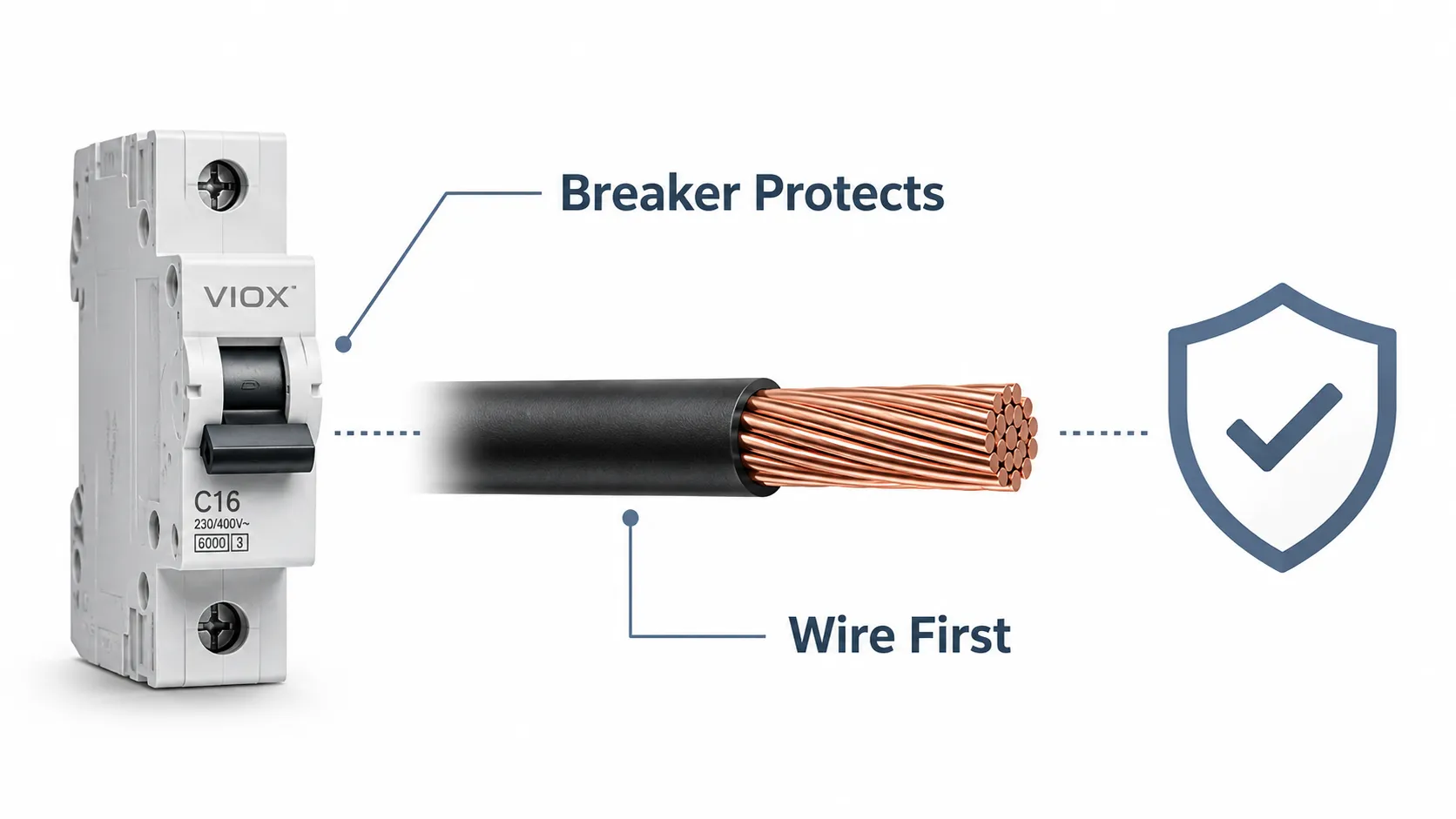
လက်တွေ့ကျသော စည်းမျဉ်းမှာ ရိုးရှင်းပါသည် - Breaker သည် စက်ပစ္စည်းကို ပါဝါပေးရုံသာမက ဝါယာကြိုးကိုပါ ကာကွယ်ပေးရမည်ဖြစ်သည်။. လျှပ်ကူးကြိုး၊ ပလပ်ပေါက်၊ ဘုတ်ပြား သို့မဟုတ် စက်ပစ္စည်းများက ထိုပမာဏကို မခံနိုင်ပါက ပိုမိုကြီးမားသော Breaker ကို အသုံးပြုခြင်းသည် ပိုမိုလုံခြုံသည်ဟု မဆိုနိုင်ပါ။.
Circuit Breaker အရွယ်အစားတွက်ချက်ခြင်းဆိုင်ရာ ဖော်မြူလာ
အခြေခံ Single-phase ဝန်အား (Load) တွက်ချက်မှုများအတွက် အောက်ပါဖော်မြူလာကို အသုံးပြုပါ -
| တွက်ချက်မှု | ဖော်မြူလာ | ဥပမာ |
|---|---|---|
| ဝပ် (Watts) မှ လျှပ်စီးကြောင်း (Current) ကို တွက်ချက်ခြင်း | A = W / V |
2,400W / 120V = 20A |
| လျှပ်စီးကြောင်းမှ ဝပ်အား (Watts) တွက်ချက်ခြင်း | W = V x A |
240V x 30A = 7,200W |
| NEC စံနှုန်းအတိုင်း စဉ်ဆက်မပြတ် ဝန်အားတွက်ချက်ခြင်း | အနည်းဆုံး သတ်မှတ်ချက် = A x 125% |
16A x 1.25 = 20A |
ဤဖော်မြူလာများသည် စီမံကိန်းရေးဆွဲခြင်းအတွက် အထောက်အကူပြုကိရိယာများသာ ဖြစ်သည်။ နောက်ဆုံးရွေးချယ်မည့် Breaker သည် သက်ဆိုင်ရာ လျှပ်စစ်စည်းမျဉ်းများ၊ ဝါယာကြိုး၏ လျှပ်စီးကြောင်းသယ်ဆောင်နိုင်မှုဇယား၊ စက်ပစ္စည်း၏ အချက်အလက်ပြား၊ တပ်ဆင်မှုပုံစံနှင့် Panel နှင့် ကိုက်ညီမှုရှိမရှိတို့ကို လိုက်နာရမည်ဖြစ်သည်။.
အကယ်၍ သင်သည် 20A ဆားကစ်တစ်ခုအတွက် ဝပ်အား (Wattage) ကိုသာ သိရှိလိုပါက VIOX ၏ လမ်းညွှန်ချက်ကို ကြည့်ရှုပါ။ 20 amp ဆားကစ် Breaker တစ်ခုသည် ဝပ်အား (watts) မည်မျှခံနိုင်ရည်ရှိသနည်း.
အဆင့် ၁ - ဝန်အားလျှပ်စီးကြောင်း (Load Current) ကို တွက်ချက်ပါ။
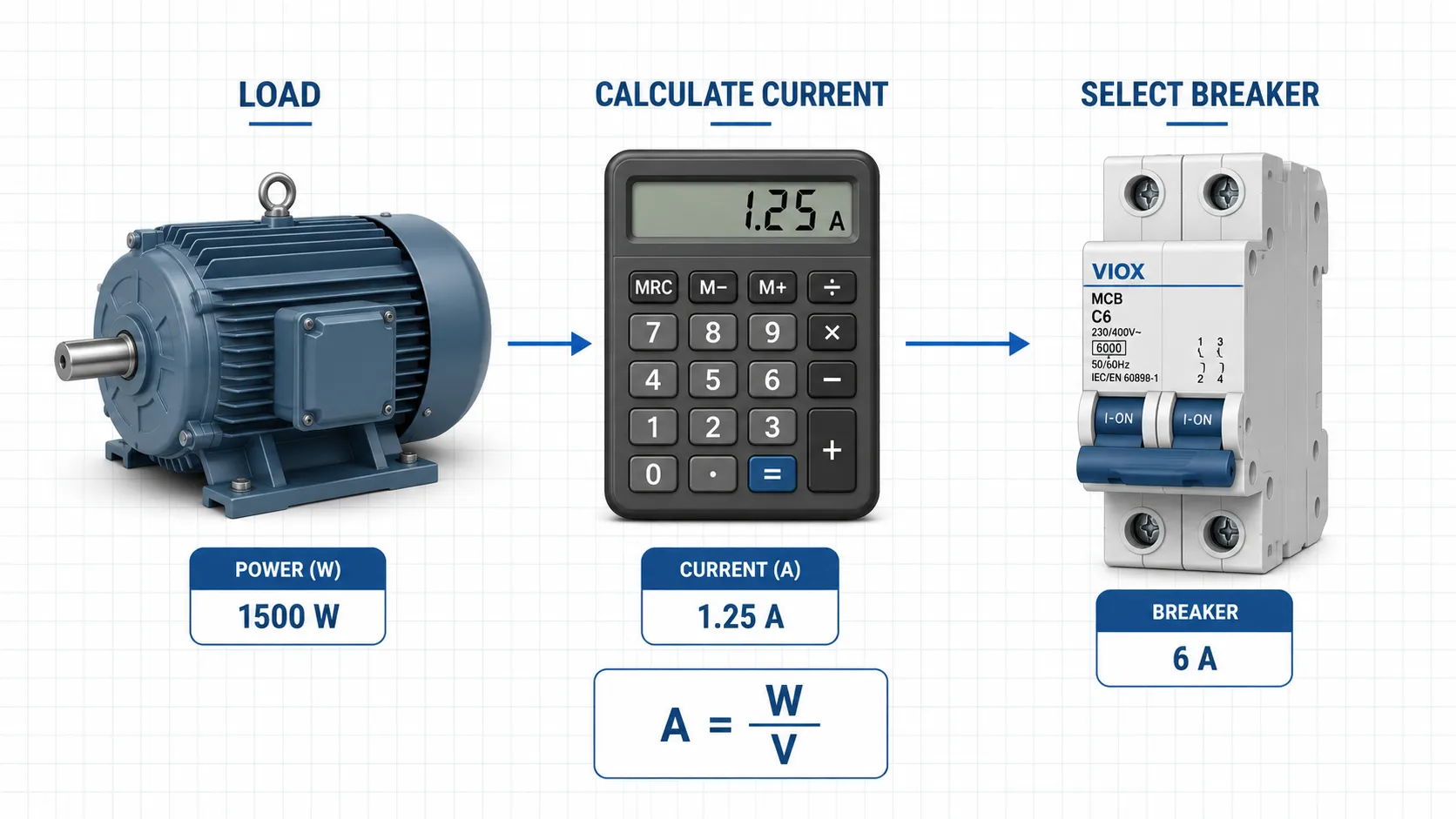
သင်တပ်ဆင်လိုသော Breaker မှ စတင်မတွက်ချက်ဘဲ လက်ရှိအမှန်တကယ်သုံးစွဲမည့် ဝန်အားမှ စတင်တွက်ချက်ပါ။.
ဝန်တစ်ခုတည်းအတွက် -
ဝန်အားလျှပ်စီးကြောင်း (Load current) = ဝပ် (Watts) / ဗို့ (Volts)
ဥပမာ:
| Load | ပါဝါ | ဓာတ်အား | တွက်ချက်ထားသော လျှပ်စီးကြောင်း |
|---|---|---|---|
| အိမ်သုံးလျှပ်စစ်ပစ္စည်းအသေးစား | 1,200W | ၁၂၀V | 10A |
| လျှပ်စစ်ရေပူစက် | ၄,၅၀၀ ဝပ် | 240V | 18.75A |
| လျှပ်စစ်ကားအားသွင်းစက် (EV charger) ဆက်တင် | 7,680W | 240V | 32A |
| အလုပ်ရုံသုံးဝန်အား | 3,600W | 240V | 15A |
ဆားကစ်တစ်ခုတည်းတွင် ဝန်များစွာရှိပါက တစ်ပြိုင်နက်တည်း အလုပ်လုပ်နိုင်သော ဝန်များကို ပေါင်းပါ။ ပန်နယ်တစ်ခုရှိ ဘရိတ်ကာအားလုံး၏ တန်ဖိုးကို ပေါင်းပြီး ဝန်အားဟု မသတ်မှတ်ပါနှင့်။ ဘရိတ်ကာစုစုပေါင်းတန်ဖိုးနှင့် အမှန်တကယ်လိုအပ်သော ဝန်အားတို့သည် မတူညီပါ။.
အဆင့် ၂ - ဝန်အားသည် စဉ်ဆက်မပြတ် (Continuous) ဟုတ်မဟုတ် ဆုံးဖြတ်ပါ။
Continuous load စည်းမျဉ်းများသည် breaker အရွယ်အစား သတ်မှတ်ခြင်းတွင် အဖြစ်အများဆုံး ရှုပ်ထွေးမှုဖြစ်စေသည့် အကြောင်းရင်းများထဲမှ တစ်ခုဖြစ်သည်။.
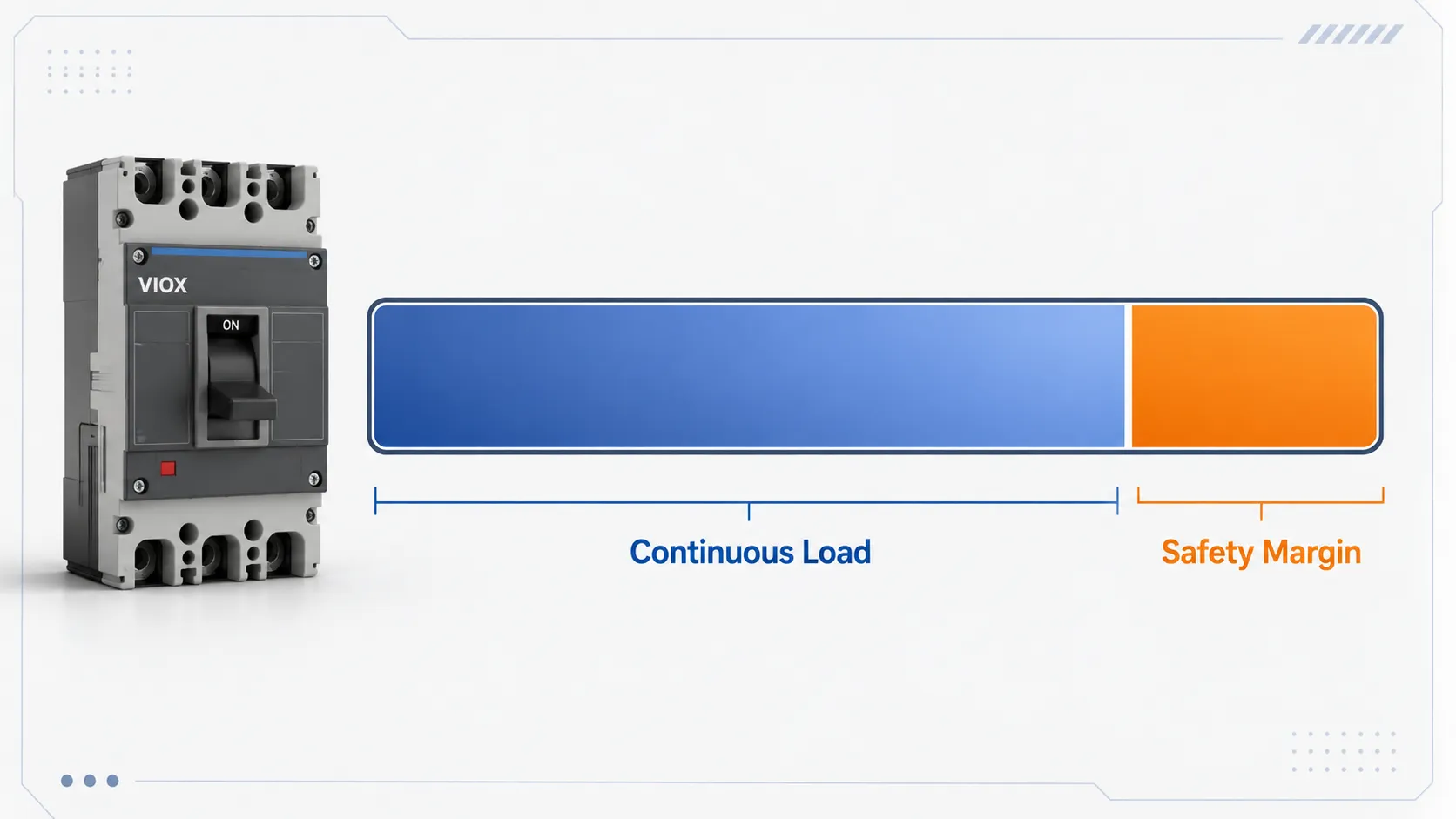
NEC ပုံစံ ဒီဇိုင်းတွင် continuous load ဆိုသည်မှာ သုံးနာရီ သို့မဟုတ် ထိုထက်ပို၍ ကြာရှည်စွာ လည်ပတ်ရန် မျှော်မှန်းထားသော load ကို ဆိုလိုသည်။ ထိုကဲ့သို့သော circuit အများစုကို အောက်ပါအတိုင်း အရွယ်အစား သတ်မှတ်သည် - continuous load ၏ 125%, ၊ ၎င်းသည် အောက်ပါအတိုင်း အသုံးပြုခြင်းနှင့် ညီမျှသည် - circuit rating ၏ 80% ကို စီမံကိန်းရေးဆွဲရာတွင် အသုံးပြုခြင်းဖြစ်သည်။.
ဥပမာ:
Continuous load = 16A
ဤအကြောင်းကြောင့် မြောက်အမေရိကရှိ လူနေအိမ်နှင့် လုပ်ငန်းသုံး အဆောက်အအုံများတွင် 20A ဆားကစ်တစ်ခုအတွက် 16A ခန့်ရှိသော စဉ်ဆက်မပြတ်ဝန်အား (continuous load) ကိုသာ အသုံးပြုရန် စီစဉ်လေ့ရှိသည်။.
ဤစည်းမျဉ်းကို ကမ္ဘာတစ်ဝှမ်းလုံးတွင် မျက်စိစုံမှိတ်၍ မလိုက်နာပါနှင့်။ IEC တပ်ဆင်မှုစံနှုန်းများနှင့် ဒေသဆိုင်ရာဥပဒေများတွင် မတူညီသောနည်းလမ်းများကို အသုံးပြုနိုင်ပါသည်။ အသေးစိတ်ရှင်းလင်းချက်အတွက် VIOX ၏ အချက်အလက်များကို ကြည့်ရှုပါ။ စဉ်ဆက်မပြတ်ဝန်များအတွက် NEC 125% စည်းမျဉ်း.
အဆင့် 3- Breaker အရွယ်အစားနှင့် ဝါယာကြိုးအရွယ်အစားကို ကိုက်ညီအောင် ရွေးချယ်ခြင်း
Breaker ၏ အဓိကလုပ်ဆောင်ချက်မှာ လျှပ်ကူးပစ္စည်း (conductor) ကို ကာကွယ်ရန်ဖြစ်သည်။ ၎င်းသည် Breaker အရွယ်အစား သတ်မှတ်ရာတွင် အသက်အန္တရာယ်ကင်းရှင်းရေးအတွက် အရေးကြီးဆုံးအဆင့်ဖြစ်သည်။.
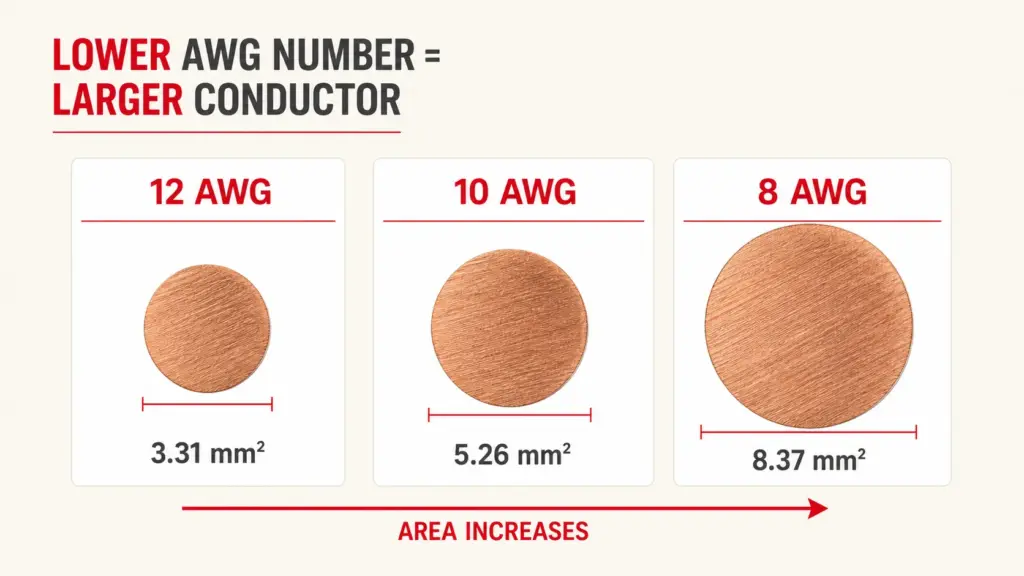
မြောက်အမေရိကရှိ လူနေအိမ်သုံးစနစ်များတွင် ကြေးနီဝါယာကြိုးအရွယ်အစားကို ရိုးရှင်းစွာ ရည်ညွှန်းပြောဆိုလေ့ရှိသည်မှာ အောက်ပါအတိုင်းဖြစ်သည် -
| ကြေးနီဝါယာကြိုးအရွယ်အစား | အများဆုံးအသုံးပြုလေ့ရှိသော Breaker အရွယ်အစား | ပုံမှန်အသုံးပြုမှု |
|---|---|---|
| 14 AWG | 15A | မီးချောင်းနှင့် အထွေထွေလျှပ်စစ်ပတ်လမ်းများ |
| 12 AWG | 20A | ပလပ်ပေါက်နှင့် အိမ်သုံးလျှပ်စစ်ပစ္စည်းငယ်များအတွက် ပတ်လမ်းများ |
| 10 AWG | 30A | လျှပ်စစ်ပစ္စည်းကြီးများနှင့် စက်ကိရိယာများ |
| 8 AWG | 40A | မီးဖိုများ၊ လေအေးပေးစက်နှင့် အပူပေးစက်များ (HVAC)၊ ဝန်အားကြီးသောပစ္စည်းများ |
| 6 AWG | 55A သို့မဟုတ် အသုံးပြုမှုအပေါ်မူတည်သည် | လက်အောက်ခံလျှပ်စစ်ခွဲခန်းများ (Subpanels) နှင့် စက်ကိရိယာကြီးများ |
ဤဇယားသည် အားလုံးအတွက် အကျုံးမဝင်ပါ။ ၎င်းသည် လျှပ်ကူးပစ္စည်းအမျိုးအစား၊ လျှပ်ကာခံနိုင်ရည်၊ တပ်ဆင်ပုံစနစ်၊ အပူချိန်ခံနိုင်ရည်၊ တာမီနယ်ခံနိုင်ရည်၊ ကြိုးအမျိုးအစားနှင့် ဒေသဆိုင်ရာ လျှပ်စစ်စည်းမျဉ်းများအပေါ်တွင် မူတည်ပါသည်။.
NEC/AWG စံနှုန်းများနှင့် ကိုက်ညီစေရန် VIOX ၏ အချက်အလက်များကို အသုံးပြုပါ။ wire gauge နှင့် circuit breaker အရွယ်အစား ဇယားကို ကြည့်ရှုပါ။. IEC စနစ်များအတွက် AWG စည်းမျဉ်းများကို ကူးယူအသုံးပြုမည့်အစား သက်ဆိုင်ရာ ကေဘယ်ကြိုး၏ လျှပ်စီးကြောင်းသယ်ဆောင်နိုင်မှု (ampacity) နည်းလမ်းနှင့် ပရောဂျက်စံနှုန်းများကို အသုံးပြုပါ။.
အဆင့် ၄ - နောက်တစ်ဆင့်အတွက် သင့်လျော်သော Breaker အရွယ်အစားကို ဂရုတစိုက် ရွေးချယ်ပါ။
ဝန်အားလျှပ်စီးကြောင်း (load current) ကို တွက်ချက်ပြီးနောက်နှင့် လျှပ်ကူးပစ္စည်း၏ လျှပ်စီးကြောင်းသယ်ဆောင်နိုင်မှုကို စစ်ဆေးပြီးနောက်၊ ဆားကစ်အတွက် ခွင့်ပြုထားသော စံသတ်မှတ်ချက် Breaker အရွယ်အစားကို ရွေးချယ်ပါ။.
အသုံးများသော Breaker အရွယ်အစားများမှာ အောက်ပါအတိုင်းဖြစ်သည် -
| Breaker အရွယ်အစား | ပုံမှန်အခြေအနေများ |
|---|---|
| 15A | မြောက်အမေရိက၏ မီးအလင်းရောင်နှင့် ပလပ်ပေါက် ဆားကစ်များ |
| 20A | NEC စံနှုန်းများအရ မီးဖိုချောင်၊ ရေချိုးခန်း၊ အဝတ်လျှော်ခန်းနှင့် အထွေထွေသုံး ပလပ်ပေါက် ဆားကစ်များ |
| 30A | အဝတ်အခြောက်ခံစက်များ၊ အဲကွန်းအသေးစားများ၊ ရေပူစက်များနှင့် စက်ကိရိယာ ဆားကစ်များ |
| 40A-50A | မီးဖိုများ၊ လျှပ်စစ်ကားအားသွင်းစက်များ၊ ပိုမိုကြီးမားသော လျှပ်စစ်ပစ္စည်းများ |
| 60A-100A | ပင်မလိုင်းခွဲများ (Feeders)၊ အလယ်အလတ်ဖြန့်ဖြူးရေးပုံးများ (Subpanels)၊ ပိုမိုကြီးမားသော ဝန်အားများ |
| 6A-63A MCBs | IEC စံနှုန်းပါ နောက်ဆုံးအဆင့် ဆားကစ်များနှင့် မော်ဂျူလာဖြန့်ဖြူးရေးစနစ်များ |
| 80A-125A MCBs | ထုတ်ကုန်စီးရီးများက ပံ့ပိုးပေးသည့် ပိုမိုကြီးမားသော မော်ဂျူလာ ပင်မလိုင်းခွဲများ (Feeders) |
IEC miniature circuit breaker (MCB) အဆင့်သတ်မှတ်ချက်များအတွက် VIOX ၏ လမ်းညွှန်ချက်ကို ကြည့်ပါ။ စံသတ်မှတ်ထားသော MCB အရွယ်အစားများ ပိုမိုကြီးမားသော molded-case breaker (MCCB) အဆင့်သတ်မှတ်ချက်များအတွက် စံသတ်မှတ်ထားသော MCCB အရွယ်အစားများကို ကြည့်ပါ။.
အဆင့် ၅ - Breaker ၏ စွမ်းဆောင်ရည်၊ ဗို့အားနှင့် Pole အရေအတွက်ကို စစ်ဆေးပါ။
Breaker အရွယ်အစား သတ်မှတ်ခြင်းသည် အမ်ပီယာ (amps) တစ်ခုတည်းအပေါ်တွင်သာ မူတည်သည်မဟုတ်ပါ။ မှန်ကန်သော breaker တစ်ခုသည် လျှပ်စစ်ပတ်လမ်းတစ်ခုလုံးနှင့် ကိုက်ညီရမည်။.
| အင္တာနက္စာမ်က္ႏွာ | What to Check | ဘာကြောင့် အရေးကြီးတာလဲ။ |
|---|---|---|
| လက်ရှိ အဆင့်သတ်မှတ်ထားသည်။ | 15A၊ 20A၊ 32A၊ 63A စသည်တို့။. | လျှပ်ကူးပစ္စည်း (conductor) ကို ကာကွယ်ပေးရမည်ဖြစ်ပြီး ဝန်အား (load) ကို ထောက်ပံ့ပေးနိုင်ရမည်။ |
| အဆင့်သတ်မှတ်ထားသော ဗို့အား | 120V၊ 240V၊ 230/400V၊ DC ဗို့အား စသည်တို့။. | Breaker သည် စနစ်၏ ဗို့အားနှင့် ကိုက်ညီမှုရှိရမည် |
| Pole count | 1P, 2P, 3P, 4P | ဆားကစ်နှင့် ဖြတ်တောက်မှု လိုအပ်ချက်များနှင့် ကိုက်ညီရမည် |
| ချိုးဖျက်နိုင်စွမ်း | kA rating သို့မဟုတ် interrupting rating (ဖြတ်တောက်နိုင်စွမ်း) | ဖြစ်ပေါ်လာနိုင်သည့် Fault current ကို ဘေးကင်းစွာ ဖြတ်တောက်နိုင်ရမည် |
| Trip curve သို့မဟုတ် Trip unit | B/C/D curve၊ thermal-magnetic၊ electronic trip | Inrush current နှင့် Fault-clearing လိုအပ်ချက်များနှင့် ကိုက်ညီရမည် |
| AC သို့မဟုတ် DC အဆင့်သတ်မှတ်ချက် | AC-only၊ DC-rated၊ polarized/non-polarized | DC ဖြတ်တောက်ခြင်းအတွက် သင့်လျော်သော ဒီဇိုင်းလိုအပ်သည် |
| Panel လိုက်ဖက်မှု | Breaker စီးရီးနှင့် ပန်နယ်စာရင်း/အတည်ပြုချက် | ရုပ်ပိုင်းဆိုင်ရာအရ တပ်ဆင်နိုင်ရုံမျှဖြင့် ဘေးကင်းစွာ အသုံးပြုနိုင်မည်ဟု အာမမခံနိုင်ပါ |
Breaker အမျိုးအစား ရွေးချယ်မှုအတွက် VIOX ၏ လမ်းညွှန်ချက်ကို ကြည့်ပါ ဆားကစ်ဘရိတ်ကာ အမျိုးအစားများ လမ်းညွှန်ကို ကိုးကားပါ။.
Circuit Breaker ရွေးချယ်ရာတွင် ထည့်သွင်းစဉ်းစားရမည့် ဘေးကင်းလုံခြုံမှုဆိုင်ရာ အချက်များ (Safety Factor)
“Safety Factor” ဟူသော စကားလုံးသည် Breaker အရွယ်အစား သတ်မှတ်ရာတွင် အဓိပ္ပာယ်အမျိုးမျိုး သက်ရောက်နိုင်သည်။ ၎င်းသည် ပိုကြီးသော အရွယ်အစားကို ခန့်မှန်းရွေးချယ်ခြင်းဟု မဆိုလိုပါ။.
ဘေးကင်းလုံခြုံမှုနှင့် သက်ဆိုင်သော အဓိကစစ်ဆေးရမည့်အချက်များမှာ-
| ဒီဇိုင်းပိုင်းဆိုင်ရာ ပြဿနာ | ဘေးကင်းလုံခြုံသော ချဉ်းကပ်မှုနည်းလမ်း |
|---|---|
| စဉ်ဆက်မပြတ်ဝန် | NEC ကဲ့သို့သော သက်ဆိုင်ရာ စည်းမျဉ်းများတွင် သတ်မှတ်ထားသည့်အတိုင်း 125% continuous-load sizing ကို အသုံးပြုပါ။ |
| မော်တာဝန်အား (Motor load) | စတင်ချိန်တွင် လိုအပ်သော လျှပ်စီးကြောင်း (starting current)၊ မော်တာကာကွယ်ရေးနှင့် overload relay လိုအပ်ချက်များကို ထည့်သွင်းစဉ်းစားပါ။ |
| ပတ်ဝန်းကျင် အပူချိန် မြင့်မားခြင်း | Derating နှင့် enclosure အပူချိန်ကို စစ်ဆေးပါ။ |
| Breaker အများအပြားကို စုစည်းတပ်ဆင်ထားခြင်း။ | အုပ်စုလိုက် တပ်ဆင်မှု သို့မဟုတ် အပူချိန်မြင့်တက်မှု သက်ရောက်မှုများကို စစ်ဆေးပါ။ |
| အနာဂတ် ချဲ့ထွင်ခြင်း။ | Panel/service capacity ကို ကြိုတင်စီစဉ်ပါ၊ branch breaker များကို အရွယ်အစားကြီးလွန်းအောင် မရွေးချယ်ပါနှင့်။ |
| Short-circuit current (ဝါယာရှော့ဖြစ်စဉ် လျှပ်စီးကြောင်း) | သင့်လျော်သော breaking capacity ကို ရွေးချယ်ပါ။ |
Breaker အရွယ်အစား သေးလွန်းပါက မလိုအပ်ဘဲ ခဏခဏ trip ဖြစ်နိုင်သည်။ Breaker အရွယ်အစား ကြီးလွန်းပါက ကေဘယ်ကြိုးကို ကာကွယ်ပေးနိုင်မည်မဟုတ်ပါ။ မှန်ကန်သော ရွေးချယ်မှုသည် breaker ကို တစ်ဆင့်ပိုကြီးအောင် ရွေးချယ်ရုံမျှဖြင့် မရနိုင်ဘဲ စည်းမျဉ်းများ၊ လျှပ်ကူးပစ္စည်း၏ ampacity၊ load duty နှင့် ထုတ်လုပ်သူ၏ အချက်အလက်များအပေါ်တွင် မူတည်ပါသည်။.
လူနေအိမ်သုံး ဝန်အားတွက်ချက်ခြင်းနှင့် ဘရန့်ချ်ဆားကစ် (Branch Circuit) အရွယ်အစား သတ်မှတ်ခြင်း
ဆက်စပ်မှုရှိသော်လည်း ကွဲပြားခြားနားသော လုပ်ငန်းစဉ်နှစ်ခု ရှိပါသည်-
| လုပ်ငန်းစဉ် | ရည်ရွယ်ချက် | နမူနာမေးခွန်း |
|---|---|---|
| ဘရန့်ချ်ဆားကစ် ဘရိတ်ကာ (Branch circuit breaker) အရွယ်အစား သတ်မှတ်ခြင်း | ဆားကစ်တစ်ခုအတွက် ဘရိတ်ကာကို ရွေးချယ်ခြင်း | ဤလျှပ်စစ်ပစ္စည်းအတွက် မည်သည့်အရွယ်အစားရှိ ဘရိတ်ကာ လိုအပ်သနည်း။ |
| လူနေအိမ်သုံး ဝန်အားတွက်ချက်ခြင်း | စုစုပေါင်း ဝန်အား သို့မဟုတ် ပန်နယ် (Panel) ၏ စွမ်းဆောင်ရည်ကို စစ်ဆေးခြင်း | ကျွန်ုပ်၏ 100A သို့မဟုတ် 200A ပါဝါဘုတ် (panel) သည် ဤဝန်အားအသစ်ကို ထောက်ပံ့ပေးနိုင်ပါသလား။ |
သင်သည် လျှပ်စစ်ပစ္စည်းတစ်ခုခုကို ထပ်တိုးမည်ဆိုပါက ဘဏ်ခွဲဆားကစ် (branch circuit) အရွယ်အစားကို တွက်ချက်ရန် လိုအပ်နိုင်သည်။ အကယ်၍ သင်သည် ဆပ်ဘုတ် (subpanel)၊ EV အားသွင်းစက်၊ အလုပ်ရုံ၊ ရေနွေးကန်၊ လျှပ်စစ်မီးဖို သို့မဟုတ် အပူစုပ်စက် (heat pump) တို့ကို ထပ်တိုးမည်ဆိုပါက နေအိမ်သုံး လျှပ်စစ်ဝန်အားတွက်ချက်မှု (residential load calculation) အပြည့်အစုံ လိုအပ်နိုင်ပါသည်။.
ဘရိတ်ကာ (breaker) တပ်ဆင်ရန် နေရာလွတ်ရှိရုံဖြင့် လျှပ်စစ်ဝန်အားခံနိုင်ရည်ရှိသည်ဟု မဆိုလိုပါ။ ပါဝါဘုတ်တွင် ဘရိတ်ကာအပိုများ တပ်ဆင်ရန် နေရာလွတ်ရှိနေသော်လည်း ဝန်အားတွက်ချက်မှုအရ ကန့်သတ်ချက်သို့ ရောက်ရှိနေနိုင်ပါသည်။.
အဖြစ်များသော ဥပမာများ
ဥပမာ ၁ - 120V တွင် 2,400W ဝန်အား
2,400W / 120V = 20A
NEC စံနှုန်းအရ ဝန်အားသည် ဆက်တိုက်အသုံးပြုသည့် အမျိုးအစားဖြစ်ပါက -
20A x 1.25 = 25A
ဆိုလိုသည်မှာ 20A ဆက်တိုက်ဝန်အားအတွက် သာမန် 20A ဆားကစ်သည် မလုံလောက်နိုင်ပါ။ အမှန်တကယ်ဖြေရှင်းချက်မှာ လျှပ်စစ်စည်းမျဉ်းများ၊ ဝါယာကြိုးအရွယ်အစား၊ ပလပ်ပေါက်/ပစ္စည်း၏ သတ်မှတ်ချက်နှင့် ဆားကစ်ဒီဇိုင်းတို့အပေါ် မူတည်ပါသည်။.
ဥပမာ ၂ - ၂၄၀ ဗို့အားသုံး ၄,၅၀၀ ဝပ် ရေပူစက်
၄,၅၀၀ ဝပ် / ၂၄၀ ဗို့ = ၁၈.၇၅ အမ်ပီယာ
ဆက်တိုက်အသုံးပြုရသည့် ပုံသေဝန်အားအတွက် -
၁၈.၇၅ အမ်ပီယာ x ၁.၂၅ = ၂၃.၄ အမ်ပီယာ
ဒီဇိုင်နာသည် ခွင့်ပြုထားသော စံသတ်မှတ်ချက်ရှိသည့် ဘရိတ်ကာအရွယ်အစား၊ လျှပ်ကူးကြိုးအရွယ်အစား၊ စက်ပစ္စည်းဆိုင်ရာ ညွှန်ကြားချက်များနှင့် ဒေသန္တရလျှပ်စစ်စည်းမျဉ်းများကို စစ်ဆေးရမည်ဖြစ်သည်။.
ဥပမာ ၃ - ၂၄၀ ဗို့အားသုံး ၃၂ အမ်ပီယာ လျှပ်စစ်ကားအားသွင်းစက် (EV Charger) ဆက်တင်
၂၄၀ ဗို့ x ၃၂ အမ်ပီယာ = ၇,၆၈၀ ဝပ်
NEC ပုံစံ တပ်ဆင်မှုအများစုတွင် လျှပ်စစ်ကားအားသွင်းခြင်းကို ဆက်တိုက်အသုံးပြုရသည့် ဝန်အားအဖြစ် သတ်မှတ်သည် -
32A x 1.25 = 40A ဆားကစ်အဆင့်သတ်မှတ်ချက်
EV အားသွင်းကိရိယာ၏ လက်စွဲစာအုပ်၊ ဆားကစ်အဆင့်သတ်မှတ်ချက်၊ ဝါယာကြိုးအရွယ်အစားနှင့် ဒေသဆိုင်ရာ စစ်ဆေးရေးလိုအပ်ချက်များကို အမြဲစစ်ဆေးပါ။.
အဖြစ်များသော အမှားများ
အမှား (၁) - Breaker ပြုတ်ကျခြင်းကို ရပ်တန့်ရန် Breaker အရွယ်အစားကို တိုးမြှင့်ခြင်း
Breaker တစ်ခုသည် အကြိမ်ကြိမ် ပြုတ်ကျနေပါက ဝန်ပိုခြင်း၊ စက်ပစ္စည်းချို့ယွင်းခြင်း၊ ဝါယာကြိုးလျော့ရဲခြင်း၊ မြေကြီးထိတွေ့မှု (ground fault)၊ လျှပ်စစ်မီးပွားထွက်ခြင်း (arc fault) သို့မဟုတ် ဆားကစ်ဒီဇိုင်း မှားယွင်းခြင်းတို့ကြောင့် ဖြစ်နိုင်သည်။ ဝါယာကြိုးအရွယ်အစားကို မစစ်ဆေးဘဲ ပိုကြီးသော Breaker ဖြင့် အစားထိုးခြင်းသည် မီးလောင်မှုအန္တရာယ်ကို ဖြစ်စေနိုင်သည်။.
အမှား (၂) - လျှပ်စစ်ပစ္စည်း၏ ဝပ် (Watts) ပမာဏကိုသာ ကြည့်၍ Breaker အရွယ်အစား သတ်မှတ်ခြင်း
ဝပ် (Watts) ပမာဏသည် အရေးကြီးသော်လည်း လုံလောက်မှုမရှိပါ။ ဝါယာကြိုးအရွယ်အစား၊ ဗို့အား၊ ဝန်အမျိုးအစား၊ စတင်ချိန်တွင် လိုအပ်သော လျှပ်စီးကြောင်း (inrush current)၊ Terminal အဆင့်သတ်မှတ်ချက်နှင့် လျှပ်စစ်ဆိုင်ရာ စည်းမျဉ်းများမှာလည်း အရေးကြီးပါသည်။.
အမှား (၃) - Panel Slots (Breaker တပ်ဆင်ရန်နေရာ) နှင့် စွမ်းဆောင်ရည်ကို ရောထွေးခြင်း
Breaker တပ်ဆင်ရန် လွတ်နေသောနေရာသည် တပ်ဆင်နိုင်သည့် နေရာတစ်ခုသာ ဖြစ်သည်။ ၎င်းသည် ပင်မလျှပ်စစ်စနစ်တွင် ဝန်အသစ်တစ်ခုအတွက် လုံလောက်သော စွမ်းဆောင်ရည်ရှိကြောင်း သက်သေမပြနိုင်ပါ။.
အမှား (၄) - NEC စည်းမျဉ်းများကို ကမ္ဘာတစ်ဝှမ်းတွင် အသုံးပြုခြင်း
125% စဉ်ဆက်မပြတ်ဝန်အား (continuous-load) စည်းမျဉ်းနှင့် AWG ဝါယာကြိုးဇယားများသည် မြောက်အမေရိကတွင် အသုံးများသည်။ အခြားဈေးကွက်များတွင် IEC အခြေခံ ကေဘယ်လ်အရွယ်အစားသတ်မှတ်ခြင်းနှင့် ဒေသတွင်း ဝါယာသွယ်တန်းခြင်းဆိုင်ရာ စည်းမျဉ်းများကို အသုံးပြုနိုင်သည်။.
အမှား (၅) - မော်တာစတင်ချိန်တွင် လျှပ်စီးကြောင်း (Starting Current) ကို လျစ်လျူရှုခြင်း
မော်တာများ၊ ကွန်ပရက်ဆာများ၊ ပန့်များ နှင့် HVAC စက်ပစ္စည်းများသည် စတင်လည်ပတ်ချိန်တွင် လျှပ်စီးကြောင်း မြင့်မားစွာ ဆွဲယူနိုင်သည်။ Breaker အရွယ်အစား သတ်မှတ်ရာတွင် လည်ပတ်နေစဉ် အမ်ပီယာနှင့် ကိုက်ညီရုံသာမက မော်တာကာကွယ်ရေးစနစ်နှင့်ပါ ကိုက်ညီမှုရှိစေရန် လိုအပ်သည်။.
ဘယ်အချိန်မှာ လျှပ်စစ်ပညာရှင်ကို ခေါ်မလဲ။
အောက်ပါအခြေအနေများတွင် လိုင်စင်ရ လျှပ်စစ်ပညာရှင်ကို ခေါ်ယူပါ -
- 240V ဆားကစ်အသစ် ထပ်တိုးခြင်း၊;
- EV အားသွင်းစက်၊ ရေနွေးကန် (hot tub)၊ HVAC ယူနစ်ကြီးများ သို့မဟုတ် အလုပ်ရုံသုံး စက်ပစ္စည်းများ တပ်ဆင်ခြင်း၊;
- Breaker ကို ပိုမိုကြီးမားသော အရွယ်အစားဖြင့် အစားထိုးလဲလှယ်ခြင်း၊;
- အရန်လျှပ်စစ်ပြား (subpanel) ထပ်တိုးခြင်း၊;
- လျှပ်စစ်ပြား (electrical panel) ကို ဖွင့်ခြင်း၊;
- လောင်ကျွမ်းသည့်အနံ့၊ အပူရှိန်၊ တဝီဝီမြည်သံ၊ မီးလောင်ထားသည့်အမှတ်အသားများ၊ သံချေးတက်ခြင်း သို့မဟုတ် အကြိမ်ကြိမ်မီးဖြတ်ခြင်း (tripping) တို့ကို စစ်ဆေးခြင်း။.
ဤဆောင်းပါးသည် တွက်ချက်မှုများကို နားလည်စေရန် ကူညီပေးနိုင်သော်လည်း ၎င်းသည် ခွင့်ပြုချက်ရဒီဇိုင်း သို့မဟုတ် တပ်ဆင်မှုဆိုင်ရာ လမ်းညွှန်ချက်မဟုတ်ပါ။.
အမြဲမေးလေ့ရှိသောမေးခွန်းများ
ဆားကစ်ဘရိတ်ကာ (circuit breaker) အရွယ်အစား သတ်မှတ်ရန်အတွက် ဖော်မြူလာမှာ အဘယ်နည်း။
အခြေခံဖော်မြူလာမှာ လျှပ်စီးကြောင်း (A) = ပါဝါ (W) / ဗို့အား (V). NEC ပုံစံအသုံးချမှုအများစုတွင် ဆက်တိုက်ဝန်အား (continuous loads) များအတွက်၊ ဆားကစ်အဆင့်သတ်မှတ်ချက်ကို မရွေးချယ်မီ ဆက်တိုက်ဝန်အား လျှပ်စီးကြောင်းကို ၁၂၅ ရာခိုင်နှုန်းဖြင့် မြှောက်ပါ။.
ဝပ် (watts) မှ ဆားကစ်ဘရိတ်ကာ အရွယ်အစားကို မည်သို့တွက်ချက်ရမည်နည်း။
ဝပ် (watts) ကို ဗို့ (volts) ဖြင့်စား၍ အမ်ပီယာ (amps) ကို ရယူပါ။ ထို့နောက် ဝန် (load) သည် ဆက်တိုက်ဖြစ်ပေါ်နေသောဝန် (continuous load) ဟုတ်မဟုတ် စစ်ဆေးပါ၊ ဝါယာကြိုးအရွယ်အစားနှင့် ကိုက်ညီသော Breaker ကို ရွေးချယ်ပါ၊ ထို့နောက် ဒေသဆိုင်ရာ စည်းမျဉ်းများနှင့် စက်ပစ္စည်းလမ်းညွှန်ချက်များအရ ခွင့်ပြုထားသော စံသတ်မှတ်ချက် Breaker အရွယ်အစားကို ရွေးချယ်ပါ။.
Circuit Breaker ရွေးချယ်ရာတွင် ဘေးကင်းလုံခြုံမှုဆိုင်ရာ အချက် (safety factor) မှာ မည်မျှဖြစ်သနည်း။
Breaker တိုင်းအတွက် တူညီသော ဘေးကင်းလုံခြုံမှုဆိုင်ရာ အချက်ဟူ၍ မရှိပါ။ NEC ပုံစံ ဆက်တိုက်ဝန် (continuous-load) တွက်ချက်မှုတွင် 125% ကို အများအားဖြင့် အသုံးပြုကြသည်။ အခြားသော ဘေးကင်းလုံခြုံမှုဆိုင်ရာ စစ်ဆေးချက်များတွင် လျှပ်ကူးပစ္စည်း၏ လျှပ်စီးကြောင်းသယ်ဆောင်နိုင်မှု (ampacity)၊ အပူချိန်ကြောင့် လျှော့ချတွက်ချက်ခြင်း (temperature derating)၊ အုပ်စုလိုက်ထားရှိခြင်း၊ မော်တာစတင်ချိန် လျှပ်စီးကြောင်းနှင့် ဖြတ်တောက်နိုင်စွမ်း (breaking capacity) တို့ ပါဝင်သည်။.
125% အစား 80% စည်းမျဉ်းကို အသုံးပြုနိုင်ပါသလား။
NEC ပုံစံ ဆက်တိုက်ဝန် (continuous-load) ဆွေးနွေးချက်များစွာတွင် ၎င်းတို့သည် တူညီသောသဘောတရားကို ရှုထောင့်နှစ်မျိုးမှ ဖော်ပြခြင်းဖြစ်သည်။ ဆက်တိုက်ဝန်တစ်ခုသည် Circuit Rating ၏ 80% ထက် မကျော်လွန်သင့်ပါ၊ ဆိုလိုသည်မှာ Circuit Rating သည် ဆက်တိုက်ဝန်၏ အနည်းဆုံး 125% ရှိရမည်ဖြစ်သည်။.
100 amp ဝန်အတွက် မည်သည့်အရွယ်အစား Breaker လိုအပ်သနည်း။
၎င်းသည် ဝန်သည် ဆက်တိုက်ဖြစ်ပေါ်နေခြင်း ဟုတ်မဟုတ်၊ လျှပ်ကူးပစ္စည်းအရွယ်အစား၊ ဗို့အား၊ စက်ပစ္စည်းလမ်းညွှန်ချက်များနှင့် ဒေသဆိုင်ရာ စည်းမျဉ်းများအပေါ် မူတည်ပါသည်။ တွက်ချက်ထားသော 100A ဝန်သည် ဆက်တိုက်ဝန်ဖြစ်ပါက ပိုမိုကြီးမားသော Circuit Rating လိုအပ်နိုင်သော်လည်း နောက်ဆုံးရွေးချယ်မှုကို ကျွမ်းကျင်သူဖြင့် အတည်ပြုရမည်ဖြစ်သည်။.
ကျွန်ုပ်၏ Panel သည် Breaker အသစ်တစ်ခုကို ထပ်မံတပ်ဆင်နိုင်ခြင်း ရှိမရှိ မည်သို့သိနိုင်မည်နည်း။
ရုပ်ပိုင်းဆိုင်ရာ နေရာလွတ်နှင့် ဝန်ဆောင်မှုစွမ်းရည် (service capacity) နှစ်ခုစလုံးကို စစ်ဆေးပါ။ အလွတ်နေရာရှိရုံဖြင့် စွမ်းရည်ရှိသည်ဟု မဆိုလိုပါ။ EV အားသွင်းစက်များ၊ HVAC စက်ပစ္စည်းများ၊ အလုပ်ရုံသုံးကိရိယာများ၊ ရေနွေးကန်များ သို့မဟုတ် subpanel များကဲ့သို့သော အဓိကတိုးချဲ့မှုများအတွက် ဝန်အားတွက်ချက်မှု (load calculation) လိုအပ်ပါသည်။.
Breaker အရွယ်အစားသည် circuit စွမ်းရည်နှင့် တူညီပါသလား။
အတိအကျအားဖြင့် မတူပါ။ Breaker အရွယ်အစားသည် အကာအကွယ်ပေးသည့် ကိရိယာ၏ သတ်မှတ်ချက် (rating) ဖြစ်သည်။ Circuit စွမ်းရည်သည် breaker rating၊ ဝါယာကြိုးအရွယ်အစား၊ ဗို့အား၊ terminals များ၊ တပ်ဆင်သည့်နည်းလမ်း၊ ဝန်အမျိုးအစားနှင့် သက်ဆိုင်ရာ စည်းမျဉ်းများပေါ်တွင် မူတည်ပါသည်။.
Can I replace a 15A breaker with a 20A breaker?
Circuit ဝါယာကြိုးများ၊ terminals များ၊ receptacles များ၊ စက်ပစ္စည်းများနှင့် ဒေသဆိုင်ရာ စည်းမျဉ်းများက 20A အကာအကွယ်ကို ခွင့်ပြုမှသာလျှင် ဖြစ်သည်။ Breaker ပြုတ်ကျခြင်းကို ရပ်တန့်ရန်အတွက်သာ Breaker အရွယ်အစားကို ဘယ်သောအခါမှ မတိုးမြှင့်ပါနှင့်။.
နိဂုံး
Circuit breaker အရွယ်အစား သတ်မှတ်ခြင်းသည် ရိုးရှင်းသော ဖော်မြူလာဖြင့် စတင်သော်လည်း ၎င်းနှင့် မပြီးဆုံးပါ။ ဝန်အားလျှပ်စီးကြောင်း (load current) ကို တွက်ချက်ပါ၊ လိုအပ်သော continuous-load စည်းမျဉ်းများကို အသုံးပြုပါ၊ Breaker နှင့် ဝါယာကြိုးကို ကိုက်ညီအောင်ပြုလုပ်ပါ၊ ထို့နောက် ဗို့အား၊ pole အရေအတွက်၊ breaking capacity၊ trip ဖြစ်ပေါ်ပုံနှင့် panel နှင့် ကိုက်ညီမှုရှိမရှိတို့ကို စစ်ဆေးပါ။.
သေးငယ်သော branch circuit များအတွက် အရေးကြီးဆုံးအချက်မှာ ဝါယာကြိုးကို ကာကွယ်ရန်ဖြစ်သည်။ ကြီးမားသော တိုးချဲ့မှုများအတွက် အရေးကြီးဆုံးအချက်မှာ panel တစ်ခုလုံး၏ စွမ်းရည်နှင့် ဝန်ဆောင်မှုစွမ်းရည်ဖြစ်သည်။ မည်သည့်ကိစ္စတွင်မဆို အလုံခြုံဆုံးအဖြေမှာ ခန့်မှန်းခြေမဟုတ်ဘဲ တွက်ချက်မှုမှသာ ရရှိနိုင်ပါသည်။.