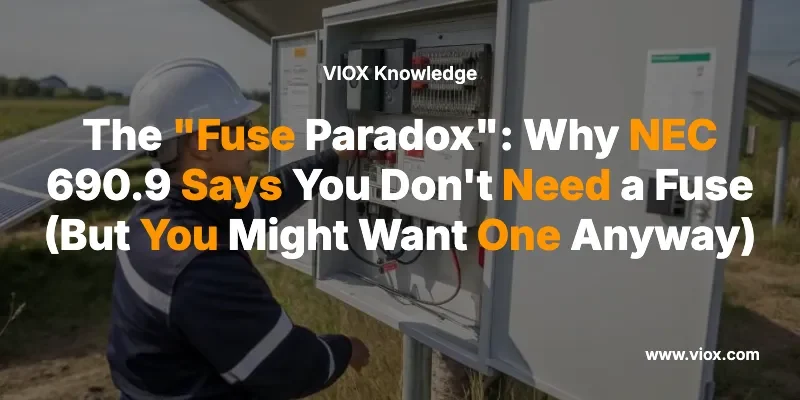
اگر در حال طراحی یک آرایه خورشیدی هستید، قانون طلایی مهندسی برق را میدانید: سیمها باید توسط فیوزها محافظت شوند یا شکن ها.
بنابراین، هنگامی که به بخش 690.9 آییننامه ملی برق (NEC) وارد میشوید، ممکن است با بندی روبرو شوید که شما را متوقف میکند. این بند پیشنهاد میکند که اگر دو رشته پنل خورشیدی به صورت موازی سیمکشی شده باشند، شما تست شستشو با شلنگ را پشت سر نمیگذارند. اگر محیط شما شامل شستشو با فشار است، شما وارد نیاز به نصب فیوز دارید.
این حس اشتباهی دارد. به نظر میرسد یک غلط املایی باشد. چگونه یک منبع تغذیه میتواند نیازی به محافظت نداشته باشد؟
به “پارادوکس فیوز”
خوش آمدید. این قانون نه به این دلیل وجود دارد که NEC در مورد ایمنی سهلانگار است، بلکه به این دلیل است که فیزیک یک پنل خورشیدی اساساً با باتری یا شبکه برق متفاوت است. درک این پارادوکس کلید تشخیص یک نصاب “حداقل کد” از یک مهندس خورشیدی واقعی است.
فیزیک: “چه کسی به چه کسی حمله میکند؟”

برای درک اینکه چرا به فیوز نیاز ندارید، ابتدا باید بفهمید که فیوز در واقع از چه چیزی در یک سیستم PV محافظت میکند.
در یک مدار استاندارد خانه، فیوز سیم را از منبع (شبکه برق) محافظت میکند. اگر یک سیم را اتصال کوتاه کنید، شبکه جریان بینهایتی را تخلیه میکند تا سیم ذوب شود.
پنلهای خورشیدی متفاوت هستند. آنها “منابع محدود جریان” هستند.”
اگر یک پنل خورشیدی 10 آمپری دارید و کابلهای مثبت و منفی آن را به هم اتصال کوتاه کنید، منفجر نمیشود. فقط حدود 10-11 آمپر (جریان اتصال کوتاه یا Isc آن) تولید میکند. از نظر فیزیکی نمیتواند جریان بیشتری از آنچه خورشید اجازه میدهد تولید کند.
بنابراین، یک پنل خورشیدی نمیتواند خودش را بسوزاند.
پس چرا اصلاً آرایههای PV را فیوز میزنیم؟ ما از پنل در برابر خودش محافظت نمیکنیم. ما از آن در برابر همسایگانش محافظت میکنیم.
خطر جریان برگشتی. است. اگر یک رشته خراب شود (به عنوان مثال، اتصال کوتاه در داخل یک ماژول)، به شما که "فقط آن را نچرخانید")، میتوانید از "نگهبان قدیمی" رشتههای موازی قدرت خود را به صورت معکوس به رشته خراب تخلیه میکنند.
ریاضیات: معافیت “2 رشته”

بیایید ریاضیاتی را اجرا کنیم که به “پارادوکس فیوز” اجازه وجود میدهد.
متغیرها:
- Isc پنل (جریان اتصال کوتاه): 10 آمپر (قدرت حمله).
- حداکثر رتبهبندی فیوز سری: 15 آمپر (قدرت دفاع). این روی پشت هر پنل خورشیدی چاپ شده است. این به شما میگوید که پنل قبل از آتش گرفتن چقدر جریان معکوس را میتواند تحمل کند.
سناریو A: 2 رشته به صورت موازی (“بن بست”)
شما رشته 1 و رشته 2 را به صورت موازی به هم متصل کردهاید.
- خطا: رشته 1 اتصال کوتاه ایجاد میکند.
- حمله: رشته 2 به صورت معکوس به رشته 1 جریان مییابد.
- محاسبه جریان: تنها منبع جریان رشته 2 است. بنابراین، نیروی حمله 10 آمپر.
- نتیجه: است. حمله 10 آمپری کمتر از حد 15 آمپری (حداکثر رتبهبندی فیوز سری) رشته 1 است.
پنل میتواند گرما را تحمل کند. سیم میتواند گرما را تحمل کند. هیچ آتشی رخ نمیدهد.
حکم: NEC 690.9 میگوید فیوز لازم نیست.
سناریو B: 3 رشته به صورت موازی (“کمین”)
اکنون، یک رشته سوم اضافه میکنید.
- خطا: رشته 1 اتصال کوتاه ایجاد میکند.
- حمله: رشته 2 (10 آمپر) و رشته 3 (10 آمپر) هر دو به صورت معکوس به رشته 1 جریان مییابند.
- محاسبه جریان: 10 آمپر + 10 آمپر = ۲۰ آمپر.
- نتیجه: حمله 20 آمپری بیشتر از حد 15 آمپری رشته 1 است.
رشته 1 اکنون تحت فشار قرار گرفته است. بیش از حد گرم میشود. ذوب میشود. سقف آتش میگیرد.
حکم: NEC 690.9 میگوید فیوزها در هر رشته اجباری.
هستند.
فراتر از کد: چرا به هر حال باید فیوز بزنید.
اما از هر تکنسین خدمات باتجربه بپرسید، به شما خواهند گفت: “به هر حال فیوزها را نصب کنید.”
در اینجا دلیل اینکه “حداقل کد” بهترین روش نیست، آورده شده است.“
1. کابوس “قطع اتصال تحت بار”
رعایت کد تا زمانی که مجبور به تعمیر چیزی هستید عالی است.
اگر از جا فیوزی صرف نظر کنید (که معمولاً به عنوان یک کلید قطع کننده عمل می کند)، رشته های شما به صورت سخت افزاری به هم متصل می شوند (اغلب با کانکتورهای Y).
اگر نیاز به عیب یابی رشته 1 دارید، باید کانکتورهای MC4 را جدا کنید. اگر خورشید می تابد، آن مدار تحت بار است. کشیدن یک کانکتور MC4 تحت بار یک قوس DCایجاد می کند - یک شعله پلاسما که می تواند کنتاکت های کانکتور را ذوب کرده و دست شما را بسوزاند.
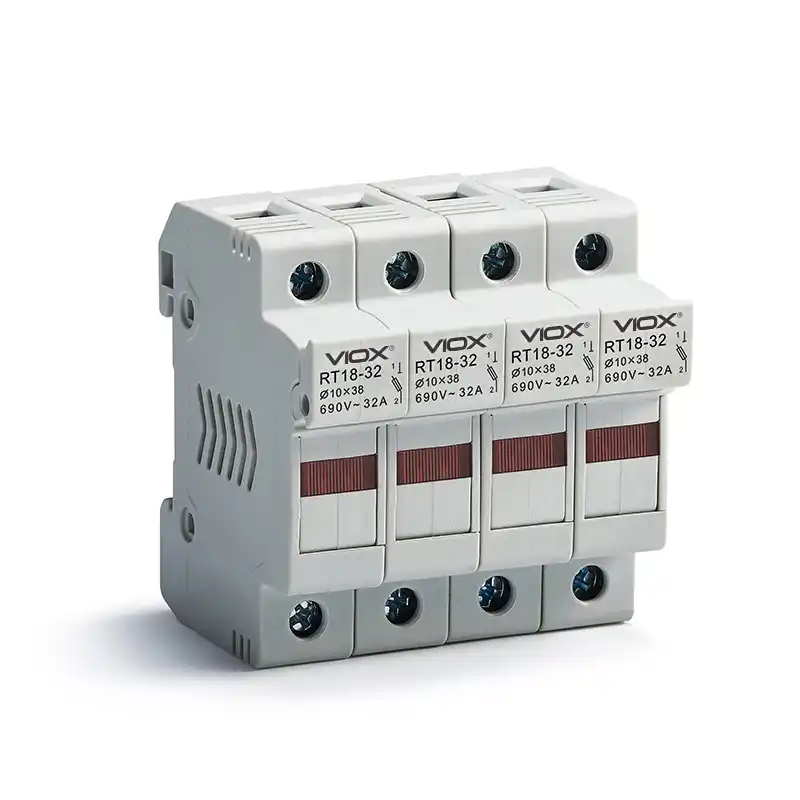
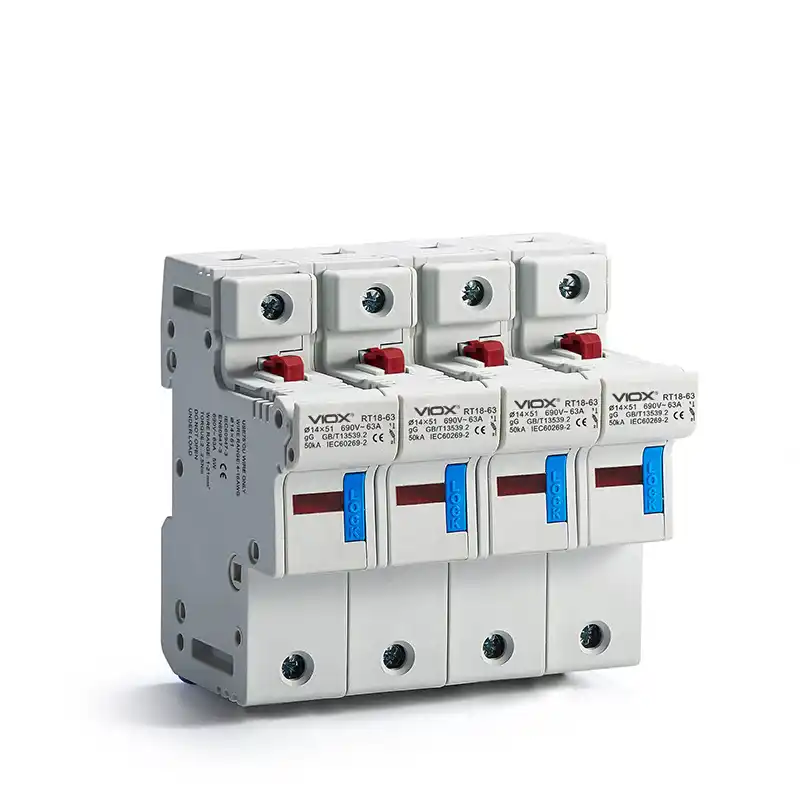
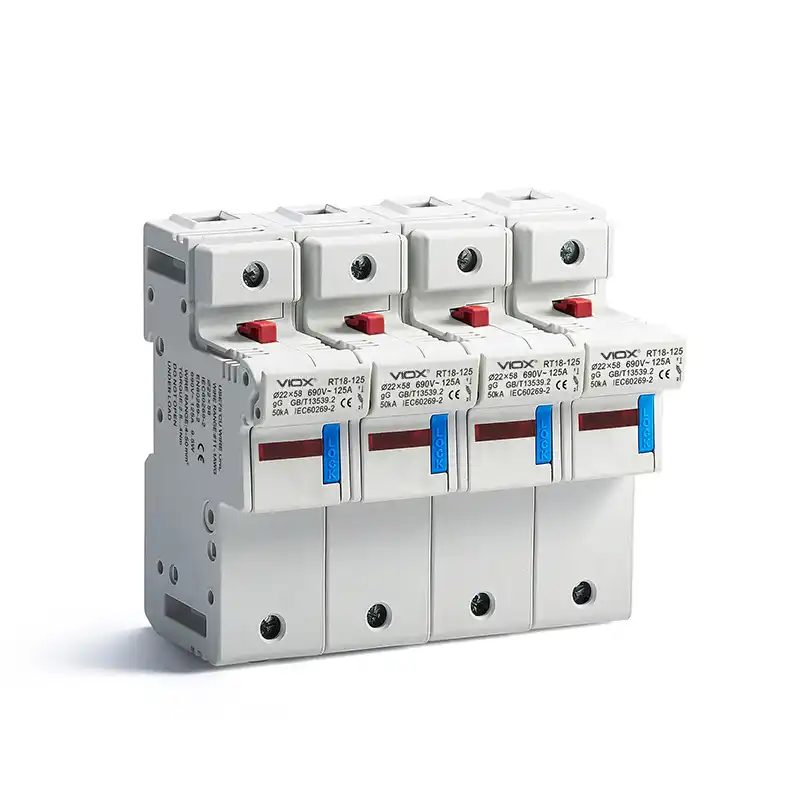
الف VIOX PV جا فیوزی یک راه ایمن و ضد لمس برای “خاموش کردن” یک رشته قبل از کار بر روی آن به شما می دهد. شما حامل را باز می کنید، مدار در داخل یک محفظه محصور قطع می شود و شما در امان هستید.
2. عامل “آینده نگری”
سیستم های خورشیدی رشد می کنند. ممکن است امروز با 2 رشته شروع کنید. سه سال بعد، ممکن است بخواهید یک رشته سوم برای شارژ یک EV اضافه کنید.
اگر سیستم 2 رشته ای خود را بدون فیوز به صورت سخت افزاری سیم کشی کرده اید (زیرا “کد می گفت نیازی به آنها ندارم”)، افزودن آن رشته سوم به طور ناگهانی کل آرایه موجود شما را غیرقانونی و خطرناک می کند. شما باید سیم کشی را پاره کرده و از نو شروع کنید.
اگر یک جعبه ترکیبی VIOX با جا فیوزی از روز اول نصب کرده باشید، افزودن یک رشته به صورت plug-and-play است. شما از قبل محافظت شده اید.
خلاصه: از ایمنی خود پیشی نگیرید
“پارادوکس فیوز” یک نکته جالب مهندسی است، اما یک فلسفه طراحی بد است.
در حالی که فیزیک یک سیستم 2 رشته ای ممکن است شما را از آتش سوزی نجات دهد، حذف فیوزها کنترل، ایمنی و قابلیت گسترش را از شما سلب می کند.
- N ≤ 2 رشته: فیوزها اختیاری هستند (اما برای جداسازی توصیه می شوند).
- N ≥ 3 رشته: فیوزها اجباری هستند (برای حفاظت در برابر آتش سوزی).
فقط برای بازرسی ساخت نکنید. برای 20 سال عملیاتی که در پی دارد، بسازید.
یادداشت دقت فنی
- استانداردها:
- NEC 690.9 (حفاظت در برابر جریان اضافی): الزامات حفاظت از مدارهای منبع PV را تعریف می کند.
- استثناء: اگر جریان های اتصال کوتاه از همه به شما که "فقط آن را نچرخانید")، میتوانید از "نگهبان قدیمی" منابع از ظرفیت آمپر هادی ها یا حداکثر درجه بندی فیوز سری ماژول تجاوز نکند، فیوزها مورد نیاز نیستند.
- فرمول: قانون کلی برای نیاز به فیوز این است:
(N - 1) x Isc > حداکثر درجه بندی فیوز سری.- جایی که ن تعداد رشته های موازی است.
- Isc جریان اتصال کوتاه پنل است (تنظیم شده برای عوامل ایمنی دما/تابش، معمولاً 1.25).
- راه حل های VIOX: VIOX فیوزهای 10x38mm gPV را به طور خاص برای قطع خطاهای کم جریان اضافی که در آرایه های خورشیدی DC رایج هستند، تولید می کند، که ممکن است فیوزهای AC استاندارد نتوانند آنها را پاک کنند.