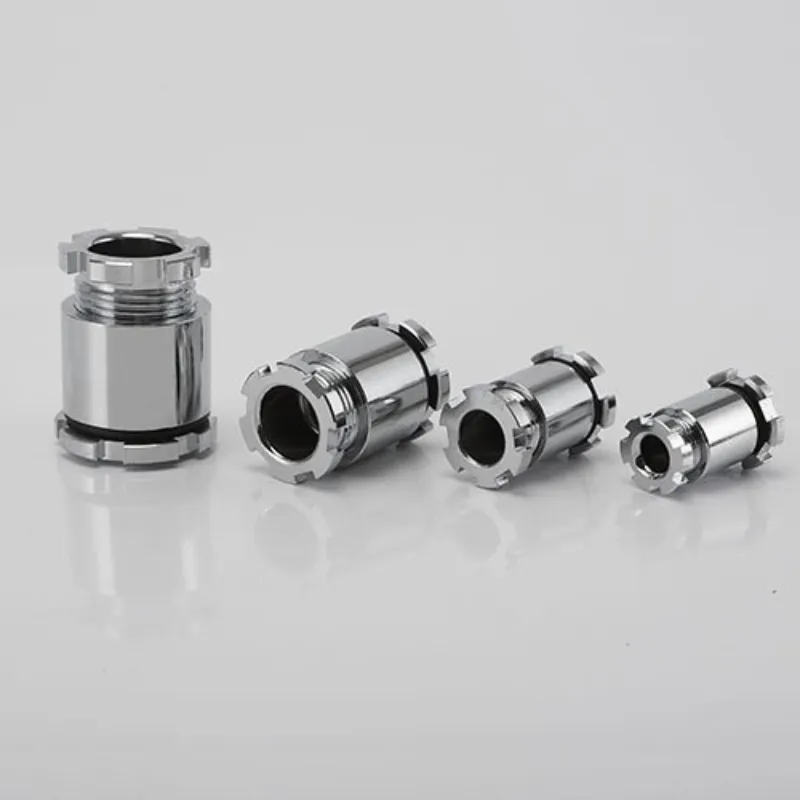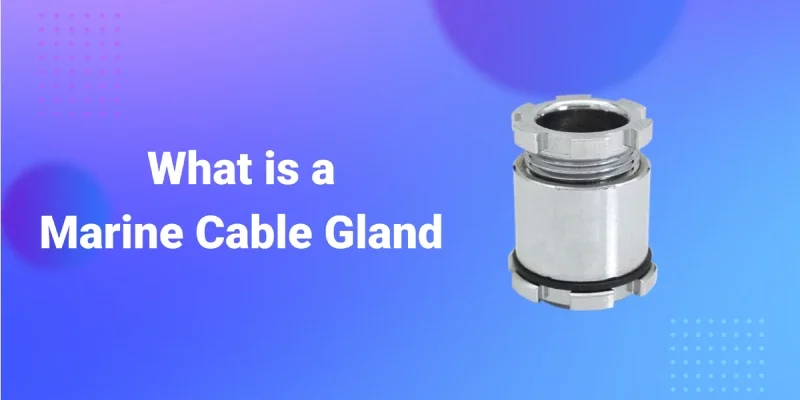
Ang mga marine cable gland ay mga espesyal na kagamitan na idinisenyo upang magbigay ng ligtas at hindi tinatagusan ng tubig na mga punto ng pasukan ng cable sa mga kapaligiran sa dagat, na gumaganap ng isang mahalagang papel sa pagprotekta sa mga electrical system sa mga barko, offshore platform, at iba pang mga instalasyon sa maritime mula sa pagpasok ng tubig at mga panganib sa kapaligiran.
Pangkalahatang-ideya ng Marine Cable Gland
Mga glandula ng kable ng dagat ay mahahalagang bahagi sa maritime electrical system, na nagbibigay ng secure at watertight na koneksyon sa pagitan ng mga cable at kagamitan. Ang mga espesyal na kabit na ito ay idinisenyo upang mapaglabanan ang malupit na mga kondisyon ng mga kapaligiran sa dagat, kabilang ang pagkakalantad sa tubig-alat, kahalumigmigan, at mga vibrations. Karaniwang nag-aalok ng mga rating na hindi tinatablan ng tubig ng IP68, ang mga glandula na ito ay maaaring labanan ang pagpasok ng tubig sa lalim ng isang metro o higit pa, na tinitiyak ang proteksyon ng mga kritikal na sistema ng kuryente sa mga barko, bangka, at offshore platform.
Ginawa mula sa mga materyales na lumalaban sa kaagnasan gaya ng tanso, tansong may nickel-plated, o hindi kinakalawang na asero.
Magagamit sa mga plastic na variant para sa pinahusay na paglaban sa pagkakalantad sa tubig-alat.
Idinisenyo upang gumana nang ligtas sa mga mapanganib na kapaligiran, kabilang ang mga silid ng makina ng barko at mga instalasyon sa malayo sa pampang.
Integral sa iba't ibang marine system, kabilang ang ilaw, control panel, at power generation unit.
Mga Materyales at Pangunahing Tampok
Ang mga marine cable gland ay gawa sa mga materyales na lumalaban sa kaagnasan upang makayanan ang malupit na mga kondisyon sa maritime. Kabilang dito ang mga metal tulad ng brass, nickel-plated brass, copper, o stainless steel para sa pinahusay na tibay, pati na rin ang mga plastic variant na nag-aalok ng higit na paglaban sa pagkakalantad sa tubig-alat. Kabilang sa mga pangunahing tampok ng mga espesyal na kagamitang ito ang:
- Hindi tinatagusan ng tubig na sealing na may mga rating ng IP68, na may kakayahang makatiis sa paglubog sa lalim na isang metro o higit pa.
- Paglaban sa pagsabog para sa ligtas na operasyon sa mga mapanganib na kapaligiran tulad ng mga silid ng makina ng barko.
- Kakayahang sumipsip ng mga vibration at pagyanig na karaniwan sa mga setting ng marine.
- Electromagnetic compatibility upang protektahan ang sensitibong kagamitan.
- Paglaban sa kaagnasan upang labanan ang pagguho ng tubig-dagat at pag-spray ng asin.
Mga Aplikasyon sa Mga Kapaligiran sa Marine
Ang mga marine cable gland ay malawakang ginagamit sa iba't ibang mga aplikasyon sa maritime, na tinitiyak ang kaligtasan at pagiging maaasahan ng mga electrical system sa mga mapanghamong kapaligiran. Ang mga espesyal na kagamitang ito ay mahalaga sa mga electrical system ng barko, kagamitan sa nabigasyon, at offshore oil and gas platform. Gumaganap sila ng isang mahalagang papel sa pag-secure ng mga cable para sa satellite navigation, GPS, at mga instrumento ng radar sa mga barko, na nagbibigay ng mahusay na proteksyon laban sa mga panganib sa kapaligiran. Bukod pa rito, ang mga marine cable gland ay mahahalagang bahagi sa mga underwater vehicle, subsea installation, at kagamitan sa dockyard, na nag-aambag sa maayos at ligtas na operasyon ng imprastraktura sa baybayin.
Pangunahing Mga Function ng Cable Gland
Ang mga cable gland ay nagsisilbi sa ilang mga kritikal na function sa mga kapaligiran sa marine, na gumaganap bilang mahahalagang bahagi para sa pagpapanatili ng integridad at kaligtasan ng mga electrical system. Ang mga device na ito ay nagbibigay ng strain relief sa pamamagitan ng pag-secure ng mga cable laban sa pag-alis at mechanical stress, habang tinitiyak din ang wastong electrical continuity at grounding. Sa pamamagitan ng paglikha ng isang masikip na seal, nag-aalok sila ng proteksyon sa kapaligiran mula sa tubig-alat, kahalumigmigan, at alikabok, na mahalaga para sa pagpigil sa hindi sinasadyang pagkakalas o pag-alis ng mga cable. Bukod pa rito, ang mga marine cable gland ay gumaganap ng isang mahalagang papel sa:
- Pagsipsip ng mga vibration at pagyanig na karaniwan sa mga setting ng maritime.
- Pagpapanatili ng electromagnetic compatibility sa sensitibong kagamitan.
- Pagpigil sa pagpasok ng mga contaminant sa mga electrical enclosure.
- Pagtitiyak ng ligtas na operasyon ng kagamitan sa mga potensyal na sumasabog na atmospera.
Mga Alituntunin sa Pag-install para sa Marine Cable Gland
Ang pag-install ng mga marine cable gland ay nangangailangan ng maingat na pagbibigay-pansin sa detalye upang matiyak ang wastong sealing at proteksyon sa malupit na mga kapaligiran sa maritime. Karaniwang kasama sa proseso ang pagpili ng naaangkop na gland para sa uri ng cable at mga kondisyon sa kapaligiran, paghahanda ng cable sa pamamagitan ng pagtanggal ng panlabas na sheath, at pagpasok nito sa pamamagitan ng mga bahagi ng gland. Kabilang sa mga pangunahing hakbang ang:
- Pagpili ng isang compatible na gland na may tamang IP rating para sa paggamit sa marine.
- Maayos na pagpoposisyon ng sealing ng mga elemento sa paligid ng cable.
- Mahigpit na paghigpit sa locknut nang hindi labis na paghigpit upang maiwasan ang pinsala.
- Pagpapatunay sa integridad ng seal at kawalan ng mga puwang.
- Pagsasaalang-alang sa mga kadahilanan sa kapaligiran at paggamit ng mga gland na may naaangkop na rating para sa malupit na mga kondisyon.
Ang regular na inspeksyon at pagpapanatili ay mahalaga upang matiyak ang patuloy na pagiging epektibo ng mga instalasyon ng marine cable gland, lalo na dahil sa nakakaagnas na katangian ng mga kapaligiran sa tubig-alat. Mahalagang sundin ang mga alituntunin ng tagagawa at mga nauugnay na pamantayan sa kaligtasan sa marine sa panahon ng pag-install upang mapanatili ang integridad ng mga electrical system sa mga barko at offshore platform.
Mga Pamantayan at Sertipikasyon para sa Marine Cable Gland
Ang mga marine cable gland ay dapat sumunod sa mahigpit na mga pamantayan at sertipikasyon upang matiyak ang kaligtasan at pagiging maaasahan sa mga kapaligiran sa maritime. Kabilang sa mga pangunahing pamantayan ang:
- IEC 60079 series para sa mga sumasabog na atmospera, na pinagtibay ng parehong Canada at Estados Unidos para sa mga klasipikasyon ng mapanganib na lokasyon.
- IP68 rating para sa patuloy na paggamit sa ilalim ng tubig, mahalaga para sa mga instalasyon kung saan ang mga cable gland ay maaaring permanenteng nakalubog.
- VG 88846-4, isang pamantayang militar ng Aleman para sa mga naval EMC cable gland, na nangangailangan ng mas mataas na antas ng proteksyon kaysa sa mga pamantayan ng sibilyan.
- ANSI/UL 514B at ANSI/UL 60079 para sa pagsunod sa mga kinakailangan ng API, NEC, at CEC sa North America.
Ang mga sertipikasyon mula sa mga kinikilalang katawan tulad ng ATEX, IECEx, UL, at CSA ay mahalaga para sa mga marine cable gland. Tinitiyak ng mga sertipikasyong ito na natutugunan ng mga produkto ang mga tiyak na pamantayan sa pagganap at kaligtasan para sa paggamit sa malupit na mga kondisyon sa marine, kabilang ang paglaban sa kaagnasan ng tubig-alat, vibration, at electromagnetic interference.
Mga Karaniwang Hamon sa Pag-install
Ang pag-install ng marine cable gland ay nagpapakita ng mga natatanging hamon dahil sa malupit na kapaligiran sa maritime. Ang isang karaniwang isyu ay ang pagkamit ng wastong sealing, dahil ang hindi sapat na mga seal ay maaaring humantong sa pagpasok ng tubig at mga pagkabigo ng system. Ang mga installer ay madalas na nahihirapan sa pagpili ng tamang laki ng gland, dahil ang paggamit ng isang gland na hindi tumutugma sa diameter ng cable ay maaaring makompromiso ang proteksyon. Ang mga kadahilanan sa kapaligiran tulad ng kaagnasan at matinding temperatura ay dapat ding maingat na isaalang-alang kapag pumipili ng mga materyales ng gland.
Ang isa pang mahalagang hamon ay ang pangangailangan na alisin at muling i-install ang mga koneksyon taun-taon para sa mga deck-stepped mast, na maaaring makapinsala sa maselang mga wiring sa paglipas ng panahon. Ang wastong pagbabarena ng mga rubber sealing block nang walang pagbaluktot ay mahirap din, na potensyal na makakompromiso sa waterproof integrity ng gland. Ang labis na paghigpit sa panahon ng pag-install ay isang madalas na pagkakamali na maaaring makapinsala sa parehong cable at gland, na binabawasan ang pagiging epektibo nito. Upang mapagaan ang mga hamong ito, dapat sundin ng mga installer ang mga alituntunin ng tagagawa nang malapit, gumamit ng mga naaangkop na tool, at magsagawa ng regular na inspeksyon upang matiyak ang pangmatagalang pagganap sa mga aplikasyon sa marine.
Mga Kasanayan sa Pagpapanatili at Pag-inspeksyon
Ang regular na pagpapanatili at pag-inspeksyon ng mga marine cable gland ay mahalaga para sa pagtiyak ng kahabaan ng buhay at pagiging epektibo ng mga electrical system sa mga kapaligiran sa maritime. Ang mga pana-panahong visual check ay dapat isagawa upang matukoy ang mga palatandaan ng pagkasira, kaagnasan, o pinsala, na may partikular na pansin sa integridad ng seal at wastong paghigpit. Inirerekomenda na magsagawa ng mga regular na visual na inspeksyon kahit man lang tuwing anim na buwan, na may mas komprehensibong mga inspeksyon taun-taon o tuwing dalawang taon, lalo na sa malupit na mga kondisyon.
Kasama sa mga pangunahing kasanayan sa pagpapanatili ang:
- Paglilinis ng lugar sa paligid ng mga gland upang maiwasan ang pag-iipon ng mga debris.
- Paglalangis ng mga bahagi kung tinukoy ng tagagawa.
- Agarang pagpapalit ng mga sira o nasirang bahagi.
- Pagdodokumento ng lahat ng mga aktibidad sa pagpapanatili para sa sanggunian sa hinaharap.
- Pagsasagawa ng electrical testing kung naaangkop, tulad ng mga pagsukat ng isolation resistance.
Bukod pa rito, para sa mga subsea cable, ang mga regular na survey gamit ang mga remotely operated vehicle (ROV) o iba pang mga espesyal na kagamitan ay maaaring kailanganin upang masuri ang lalim ng pagkalibing at matukoy ang anumang pagkakalantad o pinsala. Ang mga proactive na hakbang na ito ay nakakatulong na maiwasan ang mga pagkabigo at matiyak ang patuloy na ligtas na operasyon ng mga marine electrical system.
Kaugnay na Produkto: