A timer switch is an electrical control device that automatically turns electrical circuits on and off at predetermined times, providing convenient automation for lighting, heating, cooling, and other electrical systems. Timer switches save energy, improve security, and eliminate the need for manual operation of electrical devices, making them essential components in modern residential, commercial, and industrial applications.
Understanding timer switch types, functions, and applications helps you choose the right automation solution for your specific needs while ensuring safety, compliance, and optimal performance.
What Is a Timer Switch and How Does It Work?
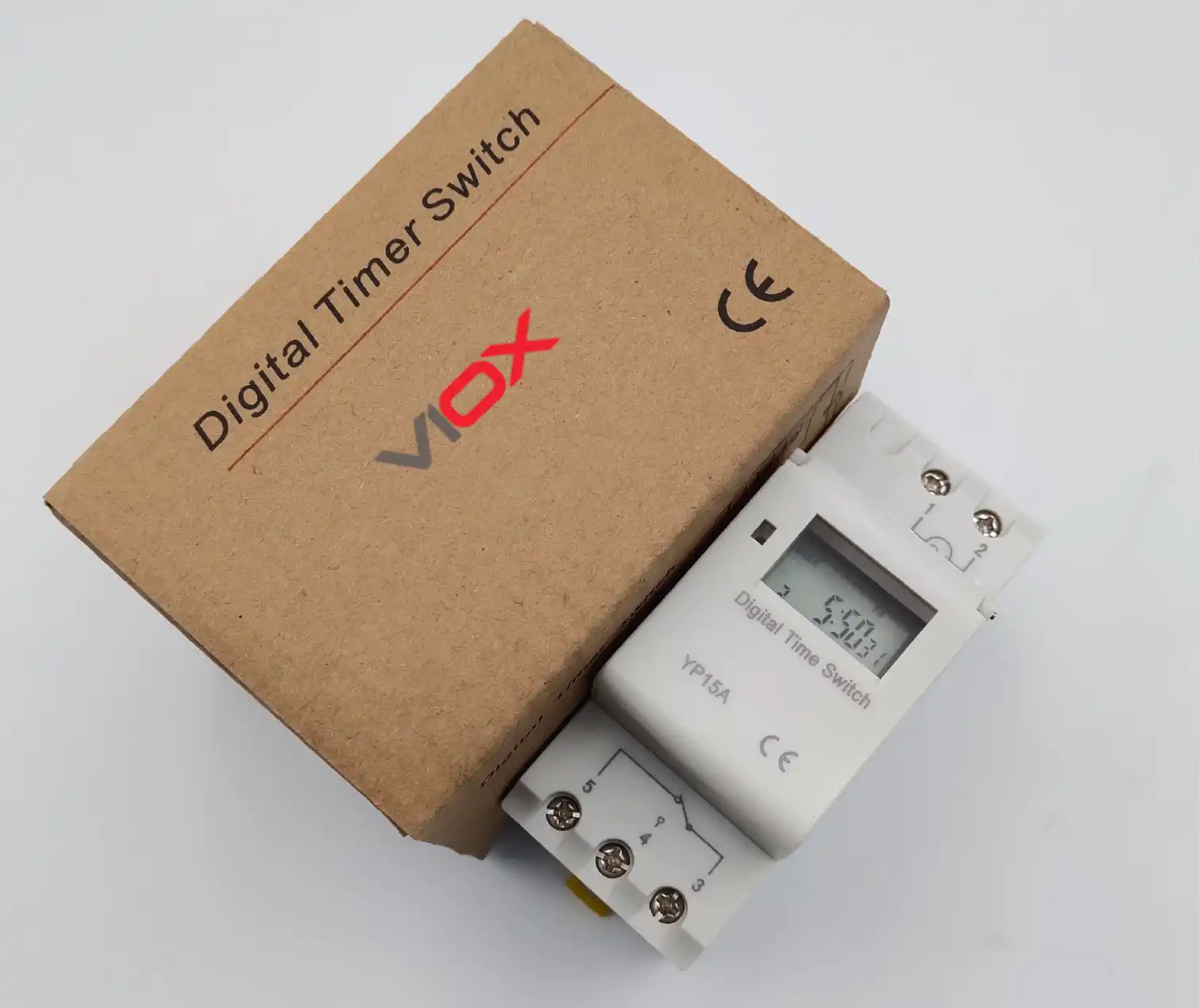
A timer switch replaces conventional wall switches to provide automated control of electrical circuits. These devices operate by using internal timing mechanisms—either mechanical clockwork, digital microprocessors, or smart connectivity—to control when electrical power flows to connected devices.
Key Components of Timer Switches:

- Timing Mechanism: Controls when switching occurs (mechanical, digital, or smart)
- Switch Contacts: Heavy-duty contacts that handle electrical loads
- Control Interface: Programming method (dials, buttons, or apps)
- Barošanas avots: Internal power source for timing functions
- Load Terminals: Connection points for electrical circuits
Timer Switch Types: Complete Comparison Guide
Mechanical Timer Switches

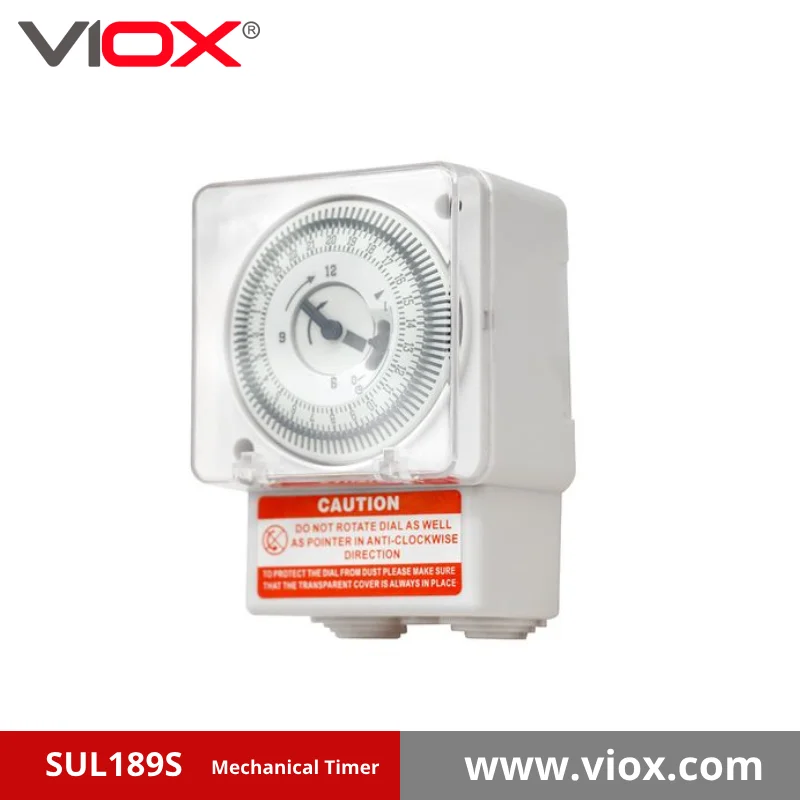
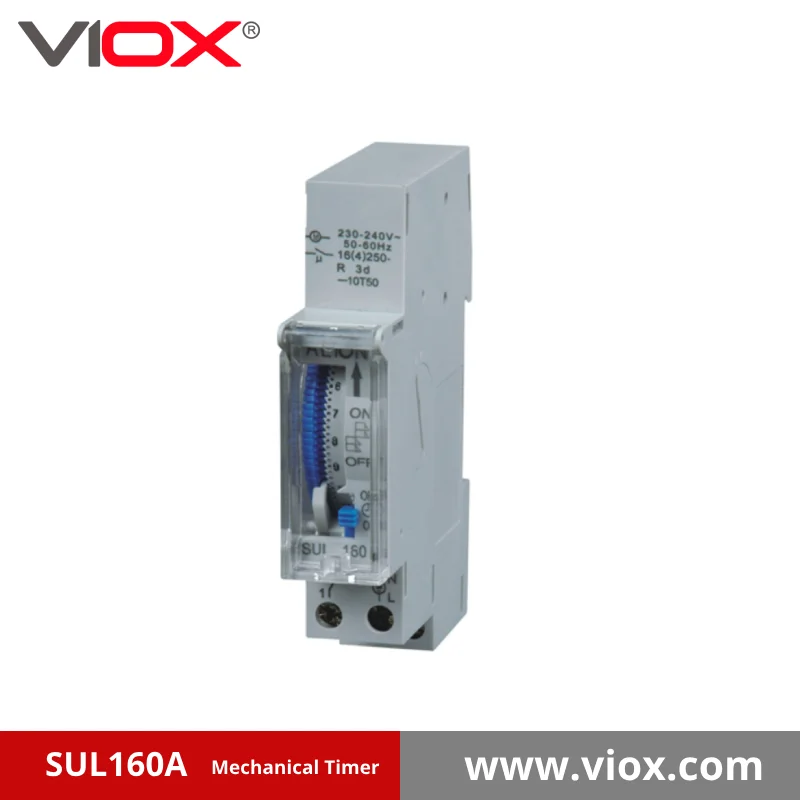
How They Work: Mechanical timer switches use a synchronous motor that drives a gear train at constant speed, similar to a clock mechanism. Removable pins or tabs around a rotating dial determine when the switch activates.
Galvenās funkcijas:
- Precizitāte: ±2-5 minutes typical deviation
- Programming: Manual adjustment via rotating dial with removable pins
- Enerģijas patēriņš: 1-2 watts, some models operate without electricity
- Dzīves ilgums: 15-20 years typical service life
- Kravas ietilpība: 15-30 amps for resistive loads
Labākās lietojumprogrammas:
- Pool pump filtration cycles
- Outdoor equipment operation
- Simple daily lighting schedules
- Applications where power outages are common
Digital/Electronic Timer Switches

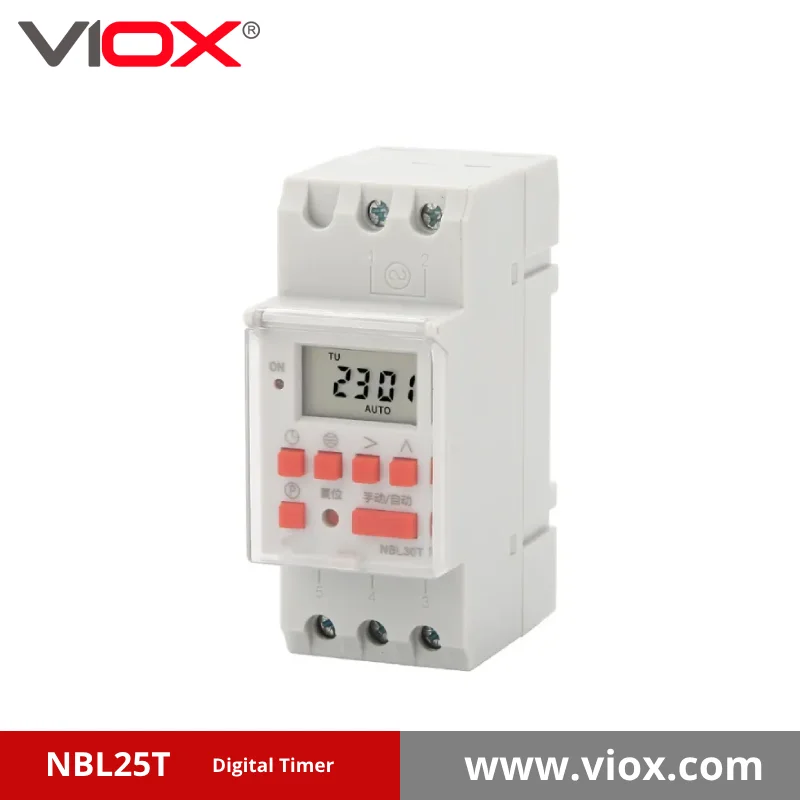
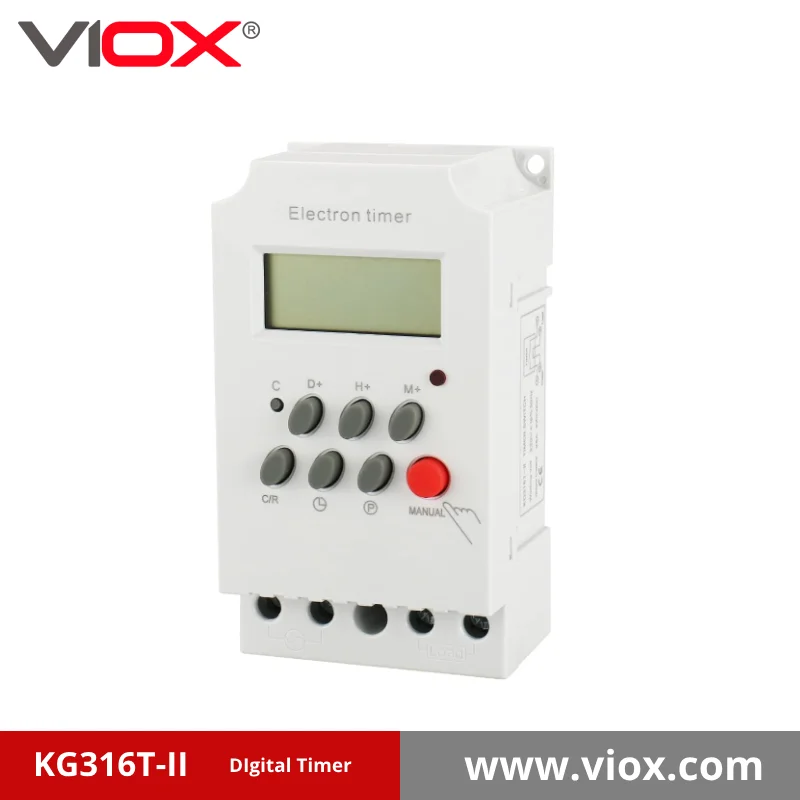
How They Work: Digital timer switches use microcontrollers with quartz crystal oscillators for precise timing. They feature LCD/LED displays and allow multiple daily and weekly programs.
Galvenās funkcijas:
- Precizitāte: ±2 seconds per day precision
- Programming: Multiple daily/weekly programs (up to 16-32 ON/OFF cycles)
- Uzlabotās funkcijas: Battery backup, holiday mode, manual override, countdown functions
- Enerģijas patēriņš: Approximately 2 watts per hour
- Displejs: Clear digital readouts showing time and program settings
Labākās lietojumprogrammas:
- Complex lighting schedules
- Indoor automation systems
- Security lighting with varied patterns
- Commercial building automation
Astronomical Timer Switches
How They Work: Astronomical timers calculate sunrise and sunset times using stored algorithms based on geographic coordinates. They automatically adjust for seasonal changes and daylight saving time.
Galvenās funkcijas:
- Auto-Adjustment: Automatically compensates for seasonal daylight changes
- Precizitāte: ±1 minute with self-adjusting capability
- Programming: Requires latitude/longitude input or GPS auto-detection
- Seasonal Compensation: Eliminates manual adjustments throughout the year
Labākās lietojumprogrammas:
- Āra drošības apgaismojums
- Landscape illumination
- Ielu apgaismojuma sistēmas
- Energy-efficient building exteriors
Smart/IoT Timer Switches
How They Work: Smart timer switches connect to home networks via Wi-Fi, Zigbee, or Z-Wave protocols, enabling remote control and advanced automation features through smartphone apps.
Galvenās funkcijas:
- Savienojamība: Wi-Fi, Zigbee, Z-Wave, or Bluetooth protocols
- Integrācija: Compatible with Alexa, Google Home, Apple HomeKit, Samsung SmartThings
- Uzlabotās funkcijas: Voice control, geofencing, energy monitoring, machine learning optimization
- Enerģijas patēriņš: 2-5 watts depending on connectivity
Labākās lietojumprogrammas:
- Smart home integration
- Attālā uzraudzība un vadība
- Energy optimization systems
- Modern residential automation
Timer Switch Comparison Table
| Funkcija | Mehāniskais | Digitālais | Astronomical | Smart/IoT |
|---|---|---|---|---|
| Precizitāte | ±2-5 minutes | ±2 seconds/day | ±1 minute | ±1 second |
| Daily Programs | 1 | 1-16 | 1-16 | Unlimited |
| Weekly Programs | Nē | Jā | Jā | Jā |
| Seasonal Adjustment | Rokasgrāmata | Rokasgrāmata | Automātiskais | Automātiskais |
| Tālvadības pults | Nē | Nē | Ierobežots | Jā |
| Uzstādīšanas sarežģītība | Zema | Vidēja | Vidēja | Augsts |
| Enerģijas patēriņš | 1-2W | ~2W | 2-3W | 2-5W |
| Tipisks kalpošanas laiks | 15-20 gadi | 8-12 years | 10-15 gadi | 5–10 gadi |
| Cenu diapazons | $6-40 | $20-120 | $30-80 | $30-150 |
Timer Switch Functions and Benefits
Primary Functions
Automated Scheduling: Timer switches eliminate the need for manual operation by automatically controlling electrical circuits based on predetermined schedules. This provides consistent operation regardless of occupancy or user availability.
Enerģijas pārvaldība: By controlling when electrical devices operate, timer switches prevent unnecessary energy consumption during unoccupied periods or when equipment isn’t needed.
Security Enhancement: Automated lighting schedules create the appearance of occupancy, deterring potential intruders. Random or varied lighting patterns provide enhanced security benefits.
Iekārtu aizsardzība: Controlled operation cycles extend the lifespan of electrical equipment by preventing continuous operation and reducing wear on motors, bulbs, and other components.
Key Benefits by Application
Dzīvojamo ēku lietojumprogrammas:
- Energy Savings: 4-9% automatic electricity savings with proper programming
- Ērtības: Eliminates manual switching for daily routines
- Security: Varied lighting patterns simulate occupancy during vacations
- Izmaksu samazināšana: Pool timer switches can save $200-400 annually on energy costs
Komerciālie lietojumi:
- Kods Atbilstības: ASHRAE 90.1 energy efficiency requirements
- Operational Efficiency: 15-20% reduction in utility costs for controlled equipment
- Maintenance Reduction: Scheduled operation reduces equipment wear
- Brand Consistency: Automated scheduling ensures consistent lighting presentation
Rūpnieciskie lietojumi:
- Procesa kontrole: Precise timing for manufacturing and chemical processes
- Drošības sistēmas: Automated testing schedules for emergency equipment
- Enerģijas optimizācija: Up to 50% energy savings potential in lighting and HVAC systems
- Kvalitātes kontrole: Consistent automated schedules ensure reliable processes
Timer Switch Applications Guide
Dzīvojamo ēku lietojumprogrammas
Apgaismes vadības sistēmas
Indoor Automation
- Drošības apgaismojums: Deter intruders with varied lighting patterns
- Convenience Scheduling: Automatic operation for daily routines
- Enerģijas pārvaldība: Prevent lights from being left on unnecessarily
- Ieteicamais tips: Digital programmable timers for complex schedules
Āra apgaismojums
- Ainavu apgaismojums: Automatic dusk-to-dawn operation
- Drošības apgaismojums: Motion-activated backup with timer override
- Svētku rotājumi: Seasonal scheduling with easy programming
- Ieteicamais tips: Astronomical timers for automatic seasonal adjustment
Pool and Spa Equipment
Filtration Systems
- Optimal Operation: 6-8 hours daily for water quality maintenance
- Energoefektivitāte: Prevents 24/7 pump operation
- Iekārtu aizsardzība: Controlled cycles extend pump lifespan
- Izmaksu ietaupījumi: $200-400 annual energy cost reduction
Heating and Chemical Systems
- Precise Timing: Coordinate heating with filtration cycles
- Chemical Dosing: Automated chemical system operation
- Drošības līdzekļi: Prevent overheating and chemical overdosing
HVAC and Water Heating
Water Heater Control
- Demand Management: Heat during off-peak hours
- Energoefektivitāte: Reduce standby losses during low-demand periods
- Cost Optimization: Take advantage of time-of-use electricity rates
Ventilation Systems
- Bathroom Fans: Automatic operation for humidity control
- Attic Ventilation: Temperature-based operation schedules
- Gaisa kvalitātes pārvaldība: Consistent ventilation cycling
Komerciālie lietojumi
Office Building Automation
Apgaismes sistēmas
- Parking Lot Control: Astronomical timers with photocell integration
- Interior Lighting: Stairwell, corridor, and conference room automation
- Energy Compliance: Meet ASHRAE 90.1 code requirements
- Izmaksu ieguvumi: 15-20% reduction in lighting energy costs
HVAC Coordination
- Occupancy-Based Control: Operate systems only during business hours
- Temperature Setbacks: Automatic temperature adjustments for unoccupied periods
- Fresh Air Management: Scheduled ventilation for indoor air quality
Retail and Signage
Displeja apgaismojums
- Storefront Windows: Attractive evening illumination
- Billboard Control: Automated sign lighting schedules
- Promotional Lighting: Seasonal and special event programming
Operational Efficiency
- Enerģijas pārvaldība: Timer-photocell combinations for optimal operation
- Maintenance Reduction: Scheduled operation reduces bulb replacement frequency
- Brand Consistency: Reliable automated lighting presentation
Rūpnieciskie lietojumi
Manufacturing Systems
Production Equipment
- Warm-up Cycles: Automated machinery preparation
- Transportieru sistēmas: Precise timing for production lines
- Kvalitātes kontrole: Consistent automated testing schedules
Procesa kontrole
- Chemical Dosing: Precise timing for treatment processes
- Drošības sistēmas: Automated emergency equipment testing
- Environmental Control: Ventilation and temperature management
Enerģijas pārvaldība
Demand Control
- Load Scheduling: Coordinate high-demand equipment operation
- Peak Shaving: Reduce utility demand charges
- Power Factor Correction: Automated capacitor bank switching
Efficiency Optimization
- Equipment Cycling: Prevent unnecessary continuous operation
- Maintenance Scheduling: Automated lubrication and cleaning cycles
- Enerģijas monitorings: Track and optimize consumption patterns
Timer Switch Selection Guide
Kravnesības prasības
Resistive Loads (Heating, Incandescent Lighting)
- Dzīvojamās telpas: 15-20 amp capacity typical
- Komerciālais: 20-30 amp capacity required
- Rūpnieciskais: 30+ amp capacity for heavy equipment
Inductive Loads (Motors, Fluorescent Lighting)
- Motor Loads: Require 25-40% higher capacity than nameplate rating
- Fluorescent Lighting: Check ballast compatibility and inrush current
- LED Lighting: Verify minimum load requirements and compatibility
Capacitive Loads (Electronic Equipment)
- LED Drivers: Check for minimum load requirements
- Electronic Ballasts: Verify compatibility with timer switching
- Power Supplies: Consider inrush current characteristics
Vides apsvērumi
Iekštelpu lietojumi
- Standarta nosacījumi: NEMA 1 or IP20 protection sufficient
- Humid Environments: IP44 rating for bathrooms and kitchens
- Temperatūras ekstrēmumi: Verify operating temperature ranges
Āra pielietojumi
- Laikapstākļu aizsardzība: Minimum IP65 rating required
- Ekstrēmi apstākļi: IP67 for temporary immersion protection
- Korozīvas vides: Stainless steel or corrosion-resistant materials
Feature Requirements
Basic Applications
- Simple Scheduling: Mechanical timers for straightforward on/off control
- Limited Programs: Single daily cycle sufficient
- Cost Sensitive: Mechanical timers provide best value
Advanced Applications
- Vairākas programmas: Digital timers with 16+ daily programs
- Seasonal Adjustment: Astronomical timers for automatic changes
- Tālvadības pults: Smart timers for app-based operation
Uzstādīšanas un drošības vadlīnijas
Pre-Installation Safety Requirements
⚠️ Drošības Brīdinājums: Always turn off power at the circuit breaker before installation. Use a voltage tester to verify power is off, and test the voltage tester on a known live circuit to ensure it’s working properly.
Required Safety Steps:
- Power Disconnection: Turn off power at circuit breaker
- Voltage Verification: Test with digital multimeter or voltage tester
- Equipment Testing: Verify test equipment on known live circuit
- Wire Identification: Label all wires (line, load, neutral, ground)
- Reference Documentation: Take photos of existing wiring
Uzstādīšanas process
Step 1: Preparation
- Remove existing switch and inspect wire condition
- Verify wire gauge matches timer switch requirements
- Check for adequate box depth and wire length
Step 2: Wiring Connections
- Connect ground wire to timer switch ground terminal
- Connect neutral wire if required by timer type
- Connect line wire to line terminal (usually black)
- Connect load wire to load terminal (usually red)
Step 3: Installation Completion
- Fold wires carefully into electrical box
- Secure timer switch to mounting ears
- Install cover plate and restore power
- Test functionality and program settings
Kodeksa atbilstības prasības
National Electrical Code (NEC) 2023
- Neutral Wire Requirement: NEC 404.2(C) mandates neutral conductors at switch locations in bathrooms, hallways, stairways, and habitable rooms
- GFCI Protection: Required for timer switches in wet locations
- Pareiza zemējuma ierīkošana: All timer switches must be properly grounded
Vietējo kodu variācijas
- Atļaujas prasības: Check local requirements for electrical work
- Inspection Needs: Some jurisdictions require inspection for timer switch installation
- Profesionāla uzstādīšana: May be required for complex installations
Troubleshooting Common Timer Switch Problems
7-Step Troubleshooting Process
Step 1: Verify Programming
- Check correct day and time settings
- Ensure unused time groups display “–:–“
- Verify AM/PM settings on 12-hour displays
Step 2: Check Operating Mode
- Confirm switch is in “AUTO” mode, not “MANUAL”
- Manuālās ignorēšanas funkcijas pārbaude
- Verify program enable/disable settings
Step 3: Inspect Power Supply
- Check for proper voltage at timer terminals
- Verify secure wire connections
- Test for voltage drops under load
Step 4: Test Internal Components
- Check and replace blown fuses (typically 0.1A-0.3A rating)
- Replace battery backup if applicable
- Verify display function and clarity
Step 5: Load Compatibility
- Ensure load doesn’t exceed timer capacity
- Check for LED compatibility issues
- Verify minimum load requirements
Step 6: Environmental Factors
- Check for moisture ingress in outdoor installations
- Verify operating temperature ranges
- Inspect for corrosion or damage
Step 7: Professional Consultation
- Contact manufacturer technical support
- Consider professional electrical inspection
- Plan for timer replacement if necessary
Bieži sastopamas problēmas un risinājumi
| Problēma | Iespējamais cēlonis | Risinājums |
|---|---|---|
| Timer not switching at set times | Incorrect programming | Verify time, day, and program settings |
| Losing settings after power outage | Failed battery backup | Replace battery or upgrade to non-volatile memory timer |
| Lights flickering with LED loads | Incompatible timer type | Use LED-compatible timer with proper minimum load |
| Timer display dark or erratic | Power supply issues | Check voltage supply and wire connections |
| Manual override not working | Faulty switch contacts | Professional replacement required |
| Nekonsekventa darbība | Mehāniskais nodilums | Replace with new timer switch |
Expert Tips for Timer Switch Success
Programming Best Practices
Tip 1: Plan Your Schedule
Map out desired operation times before programming. Consider seasonal changes and daylight saving time. Account for equipment warm-up and cool-down periods.
Tip 2: Use Overlap Protection
Avoid programming conflicts between different timers. Ensure adequate time between switching operations. Consider load startup characteristics.
Tip 3: Test Thoroughly
Run through complete program cycles before relying on automation. Verify operation during power outages if battery backup is installed. Document program settings for future reference.
Energy Optimization Strategies
Tip 4: Coordinate with Utility Rates
Program high-consumption equipment during off-peak hours. Take advantage of time-of-use electricity rates. Consider demand charges for commercial installations.
Tip 5: Integrate with Other Controls
Combine timers with photocells for optimal outdoor lighting. Use with occupancy sensors for maximum efficiency. Coordinate with building automation systems.
Apkope un ilgmūžība
Tip 6: Regular Inspection
Check programming accuracy seasonally. Verify physical condition annually. Replace batteries in backup systems as needed.
Tip 7: Professional Integration
Consult electricians for complex installations. Consider system integration for multiple timers. Plan for future expansion and upgrades.
Bieži Uzdotie Jautājumi
Basic Operation Questions
Q: What is the difference between mechanical and digital timer switches?
A: Mechanical timer switches use clockwork mechanisms with physical pins for programming, offering simplicity and long life (15-20 years) but limited accuracy (±2-5 minutes). Digital timer switches use microprocessors with precise quartz timing (±2 seconds/day) and allow multiple complex programs but have shorter lifespans (8-12 years).
Q: How do I know if my timer switch is compatible with LED lights?
A: Check the timer specifications for LED compatibility and minimum load requirements. Many older timers require a minimum load that LED lights don’t provide, causing flickering or failure to operate. Look for timers specifically rated for LED loads or those with electronic low-voltage compatibility.
Q: Can I install a timer switch myself, or do I need an electrician?
A: Simple timer switch replacement typically doesn’t require an electrician if you’re comfortable with basic electrical work. However, professional installation is recommended for new circuits, complex three-way configurations, outdoor installations, or when local codes require permits and inspections.
Technical and Safety Questions
Q: What does the neutral wire requirement mean for timer switches?
A: The 2023 National Electrical Code requires neutral wires at switch locations in bathrooms, hallways, stairways, and habitable rooms. Many smart and digital timers require neutral connections for proper operation, especially with LED loads. If no neutral wire is present, you may need professional installation of new cable.
Q: How do astronomical timer switches know when to turn lights on and off?
A: Astronomical timers contain computer algorithms that calculate sunrise and sunset times based on your geographic location (latitude and longitude). They automatically adjust throughout the year for seasonal changes and daylight saving time, eliminating manual reprogramming.
Q: What should I do if my timer switch stops working after a power outage?
A: First, check if the display shows the correct time and reprogram if necessary. If the timer has battery backup, replace the battery. For timers without backup, reprogram all settings. If problems persist, the internal components may have been damaged by power surges, requiring replacement.
Selection and Application Questions
Q: Which timer switch type is best for pool equipment?
A: For pool pumps and filtration systems, mechanical timer switches are often preferred because they’re reliable, don’t require neutral wires, and continue operating during power outages. Program for 6-8 hours daily operation, typically during off-peak electricity hours to minimize costs.
Q: Can I use a timer switch with a three-way light setup?
A: Yes, but it requires special three-way timer switches (like the Intermatic ST01) or installation at the power source end of the circuit. Standard timer switches don’t work in three-way configurations. Consider consulting an electrician for proper installation.
Q: How much energy can I save with timer switches?
A: Residential applications typically see 4-9% automatic electricity savings with proper programming. Pool timer switches can save $200-400 annually. Commercial buildings can achieve 15-20% reductions in controlled equipment costs. Actual savings depend on current usage patterns and electricity rates.
—
Ready to automate your electrical systems? Timer switches provide reliable, cost-effective automation that saves energy, improves security, and simplifies daily routines. Choose the right type for your application, follow proper installation and safety procedures, and enjoy the benefits of intelligent electrical control. For complex installations or when in doubt about electrical work, consult a qualified electrician to ensure safe, code-compliant operation.
Saistīts
Kā izvēlēties pareizo taimera releju