2025

How to Know *Why* a Breaker Tripped: An Engineer's Guide (Overload vs. Short Circuit)

ວິທີການຮູ້ *ວ່າເປັນຫຍັງ* ເຄື່ອງຕັດໄຟຈຶ່ງເຮັດວຽກ: ຄູ່ມືຂອງວິສະວະກອນ (Overload vs. Short Circuit)

  Your breaker trips. You go to the panel and see that “rookie” indicator: the handle is stuck in the “middle” position (neither ON nor OFF). You know that it tripped. But now you have to be a “detective.” What was the “murder weapon”? The “Slow-Cook” (Overload): A “chronic suicide.” You plugged in a 10A […]

ວິທີການຮູ້ *ວ່າເປັນຫຍັງ* ເຄື່ອງຕັດໄຟຈຶ່ງເຮັດວຽກ: ຄູ່ມືຂອງວິສະວະກອນ (Overload vs. Short Circuit) ອ່ານເພີ່ມເຕີມ »

What If You Force a Breaker "ON"? (The "Trip-Free" Safety You Don't Know You Have)

ຈະເປັນແນວໃດຖ້າທ່ານບັງຄັບໃຫ້ Breaker “ON”? (“Trip-Free” ຄວາມປອດໄພທີ່ທ່ານບໍ່ຮູ້ວ່າທ່ານມີ)

It’s the “Darwin Award” of electrical “hacks”: a circuit breaker keeps tripping, so a “clever” person jams a stick, a zip-tie, or even a lock on the handle to force it to stay “ON.” This sets up a terrifying thought experiment: what wins? The “Immovable Stick” or the “Unstoppable Short Circuit“? Does the breaker explode?

ຈະເປັນແນວໃດຖ້າທ່ານບັງຄັບໃຫ້ Breaker “ON”? (“Trip-Free” ຄວາມປອດໄພທີ່ທ່ານບໍ່ຮູ້ວ່າທ່ານມີ) ອ່ານເພີ່ມເຕີມ »

“Breaker Panel 101” ຂອງ Pro: ວິສະວະກອນຕອບຄໍາຖາມໃຫຍ່ທີ່ສຸດ 4 ຂໍ້ຂອງທ່ານ

You just bought a house. You’re staring at that gray metal “mystery box” in the garage or basement. It might even be humming. You’re afraid to touch it. This is your breaker panel, the “heart” of your home’s electrical system. But for most new homeowners, it’s an unlabeled “black box.” You’re afraid you’ll break something,

“Breaker Panel 101” ຂອງ Pro: ວິສະວະກອນຕອບຄໍາຖາມໃຫຍ່ທີ່ສຸດ 4 ຂໍ້ຂອງທ່ານ ອ່ານເພີ່ມເຕີມ »

How to Trace a Circuit: A Pro's Guide to "Breaker Finders" vs. "Tone Generators"

ວິທີການຕິດຕາມວົງຈອນ: ຄູ່ມືແນະນຳແບບມືອາຊີບສຳລັບ “ເຄື່ອງຊອກຫາເບຣກເກີ” ທຽບກັບ “ເຄື່ອງສ້າງສຽງ”

You open a 20-year-old, 480V panel. It’s an “archaeology dig.” The panel schedule is a “Jackson Pollock” of faded, cryptic, or just plain wrong labels. You need to find the one breaker for “Conveyor #3” to perform LOTO (Lock-Out Tag-Out). You can’t just “start flipping them”—not unless you want to shut down the entire production

ວິທີການຕິດຕາມວົງຈອນ: ຄູ່ມືແນະນຳແບບມືອາຊີບສຳລັບ “ເຄື່ອງຊອກຫາເບຣກເກີ” ທຽບກັບ “ເຄື່ອງສ້າງສຽງ” ອ່ານເພີ່ມເຕີມ »

What is "Selectivity"? A Pro's Guide to Breaker Coordination (and Avoiding a "Fair Fight")

“Selectivity” ແມ່ນຫຍັງ? ຄູ່ມືແນະນຳສຳລັບຜູ້ຊ່ຽວຊານໃນການປະສານງານຂອງເຄື່ອງຕັດວົງຈອນ (ແລະການຫຼີກເວັ້ນ “ການຕໍ່ສູ້ທີ່ບໍ່ຍຸດຕິທຳ”)

An apprentice engineer asks, “My utility supply is 100A. Should my factory’s main breaker also be 100A?” First, let’s gently correct the terminology, as it reveals the “Master-level” secret. A factory main isn’t an “MCB” (a Miniature Circuit Breaker, the “household” kind). It’s an “MCCB“ (a Moulded Case Circuit Breaker) or an “ACB“ (an Air

“Selectivity” ແມ່ນຫຍັງ? ຄູ່ມືແນະນຳສຳລັບຜູ້ຊ່ຽວຊານໃນການປະສານງານຂອງເຄື່ອງຕັດວົງຈອນ (ແລະການຫຼີກເວັ້ນ “ການຕໍ່ສູ້ທີ່ບໍ່ຍຸດຕິທຳ”) ອ່ານເພີ່ມເຕີມ »

Switchboard vs Switchgear: The Real Difference (It's Not Just Voltage)

Switchboard vs Switchgear: ຄວາມແຕກຕ່າງທີ່ແທ້ຈິງ (ມັນບໍ່ແມ່ນແຄ່ແຮງດັນໄຟຟ້າ)

To an apprentice, “Switchboard” and “Switchgear” sound the same: just two different words for the “big metal box with all the breakers.” To a professional, this is the difference between a House Cat and a Tiger. Confusing them can be an expensive—or even fatal—mistake. The common “rookie” answer is that “Switchgear is for high voltage,

Switchboard vs Switchgear: ຄວາມແຕກຕ່າງທີ່ແທ້ຈິງ (ມັນບໍ່ແມ່ນແຄ່ແຮງດັນໄຟຟ້າ) ອ່ານເພີ່ມເຕີມ »

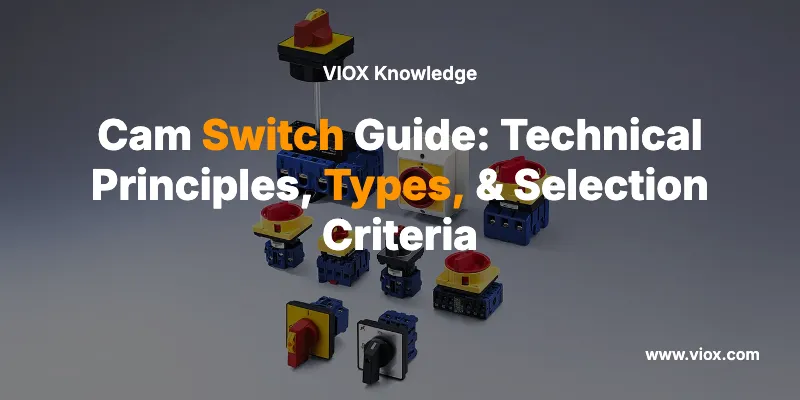
Cam Switch Guide: Technical Principles, Types, & Selection Criteria (2025)

ຄູ່ມືສະຫຼັບ Cam: ຫຼັກການທາງເທັກນິກ, ປະເພດ, ແລະເງື່ອນໄຂການຄັດເລືອກ (2025)

The plant goes down at 2 AM. Again. By the time you arrive, maintenance has already ruled out the VFD, checked the contactor, verified the relay ladder. The motor’s fine. The PLC’s fine. Everything’s fine except production has been halted for three hours and your plant manager is calculating lost revenue per minute. Then someone

ຄູ່ມືສະຫຼັບ Cam: ຫຼັກການທາງເທັກນິກ, ປະເພດ, ແລະເງື່ອນໄຂການຄັດເລືອກ (2025) ອ່ານເພີ່ມເຕີມ »

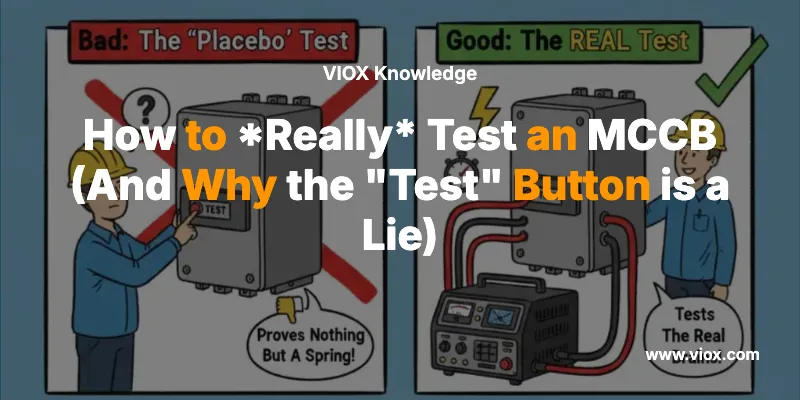
How to *Really* Test an MCCB (And Why the "Test" Button is a Lie)

ວິທີການທົດສອບ MCCB *ແທ້ໆ* (ແລະເປັນຫຍັງປຸ່ມ “ທົດສອບ” ຈຶ່ງເປັນການຕົວະ)

You’re on-site, in front of a giant 400A MCCB (Moulded Case Circuit Breaker) that acts as the “main gate” for a critical factory line. You need to “test” it. You see the little “Push-to-Trip” (PTT) button. You press it. CLUNK. The breaker trips. Your job is done, right? You’ve “tested” the breaker? No. You’ve done

ວິທີການທົດສອບ MCCB *ແທ້ໆ* (ແລະເປັນຫຍັງປຸ່ມ “ທົດສອບ” ຈຶ່ງເປັນການຕົວະ) ອ່ານເພີ່ມເຕີມ »

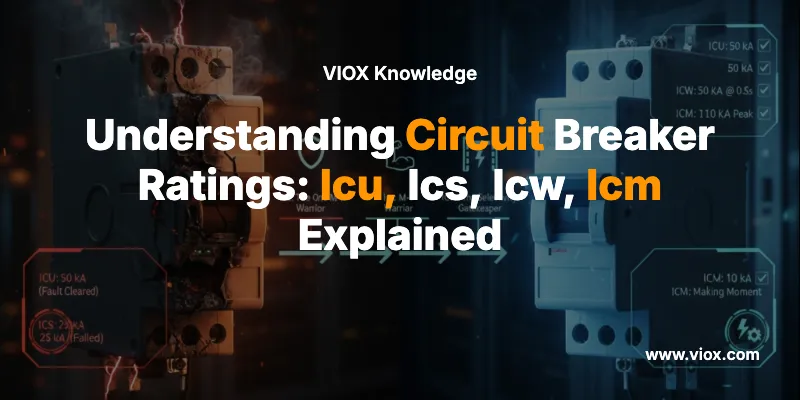
Understanding Circuit Breaker Ratings: Icu, Ics, Icw, Icm Explained

ເຂົ້າໃຈລະດັບຂອງເຊີກິດເບຣກເກີ: Icu, Ics, Icw, Icm ອະທິບາຍ

The spec sheet looked perfect. 50 kA Icu rating, well above your calculated 38 kA fault current. You signed off on the order, the breaker shipped, installation went smoothly. Three months later, a short circuit on the main distribution bus. The breaker cleared the fault in milliseconds—exactly as designed. But when your team powered back

ເຂົ້າໃຈລະດັບຂອງເຊີກິດເບຣກເກີ: Icu, Ics, Icw, Icm ອະທິບາຍ ອ່ານເພີ່ມເຕີມ »

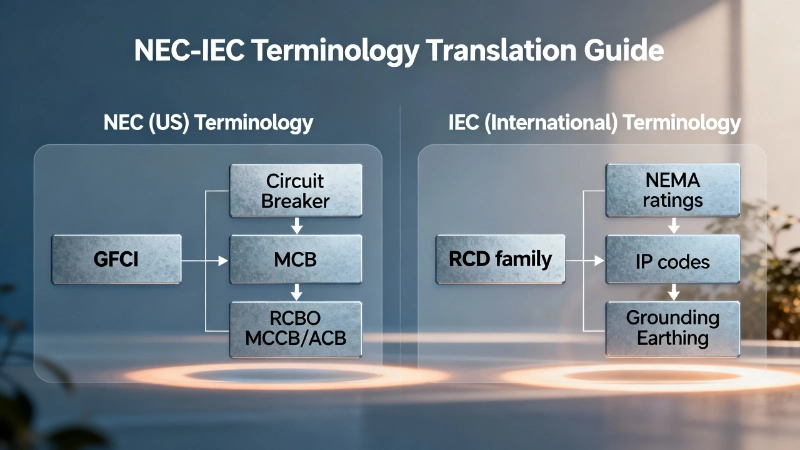
NEC-to-IEC terminology translation overview

NEC ທຽບກັບ IEC: ຕາຕະລາງການສອດຄ່ອງກັນຂອງຄຳສັບຫຼັກ

You’re halfway through the panel spec when the supplier’s email arrives: “Can you clarify—are you requesting GFCI protection per NEC or RCD protection per IEC 61009?” You stare at the screen. Aren’t they the same thing? They are. Sort of. The device does the same job—but the terminology, the standards numbering, the rating nomenclature, and

NEC ທຽບກັບ IEC: ຕາຕະລາງການສອດຄ່ອງກັນຂອງຄຳສັບຫຼັກ ອ່ານເພີ່ມເຕີມ »

ຂໍ Quote ດຽວນີ້